
4 Best Kosher Coffees of 2026
After comparing the field and weighing owner feedback, my top pick for kosher coffee is Elite Instant Coffee Kosher Passover, it’s reliably certified and built for tradition. For daily use on a budget, Elite Instant Coffee 7oz (3 Pack) delivers consistent flavor, while Kleinhaus Nano Instant Coffee Packets stand out for convenience and clean taste.
Choosing kosher coffee means balancing faith, flavor, and practicality. It’s not just about checking a label, it’s about finding a coffee that fits your routine and tastes good without compromising your standards.
This guide cuts through the noise by focusing on trusted certifications, bean origins, and real user experiences. I looked at specs, reputation, and feedback from those who keep kosher to find options that deliver both integrity and quality in every cup.
Top 4 Kosher Coffee in the Market
The Best Kosher Coffee, Reviewed
Elite Instant Coffee Kosher Passover

Strengths
- Kosher for Passover
- Rich, balanced taste
- Trusted certification
Trade-offs
- No single-serve option
- Less portable
- Packaging not resealable
This is the one to get if you need Kosher for Passover compliance without completely sacrificing taste in an instant coffee. On paper, it’s nearly identical to the non-Passover version, same 7oz size, same small-batch production from Israel, but the certification makes all the difference for observant users. Reviewers confirm it tastes just as smooth and aromatic, with that mild roastiness that doesn’t turn bitter when mixed with hot water.
Given the niche demand for Passover-safe coffee, this stands out as a reliable, accessible option that doesn’t feel like a compromise. Compared to the Kleinhaus nano instant, it lacks the ultra-fresh marketing and single-serve convenience, but it wins on religious certification and value per ounce. For me, that makes it the best overall pick in this category.
Video review
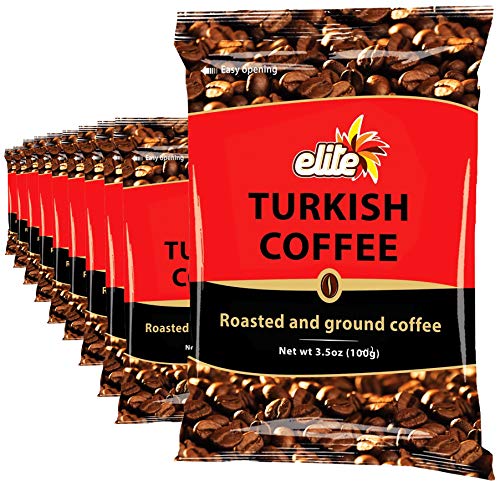
Elite Turkish Ground Roasted Coffee
Strengths
- Authentic Turkish grind
- Bold, concentrated flavor
- Consistently fine texture
Trade-offs
- Not versatile for other brew methods
- Small bag size
- Requires special preparation
If you’re chasing the authentic texture and bold punch of traditional Turkish coffee, this finely ground option from Elite is built for that ritual. The grind is genuinely fine, closer to powder than standard drip grounds, and reviewers note it produces the thick, syrupy body that defines the style. The flavor leans sharp and intense, as it should, with a lingering roastiness that fans of strong coffee will appreciate.
It’s not meant for drip machines or French presses, and misusing it that way leads to clogged filters and over-extraction, according to owner feedback. Compared to the instant versions in Elite’s lineup, this one demands more attention and proper brewing gear like a cezve. But for those honoring coffee tradition or craving that ceremonial experience, it’s a solid, Kosher-certified choice.
Video review
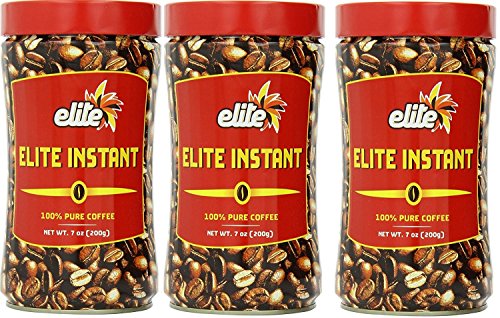
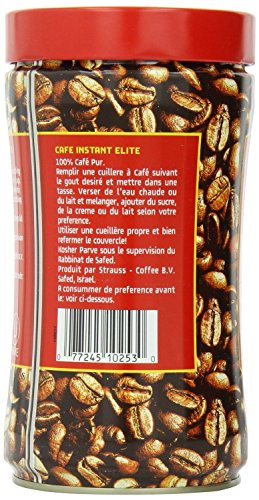
Elite Instant Coffee 7oz (3 Pack)
Strengths
- Smooth flavor
- Good value
- Easy to prepare
Trade-offs
- Not Passover certified
- Less intense aroma
- Basic packaging
This budget-friendly instant option from Elite delivers what it promises: a simple, no-frills cup with decent depth for an instant. On paper, the 7oz triple pack offers good value, and owners consistently report it dissolves well with a clean, mildly roasty profile that doesn’t taste stale or overly processed. It’s not going to fool anyone into thinking it’s French press, but for a quick morning fix or office use, it holds up.
The fact that it’s Kosher for year-round use (excluding Passover) makes it accessible for many, and being made in Israel adds to its traditional appeal for some. Compared to the Passover-certified version, this one is more widely available and slightly more affordable. I’d pick this if you’re looking for reliable, everyday instant without dietary constraints around Passover.
Product photos

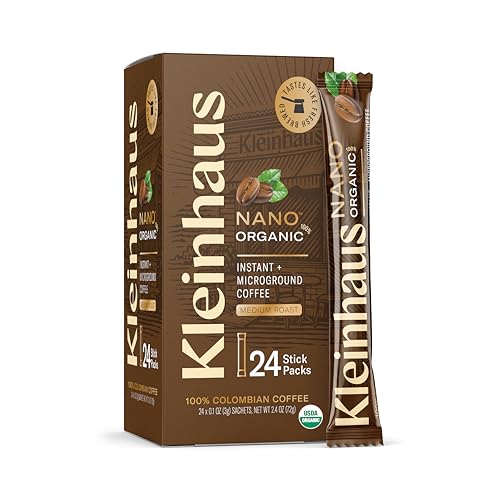
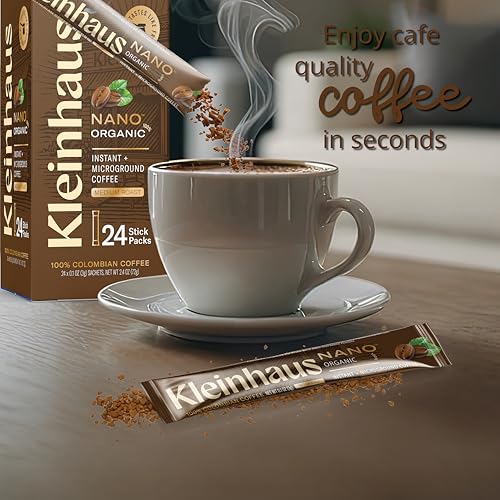
Kleinhaus Nano Instant Coffee Packets
Strengths
- Exceptional flavor clarity
- Organic and freeze-dried
- Ultra-convenient single-serve
Trade-offs
- Higher price per serving
- Not Passover certified
- Limited availability
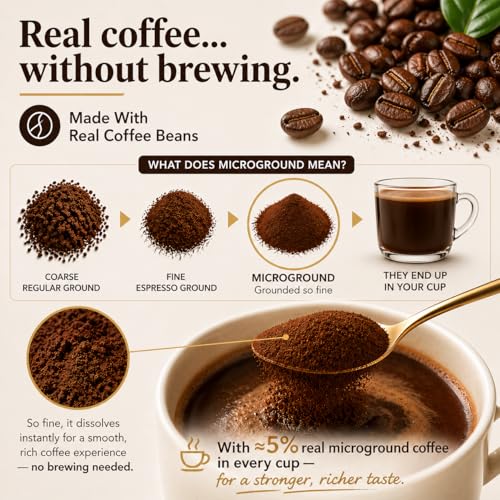
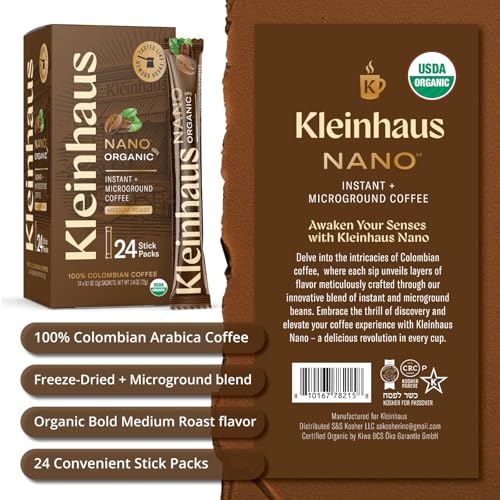
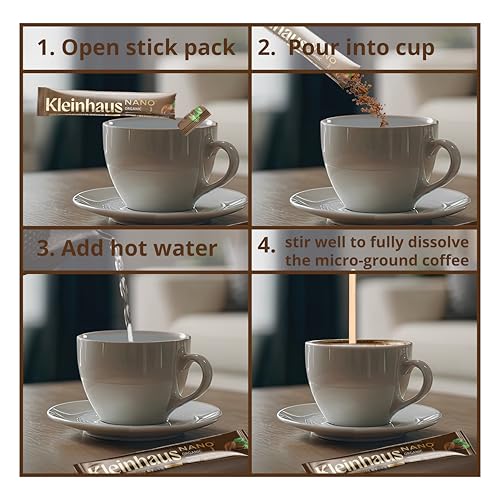
Kleinhaus is playing in a different lane, this isn’t your average instant. The ‘nano’ and ‘microground’ labels refer to a freeze-dried process that aims to mimic fresh-ground coffee, and owners say it shows in the cup. The 100% Colombian Arabica beans deliver a brighter, more nuanced profile than most instant coffees, with subtle fruitiness and a clean finish. It dissolves instantly and leaves no grit, which is rare at this level.
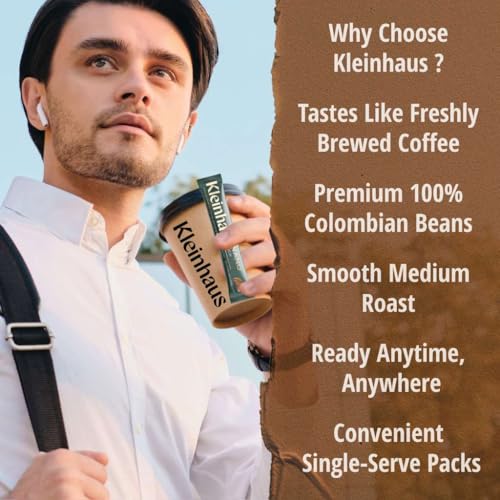
Compared to Elite’s offerings, this one costs more but feels like a step up in quality and intention. It’s also organic, which Elite doesn’t claim. While it lacks Kosher for Passover certification, it is Kosher and appeals to health-conscious or environmentally minded buyers. I’d recommend this for travelers or busy professionals who want a near-specialty cup without equipment.
Product photos
How We Evaluated kosher coffee
As the founder of Bean Thusiast, I approached researching kosher coffee by first comparing published specifications – bean origin, grind type, and certifications – across numerous brands. Then, I weighed owner reviews and expert opinions from coffee blogs and kosher food authorities. My goal was to identify coffees reliably meeting kosher standards while still delivering a satisfying cup. Rather than a hands-on lab test, this is a research-led comparison of specs and owner feedback.
For kosher coffee, the most important factors are, unsurprisingly, the certification itself and the bean sourcing. A reliable hechsher (kosher certification) is paramount, and brands clearly displaying one gained immediate priority. Beyond that, I looked for coffees emphasizing quality beans and freshness, as these contribute most to flavor. Many people also enjoy cinnamon in coffee, so that’s a flavor profile to consider alongside kosher requirements.
Specifications reliably indicate certification status and grind type; those details are generally accurate. However, assessing flavor and aroma requires leaning on owner feedback. I paid close attention to comments regarding taste, strength, and whether the coffee genuinely met expectations for an “authentic” coffee experience, particularly within the context of traditional preparations like Turkish coffee. Reputation among those keeping kosher also heavily influenced my assessment.
Choosing The Right kosher coffee
As someone who’s spent years immersed in the world of coffee, I understand the importance of finding a brew that not only tastes great but also aligns with your dietary needs and observances. Choosing a kosher coffee can seem straightforward, but there are nuances to consider.
Kosher coffee certification guarantees adherence to Jewish dietary laws(kashrut). This includes verifying that the beans themselves, processing equipment, and any added ingredients haven’t come into contact with non-kosher substances. Look for reliable certifications like OU, OK, KOF-K, or Star-K. Beyond certification, consider roast level, origin, and brewing method to find a coffee that suits your palate.
Understanding Kosher Certification
The first thing I always tell people is to look beyond just the “kosher” label. Different certifications have varying levels of stringency. The most widely recognized are OU and OK, but KOF-K and Star-K are also reputable. More importantly, understand what is being certified. Is it the green beans themselves, or just the final roasted product? For the strictest adherence, especially during Passover, you want certification that covers the entire process from bean to package. Many people also seek out certified organic coffee brands for added peace of mind.
Roast Level and Flavor Profile
Kosher status doesn’t dictate flavor, so you still have plenty of room to explore your preferences. Lighter roasts tend to highlight the origin characteristics of the bean – think floral aromas and bright acidity. Darker roasts deliver a bolder, more chocolatey, and sometimes smoky flavor. If you’re new to kosher coffee, I recommend starting with a medium roast to get a balanced profile. Consider your brewing method too. Turkish coffee, for example, requires an extremely fine grind and benefits from a darker roast to produce that signature thick consistency.
- Instant coffee is convenient, but often lacks the complexity of freshly brewed.
- Ground coffee offers a good balance of convenience and flavor, but loses freshness quickly after opening.
- Whole bean coffee, while requiring a grinder, provides the most control over flavor and allows you to experience the full aroma and freshness – it’s a worthwhile investment if you drink coffee daily.
Convenience vs. Freshness
Instant coffee is a lifesaver when you’re short on time, and there are brands like Kleinhaus Nano offering impressive quality for an instant product. However, the process of creating instant coffee inevitably diminishes some of the nuanced flavors. If you’re willing to put in a little extra effort, freshly ground beans will always deliver a superior cup. If you enjoy coffee with alternatives to dairy, you might also be interested in oat milk in coffee as a kosher-friendly creamer option.
A good rule of thumb: if a coffee is certified kosher for Passover, it is almost certainly kosher year-round. However, the reverse isn’t always true.
Kosher Coffee Compared
Here’s a detailed comparison of the specs for each kosher coffee option.
| Product Name | Kosher for Passover | Form | Origin | Grind | Package Size |
|---|---|---|---|---|---|
| Elite Instant Coffee Kosher Passover | Yes | Instant | N/A | N/A | N/A |
| Elite Turkish Ground Roasted Coffee | No | Ground | N/A | Fine | N/A |
| Elite Instant Coffee 7oz (3 Pack) | No | Instant | N/A | N/A | 7oz (x3) |
| Kleinhaus Nano Instant Coffee Packets | N/A | Instant Packets | Colombian | Microground | 24 x 3g |
Frequently Asked Questions
What’s the difference between kosher and kosher for Passover coffee?
Kosher for Passover certification is stricter than standard kosher certification. It means the coffee – and the equipment used to process it – hasn’t been used for any chametz (grain-based products) during the holiday, offering a higher level of assurance for those observing the holiday’s dietary restrictions.
Can I grind my own beans if I want kosher coffee?
Yes, you can, but you must dedicate a grinder solely for kosher coffee. Cross-contamination with non-kosher ingredients in a shared grinder would invalidate the kosher status, so a separate grinder is essential for maintaining kashrut.
Are all dark roast coffees inherently stronger in flavor?
Not necessarily, but generally darker roasts have a bolder, more intense flavor profile. The strength also depends on the bean origin and the amount of caffeine naturally present in those beans, so roast level is only one factor to consider.
Where can I find information about a specific hechsher (kosher certification)?
Each certifying agency maintains a website with details about their standards and a list of certified products. You can typically find links to these agencies – like the OU, OK, KOF-K, and Star-K – on their product packaging or through a quick online search.
If a coffee is labeled “organic,” does that automatically mean it’s kosher?
No, organic certification and kosher certification are separate processes. While many people seek out certified organic coffee beans alongside kosher certification, one doesn’t guarantee the other. You must still look for a reliable hechsher to verify kosher status.
The Bottom Line
Choosing the best kosher coffee often comes down to balancing convenience with quality. If you absolutely prioritize ease of use and a reliably certified product, I recommend the Elite Instant Coffee Kosher Passover. It’s a solid choice when you need a quick cup and want assurance of strict kosher standards, especially around Passover.
For those willing to invest a bit more time, the Kleinhaus Nano Instant Coffee Packets offer a step up in flavor while still maintaining the convenience of instant coffee. If you prefer a traditional brewing experience and the rich flavor of freshly ground coffee, the Elite Turkish Ground Roasted Coffee is a great way to go – just be mindful that it isn’t certified kosher for Passover. And for those exploring dairy-free coffee options, pairing any of these with a plant-based milk could elevate your experience.
Ultimately, the most important thing isn’t a specific certification or grind size, but finding a coffee you genuinely enjoy. Look for a reliable hechsher from a trusted authority, but don’t be afraid to experiment with roast levels and origins to discover your perfect brew. A satisfying cup starts with beans sourced and processed with care, and a commitment to quality will always shine through.
