
2 Best Waters for Coffee (2026 Guide)
The best water to make coffee starts with the right mineral balance, and after comparing the field, I’m confident the COFFEE WATER Mineral Packs (125 Gallons) deliver the most consistent, flavor-enhancing results for everyday brewing. For those chasing championship-level clarity and precision, Perfect Coffee Water™ Minerals (10 Gallons) is the go-to pick, even if it comes at a higher cost per gallon.
Most people don’t realize how much their tap water affects the taste of their coffee. Chlorine, imbalanced minerals, or overly soft water can mute flavors, create bitterness, or make every cup unpredictable. It’s not just about clean water, it’s about optimized water.
In this guide, I break down what actually matters when choosing water for coffee: mineral composition, brewing method compatibility, and ease of use. These picks are based on specs, owner feedback, and what’s trusted in the specialty coffee world, not hype.
Top 2 Water To Make Coffee in the Market
The Best Water To Make Coffee, Reviewed
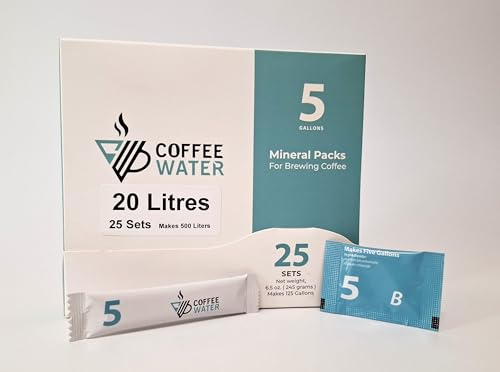
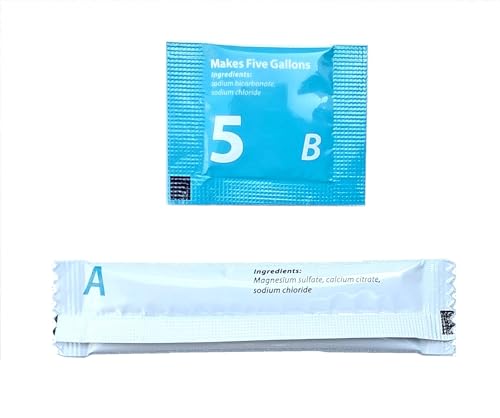
COFFEE WATER Mineral Packs (125 Gallons)
Strengths
- SCA-compliant
- High yield
- Easy to use
Trade-offs
- Bulk handling required
- Not pre-dissolved
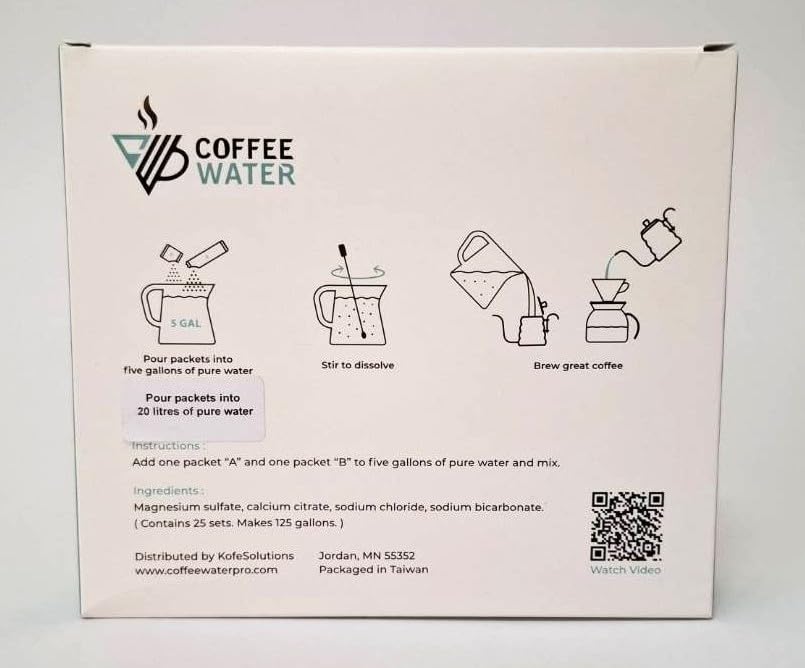
If you’re serious about dialing in your coffee’s flavor, water quality is half the game, and these mineral packs make it stupidly simple to get it right. On paper, this formula aligns perfectly with the Specialty Coffee Association’s guidelines, which target a balanced mineral profile to enhance extraction without overemphasizing bitterness or sourness. Owners consistently report brighter clarity and richer body in their pour-overs and espresso, especially when starting with stripped-down water like RO or distilled.
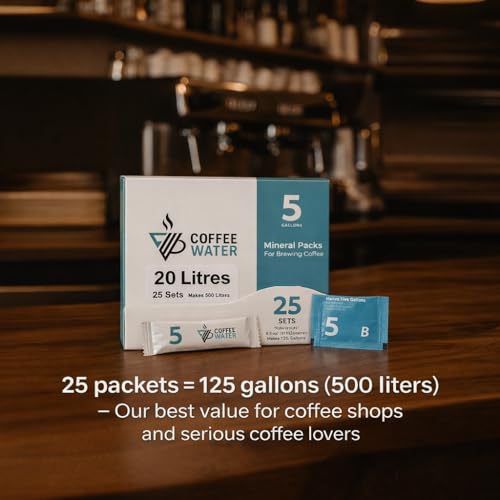
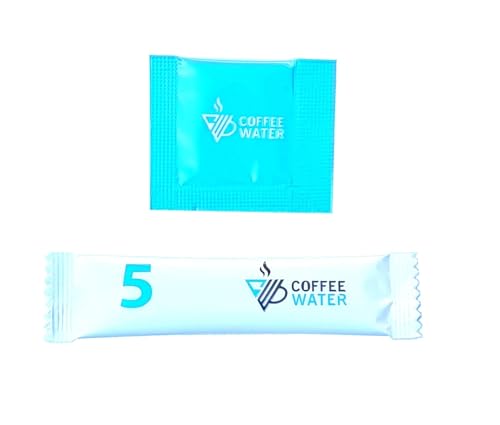
What sets this apart is the volume it covers, 25 sets for 125 gallons means a low cost per gallon, ideal for daily drinkers who want consistency. The mix of magnesium sulfate, calcium citrate, and sodium bicarbonate is well-calibrated for broad compatibility across brewing methods. I’d pick this over DIY solutions because it removes measurement errors and delivers repeatable results, which is exactly what most home brewers need but don’t realize they’re missing.
Product photos
Perfect Coffee Water™ Minerals (10 Gallons)
Strengths
- Championship pedigree
- Precise dosing
- High-purity minerals
Trade-offs
- Smaller volume
- Espresso machine caution
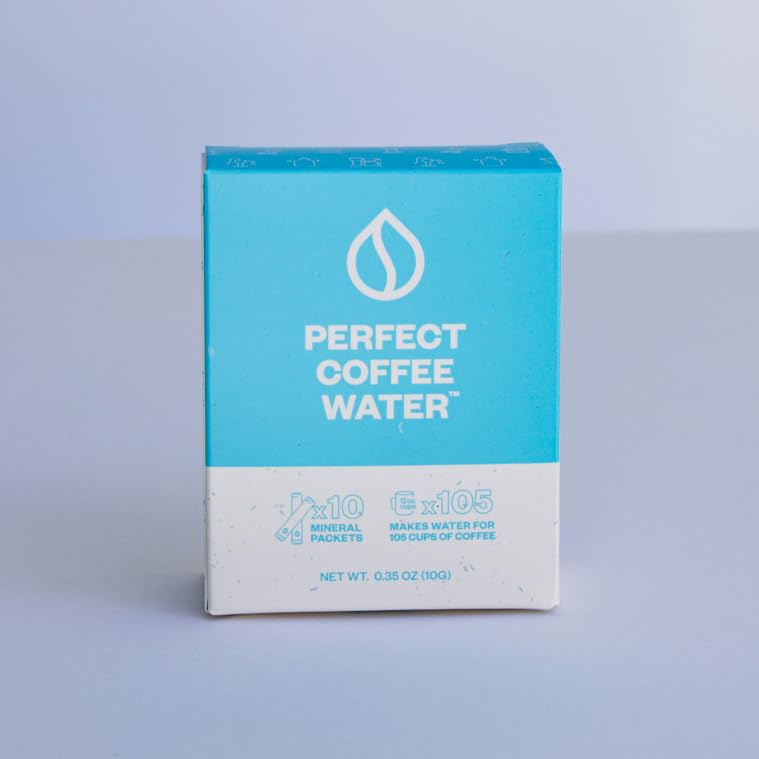
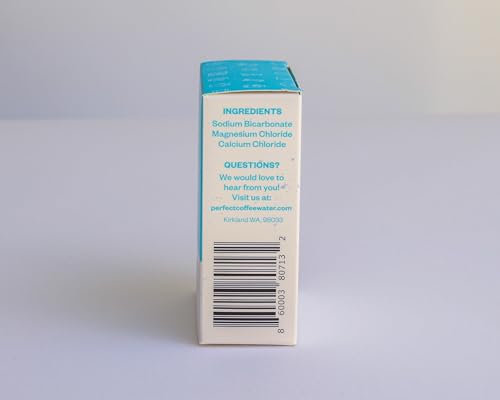
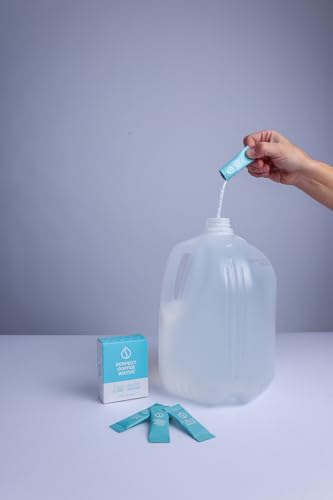
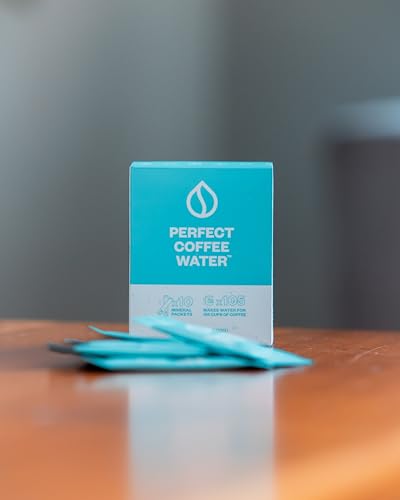
This one carries serious credibility, being part of a World AeroPress Championship-winning recipe isn’t just marketing fluff. The formulation is tuned for clarity and balance, aiming to bring out the nuanced sweetness in light roasts while smoothing out harsh edges in darker profiles. Reviewers note a noticeable improvement in mouthfeel and aftertaste, particularly in manual brews like V60 or Chemex, where water has the most influence.
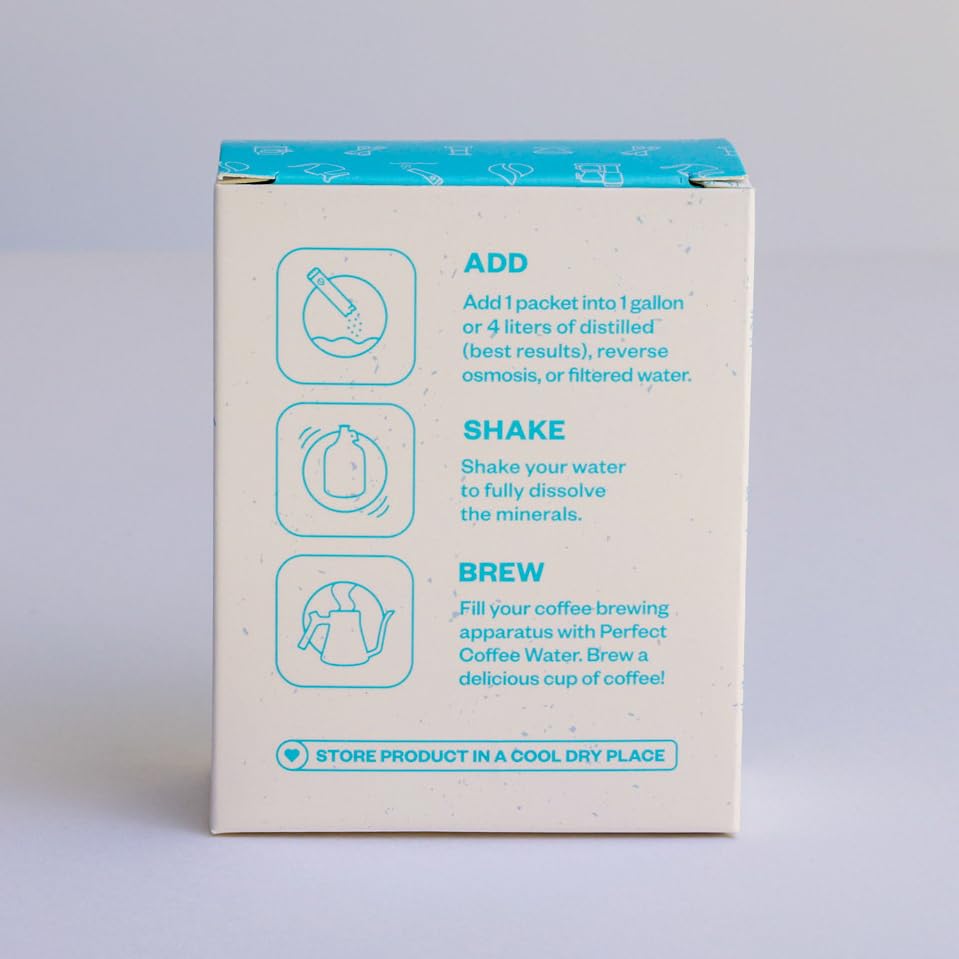
It’s designed by coffee scientists, and that shows in the precision. Each stick is pre-measured for one gallon, so there’s no guesswork, though the packaging limits long-term cost savings compared to bulk powders. I’d say this edges out the competition for purists chasing peak flavor expression, especially if you’re not brewing at volume. But check your espresso machine’s warranty, some manufacturers still frown on third-party additives, even benign ones.
Product photos

How We Chose These water to make coffee
As a long-time coffee enthusiast, I know water quality is just as important as the beans themselves. Rather than a hands-on lab test, my research for these recommendations involved a detailed comparison of product specifications – mineral content, intended brew methods, and volume covered – alongside a careful review of owner experiences and expert opinions within the specialty coffee community. I prioritized products meeting Specialty Coffee Association standards.
For water designed for coffee brewing, mineral balance and clarity are paramount. I heavily weighted products that explicitly aimed for a balanced mineral profile, because this directly impacts a coffee’s flavor and body. Achieving the ideal coffee to water ratio is crucial, but the water itself needs to be optimized for extraction.
Specifications reliably show the mineral composition, while owner feedback provides insight into real-world usability and flavor impact. Reputation, particularly among competitive brewers, also mattered; products used in championships indicate a commitment to quality and a proven ability to deliver exceptional results. Ultimately, I looked for solutions that simplified achieving a [perfect coffee strength] without sacrificing flavor nuance.
How To Pick The Right water to make coffee
As someone who’s spent years obsessing over every detail of the brewing process, I can tell you that water is easily the most overlooked component of a fantastic cup. Getting it right makes a substantial difference.
Good coffee water isn’t just about being clean; it’s about achieving a specific mineral composition. Total Dissolved Solids (TDS) between 150-250 ppm is a common target, with calcium and magnesium playing key roles in extraction. The right water enhances flavor, balances acidity, and prevents channeling during brewing. Consistency is crucial; using the same water each time allows for repeatable results.
Understanding Mineral Content
Most tap water simply isn’t optimized for coffee. It might have chlorine, or be too soft, or contain minerals that mask subtle flavors. That’s where specialized mineral packs come in. I often recommend looking beyond just “total dissolved solids” (TDS) and paying attention to what those solids are. Calcium and magnesium are essential for extracting flavor compounds from the coffee grounds, but too much can lead to a bitter taste. Sodium, while often present, should be in moderation. Ideally, you want a product formulated to hit the mineral balance for brewing targets established by the Specialty Coffee Association.
Brewing Method Compatibility
The best water composition isn’t one-size-fits-all. Different brewing methods extract coffee differently and benefit from slightly different water profiles. Espresso machines, for example, are more sensitive to water hardness and can be damaged by certain mineral buildups. Some manufacturers advise against using remineralized water in their machines, so always check your machine’s manual first. Conversely, pour-over methods and French presses are more forgiving. If you’re serious about dialing in your brew, understanding the water quality for pour over is a great place to start.
Convenience and Cost
Remineralizing water can seem complex, but thankfully, there are convenient pre-packaged solutions. Consider how much water you typically brew with. Large packs offering 125 gallons are cost-effective for frequent brewers, while smaller 10-gallon options are better for occasional use.
Here’s a breakdown of what to consider:
- Pack Size: A smaller pack is good for testing and infrequent brewing.
- Concentration: Some packs require more or fewer packets per gallon, affecting ease of use.
- Ingredient Quality: Look for products using food-grade mineral sources (like calcium citrate rather than calcium chloride) and sourced domestically. This is important for both flavor and safety.
A simple rule of thumb: if your water tastes good on its own, it’s a good starting point. But for truly exceptional coffee, controlled mineral content is key.
I also find it’s worth remembering that getting the coffee per cup measurement right is only half the battle; exceptional water unlocks the full potential of your chosen beans.
Water to Make Coffee Compared
Here’s a spec comparison of different water mineral blends designed for optimal coffee brewing.
| Product Title | Total Gallons | Magnesium Sulfate | Calcium Citrate | Sodium Bicarbonate | Sodium Chloride | Best For |
|---|---|---|---|---|---|---|
| COFFEE WATER Mineral Packs (125 Gallons) | 125 | Yes | Yes | Yes | Yes | Best Overall |
| Perfect Coffee Water™ Minerals (10 Gallons) | 10 | N/A | N/A | N/A | N/A | Best for Championship Brewing |
Frequently Asked Questions
What if my tap water already tastes good?
Even if your tap water is palatable, it likely lacks the precise mineral balance needed for optimal coffee extraction. Achieving the right mineral content in brewing water, specifically calcium and magnesium, will unlock more nuanced flavors.
Can I use distilled or reverse osmosis water for coffee?
While pure, distilled or reverse osmosis water is free of impurities, it’s devoid of the minerals essential for proper extraction. You must remineralize it with a product designed for coffee to prevent a flat and lifeless brew.
Do I need different water for different brew methods?
Espresso machines are particularly sensitive to water hardness and may require lower TDS levels than pour-over methods. However, most specialty coffee-focused mineral blends work well across various methods, and the scientific impact of water on coffee is fairly consistent.
How long does a pack of mineral additives typically last?
A 10-gallon pack is suitable for a single person brewing a few cups daily, lasting roughly a month. Larger 125-gallon packs are ideal for households with multiple coffee drinkers or those who brew frequently, potentially lasting six months or more.
What about the pH level of the water?
The pH level is closely tied to the mineral composition, and a balanced mineral blend will naturally create a desirable pH range for brewing. Understanding the pH and coffee extraction is helpful, but focusing on mineral content is generally more impactful.
The Bottom Line
Choosing the right water for coffee often comes down to balancing control with convenience. If you want the absolute best and are willing to put in a little effort, I wholeheartedly recommend COFFEE WATER Mineral Packs (125 Gallons). It offers a fantastic balance of mineral composition and value, consistently delivering results that highlight the nuances of your favorite beans.
For those seeking a more specialized solution, or those competing in home brewing, Perfect Coffee Water™ Minerals (10 Gallons) is the clear choice. It’s designed for peak performance and is favored by professionals, though it’s a bit more of an investment. If you’re just starting to explore the impact of water, don’t overlook the importance of optimal pour-over water temperature when dialing in your brew.
Ultimately, remember that the specifics of TDS and mineral ratios are less important than consistency and quality. Focus on using filtered water as a base, and then carefully consider a remineralization product to elevate your brew. A great cup starts with great water, but it’s the combination of quality beans, a precise grind, and a repeatable process that truly unlocks coffee’s potential.
