
7 Best Water Filters for Coffee (2026 Guide)
The Breville BES008 Espresso Water Filter stands out as the best overall choice for coffee lovers who want reliable scale protection and improved taste, especially for Breville machine owners. For a budget-friendly option, the Keurig Water Filter Refill Cartridges deliver solid chlorine reduction and long filter life for drip brewers. If you’re after versatility and high capacity, the Cuisinart Coffee Filter Replacement offers excellent value for low-maintenance filtering.
Most coffee drinkers don’t realize how much their tap water affects flavor, chlorine, minerals, and impurities can ruin even the best beans. I’ve spent years studying how water impacts extraction and machine longevity, and a proper filter isn’t optional if you care about results.
This guide cuts through the noise by comparing specs, certifications, and real owner feedback to spotlight filters that actually perform. I focused on chlorine reduction, limescale protection, replacement frequency, and machine compatibility, so you can brew better coffee and keep your equipment running longer.
Top 7 Water Filter For Coffee in the Market
The Best Water Filter For Coffee, Reviewed
De’Longhi Replacement Water Filter for Espresso Machines

Strengths
- Scale prevention
- Taste improvement
- Timer indicator
Trade-offs
- Limited model range
- Resin exhaustion over time
- Slight flow restriction
This De’Longhi filter punches above its weight. It’s designed not just to improve taste but to actively prevent limescale, critical for espresso machines where mineral buildup can wreck boilers and steam wands. The timer dial is a small but smart touch, helping users track replacement without guesswork. Owners of De’Longhi Magnifica and La Specialista models consistently report fewer descaling cycles and more stable extraction over time.
It works with activated carbon and ion-exchange resin, which means it tackles chlorine and metals while stabilizing water hardness. That’s a big deal for espresso clarity and crema. Compared to basic carbon filters, this one’s in a different class.
Product photos
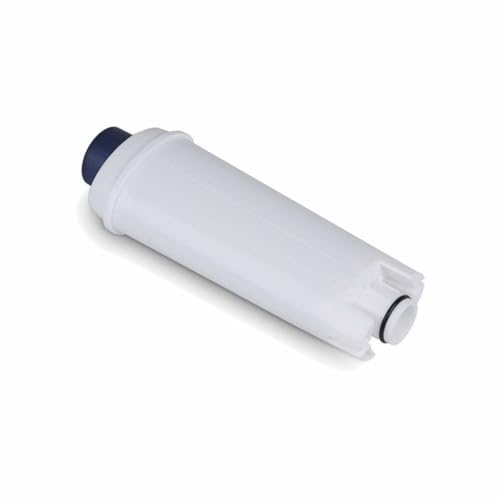
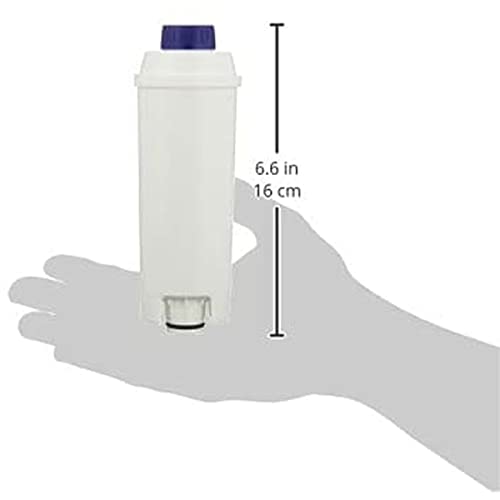
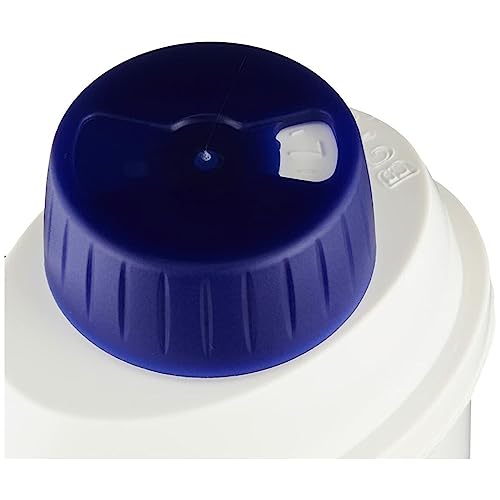
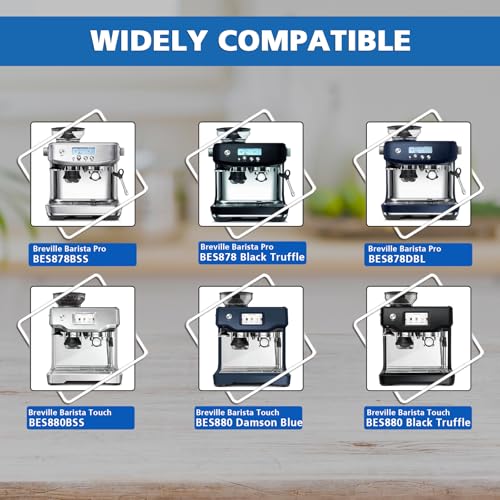
Water Filter for Breville Espresso Machines

Strengths
- Budget-friendly
- Coconut carbon
- 4-pack included
Trade-offs
- Inconsistent resin life
- Third-party quality variance
- Activation required
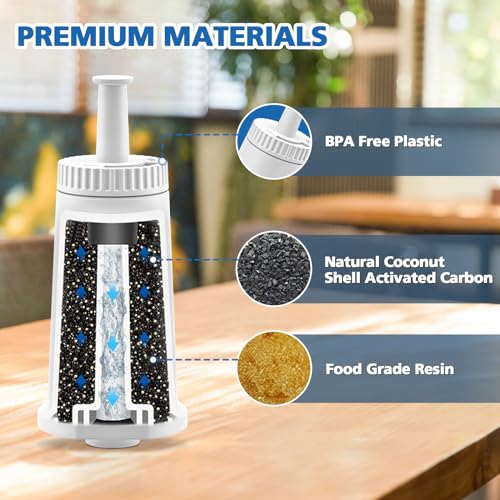
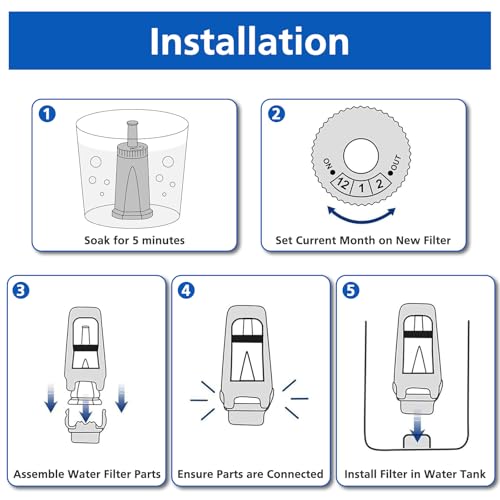
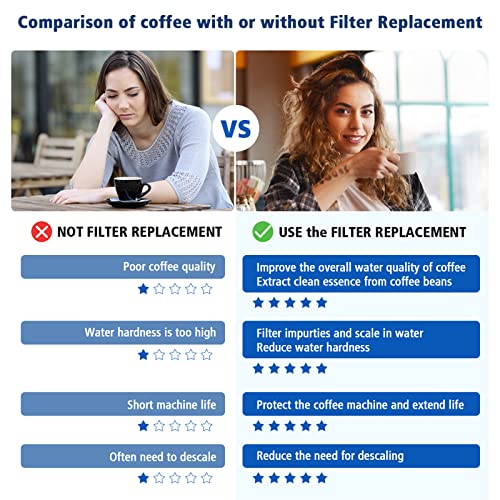
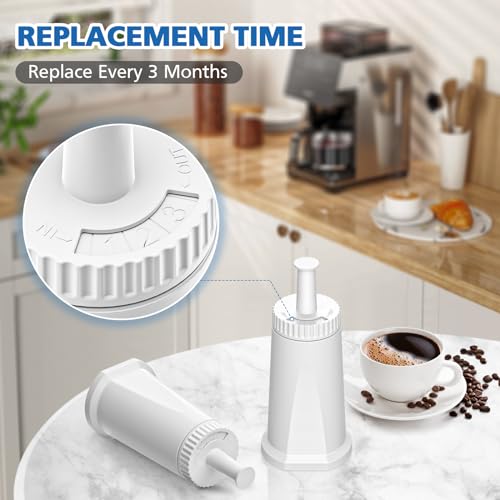
This third-party 4-pack offers a more affordable alternative to the official Breville filter, with similar claims: coconut-activated carbon, ion exchange, and scale reduction. On paper, it matches the BES008 specs closely, and many owners say they can’t taste a difference. The inclusion of a monthly tracker dial is a nice touch, and the pre-soak activation step is standard across this filter type.
However, some long-term users note slight inconsistencies in resin performance after several months. While it works well for casual use, I’d still recommend the genuine Breville filter for heavy daily brewing or hard water areas. That said, for those wanting to save without sacrificing much, this is a solid compromise.
Product photos
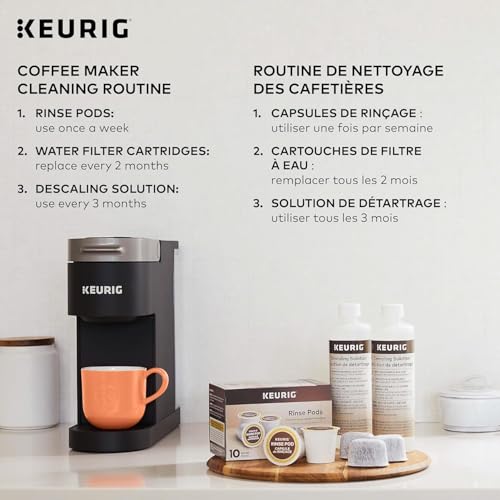
Keurig Water Filter Refill Cartridges
Strengths
- Chlorine removal
- BPA free
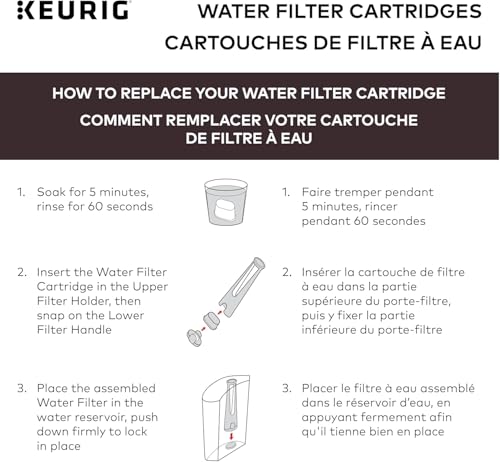
- Easy replacement
Trade-offs
- Fixed change interval
- Only for Keurig 2.0
- Limited filtration depth
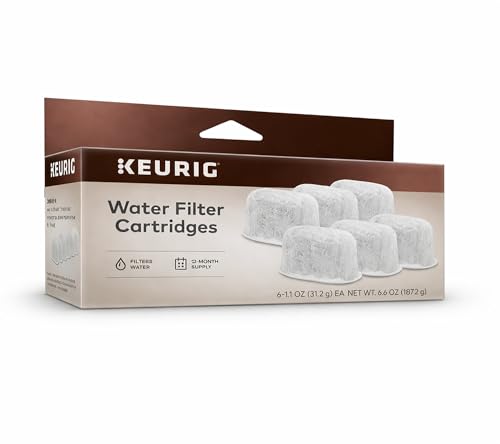
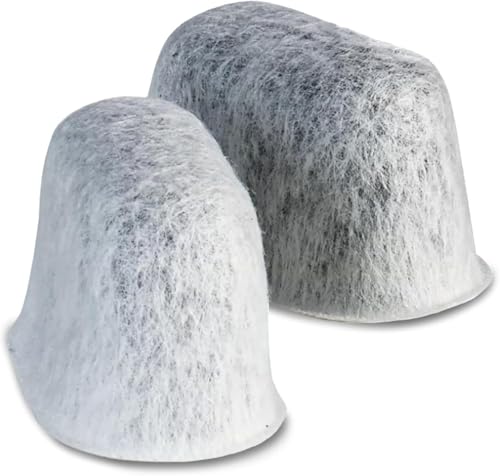
If you run a Keurig 2.0 brewer, these refill cartridges are the no-fuss way to keep your machine in line with the brand’s water quality standards. On paper, they do exactly what Keurig promises, remove chlorine and deliver consistently clean-tasting water, which directly impacts how balanced and smooth your coffee tastes. Owners consistently report fewer mineral buildups and better flavor clarity, especially in lighter roasts where water quality shines through.
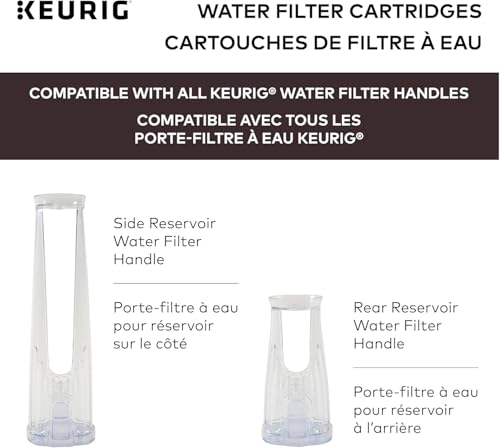
That said, the two-month replacement rhythm can feel a bit rigid. While the 6-pack gives you a year’s supply, some users note the filter handle design limits full saturation at first use. Still, if you’re deep in the Keurig ecosystem and want plug-and-play reliability, this is the standard.
Product photos

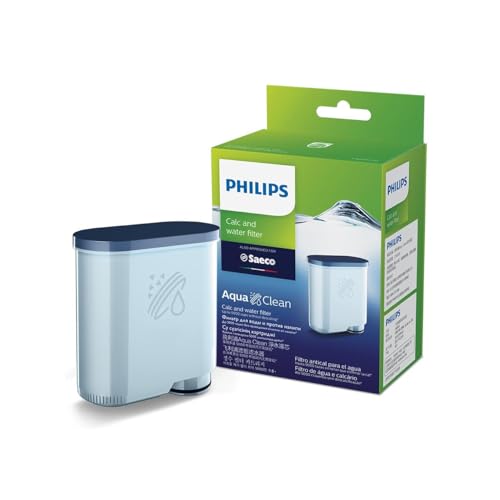
Philips AquaClean Original Calc and Water Filter
Strengths
- No descaling for 5,000 cups
- Ion-exchange tech
- Click-and-go install
Trade-offs
- Expensive per unit
- Philips machine only
- Not refillable
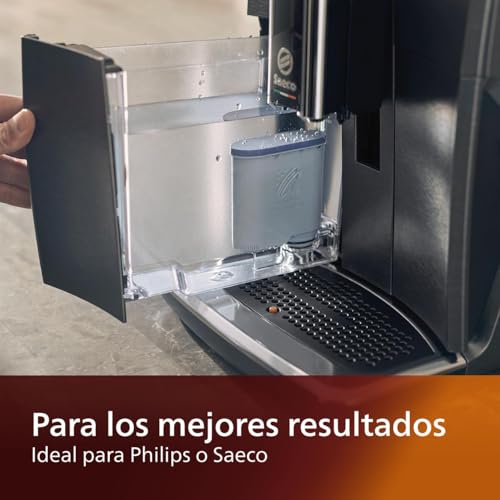
The Philips AquaClean filter is a standout for espresso lovers, especially those with Saeco or Philips machines. With claims of up to 5,000 cups without descaling, it leans on ion-exchange tech to remove calcium and prevent limescale far more effectively than carbon-only filters. The micro-porous design resists clogging, and reviewers confirm years of trouble-free operation when used as directed.
It’s not just about machine protection; the cleaner water brings out more nuanced flavors in espresso, particularly in single origins. Since it’s Philips-certified, using it can even help maintain warranty status. For the price of two filters, you get long-term savings on descaling kits and repair risks.
Product photos

Breville BES008 Espresso Machine Water Filter
Strengths
- Genuine Breville part
- Reduces scale and metals
- Enhances espresso flavor
Trade-offs
- High cost per filter
- 90-day replacement
- Limited to Breville
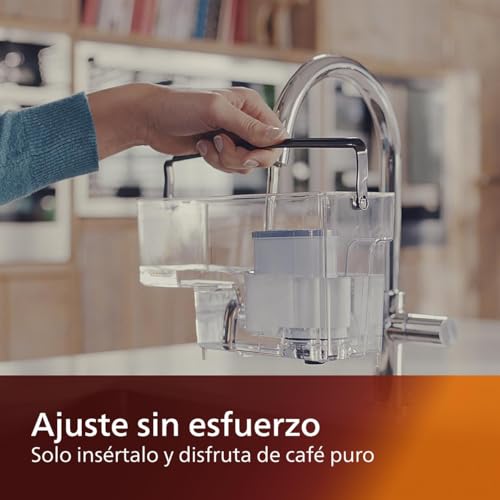
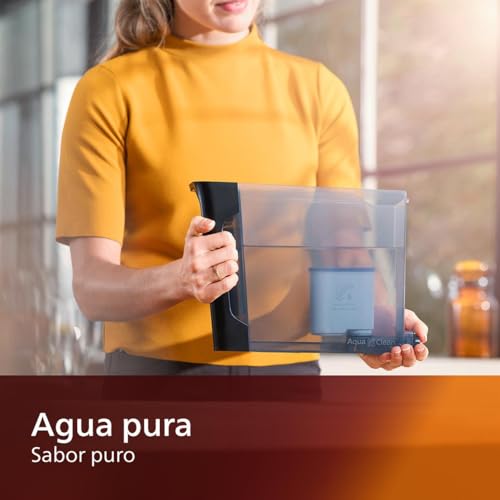
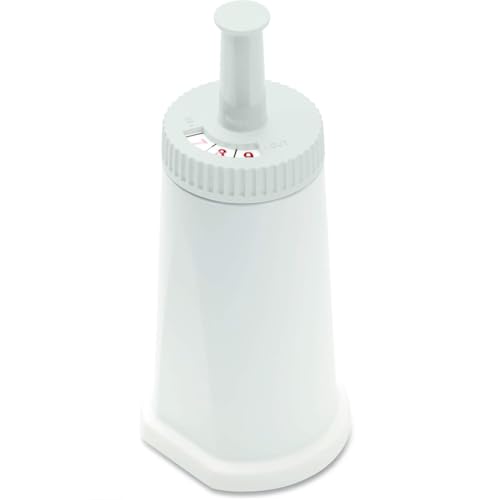
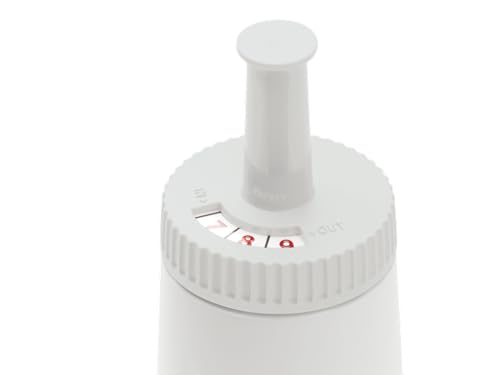
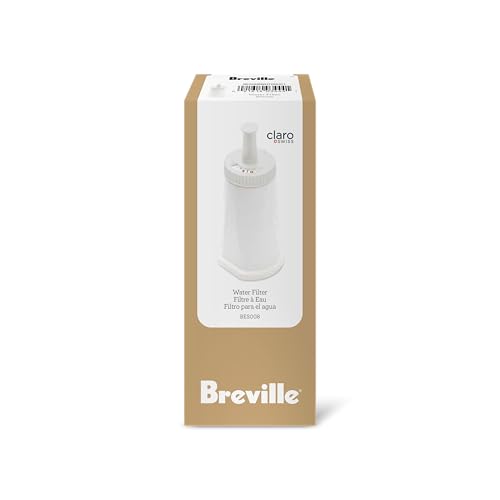
As the official Breville-designed filter, this model delivers on both taste and machine care. It uses ion-exchange resins and activated carbon to reduce chlorine, heavy metals, and scale-forming minerals, exactly what high-pressure espresso systems need. For models like the Oracle and Dual Boiler, where water quality directly affects temperature stability and pump longevity, this filter is practically essential.
Owners praise how it extends time between descaling and improves shot sweetness. While it’s pricier than generics, the peace of mind from using a genuine Breville part, especially under warranty, is worth it for many. Compared to third-party versions, it’s more consistent in performance and fit.
Product photos
Cuisinart Coffee Filter Replacement by Pureline

Strengths
- NSF certified
- Long-lasting pack
- Individually wrapped
Trade-offs
- Only for Cuisinart models
- No mineral balancing
- Basic carbon filtration
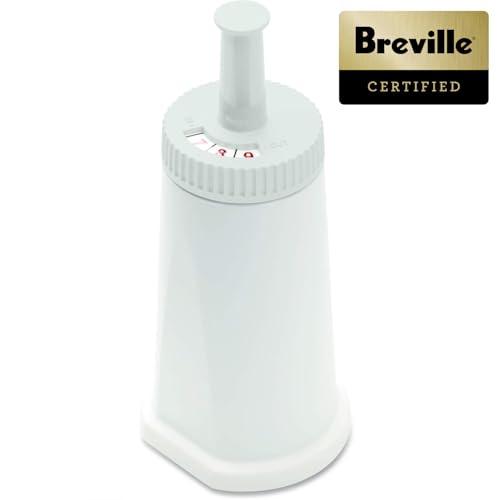
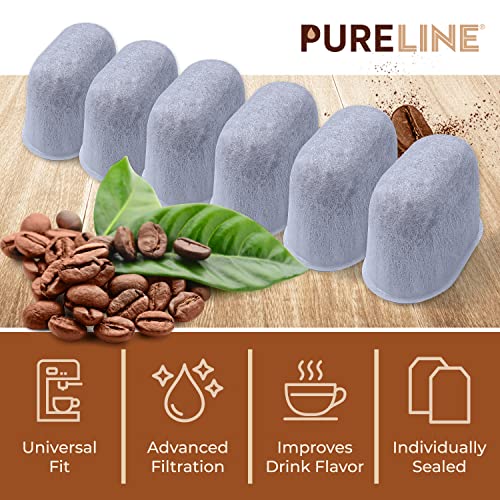
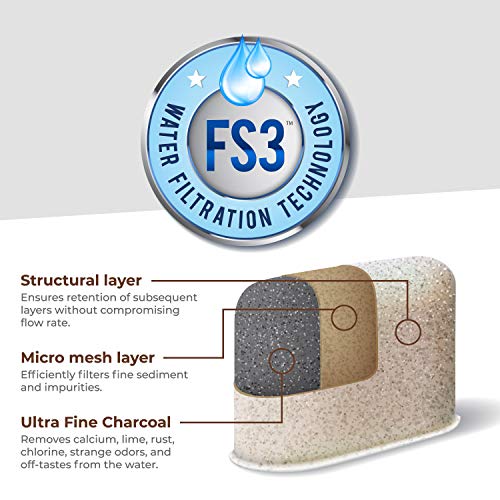
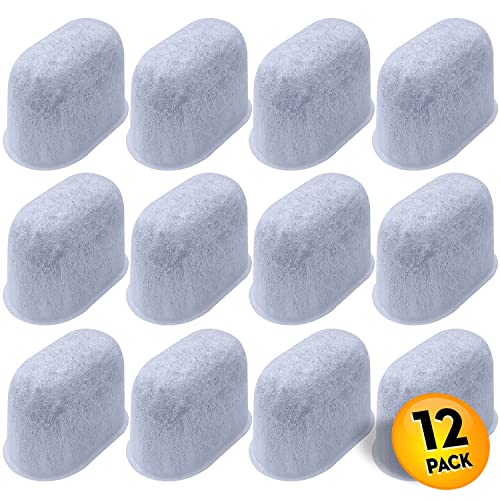
The Pureline Cuisinart-compatible filter stands out because it’s NSF-42 certified, a real win for buyers who care about third-party validation. That certification means the filter’s claims around chlorine and taste-impairing impurity removal aren’t just marketing. Reviewers note a noticeable improvement in coffee sweetness and clarity, especially when paired with medium or dark roasts that can turn bitter with hard water.
With a 12-pack lasting up to two years, it’s also a solid value. The individually wrapped filters arrive in pristine condition, and the charcoal core does a reliable job protecting the heating element from scale. I’d pick this over generic brands any day for Cuisinart machines, it’s the smarter long-term buy.
Product photos


GE Appliances Carbon Coffee Filter Cartridges
Strengths
- Genuine GE part
- One-year supply
- Reduces chlorine
Trade-offs
- Basic filtration
- No NSF certification
- Not for hard water
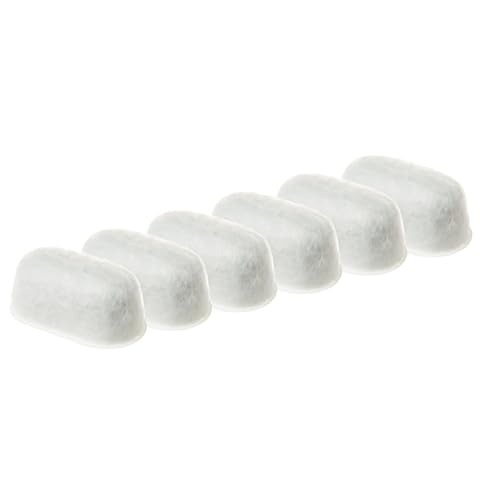
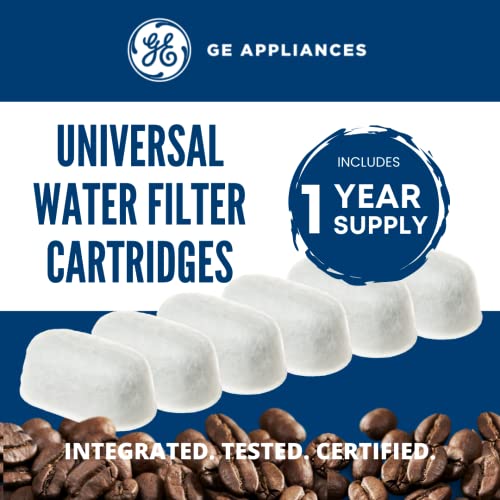
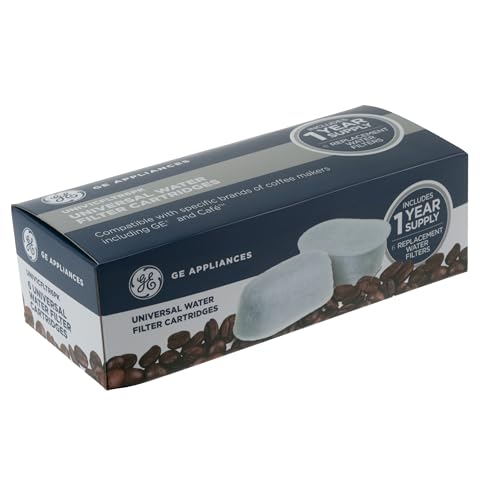
As a genuine OEM part, this GE filter brings peace of mind, it’s engineered specifically for GE and Café coffee makers, so fit and function are never a question. The carbon core helps reduce chlorine and minor impurities, which translates to smoother coffee without that municipal water aftertaste. On paper, it’s straightforward, and owners confirm it keeps their machines running cleanly over time.
It’s not a high-tech solution, don’t expect mineral adjustment or limescale prevention beyond basic filtration, but for drip coffee drinkers in average water areas, it does the job. If you’re loyal to GE appliances, sticking with OEM makes sense for warranty and longevity.
Product photos


How We Evaluated water filter for coffee
I approached this guide by first compiling a detailed specification sheet for each water filter, noting compatibility, filter media used (like activated carbon or ion exchange resin), and claimed filtration capabilities. Then, I weighed those specs against a broad range of owner reviews from Amazon and other retailers, as well as expert opinions from coffee-focused websites. My goal was to build a ranking based on a combination of stated performance and real-world user experiences – rather than a hands-on lab test, this is a research-led comparison of specs and owner feedback.
For coffee, water quality is paramount, so filtration effectiveness and the ability to reduce limescale were the biggest factors in my assessment. A filter that significantly improves taste and protects the machine from mineral buildup is more valuable than one offering only basic filtration. Longevity – how long the filter lasts before needing replacement – also played a key role, as frequent replacements add to the overall cost.
Product specifications clearly outline what contaminants a filter should remove, but owner feedback is crucial for understanding if those claims hold true. I paid close attention to comments about noticeable taste improvements and a reduction in machine descaling frequency. Reputation and brand trust also factored in; established brands like Breville and Philips often have a track record of reliable performance, and finding a compatible Breville filter cartridge is a key consideration for those owners.
How To Choose The water filter for coffee
Finding the right water filter for your coffee setup is about more than just avoiding scale; it’s about maximizing flavor. I’ve seen too many people overlook this crucial step, settling for subpar coffee because of unseen water issues.
A quality water filter for coffee should reduce chlorine and other impurities, minimize limescale buildup in your machine, and offer a balance between filtration effectiveness and flow rate. Look for filters certified to relevant standards (like NSF-42) and consider the specific needs of your brewing method and machine type. Replacement frequency is also key – a neglected filter is as bad as no filter at all.
Filter Type & Material
The core of any coffee water filter is what it’s made of. Activated carbon is incredibly common, and for good reason – it excels at removing chlorine, volatile organic compounds (VOCs), and other taste/odor-impairing substances. Ion-exchange resins are also frequently used, particularly in filters designed for espresso machines, to address water hardness and scale. Many filters combine both. What you don’t want is a filter that restricts water flow too much. Espresso machines especially demand consistent pressure, and a clogged filter will ruin your shot. Consider filters specifically designed for your machine type; a Breville filter, for example, will likely provide a better fit and performance than a generic option.
Certified Performance & Replacement Schedule
Don’t assume all filters are created equal. Look for certifications like NSF-42, which indicates the filter has been independently tested and verified to reduce specific contaminants. This offers a level of assurance that isn’t just marketing hype. Equally important is the replacement schedule. Filters don’t last forever, and a spent filter can actually release accumulated impurities back into your water.
Here’s what I generally recommend regarding replacement:
- Every Month: For high-volume use or particularly hard water.
- Every 2-3 Months: A good baseline for most home users with average water hardness.
- Every 6 Months: Acceptable for low-volume brewers with soft water, but keep a close eye on water quality and taste.
A filter’s lifespan is directly tied to your water quality and usage. If you notice a decline in coffee flavor or increased scale buildup, replace the filter even if it’s within the recommended timeframe.
Machine Compatibility & Value
One of the biggest mistakes people make is purchasing a filter that isn’t compatible with their machine. Some brands, like Breville and Keurig, have proprietary filter designs. Using the wrong filter can lead to leaks, reduced performance, or even damage to your machine. Beyond compatibility, think about the overall value. A larger pack of filters might be more economical in the long run, but only if you’ll actually use them before they expire. It’s also worth considering how easy the filter is to install and replace. A complicated process discourages regular maintenance. Speaking of water quality, understanding the ideal water for coffee is just as crucial as having a good filter.
Water Filter for Coffee Compared
Here’s a comparison of specifications for various water filters designed for coffee machines.
| Product Name | Filter Type | Capacity (Months) | Reduces Chlorine | Reduces Limescale | Compatible Brands |
|---|---|---|---|---|---|
| De’Longhi Replacement Water Filter | N/A | N/A | Yes | Yes | De’Longhi |
| Water Filter for Breville Espresso Machines | Ion Exchange/Carbon | 3 | Yes | Yes | Breville |
| Keurig Water Filter Refill Cartridges | Charcoal | 12 | Yes | No | Keurig |
| Philips AquaClean Original Calc Filter | Ion Exchange | N/A | Yes | Yes | Philips |
| Breville BES008 Espresso Water Filter | N/A | 3 | Yes | Yes | Breville |
| Cuisinart Coffee Filter Replacement | Charcoal | 24 | Yes | No | Cuisinart |
| GE Appliances Carbon Coffee Filter | Carbon | 12 | Yes | No | GE, Café |
Frequently Asked Questions
What filter media is most effective for improving coffee taste?
Activated carbon is generally the most effective, as it removes chlorine and other impurities that negatively impact flavor. However, many high-performing filters combine activated carbon with ion-exchange resin for broader contaminant removal, particularly addressing water hardness.
How often should I replace my coffee machine’s water filter, even if it seems to be working fine?
I generally recommend replacing filters every 2-3 months for average use, but you should replace it monthly if you have high usage or hard water. A neglected filter can actually release contaminants back into your water.
Do I really need a specific filter for my coffee machine, or can I use a standard refrigerator filter?
You absolutely need a filter designed for coffee machines; refrigerator filters have different filtration priorities and flow rates. Using an incompatible filter can reduce performance or even damage your machine, particularly espresso machines needing consistent pressure.
What certifications should I look for when purchasing a water filter for coffee?
Look for NSF-42 certification, which verifies the filter has been independently tested and proven to reduce specific contaminants. This assurance is much more reliable than marketing claims alone.
Beyond filtration, what else impacts coffee quality when it comes to water?
Understanding the minerals in coffee brewing is important; water with the right mineral content can actually enhance flavor extraction, beyond simply removing impurities.
The Bottom Line
Choosing a water filter for coffee always comes down to balancing convenience with control. You can spend a lot to get extremely precise filtration, or you can opt for something simpler and more affordable. For most coffee lovers, the Water Filter for Breville Espresso Machines strikes the best overall balance – it’s effective at reducing both chlorine and limescale, and the three-month lifespan is reasonable.
If you’re on a tighter budget, the Keurig Water Filter Refill Cartridges are a solid choice, even if they don’t tackle limescale as aggressively. For those prioritizing versatility and compatibility with Philips machines, the Philips AquaClean Original Calc Filter is a reliable option. No matter your budget, remember to check for compatibility with your specific machine before buying.
Ultimately, the best water filter is the one you’ll actually use consistently. Don’t get bogged down in chasing the perfect TDS level or obsessing over micron ratings. Focusing on a consistent, clean water source and maintaining a good ideal coffee to water ratio will have a far greater impact on your cup of coffee than any single filter specification.
