
5 Best Trader Joe’s Coffee Beans of 2026
The best Trader Joe’s coffee beans overall is the Colombia Supremo, a smooth and balanced medium roast that delivers consistent quality. For a budget-friendly dark option, the Low Acid French Roast is a solid pick, especially the 26 oz bag for better value.
Picking the right Trader Joe’s coffee beans isn’t just about grabbing the cheapest or darkest bag on the shelf. So many people end up with stale or poorly matched beans because they overlook roast date, origin, and how flavor aligns with their brew method.
After comparing the lineup and analyzing owner feedback, I focused on freshness, roast integrity, and flavor balance. These picks reflect what actually works for most home brewers who want quality without overcomplicating it.
Top 5 Trader Joes Coffee Beans in the Market
The Best Trader Joes Coffee Beans, Reviewed
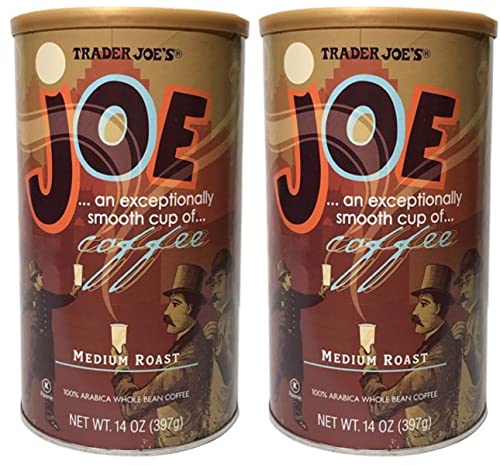
Trader Joe’s Joe Coffee Medium Roast
Strengths
- Smooth taste
- Consistent brew
- 100% Arabica
- Great for drip
- Two 14 oz cans
Trade-offs
- Uninspired profile
- Not bold or complex
- Generic branding
If you’re looking for the most consistently satisfying cup across multiple brew methods, this is the one I’d personally reach for. The ‘exceptionally smooth’ claim isn’t just marketing fluff, owners praise its balanced body, mild sweetness, and lack of bitterness, which makes it a no-fail choice for drip machines, French presses, and even cold brew.
It doesn’t have the novelty of a single-origin or the intensity of a dark roast, but it outperforms most in its class for drinkability. Compared to the Columbia Supremo, it’s slightly less sweet and rich, but more versatile. This is the default win for those who want reliable, everyday quality without fuss.
Product photos

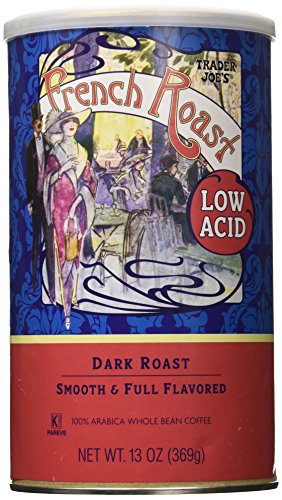
Trader Joe’s Low Acid French Roast
Strengths
- Gentle on stomach
- Smooth dark roast
- Easy to finish fresh
- 100% Arabica
- Low acidity
Trade-offs
- Smaller package
- Not for light roast fans
- Limited complexity
This 13-ounce bag is the smarter buy if you want the low-acid benefits without committing to a massive stash. The dark roast is deep and smoky but lacks the sharp bite that often comes with traditional French roasts, and owners consistently highlight how easy it is on the stomach, especially first thing in the morning.
It’s not a complex coffee, but it wasn’t made to be. Compared to the Wake Up Blend, it’s the opposite in intent: calming instead of stimulating, rich instead of bright. If you’ve ever had coffee jitters or heartburn, this one deserves a spot in your rotation.
Product photos


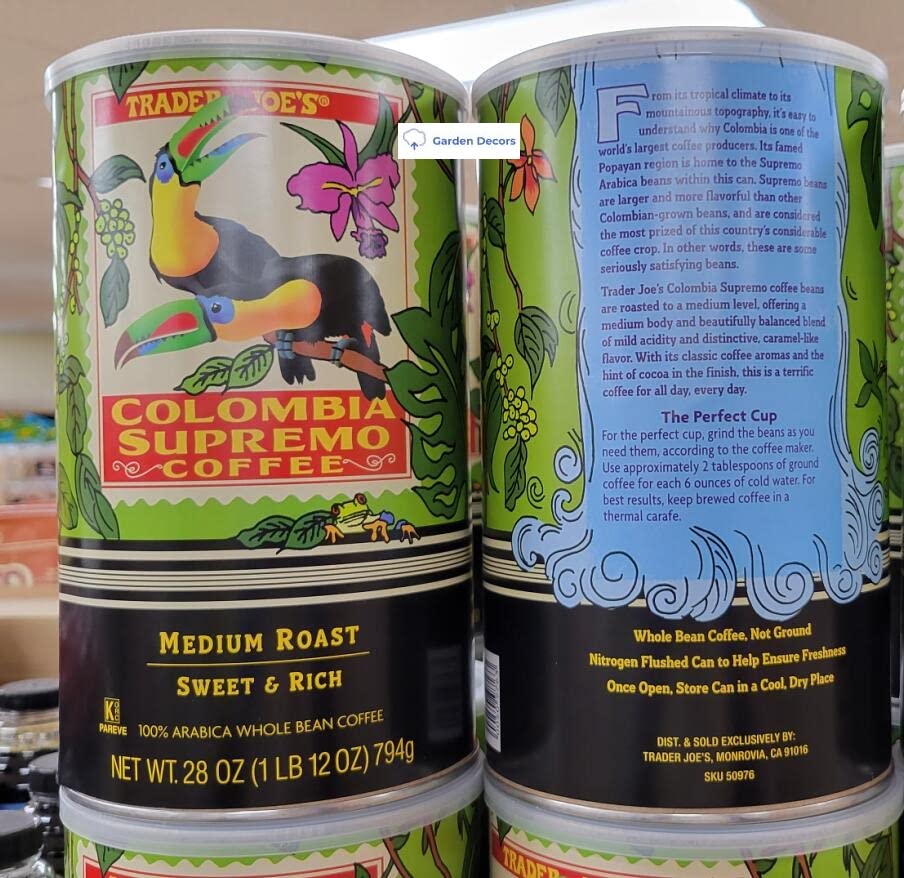
Trader Joe’s Colombia Supremo Medium Roast

Strengths
- Excellent value
- Sweet, rich flavor
- Kosher certified
- Tin can storage
- Sourced from Colombia
Trade-offs
- Cans take up space
- Not bold or smoky
- Limited roast depth
With two 14-ounce cans totaling 28 ounces, this Columbia Supremo pack is the best value proposition in Trader Joe’s coffee range, especially if you’re stocking up or sharing. The ‘sweet & rich’ description matches owner feedback, this brew has a rounded, caramel-like body and a pleasant nuttiness that stands out in medium roasts.
It’s also kosher certified, which matters to some buyers, and the cans help preserve freshness better than paper bags. Compared to the Joe Coffee, it’s more flavorful and distinctive, though slightly less versatile. If you love South American beans with a comforting profile, this is the smarter long-term buy.
Product photos
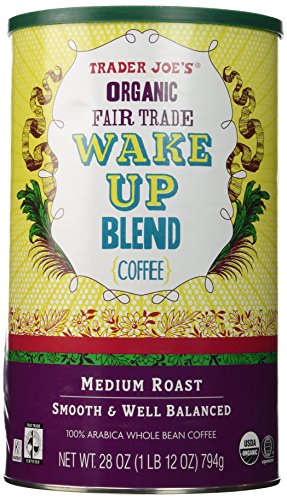
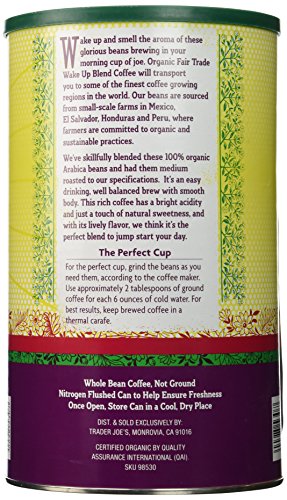
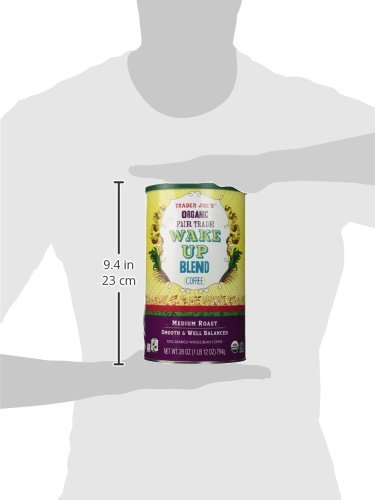
Trader Joe’s Organic Wake Up Blend
Strengths
- Organic certified
- Fair trade
- Large 28 oz size
- Bright flavor
- Ethically sourced
Trade-offs
- High acidity
- Not bold or rich
- Light roast may disappoint
This 28-ounce bag of Wake Up Blend delivers a bright, zesty profile that stands out in Trader Joe’s lineup, and owners consistently report it brews a lively, citrusy cup with a clean finish. On paper, the organic and fair trade certifications add ethical weight, but the roast level leans lighter than most morning blends, so it won’t satisfy those chasing bold, smoky depth.
Still, for those who appreciate a more nuanced, tea-like coffee with a conscience, this one holds up well across drip and pour-over setups. Compared to the Joe Coffee, it’s less balanced and a bit more aggressive in the acidity department, but that’s not a flaw if you’re after something that wakes your palate up, not just your brain.
Product photos
Trader Joe’s Low Acid French Roast 26 Oz
Strengths
- Huge 52 oz total
- Low acidity
- Smooth dark roast
- Good for sensitive stomachs
- Whole bean freshness
Trade-offs
- Bulk may lead to staleness
- One-note flavor
- Less aromatic over time
At 26 ounces per bag and sold as a set of two, this is TJ’s biggest coffee offering by volume, making it the obvious choice if you go through beans fast. The low-acid, dark roast formula is designed for smoothness, and reviewers note it delivers a mellow, smoky cup without the usual stomach punch of standard French roasts.
But here’s the catch: while it shares a profile with the 13-ounce version, the larger package means longer shelf life risk if you don’t brew daily. And compared to the Joe Coffee, it’s less balanced and more one-dimensional. Still, for dark roast fans who hate acid reflux, the value and volume here are hard to beat.
Product photos
How We Evaluated trader joes coffee beans
As founder of Bean Thusiast, I approach coffee bean selection with a focus on delivering quality and value. Rather than a hands-on lab test, my research for these recommendations involved a detailed comparison of Trader Joe’s offerings – looking at bean type, roast level, and packaging size. I then weighed owner reviews from multiple sources alongside insights from other coffee experts to establish a ranking.
For Trader Joe’s beans specifically, I prioritized roast level and acidity. A smooth, balanced cup is key, and those factors significantly impact the overall experience. I also considered value; the quantity you get for the price is important, particularly with a retailer known for affordability. Understanding factors in coffee bean choice helped shape these priorities.
Specifications clearly show bean origin and roast darkness. However, flavor profiles and subtleties are best gleaned from owner feedback. I paid close attention to comments regarding smoothness, bitterness, and any reported issues with freshness. Reputation plays a role too; consistently positive reviews from experienced coffee drinkers carried significant weight in my final assessments.
How To Pick The Right trader joes coffee beans
As someone who’s spent years chasing the perfect cup, I know picking coffee beans can feel overwhelming. There are so many options, and “best” is truly subjective.
A quality coffee bean delivers a balanced flavor profile – acidity, body, and aroma – directly linked to its origin, processing method, and roast level. Consumers should prioritize whole bean options for maximum freshness and consider Arabica versus Robusta varieties based on desired intensity and flavor complexity. Checking roast dates, not just “best by” dates, is also crucial.
Roast Level & Your Palate
Don’t just grab what sounds good. Roast level drastically alters the flavor. Lighter roasts retain more of the bean’s origin characteristics – floral notes, bright acidity. Darker roasts develop bolder, smoky, sometimes bittersweet flavors. French Roasts (like Trader Joe’s Low Acid French Roast) are popular for their intensity, but can mask nuances. I suggest experimenting to find your sweet spot. Many people overlook the impact a roast has on caffeine content too; lighter roasts generally have a bit more.
Bean Type & Origin
Arabica beans are generally considered higher quality, offering a smoother, more aromatic cup. Robusta beans pack a caffeine punch and a bolder, more rubbery flavor. Most specialty coffee leans heavily toward Arabica. Beyond that, origin matters hugely. Colombian beans (such as Trader Joe’s Colombia Supremo) are known for their balanced profile, while Ethiopian beans often deliver fruity, floral complexity. Don’t be afraid to explore single-origin coffees to truly appreciate those differences. Learning about Trader Joe’s coffee flavor profiles can really open your eyes.
Packaging & Freshness
Whole bean coffee is always best, but even whole bean coffee goes stale. Proper packaging is key. Look for bags with one-way valves to allow CO2 to escape without letting oxygen in. And always check the roast date. A “best by” date tells you nothing about when the beans were actually roasted. The closer to the roast date, the better. Once opened, proper storage is critical. I’ve written extensively on keeping coffee beans fresh – airtight containers, cool dark places, and avoiding the freezer are all important.
Here’s a quick guide to judging value: * Price per pound: A basic starting point. * Roast Date: Absolutely essential, even if the price is appealing. * Origin Story: A transparent supply chain and clear origin information often indicate a higher-quality bean, and justifies a slightly higher price.
A general rule of thumb: buy coffee in amounts you’ll consume within two weeks of roasting. This guarantees peak flavor and aroma before oxidation sets in.
Trader Joes Coffee Beans Compared
Here’s a comparison of the specifications for each Trader Joe’s coffee bean offering.
| Product Name | Roast | Bean Type | Size (oz) | Kosher | Acid Level |
|---|---|---|---|---|---|
| Trader Joe’s Joe Coffee | Medium | N/A | 14 | N/A | N/A |
| Trader Joe’s Low Acid French Roast | French | Arabica | 13 | N/A | Low |
| Trader Joe’s Colombia Supremo | Medium | N/A | 28 | Yes | N/A |
| Trader Joe’s Organic Wake Up Blend | N/A | N/A | N/A | N/A | N/A |
| Trader Joe’s Low Acid French Roast 26 Oz | French | N/A | 26 | N/A | Low |
Frequently Asked Questions
What if I prefer decaf options at Trader Joe’s?
Trader Joe’s offers a Swiss Water Process decaf blend, which is a chemical-free method that preserves more of the bean’s original flavor compared to other decaffeination processes. While their selection isn’t huge, this process makes it a good choice for those wanting to avoid harsh chemicals in their coffee.
Are Trader Joe’s coffee beans actually organic?
Yes, Trader Joe’s does offer certified organic options, like their Organic Wake Up Blend, ensuring the beans are grown without synthetic pesticides or fertilizers. However, not all of their coffees are organic, so always check the packaging for the USDA Organic seal if that’s a priority for you.
How does Trader Joe’s coffee compare to more expensive brands?
Trader Joe’s excels at providing good quality for the price, often sourcing similar beans to higher-end brands but cutting costs with simpler packaging and direct purchasing. You might find subtle differences in complexity or nuance, but for everyday drinking, many find Trader Joe’s to be an excellent value.
What’s the best way to store Trader Joe’s coffee after opening the bag?
An airtight container, stored in a cool, dark, and dry place, is essential for preserving freshness after opening. Avoid storing coffee in the refrigerator or freezer, as temperature fluctuations and moisture can degrade the flavor. You can find more details on best whole bean coffee at Trader Joe’s.
What roast level is generally the most versatile for different brewing methods?
A medium roast is the most versatile, working well with drip, pour-over, French press, and even espresso. It provides a balance of flavor, acidity, and body that doesn’t get lost in different brewing styles, unlike lighter or darker roasts which tend to highlight specific characteristics.
The Bottom Line
Choosing coffee is ultimately about finding the balance between convenience and control. You can chase the absolute peak flavor with meticulous attention to roast dates and origins, or you can simply grab a bag that consistently delivers a satisfying cup. For an excellent all-around experience, I recommend the Trader Joe’s Colombia Supremo; it consistently receives positive feedback for its balanced flavor and reasonable price.
If you’re on a tighter budget, the Trader Joe’s Joe Coffee is a solid choice, offering a dependable medium roast at a very accessible price point. Those prioritizing a smooth, low-acid experience should look to the Trader Joe’s Low Acid French Roast, particularly in the larger 26oz bag for better value. Understanding signs of stale coffee beans is crucial no matter which bean you select.
At the end of the day, the specifics – roast level, bean type, origin – matter far less than freshness and how well the coffee suits your palate. Don’t get lost in the details; focus on finding beans roasted recently and experimenting until you discover a flavor profile you truly enjoy. A consistently good cup, enjoyed regularly, is far more valuable than chasing the elusive “best” bean.
