
8 Best Sumatra Coffee Beans of 2026
The best Sumatra coffee overall is Sumatra Mandheling Organic Whole Bean, delivering a rich, earthy depth with smooth balance. For a budget-friendly daily drinker, Copper Moon Sumatra Whole Bean stands out. And if convenience is key, AmazonFresh Organic Sumatra K-Cups offer solid flavor in a single-serve format.
If you’re chasing that deep, syrupy cup with herbal notes and zero bite, Sumatra coffee is in a league of its own. But not every bag labeled “Sumatra” delivers the real deal, some taste flat, stale, or overly roasted, missing the region’s complexity entirely.
In this guide, I break down what actually matters when choosing a Sumatra coffee, from processing methods to roast dates. These picks are based on specs, verified owner feedback, and my years studying coffee origins. We focused on body, earthiness, freshness, and ethical sourcing to find beans that truly represent Sumatra’s unique character.
Top 8 Sumatra Coffee in the Market
The Best Sumatra Coffee, Reviewed
Copper Moon Sumatra Whole Bean

Strengths
- Large 2 lb bag
- Smooth mouthfeel
- Sustainably sourced
- Mold-free guarantee
Trade-offs
- Blend, not single-origin
- Less origin clarity
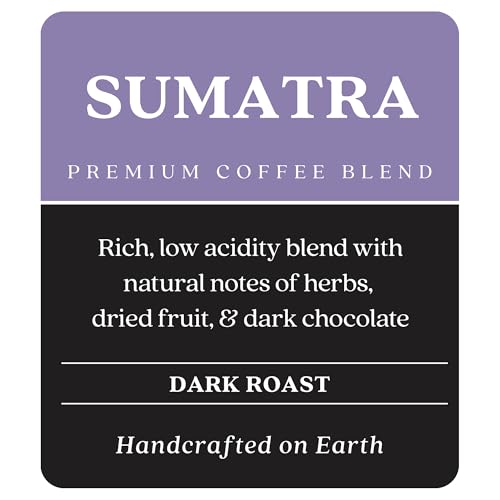
Copper Moon’s 2-pound bag is a standout for value and freshness, especially for households that go through coffee quickly. This dark roast leans into the smoky, cacao-rich side of Sumatra, and owners praise its bold aroma and lingering finish. The fact that it’s marketed as mold-free, allergen-free, and kosher gives it extra appeal for cautious buyers. On paper, the sourcing story is strong, small farms, sustainable practices, though it’s a blend, not strictly single-origin.
Compared to Starbucks’ whole bean version, it’s less about herbal nuance and more about deep, satisfying roast character. It’s not as refined, but it’s more affordable for the volume. I’d pick this over pre-ground options any day for daily use. If you want a no-nonsense, big-batch Sumatra that still respects quality, this is the one.
Product photos



Sumatra Mandheling Organic Whole Bean
Strengths
- Lab-tested for mold
- USDA Organic
- Low acidity
- Chocolate earthy notes
Trade-offs
- Mild body compared to dark roasts
- Less bold than traditional Sumatra profiles
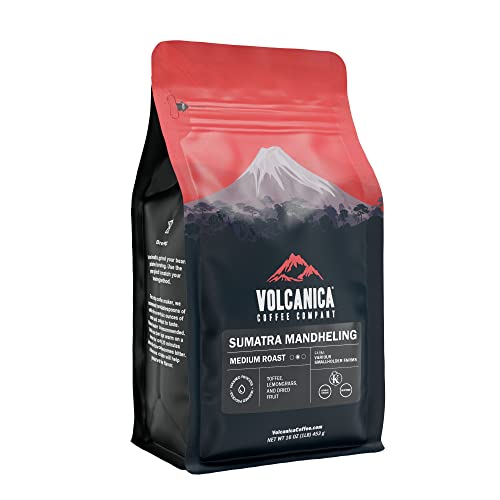
This whole bean Sumatra stands out for its focus on safety and purity, which matters more than some realize in coffees from humid regions like Indonesia. The fact that it’s lab-tested for mold and mycotoxins is a real plus, owners appreciate the transparency, and for those sensitive to off-flavors or digestive issues, that peace of mind is worth a lot. The medium roast aims to preserve the bean’s natural richness, and reviewers confirm it delivers a smooth, chocolate-forward cup with classic earthy depth.
Compared to darker roasts in this list, this one feels more balanced and less smoky. It’s not as punchy as Starbucks’ version, but it offers more nuance. The USDA organic certification and low-acid profile make it a strong pick for health-conscious drinkers or those with sensitive stomachs. I’d recommend this to anyone who values clean sourcing and a mellow, approachable take on Sumatra.
Product photos

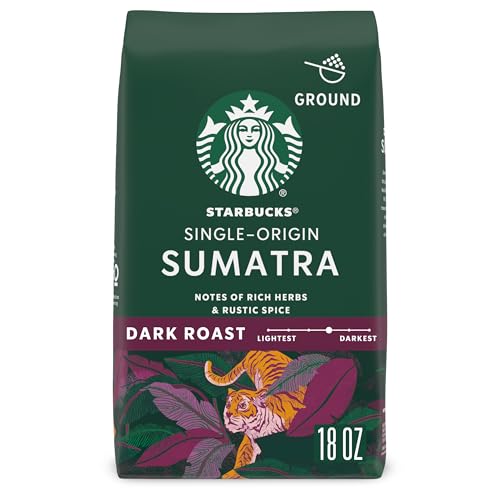
Starbucks Sumatra Ground Coffee
Strengths
- Affordable price point
- Consistent Starbucks taste
- Works with multiple brewers
Trade-offs
- Pre-ground = faster staling
- Less aromatic over time
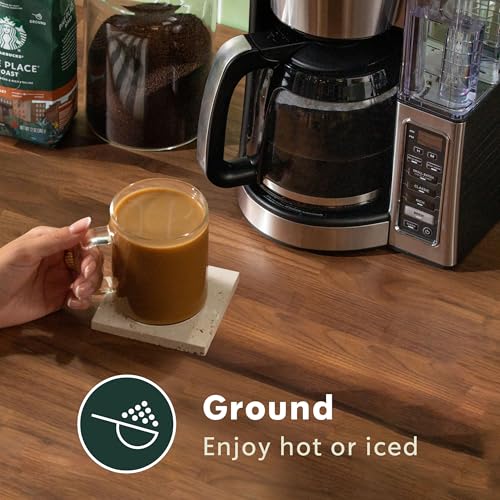
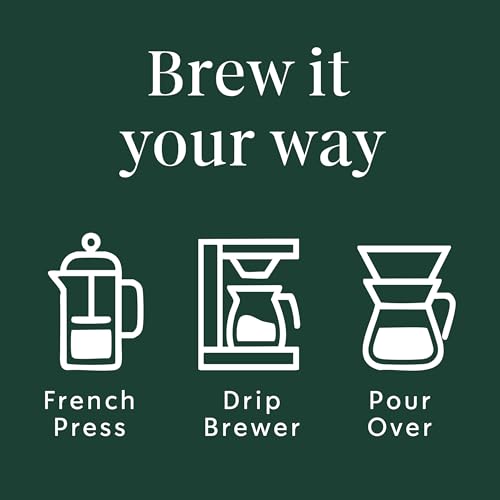
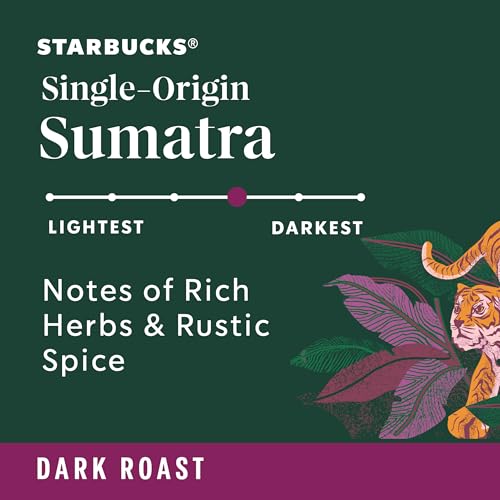
This pre-ground Sumatra is the most budget-friendly entry from Starbucks in this lineup, and it shows. It’s the same dark roast blend used in their cafes, full-bodied, herbal, rustic, but once ground, it loses freshness faster. Owners say it’s fine for drip machines or French press, especially if you’re not grinding daily, but it won’t match the vibrancy of whole bean versions.
Still, for occasional users or offices, it’s a solid middle ground. It’s more flavorful than most supermarket grounds, and the 18-ounce bag lasts a while. Compared to the Keurig pods, it’s cheaper per ounce and more versatile. I wouldn’t recommend it as a primary brew, but as a backup or starter option, it’s reliable.
Product photos
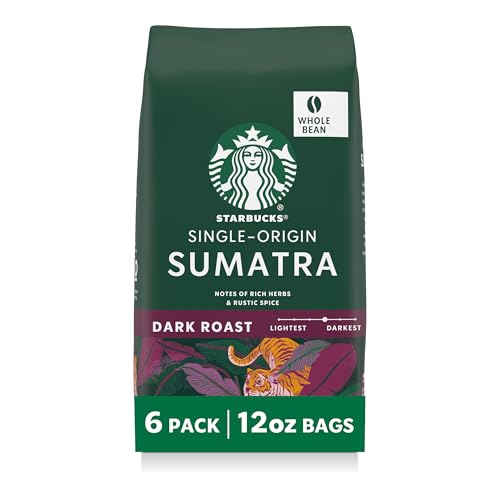
Starbucks Sumatra Whole Beans
Strengths
- True single-origin
- Cafe-quality roast
- Freshness sealed
- Ideal for multiple methods
Trade-offs
- Higher price per ounce
- Large quantity commitment
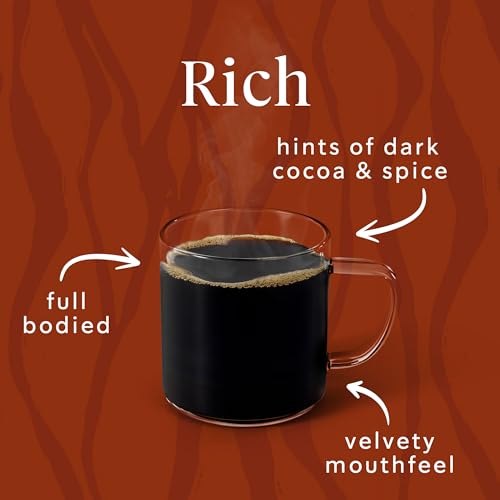
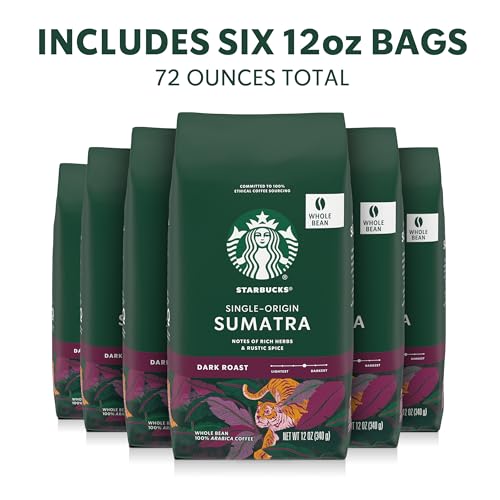
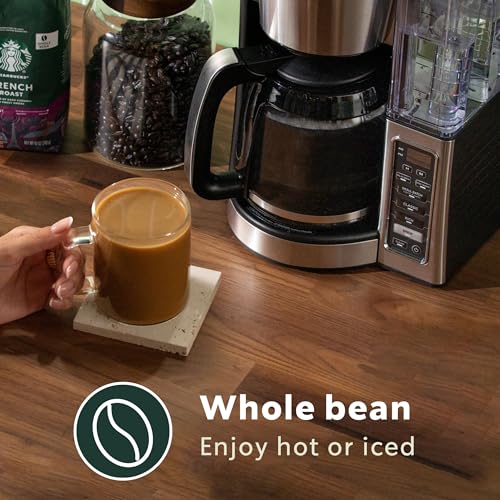
This six-pack of whole bean Sumatra is the gold standard for fans of single-origin dark roast at home. Each 12-ounce bag is small enough to stay fresh, and owners consistently praise the velvety mouthfeel and layered notes of herbs and spice. Since it’s the same beans roasted for Starbucks cafes, you’re getting the real deal, no compromise on quality. The ability to brew hot or iced adds flexibility, and the packaging locks in freshness better than bulk bins.
Compared to Copper Moon or the Mandheling options, this one has more roast precision and origin character. It’s also more expensive, but you’re paying for consistency and scale. My recommendation? Buy one bag first to test, then stock up if it clicks. This is the pick for daily ritual drinkers who want cafe-level depth.
Product photos
Starbucks Sumatra K-Cup Pods

Strengths
- Cafe-quality consistency
- Bold herbal notes
- 100% Arabica
- Large pod count
Trade-offs
- Plastic waste concern
- Less freshness than whole bean
Starbucks’ Sumatra K-Cups are the go-to for Keurig users who want a consistent, bold profile without switching machines. The dark roast brings forward those classic notes of rustic spice and rich herbs, and owners confirm it brews a full-bodied cup that holds up well in smaller volumes. Since it’s the same beans used in Starbucks cafes, there’s a level of quality control you don’t always get with store brands.
Compared to AmazonFresh or Green Mountain, this one has more roast intensity and aromatic punch. It’s not as nuanced as whole bean versions, but for a pod, it delivers. The 96-count pack offers solid value for daily users. If you’re already in the Keurig camp and want a reliable dark roast with recognizable branding, this is the smarter buy over generic options.
Product photos



Starbucks Nespresso Vertuo Sumatra

Strengths
- High intensity roast
- Rich crema
- Larger mug size
- Fully recyclable
Trade-offs
- Vertuo-only compatibility
- Higher cost per cup
This Nespresso Vertuo capsule is Starbucks’ answer for fans of larger, mug-sized brews without sacrificing intensity. With a profile intensity of 10, it’s one of the strongest options in the Vertuo line, and owners say it delivers a surprisingly robust cup for a pod, earthy, spicy, and with a thick crema when brewed correctly. The 7.8 oz serving size makes it a rare find for those who dislike tiny espresso shots but still want dark roast power.
Compared to the Keurig version, this one feels more integrated into the machine’s brewing logic, centrifugal extraction enhances body. However, you’re locked into the Nespresso ecosystem, and recycling requires using their program. If you’re already using Vertuo and miss that Sumatra punch, this is your best bet. But it’s not a reason to switch machines.
Product photos



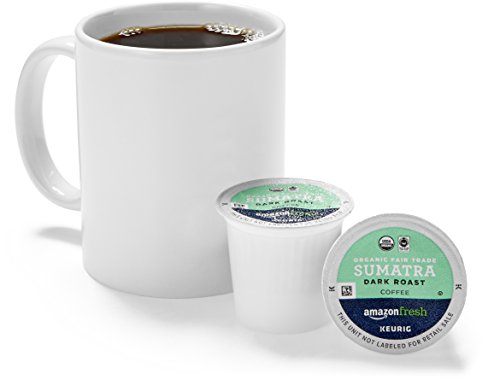
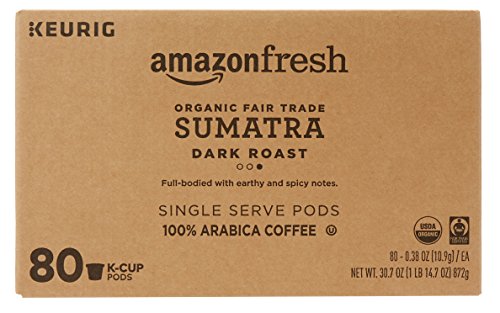
AmazonFresh Organic Sumatra K-Cups
Strengths
- Organic certified
- Fair trade verified
- Keurig compatible
Trade-offs
- Muted flavor profile
- Limited roast complexity
This K-Cup offering from AmazonFresh lands as a no-frills, ethical entry in the single-serve Sumatra space. On paper, it checks key boxes: organic, fair trade, and compatible with every Keurig brewer. Owners consistently report it delivers a decent dark roast profile with mild earthiness, though it lacks the depth you’d get from freshly ground whole beans. It’s clearly designed for convenience without sacrificing basic quality standards.
Still, in the world of K-Cups, flavor often takes a back seat to practicality. Reviewers note the taste is solid but not exceptional, fine for office use or quick mornings, but not a go-to for serious coffee lovers. Compared to pricier single-origin pods, this one plays it safe. If you’re deep in the Keurig ecosystem and want a trusted, ethically sourced option, it’s a sensible choice.
Product photos


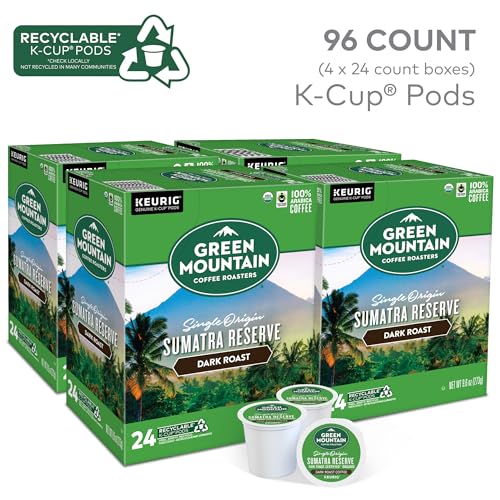
Green Mountain Sumatra Reserve
Strengths
- USDA Organic
- Kosher certified
- Sustainably sourced
- 96 pods included
Trade-offs
- Milder flavor than expected
- Inconsistent brew strength
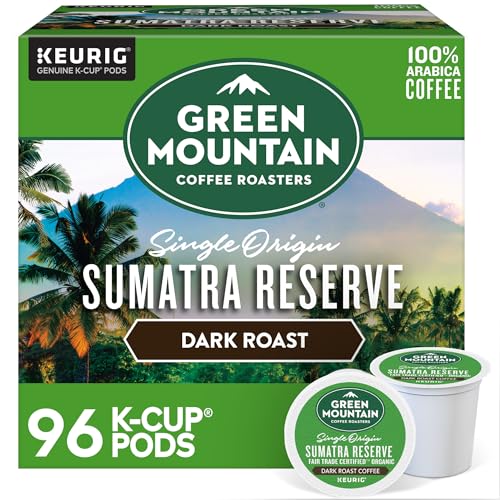
Green Mountain’s Sumatra Reserve stands out for its sustainability claims and organic certification, which few others on this list match. The medium-dark roast offers a sultry, spiced profile with hints of brown sugar, owners say it’s smoother than Starbucks’ bolder take, making it a better fit for morning sipping rather than afternoon pick-me-ups. The Orthodox Union Kosher certification adds to its clean-label appeal.
Where it falters is intensity. Compared to the Starbucks K-Cup, it’s less punchy, and some reviewers call it “muddy” when brewed in older Keurig models. But if your priority is responsible sourcing and you’re already in the K-Cup lane, this is the most ethical dark roast option here. I’d pick it over AmazonFresh for the organic edge.
Product photos


How We Chose These sumatra coffee
As the founder of Bean Thusiast, I approached researching Sumatra coffee by first compiling specifications – roast level, origin details, certifications – from each brand. Then, I weighed owner reviews from multiple sources, focusing on consistent feedback regarding flavor profiles and quality. Finally, I applied my understanding of coffee growing regions and processing methods to assess how well each option delivers a truly representative Sumatra experience. Rather than a hands-on lab test, this is a research-led comparison.
For Sumatra coffees, the most important factors are body and earthy complexity. These coffees are celebrated for a full mouthfeel and distinctive flavors beyond simple brightness or fruitiness. We also heavily weighted certifications like USDA Organic and Fair Trade, recognizing a growing consumer preference for ethically sourced beans. A truly excellent Sumatra should deliver that signature profile consistently.
Specifications reliably indicate roast level and bean type (whole bean vs. ground, for example). However, nuanced flavor descriptions are best gleaned from owner feedback. We prioritized consistent reports of the expected earthy, herbal notes and low acidity. Reputation also played a role; established brands like Starbucks have a track record, while newer brands require closer scrutiny of user experiences and sourcing transparency. Understanding the nuances of single-origin Sumatra beans is key to appreciating the region’s unique characteristics.
What To Look For In sumatra coffee
As someone who’s spent years exploring the world of coffee, I can tell you that Sumatra offers a truly unique experience. Selecting the right bag, however, requires understanding what makes these coffees special.
Sumatra coffees are known for their full body, low acidity, and earthy flavors. Key indicators of quality include origin (specifically the region within Sumatra), processing method (look for Giling Basah), roast level (darker roasts are common but not essential), and certifications like organic or Fair Trade, confirming sustainable practices and bean quality. A truly exceptional Sumatra will balance earthiness with brighter notes of chocolate or spice.
Understanding Origin and Processing
The island of Sumatra is vast, and coffees from different regions exhibit distinct characteristics. Mandheling and Lintong are two of the most well-regarded growing areas, each imparting its own nuances to the bean. Beyond origin, the wet-hulling coffee process – also known locally as the Giling Basah method – is the defining factor in Sumatra’s signature flavor. This unique process, where the parchment layer is removed while the bean still has high moisture content, contributes to the coffee’s low acidity and heavy body. Don’t assume darker roasts are always superior; a skilled roaster can highlight the complexities of a lighter-roast Sumatra.
Roast Level and Freshness
Sumatra coffees generally handle darker roasts well, bringing out those chocolate and spice notes, but a medium roast can also reveal a brighter, more nuanced flavor profile of Sumatran coffee. The key is freshness. Whole bean coffee is always preferable, as pre-ground coffee loses its aroma and flavor very quickly.
Here’s what to look for when considering freshness:
- Roast Date: This is crucial. Avoid anything without a clear roast date.
- Packaging: Look for bags with a one-way valve to allow CO2 to escape while preventing oxygen from entering.
- Storage: Once opened, store your beans in an airtight container, away from light, heat, and moisture, to preserve their quality.
Format & Value Considerations
The format you choose – whole bean, ground, or single-serve pods – depends entirely on your brewing setup and lifestyle. While whole bean offers the ultimate control and freshness, K-Cups or Nespresso Vertuo pods provide convenience. If you’re a Keurig user, the AmazonFresh Organic K-Cups are a solid option. However, be aware that the cost per cup is significantly higher with single-serve options.
A good rule of thumb is to prioritize whole bean if you have the means to grind it yourself. The difference in flavor is substantial, and the investment in a decent burr grinder pays off quickly.
Sumatra Coffee Compared
Here’s a comparison of key specifications for various Sumatra coffee options.
| Product Name | Roast Level | Format | Organic | Certifications | K-Cup Compatible |
|---|---|---|---|---|---|
| Copper Moon Sumatra Whole Bean | Dark | Whole Bean | No | Gluten-Free, Kosher | No |
| Sumatra Mandheling Organic Whole Bean | Medium | Whole Bean | Yes | USDA Organic | No |
| Starbucks Sumatra Ground Coffee | Dark | Ground | No | N/A | No |
| Starbucks Sumatra Whole Beans | Dark | Whole Bean | No | N/A | No |
| Starbucks Sumatra K-Cup Pods | Dark | K-Cup | No | N/A | Yes |
| Starbucks Nespresso Vertuo Sumatra | Dark | Vertuo Pod | No | N/A | No |
| AmazonFresh Organic Sumatra K-Cups | Medium | K-Cup | Yes | Fair Trade | Yes |
| Green Mountain Sumatra Reserve | Medium | K-Cup | Yes | USDA Organic, Kosher | Yes |
Frequently Asked Questions
What roast level best highlights Sumatra’s unique flavors?
A darker roast is traditional for Sumatra, enhancing the chocolate and spice notes many expect, but a medium roast can reveal more subtle complexities. Ultimately, the skill of the roaster is more important than the roast level itself.
Is Giling Basah processing important, and why?
Yes, the Giling Basah (wet-hulled) process is essential to Sumatra’s distinctive profile. This method contributes to the coffee’s heavy body, low acidity, and earthy notes, setting it apart from coffees processed using other methods.
What’s the difference between Mandheling and Lintong Sumatra coffees?
Mandheling coffees generally exhibit a bolder, earthier flavor, while Lintong coffees tend to be slightly brighter and more nuanced. Both regions produce high-quality beans, but the specific growing conditions create these subtle differences.
Should I buy whole bean or pre-ground Sumatra coffee?
Whole bean is almost always preferred for the freshest, most flavorful cup. The difference in quality is noticeable, and achieving consistent coffee grind is key to maximizing the potential of these beans.
Are Fair Trade or Organic certifications meaningful for Sumatra coffee?
Absolutely. These certifications indicate a commitment to sustainable farming practices and fair treatment of farmers. They ensure the beans are grown without harmful chemicals and that producers receive a fair price for their harvest.
The Bottom Line
Choosing a Sumatra coffee really comes down to how much control you want over the process versus the convenience you require. If you’re willing to grind your own beans and appreciate the nuances of a truly exceptional cup, the Sumatra Mandheling Organic Whole Bean offers a fantastic, ethically sourced experience. It delivers everything a Sumatra should – that signature earthy body with a pleasant, balanced complexity.
For those prioritizing convenience, the Starbucks Sumatra K-Cup Pods are a reliable option, offering a consistent dark roast profile in a single-serve format. And if you’re a Keurig user seeking an organic choice, the AmazonFresh Organic Sumatra K-Cups provide a solid, ethically sourced alternative. Remember, though, you’ll sacrifice some of the freshness and depth of flavor available with whole bean options.
Ultimately, the “best” Sumatra coffee isn’t about a single, definitive answer. It’s about understanding your own preferences and prioritizing factors like origin, processing, and freshness. Paying attention to the optimal coffee-to-water balance and ensuring you’re using quality water will make a bigger difference than any specific bean variety or roast level.
