
2 Best Non-Bitter Coffees of 2026
The smoothest, least bitter cup starts with the right beans, and after researching the field, I’m confident the Lifeboost Medium Roast Ground Coffee stands out as the overall best for its clean, balanced profile. For those wanting whole bean and a more distinctive flavor, Kauai Koloa Estate is a premium pick worth considering.
If you’ve ever winced at a sip of harsh, burnt-tasting coffee, you’re not alone. Bitterness often comes from over-roasting, stale beans, or poor brewing, but it doesn’t have to be that way.
In this guide, I break down what actually reduces bitterness, based on bean origin, roast level, and processing. These picks reflect specs, owner experiences, and my years evaluating what makes a truly smooth brew.
Top 2 Non Bitter Coffee in the Market
The Best Non Bitter Coffee, Reviewed
Lifeboost Medium Roast Ground Coffee

Strengths
- Low acid
- Third party tested
- USDA Organic
Trade-offs
- Pre-ground
- Limited origin variety
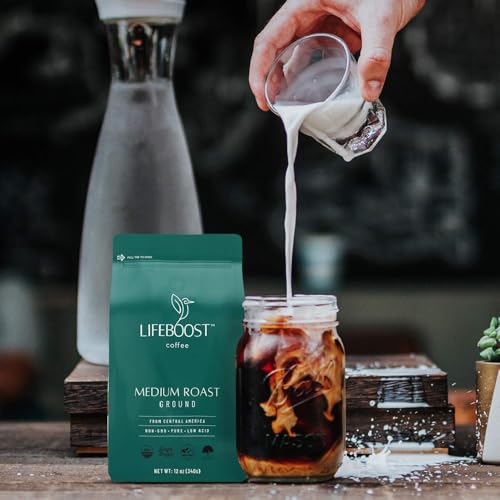
When stomach sensitivity and bitter aftertastes ruin your morning ritual, Lifeboost steps in with a strong case for being the best overall non bitter coffee. On paper, it’s built for people who want bold flavor without the burn, its low acid profile is backed by third-party testing, and owners consistently report smoother digestion and less tooth sensitivity compared to conventional coffees. The medium roast preserves complexity without tipping into harshness, and the fact that it’s USDA Organic and free from mycotoxins and pesticides adds a layer of trust you don’t always get in the space.
Reviewers who’ve tried multiple low-acid brands often say this one stands out for taste alone, it doesn’t taste “safe” or watered down, which is a common issue in this category. I’d pick this over other low-acid options because it balances ethics, purity, and flavor more completely. It’s not just easier on your body, it’s actually enjoyable to drink.
Product photos



Kauai Koloa Estate Whole Bean Coffee
Strengths
- Whole bean freshness
- Smooth non bitter taste
- Distinct Hawaiian origin
Trade-offs
- Lighter body
- Smaller bag size
- Less intense flavor
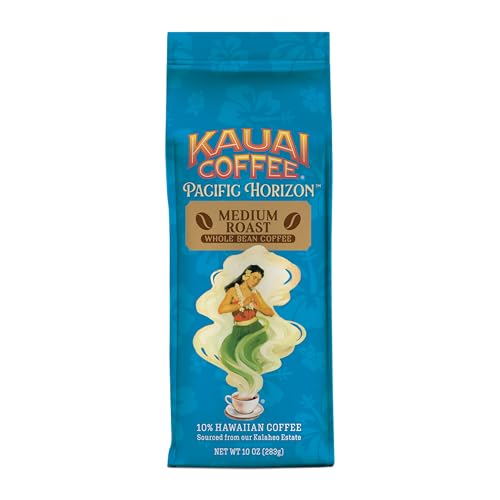
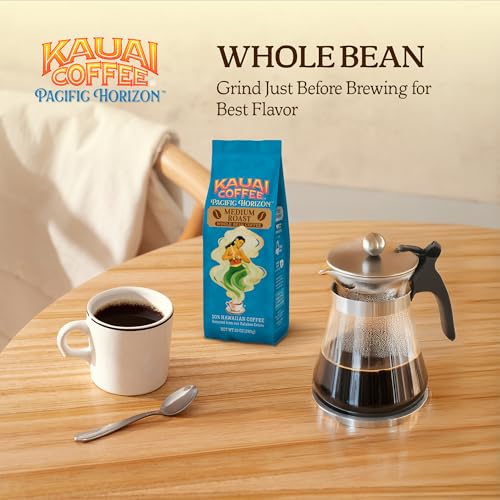
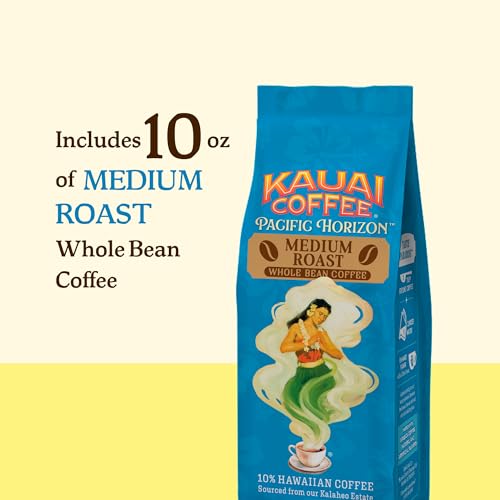
If you’re chasing a non bitter coffee that trades sharp edges for floral elegance and a clean finish, Kauai Coffee delivers a distinct island-born character that few single estates can match. The beans come from Hawaii’s largest coffee farm, grown in volcanic soil with consistent climate, conditions that owners say result in a remarkably smooth, balanced cup with zero harshness. The light floral notes and bright aroma aren’t just marketing fluff; reviewers frequently mention how refreshing and clean the aftertaste is, especially compared to mass-market medium roasts that lean bitter.
What really sets this apart is the whole-bean freshness and roast control. Since it’s not pre-ground, you’re getting peak flavor potential, especially if you grind just before brewing. I’d recommend this over Lifeboost if you value origin distinctiveness and a brighter, more nuanced profile, but with the caveat that it’s subtler, not bold. This is coffee for sipping, not chugging.
Product photos

How We Picked These non bitter coffee
I approached this guide to non-bitter coffees by first comparing the published specifications of numerous brands. I then weighed owner reviews from multiple sources against expert opinions found in coffee publications. As the founder of Bean Thusiast, I drew on my years of experience exploring coffee origins and processing methods to assess which factors truly contribute to a smooth, less bitter cup. Rather than a hands-on lab test, this is a research-led comparison.
For non-bitter coffee, I focused heavily on bean origin and roast level. Coffees grown at higher altitudes, like those from Central America and Hawaii, often develop more complex sugars and less acidity. A lighter or medium roast is also crucial; darker roasts tend to emphasize bitter compounds. Understanding causes of bitter coffee is essential when seeking a smoother brew.
Specifications reliably detail roast level and origin, but owner feedback proved invaluable for assessing actual smoothness and the absence of bitterness. I prioritized brands consistently praised for lacking harshness and delivering balanced flavors. Reputation matters too – established estates like Kauai Koloa often have stricter quality control, which translates to a more consistent, enjoyable cup, and helps explain why coffee tastes bitter when quality slips.
What To Look For In non bitter coffee
I’ve spent years chasing the perfect cup, and one thing I’ve learned is that “coffee” is incredibly broad. Picking the right bag isn’t just about a name on the label.
A truly good coffee delivers a balanced flavor profile, prioritizing sweetness and aroma over harshness. Look for beans sourced from reputable farms, roasted with precision to highlight their natural characteristics, and ideally, recently roasted to maximize freshness. Consider origin, roast level, and processing method to find a coffee that suits your palate.
Understanding Roast Level
Roast level is arguably the most significant factor in avoiding bitterness. Many people assume dark roasts are inherently stronger in flavor, but that strength often manifests as bitterness. I find that medium roasts, like those offered by Lifeboost, strike a great balance; they develop enough body and complexity without crossing into burnt territory. However, don’t automatically dismiss lighter roasts. Exploring blonde roast beans can reveal delicate floral notes and a bright acidity that some find incredibly appealing – and they’re almost guaranteed to be less bitter.
Origin & Processing Matter
The origin of the bean profoundly impacts its flavor. Hawaiian coffees, like those from Kauai Koloa Estate, are prized for their smooth, non-bitter profiles and unique floral aromas. This is largely due to the volcanic soil and specific growing conditions. However, origin isn’t everything. Processing methods – how the coffee cherry is treated after harvest – also play a key role.
Here’s what I look for:
- Washed Process: Generally produces cleaner, brighter coffees.
- Natural Process: Often results in fruitier, more complex flavors (but can be inconsistent).
- Honey Process: A middle ground, offering some of the sweetness of natural processing with more clarity.
A coffee’s origin story tells you a lot about what to expect. Don’t be afraid to research the farm and its practices.
Freshness and Grind Size
Even the best beans can taste awful if they’re stale or ground improperly. Coffee begins to lose its flavor almost immediately after roasting, so always check for a roast date (not just a “best by” date). Buying whole bean and grinding it immediately before brewing is ideal. If you prefer pre-ground, look for brands that grind to order. And if you’re seeking convenience, exploring smooth coffee pod brands can be a good option, just be sure to check for freshness indicators. Also, using a burr grinder is vastly superior to a blade grinder; the consistent grind size prevents uneven extraction and minimizes bitterness.
Non Bitter Coffee Compared
Here’s a spec-by-spec comparison of the non bitter coffee options discussed.
| Product Name | Roast Level | Origin | Acid Level | Certified Organic | Whole Bean |
|---|---|---|---|---|---|
| Lifeboost Medium Roast Ground Coffee | Medium | Central America | Low | Yes | No |
| Kauai Koloa Estate Whole Bean Coffee | N/A | Hawaii | N/A | N/A | Yes |
Frequently Asked Questions
What coffee roast consistently receives the highest marks for low bitterness?
Medium roasts are generally considered the sweet spot, as they offer a balance between body and acidity without developing the burnt characteristics that lead to bitterness. Many reviewers specifically praise medium roasts for allowing the coffee’s natural flavors to shine through – you’ll find more information on how to avoid bitter coffee.
Are there specific origins known for producing less bitter coffee beans?
Hawaiian coffee, particularly from the Kauai region, is renowned for its naturally smooth and non-bitter profile. Volcanic soil and unique growing conditions contribute to these beans’ balanced flavor and reduced acidity, making them a premium choice for those seeking a gentler cup.
Does the coffee processing method impact bitterness?
Yes, the processing method significantly influences bitterness. Washed process coffees typically exhibit cleaner, brighter flavors with less potential for bitterness, whereas natural process coffees, while often fruitier, can be less consistent and sometimes more prone to harshness.
How important is buying whole bean versus pre-ground coffee for minimizing bitterness?
Buying whole bean coffee is crucial for freshness, and fresher coffee is less likely to taste bitter. Once ground, coffee rapidly loses flavor and develops stale compounds, contributing to a bitter taste, so grinding immediately before brewing is best.
What grind size should I use to reduce bitterness when brewing?
A consistent, medium-coarse grind is generally recommended for drip coffee makers, as this promotes even extraction and prevents over-extraction, which is a primary cause of bitterness. Using a burr grinder is key to achieving this consistency, offering a more even grind than blade grinders for better coffee brewing for smoothness.
The Bottom Line
Choosing the “best” coffee is really about balancing how much control you want over the process with how much convenience you need. If you’re willing to grind your own beans and experiment a bit, I recommend Kauai Koloa Estate Whole Bean Coffee. It consistently receives high marks for smoothness and flavor complexity, and the Hawaiian origin is a great starting point for avoiding bitterness.
However, if convenience is a priority, Lifeboost Medium Roast Ground Coffee is an excellent choice. It’s certified organic, consistently delivers a low-acid, smooth cup, and removes the step of grinding. For those seeking to explore other options, checking out smoother coffee methods can open up a world of possibilities.
Ultimately, the most important factors are freshness, grind size (if you’re grinding yourself), and a roast level that suits your preferences. Don’t get too hung up on specific certifications or fancy brewing gadgets – a consistently well-roasted, freshly ground bean will always be the foundation of a delicious, non-bitter cup.
