
9 Best Coffee Beans for Smooth, Non-Bitter Taste
After reviewing the available options for coffee that avoids bitterness, two stand out: Caribou Daybreak Morning Blend Light Roast for its clean, smooth profile, and Bulletproof Original Medium Roast for those who prefer a balanced cup without harshness. If convenience matters, SToK Not Too Sweet Cold Brew delivers a genuinely smooth, ready-to-drink option.
Most people don’t want a cup that bites back. Bitterness can come from dark roasts, stale beans, or poor brewing, but the right coffee can deliver flavor without the harshness. As the founder of Bean Thusiast, I’ve spent years studying what makes a coffee smooth, and it starts with smart choices in roast, origin, and freshness.
This guide cuts through the noise. I looked at roast levels, bean quality, and real user feedback to find coffees that consistently deliver a pleasant, non-bitter experience. These picks reflect what matters most when chasing a better cup.
Top 9 Coffee Not Bitter in the Market
The Best Coffee Not Bitter, Reviewed
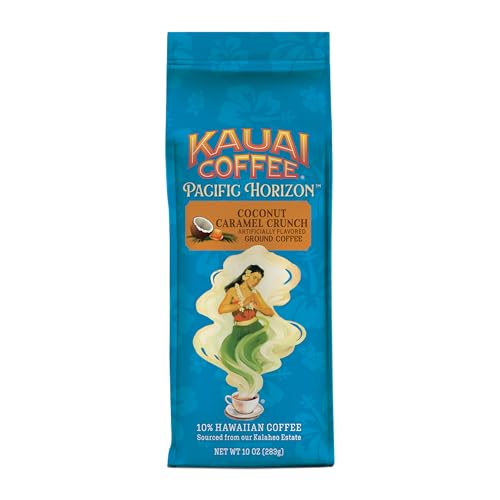
Kauai Coffee Coconut Caramel Crunch
Strengths
- Distinct tropical flavor
- Smooth, mellow body
- No bitterness
Trade-offs
- Small 10 oz bag
- Pre-ground limits freshness
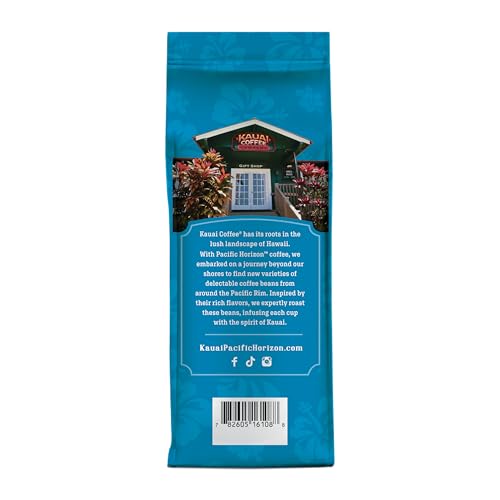
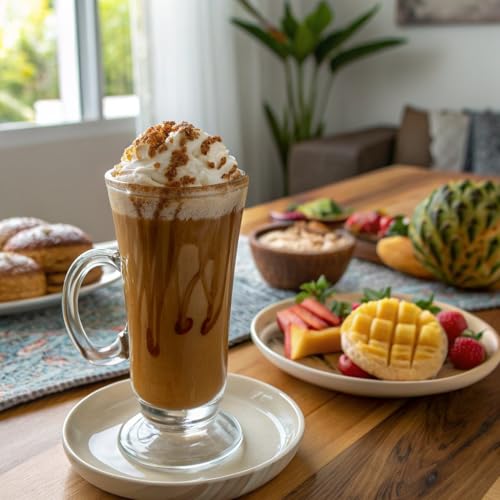
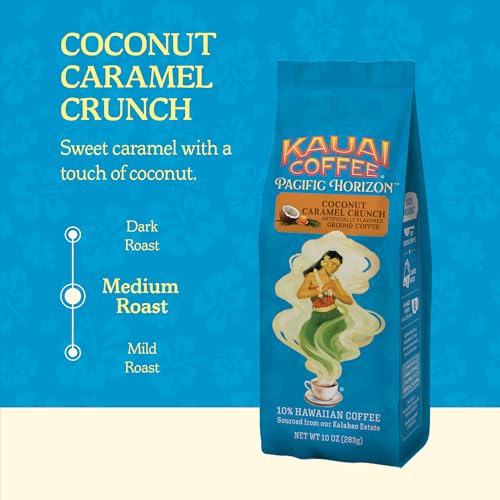
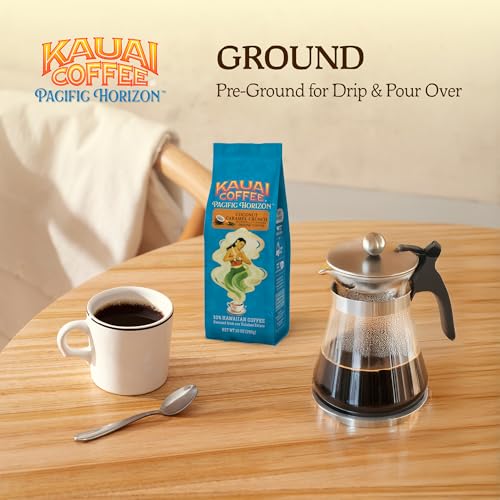
Kauai’s Coconut Caramel Crunch ground coffee earns its ‘Best Overall’ label by blending approachability with unique character. The inclusion of 10% Hawaiian beans adds a creamy, tropical nuance that few mass-market coffees attempt, let alone pull off. Reviewers often mention how the coconut note isn’t artificial tasting, but rather a natural extension of the roast and origin profile.
It’s pre-ground, which limits freshness compared to whole bean, but the medium roast preserves sweetness and keeps bitterness at bay. This is the kind of coffee that feels special without requiring barista skills. Compared to more generic blends, it offers a sensory lift that makes mornings feel less routine.
Product photos

Kauai Coffee Koloa Estate Medium Roast
Strengths
- Exceptionally smooth
- Bright floral aroma
- Freshness from whole bean
Trade-offs
- Small 10 oz bag
- Higher price per ounce
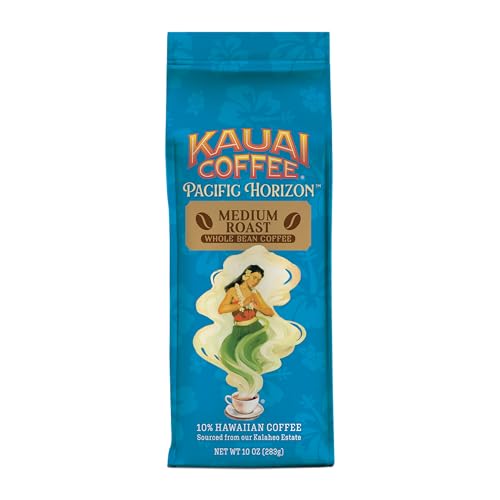
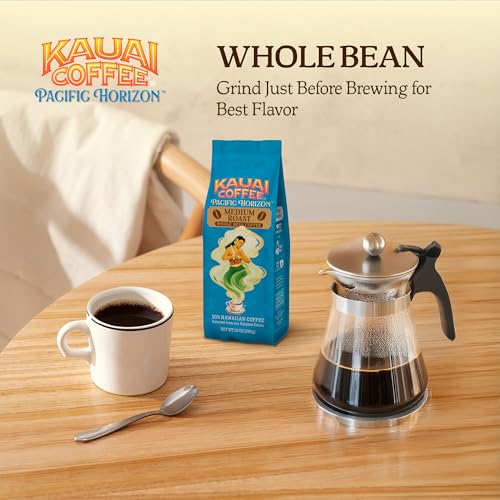
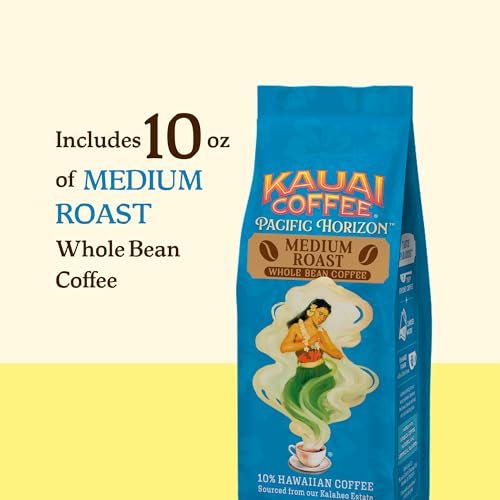
When ‘smooth and non-bitter’ is the main goal, Kauai’s Koloa Estate whole bean takes the crown. The volcanic soil and Pacific climate clearly contribute to a clean, bright cup with floral hints and a silky texture that avoids any astringency. Being whole bean, it gives you full control over grind size, which enhances freshness and brewing precision.
Owners consistently highlight how this coffee lacks the harshness that creeps into even some premium blends. It’s not the most aggressive in flavor, but that’s not the point, this is about purity and drinkability. Compared to Caribou or Cameron’s, it’s more refined and nuanced.
Product photos
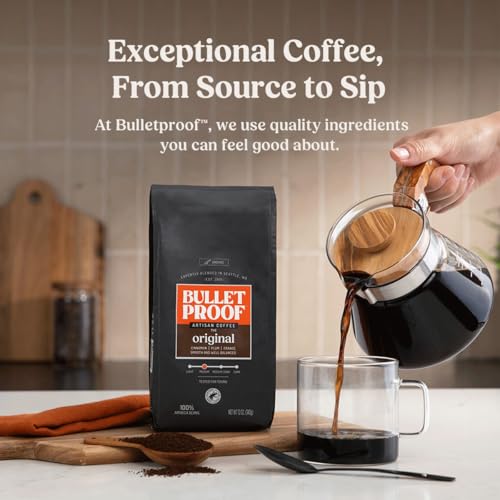
Bulletproof Original Medium Roast Ground

Strengths
- Tested for toxins
- Smooth, layered flavor
- Sustainably sourced
Trade-offs
- Smaller 12 oz size
- Higher price point
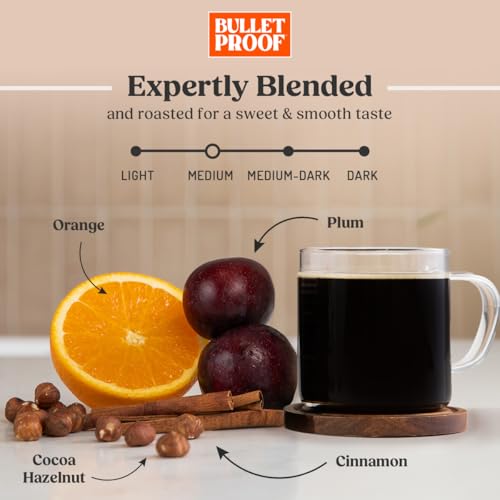
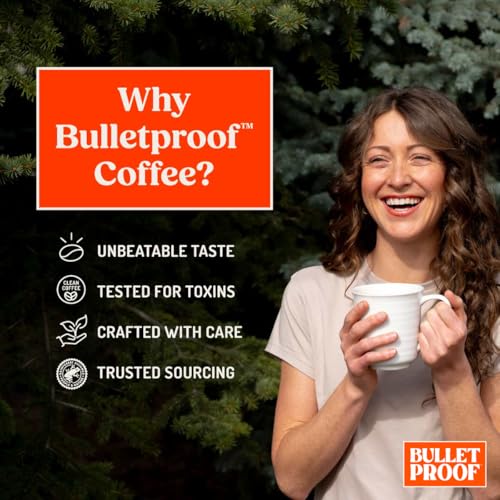
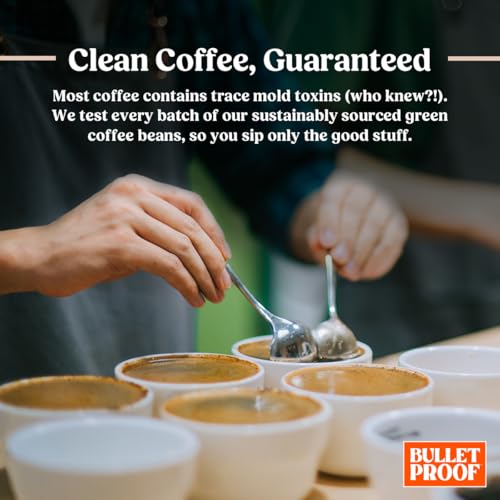
Bulletproof’s focus on toxin testing sets it apart in a category where purity claims are often vague. Owners appreciate the peace of mind that comes with third-party screening for mold and mycotoxins, something that matters if you drink multiple cups daily. The flavor holds up too: plum, orange, and cocoa notes give it a bright yet grounded complexity that avoids flatness.
It’s a medium roast, so it’s not going to punch like a dark blend, but that’s the point. The smoothness is consistent, and bitterness is rare in reviews. Compared to other mainstream ground coffees, this one leans into both safety and taste with equal seriousness.
Product photos
Bulletproof Original Medium Roast Whole Bean

Strengths
- Freshness from whole beans
- Toxin testing transparency
- Rich, balanced profile
Trade-offs
- Small bag size
- Premium cost
Choosing the whole bean version of Bulletproof’s Original blend is the smarter move if you value freshness and control. Grinding just before brewing makes a noticeable difference in aroma and clarity, and owners confirm the hazelnut and cinnamon notes come alive when the beans are fresh. Like its ground sibling, every batch is tested for toxins, a rare transparency that builds trust.
It’s not the cheapest option, but for those who want both flavor integrity and assurance of purity, this hits a sweet spot. Compared to Illy or Lavazza, it’s less about tradition and more about modern wellness without sacrificing taste.
Product photos
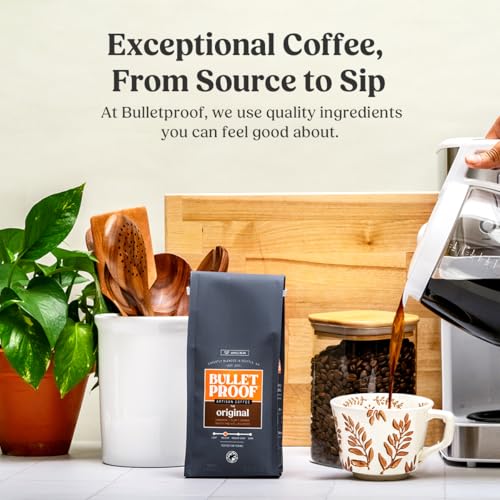
Lavazza House Blend Perfetto Ground

Strengths
- Well-balanced body
- Caramel sweetness
- Consistent performance
Trade-offs
- Mild flavor for bold drinkers
- Not for espresso
Lavazza’s House Blend Perfetto strikes a rare balance, full-bodied but never bitter, with a soft caramel sweetness that lingers pleasantly. The 100% Arabica blend from Central and South America delivers consistency across brews, and owners find it reliable for drip machines without needing adjustments. At intensity level 3/5, it’s strong enough to satisfy but mild enough to sip all day.
It won’t wow you with exotic notes, but it doesn’t try to. Compared to Kauai or Bulletproof, it’s less about novelty and more about dependable quality. For someone who wants a no-fuss, balanced cup every morning, this is a quiet winner.
Product photos


Cameron’s Breakfast Blend Whole Bean

Strengths
- Smooth finish
- Large 32 oz bag
- No bitter aftertaste
Trade-offs
- Basic flavor profile
- Not for dark roast lovers
Cameron’s Breakfast Blend stands out in the budget-friendly space by actually delivering on its promise of smoothness without sacrificing flavor. On paper, the use of only the top 10% of Arabica beans and a slow roast process explains why owners consistently report a clean cup that doesn’t tip into harshness. This is a no-nonsense, everyday coffee that avoids the common pitfall of affordability, bitterness, by prioritizing bean selection and roast control over flashy marketing.
It’s not a single-origin showpiece, but it doesn’t need to be. The blend of Central and South American beans gives a mild yet satisfying profile that works well for drip machines or French press. For someone who wants a large bag of reliable, non-bitter coffee without digging deep, this one makes sense.
Product photos


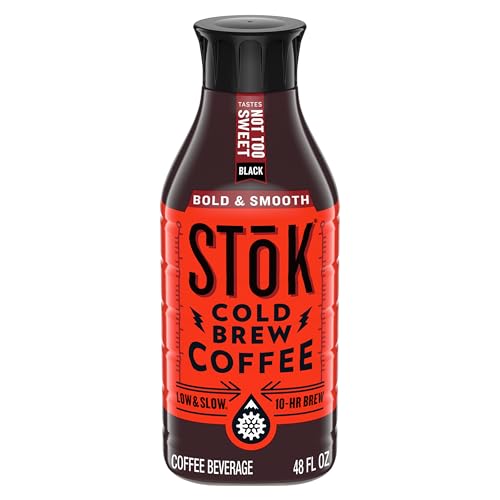
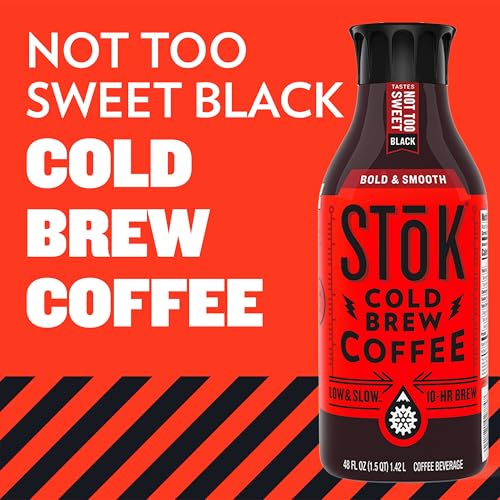
SToK Not Too Sweet Cold Brew
Strengths
- Truly smooth cold brew
- Subtle natural sweetness
- Convenient ready-to-drink
Trade-offs
- Plastic bottle waste
- Not fully unsweetened
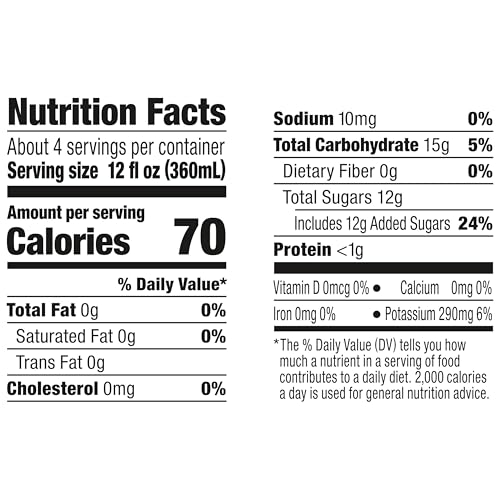
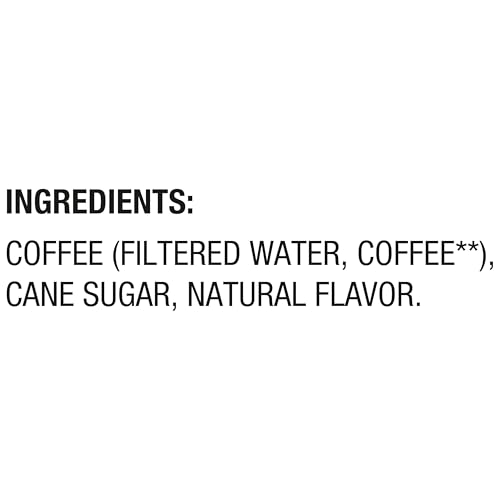
If you’re tired of paying $5 for cold brew at cafes and still getting a sharp, acidic kick, SToK’s Not Too Sweet is a standout in convenience. The 10-hour cold brew process shows in the results, owners praise its smooth, mellow depth with zero bite, even without milk. The subtle sweetness from cane sugar and vanilla notes isn’t masking anything; it’s enhancing an already clean extraction.
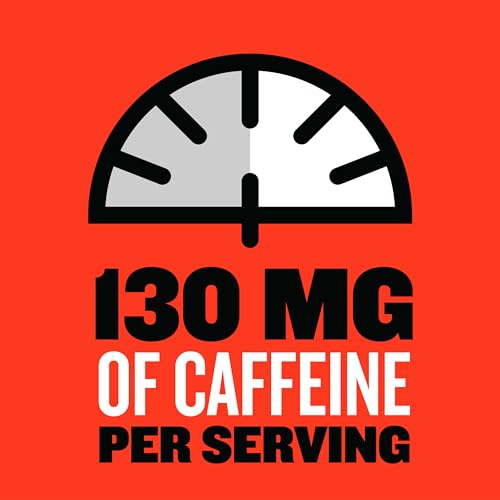
At 130mg of caffeine per 12oz, it’s strong enough to wake you up but not so aggressive that it ruins your afternoon. And while some ready-to-drink coffees taste watered down, this one holds up as full-bodied. I’d pick this over most refrigerated competitors for its balance and consistency.
Product photos

Illy Classico Medium Roast Ground

Strengths
- Chocolate caramel notes
- Smooth, refined taste
- High bean quality
Trade-offs
- Very small package
- Expensive per ounce
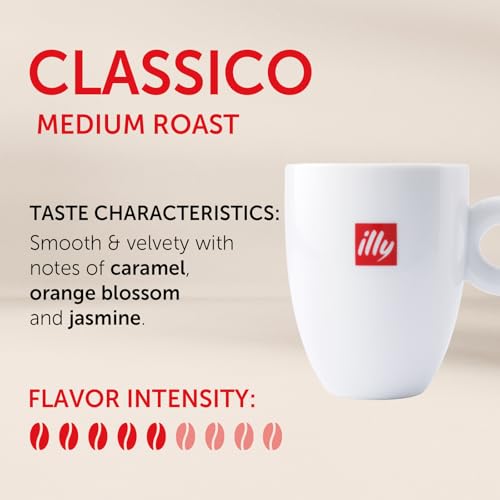
Illy Classico delivers exactly what it promises: a refined, chocolate-forward medium roast with a velvety mouthfeel and no sharp edges. The fact that they select only the top 1% of Arabica beans explains the consistency owners rave about, each cup tastes deliberate, never muddy or thin. The caramel and orange blossom notes are subtle but present, making this ideal for those who want elegance without intensity.
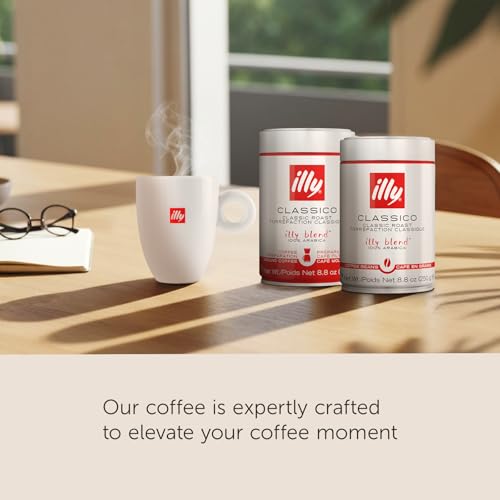
The 8.8 oz size is a drawback for heavy users, and it’s pricier per ounce than most. But if you’re after a European-style, balanced cup with zero bitterness and a lingering sweetness, this is hard to beat.
Product photos

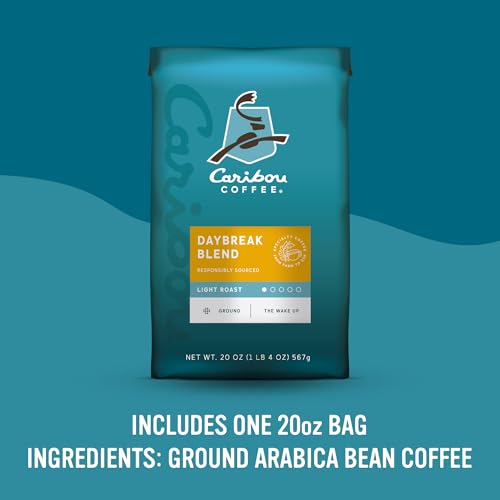
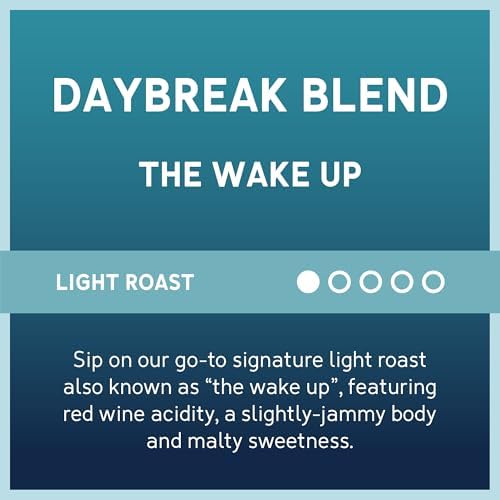
Caribou Daybreak Morning Blend Light Roast

Strengths
- Bright yet balanced
- Fruity caramel notes
- Ethically sourced
Trade-offs
- Not for bold roast fans
- Limited brewing flexibility
Caribou’s Daybreak Blend is a textbook example of how light roasts can shine without tipping into sourness. The fruity and caramel notes come through clearly, and owners report a clean, uplifting cup that doesn’t leave a dry or astringent finish, common flaws in cheaper light roasts. Being Rainforest Alliance certified adds ethical weight, but it’s the flavor balance that makes this one stand out.
It’s formulated for drip or pour-over, so if you’re using a French press or espresso machine, you might want whole beans instead. Still, for those who like a brighter, more nuanced cup without any roast-induced harshness, this is a smart pick over heavier, over-charred profiles.
Product photos
How We Chose These coffee not bitter
As the founder of Bean Thusiast, I approached researching coffees promising a lack of bitterness with a focus on consistent quality and flavor profiles. Rather than a hands-on lab test, this is a research-led comparison of published specifications, owner reviews from multiple sources, and reputable expert opinions. I weighed each coffee’s characteristics against what coffee drinkers consistently identify as contributing to a smooth, non-bitter cup.
For coffees marketed as “not bitter,” I prioritized roast level, bean origin, and processing method. Lighter roasts generally deliver less bitterness, while high-quality Arabica beans are known for their smoother flavor. Equally important was assessing for characteristics that cause bitterness – things like causes of bitter coffee such as dark roasts or potential over-extraction.
Specifications reliably show bean type (100% Arabica is a good start) and roast level. However, discerning actual smoothness and the absence of bitterness heavily relied on owner feedback. I carefully read through hundreds of reviews, paying attention to comments about harshness, acidity, and aftertaste, as well as reputation from trusted coffee reviewers. This helped me separate marketing claims from real-world experience and understand why coffee tastes bitter for some people.
How To Choose The coffee not bitter
As someone who’s spent years chasing the perfect cup, I know that finding coffee that consistently delivers a pleasant experience can be surprisingly tricky.
A truly excellent coffee starts with high-quality Arabica beans, ideally single-origin or a well-considered blend. Roast level is crucial; lighter roasts generally retain more of the bean’s original flavors, while darker roasts develop bolder, sometimes bitter, profiles. Freshness is paramount – look for roast dates, not just “best by” dates – and consider whole bean versus pre-ground based on your brewing setup and consumption rate.
Roast Level & Flavor Profile
The first thing I advise people to consider is the roast level. A lighter roast, like you’d find in a blonde roast coffee, will naturally have more acidity and a brighter, more complex flavor profile. These are often preferred by those who enjoy a nuanced cup and want to experience the origin characteristics of the bean. However, lighter roasts can seem weaker if you’re accustomed to darker, bolder flavors. Conversely, darker roasts offer a heavier body and more pronounced, often chocolatey or smoky notes, but can easily slide into bitterness if not expertly handled.
Bean Origin & Processing
Don’t underestimate the impact of where your coffee comes from. Different regions produce beans with vastly different characteristics. Central and South American coffees, for example, are often known for their balanced profiles and notes of chocolate and nuts, while African coffees are frequently brighter and fruitier. Beyond region, the processing method – washed, natural, or honey – significantly affects the final flavor. Washed coffees tend to be cleaner and brighter, while natural process coffees are often fruitier and more complex. Look for brands that are transparent about their sourcing and processing practices; a commitment to quality starts at the source.
Freshness & Grind
Freshness is absolutely critical. Coffee begins to stale almost immediately after roasting, losing volatile aromatic compounds that contribute to its flavor. Always seek out coffee with a clearly printed roast date, not just a “best by” date. Once opened, store your beans in an airtight container away from light, heat, and moisture. If you’re buying whole bean, invest in a quality burr grinder – blade grinders produce uneven grounds and negatively impact extraction. If you prefer pre-ground, buy smaller quantities that you’ll use within a week or two, and look for brands that offer a consistent grind size suitable for your brewing method. If you’re looking for smooth non-bitter coffee beans, prioritizing freshness and a good grind are key.
A general rule of thumb: buy whole bean coffee roasted within the last two weeks, and grind it immediately before brewing.
Coffee Not Bitter Compared
Here’s a comparison of key specifications for coffees marketed as smooth and non-bitter.
| Product Name | Roast Level | Bean Type | Format | Intensity | Flavor Notes |
|---|---|---|---|---|---|
| Kauai Coffee Coconut Caramel Crunch | N/A | Arabica | Ground | N/A | Caramel, Coconut |
| Kauai Coffee Koloa Estate Medium Roast | Medium | Arabica | Whole Bean | N/A | Floral |
| Bulletproof Original Medium Roast Ground | Medium | Arabica | Ground | N/A | Plum, Orange, Cocoa |
| Bulletproof Original Medium Roast Whole Bean | Medium | Arabica | Whole Bean | N/A | Plum, Orange, Cocoa |
| Lavazza House Blend Perfetto Ground | Medium | Arabica | Ground | 3/5 | Caramel |
| Cameron’s Breakfast Blend Whole Bean | N/A | Arabica | Whole Bean | N/A | Rich, Full-Flavor |
| SToK Not Too Sweet Cold Brew | N/A | N/A | Ready-to-Drink | N/A | Vanilla, Brown Sugar |
| Illy Classico Medium Roast Ground | Medium | Arabica | Ground | N/A | Caramel, Orange Blossom |
| Caribou Daybreak Morning Blend Light Roast | Light | Arabica | Ground | N/A | Fruity, Caramel, Nutty |
Frequently Asked Questions
What roast level is least likely to produce a bitter cup?
Lighter roasts are generally the best choice for avoiding bitterness. They retain more of the bean’s original characteristics and haven’t developed the potentially harsh compounds found in darker roasts. However, a truly skilled roaster can produce a smooth, non-bitter dark roast.
Is there a particular bean origin known for lower bitterness?
Central and South American Arabica beans are often praised for their naturally balanced profiles and lower acidity, which translates to less perceived bitterness. Coffees from these regions frequently exhibit notes of chocolate and nut, contributing to a smoother experience.
How much does grind size affect bitterness?
Grind size significantly impacts extraction, and improper sizing can lead to bitterness. A grind that’s too fine for your brewing method will over-extract, releasing undesirable compounds, while a coarse grind might under-extract, resulting in a sour or weak brew.
What’s the best way to store coffee to prevent it from becoming bitter?
Oxygen, light, heat, and moisture are coffee’s enemies. Store whole bean coffee in an airtight, opaque container in a cool, dark place. Once opened, minimizing air exposure is key to maintaining freshness and preventing staling which can lead to bitter flavors.
Are there coffee pod options for those seeking a less bitter brew?
Yes, there are smooth-flavor coffee pods available. Look for pods filled with 100% Arabica beans and specifically marketed as “smooth” or “low-acidity” to increase your chances of finding a less bitter experience.
The Bottom Line
Choosing coffee that avoids bitterness often comes down to balancing convenience with control. While ready-to-drink options like SToK Not Too Sweet Cold Brew are undeniably easy, for consistent results and the ability to fine-tune your brew, I believe Kauai Coffee Koloa Estate Medium Roast offers the best overall experience. It’s a high-quality 100% Arabica bean with a balanced roast profile that consistently receives positive feedback for its smoothness.
For those on a tighter budget, Lavazza House Blend Perfetto Ground is a solid choice, providing a reliably smooth cup without breaking the bank. If versatility is your priority – you want something that performs well in various brewing methods – Bulletproof Original Medium Roast Whole Bean is a great option, and its consistently reported flavor notes suggest a well-handled Arabica bean.
Ultimately, the “best” coffee is the one you enjoy most. Don’t get too caught up in chasing specific roast levels or origins. Focus instead on freshness, a quality grind (if you’re using whole bean), and understanding brewing techniques for smooth coffee. Those fundamentals will have a far greater impact on your cup than any single specification.
