
8 Best Vietnamese Coffee Beans of 2026
The best Vietnamese coffee beans for most people are Cafely BanMe Peaberry, a bold and authentic robusta that delivers intense flavor and thick crema. For a smoother, more approachable cup, ChestBrew Moon Bear offers a well-roasted medium-dark arabica. If you want maximum strength and tradition, Blu Ore Black Obsidian is a standout robusta pick.
If you’ve ever tried making Vietnamese coffee at home and ended up with a flat, sour, or overly harsh brew, you’re not alone. The right beans make all the difference, and not every bag labeled “Vietnamese” delivers the bold richness or crema you’re after.
This guide cuts through the noise. I researched the top options based on bean type, roast profile, owner feedback, and how well they perform in traditional brewing methods like the phin filter. These picks reflect what stands out in the market, not just in specs, but in real-world results.
Top 8 Vietnamese Coffee Beans in the Market
The Best Vietnamese Coffee Beans, Reviewed
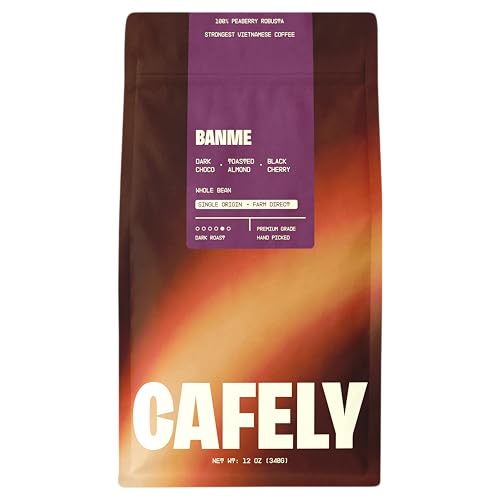
Cafely BanMe Peaberry Robusta
Strengths
- Rare peaberry beans
- Thick crema
- High caffeine
Trade-offs
- Premium price
- Limited availability
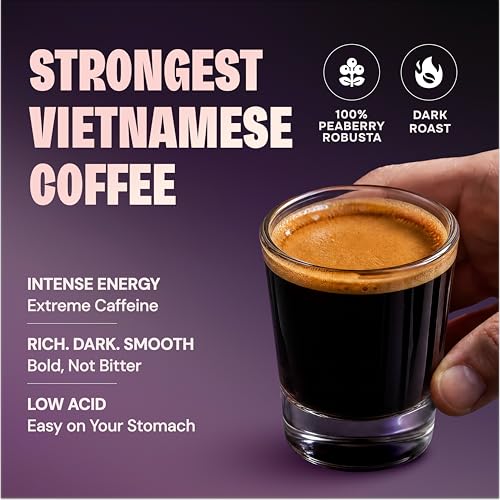
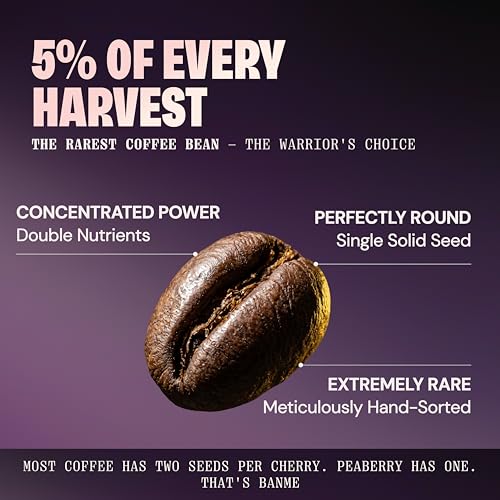
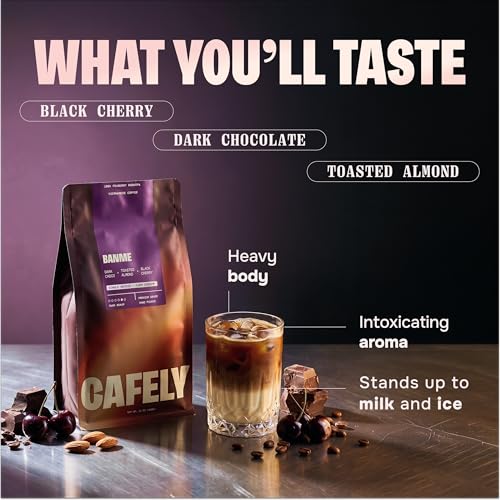
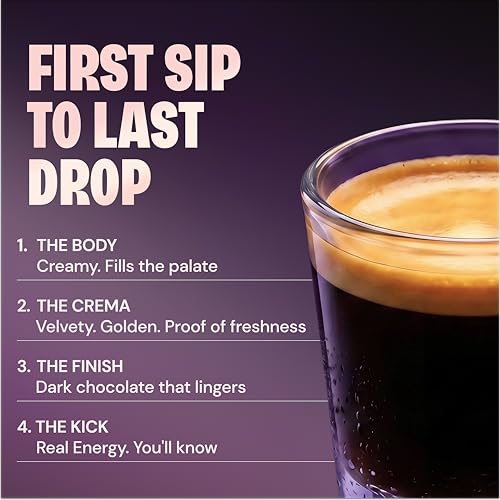
Peaberry beans are rare, only 5% of the harvest, and when it comes to Robusta, that rarity translates into denser, more even roasting and a smoother, richer cup. Cafely’s BanMe delivers on that promise: owners consistently report a clean, intense brew with thick crema, dark chocolate notes, and a sustained energy kick thanks to 2x the caffeine of Arabica.
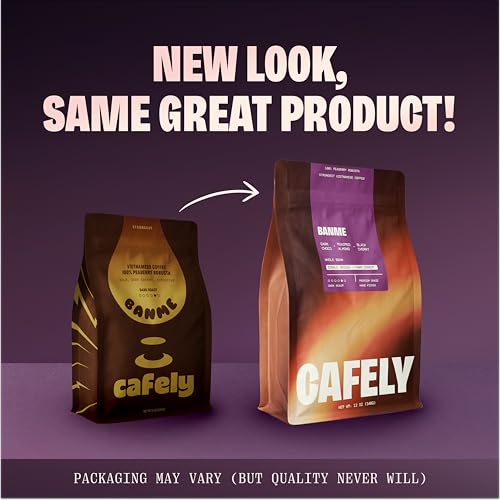
The direct trade model goes beyond fair trade, ensuring farmers are paid fairly, which shows in the bean quality. Compared to standard Robustas, it’s less jagged, more focused, ideal for espresso or French press. While it’s one of the pricier options, the performance justifies it for serious users. If you want the best of Vietnamese coffee, rare beans, high caffeine, ethical sourcing, and authentic flavor, this is the one I’d call the overall winner.
Product photos
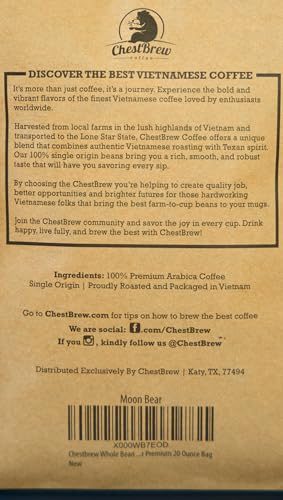
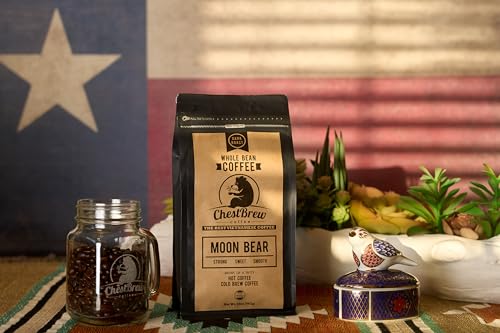
ChestBrew Moon Bear

Strengths
- Large 20 oz bag
- Very smooth
- Great for cold brew
Trade-offs
- Generic origin info
- Less complexity than specialty beans
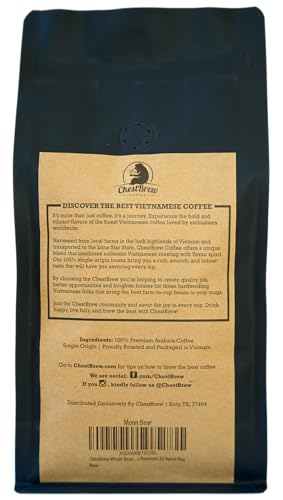
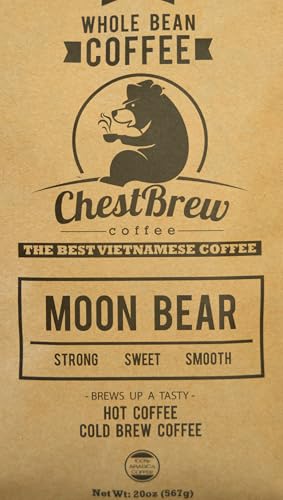
At 20 oz, this is the largest bag on the list, but the real standout is its claimed 5/5 smoothness rating, and owners seem to agree. Brewed through a French press or phin, Moon Bear delivers a clean, bold cup without the sharp bitterness that plagues lower-quality Robustas. The nutty and sweet notes come through clearly, especially in iced coffee or cold brew, where its smoothness really shines.
It’s made from Vietnamese Arabica, which explains the softer profile, and roasted in FDA-approved facilities for consistency. While it doesn’t have the terroir-specific depth of single-farm beans, it’s a reliable, approachable option for daily drinkers. Compared to Nguyen’s offerings, it’s less artisanal but more accessible. For most people who just want a no-fuss, smooth Vietnamese coffee at a good volume, this might be the smarter buy.
Product photos

Blu Ore Black Obsidian
Strengths
- High caffeine
- Thick crema
- Bold chocolate notes
Trade-offs
- Can taste harsh if under-brewed
- Not ideal for drip coffee purists
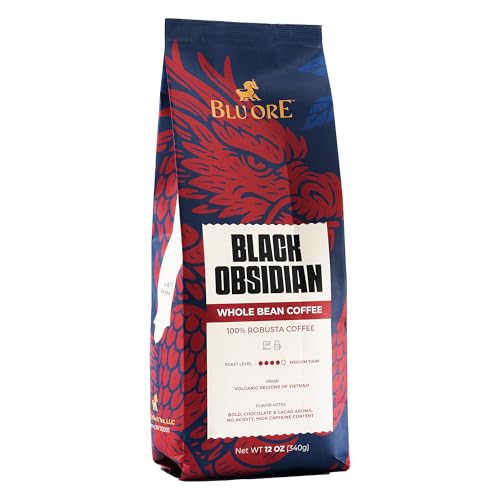
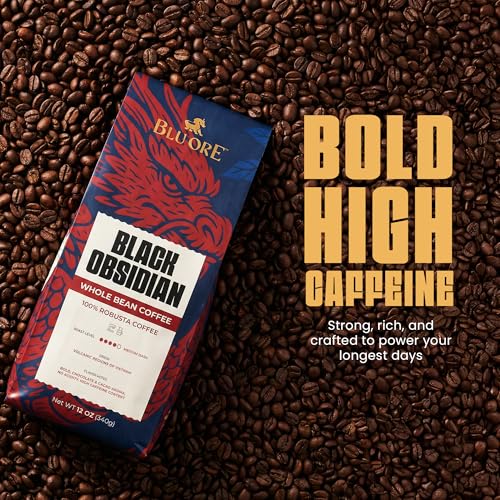
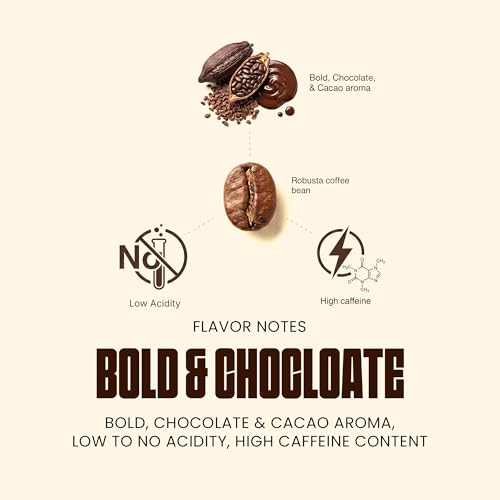
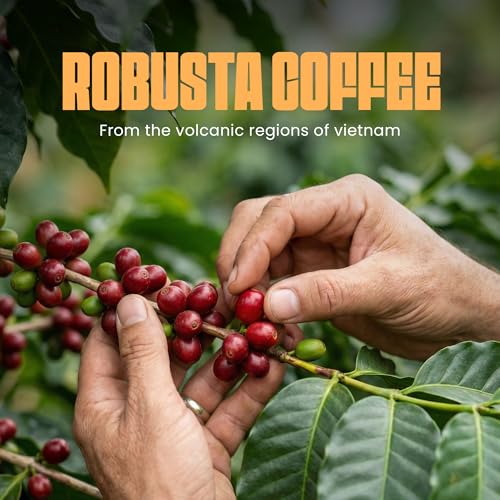
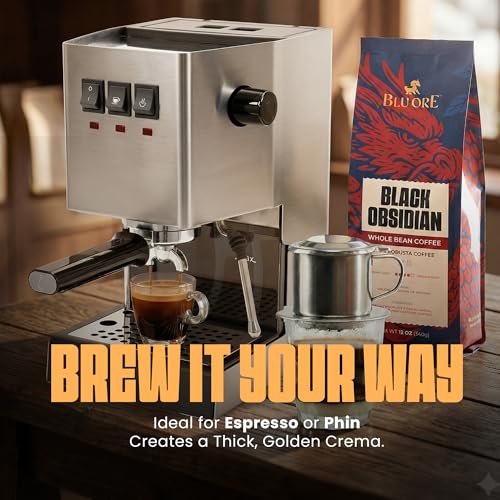
If you’re after pure Robusta fire, this is it. Grown in Vietnam’s volcanic regions and roasted to a medium-dark profile, Blu Ore delivers a thick, intense cup with deep chocolate and cacao notes that build on traditional Vietnamese espresso-style brewing. The high caffeine content isn’t just a side note, it’s central to the experience, making this a favorite among owners who use it for morning energy or pre-workout focus.
Designed specifically for crema and strength, it performs best in espresso machines or moka pots where its oily, dense beans can shine. While some find the bitterness challenging when over-extracted, most agree it’s a clean bitterness, more roasted cacao than ash. Compared to blended or lighter roasts, this one doesn’t pull punches. I’d recommend it over milder options for anyone who treats coffee like fuel and loves that classic Vietnamese intensity.
Product photos

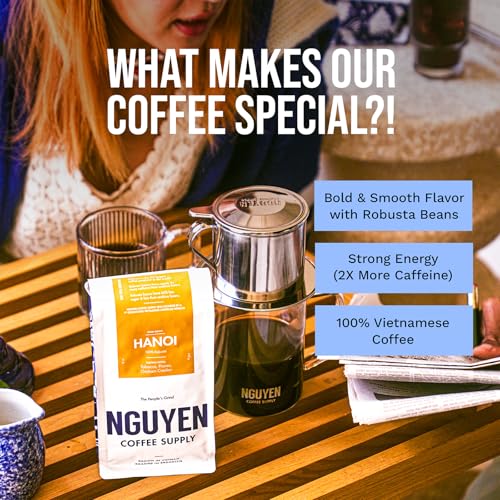
Nguyen Hanoi Robusta
Strengths
- High caffeine
- Low acidity
- Traditional flavor
Trade-offs
- Can be overwhelming black
- Less crema than espresso-focused beans
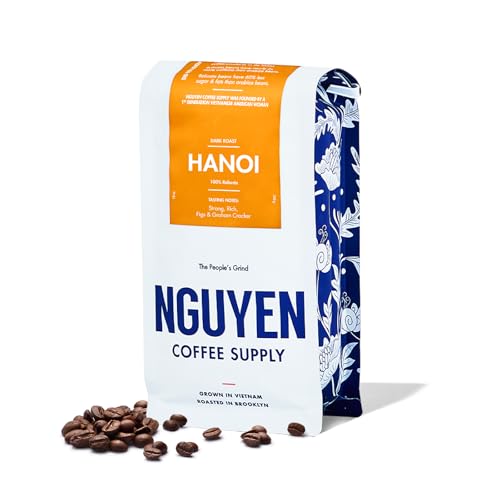
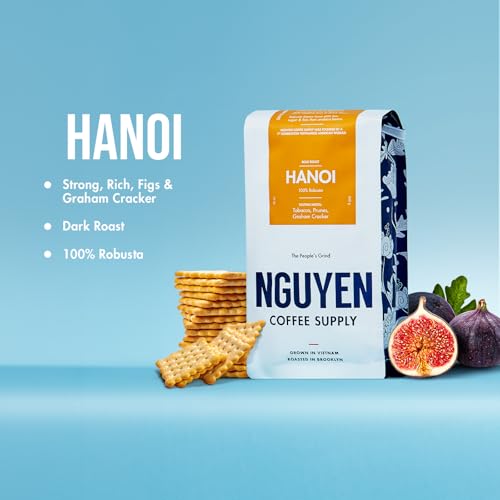
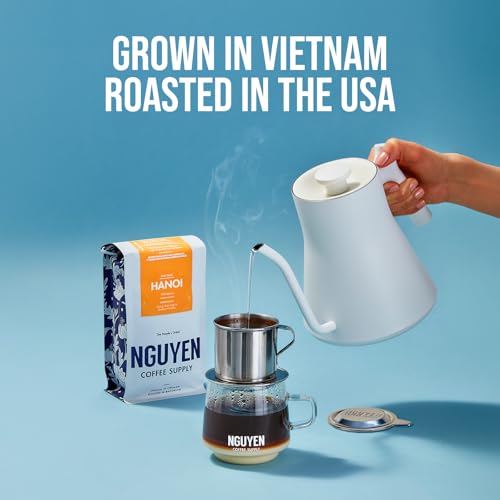
This is Vietnamese coffee in its most authentic, unapologetic form, 100% Robusta, dark roasted, with a profile built for strength and tradition. The notes of fig and graham cracker add a subtle sweetness that balances the boldness, but make no mistake: this is a high-impact brew. Owners using phin filters love how it delivers that slow-drip, syrupy concentration that defines Hanoi street coffee.
With no Arabica softening the edges, it packs more caffeine and a heavier body than the Loyalty blend. It’s also lower in acid, which helps it stay smooth even when served hot over condensed milk. Compared to other Robustas on this list, it’s less chocolate-forward than Blu Ore but more balanced than a one-note powerhouse. If you want the real deal, the kind of coffee that powers long days and cuts through milk, I’d take this over flashier options.
Product photos
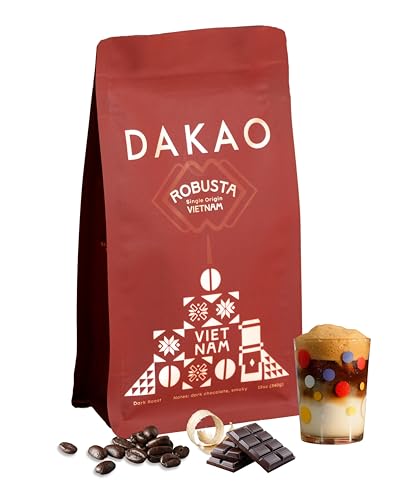
DAKAO Specialty Robusta
Strengths
- Small-batch freshness
- Honey process sweetness
- Clean, full body
Trade-offs
- Smaller bag size
- Higher price point
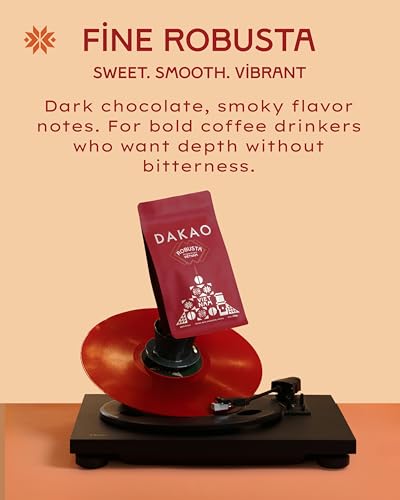
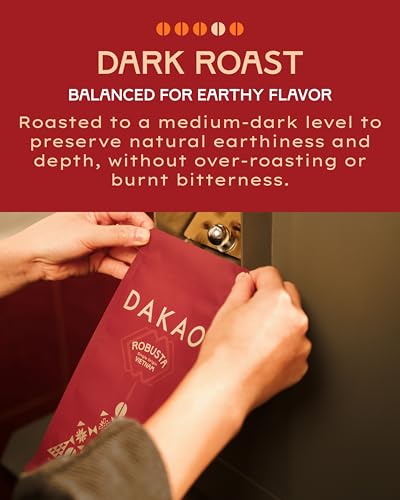
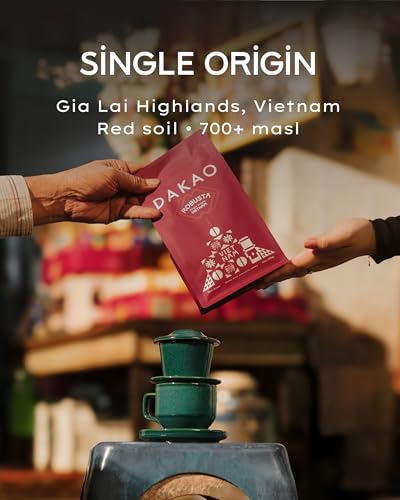
DAKAO nails the balance between boldness and clarity in a way few Robustas do. Sourced from Gia Lai in the Central Highlands and roasted monthly in small batches in California, this dark roast emphasizes earthy depth without tipping into burnt or ashy flavors. Owners praise its clean finish and smoky-chocolate intensity, especially when brewed as espresso or strong drip.
The honey process adds a subtle sweetness that rounds out the body, making it more nuanced than standard washed Robustas. Compared to Nguyen’s Hanoi roast, it’s slightly more refined, less raw power, more structure. And because it’s roasted to order, freshness is a real advantage. If you want a modern, elevated take on Vietnamese Robusta that still respects tradition, this is the one I’d reach for.
Product photos


Nguyen Dalat Arabica
Strengths
- Smooth, sweet finish
- 100% Arabica rarity
- Clean roast profile
Trade-offs
- Low caffeine
- Less traditional flavor
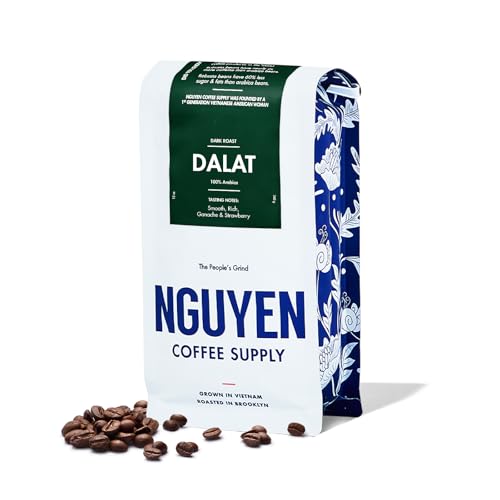
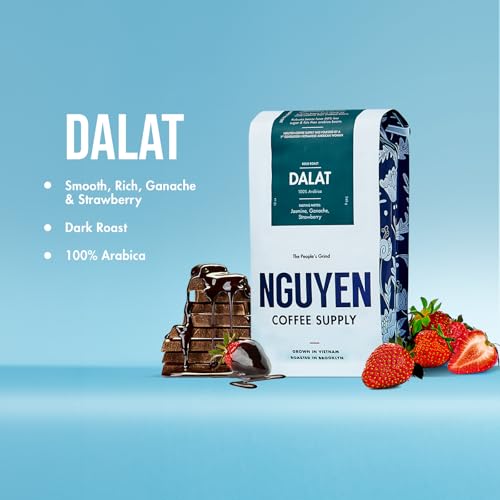
Vietnam produces mostly Robusta, so a 100% Arabica from the Central Highlands is already a rarity, and this dark roast makes the most of it. The Dalat Arabica offers a smoother, sweeter profile with hints of ganache and strawberry, a sharp contrast to the usual boldness associated with Vietnamese coffee. On paper, it’s an outlier, but owners who appreciate nuance over strength say it’s a revelation.
Roasted in Brooklyn with the same no-additives philosophy, it preserves the bean’s character while adding depth through a careful dark roast. It lacks the caffeine punch of Robusta, yes, but makes up for it in complexity. When compared to other Vietnamese beans, this one behaves more like a Central American single-origin, great for pour-over or French press. My recommendation? This is the pick for Arabica diehards who want to explore Vietnam’s quieter, sweeter side.
Product photos
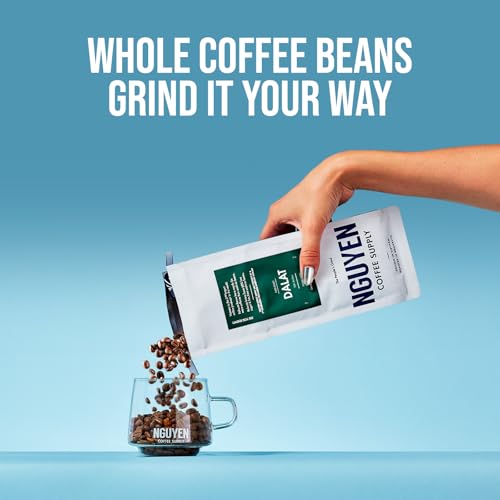
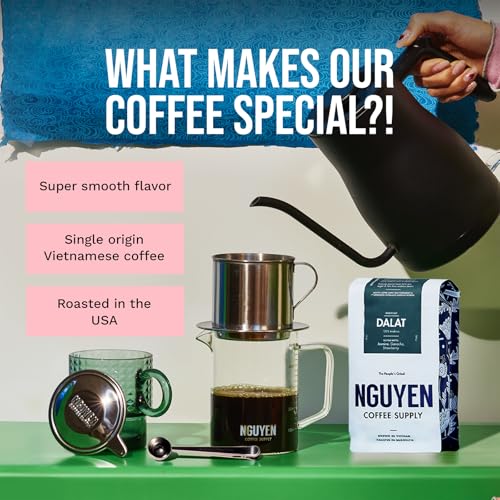
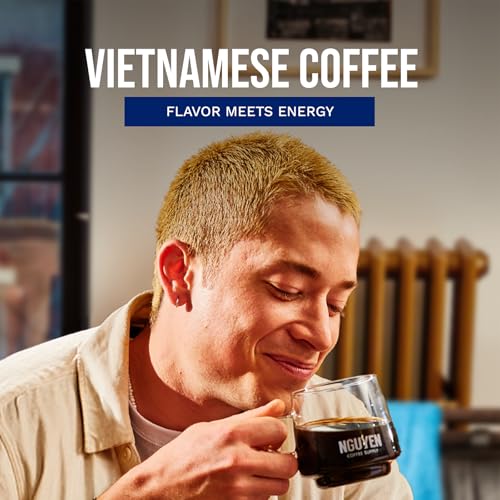
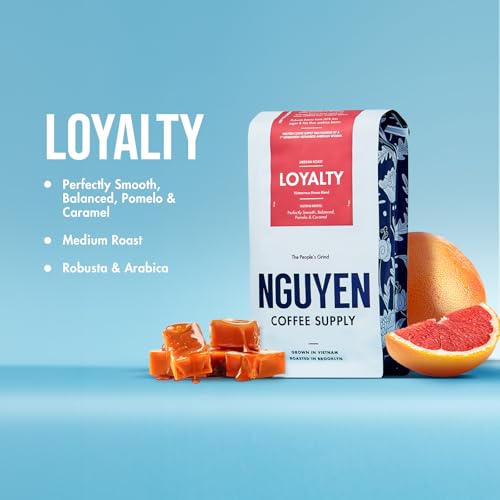
Nguyen Loyalty Blend
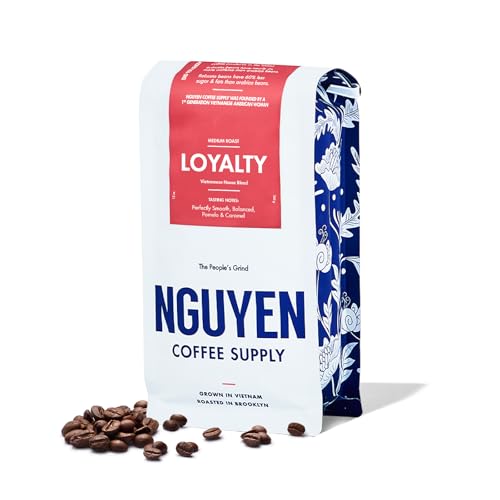
Strengths
- Balanced flavor
- No additives
- Direct trade sourcing
Trade-offs
- Less caffeine than pure robusta
- Milder body than traditional strong brews
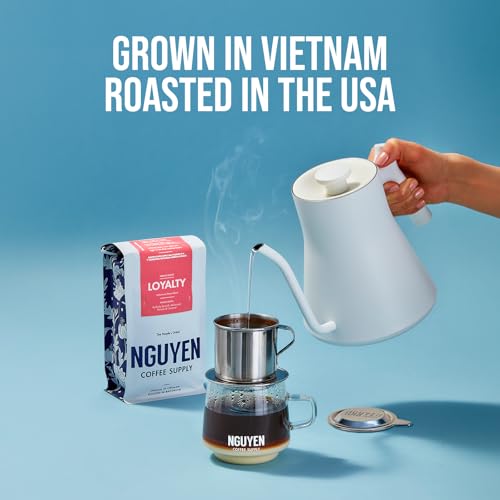
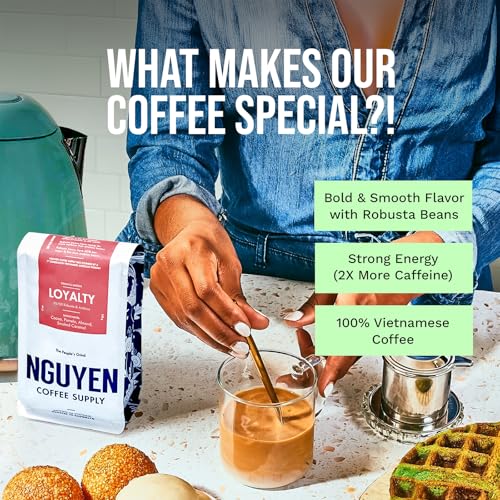
This blend stands out because it doesn’t try to hide behind pure Robusta’s brute strength. Instead, Nguyen Coffee Supply balances 100% Vietnamese beans with a thoughtful mix of Robusta and Arabica, delivering a medium roast that’s surprisingly smooth for a country known for bold, intense coffee. The notes of pomelo and caramel aren’t just marketing fluff, owners consistently report a clean, rounded cup that works well with milk or black, especially when brewed through a phin filter.
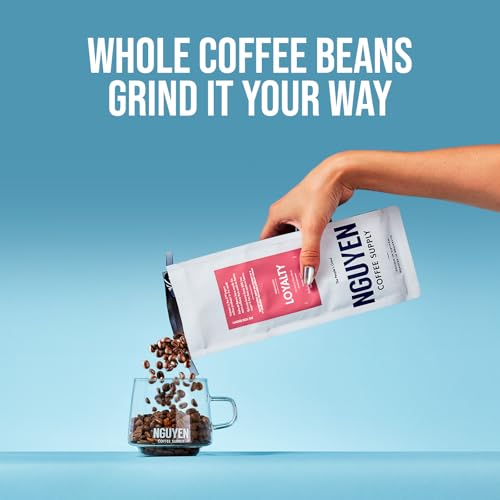
What really sets it apart is the sourcing. Direct trade with Mr. Ton, a fourth-generation farmer, means traceability and quality you don’t always get at this price. Compared to other blends that dilute flavor with filler beans or oils, this one keeps it clean, no additives, just beans roasted in Brooklyn. I’d pick this as the go-to for someone new to Vietnamese coffee who wants authenticity without the harsh edge.
Product photos
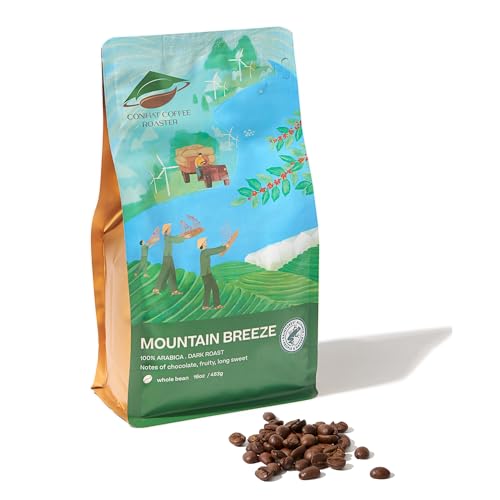
Conihat 100% Arabica
Strengths
- Eco-certified
- Large bag
- Excellent packaging
Trade-offs
- Not for bold Robusta fans
- Lower caffeine
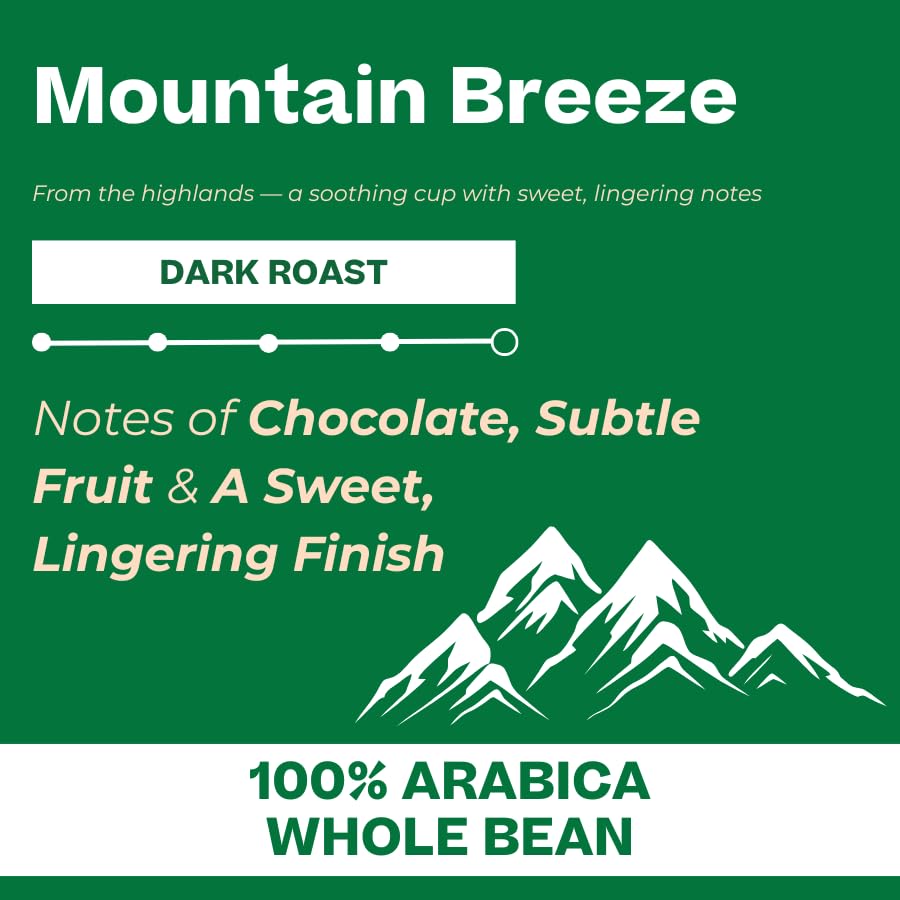
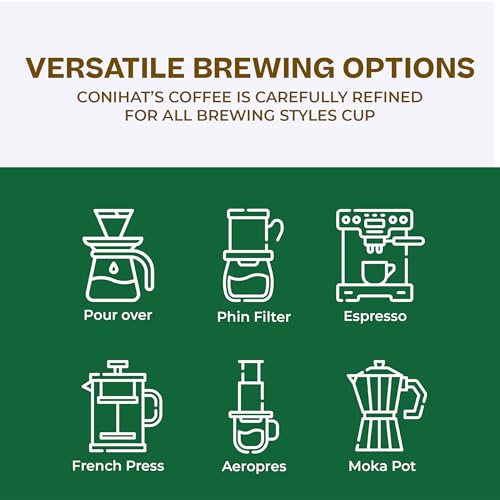
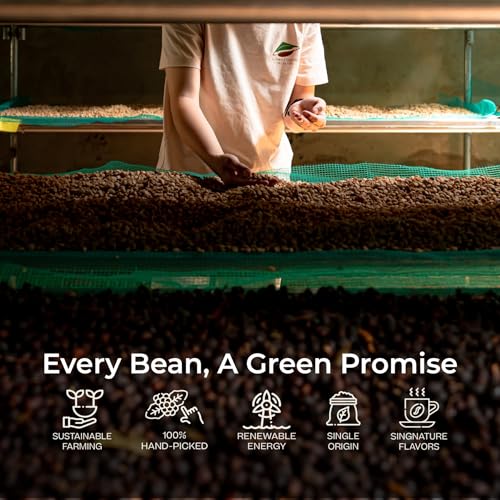
With a 16 oz bag and Rainforest Alliance certification, Conihat makes sustainability part of the package without sacrificing flavor. This dark roast Arabica offers chocolate and fruit notes with a sweet finish, delivering a bold yet elegant cup that works across methods, from phin to pour-over. The resealable zipper bag with degassing valve also helps lock in freshness better than most competitors.
Owners appreciate the hand-picked, high-altitude sourcing from Vietnam’s Central Highlands, which contributes to its smooth, low-acid profile. While it doesn’t have the caffeine of Robusta, it’s one of the more versatile Arabica options here. Compared to ChestBrew, it’s more artisanal; compared to Nguyen’s Dalat, it’s similarly sweet but with better packaging. For those who want ethics and performance in one bag, this is a strong contender.
Product photos
How We Evaluated vietnamese coffee beans
As the founder of Bean Thusiast, I approached researching Vietnamese coffee beans by first comparing published specifications – roast levels, bean type (robusta, arabica, or blends), and origin details – across numerous brands. I then weighed owner reviews from Amazon and coffee-specific forums, alongside expert opinions from coffee blogs and review sites. This research-led comparison, rather than hands-on testing, allowed me to assess quality and value based on a broad spectrum of feedback and established category knowledge.
For Vietnamese coffee, the factors of boldness and crema production were heavily weighted. Traditionally, Vietnamese coffee is known for its strong, robust flavor and the thick crema achieved using a phin filter. Therefore, beans marketed for espresso or those specifically highlighting high caffeine content and crema-producing qualities ranked higher. Understanding the robusta vs arabica comparison was also crucial, as robusta beans dominate Vietnamese production.
Specifications reliably indicate bean type and roast level, but owner feedback proved vital for assessing smoothness, flavor nuances, and freshness. Reputation regarding direct trade practices and roasting consistency also factored in. While specs tell you what the bean is, reviews reveal how it actually performs in a daily brew and how consistently a brand delivers on its promises.
What To Look For In vietnamese coffee beans
Finding the right Vietnamese coffee beans can be a surprisingly nuanced process. It’s about more than just grabbing a bag labeled “Vietnamese coffee.”
Vietnamese coffee beans are known for their bold flavors and high caffeine content, often stemming from Robusta varietals grown in the country’s volcanic highlands. Key considerations include roast level (influencing both flavor and body), bean type (Arabica versus Robusta, or blends), and freshness – look for recent roast dates. Evaluating the origin within Vietnam also matters, as different regions yield distinct flavor profiles.
Understanding Bean Type: Arabica vs. Robusta
The first major decision is whether you prefer Arabica or Robusta beans, or a blend of the two. While many associate Vietnamese coffee with the powerful kick of Robusta, Arabica options are increasingly available. Robusta delivers that intensely bold, chocolatey flavor and significantly higher caffeine content – and is the heart of the high caffeine in vietnamese coffee. Arabica, on the other hand, offers a smoother, sweeter cup with more nuanced notes. Don’t automatically dismiss Robusta if you’re used to lighter roasts, though; a well-roasted Robusta can be surprisingly palatable.
Roast Level and Its Impact
Vietnamese coffee often leans toward darker roasts, which contribute to the characteristic boldness and body. However, roast level dramatically impacts the final flavor. A lighter roast will showcase more of the bean’s inherent characteristics, while a darker roast emphasizes chocolate, nutty, and caramelized sugar notes. Many Vietnamese roasters specialize in medium-dark roasts, striking a balance between intensity and complexity. Here’s what to consider:
- Light Roast: Expect brighter acidity, more floral aromas, and a lighter body.
- Medium Roast: A balanced flavor profile with moderate acidity and body. Good for everyday drinking.
- Dark Roast: Intense flavors, low acidity, full body, and often a smoky or bittersweet finish. Ideal for traditional phin brewing and those seeking a very strong cup. The choice depends on your preference for dark roast vietnamese coffee.
A general rule of thumb: if you’re new to Vietnamese coffee, start with a medium-dark roast to ease into the bolder flavors.
Sourcing and Freshness – Beyond the Label
Don’t underestimate the importance of sourcing and freshness. Look for beans that are recently roasted (within a month or two is ideal) and, if possible, from a roaster who clearly states their sourcing practices. Direct trade relationships, like those highlighted by Nguyen Coffee Supply, are a positive sign – they suggest the farmers are receiving a fair price for their beans. A truly exceptional cup often comes down to the quality of the green beans themselves, and that’s where origin and careful cultivation play a huge role. You can find some authentic phin filter beans that prioritize quality and sustainability.
Vietnamese Coffee Beans Compared
Here’s a comparison of key specifications for these Vietnamese coffee bean options.
| Product Name | Bean Type | Roast Level | Origin | Caffeine Level | Package Size (oz) |
|---|---|---|---|---|---|
| Cafely BanMe Peaberry | Robusta | N/A | Vietnam | High | N/A |
| ChestBrew Moon Bear | Arabica | Medium-Dark | Vietnam | N/A | N/A |
| Blu Ore Black Obsidian | Robusta | Medium-Dark | Vietnam | High | N/A |
| Nguyen Hanoi Robusta | Robusta | Dark | Vietnam | High | N/A |
| DAKAO Specialty Robusta | Robusta | Dark | Gia Lai, Vietnam | N/A | 12 |
| Nguyen Dalat Arabica | Arabica | Dark | Vietnam | N/A | N/A |
| Nguyen Loyalty Blend | Blend | Medium | Vietnam | N/A | N/A |
| Conihat 100% Arabica | Arabica | Dark | Vietnam | N/A | N/A |
Frequently Asked Questions
What grind size is best for Vietnamese coffee?
A coarse grind is ideal, specifically tailored for the phin filter. This prevents grounds from slipping through the filter and ensures proper extraction for a rich, full-bodied brew.
Can I use Vietnamese coffee beans in an espresso machine?
Yes, but with adjustments. Robusta beans, common in Vietnamese coffee, can produce a strong espresso with excellent crema; however, you may need to experiment with the grind size and dose to avoid over-extraction and bitterness.
Are Vietnamese coffee beans always very strong?
Not always, although they often are. While Robusta beans deliver a high caffeine kick, Arabica varieties and blends offer smoother, less intense profiles. You can find high-quality robusta picks for a traditional experience or explore milder options.
How do I know if the coffee is ethically sourced?
Look for brands that emphasize direct trade relationships with Vietnamese farmers, like Nguyen Coffee Supply. This ensures fair prices for producers and supports sustainable farming practices.
What’s the difference between phin brewing and other methods?
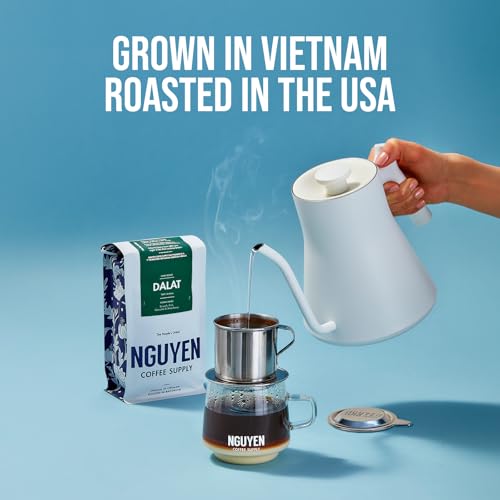
Phin brewing uses a small metal filter that sits atop your cup, allowing for a slow drip extraction. This method emphasizes the coffee’s body and boldness, creating a distinctively concentrated and flavorful cup compared to pour-over or French press techniques.
The Bottom Line
Choosing the best Vietnamese coffee beans often comes down to balancing that classic boldness with your personal preference for smoothness and nuance. While many brands deliver a strong cup, I believe Nguyen Hanoi Robusta strikes the best overall balance – it consistently receives high marks for authentic flavor and crema production, embodying the traditional Vietnamese coffee experience.
For those seeking something a little different, or who prefer a smoother profile, Nguyen Dalat Arabica is an excellent choice. If you’re on a tighter budget, DAKAO Specialty Robusta offers a surprisingly robust and flavorful experience without sacrificing quality. Each of these selections caters to a specific need, but all represent excellent value within the Vietnamese coffee landscape.
Ultimately, the most important factors aren’t roast level or origin alone, but freshness and a willingness to experiment with the traditional vietnamese coffee brewing process. Finding your perfect cup is about understanding your taste and embracing the rich heritage behind this remarkable coffee.
