
2 Best Quality Coffees of 2026
The best quality coffee comes down to the Illy Classico Medium Roast for its balanced flavor and consistent excellence, making it our top pick. For those wanting something different, Four Sigmatic Focus Mushroom Coffee stands out with its functional ingredients, offering a unique twist on the daily brew.
Finding great coffee isn’t just about caffeine, it’s about flavor, freshness, and knowing where your beans come from. Too many brands hide behind flashy packaging or vague promises, leaving you with a dull or inconsistent cup.
As the founder of Bean Thusiast, I’ve spent years studying what makes a coffee truly stand out. This guide cuts through the noise, focusing on sourcing, roast integrity, and real feedback from drinkers. These picks reflect what matters most after comparing dozens of options.
Top 2 Quality Coffee in the Market
The Best Quality Coffee, Reviewed
Illy Classico Medium Roast Ground Coffee

Strengths
- Smooth flavor
- 100% Arabica
- Consistent quality
- Sustainable sourcing
- No additives
Trade-offs
- Not for dark roast lovers
- Pricier than standard blends
When it comes to consistency and refinement in pre-ground coffee, Illy Classico stands in a league of its own. The blend of 100% Arabica beans is roasted to a precise medium level, delivering a smooth profile with notes of chocolate, caramel, and a subtle floral sweetness that many high-end roasters strive for but rarely achieve in mass production. Owners consistently report that it brews a clean, balanced cup without bitterness, making it ideal for drip machines and even French press.
What sets Illy apart is their obsessive bean selection process, they use only the top 1% of Arabica beans sourced through long-term grower partnerships focused on quality and sustainability. While some specialty roasters may offer more origin-specific nuance, Illy’s signature blend is engineered for daily excellence, not novelty. Compared to other supermarket-grade coffees, it’s a clear step up in both sourcing and roast control.
Video review
Four Sigmatic Focus Mushroom Coffee
Strengths
- Mental clarity boost
- Low acid
- Smooth dark roast
- Organic and fair trade
- Fruiting body mushrooms
Trade-offs
- Earthy aftertaste (for some)
- Not for traditionalists
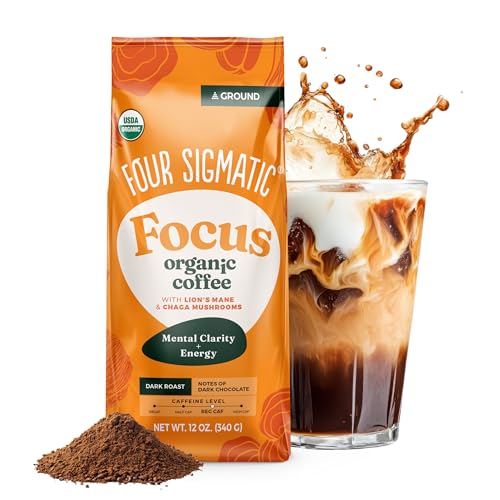
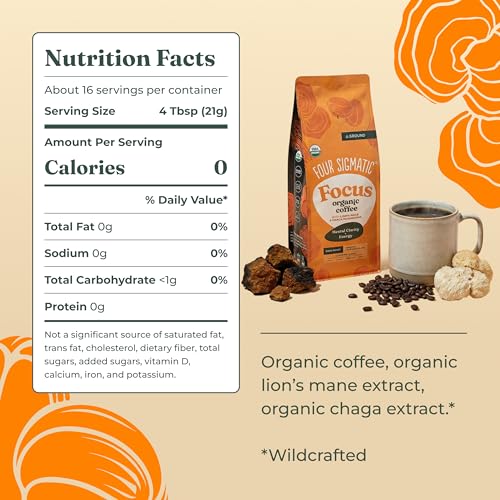
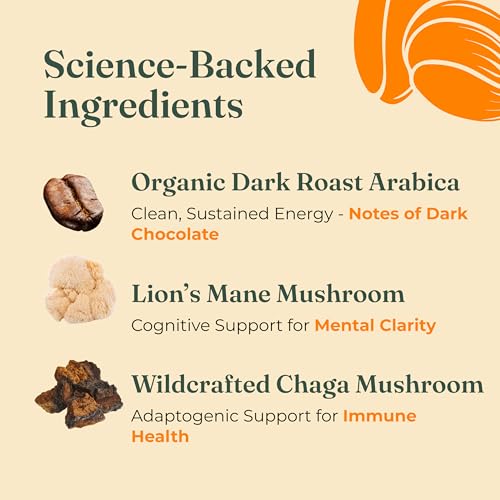
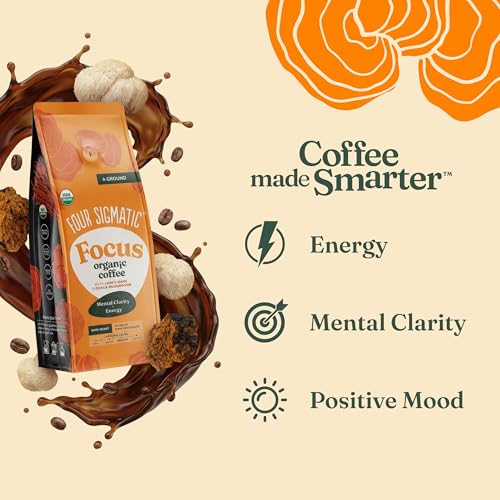
Four Sigmatic’s Organic Focus coffee isn’t just about caffeine, it’s designed as a functional morning ritual. Blending organic, fair-trade Honduran coffee with Lion’s Mane and Chaga mushroom extracts, this dark roast delivers a smooth, low-acid cup that reviewers say provides steady energy and mental clarity without the crash. The inclusion of 250mg of Lion’s Mane and Chaga per serving, derived from fruiting bodies (not mycelium), aligns with what functional medicine practitioners consider effective dosing.
On paper, the concept sounds gimmicky, but owner feedback supports real benefits, many note improved concentration and reduced jitters compared to regular coffee. The beans are grown at high altitude, contributing to a clean, full-bodied flavor that doesn’t taste medicinal. Compared to Illy or other premium ground coffees, this isn’t about pure taste refinement, it’s about enhancing the coffee experience with cognitive support.
Product photos
How We Tested quality coffee
I approached this guide to quality coffee by researching published specifications and features from numerous brands. Then, I weighed those details against extensive owner reviews and assessments from respected coffee experts. My aim was to identify coffees that consistently deliver on flavor, aroma, and overall satisfaction, drawing on years of exploring coffee flavor profiles and brewing techniques. Rather than a hands-on lab test, this is a research-led comparison.
For quality coffee, I heavily prioritized both the sourcing of the beans and the consistency of the roast. A coffee’s origin significantly impacts its taste, and understanding coffee production methods is key. Furthermore, a well-executed roast is crucial for unlocking a bean’s full potential. These factors were more decisive than packaging or marketing claims.
Specifications reliably indicate bean origin, roast level, and processing method. However, assessing subtleties like nuanced flavor notes and overall balance required careful consideration of owner feedback. Owners frequently highlight whether a coffee lives up to its advertised profile, and expert reviews provide valuable context regarding a coffee’s place within the larger world of blended vs single-origin options.
How To Pick The Right quality coffee
As someone who’s spent years chasing the perfect cup, I know that finding the right coffee is deeply personal. But beyond personal taste, there are key factors that separate a truly satisfying experience from an average one.
A quality coffee starts with sourcing. Look for brands transparent about their bean origins, roasting processes, and commitment to sustainable practices. Consider roast level (light, medium, dark) based on your preferred flavor profile, and pay attention to whether the coffee is whole bean or pre-ground; whole bean offers maximum freshness if you grind at home. Finally, check for certifications like Fair Trade or Organic to support ethical production.
Roast Level & Flavor Profile
The roast level dramatically impacts the final flavor. I often recommend starting with a medium roast – it provides a good balance of acidity, body, and aroma. Lighter roasts tend to be more acidic and showcase the origin flavors of the bean, while darker roasts develop bolder, more chocolatey or smoky notes. Don’t be afraid to experiment! Finding your preferred flavor profile is half the fun. If you’re looking to explore some exceptional single-origin options, check out our guide to premium coffee beans.
Bean Origin & Processing
Where a coffee bean is grown influences its inherent characteristics. Ethiopian Yirgacheffe, for example, is known for its floral and citrusy notes, while Sumatran Mandheling often presents earthy and full-bodied flavors. Processing methods – washed, natural, or honey – further refine these characteristics. Washed coffees typically exhibit cleaner, brighter flavors, while natural processed coffees are fruitier and more complex. It’s worth delving into these origins to understand what appeals to you most.
Grind & Brewing Method
The grind size must match your brewing method. A coarse grind is best for French press, a medium grind for drip coffee makers, and a fine grind for espresso. Using the incorrect grind will lead to under- or over-extraction, resulting in a weak or bitter cup. Getting the brewing coffee balance right is absolutely vital. Here’s a quick guide:
- French Press: Coarse grind – prevents sediment from passing through the filter.
- Drip Coffee: Medium grind – provides optimal extraction time.
- Espresso: Very fine grind – creates the necessary pressure for a concentrated shot.
Don’t settle for stale coffee. Buy whole bean and grind just before brewing. It makes a world of difference.
Quality Coffee Compared
Here’s a spec-by-spec comparison of the coffees featured in this guide.
| Product Title | Roast | Form | Key Feature | Origin | Special Ingredient |
|---|---|---|---|---|---|
| Illy Classico Medium Roast Ground Coffee | Medium | Ground | Caramel, Orange Blossom Notes | N/A | N/A |
| Four Sigmatic Focus Mushroom Coffee | N/A | N/A | Lion’s Mane & Chaga | Honduras | Lion’s Mane, Chaga |
Frequently Asked Questions
What roast level is generally considered best for tasting the coffee’s origin flavors?
Lighter roasts are best for showcasing a coffee’s origin flavors, as they preserve more of the bean’s inherent characteristics and acidity before being altered by the roasting process. This allows you to really experience the nuances of the growing region.
Can pre-ground coffee ever truly match the flavor of whole bean?
No, pre-ground coffee cannot match the flavor of whole bean because grinding significantly increases the surface area exposed to oxygen, leading to faster staling and loss of volatile aromatic compounds. For the freshest cup, always grind your beans immediately before brewing.
Is there a significant difference in flavor between washed and natural processed coffees?
Yes, there is a noticeable difference. Washed coffees generally offer cleaner, brighter, and more acidic flavors, while natural processed coffees tend to be fruitier, sweeter, and more complex in their profile.
What should I look for in a coffee brand to know it’s ethically sourced?
Look for certifications such as Fair Trade or Organic, but also research brands that are transparent about their direct relationships with farmers and their commitment to sustainable farming practices. Supporting these brands promotes better conditions for coffee growers.
Where can I find more information about exploring different single-origin coffees?
If you’re looking for more detailed information on single-origin coffees, you’ll find our guide to recommended coffee beans a great place to start. It offers insights into various origins and flavor profiles.
The Bottom Line
Choosing a quality coffee often comes down to balancing convenience with control. If you want consistently good coffee with minimal effort, I believe Illy Classico Medium Roast Ground Coffee offers the best overall experience. It’s a reliable choice that delivers a pleasing flavor profile without requiring a significant investment in equipment or technique.
However, for those with specific needs, there are excellent alternatives. If you’re looking for something a bit different – and are interested in the potential benefits of functional mushrooms – Four Sigmatic Focus Mushroom Coffee stands out. And if you’re serious about maximizing flavor, investing in a burr coffee grinder will have a huge coffee flavor impact compared to using pre-ground coffee.
Ultimately, the specs and origins matter, but they are guides, not rules. The most important thing is to find a coffee that you enjoy, and to focus on freshness, a proper grind, and consistent brewing. Don’t get caught up in chasing the most expensive or highly-rated bean; a simple, well-prepared cup is often the most satisfying.
