
Are Coffee Filters Biodegradable? The Compost Truth
Yes, paper coffee filters are biodegradable and compostable. They break down because they’re made from cellulose fibers. The used coffee grounds on them are nitrogen-rich “green” material that actively speeds up composting, turning waste into nutrient-rich soil instead of landfill methane.
Most people get this wrong by tossing the whole filter-and-grounds package into the trash. That sends organic waste to a landfill where it decomposes without oxygen, producing methane, a potent greenhouse gas. Composting it correctly turns waste into soil.
This guide walks through what “biodegradable” really means for filters, why the bleaching process matters, and how to handle the synthetic filters that won’t break down. You’ll also get the straight facts on composting timelines and common mistakes that stall your pile.
Key Takeaways
- All plain paper filters, bleached or unbleached, will biodegrade. The base material is plant cellulose.
- Unbleached, brown paper filters decompose slightly faster and are preferred by organic gardeners to avoid any chlorine residue.
- Reusable nylon or metal filters are not biodegradable. They require cleaning and eventual disposal in the trash.
- Always check for plastic components like lining or rigid frames, which make a filter non-compostable.
- Composting filters with grounds is ideal. The grounds provide nitrogen, balancing the carbon-rich paper for faster decomposition.
The Simple Answer: Paper Filters Break Down
Paper coffee filters are acceptable feedstocks for composting, as listed by the U.S. Environmental Protection Agency. The University of California, Berkeley’s waste management guide also explicitly states “coffee grounds and paper filters are compostable.”
The core material in a standard paper filter is cellulose. This is the structural fiber from wood pulp or other plants. Microorganisms in soil or a compost pile recognize cellulose as food. They secrete enzymes that break the long molecular chains into simpler compounds, eventually turning the paper into humus.
The process isn’t instant. In a well-maintained, hot compost pile, a paper filter might visibly disappear within 4 to 8 weeks. In a cooler, slower backyard pile, it could take 3 to 6 months. The filter doesn’t vanish; it becomes part of the dark, crumbly compost you eventually shovel out.
TL;DR: Paper is plant fiber. Microbes eat it. Given time and the right conditions, it turns into soil.
What “Biodegradable” Actually Means for Your Filter
People use “biodegradable” and “compostable” interchangeably, but they aren’t the same. Knowing the difference stops you from contaminating your compost bin.
A biodegradable material can be broken down by bacteria, fungi, or other living organisms. The timeline and environment aren’t specified. Technically, plastic can biodegrade over 500 years. A paper filter biodegrades relatively quickly.
A compostable material is biodegradable under specific, managed conditions that produce useful compost. It must break down within a commercial composting cycle (usually 90–180 days) and not leave toxic residue.
| Term | Definition | Timeline | End Product |
|---|---|---|---|
| Biodegradable | Broken down by natural organisms. | Variable (weeks to centuries). | Can be harmless or harmful residue. |
| Compostable | Biodegrades into nutrient-rich humus under managed conditions. | Within a standard composting cycle (~90–180 days). | Non-toxic compost for soil. |
Your paper coffee filter is both. Your reusable nylon mesh filter is neither. This is the first checkpoint before you toss anything.
Common mistake: Assuming all “eco-friendly” labeled filters are compostable, some use a thin plastic coating to prevent tearing when wet. That plastic layer won’t break down and can contaminate a whole batch of municipal compost.
Bleached vs. Unbleached: Does It Change the Breakdown?

Walk down the coffee aisle and you see two colors: bright white and natural brown. The white filters underwent a bleaching process. The brown ones did not. This difference affects decomposition speed and gardening preferences.
Unbleached (Brown) Filters are just paper. They’re oxygen-bleached or processed without chlorine, leaving the natural lignin in the fibers. Lignin is a complex polymer that decomposes slower than pure cellulose. It sounds like a drawback, but in practice, an unbleached filter in a compost pile is gone in one season. Gardeners focused on organic practices prefer them because there’s zero risk of introducing chlorine compounds, however minute, into their soil food web.
Bleached (White) Filters are whitened, traditionally using a chlorine process. Modern manufacturers often use a chlorine-free process that employs oxygen, hydrogen peroxide, or ozone. These elemental bleaching methods don’t leave dioxin residues. The EPA and university composting programs accept them. The bleaching does slightly weaken the cellulose fibers, which might mean they fragment a tiny bit faster in a compost pile.
The real issue isn’t whether a bleached filter will biodegrade, it will. The issue is intent. If you’re building compost for an organic vegetable garden, you might choose the unbleached path to be absolutely certain. For everyone else, both types go in the green bin.
For a deeper dive on the taste and environmental footprint of filters, the choice between white and brown involves more than just decomposition.
The Filters That Will Never Break Down
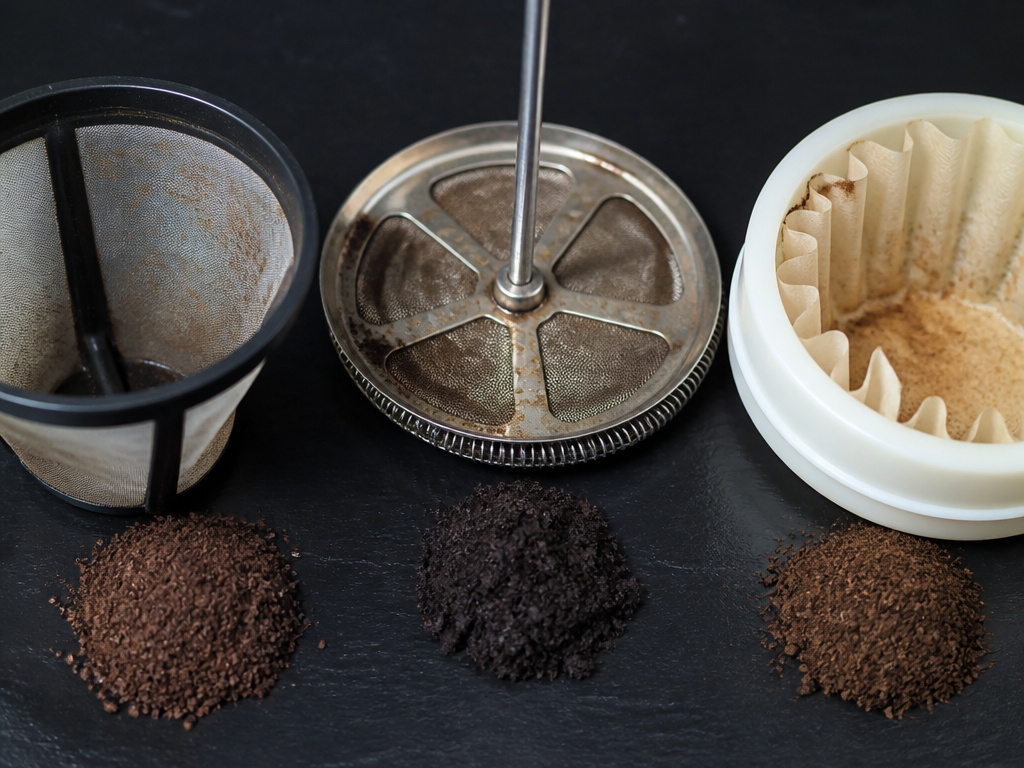
Not every coffee filter is paper. The reusable kind saves waste but introduces a different end-of-life problem. They are not biodegradable.
Nylon or Polyester Mesh Filters are common in permanent drip cones and some machine baskets. They’re a type of plastic. Under microbial attack, plastics like nylon may eventually fragment into microplastics, but they do not mineralize into harmless biomass. When they wear out, usually after years of use, they belong in the trash, not the compost.
Stainless Steel Filters (like those for a French press or certain pour-over cones) are obviously not biodegradable. They’re metal. At end of life, they are recyclable with other metals, provided you remove any plastic or silicone gaskets first.
Integrated Plastic Frame Filters are the trap. Some single-cup pour-over systems or pod alternatives use a paper filter fused to a rigid plastic ring or basket. The paper part will degrade, leaving behind small plastic pieces. You must separate the components if possible, or throw the whole unit away.
This is where reading the packaging matters. If it says “permanent,” “reusable,” or “lifetime,” assume it’s not for your compost bin.
How to Actually Compost Your Used Filters

Composting coffee filters is one of the easiest kitchen habits to start. You need the filter, the grounds, and a place for them to go.
- Use the filter. Brew your coffee as normal. The used grounds are a bonus.
- Let it drain. Tip the filter to dump excess liquid into your sink. Soggy, dripping masses slow down composting and can create anaerobic pockets.
- Drop it in your collector. Toss the entire damp filter and grounds into your kitchen countertop compost pail. No need to separate.
- Transfer to your main system. When the kitchen pail is full, empty it into your outdoor compost bin, tumbler, or municipal green waste cart.
To speed things up, tear the wet filter into two or three pieces before tossing it in your outdoor pile. This gives microbes more edges to attack. Bury it slightly under a layer of dried leaves or other “brown” material to help balance the nitrogen-rich “green” coffee grounds and to discourage fruit flies.
I used to toss whole filters onto the top of my compost pile. They’d dry into a stiff, papery layer that took forever to break down. Now I give them a quick rip while they’re still wet from the brew basket. The difference in decomposition speed is noticeable within a single turning cycle.
What happens if you skip the tearing? The filter forms a moisture barrier. Microbes work from the outside in, and a tightly wadded ball can take twice as long to decompose, especially in a passive pile.
The One Thing That Stops Biodegradation Cold
Moisture, oxygen, and microbes drive decomposition. One additive can bring the whole process to a halt: plastic.
Some “paper” filters are coated with a microscopic plastic layer to prevent blow-outs during brewing or to make them “greaseproof” for other kitchen uses. You might not see or feel it. The test is the tear. A pure paper filter, when wet, tears easily with a soft, fibrous feel. A plastic-coated filter feels slicker and may tear with a slightly tougher, more plastic-like resistance.
Other culprits include:
* Adhesives on the filter seam (most paper-glue is biodegradable, but some are synthetic).
* Ink from printed logos (most commercial composting facilities accept standard soy-based inks).
* Staples or plastic tabs on bulk filter bags.
When in doubt, a simple rule works: if it came in a box of 100 plain, white or brown filters, it’s almost certainly fine. If it’s a single-serving filter with a fancy shape or part of a proprietary system, check the manufacturer’s website. Brands like Chemex are explicit about their paper coffee filters being 100% biodegradable paper.
For machine-specific filters, like those for a Bunn coffee maker, always verify the material. The right paper filter for your machine is compostable; using the wrong one can affect your brew and your compost.
Frequently Asked Questions
Can you compost bleached coffee filters?
Yes. Modern bleaching processes are typically chlorine-free (ECF or TCF) and the filters are accepted by composting authorities like the EPA. They will biodegrade. Some organic gardeners avoid them on principle, but they break down in the pile.
How long does it take for a coffee filter to decompose?
In an active, hot compost pile (140°F+), a paper filter can become unrecognizable in 4–8 weeks. In a casual backyard pile, expect 3 to 6 months. The coffee grounds decompose much faster, often within a few weeks.
Do coffee filters dissolve?
No. They do not dissolve in water like sugar. They undergo biodegradation, a biological process where microorganisms physically and chemically break down the cellulose fibers. They will eventually disintegrate.
Are Chemex filters biodegradable?
Yes. Chemex Bonded Filters are made from proprietary paper and are explicitly described as biodegradable. The company states they contain no chemicals that would interfere with composting.
Can you put coffee filters in food waste?
If your municipal food waste program accepts compostable paper products, then yes. Coffee filters and grounds are a prime candidate for curbside organics collection. Always check your local program’s guidelines first.
What about the impact of coffee acidity on compost?
Used coffee grounds are nearly pH neutral (around 6.5-6.8). The acid is mostly washed into your cup. The grounds and filter will not acidify your compost pile. In fact, they are a valuable source of nitrogen.
The Bottom Line
Paper coffee filters are a zero-guilt part of your brewing routine. Toss them in the compost with the grounds. Choose unbleached if you’re a dedicated organic gardener, but don’t stress if you only have bleached, they’ll break down too.
The real vigilance is for anything not made of plain paper. Check reusable and specialty filters for plastic or metal components. Those belong in the trash or recycling at end of life.
Making great coffee and building healthy soil aren’t separate hobbies. They connect right there at the knock-box. Your daily ritual can feed your garden as easily as it fuels your morning. Just remember to tear the filter first.
