
Why Do I Get Sleepy After Drinking Coffee? Adenosine Rebound
This post contains affiliate links. As an Amazon Associate, we earn from qualifying purchases.
You feel sleepy after coffee because caffeine blocks adenosine receptors in your brain. When the caffeine wears off, the built-up adenosine floods those receptors, causing a crash. Your genetics, the timing of your cup, and what you add to it turn a mild dip into a full-blown nap attack.
Most articles stop at “adenosine rebound.” They miss the quarter-life, the genetic wild cards, and the concrete things you can change today. The crash isn’t a character flaw. It’s chemistry meeting your morning routine.
Here’s what’s actually happening and the five adjustments that work.
Key Takeaways
- Caffeine has a quarter-life of about 12 hours for the average person, meaning a 2pm coffee still has 25% of its punch in your system at 2am, suppressing deep sleep.
- Half the population are “slow metabolizers” due to the CYP1A2 gene variant, making crashes more severe and longer-lasting.
- Drinking coffee within the first hour of waking hijacks your natural cortisol spike, leading to a steeper energy drop later.
- Sweetened coffee drinks cause a double crash: a sugar crash on top of the adenosine rebound.
- The fix isn’t more coffee. It’s strategic timing, food pairing, and understanding your personal caffeine metabolism.
The Main Reason: Adenosine Rebound
Caffeine doesn’t give you energy. It’s a master of disguise.
The molecule is shaped almost exactly like adenosine, the neurotransmitter that builds up in your brain all day to signal fatigue and prepare you for sleep. Caffeine parks in the adenosine receptors, blocking the real adenosine from docking. You don’t feel the accumulating sleep pressure.
Caffeine is 99% absorbed within 45 minutes, hitting peak blood levels in 1 to 2 hours. It doesn’t add energy; it temporarily hides the feeling of tiredness by occupying adenosine receptors.
But your body doesn’t stop producing adenosine. It just piles up at the blocked receptors. When the caffeine finally clears, a process that takes hours, that pent-up adenosine rushes in all at once. This is the adenosine rebound, and it hits harder than your baseline tiredness would have. It’s the biochemical bill coming due.
TL;DR: Caffeine masks fatigue by blocking adenosine receptors. When it wears off, the backlog of adenosine floods your system, causing a crash.
It’s Not Just Rebound: The Other Culprits
If adenosine rebound were the whole story, everyone would crash at the same time. They don’t. Your personal crash is shaped by three other major players: your hormones, your blood sugar, and your hydration.
The Cortisol Mistiming
Your body has a built-in alarm clock. The Cortisol Awakening Response (CAR) is a 50–75% surge in this alertness hormone that happens 30–45 minutes after you wake up. It’s your natural, chemical cup of coffee. If you drink actual coffee during this spike, you’re stacking a stimulant on top of a stimulant.
Your adrenal system responds by dialing back later production. The result is a sharper, earlier afternoon slump. You’ve borrowed energy from 3pm to fuel 8am.
The Sugar Double-Cross
A black coffee causes a mild, cortisol-mediated rise in blood sugar. A sweetened latte or mocha is different. The added sugar causes a rapid glucose spike. Your pancreas releases insulin to manage it, often overshooting and causing a reactive hypoglycemic crash an hour or two later.
Now you have two crashes syncing up: the sugar crash and the adenosine rebound. The combined effect isn’t just sleepy. It’s foggy, irritable, and desperate for a nap.
The Dehydration Drag
Coffee is a mild diuretic, especially if you’re not a habitual drinker. If your first fluid of the day is coffee, you’re starting in a slight fluid deficit. Even mild dehydration, a loss of just 1-2% of body water, impairs cognitive function and increases perceptions of fatigue.
Common mistake: Drinking a large sweetened coffee on an empty stomach first thing in the morning, this accelerates absorption for a sharper spike and guarantees a dual glucose-adenosine crash by mid-morning.
| Crash Factor | How It Works | Timeline to Feel It |
|---|---|---|
| Adenosine Rebound | Blocked receptors flood when caffeine clears. | 3–5 hours after drinking |
| Cortiola Interference | Coffee during natural cortisol spike leads to a bigger drop later. | 4–6 hours after drinking |
| Sugar Crash | Insulin overcorrects a glucose spike, causing low blood sugar. | 1–2 hours after drinking |
| Dehydration | Diuretic effect reduces blood volume, slowing oxygen to the brain. | Can compound fatigue within 1 hour |
The Genetic Wild Card
You can do everything “right” and still crash hard. Your DNA might be loading the dice.
The 2024 study in the Journal of Translational Medicine mapped how chronic caffeine use reshapes receptor expression in the brain, building tolerance. But your starting point is coded in your genes. Key variants determine whether coffee is a gentle nudge or a sledgehammer that leaves you wrecked.
- CYP1A2 Gene: This gene produces the liver enzyme that breaks down 95% of the caffeine you consume. Half the population carries the “slow” variant. For them, caffeine’s half-life stretches from the typical 5–7 hours to 8–12 hours. A 2pm coffee isn’t cleared by bedtime.
- Adenosine Receptor Genes (A2A): Some people have genetic variations in the A2A receptors themselves. Caffeine binds differently, and the rebound effect can be more pronounced.
- Other Players: Variants near the ABCG2, AHR, POR, PER3, and COMT genes influence everything from how caffeine is transported in the body to your natural arousal levels and stress response.
This is why your friend can have an espresso after dinner and sleep like a rock, while you have a single cup at 10am and are counting sheep by 2pm. It’s not in your head.
I spent years blaming my “weak constitution” when a mid-morning flat white would wipe me out by noon. Switching to a smaller, black coffee after lunch made no difference. The crash just came later. It wasn’t until I learned about the CYP1A2 slow metabolizer profile that it clicked. My body wasn’t processing the caffeine on a normal schedule.
TL;DR: Genetic differences in caffeine metabolism and receptor sensitivity mean a standard coffee routine is a guaranteed crash for a significant portion of the population.
5 Fixes to Stop the Coffee Crash
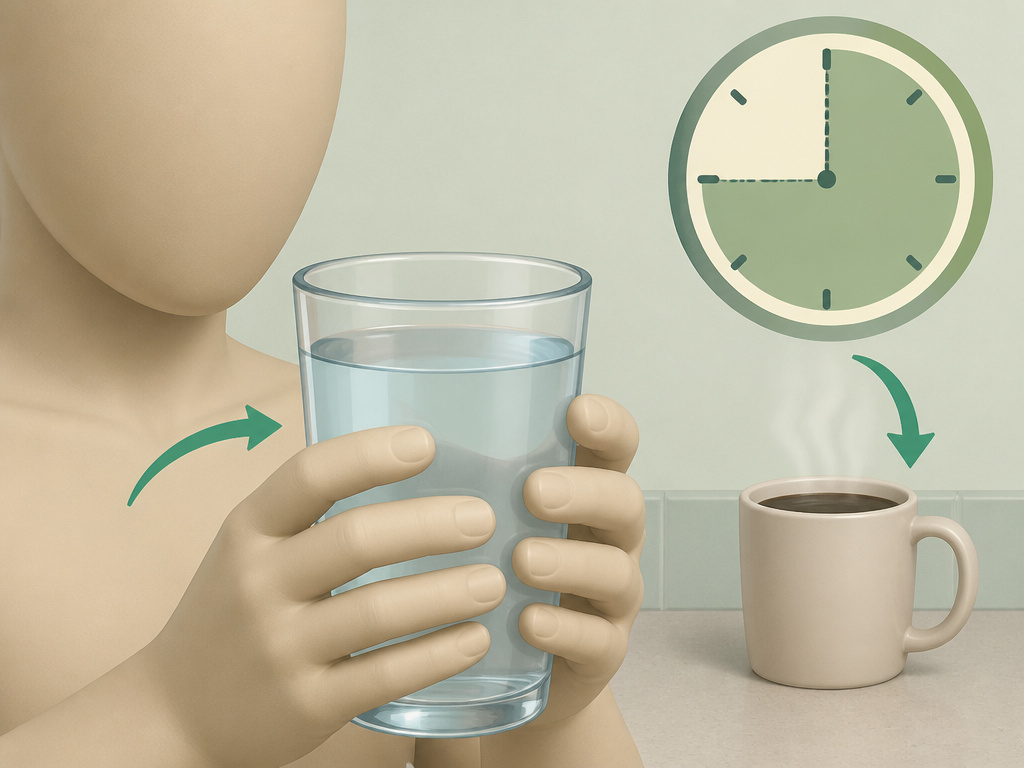
You can’t change your genes, but you can change your protocol. These fixes address the mechanisms, not just the symptoms.
- Delay Your First Cup. Wait 90 to 120 minutes after waking. Let your natural cortisol surge do its job first. This prevents the stacking effect and leads to a more stable energy curve. Drink a large glass of water in this window instead.
- Eat Before You Drink. Never drink coffee on an empty stomach. Have a breakfast with protein and fat first. This slows the absorption of caffeine, preventing a sharp spike and subsequent crash. It also buffers the blood sugar impact.
- Ditch the Sugar. Drink your coffee black or with only a splash of milk or cream. Eliminating added sugar removes the glucose-insulin roller coaster from the equation. If you need sweetness, try a tiny pinch of salt, it cuts bitterness without the metabolic crash.
- Hydrate First. Make your first beverage of the day a full glass of water. Rehydrate after sleep before introducing a diuretic. Continue sipping water alongside your coffee.
- Try the L-Theanine Pairing. L-theanine, an amino acid found abundantly in green tea, promotes alpha brain waves associated with calm focus. It takes the jittery edge off caffeine. You can get it by switching to green tea occasionally or by taking an L-theanine supplement with your coffee.
Coffee vs. Other Caffeine Sources
Not all caffeine delivery is created equal. The vehicle matters.
A can of Red Bull or a sweetened energy drink is a triple threat: caffeine for the adenosine rebound, a massive sugar load for the glucose crash, and other stimulants like taurine that can affect hydration and heart rate. The crash is often more severe and includes a headache.
Tea, especially green tea, is a different experience. It generally has less caffeine per cup than coffee, and it naturally contains L-theanine. This combination provides a more gradual, sustained lift without the sharp peak and trough. The caffeine release rates are slower, and the L-theanine modulates the stimulant effect.
Even among coffees, the caffeine content in espresso versus a standard drip coffee matters. A single shot of espresso has less total caffeine than a 12-ounce brewed coffee, but you drink it faster, leading to a quicker spike. Understanding caffeine per volume helps you dose correctly.
| Beverage | Typical Caffeine | Key Crash Modifiers | Best For |
|---|---|---|---|
| Black Coffee | 95 mg per 8oz | Cortisol timing, empty stomach | Slow metabolizers who time it right |
| Sweetened Latte | 75 mg + 20g sugar | Sugar crash compounds adenosine crash | Avoid if prone to afternoon slump |
| Green Tea | 30 mg per 8oz | L-theanine smooths the effect | Sustained focus without jitters |
| Energy Drink | 80 mg + sugar + other stims | Multiple crash vectors, often severe | Not recommended for stable energy |
When to See a Doctor

Occasional sleepiness after coffee is normal biochemistry. Consistent, overwhelming fatigue could signal something else.
See a doctor if:
* The sleepiness is sudden and severe, unlike your previous experience with coffee.
* You experience heart palpitations, anxiety, or dizziness alongside the fatigue.
* You’re constantly tired regardless of caffeine intake.
* You suspect an underlying condition like sleep apnea, anemia, or a thyroid issue.
A doctor can check your iron levels, thyroid function, and discuss your sleep hygiene. They can also refer you for a sleep study if indicated. Don’t use caffeine to mask a persistent fatigue problem.
Frequently Asked Questions
Does this mean I’m addicted to caffeine?
Not necessarily. Tolerance and dependence are different from addiction. Needing coffee to function suggests dependence, your brain has adapted to the constant presence of caffeine by producing more adenosine receptors. This worsens the crash when you skip a dose. Addiction involves compulsive use despite negative consequences.
Will switching to decaf help?
It can, but do it gradually. Going cold turkey from regular to decaf will trigger withdrawal headaches and intense fatigue as your brain’s extra adenosine receptors run unopposed. Taper down over a week or two.
What about caffeine pills?
Pills deliver a pure, concentrated dose of caffeine faster than coffee. This often leads to a sharper spike and a harder crash. They also lack the other compounds in coffee that can modulate effects. They’re a less forgiving way to consume caffeine.
I have ADHD. Why does coffee sometimes calm me down?
Stimulants like caffeine can have a paradoxical calming effect on some people with ADHD, likely by increasing dopamine availability in the prefrontal cortex, which improves focus and reduces impulsivity. However, the caffeine stimulation factors are complex, and it can still disrupt sleep later.
Is tea a better option if coffee makes me tired?
For many people, yes. The lower caffeine in tea combined with L-theanine often provides a smoother, crash-free focus. The brewing methods for tea also typically extract caffeine more slowly than coffee brewing. Exploring the benefits of tea vs coffee might reveal a better fit for your biochemistry.
The Bottom Line
Feeling sleepy after coffee isn’t a mystery or a personal failing. It’s a predictable chemical reaction involving adenosine rebound, hormone timing, blood sugar, and your unique genetic blueprint. The standard advice of “drink more water” or “eat something” scratches the surface.
The real fix is tactical. Delay your first cup by two hours. Always pair it with food. Eliminate added sugar. Understand that for nearly half the population, a 2pm coffee is a sleep disruptor, not a pick-me-up. For a smoother ride, consider the calming effects of tea from L-theanine in tea as an alternative or a complement.
Your energy levels are a system. Coffee is just one input. Adjust the other variables, timing, food, hydration, and source, and you can have the focus without the crash.
