
Is Decaf Coffee Less Acidic? How Processing Affects Acidity
Decaf coffee is less acidic than regular coffee, but only slightly. The measurable pH difference is about 0.3 points, with decaf averaging 5.0 and regular averaging 4.7. The more significant impact is on digestive reflux, where a 1994 clinical study found decaf reduced gastro-oesophageal reflux time from 17.9% to just 3.1%.
Most people assume removing caffeine is the main event. They miss the chemical process used to strip it out. That solvent can leave trace residues that irritate sensitive systems far more than the mild pH shift.
This guide breaks down the numbers from peer-reviewed studies, explains why your Kenyan decaf might still taste sharp, and shows you how to pick a decaf that’s genuinely gentle.
Key Takeaways
- The pH difference is small (5.0 vs. 4.7), but decaf consistently tests as less acidic.
- A landmark 1994 study proved decaf slashes gastro-oesophageal reflux time from 17.9% to 3.1% in patients.
- Bean origin dictates acid levels more than caffeine content: Brazilian beans have higher measured acid than Kenyan.
- Avoid decaf processed with methylene chloride; the Swiss Water Process uses only water and carbon filters.
- Dark roasts and cold brewing are more effective for reducing acidity than simply switching to decaf.
Decaf Coffee pH: The Measurable Difference
Coffee’s acidity is measured on the pH scale, where 7 is neutral. Anything below 7 is acidic. Regular brewed coffee typically lands between pH 4.85 and 5.10. Decaf coffee consistently registers at the higher end of that range, around pH 5.0, while regular coffee averages closer to 4.7.
The 0.3 difference is real but modest.
A 2008 study in Food Chemistry by Keiko Fujioka analyzed eight regular and seven decaffeinated coffees. The decaf samples exhibited a higher average pH, confirming the milder acid profile is a measurable, repeatable fact.
That shift happens because the decaffeination process can remove small amounts of acidic compounds alongside caffeine. It’s not the goal, but it’s a side effect. Don’t expect a night-and-day change in taste from the pH shift alone. Your perception of “acidic” involves more than hydrogen ions.
TL;DR: Decaf tests at pH 5.0 vs. regular’s 4.7, a slight but measurable difference confirmed by chemical analysis.
Why Does My Decaf Still Taste Acidic?
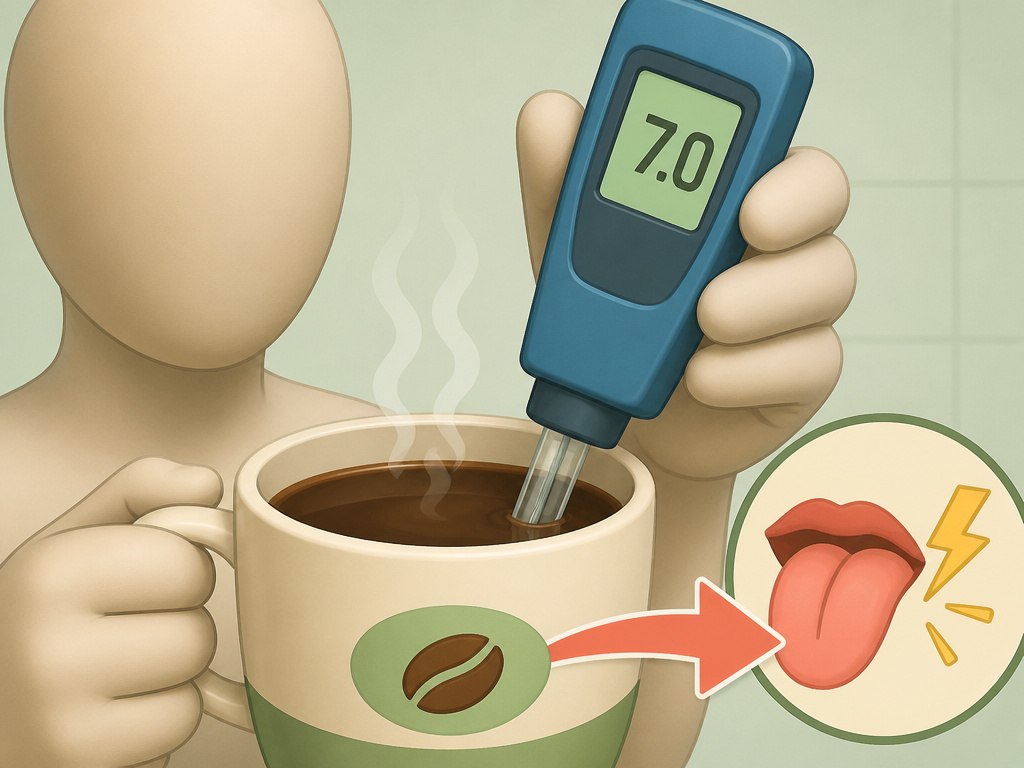
You checked the pH. You bought the decaf. The cup still has a sharp, tangy bite. This is the disconnect between chemical acidity and sensory perception. Your tongue isn’t a pH meter.
The perceived acidity, or brightness, in coffee is a complex signal. It comes from a combination of organic acids (citric, malic, acetic), their concentrations, and how they interact with bitterness and sweetness. Caffeine itself is bitter. Removing it can make the remaining acidic notes seem more prominent by contrast. Other factors like your coffee sweeteners or low-acid coffee additions play a role too.
A 2016 study in the National Library of Medicine broke this down perfectly. It found that while experts claim Kenyan coffees are more acidic, chemical analysis showed Brazilian and Bolivian coffees actually had higher concentrations of key acids like citric and quinic acid. Kenya’s lower pH? A myth. The perception comes from Kenya’s complex flavor profile, not its acid content.
| Factor | Impact on Perceived Acidity | Why It Tricks You |
|---|---|---|
| Bean Origin | Kenyan = high perception, Brazilian = high measured acid | Flavor complexity masks actual chemistry. |
| Roast Level | Light roast = brighter, Dark roast = smoother | Roasting breaks down acids, changing flavor not just pH. |
| Brew Method | Hot brew = sharper, Cold brew = mellow | Heat extracts acids faster; cold water doesn’t. |
| Caffeine Absence | Can heighten sour notes | Bitterness from caffeine is gone, shifting balance. |
The takeaway is simple. Choosing a decaf coffee from Brazil or Sumatra will often yield a chemically less acidic cup than a decaf from Ethiopia or Kenya, even though the latter is famous for its “brightness.” Your brewing method matters just as much. If acidity is a serious concern, understanding the acidity of tea vs coffee provides a useful comparison for gentler alternatives.
The 1994 GERD Study: Decaf’s Real Benefit
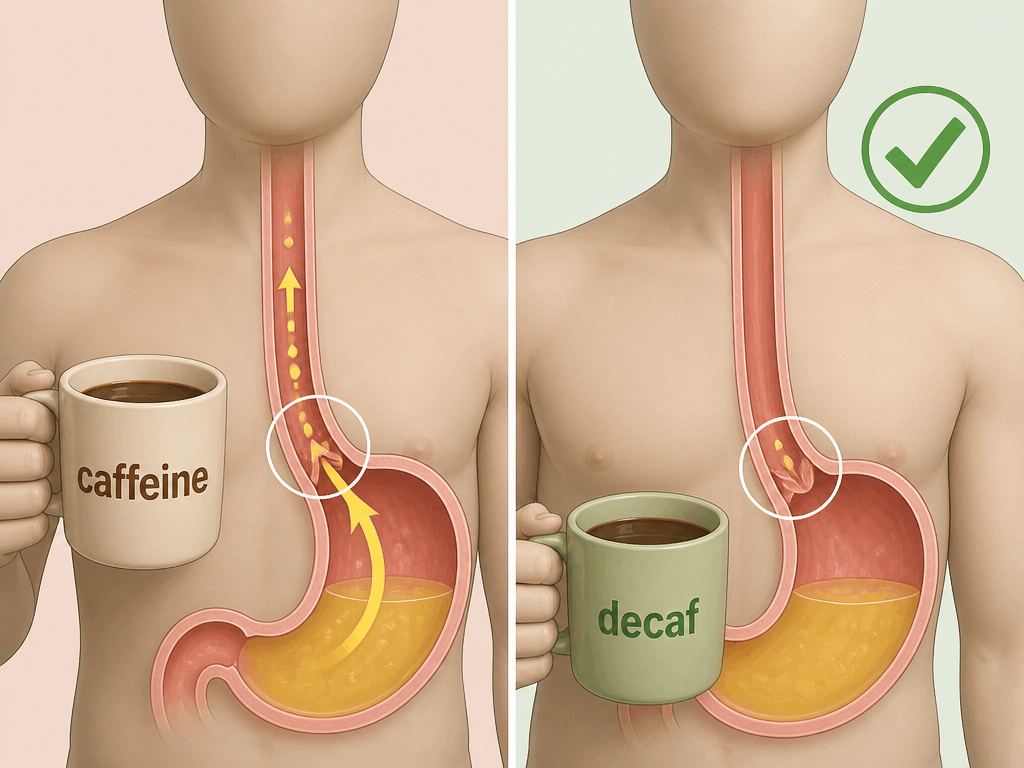
For people with heartburn or GERD, pH is almost irrelevant. The real problem is gastro-oesophageal reflux, the literal backing up of stomach contents. Here, decaf coffee isn’t just slightly better. It’s transformative.
A 1994 study published in Alimentary Pharmacology & Therapeutics put numbers on it. Researchers measured reflux time in healthy volunteers after drinking regular coffee, decaf coffee, and water. Regular coffee induced reflux 17.9% of the time. Decaf coffee dropped that number to 3.1%. That’s not a marginal improvement. It brings decaf’s reflux risk down to nearly the same level as tap water.
Common mistake: Assuming all decaf is equal for reflux, the decaffeination method matters. Decaf processed with methylene chloride can irritate the gut lining independently of acid, negating the benefit.
The study’s conclusion was clear: “Decaffeinated coffee significantly diminished gastro-oesophageal reflux.” The mechanism isn’t fully understood, but caffeine is a known relaxant of the lower oesophageal sphincter, the valve that keeps stomach acid down. Removing caffeine lets that valve do its job. This is a crucial data point for anyone managing coffee’s effect on digestion or sensitive stomach issues.
How Decaffeination Changes the Bean
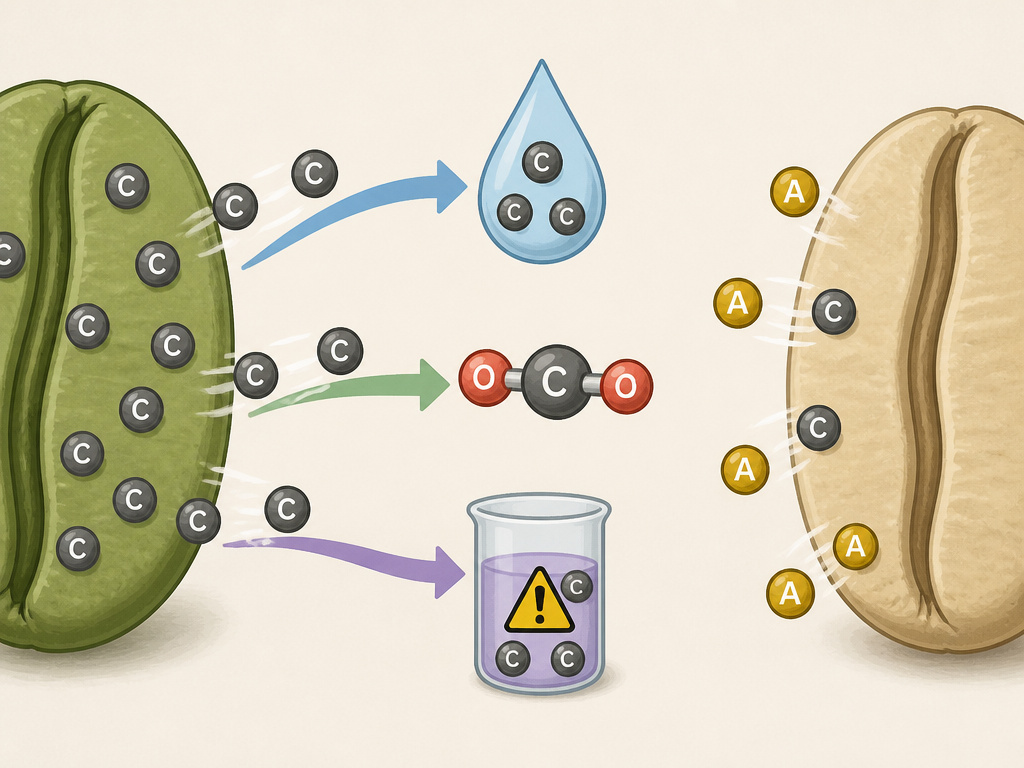
Not all decaf is created equal. The method used to remove caffeine directly impacts the bean’s chemistry, its flavor, and potentially your health. There are three primary methods, and your choice here matters more than any origin or roast.
The Swiss Water Process Method
This is the gold standard for chemical-free decaf. Green coffee beans are soaked in hot water, which dissolves caffeine and soluble flavors. That water is passed through a carbon filter that traps only the caffeine molecules. The flavor-saturated water is then reused to soak new beans. Since the water is already full of flavor compounds, only caffeine leaves the bean. It’s a clever, natural system. Look for “SWP” or “Swiss Water Process” on the bag.
The Supercritical CO2 Method
This sounds high-tech because it is. Beans are steamed and then exposed to carbon dioxide under high pressure and temperature, where it becomes “supercritical”, acting like both a gas and a liquid. The CO2 bonds with caffeine molecules, extracts them, and is then evaporated. It’s highly effective and clean, leaving no chemical residue. It’s harder to find but worth seeking out.
The Solvent-Based Method (Methylene Chloride)
This is the cheapest, most common method, especially for mass-market decaf. Beans are steamed and then rinsed repeatedly with a chemical solvent, usually methylene chloride, which bonds to and removes caffeine. The beans are steamed again to evaporate the solvent. The FDA allows trace residues. Methylene chloride is an industrial paint stripper and degreaser. While the amounts are tiny, many consumers prefer to avoid it entirely. The PMC study on coffee acids provides essential context on how processing alters chemical composition.
- Choose Swiss Water or CO2 for purity.
- Choose solvent-based for lowest cost.
- Your bag should state the method. If it doesn’t, assume the worst.
Choosing a Truly Low-Acid Decaf Coffee
Knowing the science lets you shop with purpose. To get the least acidic decaf possible, you need to stack the deck in your favor. Follow this sequence.
- Decaffeination Method First. This is non-negotiable. Start by finding a bag labeled “Swiss Water Process” or “Supercritical CO2 Process.” This eliminates chemical irritants and preserves a cleaner flavor profile. It’s the foundation.
- Select the Right Origin. Go for beans from Brazil, Sumatra, or Peru. These low-altitude, often nutty/chocolatey profiles have inherently lower levels of citric and malic acid compared to high-altitude East African beans. This is the single biggest lever for reducing actual acid content.
- Pick a Darker Roast. Tell your roaster you want a medium-dark to dark roast. Heat breaks down chlorogenic acids. A 2016 study confirmed that chlorogenic, citric, and malic acid concentrations decrease as roast degree increases. The trade-off is less “brightness” and more “body.” That’s what you want.
- Grind and Brew for Mellow. Grind slightly coarser than usual. Use a French press or a cold brew system. These methods extract fewer acidic compounds. If you use an espresso machine or pour-over, try the old barista trick: add a tiny pinch of salt in coffee grounds before brewing. It neutralizes bitter perceptions.
I bought a popular grocery-store decaf from Colombia, processed with methylene chloride. My stomach felt off within an hour, a faint chemical note on the finish. Switched to a Swiss Water Brazilian dark roast from a local roaster. The difference wasn’t just in taste, the physical reaction was gone. The roast date matters more with decaf, too. It goes stale faster.
Frequently Asked Questions
Does decaf coffee have acid?
Yes, all coffee contains acids. Decaf coffee has slightly less, averaging a pH of 5.0 compared to regular coffee’s pH of 4.7. However, it still contains the same spectrum of organic acids like chlorogenic, quinic, and citric acid.
Is decaf coffee better for acid reflux?
Yes, significantly. Clinical research shows decaf coffee reduces gastro-oesophageal reflux time dramatically, from 17.9% with regular coffee down to 3.1%. For reflux sufferers, switching to decaf is one of the most effective dietary changes.
What is the least acidic decaf coffee?
The least acidic decaf will be a dark roast, processed via the Swiss Water method, made from beans grown in a low-altitude region like Brazil. This combination minimizes acid content from bean, process, and roast.
How does caffeine content relate to acidity?
Very little. Caffeine is a bitter alkaloid, not an acid. The small pH difference in decaf comes from incidental removal of acids during processing, not the absence of caffeine. The major benefit for reflux is due to caffeine’s effect on the esophageal valve, not its acidity. For a deeper look at how caffeine and acidity interact across different brew styles, explore our comparison.
Before You Go
Decaf coffee is less acidic, but the 0.3 pH point difference is the least interesting part of the story. The real value is for your gut, the 1994 study proving decaf cuts reflux risk by over 80% is the data point that matters.
Ignore the label that just says “decaf.” Demand to know the process. Swiss Water or CO2. Then look at the origin. Brazilian over Kenyan. Then choose the darkest roast you enjoy. This three-filter system gets you a cup that’s easier on your system.
Finally, protect your teeth. Whether it’s regular or decaf, coffee is acidic enough to soften enamel. Wait 30 minutes after your last sip before brushing. It’s a small habit that prevents long-term damage. Your morning ritual shouldn’t come with a side of regret.
{
“@context”: “https://schema.org”,
“@type”: “HowTo”,
“name”: “How to Choose a Less Acidic Decaf Coffee”,
“totalTime”: “PT5M”,
“step”: [
{
“@type”: “HowToStep”,
“name”: “Check the decaffeination method”,
“text”: “Look for ‘Swiss Water Process’ or ‘Supercritical CO2’ on the bag to avoid methylene chloride solvents.”
},
{
“@type”: “HowToStep”,
“name”: “Select a darker roast”,
“text”: “Choose a medium-dark to dark roast profile; longer roasting breaks down more chlorogenic acids.”
},
{
“@type”: “HowToStep”,
“name”: “Prioritize bean origin”,
“text”: “Pick Brazilian or Sumatran beans over high-altitude African varieties for inherently lower acid levels.”
},
{
“@type”: “HowToStep”,
“name”: “Adjust your brewing”,
“text”: “Use a cold brew method or add a pinch of salt to the grounds to further reduce perceived acidity.”
}
]
}
{
“@context”: “https://schema.org”,
“@type”: “FAQPage”,
“mainEntity”: [
{
“@type”: “Question”,
“name”: “Does decaf coffee have acid?”,
“acceptedAnswer”: {
“@type”: “Answer”,
“text”: “Yes, all coffee contains acids. Decaf coffee has slightly less, averaging a pH of 5.0 compared to regular coffee’s pH of 4.7. However, it still contains the same spectrum of organic acids like chlorogenic, quinic, and citric acid.”
}
},
{
“@type”: “Question”,
“name”: “Is decaf coffee better for acid reflux?”,
“acceptedAnswer”: {
“@type”: “Answer”,
“text”: “Yes, significantly. Clinical research shows decaf coffee reduces gastro-oesophageal reflux time dramatically, from 17.9% with regular coffee down to 3.1%. For reflux sufferers, switching to decaf is one of the most effective dietary changes.”
}
},
{
“@type”: “Question”,
“name”: “What is the least acidic decaf coffee?”,
“acceptedAnswer”: {
“@type”: “Answer”,
“text”: “The least acidic decaf will be a dark roast, processed via the Swiss Water method, made from beans grown in a low-altitude region like Brazil. This combination minimizes acid content from bean, process, and roast.”
}
},
{
“@type”: “Question”,
“name”: “How does caffeine content relate to acidity?”,
“acceptedAnswer”: {
“@type”: “Answer”,
“text”: “Very little. Caffeine is a bitter alkaloid, not an acid. The small pH difference in decaf comes from incidental removal of acids during processing, not the absence of caffeine. The major benefit for reflux is due to caffeine’s effect on the esophageal valve, not its acidity. For a deeper look at how caffeine and acidity interact across different brew styles, explore our comparison.”
}
}
]
}
