
8 Best Organic Coffees of 2026
The best organic coffee overall is Cameron’s Organic Scandinavian, a rich medium dark roast with balanced flavor and excellent sourcing. For a budget-friendly pick, Mt. Comfort Organic Peru Roast delivers solid taste and value in a 40-ounce bag. If you want versatility, Mayorga Organic Cafe Cubano offers a bold dark roast that works well for espresso or drip.
Finding great organic coffee isn’t just about a USDA stamp. Too many people assume certified organic automatically means great taste, only to end up with stale, one-note beans that cost too much. After years of studying roasting methods and sourcing practices, I know the real difference lies in freshness, origin transparency, and roast precision.
This guide cuts through the hype. I compared top options based on flavor feedback, roast quality, and sourcing integrity, not just labels. You’ll see what actually matters when choosing a coffee that’s both ethical and exceptional.
Top 8 Organic Coffee in the Market
The Best Organic Coffee, Reviewed
Mayorga Organic Cafe Cubano Roast

Strengths
- Slow-roasted for depth
- Low acidity
- Smooth bold finish
Trade-offs
- Strong smokiness may not suit all
- Limited origin transparency
Mayorga’s Cafe Cubano Roast stands out in the dark roast category for its distinct Latin-inspired slow-roasting technique, which delivers a bold yet smooth profile without the harsh bitterness that plagues many dark roasts. On paper, the blend of beans from Peru, Honduras, and Nicaragua, roasted slowly in small batches, explains the depth and balance owners consistently report: a syrupy body, low acidity, and subtle notes of vanilla and smokiness. This is dark roast coffee that doesn’t sacrifice complexity for strength.
For those who appreciate a culturally rooted roast with authenticity, Mayorga’s Latino-owned heritage and direct partnerships with Latin American farmers add meaningful weight. Compared to other organic dark roasts, it’s more nuanced than Peet’s French Roast but not as aggressively bold as Kicking Horse’s Kick Ass. If you want a dark roast that’s flavorful without being ashy or flat, this is a strong contender.
Video review
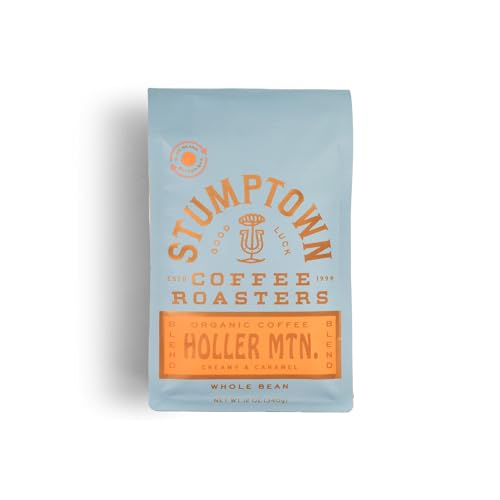
Stumptown Holler Mountain Whole Bean
Strengths
- Bright citrus notes
- Direct Trade certified
- Excellent versatility
Trade-offs
- Smaller bag size
- Pricier per ounce
Stumptown’s Holler Mountain is a textbook example of what a balanced, versatile organic medium roast should be. The flavor notes, citrus zest, caramel, hazelnut, are not just marketing fluff; reviewers consistently describe a bright, lively cup that works equally well as drip coffee or espresso. The 100% Arabica beans are Direct Trade certified, which in this category means higher pay for farmers and more traceability than standard USDA Organic alone. That matters for buyers who care about ethics beyond the label.
It’s not the most adventurous blend, but it doesn’t need to be. Compared to Mt. Comfort’s Peru roast, it has more brightness and complexity, while being more approachable than some single-origin beans. For most buyers, this is the easy pick if you want a dependable, flavorful medium roast that performs well across brewing methods.
Video review
Kicking Horse Kick Ass Ground

Strengths
- Bold, rich flavor
- Fairtrade certified
- Great aroma
Trade-offs
- Pre-ground limits freshness
- Earthy finish not for everyone
Kicking Horse’s Kick Ass lives up to its name with a powerful, earthy dark roast that delivers deep flavor notes of molasses, licorice, and dark chocolate. The aroma, smoky with sweet vanilla, comes through strongly in the cup, and owners praise its full body and smooth finish, even without going overboard on bitterness. Being pre-ground does limit freshness compared to whole bean options, but the grind size is well-suited for French press and drip, so convenience doesn’t come at total cost to quality.
Compared to Mayorga’s Cafe Cubano, it’s bolder and more aggressive, with less subtlety. But for fans of intense, no-nonsense dark roasts, that’s a feature, not a flaw. The fact that it’s certified organic, Fairtrade, and Kosher adds to its appeal. Just know you’re trading some freshness and custom grind control for the ease of ground coffee.
Product photos


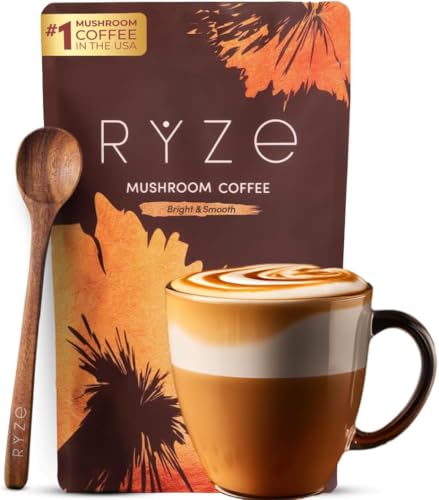
RYZE Mushroom Organic Instant Coffee
Strengths
- Supports focus and energy
- No jitters or crash
- Convenient instant format
Trade-offs
- Earthy aftertaste
- Not a true specialty coffee
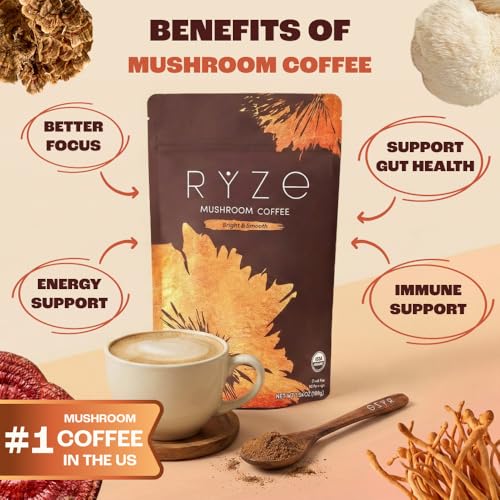
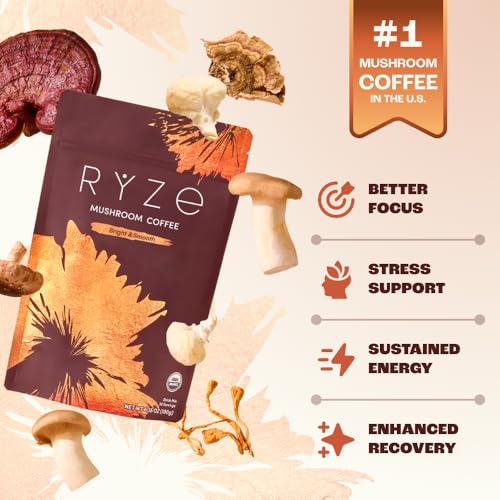
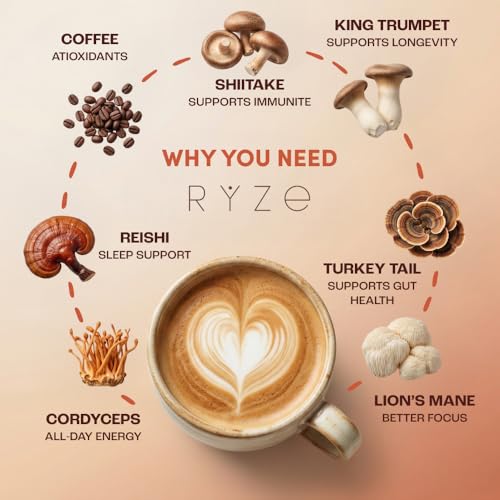
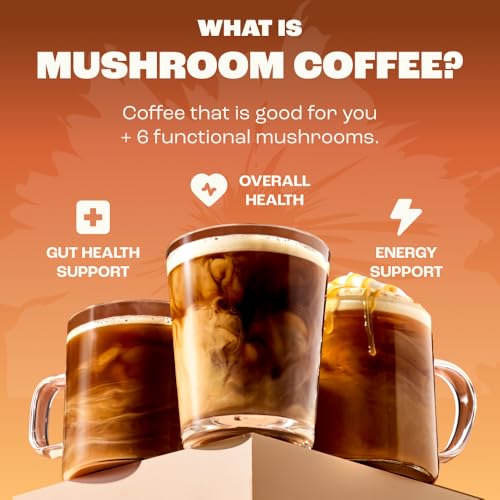
RYZE Mushroom Coffee isn’t just coffee, it’s a functional beverage designed for people who want energy and focus without the jitters. With 2000mg of six adaptogenic mushrooms per serving, including Lion’s Mane and Turkey Tail, it leans into the wellness trend with legitimate ingredients backed by traditional use. On paper, the USDA Organic instant format makes it convenient for travel or mornings on the go, and reviewers note it dissolves well and tastes like mild, slightly earthy coffee without overpowering mushroom flavor.
Still, it’s not a replacement for a high-quality specialty brew. Compared to Stumptown or Cameron’s, it lacks depth and roast complexity. But if you value cognitive support and clean energy over artisanal flavor, this is one of the better-executed mushroom coffees on the market. Just don’t expect a traditional coffee experience.
Product photos

Peet’s Organic French Roast Ground
Strengths
- Large bag size
- Consistent flavor
- Easy to brew
Trade-offs
- Ground form reduces freshness
- Less complexity than competitors
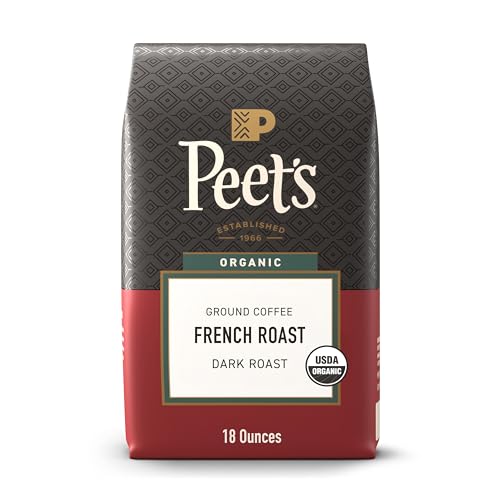
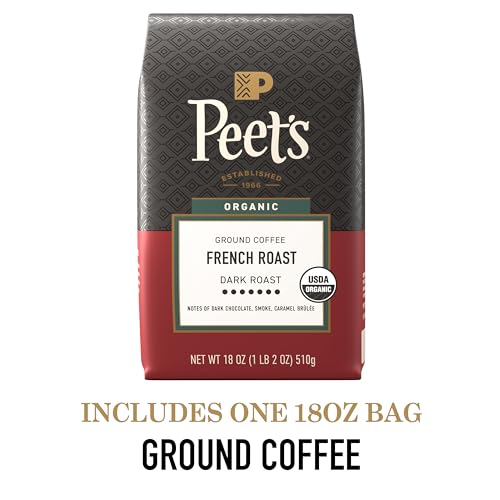
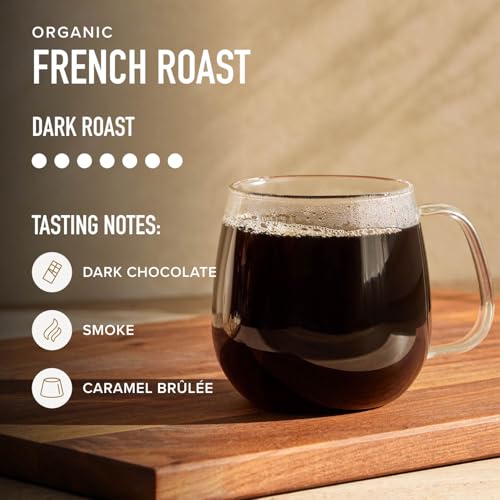
Peet’s Organic French Roast is a solid budget-friendly dark roast that delivers a dependable, smoky-chocolate profile with minimal fuss. At 18 ounces, it offers more volume than most premium organic roasts, and the ground format makes it accessible for drip coffee drinkers who don’t own a grinder. The flavor, smoke, caramel, chocolate truffle, is classic French roast territory, though it lacks the nuance of Mayorga’s slow-roasted Cubano or the depth of Kicking Horse.
Owners appreciate its consistency and price-to-quantity ratio, but some note it can taste a bit flat compared to whole bean alternatives. It’s not the most exciting choice, but for office kitchens or households that go through coffee fast without wanting to splurge, it’s a smart, practical pick.
Product photos
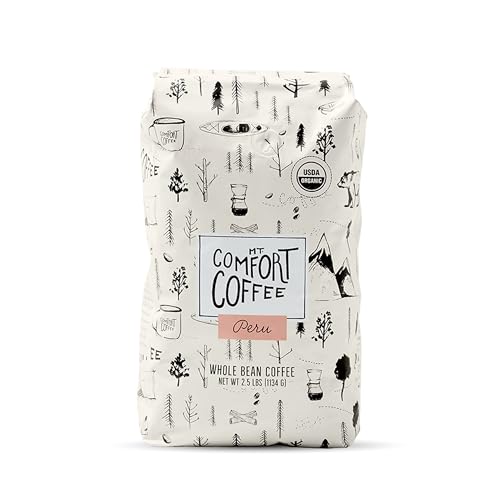
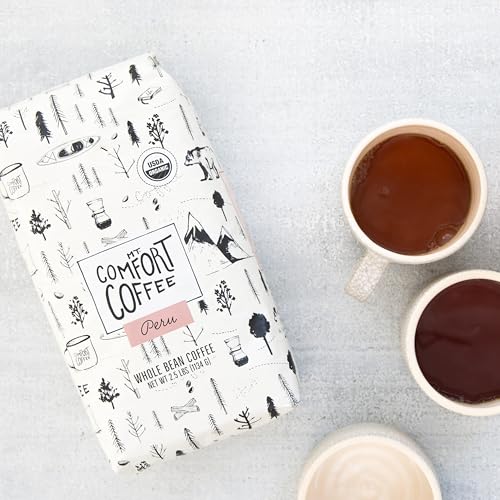
Mt. Comfort Organic Peru Roast
Strengths
- Excellent bulk value
- Single-origin clarity
- Smooth balanced flavor
Trade-offs
- Packaging not resealable
- Less bold than dark roast fans may like
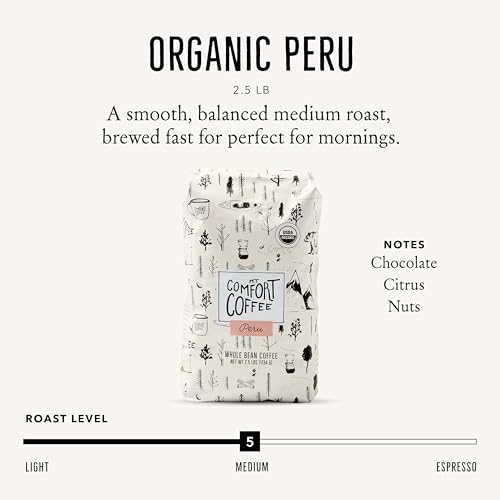
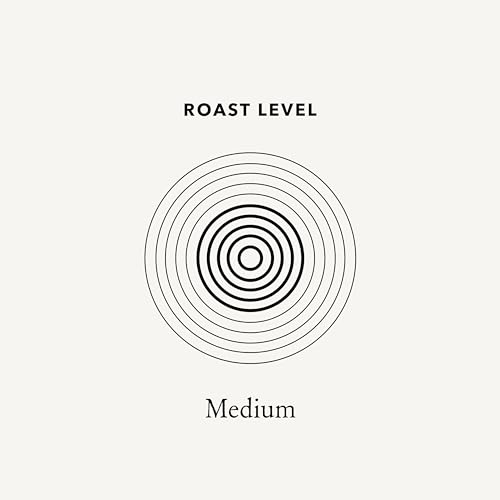
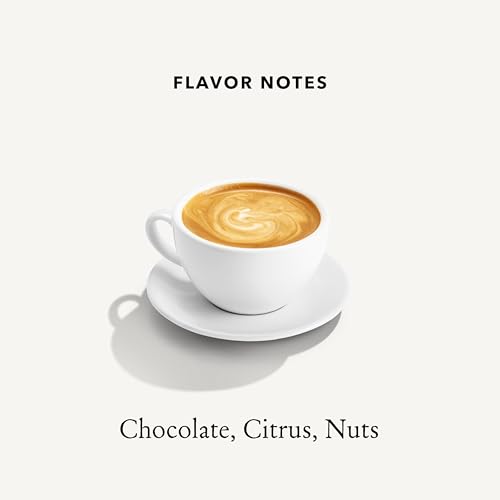
With a 2.5-pound bag, Mt. Comfort’s Organic Peru roast is built for high-volume use without sacrificing quality. The medium roast brings out balanced notes of nutty chocolate and citrus, and owners consistently report a clean, smooth cup that holds up whether you drink it black or with cream. Being whole bean helps preserve freshness, and the Peruvian single-origin profile offers more transparency than many blends in this price range.
It’s not as flashy as Stumptown or as rich as Cameron’s Scandinavian Blend, but it’s remarkably consistent for the price. Compared to Amazon Fresh’s smaller Peru roast, this gives better value for regular drinkers. If you need a reliable, ethically sourced workhorse coffee for the office or family kitchen, this is one of the smarter buys.
Product photos
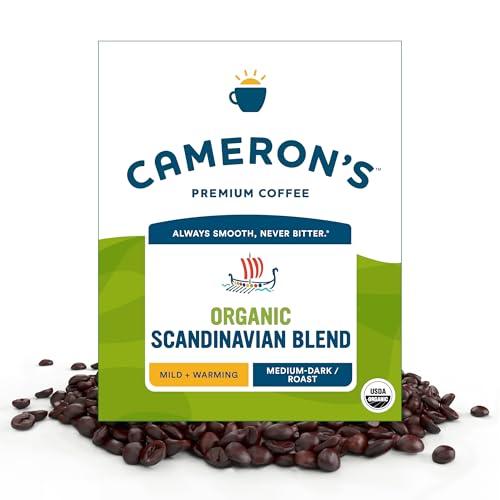
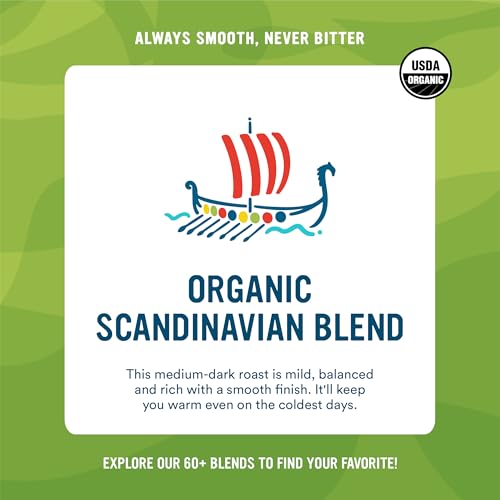
Cameron’s Organic Scandinavian Blend
Strengths
- Premium bean selection
- Large 4 lb bag
- Smooth rich flavor
Trade-offs
- Higher upfront cost
- Limited flavor brightness
Cameron’s Organic Scandinavian Blend is, in my view, the best overall pick among organic options, especially for those who want quality, volume, and consistency in one package. The 4-pound bag is ideal for heavy users, and the medium-dark roast strikes a near-perfect balance: rich and warming without tipping into bitterness. Reviewers highlight its smooth, flavorful profile and the fact that only the top 10% of beans are selected, which shows in the clean, robust cup.
Compared to Mt. Comfort or Peet’s, it offers better bean selection and roasting precision. It’s also fully whole bean, so you control the grind. The commitment to small-batch roasting and sustainability adds credibility. If you’re willing to pay a bit more upfront for a coffee that delivers day after day, this is the smarter long-term buy.
Product photos



Amazon Fresh Organic Peru Whole Bean

Strengths
- Fair Trade certified
- Convenient availability
- Decent flavor for price
Trade-offs
- Small bag size
- Limited complexity
Amazon Fresh’s Organic Peru roast is a no-surprise, no-frills entry that punches above its price point for a store brand. At 12 ounces, it’s small compared to bulk options, but the whole bean format preserves freshness, and the medium roast delivers a fragrant, smooth cup with mild citrus and nutty notes. Being both USDA Organic and Fair Trade certified adds ethical weight, and since it’s roasted in the USA, quality control is consistent.
It won’t wow connoisseurs the way Stumptown or Cameron’s might, but for an everyday, easy-to-find option, especially if you’re already shopping on Amazon, it’s a solid pick. Compared to the larger Mt. Comfort Peru roast, it’s less economical but more convenient for trial or light use.
Product photos


How We Evaluated organic coffee
As the founder of Bean Thusiast, I approached researching organic coffee by first compiling a detailed list of available brands and then comparing their published specifications – roast level, origin, processing methods, and certifications. I then weighed owner reviews from multiple sources, focusing on recurring themes in taste descriptions, freshness concerns, and value perceptions. Finally, I incorporated insights from respected coffee reviewers and blogs, applying my years of experience to assess each coffee’s overall profile and potential appeal. Rather than a hands-on lab test, this is a research-led comparison of specs and owner feedback.
For organic coffee specifically, I prioritized three key factors: flavor complexity, sourcing transparency, and roast quality. Flavor is paramount, as organic certification alone doesn’t guarantee a delicious cup. Transparency – knowing where the beans come from and the farmer partnerships – speaks to ethical practices. Finally, a precise and consistent roast is crucial to unlocking the coffee’s full potential and avoiding under- or over-extraction, especially when considering options like smooth organic cold brew.
Specifications reliably indicate origin and roast level, but assessing flavor nuances and freshness demanded a deep explore owner feedback. Users frequently described subtle flavor notes that aren’t always apparent from product descriptions. Reputation, as evidenced by consistently positive reviews from independent sources, also played a role in judging a brand’s commitment to quality and sustainable practices. I found that consistently positive feedback regarding freshness indicated a commitment to quick turnaround from roast to delivery, and sometimes pointed to superior packaging too.
How To Pick The Right organic coffee
Finding truly good organic coffee can be a surprisingly complex undertaking. It’s about more than just a label; it’s about farming practices, roast quality, and ultimately, the flavor in your cup.
Organic coffee aims to minimize environmental impact and promote biodiversity through sustainable farming. Key aspects to examine include certification (USDA Organic is the gold standard), bean sourcing transparency, roast date (freshness matters!), and flavor notes that align with your preferences. A good product will prioritize these elements to deliver a high-quality, ethically sourced experience.
Roast Level & Flavor
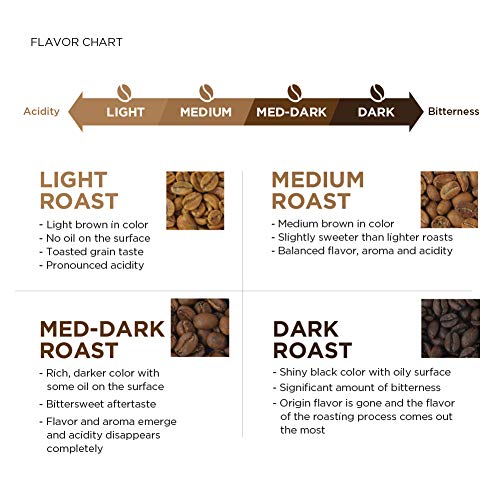
I often tell people that roast level is the single biggest influence on coffee flavor. Many assume “organic” means a light, bright acidity, but that’s simply not the case. Organic coffee beans can be roasted across the entire spectrum, from light and floral to dark and intensely chocolatey. Don’t limit yourself. If you prefer a bolder cup, explore French or Italian roasts, even within the organic space. Conversely, if you enjoy more nuanced flavors, look for lighter roasts that highlight the bean’s origin characteristics. Don’t be afraid to experiment with different roasts to discover what suits your palate.
Bean Origin & Processing
The origin of the bean dramatically affects the flavor profile. Similar to how wine varies based on terroir, coffee beans from different regions boast distinct characteristics. For example, a organic single-origin coffee from Ethiopia might exhibit bright, fruity notes, while beans from Sumatra often deliver earthy, full-bodied flavors. Beyond origin, the processing method (washed, natural, honey) also plays a role. Washed coffees tend to be cleaner and brighter, while natural processed coffees are often fruitier and more complex.
- Washed: Produces a clean, consistent cup. Good for highlighting acidity.
- Natural: Generally leads to a sweeter, more complex flavor. Can be inconsistent if not done well.
- Honey: A middle ground, offering a balance of sweetness and clarity. Often a great entry point for exploring processing methods.
Value & Convenience
Organic coffee frequently carries a premium price tag, and that’s understandable given the stricter farming standards. However, “organic” doesn’t automatically equate to “expensive.” Consider your consumption habits. If you drink coffee daily, a larger bag, like the Mt. Comfort Organic Peru Roast, can offer significant savings. If you are looking to explore top organic coffee brands, remember that ground coffee is convenient but whole bean is almost always fresher.
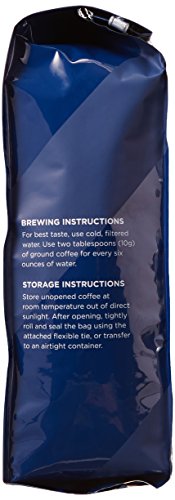
A general rule of thumb: Always check the roast date, not just the “best by” date. Coffee begins to lose flavor rapidly after roasting, so aim for beans roasted within the past two weeks for optimal freshness.
Organic Coffee Compared
Here’s a comparison of key specifications for various organic coffee options.
| Product Name | Roast Level | Bean Type | Size (oz) | Certification | Grind Type |
|---|---|---|---|---|---|
| Cameron’s Organic Scandinavian | Medium Dark | Arabica | 64 | Organic | Whole Bean |
| Mayorga Organic Cafe Cubano | Dark | Arabica | N/A | Organic | Whole Bean |
| Stumptown Holler Mountain | Medium | Arabica | 12 | Organic | Whole Bean |
| Mt. Comfort Organic Peru | N/A | Arabica | 40 | Organic | Whole Bean |
| Peet’s Organic French Roast | Dark | Arabica | 18 | Organic | Ground |
| Amazon Fresh Organic Peru | Medium | Arabica | 12 | Organic, Fair Trade | Whole Bean |
| RYZE Mushroom Organic | N/A | N/A | N/A | Organic | Instant |
| Kicking Horse Kick Ass | Dark | Arabica | N/A | Organic | Ground |
Frequently Asked Questions
What’s the difference between USDA Organic and other organic certifications?
USDA Organic is the most reliable certification because it’s backed by a rigorous set of standards and inspections. Other certifications exist, but they may have less stringent requirements, so looking for the USDA Organic seal provides the strongest guarantee of adherence to organic farming practices.
Can organic coffee really taste different than conventionally grown coffee?
Yes, organic coffee can exhibit different flavor profiles. The focus on soil health and biodiversity in organic farming often leads to beans with more complex and nuanced flavors compared to those grown with synthetic fertilizers.
Is organic coffee always fair trade?
No, organic and fair trade are separate certifications. While many organic coffee brands also pursue fair trade certification to further support ethical sourcing, it isn’t automatic. Look for the Fair Trade Certified label if that’s a priority for you.
What’s the best way to store organic coffee beans to maintain freshness?
Store whole bean best organic whole bean coffee in an airtight container at room temperature, away from direct sunlight, heat, and moisture. Avoid storing beans in the refrigerator or freezer, as condensation can affect their flavor.
I see “best by” dates on bags, but what should I really be looking for?
Ignore the “best by” date and prioritize the roast date. Coffee flavor degrades quickly after roasting, so aim for beans roasted within the past two weeks for the most vibrant and flavorful cup.
The Bottom Line
Choosing the “best” organic coffee always comes down to balancing your priorities – are you willing to pay a bit more for exceptional flavor, or are you looking for a reliable, everyday brew? For the best overall experience, I recommend the Cameron’s Organic Scandinavian Roast. It consistently receives high marks for flavor complexity and freshness, offering a well-rounded cup that appeals to a wide range of palates.
If you’re on a tighter budget, the Mt. Comfort Organic Peru is an excellent choice, providing a sizable bag of quality organic coffee at a very competitive price. For those wanting a quick and convenient option, RYZE Mushroom Organic is a unique offering. But if you’re specifically after a bold, dark roast, the Mayorga Organic Cafe Cubano delivers a robust and authentic Cuban coffee experience.
Ultimately, the most important factors are freshness (always check that roast date!) and finding beans that match your preferred roast level and flavor profile. Don’t get too caught up in certifications or fancy processing methods; a well-roasted, freshly-ground bag of organic Arabica coffee beans from a reputable source will always provide the most satisfying cup.
