
Espresso Grounds vs Coffee Grounds | Key Differences Explained
Espresso grounds vs coffee grounds differ only in grind size. Espresso requires a fine powder for high-pressure, short extraction. Coffee grounds are coarser for slower, gravity-based methods like drip. Using the wrong grind for your machine causes poor extraction, bad flavor, or equipment jams.
Most people get this wrong because they think “espresso” is a type of bean. It is not. You can make espresso from any coffee bean. The real variable is the grind setting on your machine.
This guide breaks down the physical science, tackles the caffeine myth, and shows you how to choose and use the right grounds for your brewer. We’ll also cover what to do with them after the cup is empty.
Key Takeaways
- There is no such thing as an “espresso bean.” Espresso is a brewing method. Any coffee bean, from a light blonde roast flavor to a dark blend, can be ground for espresso.
- Grind size is everything. Fine espresso grounds create resistance for a 25–30 second pressurized extraction. Coarse coffee grounds allow water to flow freely for a 3–5 minute gravity brew.
- A shot of espresso has less total caffeine than a mug of coffee. A 1oz espresso shot contains about 63mg of caffeine. An 8oz cup of drip coffee contains about 120mg.
- Spent grounds are a valuable resource. Peer-reviewed studies confirm used coffee grounds improve soil structure and water retention as a compost amendment.
- Using the wrong grind breaks your routine. Fine grounds in a drip machine clog the filter and over-extract. Coarse grounds in an espresso machine blast through in 10 seconds, producing sour, weak coffee.
Why Grind Size Dictates Everything
The grind is the most important variable you control after buying the beans. It is the primary governor of extraction. Water dissolves flavors from the surface of coffee particles. Finer grounds have more total surface area exposed to water, which means extraction happens very quickly.
For espresso, grounds must be fine enough to create 9 bars of pressure resistance inside the portafilter, forcing hot water through a dense puck in 25–30 seconds. For drip methods, grounds must be coarse enough to let water pass through by gravity over several minutes without over-extracting and turning bitter.
This is why grind size importance is the first lesson in brewing. A blade grinder pulverizes beans unevenly, creating a mix of powder and boulders. This inconsistent particle size causes uneven extraction—some parts over-extract (bitter), some under-extract (sour). A burr grinder crushes beans between two surfaces to a uniform size, which is non-negotiable for espresso and highly recommended for any serious coffee.
TL;DR: Fine grind for pressure (espresso). Coarse grind for gravity (drip). Consistency matters more than you think.
The “Espresso Bean” Myth Debunked
Walk into any grocery store and you’ll see bags labeled “espresso roast.” This is marketing, not botany. The label typically indicates a darker roast profile that the roaster believes will taste good as espresso—often favoring chocolatey, low-acidity notes that stand up to milk.
But a dark roasted Arabica bean from Colombia and a light roasted single-origin Ethiopian bean are both just coffee seeds. You can grind either one to espresso fineness and pull a shot. The shot from the light roast will be brighter and more acidic; the shot from the dark roast will be heavier and more bitter. Both are valid espresso.
The YouTube transcript from a coffee educator puts it plainly: “At the heart of it, espresso beans are blends of coffee that are designed specifically by that roaster to taste the best when brewed as espresso.” The roaster’s intent is the only difference. You are not locked in.
This matters when you buy pre-ground coffee. A bag labeled “espresso grind” contains finely ground coffee, suitable only for an espresso machine. If you try to use it in your drip machine, you will get a clogged, bitter mess. Conversely, “drip grind” in an espresso machine will flow like water and taste sour and weak.
Common mistake: Buying “espresso roast” beans and using a coarse grind for French press — the dark roast notes will dominate and taste ashy without the high-pressure extraction to balance them.
Espresso vs. Coffee: A Side-by-Side Breakdown
The confusion stems from mixing up the beverage, the bean, and the grind. This table separates the concepts.
| Aspect | Espresso | Drip / Pour-Over Coffee |
|---|---|---|
| Brewing Method | High pressure (8–9 bars), forced through a fine puck. | Gravity, water passively flowing through a coarse bed. |
| Grind Size | Very fine, like table salt or powdered sugar. | Medium-coarse, like rough sand or sea salt. |
| Extraction Time | Short (25–35 seconds for a double shot). | Long (3–5 minutes for a full cycle). |
| Coffee-to-Water Ratio | High (1:2 – e.g., 18g coffee to 36g espresso). | Lower (1:15 – e.g., 20g coffee to 300g water). |
| Resulting Beverage | Concentrated, syrupy, with crema. Served in small doses. | Dilute, lighter body. Served in larger mugs. |
| Typical Machine | Espresso machine (e.g., Breville Barista Express). | Drip machine, pour-over cone, French press. |
The grind size is the direct physical cause of every other difference in the right column. A finer grind increases surface area and resistance, demanding high pressure to push water through. That high-pressure, fast extraction pulls out different compounds than a slow, gentle soak.
This is also why comparing the beverages is tricky. An Americano (espresso diluted with hot water) and a cup of drip coffee brewing may look similar, but their flavor structures are built differently from the ground up.
The Caffeine Confusion, Settled
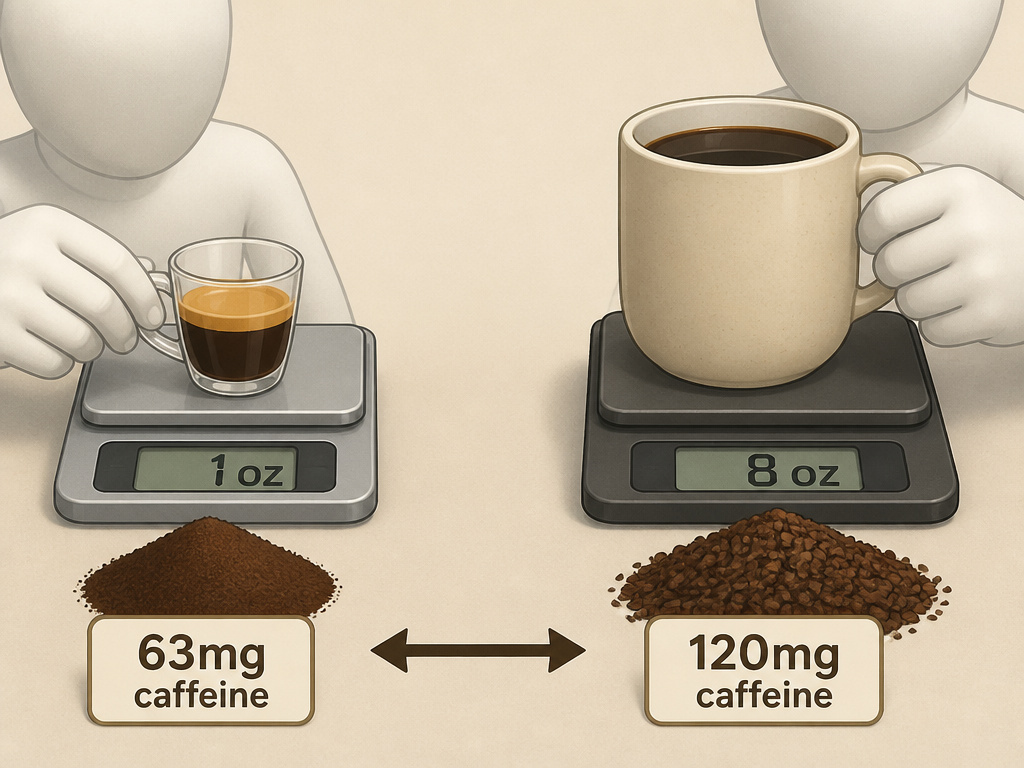 Let’s end this. A single 1oz shot of espresso contains approximately 63 milligrams of caffeine. An 8oz cup of drip coffee contains roughly 120 milligrams. Ounce for ounce, espresso is more concentrated. But you drink a tiny ounce of espresso versus a full mug of coffee.
Per the YouTube transcript analysis: “A shot of espresso is one ounce and it’s about 63 milligrams of caffeine per ounce… coffee is about 15 milligrams per ounce but that’s an 8 ounce cup… so coffee has about twice as much caffeine as that shot of espresso.”
Most people feel espresso is stronger because the caffeine hits your system faster in a concentrated bolus, and the intense flavor creates a powerful sensory experience. But if your goal is maximum caffeine, a regular cup of coffee delivers more. For a deeper dive, the specifics of espresso caffeine content are worth exploring.
The type of bean influences this too. A robusta bean has nearly double the caffeine of an arabica bean. A dark roast has slightly less caffeine by weight than a light roast because the roasting process burns off some caffeine, but the difference is marginal—roughly a 5% variance. The brew method and serving size are the dominant factors.
What to Do With Spent Grounds (It’s Not Just Compost)
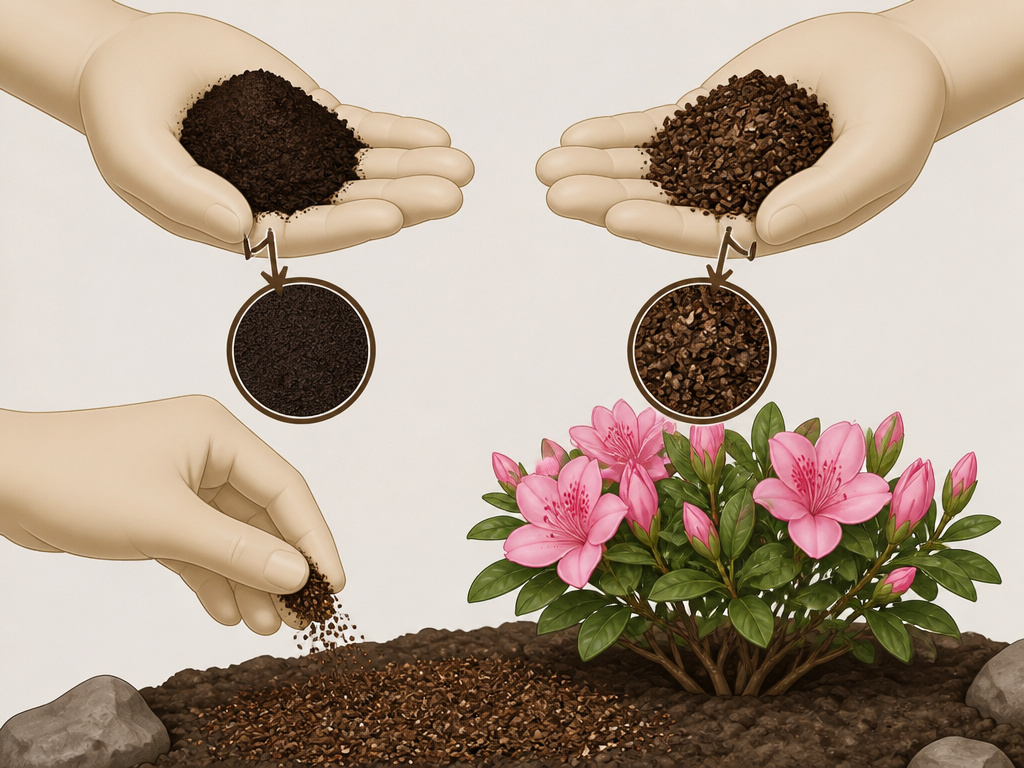 After brewing, you’re left with wet, spent grounds. They are not waste. The peer-reviewed science is clear: spent coffee grounds are a superb soil amendment. A study in the Journal of Agricultural and Food Chemistry found they improve soil quality and promote plant growth, especially in acidic soils.
They are slightly acidic (pH around 6.5) and rich in nitrogen, potassium, and phosphorus. They also improve soil structure and water retention. Let the grounds dry out on a tray to prevent mold, then sprinkle them in your garden or add them to your compost pile. Do not bury thick clumps of wet grounds directly around plant stems; they can form a water-resistant barrier.
The other frontier is biofuel. Research in Bioresource Technology identifies spent coffee grounds as a promising feedstock for biodiesel production, containing 10–15% oil by weight. That’s for the scientists, but it underscores this isn’t just garden filler.
| Use Case | How-To | Why It Works |
|---|---|---|
| Compost Addition | Mix dried, spent grounds into your compost bin. | Adds nitrogen, a key component for compost heating and decomposition. |
| Soil Amendment | Sprinkle a thin layer of dried grounds around acid-loving plants like azaleas. | Lowers soil pH slightly and improves moisture retention. |
| Natural Deodorizer | Place dried grounds in a bowl in the fridge or freezer. | The porous carbon structure of grounds absorbs odors. Replace weekly. |
| Gentle Abrasive | Mix with a little soap to scrub greasy pots or grill grates. | The granular texture scours without harsh chemicals. Rinse thoroughly. |
If you use paper coffee filters, you can compost the entire puck, filter and all, provided you use unbleached filters. It all goes back to the earth.
Frequently Asked Questions
Can I use espresso grounds in a regular coffee maker?
No. Espresso grounds are too fine. They will clog the paper filter, cause water to overflow, and result in extremely over-extracted, bitter coffee. Always use a grind size matched to your brewer.
What happens if I use coffee grounds in an espresso machine?
The coffee will be far too coarse. Water will blast through the puck in under 10 seconds, producing a pale, sour, and weak shot with no crema. It will also likely make a mess as the loose grounds don’t form a proper puck.
Does espresso have more caffeine than coffee?
Per volume, yes. Per serving, no. A 1oz espresso shot has about 63mg of caffeine. An 8oz cup of drip coffee has about 120mg. You get more total caffeine from the mug of coffee.
Are there specific beans for espresso?
No. “Espresso roast” is a dark roast profile chosen for its flavor when brewed under pressure. You can use any bean for espresso. Lighter single-origin profiles will yield brighter, fruitier shots.
Can I reuse coffee grounds?
Do not re-brew them. All the desirable flavors are extracted in the first pass. Re-brewing yields a flat, bitter, and unpleasant cup. However, you can repurpose the spent grounds for compost, gardening, or deodorizing.
Before You Go
Forget the idea of “espresso beans.” Your focus should be on fresh, whole beans and a quality grinder. Match your grind size to your machine: fine for pressure, coarse for gravity. That single choice determines success or failure.
Remember that a shot of espresso and a mug of coffee are different experiences, with different caffeine deliveries. Choose based on the moment you want, not on a myth.
Finally, don’t just toss the spent grounds. Their journey isn’t over. Dry them and give them a second life in your garden. It closes the loop, from seed to cup to soil. That’s the real finish.
