
Coffee and Period Cramps: Does It Help? The Surprising Answer
This post contains affiliate links. As an Amazon Associate, we earn from qualifying purchases.
No, coffee does not directly help with period cramps. The latest scientific consensus, including a 2023 meta-analysis in the Journal of Obstetrics and Gynaecology Research, finds no significant link between caffeine consumption and the severity of primary dysmenorrhea. For some individuals, caffeine may even worsen discomfort through vasoconstriction or by amplifying anxiety and gastrointestinal issues.
Most advice you find online starts from a flawed premise. It assumes caffeine is a universal villain for menstrual pain because it can constrict blood vessels. That mechanistic possibility gets turned into a blanket prohibition. The real story is messier, more personal, and far more interesting.
This guide cuts through the noise with data from recent peer-reviewed studies. We’ll look at what the science actually says, explain why individual responses vary wildly, and give you a clear framework to run your own experiment. Your body is the only lab that matters.
Key Takeaways
- A 2021 cross-sectional study in BMC Women’s Health and a 2023 meta-analysis found no statistically significant association between caffeine intake and menstrual pain severity for the general population.
- Caffeine causes vasoconstriction, which could theoretically reduce uterine blood flow and increase cramping, but this effect is highly individual and dose-dependent.
- The anxiety and digestive side effects of caffeine (like bloating or coffee-induced diarrhea) are more likely culprits for worsened period symptoms than the cramps themselves.
- Authoritative health bodies like the U.S. Office on Women’s Health and the Mayo Clinic list reducing caffeine as one of many potential self-care tips, not a primary treatment.
- The only way to know your personal response is to track your intake and symptoms across multiple cycles, guessing based on online lists is a waste of time.
What the Latest Research Actually Says
Forget the blog posts. Look at the journals. The 2023 meta-analysis pulled together data from multiple studies to see if caffeine moved the needle on period pain. Its conclusion was clear: current evidence doesn’t support a link.
A systematic review and meta-analysis published in the Journal of Obstetrics and Gynaecology Research in 2023 evaluated multiple studies on caffeine consumption and primary dysmenorrhea. The aggregated data showed no statistically significant association between caffeine intake and the severity of menstrual pain across the studied populations.
The 2021 study in BMC Women’s Health reached the same place from a different angle. Researchers looked at caffeine intake and pain scores in a group of young women. No significant connection emerged.
These are population-level studies. They tell us that, on average, a woman drinking coffee isn’t making her cramps objectively worse according to the metrics used. They don’t tell you about your specific Tuesday morning.
The older, often-cited theory hinges on vasoconstriction. Caffeine narrows blood vessels. The uterus needs solid blood flow during menstruation. Reduce that flow, the theory goes, and the muscle contractions become more painful due to localized oxygen deprivation. It’s a mechanically plausible story. But plausible doesn’t mean predominant. For many, the effect is too minor to register against the background noise of hormones and prostaglandins.
TL;DR: Large-scale studies find no average link between caffeine and worse cramps, but the vasoconstriction mechanism means your personal experience could still be different.
Why You Keep Hearing That Coffee Makes Cramps Worse
The vasoconstriction theory is sticky. It’s a simple, direct cause-and-effect chain that’s easy to explain. When you combine that with two other very real effects of caffeine, you get a powerful, if misleading, narrative.
First, caffeine reliably increases anxiety in susceptible people. Periods already heighten emotional sensitivity for many. Adding a stimulant that ramps up heart rate and nervous energy can make the entire experience feel more intense and unbearable. You’re not necessarily feeling more uterine contraction pain; you’re feeling more distress, which colors everything.
Second, coffee is a notorious gastrointestinal agitator. It stimulates bowel movements and can cause gas and bloating. During menstruation, the gut is often more sensitive due to shared nerve pathways and hormonal shifts. The bloating and cramping from your colon can blend with uterine cramps, creating a compounded sensation of abdominal misery. If you’re prone to coffee’s laxative effect, that’s another layer of physical discomfort to manage.
| Symptom | Likely Caused By | Often Mistaken For |
|---|---|---|
| Increased anxiety & irritability | Caffeine’s stimulant effect on the central nervous system | Worsening uterine cramp pain |
| Abdominal bloating & gas | Coffee’s impact on digestion & gut motility | Increased menstrual cramping |
| Diarrhea or loose stools | Caffeine’s stimulation of colon muscles | General period-related discomfort |
| Heart palpitations | Caffeine’s effect on heart rate & blood pressure | Anxiety from PMS |
The advice to cut caffeine isn’t wrong because of these side effects. It’s wrong because it blames the primary muscle spasms when the real issue is often the supporting cast of symptoms.
The Individual Sensitivity Factor
Science deals in averages. You live in your body. This is where the “it depends” answer is the only honest one. Your genetics, your usual caffeine tolerance, your stress levels, and even your diet that week change the equation.
Some people are fast metabolizers of caffeine. Their livers clear it quickly, minimizing the duration of vasoconstriction. Others are slow metabolizers; a single cup in the morning can affect their circulation well into the afternoon. You won’t know which you are without paying attention.
Hormonal birth control also changes the game. It alters the hormonal landscape of your cycle, which can modulate both cramp severity and your body’s response to stimulants. A woman on the pill who swears coffee ruins her period might have a completely different experience if she switches methods or stops hormonal contraception.
Then there’s the dose. The studies look at caffeine consumption, not whether someone had a single espresso versus a full pot of drip coffee. The difference between 80mg and 300mg of caffeine is the difference between a slight nudge and a shove.
Common mistake: Assuming the study result for a population applies directly to you, your neurochemistry, metabolism, and cycle are unique. A population finding of “no link” doesn’t guarantee “no effect” for you personally.
How Caffeine Might Actually Help (For Some)
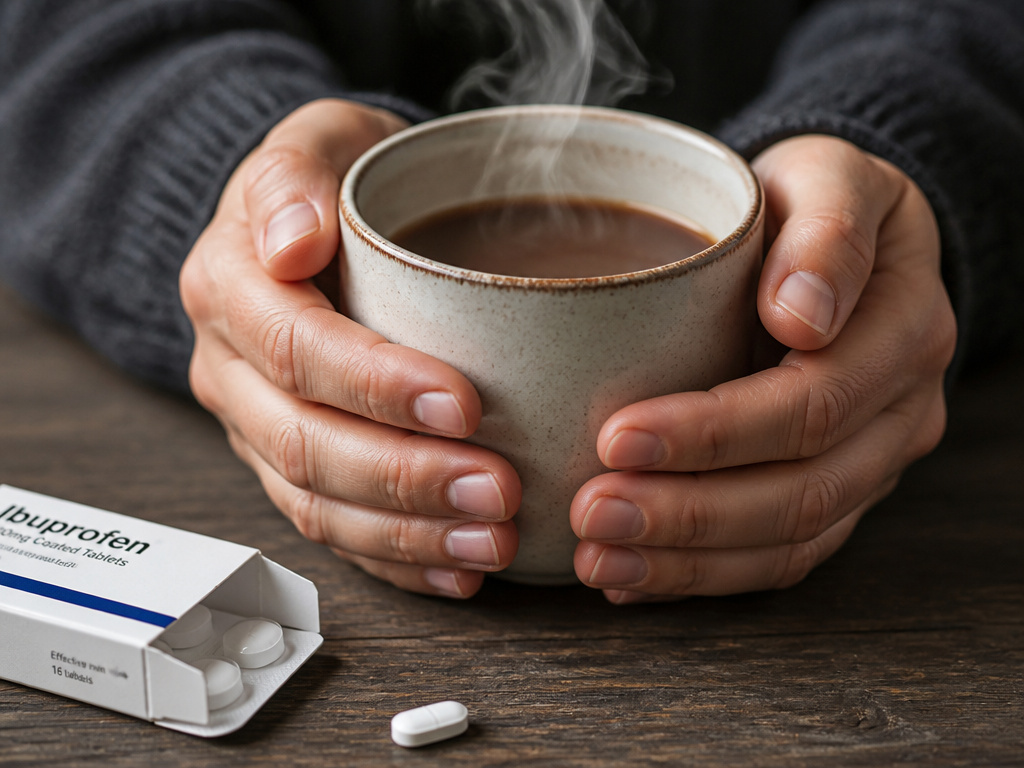
Flip the script. For a subset of people, that morning coffee could be a net positive during their period. It comes down to two things: pain perception and the brutal reality of fatigue.
Caffeine is a well-established adjuvant in over-the-counter pain relievers. It’s not a painkiller itself, but it can enhance the effectiveness of drugs like ibuprofen or acetaminophen. If you’re already taking medication for cramps, having caffeine in your system might help it work better.
More directly, menstrual fatigue is real. The drop in estrogen and progesterone can sap your energy. When you’re exhausted, pain tolerance plummets. Everything hurts more. A moderate amount of caffeine can cut through that fatigue, giving you the mental and physical bandwidth to manage the discomfort. You’re not numbing the pain; you’re raising your capacity to handle it.
The ritual matters, too. The warmth of the mug in your hands, the familiar smell, the few minutes of quiet focus, these are small comforts. In a week that can feel like your body is betraying you, maintaining a comforting ritual has psychological value. Replacing your coffee with a cup of hot water just isn’t the same.
Running Your Own Personal Experiment
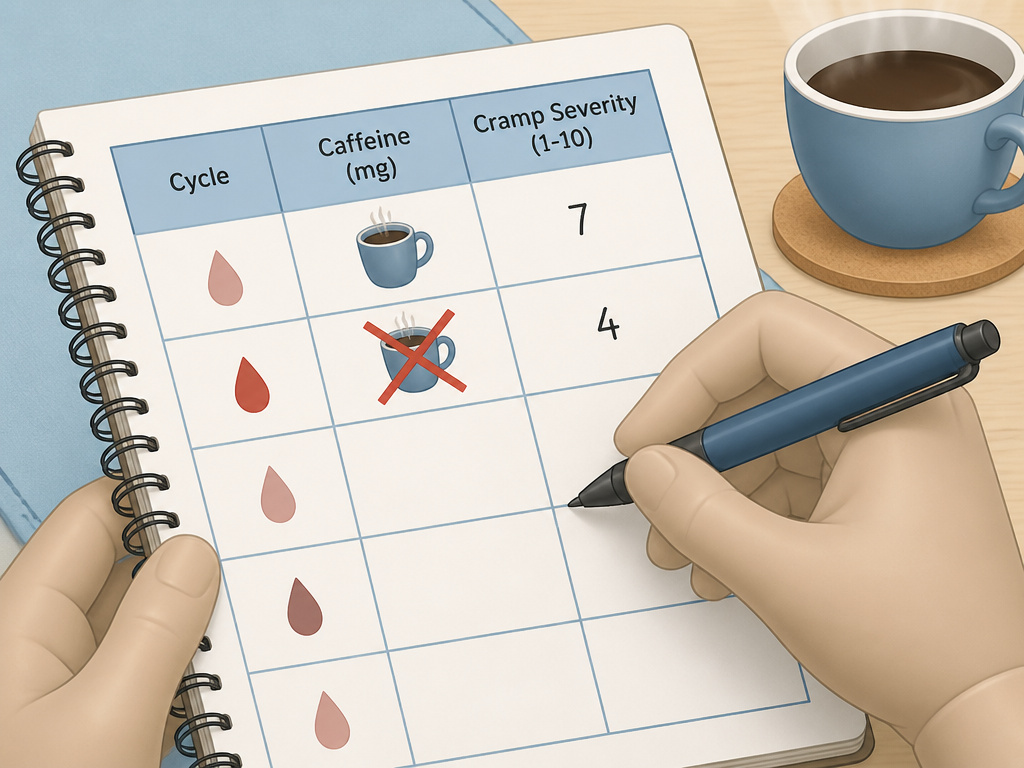
Guessing stops here. You need data, not dogma. This is a simple three-cycle tracking plan that will give you a real answer.
Cycle 1: Baseline. Live your normal life. Drink your usual coffee, tea, or soda. Each day, jot down two things: your total estimated caffeine intake (one cup of coffee ~100mg, a soda ~40mg, etc.) and a 1-10 rating for cramp severity. Don’t change anything. This cycle establishes your normal pattern.
Cycle 2: Elimination. Start 3-4 days before your expected period. Cut out all caffeine. That means coffee, black tea, green tea, energy drinks, dark chocolate, and most sodas. Switch to herbal tea, decaf (check the label, some has trace caffeine), or hot water with lemon. Continue tracking your cramp severity score. Note any changes in anxiety, bloating, or sleep.
Cycle 3: Reintroduction. After your period ends, go back to your normal caffeine habits. Track again. This cycle tells you if the elimination made a difference or if the previous cycle was just a fluke.
Look for patterns, not single days. Did your average cramp score drop during the elimination cycle? Did your anxiety scores go down? Did you miss the ritual more than the caffeine? This data is yours. It trumps any article.
I tracked this for three months after reading the 2021 study. My baseline cramp score averaged a 6. During elimination, it dropped to a 5, but my mood scores plummeted and my productivity at work suffered. The trade-off wasn’t worth it for me. Now I stick to one strong cup in the morning and avoid afternoon coffee the week before my period.
Alternatives and Adjustments (Not Just Elimination)
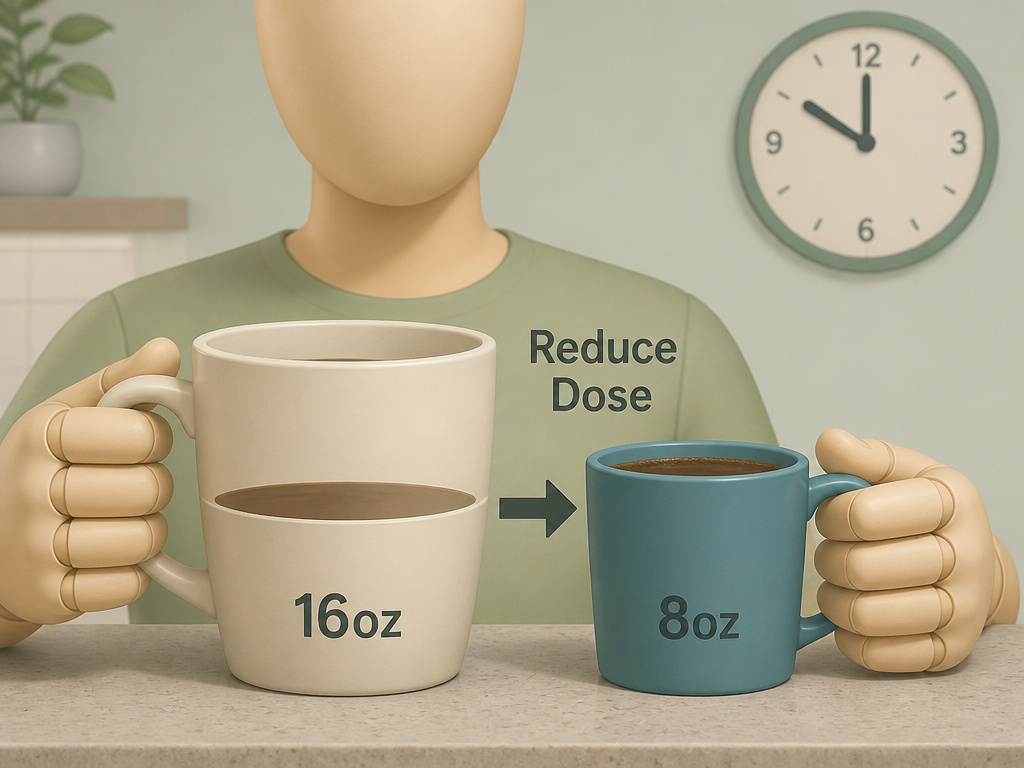
If your experiment shows caffeine is a problem, you don’t have to quit cold turkey or forever. The goal is symptom management, not punishment.
First, reduce rather than remove. Switch from a 16-ounce brew to an 8-ounce one. Or move your coffee intake later in the day, so the caffeine peak doesn’t coincide with your worst cramp hours. The half-life of caffeine is about 5-6 hours.
Second, consider what you’re putting in the coffee. If you’re using it to mask fatigue, maybe you need to address sleep or iron levels instead. If bloating is the issue, switching to a low-calorie coffee addition like almond milk might help more than ditching caffeine.
Third, explore substitutes that offer comfort without the stimulant. A warm cup of ginger tea has anti-inflammatory properties that can directly target cramping. A cinnamon coffee blend uses less coffee but keeps the spice ritual. For an energy boost without the jitters, green tea provides a smaller amount of caffeine paired with L-theanine, which promotes calm focus.
| Strategy | Mechanism | Best For |
|---|---|---|
| Reduce dose (smaller cup, single shot) | Lowers total caffeine load, minimizing vasoconstriction | People who suspect a dose-dependent effect |
| Delay intake (coffee after 10 AM) | Shifts caffeine peak away from morning cramp intensity | Those with cramps that ease by mid-morning |
| Switch to tea (green or black) | Provides lower, smoother caffeine with antioxidants | Individuals sensitive to coffee’s acidity or jitters |
| Use anti-inflammatory additives (ginger, cinnamon) | Targets prostaglandin pathways directly | Anyone looking for direct cramp relief alongside their beverage |
Frequently Asked Questions
Should I avoid coffee completely during my period?
Probably not, unless your personal tracking data clearly shows a benefit from doing so. The blanket advice to avoid coffee is not supported by population-level evidence. For many, the cognitive and ritual benefits outweigh any minor negative effect. Start by tracking, not by arbitrarily cutting out something you enjoy.
Can decaf coffee help with period cramps?
Decaf coffee still contains small amounts of caffeine (usually 2-5mg per cup), so it won’t be a perfect test for caffeine elimination. However, if you’re mostly sensitive to the acidity or other compounds in coffee, switching to decaf could help with gastrointestinal symptoms like bloating. The warm ritual remains, which has its own value.
How long before my period should I cut caffeine to see if it helps?
If you’re running an experiment, start 3-4 days before your expected period. This covers the premenstrual phase when prostaglandin levels begin to rise and cramps often start. A shorter window might not give your body enough time to adjust and clear the caffeine.
Does caffeine make PMS worse?
It can. Caffeine can amplify anxiety, irritability, and breast tenderness, all common PMS symptoms. This is distinct from its effect on uterine cramps. If your PMS is primarily emotional, cutting back on caffeine might bring more relief than it would for physical cramping.
I get a headache if I skip coffee. Won’t that make my period worse?
Absolutely. Caffeine withdrawal headaches are real and potent. Adding a pounding withdrawal headache to menstrual cramps is a recipe for a terrible day. If you experiment with cutting caffeine, taper off slowly over a week rather than stopping abruptly. Or, consider doing your experiment at a time when you can manage a potential headache, like a weekend.
Before You Go
The relationship between coffee and cramps is not a simple on/off switch. Large studies say there’s no average link, but your nervous system doesn’t care about averages. The vasoconstriction mechanism is real but not universally dominant. Side effects like anxiety and bloating often do more harm than the caffeine does to your uterine muscle directly.
Your best path forward is to become your own researcher. Track your intake and symptoms for a few cycles. The data you collect will be more valuable than any generic article, including this one. Let your personal experience, guided by the broader science, make the call. Keep the ritual if it serves you. Adjust it if it doesn’t. Your coffee habit should work for you, especially during your period.
