
Coffee & Kidney Stones: Does Your Brew Cause Them or Prevent?
Coffee does not cause kidney stones. Large-scale scientific reviews, including a 2020 meta-analysis of over 500,000 people, find higher coffee consumption is linked to a lower risk of developing stones. The key protective mechanisms are increased urine volume from its mild diuretic effect and a potential increase in urine citrate, an inhibitor of stone formation.
The confusion starts with two facts that seem to contradict each other. Coffee is a plant product that contains oxalate, the compound that forms most kidney stones. It also makes you pee. People hear “diuretic” and assume dehydration, and dehydration is a prime driver for stones. So the logic seems to check out. It doesn’t.
This guide breaks down the research you can cite, explains why the oxalate in your mug isn’t the villain, and shows where the real dietary risks are hiding.
Key Takeaways
- The largest studies show a protective link. A 2020 meta-analysis in the European Journal of Clinical Nutrition and a 2021 review in the Journal of Nephrology both concluded that higher coffee and caffeine intake are associated with a lower risk of kidney stones.
- Oxalate content is a red herring. The oxalate in coffee is poorly absorbed by your body. Only about 2-5% of dietary oxalate ends up in urine, and coffee contributes a trivial amount compared to spinach, nuts, or beets.
- The diuretic effect is weak and beneficial. Caffeine is a mild diuretic, but regular drinkers develop a tolerance. The net effect is a boost in total daily urine volume, which dilutes stone-forming minerals. This is good.
- Your additives are the real problem. Loading coffee with sugar, syrups, or high-oxalate creamers introduces known risk factors. The risk isn’t the coffee; it’s the dessert you turned it into.
- Black tea is different. Unlike coffee, black tea is high in absorbable oxalate and lacks coffee’s citrate-boosting effect, which may explain why some studies link it to a higher stone risk.
The Research Is Clear: Coffee Lowers Risk
Forget the old wives’ tales. The modern answer to “does coffee cause kidney stones” comes from pooling data on hundreds of thousands of people over years. The signal is consistent.
A 2020 systematic review and meta-analysis published in the European Journal of Clinical Nutrition, which synthesized data from 13 prospective cohort studies and 516,929 participants, found a statistically significant inverse association. The study’s authors stated: “higher coffee consumption was significantly associated with a lower risk of kidney stones.”
The Springer Nature meta-analysis on caffeine intake from 2022 reached the same conclusion after reviewing ten studies. It found caffeine intake was “inversely associated with the risk of incident kidney stones.” In plain English, more caffeine correlated with fewer stones. This isn’t a single quirky study. It’s the consensus from the highest levels of nutritional epidemiology.
The proposed mechanisms are physical, not magical.
– Increased Urine Output: Coffee’s mild diuretic effect increases total fluid excretion. More urine volume means minerals like calcium and oxalate are more diluted, making it harder for them to crystallize.
– Citrate Boost: Some research suggests coffee may increase the excretion of citrate in urine. Citrate is a natural stone inhibitor, it binds to calcium, preventing it from joining with oxalate.
TL;DR: The weight of evidence from massive population studies leans heavily toward coffee being protective, not causative, for kidney stones.
The Oxalate Paradox in Your Cup
Yes, coffee beans contain oxalate. A typical 8-ounce cup has about 7-10 mg. Spinach has over 600 mg per half-cup cooked. The critical difference is bioavailability, how much your gut actually absorbs.
Oxalate in coffee is largely insoluble and bound to other compounds. Your digestive system grabs very little of it. Studies on oxalate absorption show that only a tiny fraction of dietary oxalate, generally between 2% and 5%, ever makes it into your bloodstream to be filtered by the kidneys. The vast majority passes through you unchanged.
| Food/Drink | Approximate Oxalate Content | Absorption Potential | Net Kidney Impact |
|---|---|---|---|
| Brewed Coffee (8 oz) | 7–10 mg | Very Low | Negligible |
| Black Tea (8 oz) | 10–50 mg | Moderate | Potentially Relevant |
| Spinach (1/2 cup cooked) | 600–750 mg | High | High |
| Almonds (1 oz) | 120–150 mg | Moderate | Moderate |
This table shows why fretting over coffee’s oxalate is misguided. You would need to drink ten cups of coffee to ingest the oxalate in a single handful of almonds, and you’d still absorb less of it. The real dietary offenders are the high-oxalate, high-absorption foods you eat in bulk.
Common mistake: Swapping coffee for black tea to reduce caffeine, black tea often contains more absorbable oxalate and lacks the potential citrate-boosting effect of coffee, which could be a net negative for stone risk.
Why the “Diuretic” Argument Falls Apart
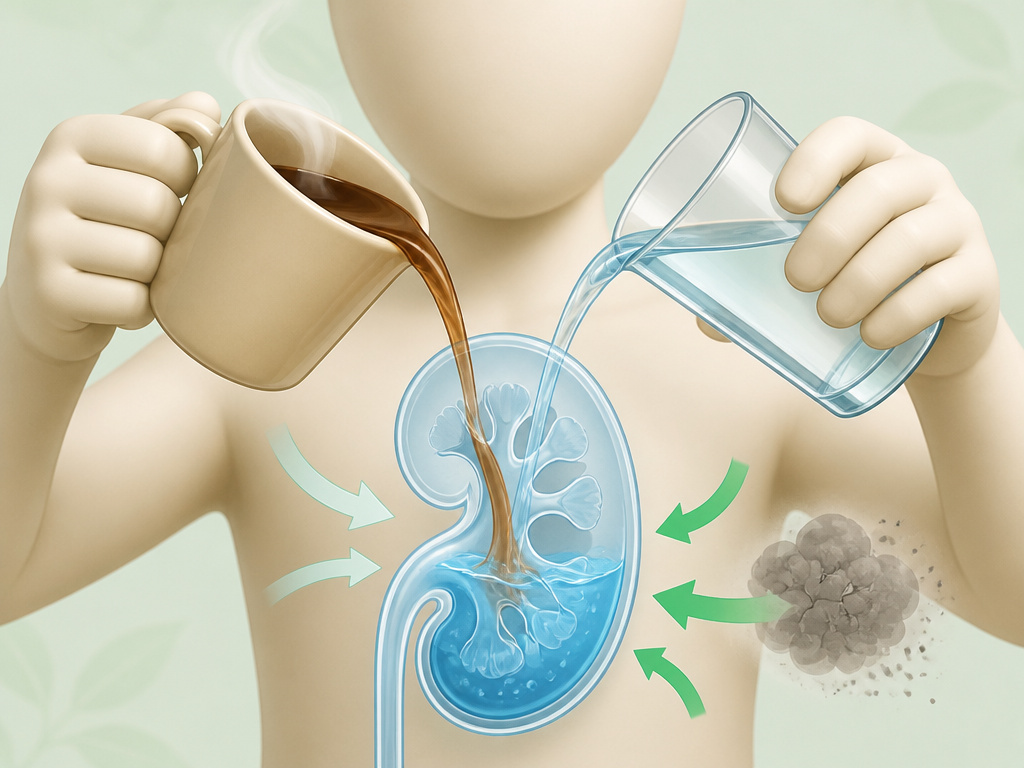
The fear is simple: diuretic equals dehydration equals concentrated urine equals stones. This logic applies to a person who never drinks coffee, then has a double espresso. For a regular drinker, the body adapts.
Caffeine’s diuretic effect is mild and transient. Within 3-5 days of consistent intake, your body develops a tolerance to this effect. The result is that the water you drink with your coffee, and the water in the coffee itself, still counts toward your daily fluid intake. The net result is that coffee drinkers often have a higher total daily urine output than non-drinkers. That’s the goal for stone prevention.
The National Institutes of Health (NIH) notes that fluid intake is the most important dietary factor in preventing kidney stones. It doesn’t single out coffee as a harmful fluid. The NIH study on kidney stone risk on beverage consumption groups coffee with other fluids that contribute to total volume.
Before you start: If you have a history of kidney stones, your total daily fluid intake is non-negotiable. Coffee can be part of that fluid budget, but it cannot be the entirety of it. The baseline is enough water to produce at least 2.5 liters of pale urine per day.
If you drink three cups of coffee and no water, you will become dehydrated. That’s a problem with your overall hydration strategy, not a property of coffee. This is also why paying attention to other aspects of your coffee and digestive issues matters, as gut health and fluid balance are linked.
What Actually Increases Your Risk While Drinking Coffee
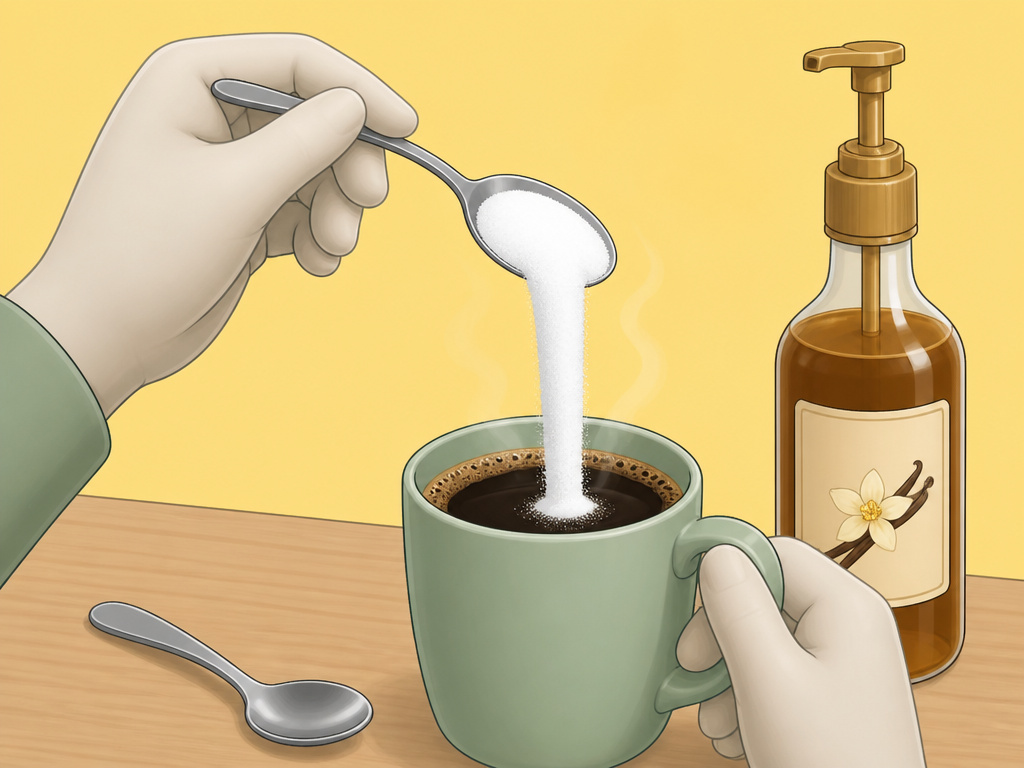
The coffee itself is likely neutral or helpful. The extras you pour into it are not. This is where personal habit audits matter.
- Sugar Overload: Adding multiple teaspoons of sugar, flavored syrups, or drinking pre-sweetened bottled frappuccinos spikes insulin and increases urinary calcium excretion. High urinary calcium is a major risk factor for calcium-based stones. This habit also contributes to weight gain, another independent risk factor.
- Certain Creamers: Some non-dairy creamers, especially those made with almonds or soy, can be high in oxalate. You might be adding a significant oxalate source to a low-oxalate beverage.
- Using It To Replace Water: This is the behavioral error. If you feel thirsty and reach for coffee every time, you’re likely falling short on plain water. Your urine color is the tell. It should be pale yellow, not dark.
Managing these additives is more impactful for your long-term heart health and coffee habits as well, as excess sugar affects cardiovascular risk. It’s a holistic view.
Coffee vs. Other Beverages: A Stone Risk Comparison
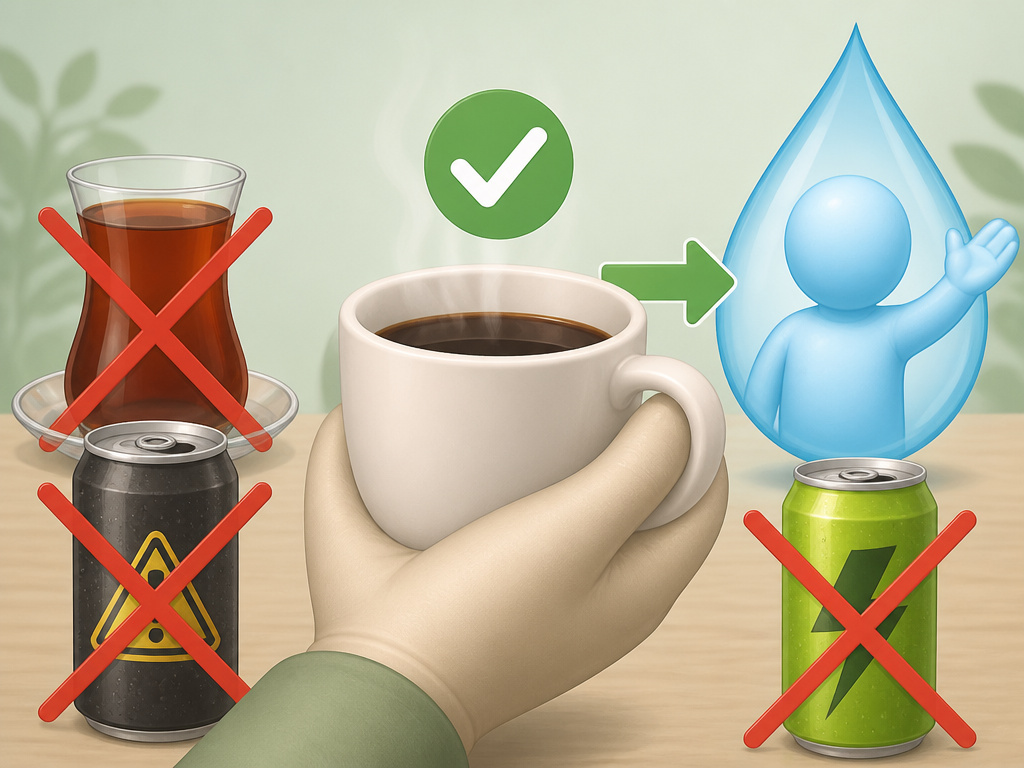
Not all drinks are equal. Placing coffee in context shows why it gets a pass where others don’t.
- Coffee vs. Black Tea: This is the most important comparison. As noted in the PubMed systematic review on tea and coffee, black tea is consistently associated with a higher risk of kidney stones in several studies. It’s higher in absorbable oxalate and doesn’t appear to share coffee’s potential citrate benefit. If you are stone-prone, this is a beverage to moderate.
- Coffee vs. Sugar-Sweetened Sodas: Sodas, especially those sweetened with high-fructose corn syrup, are strongly linked to increased stone risk. They increase urinary calcium and oxalate. Coffee is a far safer choice.
- Coffee vs. Energy Drinks: This isn’t close. The health impacts of energy drinks extend far beyond kidney stone risk due to their extreme sugar and stimulant blends, but they also contribute to dehydration and metabolic stress. Coffee is a simple, single-ingredient alternative.
- Coffee vs. Plain Water: Water is the gold standard. It hydrates with zero additives. Coffee is a complement to water, not a substitute. Think of it as a flavored, bioactive component of your total fluid intake.
For those exploring alternatives, understanding the acidity in coffee versus other drinks can help manage conditions like acid reflux, which is a separate issue from stone formation.
Frequently Asked Questions
I’ve had kidney stones before. Should I quit coffee?
Probably not, unless your urologist identifies it as a specific trigger for you (which is rare). The large population data suggests continuing moderate coffee intake is safe and may be protective. The priority is drinking at least 2.5 liters of total fluid daily, limiting sodium and animal protein, and moderating high-oxalate foods. Discuss your full diet with your doctor.
Does decaf coffee have the same effect?
The research is less robust, but it likely offers similar protection. Many of the beneficial compounds in coffee are not caffeine. The diuretic effect will be milder, but the potential citrate and fluid volume benefits remain. Decaf is a fine choice.
How much coffee is safe to drink?
Most studies showing benefit use “moderate” consumption as a benchmark, which is typically defined as 3-4 cups per day (up to 400 mg of caffeine). This aligns with general safe coffee consumption limits for healthy adults. Staying within this range as part of a balanced fluid intake is sensible.
Do other caffeinated drinks, like soda, also lower risk?
No. The protection appears specific to coffee and possibly tea (with the caveat about black tea). Sugar-sweetened caffeinated sodas are linked to higher risk. The benefit isn’t from caffeine alone; it’s from the unique matrix of compounds in the coffee bean.
What about iced coffee or cold brew?
The form doesn’t change the fundamental chemistry. Iced coffee, cold brew, and hot-brewed coffee all contain the same relevant compounds. Watch the additives, sweetened iced coffee drinks are often sugar bombs.
The Bottom Line
The science on coffee and kidney stones has moved on. The outdated fear that your morning brew will crystallize into a painful stone isn’t supported by the data from half a million people. Coffee contributes to your daily fluid goal and may actively help prevent stones through dilution and citrate.
The real risk isn’t in the cup; it’s in the sugar bowl, the syrup pump, and the habit of drinking coffee instead of water. Keep your coffee mostly black, drink water throughout the day, and pay attention to the high-oxalate foods on your plate. Your kidneys likely have no issue with your daily ritual. In fact, they might thank you for it.
{
“@context”: “https://schema.org”,
“@type”: “HowTo”,
“name”: “How to Assess Coffee’s Role in Kidney Stone Risk”,
“totalTime”: “PT10M”,
“tool”: [
{
“@type”: “HowToTool”,
“name”: “A 2020 meta-analysis from the European Journal of Clinical Nutrition”
},
{
“@type”: “HowToTool”,
“name”: “A 2021 meta-analysis from the Journal of Nephrology”
},
{
“@type”: “HowToTool”,
“name”: “NIH NIDDK dietary guidelines for kidney stones”
}
],
“step”: [
{
“@type”: “HowToStep”,
“name”: “Review the large-scale evidence”,
“text”: “Examine the findings of systematic reviews that analyzed data from over 500,000 participants, which show an inverse association between coffee consumption and kidney stone risk.”
},
{
“@type”: “HowToStep”,
“name”: “Understand the oxalate content”,
“text”: “Recognize that while coffee contains oxalate, the amount that reaches the kidneys is low due to poor absorption, and the beverage’s diuretic effect provides a stronger protective benefit.”
},
{
“@type”: “HowToStep”,
“name”: “Evaluate your personal additives”,
“text”: “Audit what you add to your coffee. High sugar intake from sweeteners and creamers is a more significant dietary risk factor for stone formation than the coffee itself.”
},
{
“@type”: “HowToStep”,
“name”: “Prioritize total fluid intake”,
“text”: “Ensure your daily coffee consumption is part of, not a replacement for, adequate water intake. Aim for a total fluid intake that produces at least 2.5 liters of urine per day.”
}
]
}
{
“@context”: “https://schema.org”,
“@type”: “FAQPage”,
“mainEntity”: [
{
“@type”: “Question”,
“name”: “I’ve had kidney stones before. Should I quit coffee?”,
“acceptedAnswer”: {
“@type”: “Answer”,
“text”: “Probably not, unless your urologist identifies it as a specific trigger for you (which is rare). The large population data suggests continuing moderate coffee intake is safe and may be protective. The priority is drinking at least 2.5 liters of total fluid daily, limiting sodium and animal protein, and moderating high-oxalate foods. Discuss your full diet with your doctor.”
}
},
{
“@type”: “Question”,
“name”: “Does decaf coffee have the same effect?”,
“acceptedAnswer”: {
“@type”: “Answer”,
“text”: “The research is less robust, but it likely offers similar protection. Many of the beneficial compounds in coffee are not caffeine. The diuretic effect will be milder, but the potential citrate and fluid volume benefits remain. Decaf is a fine choice.”
}
},
{
“@type”: “Question”,
“name”: “How much coffee is safe to drink?”,
“acceptedAnswer”: {
“@type”: “Answer”,
“text”: “Most studies showing benefit use \”moderate\” consumption as a benchmark, which is typically defined as 3-4 cups per day (up to 400 mg of caffeine). This aligns with general safe coffee consumption limits for healthy adults. Staying within this range as part of a balanced fluid intake is sensible.”
}
},
{
“@type”: “Question”,
“name”: “Do other caffeinated drinks, like soda, also lower risk?”,
“acceptedAnswer”: {
“@type”: “Answer”,
“text”: “No. The protection appears specific to coffee and possibly tea (with the caveat about black tea). Sugar-sweetened caffeinated sodas are linked to higher risk. The benefit isn’t from caffeine alone; it’s from the unique matrix of compounds in the coffee bean.”
}
},
{
“@type”: “Question”,
“name”: “What about iced coffee or cold brew?”,
“acceptedAnswer”: {
“@type”: “Answer”,
“text”: “The form doesn’t change the fundamental chemistry. Iced coffee, cold brew, and hot-brewed coffee all contain the same relevant compounds. Watch the additives, sweetened iced coffee drinks are often sugar bombs.”
}
}
]
}
