
What Is an Iced Americano? The Espresso & Ice Recipe Guide
This post contains affiliate links. As an Amazon Associate, we earn from qualifying purchases.
An iced americano is a cold coffee drink made by pouring hot espresso over cold water and ice. The standard recipe uses a double espresso shot (36-40g) with 100-120ml of cold water over a glass two-thirds full of ice. This instantly chills the espresso, creating a clean, bold flavor distinct from iced coffee or cold brew.
An iced americano is a cold coffee drink made by pouring a shot of hot espresso over cold water and ice. The standard barista ratio is a double shot of espresso (36-40g) combined with 100-120ml of cold water in a glass filled two-thirds with ice. This method instantly chills the espresso, preserving its clarity and creating a clean, bold drink distinct from iced coffee or cold brew.
Most people get this wrong by using the wrong water temperature or pouring in the wrong order. Hot water over ice melts it too fast, diluting the drink before the espresso even hits it. And using hot water instead of cold lets extraction continue as the drink cools, turning it bitter.
This guide breaks down the exact formula, why the sequence matters, and how to choose beans that won’t turn hollow once iced. You will also learn the barista trick with three drops of saline that cuts bitterness without adding sweetness.
Key Takeaways
- Use cold water, not hot. Hot water keeps extracting coffee solids as it cools, guaranteeing a bitter finish.
- The standard build is ice first, then cold water, then espresso. This order controls dilution and chilling speed.
- Light to medium roast beans work best. Very dark roasts lose their structure and taste flat when iced.
- A double shot of espresso (36-40g) to 100-120ml of cold water is the professional ratio for a 12 oz glass.
- For a cleaner taste, prefer washed or honey-processed coffees over natural processed for your espresso.
The Iced Americano Formula: Espresso, Water, Ice
The drink has three components, but their temperature and order are the entire game. Get them right and the drink is crisp and refreshing. Swap them and you get a watery, bitter mess.
The professional build from a six-year barista is this: ice, cold water, then espresso. You start with a 12 oz glass. Fill it two-thirds with ice. Add 100 to 120 milliliters of cold water. Pull a double shot of espresso, that’s 36 to 40 grams of liquid, and pour it directly over the water and ice. Stir once.
The standard iced americano build sequence is ice, then 100–120ml cold water, then a 36–40g double shot of espresso poured over the top. This order chills the espresso instantly and controls dilution better than adding hot water to melting ice.
Why cold water? Using hot water is the most common home mistake. When you add hot water to ice, it melts rapidly. You lose your chilling buffer before the espresso even arrives. More critically, hot water continues to extract soluble compounds from the espresso as the drink sits. By the time it’s cool enough to drink, it has over-extracted into bitterness. Cold water stops that process dead.
TL;DR: Build order is non-negotiable: ice, cold water, then hot espresso. Cold water prevents continued extraction and bitterness.
Espresso Shot Specs: The Foundation
Your iced americano is only as good as your espresso. A sour or bitter shot will not magically improve when poured over ice. It will just be a cold, sour or bitter drink.
Aim for a classic double shot: 18 to 20 grams of ground coffee in, yielding 36 to 40 grams of liquid espresso out in about 25 to 30 seconds. This is your benchmark. If you’re using a super-automatic or a moka pot, just pull your strongest, most concentrated coffee. The espresso shot is the engine.
This is where coffee grind consistency from a proper burr grinder pays off. An uneven grind from a blade creates channels. Your shot runs fast and sour. Over-ice, that sourness sharpens into a piercing acidity. A consistent grind from a burr grinder gives you control. You can dial in the espresso grind size to hit that 25-30 second window for a balanced base.
Water Volume and Ice Mass: The Dilution Balance
The water is not just a filler. It’s the diluent that turns an intense espresso shot into a long, drinkable beverage. The standard 100-120ml of cold water to 36-40g of espresso creates a drink strength similar to a well-brewed drip coffee, but with espresso’s distinct flavor profile.
The ice has two jobs: chill the drink and provide slow, controlled dilution as it melts. Too little ice and the drink is lukewarm. Too much and it’s watery before you finish it. Two-thirds of a 12 oz glass is the sweet spot. It provides enough thermal mass to chill the hot espresso immediately upon contact, which creates a slight, pleasing caramelization of the espresso’s surface oils. You miss that if you let the espresso cool first and then add ice.
Iced Americano vs. Every Other Cold Coffee Drink
The coffee shop menu is full of cold options. Knowing what sets an iced americano apart is the fastest way to know if it’s the drink for you.
| Drink | Base | Added Ingredients | Taste Profile |
|---|---|---|---|
| Iced Americano | Espresso | Cold Water, Ice | Clean, bold, espresso-forward, no dairy |
| Iced Coffee | Chilled Drip/Brewed Coffee | Ice, sometimes water | Softer, more rounded, can be tea-like |
| Cold Brew | Cold-steeped Coffee Concentrate | Water, Ice | Very smooth, low acidity, naturally sweet |
| Iced Latte | Espresso | Milk, Ice | Creamy, mild, espresso flavor muted by milk |
An iced americano is for the black coffee drinker who wants to taste the espresso. It has no milk, no sugar, and no syrup unless you add it. An iced coffee with milk is a different experience entirely. Compare it to its hot sibling, the traditional Americano, which uses hot water. The iced version is brighter and often more refreshing because the cold halts extraction, locking in brighter notes.
Common mistake: Ordering an iced americano expecting a creamy, sweet drink. It is espresso and water. For creamy and sweet, you want an iced latte or an iced caramel macchiato.
The confusion often comes from the name “long black” in some regions. Some cafes call an iced americano an “iced long black” if the espresso is poured over the water. The ingredients are identical. The naming is just semantics. In South Korea, the drink is so ubiquitous it’s called “Ah-Ah” (아아), a shorthand for “iced americano.”
TL;DR: An iced americano is espresso + water + ice. It’s not cold brew, not iced coffee, and not an iced latte. It’s the purest, most espresso-forward cold drink on the menu.
Why Your Iced Americano Tastes Watery or Bitter
Two complaints dominate: it’s weak and watery, or it’s harsh and bitter. Each points to a specific step failure.
A watery drink means your dilution is out of balance. You either used too much water, not enough espresso, or your ice melted too fast. Using hot water is the prime culprit for fast-melting ice. Ensure you’re using the 36-40g espresso to 100-120ml water ratio and building over a full glass of ice with cold water.
Bitterness is an extraction problem. It usually starts with the espresso shot itself. If your shot runs too long, over 35 seconds, it pulls out bitter, woody compounds. Pouring that over ice doesn’t fix it. The other source is, again, using hot water. As that hot water cools in the glass, it acts as a slow extraction bath for the espresso. The result is a bitter aftertaste that builds as you sip.
There’s a barista hack for this. A recipe from Hilda’s Kitchen Blog suggests adding three drops of saline solution to the hot espresso as you pour it over the ice. The salt ions block some of the bitterness receptors on your tongue. It doesn’t make the drink salty. It just removes the harsh edge, letting more of the coffee’s chocolate or fruit notes come forward. It’s a trick worth trying if you find your espresso-based drinks consistently bitter.
The Bean Choice: Your Most Important Decision
Not all coffee is meant to be iced. The cold temperature mutes flavors. Some coffees fall apart.
Very dark roasts are the worst offenders. That bold, smoky profile you love in a hot drink turns hollow and ashy when chilled. The body disappears, leaving a flat, one-dimensional taste. Light roasts can swing the other way. Their high acidity, which is bright and tea-like hot, can become sharp and sour over ice. They work, but they’re less forgiving.
The sweet spot is a light to medium roast. These roasts retain sweetness and structure when cold. A medium roast with chocolate or nutty notes will give you a smooth, balanced iced americano. For the best clarity, look for washed or honey-processed coffees. Natural processed beans can have intense fruitiness that sometimes ferments unpleasantly when iced. Washed coffees are cleaner.
This is where choosing your beans for iced drinks deliberately matters. A light roast coffee bean with citrus notes can make a stunning, refreshing iced americano if your espresso shot is perfectly balanced. A single-origin Arabica from Ethiopia or Colombia often shines.
| Roast Level | Hot Profile | Iced Result | Recommendation |
|---|---|---|---|
| Light Roast | Bright, acidic, tea-like | Can be sharp, sour, or pleasantly crisp | For experienced brewers; use washed process |
| Medium Roast | Balanced, sweet, chocolate/nutty | Smooth, balanced, reliable | The safest, most forgiving choice |
| Dark Roast | Bold, smoky, low acidity | Hollow, ashy, flat | Avoid for iced americanos |
How to Customize Your Iced Americano (The Right Way)
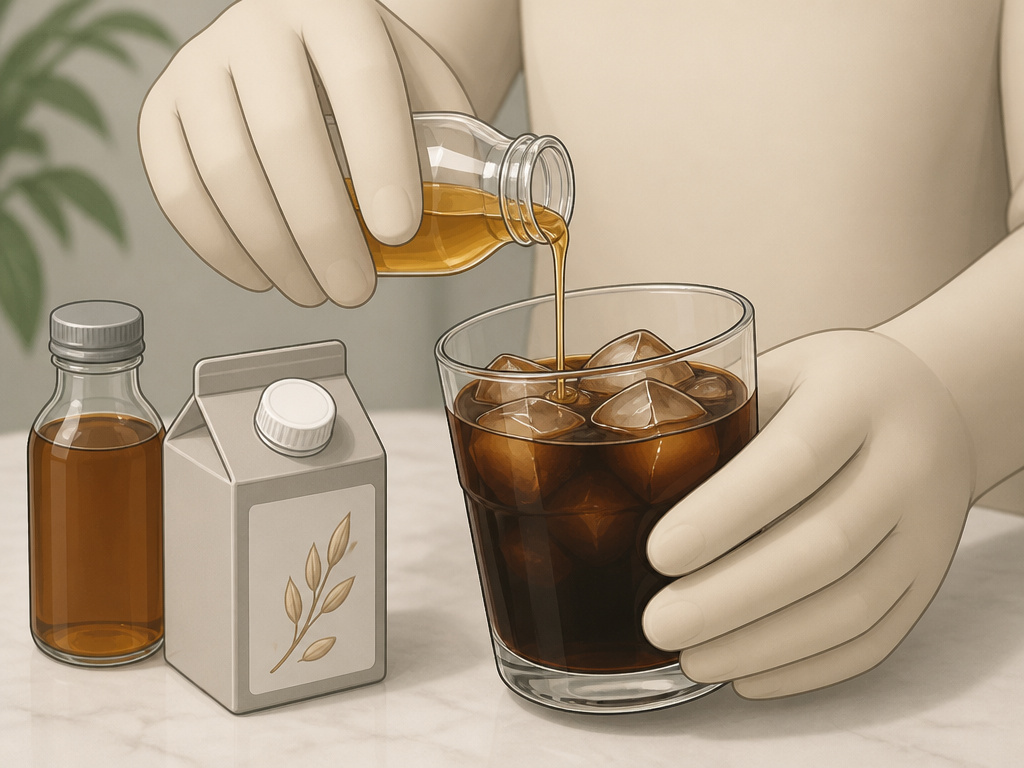
The classic drink is perfect in its simplicity. But you can tweak it. The goal is to enhance, not mask, the espresso.
If you want sweetness, add it thoughtfully. Simple syrup integrates better than granulated sugar, which can sink to the bottom. For a more complex sweetness, try a dash of brown sugar sweetener syrup. It adds a molasses note that pairs well with medium roasts.
For creaminess without dairy, a splash of a dairy-free milk alternative like almond or oat milk changes the drink entirely. It becomes closer to an iced latte, but with less milk. Start with a half ounce. You can also explore flavorings, a drop of vanilla extract or a twist of citrus peel. The key is restraint. You started with an iced americano to taste the coffee. Don’t drown it.
Some cafes offer variations like the “espresso tonic,” which swaps water for tonic water. It’s a different beast, bitter, sweet, and effervescent. That’s not an americano anymore, but it’s a delicious offshoot.
Frequently Asked Questions
Is an iced americano stronger than iced coffee?
Yes, in terms of flavor concentration and caffeine per ounce. An iced americano starts with straight espresso, which is more concentrated than drip coffee. However, a full 12 oz iced americano may have similar total caffeine content in espresso as a standard cup of drip iced coffee because it’s diluted with water.
Can I make an iced americano with cold brew?
No. That would be a cold brew diluted with water, which is just a different drink. An iced americano requires the specific taste of hot-extracted espresso poured over ice. The rapid cooling creates a distinct flavor profile that cold brew cannot replicate.
Why is it called an Americano?
The name dates to World War II. American soldiers stationed in Italy found espresso too strong. They diluted it with hot water to mimic the hot brewed coffee they drank back home. The “iced” version is a modern, cold-coffee-culture adaptation of that original drink.
Does the espresso shot go first or last?
For an iced americano, the espresso goes last. You build the glass with ice and cold water, then pour the hot espresso over the top. This is the standard method that best preserves the espresso’s character and controls dilution. Some argue for pouring espresso first for an “iced long black,” but the difference is minimal.
What’s the best coffee bean for an iced americano?
Choose light roast coffee beans or medium roast beans with a flavor profile for espresso that includes sweetness and clarity. Arabica beans from Central or South America, washed or honey processed, are a reliable starting point. Avoid very dark roasts.
Before You Go
An iced americano is a study in contrast: hot espresso meets cold water and ice. The method is simple, but the details, cold water, correct order, the right beans, separate a great one from a mediocre one. Remember the core ratio: a double shot of espresso over 100-120ml of cold water and a full glass of ice. This is the barista standard for a reason.
Skip the dark roasts. Lean on light to medium roasts for a drink that stays flavorful when chilled. If bitterness is your enemy, try the three-drop saline trick. It works. Whether you call it an iced americano, an iced long black, or “Ah-Ah,” the result should be the same: a clean, refreshing, and espresso-forward cold coffee that tastes like coffee first.
{
“@context”: “https://schema.org”,
“@type”: “HowTo”,
“name”: “How to Make an Iced Americano”,
“totalTime”: “PT5M”,
“tool”: [
{
“@type”: “HowToTool”,
“name”: “Espresso machine or Moka pot”
},
{
“@type”: “HowToTool”,
“name”: “Scale for measuring coffee and water”
},
{
“@type”: “HowToTool”,
“name”: “Glass (12 oz or 350 ml)”
}
],
“supply”: [
{
“@type”: “HowToSupply”,
“name”: “18-20g light to medium roast coffee beans”
},
{
“@type”: “HowToSupply”,
“name”: “100-120ml cold water”
},
{
“@type”: “HowToSupply”,
“name”: “Ice cubes”
}
],
“step”: [
{
“@type”: “HowToStep”,
“name”: “Prepare your glass”,
“text”: “Fill a 12 oz glass two-thirds full with ice cubes. Pour 100-120 ml of cold water over the ice.”
},
{
“@type”: “HowToStep”,
“name”: “Pull the espresso shot”,
“text”: “Grind 18-20g of coffee and pull a double shot of espresso, aiming for a 36-40g yield.”
},
{
“@type”: “HowToStep”,
“name”: “Combine and stir”,
“text”: “Immediately pour the hot espresso over the cold water and ice. Give it one firm stir to chill and combine.”
}
]
}
{
“@context”: “https://schema.org”,
“@type”: “FAQPage”,
“mainEntity”: [
{
“@type”: “Question”,
“name”: “Is an iced americano stronger than iced coffee?”,
“acceptedAnswer”: {
“@type”: “Answer”,
“text”: “Yes, in terms of flavor concentration and caffeine per ounce. An iced americano starts with straight espresso, which is more concentrated than drip coffee. However, a full 12 oz iced americano may have similar total caffeine content in espresso as a standard cup of drip iced coffee because it’s diluted with water.”
}
},
{
“@type”: “Question”,
“name”: “Can I make an iced americano with cold brew?”,
“acceptedAnswer”: {
“@type”: “Answer”,
“text”: “No. That would be a cold brew diluted with water, which is just a different drink. An iced americano requires the specific taste of hot-extracted espresso poured over ice. The rapid cooling creates a distinct flavor profile that cold brew cannot replicate.”
}
},
{
“@type”: “Question”,
“name”: “Why is it called an Americano?”,
“acceptedAnswer”: {
“@type”: “Answer”,
“text”: “The name dates to World War II. American soldiers stationed in Italy found espresso too strong. They diluted it with hot water to mimic the hot brewed coffee they drank back home. The \”iced\” version is a modern, cold-coffee-culture adaptation of that original drink.”
}
},
{
“@type”: “Question”,
“name”: “Does the espresso shot go first or last?”,
“acceptedAnswer”: {
“@type”: “Answer”,
“text”: “For an iced americano, the espresso goes last. You build the glass with ice and cold water, then pour the hot espresso over the top. This is the standard method that best preserves the espresso’s character and controls dilution. Some argue for pouring espresso first for an \”iced long black,\” but the difference is minimal.”
}
},
{
“@type”: “Question”,
“name”: “What’s the best coffee bean for an iced americano?”,
“acceptedAnswer”: {
“@type”: “Answer”,
“text”: “Choose light roast coffee beans or medium roast beans with a flavor profile for espresso that includes sweetness and clarity. Arabica beans from Central or South America, washed or honey processed, are a reliable starting point. Avoid very dark roasts.”
}
}
]
}
