
Find & Fix Common Mr Coffee Espresso Machine Parts That Fail
Knowing your Mr Coffee espresso machine parts starts with your model number, found on a sticker on the bottom or back of the unit. The essential components are the portafilter, filter holder, water reservoir, drip tray, and frothing wand, but their exact design varies by model like the ECMP30, BVMC-ECM171, or Café Barista.
Most owners realize a part is broken only when their morning espresso routine fails. The frustration isn’t just the breakdown—it’s not knowing what to call the broken piece or where it even is. You’re left staring at a puddle under the machine or a wand that won’t steam, guessing.
This guide maps every major part across popular Mr Coffee models. You’ll get the official names from the OEM manuals, learn what each part actually does, and see exactly what tends to fail first. We’ll cover how to clean them, spot early wear, and find replacements without buying a whole new machine.
Key Takeaways
- The model number is your key. Parts like portafilters and filter baskets are not universal across Mr Coffee models; an ECMP30 part won’t fit a BVMC-ECM171.
- The included coffee scoop doubles as a tamping or leveling tool on most models. Using a separate, heavier tamper can crack the plastic filter holder.
- The rubber filter seal is the highest-failure part. The ECMP30/33 manual explicitly says to remove the filter holder after cleaning if the machine won’t be used, as this “will lengthen the service life of the filter seal.”
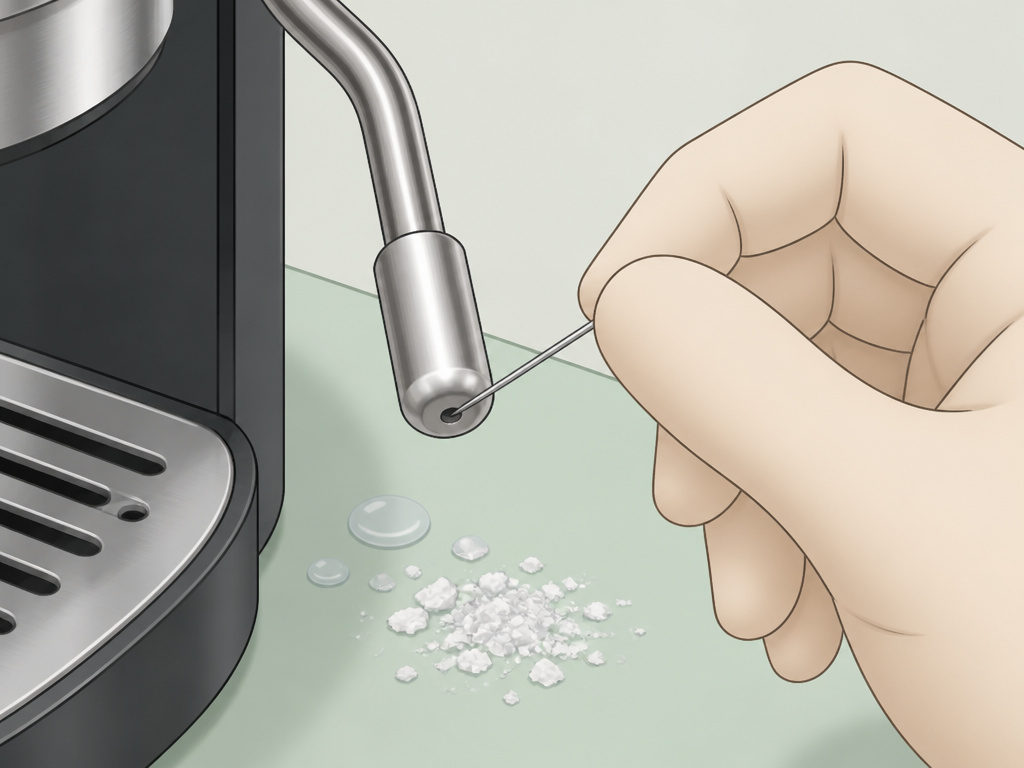
- Clogged frothing wands are a user-serviceable fix. A blocked steam tube can often be cleared with a sewing needle or safety pin, as per the manual, before you consider a replacement.
- Espresso output is small by design. A standard double shot from a Mr Coffee machine is 44 to 59 mL (1.5 to 2 oz). If you’re getting much more, it’s mostly hot water, indicating a possible issue with the brew head or over-extraction.
The Core Components of a Mr Coffee Espresso Machine
Head design changes the entire process. Look at the business end of your machine. While all Mr Coffee models share a basic architecture, the size, shape, and attachment methods of key components differ. Identifying yours correctly prevents ordering useless replacements.
The brew group consists of the portafilter, filter holder, and filter basket. This assembly locks into the brew head under pressure. The rubber gasket (filter seal) that makes this pressure-tight seal is the most common wear item, degrading from heat, coffee oils, and physical stress.
Your machine’s model number is the master key. Find it on a silver or white sticker on the bottom or back panel. This number, like ECMP30 or BVMC-ECM171, points you to the exact diagram in the official manual.
TL;DR: Match your model number to the correct manual. The portafilter, filter holder, and the rubber seal between them are your critical pressure-bearing parts.
Breaking Down the Brew Group: Portafilter, Holder, and Basket
The portafilter is the handled cup you lock into the machine. It holds the filter basket. On the BVMC-ECM171 Series, Mr Coffee calls this an “Extra Large Portafilter.” The Café Barista model includes both a single and double espresso filter basket. These baskets are interchangeable but specific to that model’s portafilter.
The filter holder (sometimes called the filter cup or filter thumb guard) is the plastic piece that seats inside the portafilter. The ECMP30 manual warns against leaving this piece inserted in the brew head after cleaning if the machine will sit idle. Moisture trapped against the hot brew head accelerates the degradation of the rubber seal. That seal is what fails, causing leaks down the front of your machine during a shot.
The included scoop isn’t just for coffee. On the ECMP30/33, it’s a dual-purpose scoop and tamping tool. The BVMC-ECM171 scoop is meant for leveling. Using a standard 58mm metal tamper from a prosumer machine will likely damage the lightweight plastic parts. The tamping force is wrong for the design.
Water and Steam Systems: Reservoir, Wand, and Controls
Water travels from the removable reservoir through a small internal pump and heating element. The reservoir has a cap and often a water level indicator. The heating element brings water to brewing temperature (around 93°C) or steam temperature (above 100°C).
The frothing wand, or steam nozzle, is where milk texturing happens. Models like the Café Barista have a frothing tube with a lever and a control knob. The ECMP30 has a steam/froth control knob and a removable frothing attachment. This is a high-maintenance part. Milk sugars caramelize and block the tiny steam outlet.
Common mistake: Not purging the steam wand after frothing — dried milk solidifies inside the tube within minutes, requiring a needle to poke through the clog.
The control panel varies. The ECMP30 has separate brew and steam buttons with indicator lights. The Café Barista uses a more automated control panel. Understanding which button controls the heating element for brewing versus the one that opens the steam valve is basic, but misusing them is a common first-day error.
Model-by-Model Parts Guide
Your ECMP30 parts list is not your neighbor’s Café Barista list. While they all make espresso, the components are shaped differently. This table shows the critical differences.
| Model Series | Key Identifying Parts | Unique Part Notes |
|---|---|---|
| ECMP30 / ECMP33 | Filter Thumb Guard, Removable Frothing Attachment, Brew/Steam Buttons | Includes a combined spoon/tamping tool. Steam tube hole is cleanable with a needle. |
| BVMC-ECM171 | Extra Large Portafilter, Measuring Pitcher, Frothing Pitcher, Removable Wand Cover | Scoop is a leveling tool. Cord storage is a listed part. |
| Café Barista | Cup Adjusting Tray, Milk Reservoir, Frothing Tube Lever, Single/Double Filters | Automated system with separate milk and water reservoirs. |
| ECM10 | Basic brew head, single-portafilter design | Simpler construction, often with a detailed “Diagram of Parts” in its manual. |
TL;DR: Cross-reference your model number with this table. What looks like a generic “portafilter” might be an “Extra Large Portafilter” specific to the BVMC-ECM171 series.
Mr Coffee ECMP30/33 Specific Parts
The ECMP30 manual lists every component. The water level indicator, steam nozzle, brew head, and removable drip tray are all called out. The pre-measured coffee scoop also functions as the tamping tool—that’s a specification, not a suggestion. Using a heavier tamper risks cracking the filter holder.
The frothing attachment is removable. This is for cleaning. The manual states that if the end of the steam tube becomes blocked with dry milk, a sewing needle or safety pin can be used to clean out the small hole. That’s a primary-source repair instruction most users miss.
De-liming frequency for this model depends on your water hardness. If you see scale flakes in your cup or the machine takes longer to heat, that’s the signal. The heating element is a sealed part; severe scale can destroy it, making the machine a write-off.
Mr Coffee BVMC-ECM171 Series Specific Parts
This series promotes its “Extra Large Portafilter.” It’s not just marketing. The larger basket changes the coffee dose and may affect extraction time compared to other models. The manual lists a measuring pitcher and a frothing pitcher as distinct parts. The wand has a removable plastic cover for safety and cleanliness.
The scoop here is a leveling tool. It’s not designed for heavy tamping. The portafilter locks in with a distinct feel. Forcing it can damage the retaining lugs on the brew head, a non-user-serviceable part that would require a full disassembly to replace.
Mr Coffee Café Barista Specific Parts
This is a more complex, automated system. Parts include a dedicated milk reservoir with a lid, a froth control knob, a frothing tube lever, and a cup adjusting tray. It uses specific single and double espresso filters that fit inside its proprietary portafilter.
The machine automates the milk frothing ratio. The manual explains that a cappuccino is 1/3 espresso, 1/3 steamed milk, and 1/3 frothed milk. A latte is about 1/4 espresso and 3/4 steamed milk. If your drink ratios are wrong, the issue could be with the milk reservoir intake or the frothing tube mechanism, not the brew group.
Common Parts and Their Troubles
A parts list is just names until something goes wrong. This table links common symptoms to the likely failing part.
| Symptom | Likely Faulty Part | Immediate Action |
|---|---|---|
| Water leaking from brew head during shot | Filter Seal (Gasket) | Remove filter holder after cleaning. Inspect seal for cracks/flatness. |
| No steam from wand, or weak steam | Clogged Steam Tube | Purge wand after use. Use a needle to clear the tip hole. |
| Machine won’t turn on | Power Switch / Internal Fuse | Check outlet. If internal, requires disassembly (see YouTube teardown). |
| Espresso tastes weak or watery | Clogged Filter Basket / Overworn Seal | Clean basket holes with pin. Check seal for proper compression. |
| Water not drawing from reservoir | Water Reservoir Valve / Intake Tube | Ensure reservoir is fully seated. Check for kinks in internal tubing. |
TL;DR: Leaks mean check the filter seal first. No steam means clean the wand tip with a needle. No power might mean a deeper electrical fault.
The Filter Seal: Your Most Likely Failure
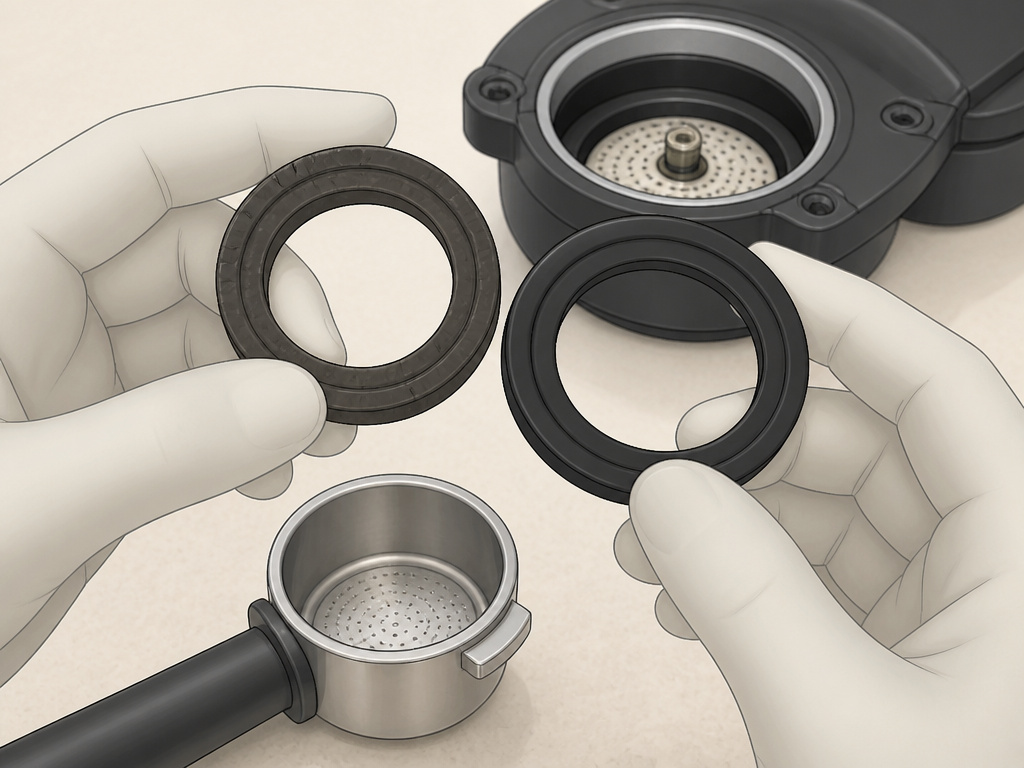
This rubber ring sits in the brew head. Every time you lock and unlock the portafilter, it compresses and scrapes. Heat and coffee oils make it brittle. A failed seal doesn’t hold pressure, so water bypasses the coffee puck and leaks down the group.
The fix is replacement, but the prevention is in the manual. For the ECMP30/33, it says not to reinsert the filter holder after cleaning if the machine won’t be used. Letting everything dry out and cool extends the seal’s life. Most people snap it right back in. That’s the habit to break.
Frothing Wand Clogs and Fixes
Milk residue is the enemy. After frothing, always purge the wand for a few seconds into an empty cup to clear the tube. Wipe it immediately with a damp cloth. If you skip this, the milk sugars harden inside the tiny exit hole.
Common mistake: Trying to clear a clog by poking a toothpick into the wand — wood fibers break off and worsen the blockage. Use a metal sewing needle or safety pin, as the manual specifies.
If the wand is completely blocked, you may need to remove the outer cover (if removable) and soak the tip in warm water to soften the deposit before needling it. A completely blocked wand that gets no steam flow might indicate a failed internal steam valve, a more serious repair.
Electrical and Heating Components
Inside the machine, a heating element brings water to temperature. A thermal fuse protects it from overheating. In one documented YouTube teardown of a Mr Coffee machine, a user found a microswitch activated by the control knob. This switch completes the circuit to the heating element.
If your machine has no power or doesn’t heat, the issue could be this switch, the thermal fuse, or the heating element itself. Disassembly requires specific tools—the YouTube user noted needing a “special screwdriver bit” for security screws and a long Phillips to reach internal screws. This is beyond basic part replacement for most.
Maintenance and Replacement Guide
Maintenance isn’t about making it look new. It’s about preserving the function of the two or three parts that will inevitably wear out. You follow a schedule to delay the inevitable.
First, clean what you can see after every use. Wipe the brew head, portafilter, and steam wand. Rinse the drip tray and water reservoir. Run a water-only brewing cycle occasionally to flush the internal lines. This prevents oil and mineral buildup in places you can’t see.
Second, descale based on your water hardness. The manual for the ECMP30/33 explicitly ties frequency to water hardness. Use a descaling solution or white vinegar mix as instructed. Scale on the heating element is a silent killer.
Third, inspect the soft parts. The filter seal, the steam wand tip, and any rubber gaskets on the water reservoir are wear items. Check them monthly for cracks, flat spots, or stiffness.
Sourcing Genuine Mr Coffee Parts
Start with the official Mr Coffee support website. Enter your model number. Their parts store may list available components like portafilters, carafes, or steam wands. Availability is spotty for older models.
If the OEM doesn’t have it, try reputable appliance parts distributors like Repair Clinic, PartSelect, or Appliance Parts Pros. They often have schematics and sell generic-compatible parts like seals and filters. You’ll need your exact model number.
For truly obsolete models, your options are scavenging or improvising. Check eBay or local online marketplaces for “for parts” machines you can cannibalize. A universal rubber gasket of the correct diameter and thickness might work for a filter seal, but it’s a gamble.
When a Part Replacement Isn’t Worth It
Consider the cost and the machine’s age. A Mr Coffee espresso machine is an entry-level appliance. If the repair requires a $50 heating element and two hours of complex disassembly for a machine you bought for $80, it’s not economical.
If the internal pump fails or the main circuit board fries, those are usually terminal diagnoses. The labor and part cost exceed the value of the machine. At that point, salvaging the portafilter and pitcher as spares for your next machine might be the smartest move.
Frequently Asked Questions
What is the most common part to fail on a Mr Coffee espresso machine?
The rubber filter seal (gasket) in the brew head fails most often. It degrades from heat and compression, causing leaks during brewing. The ECMP30 manual advises removing the filter holder after cleaning to extend this seal’s life.
Are Mr Coffee espresso machine parts interchangeable between models?
No. Portafilters, filter baskets, and even water reservoirs are often model-specific. A part from an ECMP30 will not fit a BVMC-ECM171 or Café Barista. Always match the part number to your exact model.
Can I use a regular espresso tamper on my Mr Coffee?
It’s not recommended. Models like the ECMP30 include a lightweight scoop that doubles as a tamper. Using a heavy, commercial-style tamper can crack the plastic filter holder or portafilter, as the parts aren’t designed for that force.
My steam wand is blocked. How do I fix it?
First, try purging it into a cup. If no steam comes out, let the wand cool. Use a sewing needle or metal safety pin to gently clear the tiny hole at the tip, as specified in the ECMP30 manual. Soak the tip in warm water first if the clog is severe.
Where can I find a diagram of parts for my specific model?
Your official user manual contains the parts diagram. Find your model number on the machine and search for “[Your Model Number] manual PDF” online. The research for this article linked directly to several official Mr Coffee manuals from their manufacturer site.
How much espresso should my machine produce per shot?
According to the Mr Coffee Café Barista manual, an espresso portion is typically 44 to 59 mL (1.5 to 2 oz). If you’re getting a much larger volume, you’re likely extracting mostly hot water, which points to a grind that’s too coarse or a failing seal.
The Bottom Line
Knowing your Mr Coffee parts turns a mystery breakdown into a solvable puzzle. Start with the model number and its manual. Focus your care on the high-wear items: the filter seal, the steam wand, and the heating element from scale.
When a part fails, check if it’s a user-serviceable fix like clearing a wand with a needle. For replacements, OEM sources are first, then reputable parts distributors. Understand that these are budget machines—sometimes, the most rational part to replace is the entire unit. But with the right maintenance, you can push that day years into the future.
{
“@context”: “https://schema.org”,
“@type”: “HowTo”,
“name”: “How to Identify and Maintain Mr Coffee Espresso Machine Parts”,
“totalTime”: “PT15M”,
“tool”: [
{
“@type”: “HowToTool”,
“name”: “Small Phillips screwdriver”
},
{
“@type”: “HowToTool”,
“name”: “Sewing needle or safety pin”
},
{
“@type”: “HowToTool”,
“name”: “Soft cloth and white vinegar”
}
],
“step”: [
{
“@type”: “HowToStep”,
“name”: “Locate your model’s manual”,
“text”: “Find your specific Mr Coffee model number, usually on a sticker on the bottom or back. Download the official manual using the links in this guide to see your exact parts diagram.”
},
{
“@type”: “HowToStep”,
“name”: “Identify the brew group components”,
“text”: “Examine the portafilter, filter holder, and filter basket. Note their condition for wear or clogging, which directly affects espresso extraction.”
},
{
“@type”: “HowToStep”,
“name”: “Clean the frothing system”,
“text”: “After each use, purge the steam wand and wipe it clean. For clogs, use a sewing needle to clear the tiny hole at the end of the frothing tube.”
},
{
“@type”: “HowToStep”,
“name”: “Perform preventive maintenance”,
“text”: “Remove the filter holder after cleaning if the machine won’t be used for a while. This preserves the rubber filter seal, the part most likely to fail first.”
},
{
“@type”: “HowToStep”,
“name”: “Troubleshoot with the parts list”,
“text”: “Use the model-specific parts table to match symptoms like leaks or poor pressure to the likely failing component, such as a worn seal or blocked valve.”
}
]
}
{
“@context”: “https://schema.org”,
“@type”: “FAQPage”,
“mainEntity”: [
{
“@type”: “Question”,
“name”: “What is the most common part to fail on a Mr Coffee espresso machine?”,
“acceptedAnswer”: {
“@type”: “Answer”,
“text”: “The rubber filter seal (gasket) in the brew head fails most often. It degrades from heat and compression, causing leaks during brewing. The ECMP30 manual advises removing the filter holder after cleaning to extend this seal’s life.”
}
},
{
“@type”: “Question”,
“name”: “Are Mr Coffee espresso machine parts interchangeable between models?”,
“acceptedAnswer”: {
“@type”: “Answer”,
“text”: “No. Portafilters, filter baskets, and even water reservoirs are often model-specific. A part from an ECMP30 will not fit a BVMC-ECM171 or Café Barista. Always match the part number to your exact model.”
}
},
{
“@type”: “Question”,
“name”: “Can I use a regular espresso tamper on my Mr Coffee?”,
“acceptedAnswer”: {
“@type”: “Answer”,
“text”: “It’s not recommended. Models like the ECMP30 include a lightweight scoop that doubles as a tamper. Using a heavy, commercial-style tamper can crack the plastic filter holder or portafilter, as the parts aren’t designed for that force.”
}
},
{
“@type”: “Question”,
“name”: “My steam wand is blocked. How do I fix it?”,
“acceptedAnswer”: {
“@type”: “Answer”,
“text”: “First, try purging it into a cup. If no steam comes out, let the wand cool. Use a sewing needle or metal safety pin to gently clear the tiny hole at the tip, as specified in the ECMP30 manual. Soak the tip in warm water first if the clog is severe.”
}
},
{
“@type”: “Question”,
“name”: “Where can I find a diagram of parts for my specific model?”,
“acceptedAnswer”: {
“@type”: “Answer”,
“text”: “Your official user manual contains the parts diagram. Find your model number on the machine and search for \”[Your Model Number] manual PDF\” online. The research for this article linked directly to several official Mr Coffee manuals from their manufacturer site.”
}
},
{
“@type”: “Question”,
“name”: “How much espresso should my machine produce per shot?”,
“acceptedAnswer”: {
“@type”: “Answer”,
“text”: “According to the Mr Coffee Café Barista manual, an espresso portion is typically 44 to 59 mL (1.5 to 2 oz). If you’re getting a much larger volume, you’re likely extracting mostly hot water, which points to a grind that’s too coarse or a failing seal.”
}
}
]
}
