Is Light Roast Coffee Stronger? Debunking Dark Roast Myths
Light roast coffee is not stronger in caffeine than dark roast when measured by weight. The difference is negligible, often less than 1%. The real caffeine variable is your brewing method. A light roast pour-over often delivers more caffeine than a dark roast espresso because you use more coffee and water, extracting for a longer time.
Most people link the bold, smoky punch of a dark roast with a bigger caffeine kick. That assumption is wrong. The bitter taste tricks your brain into sensing more power, while the actual stimulant content follows a different set of rules entirely.
This guide breaks down the science of caffeine retention, the flavor chemistry that creates the “strong” illusion, and how to actually control the strength of your cup.
Key Takeaways
- By weight, light and dark roast beans have nearly identical caffeine content. A 20-gram dose of either yields roughly the same caffeine.
- By volume, light roast wins because the beans are denser. A scoop of light roast contains more coffee mass than a scoop of puffed-up dark roast.
- Dark roast tastes stronger due to the Maillard reaction and pyrolysis, which create bitter, smoky compounds that mask the bean’s origin flavors.
- Your brewing method is the biggest caffeine lever. A 300ml pour-over extracts more caffeine from 20g of beans than a 30ml espresso shot from 18g of beans, regardless of roast.
- Light roast retains more chlorogenic acid, an antioxidant linked to health benefits, which degrades by over 80% in a dark roast.
The Weight vs. Volume Trap
This is where the entire debate collapses. You have to pick your measurement.
If you measure coffee by weight, using a scale, you are comparing equal masses of coffee matter. At that point, the caffeine difference between roasts shrinks to a statistical whisper. The PMC caffeine extraction yield research confirms it: when extraction yield is matched, caffeine levels are virtually the same.
Common mistake: Scooping beans by volume instead of weighing them, a “scoop” of dark roast contains less actual coffee, so you brew a weaker, less caffeinated cup without realizing it.
If you measure by volume, using a scoop, the game changes. Dark roast beans expand during their longer roast. They become less dense. Your tablespoon holds fewer bean fragments. That same scoop of dense light roast packs more solid coffee mass, and therefore more caffeine potential, into your basket.
| Measurement Method | Light Roast | Dark Roast | Caffeine Outcome |
|---|---|---|---|
| By Weight (grams) | 20g of beans | 20g of beans | Nearly identical |
| By Volume (scoop) | More bean mass | Less bean mass | Light roast has more |
The fix is simple. Buy a $20 digital scale. Weigh your dose. It eliminates roast density from the equation and is the single biggest upgrade to brew consistency you can make.
TL;DR: Weigh your coffee. A scoop of dark roast is mostly air.
Why Dark Roast Tastes ‘Stronger’
Your tongue is lying to you. The bold, sometimes bitter profile of a dark roast registers as “stronger” or “more potent” to your brain. This is a flavor trick, not a chemical fact.
Roasting is a series of heat-driven reactions. Early in the roast, sugars caramelize. Later, the Maillard reaction (the same one that browns steak and toast) creates complex flavor compounds. Push into second crack, the audible popping that signals a dark roast, and pyrolysis begins. This is the controlled burning of cellulose and other structures inside the bean.
Pyrolysis produces those smoky, charred, bitter notes we associate with dark roast. It also destroys most of the acids and fruity, floral compounds that define a bean’s origin. That’s why a dark roast from Ethiopia tastes similar to a dark roast from Colombia. The roast profile overwhelms the terroir.
The bitter compounds are potent. They activate different taste receptors more aggressively than the bright, acidic notes of a light roast. Your brain interprets that intense sensory signal as “stronger,” even though the caffeine molecule, stable up to 238°C, is just sitting there largely unchanged.
The Chlorogenic Acid Factor
If you’re drinking coffee for antioxidants, the roast level matters tremendously. This is where light roast pulls far ahead.
Chlorogenic acid (CGA) is a major antioxidant in green coffee. It’s fragile. Heat breaks it down. An HPLC analysis cited by coffee researchers shows the loss is dramatic: green coffee starts with over 540 mg/L of CGA. Light roast retains about half. Dark roast retains less than 17%.
| Roast Level | Chlorogenic Acid (mg/L) | Loss from Green |
|---|---|---|
| Green (Unroasted) | 543.23 | Baseline |
| Light Roast | 270.93 | ~50% |
| Medium Roast | 187.45 | ~65% |
| Dark Roast | 90.53 | ~83% |
I prefer light roast for my morning cup, not for a hypothetical caffeine edge, but because I want those antioxidants. The flavor is just a bonus.
That data point changes the health conversation. If you’re after the potential metabolic benefits linked to CGA, a light or medium roast is a better vehicle. By the time beans hit a dark roast, most of that compound is gone.
Your Brew Method Is the Real Caffeine Lever
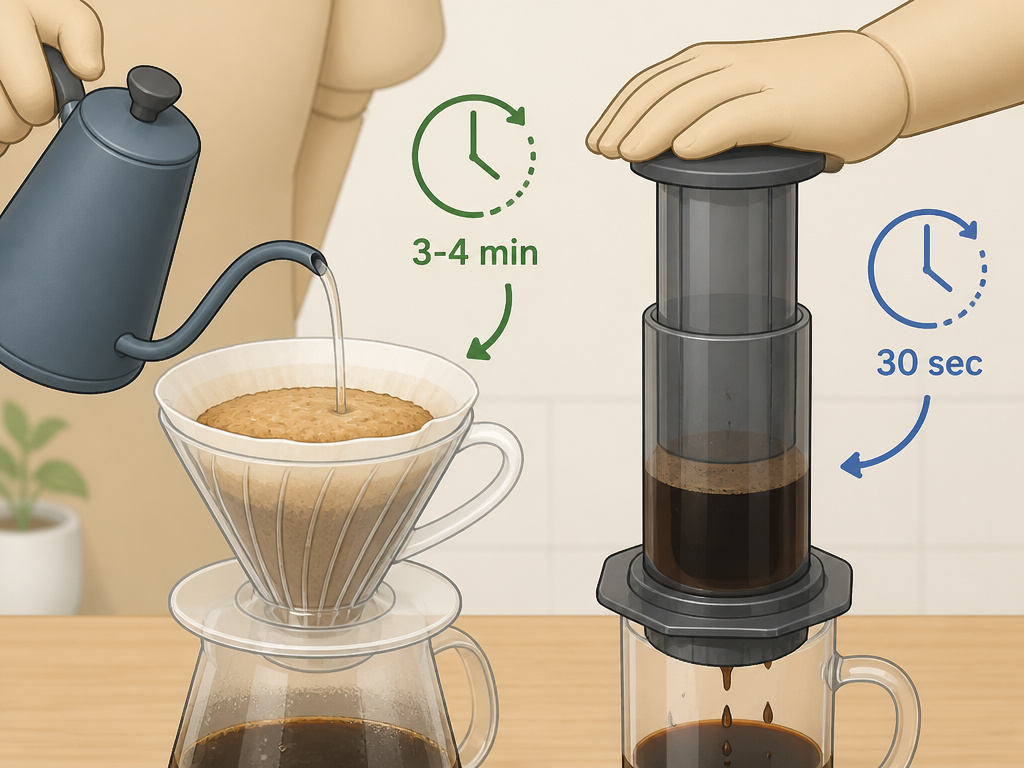
Forget the bean for a second. How you brew has a bigger impact on your caffeine intake than any color difference in the bag.
Think about extraction. Caffeine is highly soluble in water. The more water passes through more coffee grounds for a longer time, the more caffeine ends up in your cup. It’s a simple equation: coffee mass + water volume + time = extraction yield.
A 2023 study using an AeroPress found that a 10-minute brew time could maximize caffeine concentrations, especially for roasts with a specific mass loss during roasting. The method dictates the result.
This is why a 300ml pour-over made with 20 grams of a light roast will almost always contain more caffeine than a 30ml espresso shot made with 18 grams of a dark roast. The pour-over uses more coffee and vastly more water, extracting over several minutes. The espresso uses a smaller dose and a tiny amount of water under pressure for 25-30 seconds.
| Brewing Method | Typical Coffee Dose | Water Volume | Brew Time | Relative Caffeine |
|---|---|---|---|---|
| Espresso | 18–20g | 30–40ml | 25–30 sec | Lower |
| Pour-Over / Drip | 20–22g | 300–350ml | 3–4 min | Higher |
| French Press | 20–22g | 350ml | 4–5 min | Highest |
So, asking if a light roast is stronger only makes sense if you lock the brewing method. For a true caffeine comparison, you must compare the same brew.
The Edge Case Where Dark Roast Wins

Here’s the twist that most guides miss. Under controlled lab conditions, dark roast can actually test higher in caffeine.
That same NCBI coffee roast caffeine study found a critical nuance. If you grind both roasts to the same particle size and brew them to the exact same extraction yield (the percentage of solids dissolved from the grounds), the darker roast sometimes showed a higher caffeine concentration.
Why? As roasting degrades the bean structure, caffeine becomes a larger percentage of the remaining soluble material. Think of it like reducing a sauce. The water evaporates, so the salt concentration goes up. During a dark roast, other compounds (sugars, acids) break down and volatilize away faster than caffeine does. What’s left in the bean is a slightly more concentrated caffeine payload, by proportion.
Common mistake: Assuming light roast is always higher in caffeine, in a perfectly controlled, side-by-side extraction to the same yield, the dark roast can win. But your kitchen isn’t a lab.
Hitting that identical yield is the hard part. Dark roasts are more porous and brittle, so they often extract faster and less evenly with the same grind setting. You’d need to grind a dark roast significantly finer than a light roast to slow its extraction down enough to match yields. In practice, this almost never happens outside a research setting.
How to Actually Choose Your Roast
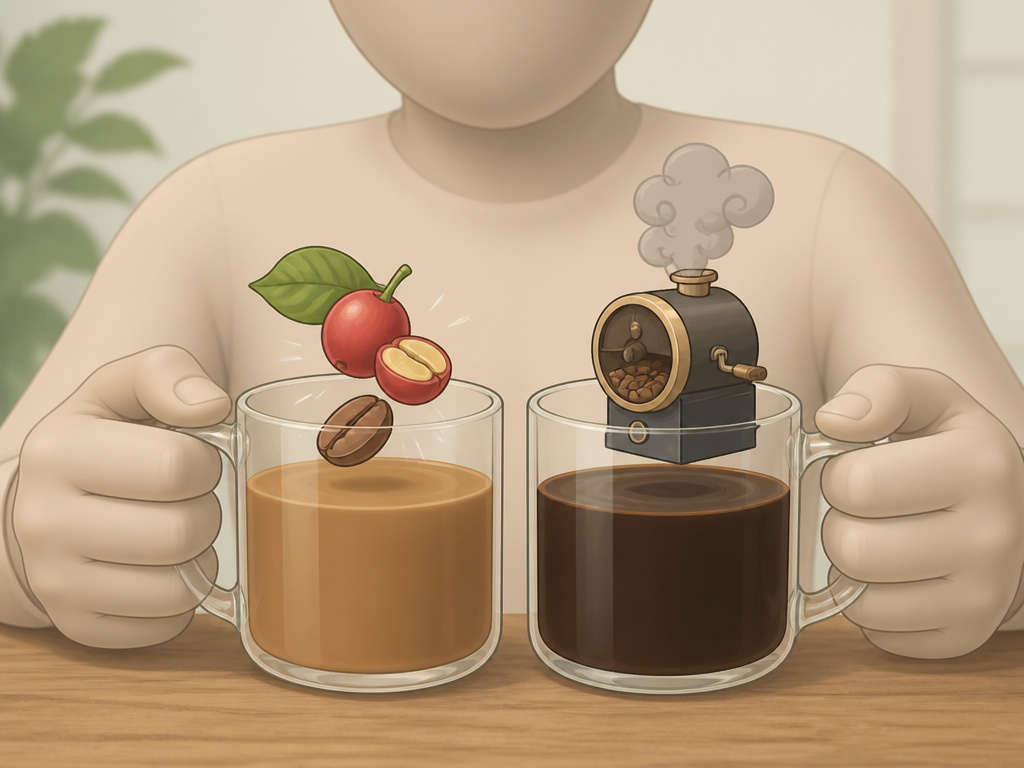
Stop chasing caffeine. Choose your roast based on flavor profile and how you brew.
- Pick light roast if you enjoy bright, acidic, fruity, or floral notes. You want to taste the bean’s origin, whether it’s a berry-forward Ethiopian or a tea-like Kenyan. Your blend vs single-origin coffee choice matters more here, as single-origins shine. Light roasts work best with methods that allow clarity: pour-over, Aeropress, or siphon. They demand a slightly finer grind and often hotter water (up to 205°F) to extract fully.
- Pick medium roast if you want balance. You get some of the bean’s origin character (chocolate, nut, caramel) with the added sweetness and body from roasting. It’s the most forgiving roast and works with every method from espresso to French press.
- Pick dark roast if you love classic, bold, smoky, or chocolaty flavors. The roast character is the star. Dark roasts are easier to extract, they’re less dense, so water penetrates faster. They are the default for espresso in many cafes because they produce consistent, thick crema and stand up well to milk. They also make a great, forgiving cup in a French press.
Your grinder choice is critical here. A consistent burr vs blade grinder produces even particles, which is the only way to compare roasts fairly. A blade grinder creates a mix of dust and boulders, making any caffeine comparison meaningless.
TL;DR: Choose by taste, not by myth. Light for bright and complex, dark for bold and smoky. Control your caffeine with your dose and brew method.
Frequently Asked Questions
Does light roast have more caffeine than dark roast?
When measured by weight, no, the difference is minimal. When measured by volume (like with a scoop), yes, because light roast beans are denser and you get more coffee mass per scoop. For a true comparison, always weigh your coffee.
Why does dark roast coffee taste stronger?
The longer, hotter roast creates bitter, smoky compounds through pyrolysis (controlled burning). These strong-tasting compounds mask the bean’s original flavors, making the coffee taste bolder and more robust, even though the caffeine content is similar.
Which roast is healthiest?
Light roast retains significantly more chlorogenic acid, a primary antioxidant in coffee linked to potential health benefits. One analysis showed dark roast retains less than 17% of the chlorogenic acid found in green coffee, while light roast retains about 50%. For antioxidant intake, light roast is the better choice.
Does espresso or drip coffee have more caffeine?
Typically, a standard mug of drip or pour-over coffee has more caffeine than a single shot of espresso. While espresso is more concentrated per ounce, you consume a much smaller volume. A 300ml drip coffee uses more coffee grounds and water over a longer extraction time, leading to a higher total caffeine content.
Can I use light roast for espresso?
Yes, but it’s more challenging. Light roasts are denser and harder, requiring a finer grind and often higher brew temperatures to extract properly. They produce a brighter, more acidic shot that highlights the bean’s origin notes, which is a different experience than the classic chocolatey dark roast espresso.
Before You Go
The strength question is a trap. It conflates taste with chemistry. Light roast isn’t a secret caffeine bomb, and dark roast isn’t a stimulant dud. The real power sits with your scale, your grinder, and your brewer.
Weigh your coffee. Grind consistently. Then pick the roast whose flavor story you want to drink. The buzz will follow.
{
“@context”: “https://schema.org”,
“@type”: “HowTo”,
“name”: “How to Choose the Roast With the Most Caffeine for Your Brew”,
“totalTime”: “PT5M”,
“tool”: [
{
“@type”: “HowToTool”,
“name”: “A digital kitchen scale”
},
{
“@type”: “HowToTool”,
“name”: “A consistent burr grinder”
},
{
“@type”: “HowToTool”,
“name”: “Your preferred brewing equipment”
}
],
“step”: [
{
“@type”: “HowToStep”,
“name”: “Weigh your coffee, don’t scoop it”,
“text”: “Use a scale to measure your coffee by weight (grams), not by volume (scoops). This neutralizes the density difference between roasts.”
},
{
“@type”: “HowToStep”,
“name”: “Adjust your grind for the roast”,
“text”: “Light roasts are denser and harder. Grind them slightly finer than a dark roast to achieve a similar extraction time.”
},
{
“@type”: “HowToStep”,
“name”: “Control your brew time and temperature”,
“text”: “Extract light roasts slightly longer and/or with hotter water (up to 205°F) to pull more caffeine from the dense bean structure.”
},
{
“@type”: “HowToStep”,
“name”: “Taste and compare”,
“text”: “Brew identical weights of light and dark roast side-by-side. The perceived ‘strength’ is flavor, not a reliable indicator of caffeine content.”
}
]
}
{
“@context”: “https://schema.org”,
“@type”: “FAQPage”,
“mainEntity”: [
{
“@type”: “Question”,
“name”: “Does light roast have more caffeine than dark roast?”,
“acceptedAnswer”: {
“@type”: “Answer”,
“text”: “When measured by weight, no, the difference is minimal. When measured by volume (like with a scoop), yes, because light roast beans are denser and you get more coffee mass per scoop. For a true comparison, always weigh your coffee.”
}
},
{
“@type”: “Question”,
“name”: “Why does dark roast coffee taste stronger?”,
“acceptedAnswer”: {
“@type”: “Answer”,
“text”: “The longer, hotter roast creates bitter, smoky compounds through pyrolysis (controlled burning). These strong-tasting compounds mask the bean’s original flavors, making the coffee taste bolder and more robust, even though the caffeine content is similar.”
}
},
{
“@type”: “Question”,
“name”: “Which roast is healthiest?”,
“acceptedAnswer”: {
“@type”: “Answer”,
“text”: “Light roast retains significantly more chlorogenic acid, a primary antioxidant in coffee linked to potential health benefits. One analysis showed dark roast retains less than 17% of the chlorogenic acid found in green coffee, while light roast retains about 50%. For antioxidant intake, light roast is the better choice.”
}
},
{
“@type”: “Question”,
“name”: “Does espresso or drip coffee have more caffeine?”,
“acceptedAnswer”: {
“@type”: “Answer”,
“text”: “Typically, a standard mug of drip or pour-over coffee has more caffeine than a single shot of espresso. While espresso is more concentrated per ounce, you consume a much smaller volume. A 300ml drip coffee uses more coffee grounds and water over a longer extraction time, leading to a higher total caffeine content.”
}
},
{
“@type”: “Question”,
“name”: “Can I use light roast for espresso?”,
“acceptedAnswer”: {
“@type”: “Answer”,
“text”: “Yes, but it’s more challenging. Light roasts are denser and harder, requiring a finer grind and often higher brew temperatures to extract properly. They produce a brighter, more acidic shot that highlights the bean’s origin notes, which is a different experience than the classic chocolatey dark roast espresso.”
}
}
]
}
