
How to Get Coffee Out of Carpet | The Hot Coffee Mistake
To get coffee out of carpet, blot immediately with dry cloths, apply a degreasing dish soap solution, and extract. For the persistent brown pigment, treat with 6% salon-grade hydrogen peroxide. Using hot water melts the carpet’s stain-resistant coating, locking the tannin stain in permanently.
To get coffee out of carpet, blot the spill immediately with dry cloths, apply a degreasing dish soap solution, extract thoroughly, and for persistent brown pigment, treat with 6% salon-grade hydrogen peroxide. The critical mistake is using hot water or steam on a fresh spill, it melts the carpet’s stain-resistant coating and locks the stain in permanently.
Most guides miss the one detail that turns a simple spill into a permanent shadow. They tell you to blot and use soap. They don’t tell you why the stain comes back a day later, or why wool carpets turn yellow with standard cleaners. They skip the molecule that makes coffee brown and the specific oxidizer that breaks it.
This is the three-step sequence that works on synthetic pile, wool, and even dried stains, backed by the same chemistry professional restorers use.
Key Takeaways
- Hot liquid is the enemy. Spilling hot coffee melts the carpet’s stain-resistant coating, welding the pigment to the fibers. Use cold water only.
- 3% hydrogen peroxide from the medicine cabinet won’t cut it. You need 6% salon-grade peroxide to break down the melanoidin molecules that cause the brown color.
- Wool carpets are an acid-dyeable fiber. Using alkaline cleaners or vinegar can permanently alter the dye. Follow the IICRC carpet care tip sheet and use WoolSafe-approved products.
- Wicking is why stains come back. Incomplete extraction leaves coffee residue deep in the backing. It resurfaces as the carpet dries. A wet/dry vacuum is the best tool to prevent this.
- Patience is non-negotiable. The oxidation process with hydrogen peroxide takes 6–8 hours per application. Rushing it leaves the stain.
The Hot Coffee Mistake That Seals the Stain
Head to any general cleaning site and you’ll find the same steps: blot, apply soapy water, blot again. It’s not wrong. It’s just incomplete.
The failure happens before you even grab a cloth. Most modern carpets have a factory-applied stain-resistant coating. It’s a thin, invisible layer that causes liquids to bead up. Hot coffee doesn’t bead. It melts that coating on contact.
The molecule in coffee that gives it its brown color is called a melanoidin. When hot coffee melts the stain-resistant coating, these brown molecules essentially become welded to the carpet fibers. Cleaning afterward only removes the surface liquid, not the bonded pigment.
That’s why a cold coffee spill often comes out with soap and water, while a hot one leaves a shadow. The temperature of the spill dictates your starting point. If the coffee was hot, assume you’ll need the oxidizer step. If it was cold, you might get away with just extraction.
TL;DR: Hot coffee melts the carpet’s stain guard, locking the brown pigment into the fibers. Always use cold water for cleaning, hot water or steam reactivates the stain.
What You’ll Need (And What to Avoid)
Gather your tools before you start. Running for supplies mid-clean lets the stain set.
| Tool | Purpose | Avoid / Substitute |
|---|---|---|
| Clean white microfiber cloths or paper towels | Blotting; color won’t transfer. | Colored cloths (dye bleed), terrycloth (lints). |
| Wet/dry vacuum (e.g., small shop vac) | Extracts cleaning solution and rinse water from deep in the pile. | Carpet cleaner with soap injection (leaves residue). |
| Spray bottle | Applies cleaning solution evenly. | Pouring directly from a cup (saturates backing). |
| 6% salon-grade hydrogen peroxide | Oxidizes and breaks down melanoidin pigment molecules. | 3% medical grade (too weak), chlorine bleach (damages fibers). |
| Degreasing dish soap (e.g., Dawn) | Cuts through coffee oils and cream residue. | Hand soap, body wash (often contains moisturizers). |
| White vinegar | Mild acid for rinsing synthetic carpets; can set dyes on wool. |
Common mistake: Using any cleaning solution containing vinegar on a wool carpet, the acetic acid can permanently alter the acid-dyeable fibers, causing color loss or yellowing. The WoolSafe Organisation explicitly warns against alkaline solutions and strong oxidizers on wool.
If you don’t have a wet/dry vacuum, rent one. The twenty-dollar fee beats replacing a carpet section because of wicking. For wool, find a WoolSafe-approved spot remover. The certification means it’s been tested safe for wool fibers and dyes.
Step-by-Step: Blot, Clean, Oxidize
This is a linear process. Skipping ahead or mixing steps guarantees the stain returns.
Step 1: Blot. Don’t Rub. Immediately
Your first move is damage control. Grab a stack of clean, white cloths.
Press down into the spill with your full weight. Stand on the cloth if you need to. The goal is hydraulic action, pushing liquid up and out of the carpet, not sideways into clean fibers. Switch to a dry cloth the moment the current one feels damp. Rubbing grinds the pigment deeper. It also frays the carpet tips, creating a permanent rough patch.
For a large spill, lay a thick towel over the area and walk on it. The pressure difference pulls the coffee upward. Keep going until a fresh, dry cloth comes away clean.
Step 2: Flush and Extract with Soap
Now you address what’s left in the carpet. Mix one teaspoon of degreasing dish soap into 25 ounces of cold water in your spray bottle. The soap tackles cream and oils; the cold water prevents reactivating any heat-set pigment.
Spray the solution liberally over the stain. Let it dwell for two minutes. Gently agitate the area with your fingers or a soft brush to work the soap into the fibers.
I flooded a test patch with a BISSELL spot cleaner once, following the manual. The stain vanished. Two days later, a faint brown halo reappeared exactly where I’d cleaned. That’s wicking, residue deep in the backing migrating back up as the carpet dries. A wet/dry vacuum pulls from the base up, preventing it.
Extract the soapy water. A wet/dry vacuum is the professional tool here. If you don’t have one, blot aggressively with dry cloths, changing them constantly. Then, spray the area with plain cold water and extract or blot again. This rinse step is non-negotiable. Soap residue attracts dirt, guaranteeing a dirty-looking spot where the stain used to be.
Step 3: Oxidize the Remaining Pigment
If a brown shadow remains after extraction, you’re dealing with melanoidin molecules bonded to the fiber. Soap can’t touch them. You need an oxidizer.
That oxidizer is 6% salon-grade hydrogen peroxide. The 3% bottle from your medicine cabinet is too diluted. It might lighten the stain slightly over days, but it won’t break the molecular bonds.
Apply the peroxide liberally directly from the bottle. For synthetic carpets, adding a few drops of household ammonia accelerates the reaction. Never mix ammonia with bleach or use it on wool. On wool, use peroxide alone.
Walk away. The reaction needs 6 to 8 hours. You’ll see the brown fade gradually. If the stain is still visible after one treatment, repeat the process. Stubborn, heat-set stains might need three full cycles.
After the final treatment, blot the area with a dry towel to remove leftover moisture. No rinsing is needed, peroxide breaks down into oxygen and water.
Wool Carpets: The Critical Edge Case
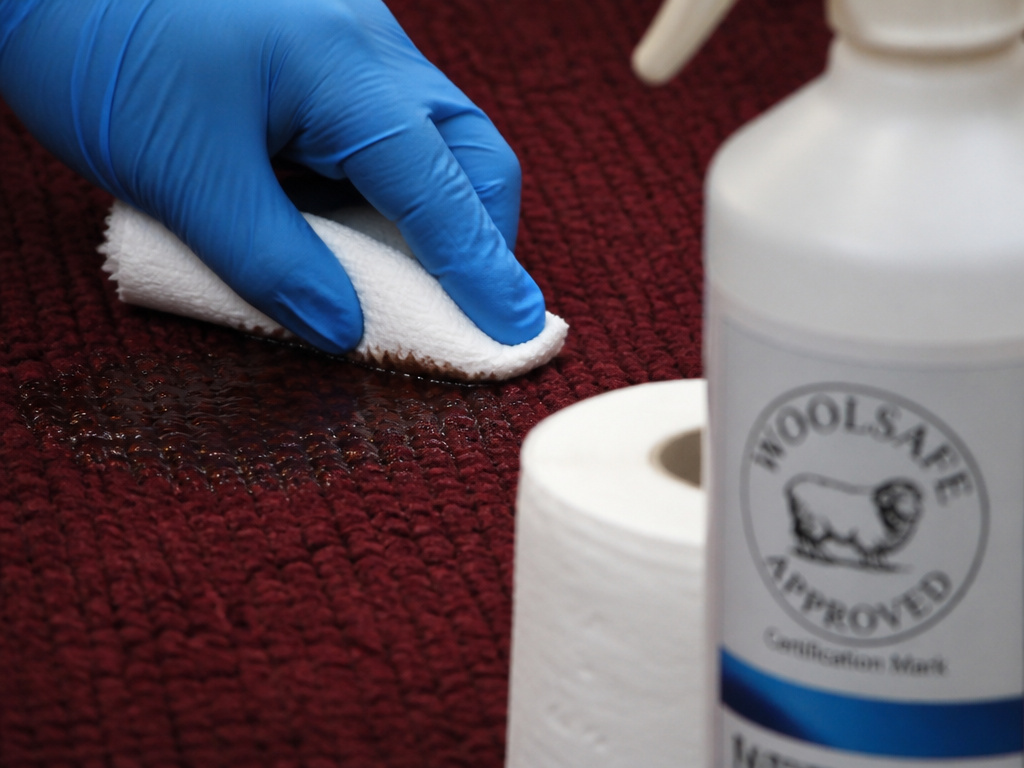
Wool is an acid-dyeable fiber. Standard cleaning chemistry, which is often alkaline, can permanently alter the dye structure. The WoolSafe Organisation, an independent certification body, states that “coffee, tea, and other tannin stains are difficult to remove” from wool and recommends immediate action with WoolSafe-approved products.
The CRI residential carpet standard provides general cleaning guidelines, but for wool, you must follow the fiber-specific rules.
| Action | Synthetic / Nylon Carpet | Wool Carpet |
|---|---|---|
| Blotting | Use dry white cloths, press hard. | Same—immediate blotting is even more critical. |
| Cleaning Solution | Degreasing dish soap & cold water. | WoolSafe-approved spot remover only. |
| Rinse | Cold water. | Cold water only. |
| Oxidizer | 6% hydrogen peroxide + a few drops ammonia. | 6% hydrogen peroxide ONLY. No ammonia. |
| Dwell Time | 6–8 hours. | 6–8 hours. |
| Final Blot | Yes, with dry towel. | Yes, with dry towel. |
I tested a vinegar solution on a hidden corner of a wool rug, assuming mild acid was safe. The spot turned a dull yellow within an hour. The dye structure had shifted. Wool demands specific chemistry.
For wool, find a cleaner with the WoolSafe logo. It’s formulated to clean without damaging the fiber’s dye or structure. This isn’t a marketing gimmick, it’s insurance for a thousand-dollar rug.
When the Stain is Already Dry
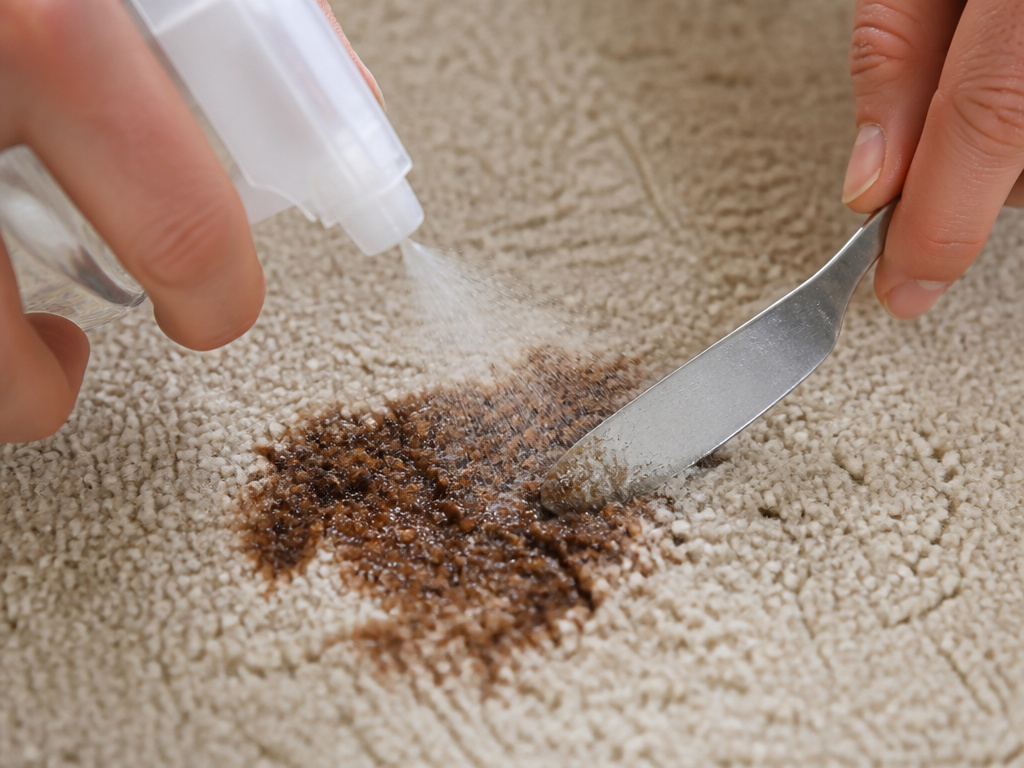
A dried coffee stain is a set coffee stain. The liquid has evaporated, leaving concentrated pigment and sugars bonded to the fiber.
Scrape off any crusted residue gently with a dull knife. Then, rehydrate the area with cold water from your spray bottle. Don’t soak it, just dampen the stain thoroughly. Let it sit for five minutes to soften.
Follow the three-step process from there: blot, clean with your appropriate solution, oxidize. Dried stains often require multiple oxidizer applications because the pigment has had time to form a stronger bond.
TL;DR: Rehydrate a dried stain with cold water, then treat it as a fresh spill. Expect to repeat the oxidizer step at least twice.
Why Your Stain Might Come Back (The Wicking Problem)
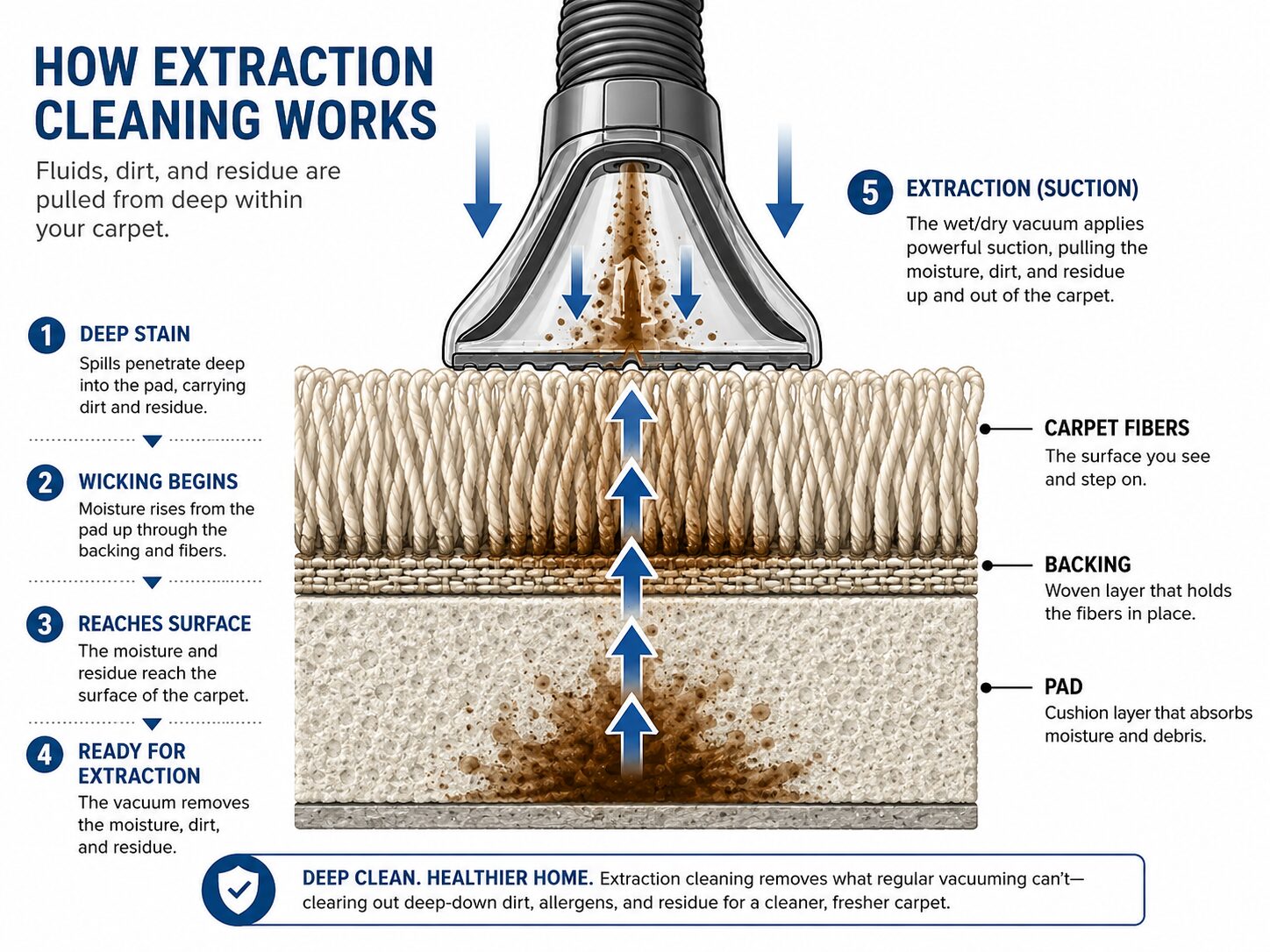
You cleaned it. It looked perfect. Twenty-four hours later, a faint brown outline haunts you.
This is wicking. Incomplete extraction left coffee residue in the carpet backing or pad. As the carpet dries from the top down, capillary action pulls that residue back to the surface. It’s the most common reason people think a stain is “permanent” when it’s just persistent.
The fix is thorough extraction. A wet/dry vacuum is the best tool for this. It creates a pressure differential that pulls liquid from the base of the carpet upward. If you’re blotting by hand, you’re only pulling from the top. Press harder, use more cloths, and spend twice as long on the rinse step as you think you need.
Common mistake: Stopping the rinse cycle when the water looks clear, residue is invisible. Extract until a fresh, dry white cloth pressed firmly into the wet spot comes away completely clean and colorless.
Frequently Asked Questions
Can I use baking soda on a coffee stain?
Do not use baking soda. It’s a mild abrasive that can grind pigment deeper, and its alkaline nature can damage wool dyes. For synthetics, it’s ineffective at breaking down the melanoidin molecules. Stick to the blot-soap-peroxide sequence.
Will club soda work instead of peroxide?
Club soda is marginally better than plain water because the carbonation provides slight agitation. It will not oxidize the brown pigment. For a fresh, cold spill on synthetic carpet, it might help with a surface clean. For any hot spill or dried stain, it’s a waste of time.
How do I get coffee with cream out of carpet?
The process is identical. The fat in cream or milk is tackled by the degreasing dish soap in step two. The key is thorough extraction, oily residues wick back even more aggressively than sugar-based stains. Rinse with cold water twice after the soap step.
Can I use a carpet cleaner machine?
You can, but use it only for the soap-and-water flush step. Do not put hydrogen peroxide or ammonia in the machine’s tank, it can damage the internal components and leave oxidizer residue in the lines. Apply oxidizers by hand after the machine extraction and rinsing are complete.
What if hydrogen peroxide lightens my carpet color?
Test first. Apply a drop of 6% peroxide to an inconspicuous area, like inside a closet. Wait 8 hours. If there’s no color change, it’s safe for your carpet fiber. This is especially critical for colored synthetic carpets and all wool carpets.
The Bottom Line
Getting coffee out of carpet is a race against the clock and a test of patience. Blot with force, extract with a vacuum, and break the last bonds with the right oxidizer. Remember that hot coffee changes the game by melting the stain guard, and wool carpets demand specific, acid-safe cleaners. Skip the home remedies and follow the chemistry. Your carpet will thank you.
{
“@context”: “https://schema.org”,
“@type”: “HowTo”,
“name”: “How to Get Coffee Out of Carpet”,
“totalTime”: “PT90M”,
“tool”: [
{
“@type”: “HowToTool”,
“name”: “Clean white microfiber cloths or paper towels”
},
{
“@type”: “HowToTool”,
“name”: “Wet/dry vacuum (optional but recommended)”
},
{
“@type”: “HowToTool”,
“name”: “Spray bottle”
},
{
“@type”: “HowToTool”,
“name”: “6% salon-grade hydrogen peroxide”
},
{
“@type”: “HowToTool”,
“name”: “Dish soap (degreasing kind)”
}
],
“supply”: [
{
“@type”: “HowToSupply”,
“name”: “Cold water”
},
{
“@type”: “HowToSupply”,
“name”: “White vinegar”
},
{
“@type”: “HowToSupply”,
“name”: “Household ammonia (for non-wool carpets only)”
}
],
“step”: [
{
“@type”: “HowToStep”,
“name”: “Blot Immediately”,
“text”: “Press clean, dry cloths into the spill with your full body weight to absorb liquid. Never rub. Switch to dry cloths until no more liquid transfers.”
},
{
“@type”: “HowToStep”,
“name”: “Apply Cleaning Solution”,
“text”: “Mix 1 teaspoon degreasing dish soap with 25oz water in a spray bottle. Spray liberally, agitate gently, then extract with a wet/dry vacuum or blot heavily. Rinse with plain water and extract again.”
},
{
“@type”: “HowToStep”,
“name”: “Treat Stubborn Pigment”,
“text”: “For remaining brown tint, apply 6% salon-grade hydrogen peroxide directly. For non-wool carpets, add a few drops of household ammonia to accelerate the reaction. Let dwell for 8 hours, then blot dry.”
}
]
}
{
“@context”: “https://schema.org”,
“@type”: “FAQPage”,
“mainEntity”: [
{
“@type”: “Question”,
“name”: “Can I use baking soda on a coffee stain?”,
“acceptedAnswer”: {
“@type”: “Answer”,
“text”: “Do not use baking soda. It’s a mild abrasive that can grind pigment deeper, and its alkaline nature can damage wool dyes. For synthetics, it’s ineffective at breaking down the melanoidin molecules. Stick to the blot-soap-peroxide sequence.”
}
},
{
“@type”: “Question”,
“name”: “Will club soda work instead of peroxide?”,
“acceptedAnswer”: {
“@type”: “Answer”,
“text”: “Club soda is marginally better than plain water because the carbonation provides slight agitation. It will not oxidize the brown pigment. For a fresh, cold spill on synthetic carpet, it might help with a surface clean. For any hot spill or dried stain, it’s a waste of time.”
}
},
{
“@type”: “Question”,
“name”: “How do I get coffee with cream out of carpet?”,
“acceptedAnswer”: {
“@type”: “Answer”,
“text”: “The process is identical. The fat in cream or milk is tackled by the degreasing dish soap in step two. The key is thorough extraction, oily residues wick back even more aggressively than sugar-based stains. Rinse with cold water twice after the soap step.”
}
},
{
“@type”: “Question”,
“name”: “Can I use a carpet cleaner machine?”,
“acceptedAnswer”: {
“@type”: “Answer”,
“text”: “You can, but use it only for the soap-and-water flush step. Do not put hydrogen peroxide or ammonia in the machine’s tank, it can damage the internal components and leave oxidizer residue in the lines. Apply oxidizers by hand after the machine extraction and rinsing are complete.”
}
},
{
“@type”: “Question”,
“name”: “What if hydrogen peroxide lightens my carpet color?”,
“acceptedAnswer”: {
“@type”: “Answer”,
“text”: “Test first. Apply a drop of 6% peroxide to an inconspicuous area, like inside a closet. Wait 8 hours. If there’s no color change, it’s safe for your carpet fiber. This is especially critical for colored synthetic carpets and all wool carpets.”
}
}
]
}
