
Shelf Life Explained: How Long Can Cold Brew Coffee Last?
Cold brew coffee lasts up to two weeks when stored as a concentrate in a sealed container in the refrigerator at 40°F (4°C) or below. Once diluted with water or milk, it must be consumed within 3 to 4 days. The shelf life is a race between flavor degradation and microbial growth, and storage format is the single biggest factor.
Most people treat a finished pitcher of cold brew like a gallon of milk. They pour a glass, put the pitcher back, and assume it’s fine for a week. That assumption wastes coffee and invites stomach trouble. The moment you add water, the clock resets to a 96-hour countdown.
This guide breaks down the science, the manufacturer specs, and the visual cues that tell you when your batch has turned. We’ll cover why concentrate gets a longer pass, what the latest food-safety research says, and the one storage mistake that ruins flavor in 48 hours.
Key Takeaways
- Store cold brew as a concentrate in an airtight container. The Toddy Cold Brew System states concentrate lasts up to 2 weeks refrigerated.
- Once you dilute concentrate with water or milk, treat it as a perishable dairy product and finish it within 3–4 days.
- Your refrigerator must run at 40°F (4°C) or colder to inhibit bacterial growth; a warmer fridge cuts shelf life in half.
- Visible sliminess, surface bubbles, or a vinegar-like smell are absolute discard signals, regardless of the date.
- Brewing at room temperature versus in the fridge is a flavor versus safety trade-off. Room-temperature brewing extracts more, but the extended time at unsafe temperatures risks contamination.
The Science Behind the Timeline
Cold brew’s shelf life isn’t arbitrary. It’s a buffer zone between flavor staling and microbial proliferation. Coffee is acidic, which naturally inhibits some bacteria, but it’s not sterile. The two main enemies are oxidation and mesophilic bacteria that thrive at room temperature and slow down in the cold.
The USDA Food Safety and Inspection Service sets the foundational rule: perishable foods must be held at or below 40°F (4°C) to remain safe for 3-4 days. Cold brew concentrate pushes beyond that because its lower water activity and higher coffee-solids concentration create a less hospitable environment for microbes. A 2023 PMC study on cold brew shelf life detailed this, tracking how chemical composition and microbial loads change over time in different storage conditions. The study confirmed that proper refrigeration is the non-negotiable baseline.
Technical Snipet: Cold brew coffee’s shelf life is governed by water activity, pH, and storage temperature. Concentrate has a lower water activity than diluted brew, slowing microbial growth. Refrigeration at ≤40°F (4°C) suppresses mesophilic bacteria, while oxidation gradually degrades aromatic compounds, leading to flavor flattening before visible spoilage often occurs.
TL;DR: Your fridge’s temperature is the gatekeeper. Concentrate’s chemistry buys you extra time, but only if the cold is consistent.
Cold Brew Concentrate vs. Diluted Coffee: The Storage Cliff
This is the most important distinction you’ll make. Treating them the same is the root cause of wasted coffee and why some people report their cold brew tasting “off” after just a few days.
Manufacturers are specific about this. The Toddy Cold Brew System instructions explicitly state that “concentrate can be stored in your refrigerator, in a sealed container, for up to 2 weeks.” The next sentence is critical: “Once diluted, we recommend consuming within 2-3 days.” That’s not a suggestion about taste. It’s a food safety guideline. Diluting the concentrate raises its water activity, creating the perfect damp, nutrient-rich environment bacteria love.
Think of it like tomato paste versus tomato soup. The paste in the tube lasts for months in the fridge. The moment you turn it into soup, you have a 4-day deadline.
| Storage Format | Recommended Shelf Life | Primary Risk | Visual / Olfactory Sign of Spoilage |
|---|---|---|---|
| Concentrate (undiluted) | 10–14 days | Flavor oxidation, loss of aromatic volatiles | Loss of brightness, tastes flat or cardboard-like |
| Diluted Brew (with water/milk) | 3–4 days | Bacterial growth (e.g., Bacillus, Lactobacillus) | Surface film, slimy texture, sour/vinegar smell, excessive bubbles |
| Room-Temperature Brew (post-steeping) | 2 hours max | Rapid microbial proliferation | Cloudiness, off-gassing, any sour note |
TL;DR: Never dilute your entire batch. Store it strong, dilute it glass by glass. This one habit extends your safe drinking window by over a week.
How to Store Cold Brew for Maximum Freshness
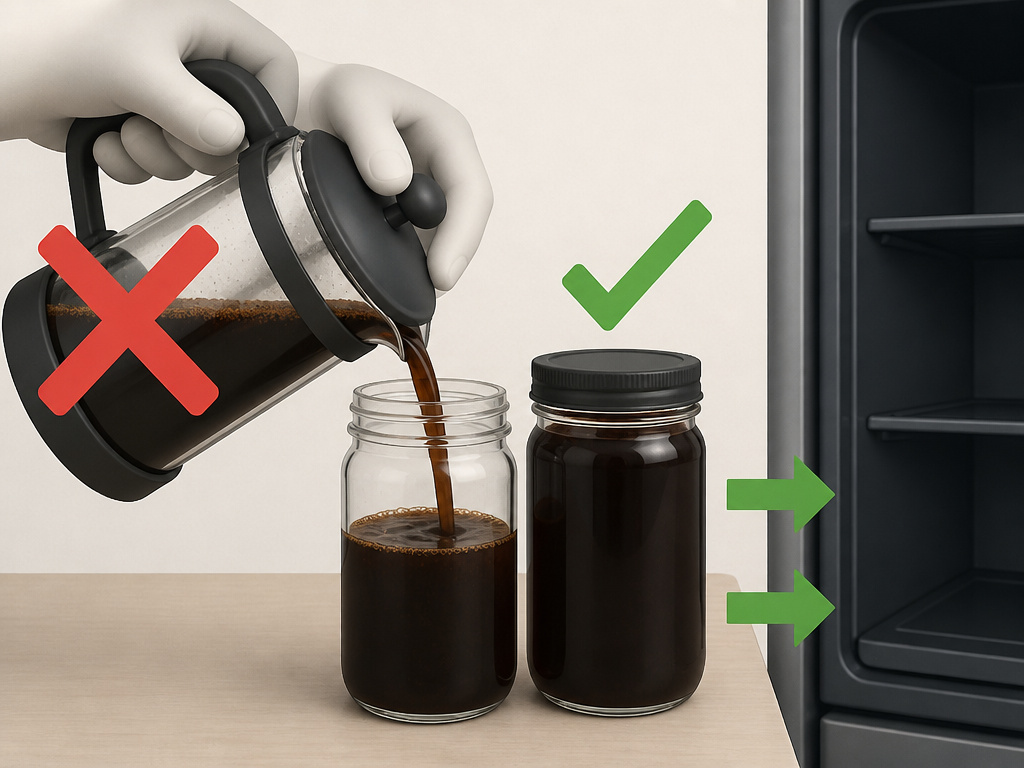
The goal is to minimize exposure to air, light, and temperature fluctuation. Your storage container matters as much as your fridge’s thermometer.
First, strain your brew thoroughly. Use a fine-mesh sieve lined with a cheesecloth or a dedicated cold brew filter bag. Grounds left in the liquid continue to extract bitter compounds and provide nucleation sites for faster staling. This step is what separates a clean, stable concentrate from a muddy, quick-to-spoil one.
Next, choose your vessel. Glass or BPA-free plastic is fine. The lid must seal completely. Mason jars with tight-fitting lids work perfectly. Avoid using the pitcher you brewed in if it has a loose lid or an open spout. Oxygen is the enemy of flavor.
Common mistake: Storing cold brew in the French press you brewed it in, the plunger seal isn’t airtight, and coffee oils oxidize along the glass surface, turning the entire batch rancid within 5 days.
Immediately after straining, pour the concentrate into the clean, airtight container. Label it with the date using a permanent marker. This removes guesswork. Place it in the back of your fridge, not on the door. The door is the warmest, most temperature-volatile zone. The back of the bottom shelf is typically the coldest and most stable.
If you’re serious about longevity, consider your coffee bean blends or single-origin coffee beans. Oily dark roasts can go rancid faster in concentrate form than drier light roasts. A blonde roast or medium Arabica coffee bean might hold its nuanced flavors a day or two longer in storage.
How to Spot Bad Cold Brew
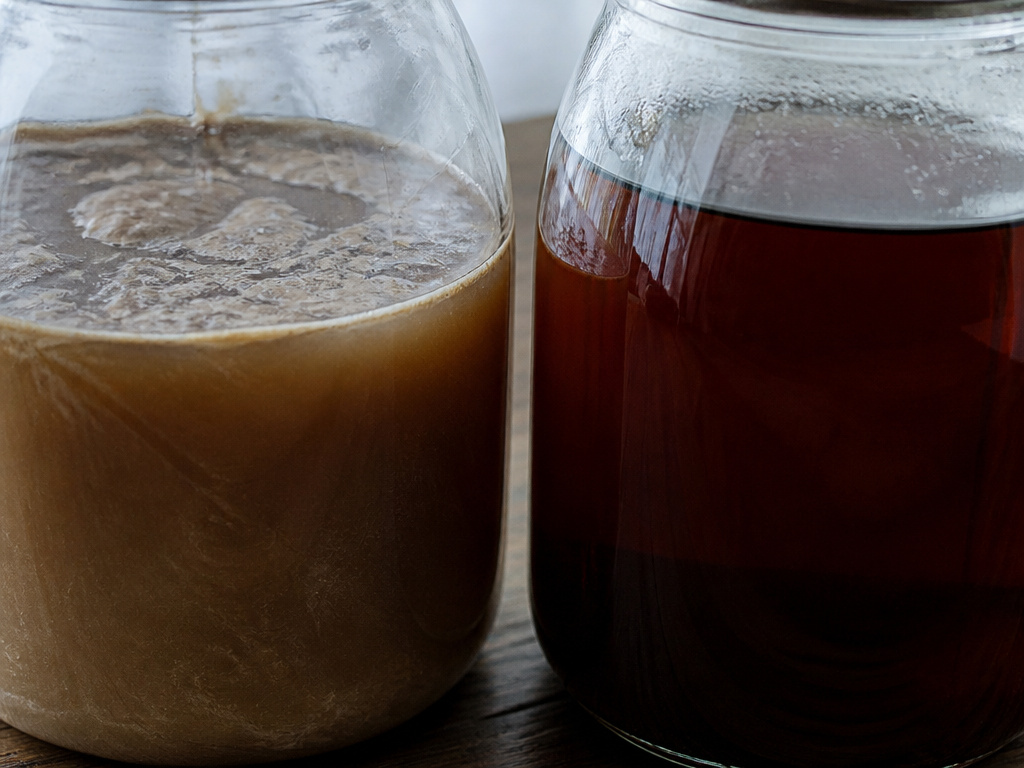
Your senses are better tools than any calendar. If you see, smell, or taste any of the following, discard the batch without a second thought.
Look at it. Fresh cold brew is clear and deep brown, maybe with a slight reddish hue depending on the roast levels for cold brew. Spoiled cold brew often turns cloudy. A filmy layer or visible strands of slime on the surface is a sure sign of bacterial colonies. Sediment at the bottom is normal if your filtration wasn’t perfect, but floating particles or excessive bubbles that weren’t there before are red flags.
Smell it. The aroma should be of sweet, deep coffee. The first sign of trouble is a shift from that sweetness to a sharp, sour, or distinctly vinegary note. This is acetic acid bacteria at work. If it smells like fermentation or wet cardboard, it’s past its prime.
Taste a tiny bit. If the flavor is unpleasantly sour, bitter in a chemical way, or just completely flat and hollow, it’s gone. The nuanced flavors from your bean selection for cold brew are the first to vanish. Safety note: if the smell is off, don’t taste it.
Hard Rule: When in doubt, throw it out. The cost of a new batch of coffee is trivial compared to the cost of foodborne illness. This is especially true for cold brew served to children, the elderly, or anyone with a compromised immune system.
TL;DR: Cloudiness + vinegar smell = pour it down the drain. No debate.
Does Brewing Method Affect Shelf Life?
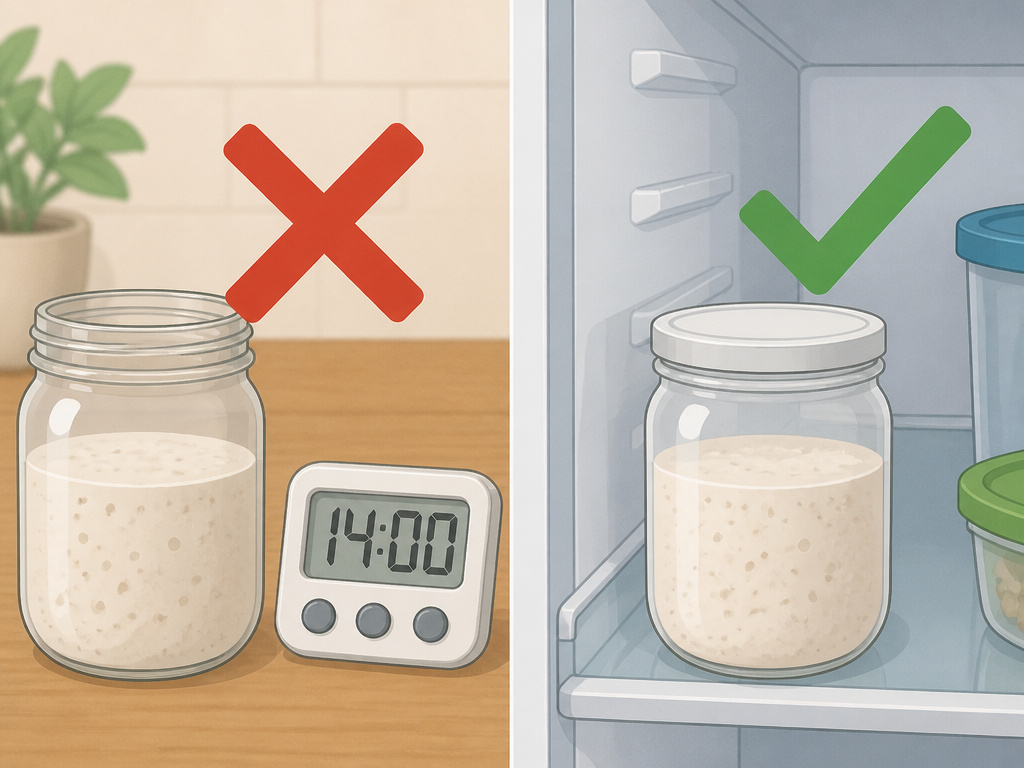
Absolutely. The great debate is whether to steep your grounds in the fridge or on the counter. This choice impacts both flavor and safety, and most guides gloss over the risk.
Proponents of room-temperature brewing argue it produces a better, more complete extraction in 12–16 hours because the water is warmer. They’re right about flavor. The higher temperature pulls more oils and solubles, leading to a richer body. This is a core principle of many coffee brewing techniques.
The safety trade-off is severe. Letting coffee grounds sit in water at room temperature for half a day or more is an incubator. As highlighted in a YouTube analysis, this practice is “very, very dangerous” unless you plan to immediately filter and refrigerate the concentrate the moment the steep time ends. The window for safe room-temperature brewing is tight.
The safer, more consistent method is to brew in the fridge. It takes longer, aim for 18–24 hours, but the entire process happens at a safe temperature. There’s no risk of accidentally leaving it out too long. The flavor profile will be slightly different, often cleaner and less bitter, which can be preferable for certain flavor profiles of coffee.
| Brewing Location | Typical Steep Time | Flavor Profile | Safety & Practicality |
|---|---|---|---|
| Countertop (Room Temp) | 12–16 hours | Richer, more intense, fuller body | High risk if forgotten; must refrigerate immediately after steeping. |
| Refrigerator | 18–24 hours | Cleaner, brighter, less bitter | Inherently safe; no timer anxiety; easier for consistent batches. |
Your grinding beans for cold brew also matters here. A consistent coarse grind from a burr coffee grinder extracts evenly and filters cleanly, leaving fewer fine particles to spoil. A blade grinder produces fines that over-extract and cloud the brew, shortening its life.
TL;DR: For guaranteed safety, brew in the fridge. If you brew on the counter, set a timer and treat the post-steep product as highly perishable.
Frequently Asked Questions
Can you freeze cold brew coffee?
Yes, freezing is the best method for long-term storage. Pour concentrate into ice cube trays. Once frozen, transfer the cubes to a freezer bag. They will keep for up to 2 months. Thaw in the fridge overnight or drop a few cubes directly into a glass with fresh water or milk. Freezing can slightly mute the brightest top notes, but it preserves the base flavor far better than refrigerating for weeks.
Does adding milk or creamer change how long it lasts?
Dramatically. Adding any dairy or dairy-alternative product immediately classifies your cold brew as a diluted, dairy-containing beverage. The shelf life drops to that of the milk itself, typically 3–4 days, and often less because the coffee’s acidity can accelerate spoilage. Always add milk per serving, not to the storage container.
My cold brew smells a little sour after 5 days. Is it safe?
Probably not. A sour smell is the primary indicator of microbial fermentation, usually from acetic acid or lactic acid bacteria. While these aren’t always the most dangerous pathogens, their presence means your storage conditions were permissive. The PMC industrial production storage study notes that sensory off-notes correlate with microbial growth. Discard it.
Can I tell if cold brew is bad by looking at it?
Often, yes. The visual cues are reliable. Cloudiness that wasn’t present initially, a visible film or mat on the surface, and excessive bubbling are all strong visual indicators of spoilage. If it looks suspicious, trust that instinct.
How does cold brew shelf life compare to iced coffee?
Iced coffee, which is typically hot-brewed coffee cooled and poured over ice, has a much shorter shelf life, about 1–2 days refrigerated. The hot brewing process doesn’t sterilize it, and it often has a lighter body that stales quickly. The caffeine content in iced tea and other cold drinks isn’t a preservative. Cold brew’s long, cold extraction and high concentration give it a structural advantage for storage.
The Bottom Line
Stop guessing. Store your cold brew as a concentrate in a dated, airtight container in the back of a cold fridge, and you can confidently enjoy it for up to two weeks. The moment you add water or milk, the clock resets to just a few days. Your nose and eyes are the ultimate judges, any sour note or filmy surface means the batch is done.
The goal is great coffee, not a science experiment. A simple system of brewing in the fridge, straining well, and storing strong removes the risk and the waste. That way, every glass tastes like it was just made.
{
“@context”: “https://schema.org”,
“@type”: “HowTo”,
“name”: “How to Store Cold Brew Coffee for Maximum Shelf Life”,
“totalTime”: “PT15M”,
“tool”: [
{
“@type”: “HowToTool”,
“name”: “Airtight glass or BPA-free plastic container”
},
{
“@type”: “HowToTool”,
“name”: “Fine-mesh sieve or cheesecloth”
},
{
“@type”: “HowToTool”,
“name”: “Permanent marker for labeling”
}
],
“step”: [
{
“@type”: “HowToStep”,
“name”: “Strain thoroughly”,
“text”: “Filter your cold brew through a fine-mesh sieve or cheesecloth to remove all coffee grounds. Sediment accelerates spoilage.”
},
{
“@type”: “HowToStep”,
“name”: “Store as concentrate”,
“text”: “Pour the strained cold brew concentrate into a clean, airtight container. Do not dilute it yet.”
},
{
“@type”: “HowToStep”,
“name”: “Label with date”,
“text”: “Use a permanent marker to write the brew date directly on the container. The clock starts now.”
},
{
“@type”: “HowToStep”,
“name”: “Refrigerate immediately”,
“text”: “Place the sealed container in the coldest part of your refrigerator, ensuring the temperature is at or below 40°F (4°C).”
},
{
“@type”: “HowToStep”,
“name”: “Dilute only when serving”,
“text”: “When ready to drink, pour the desired amount of concentrate and dilute it with water or milk. Consume the diluted portion within 2-3 days.”
}
]
}
{
“@context”: “https://schema.org”,
“@type”: “FAQPage”,
“mainEntity”: [
{
“@type”: “Question”,
“name”: “Can you freeze cold brew coffee?”,
“acceptedAnswer”: {
“@type”: “Answer”,
“text”: “Yes, freezing is the best method for long-term storage. Pour concentrate into ice cube trays. Once frozen, transfer the cubes to a freezer bag. They will keep for up to 2 months. Thaw in the fridge overnight or drop a few cubes directly into a glass with fresh water or milk. Freezing can slightly mute the brightest top notes, but it preserves the base flavor far better than refrigerating for weeks.”
}
},
{
“@type”: “Question”,
“name”: “Does adding milk or creamer change how long it lasts?”,
“acceptedAnswer”: {
“@type”: “Answer”,
“text”: “Dramatically. Adding any dairy or dairy-alternative product immediately classifies your cold brew as a diluted, dairy-containing beverage. The shelf life drops to that of the milk itself, typically 3–4 days, and often less because the coffee’s acidity can accelerate spoilage. Always add milk per serving, not to the storage container.”
}
},
{
“@type”: “Question”,
“name”: “My cold brew smells a little sour after 5 days. Is it safe?”,
“acceptedAnswer”: {
“@type”: “Answer”,
“text”: “Probably not. A sour smell is the primary indicator of microbial fermentation, usually from acetic acid or lactic acid bacteria. While these aren’t always the most dangerous pathogens, their presence means your storage conditions were permissive. The PMC industrial production storage study notes that sensory off-notes correlate with microbial growth. Discard it.”
}
},
{
“@type”: “Question”,
“name”: “Can I tell if cold brew is bad by looking at it?”,
“acceptedAnswer”: {
“@type”: “Answer”,
“text”: “Often, yes. The visual cues are reliable. Cloudiness that wasn’t present initially, a visible film or mat on the surface, and excessive bubbling are all strong visual indicators of spoilage. If it looks suspicious, trust that instinct.”
}
},
{
“@type”: “Question”,
“name”: “How does cold brew shelf life compare to iced coffee?”,
“acceptedAnswer”: {
“@type”: “Answer”,
“text”: “Iced coffee, which is typically hot-brewed coffee cooled and poured over ice, has a much shorter shelf life, about 1–2 days refrigerated. The hot brewing process doesn’t sterilize it, and it often has a lighter body that stales quickly. The caffeine content in iced tea and other cold drinks isn’t a preservative. Cold brew’s long, cold extraction and high concentration give it a structural advantage for storage.”
}
}
]
}
