The Truth: How Long Can Coffee Sit Out Before It Goes Bad?
This post contains affiliate links. As an Amazon Associate, we earn from qualifying purchases.
Plain black coffee can sit out at room temperature for about 24 hours before significant safety concerns arise, but its drinkable quality plummets within 30 minutes to 4 hours due to rapid chemical degradation. The official USDA food safety “danger zone” rule of 2 hours applies most critically to coffee with milk, cream, or sugar added.
Most people get this wrong because they conflate safety with quality. They see a day-old mug on the desk and wonder if it will make them sick. The real question is whether it’s worth drinking at all.
This guide breaks down the official food codes, the chemistry of staling, and the specific timelines for black coffee, cold brew, and coffee with additives. You’ll learn when a cup is merely mediocre and when it’s time to pour it out.
Key Takeaways
- The USDA’s 2-hour “danger zone” rule (40°F–140°F) is a food safety standard for perishables; for black coffee, safety is not the primary concern until well beyond that window.
- Flavor degradation is the real enemy. Aromatic compounds in freshly brewed coffee evaporate and oxidize rapidly, making coffee taste flat and stale often within an hour on a warmer.
- Adding milk or sugar transforms the equation. Dairy and sweeteners introduce nutrients for microbial growth, pulling the safe window down to the USDA’s 2-hour guideline.
- Commercial standards from Bunn and Starbucks dictate a 30-minute hold time for optimal taste, not safety. Your home pot left on the warmer for three hours is still safe but will taste like cardboard.
- Cold brew concentrate, due to its preparation and higher acidity, has a different biological profile and can last refrigerated for 1–2 weeks, but once diluted and left out, follow the black coffee rule.
The Official 2-Hour Rule (And Why It’s Misleading)
The United States Department of Agriculture Food Safety and Inspection Service defines the temperature “danger zone” as between 40°F and 140°F (4.4°C–60°C). Perishable foods should not remain in this zone for more than two hours. This is a bedrock principle of food safety guidelines.
The USDA’s “Refrigeration and Food Safety” page states the 2-hour rule is to prevent rapid bacterial growth in perishable foods. Coffee, as an organic product, falls under this broad umbrella, but its inherent properties change the risk profile.
This rule is why most generic articles parrot the “2-hour” timeline. They are technically correct from a regulatory standpoint. The FDA Food Code 2017 supports this for “Potentially Hazardous Foods.”
However, applying this rule blindly to a mug of black coffee is like treating a paper cut with surgery. The rule is designed for foods like chicken, potato salad, and cream-based soups, items rich in protein and moisture that bacteria love.
Black coffee is acidic (pH around 5), hot when brewed (which pasteurizes it), and contains natural compounds like caffeine and polyphenols that have mild antimicrobial properties. The environment is hostile to most common foodborne pathogens.
TL;DR: The 2-hour rule is a safety net for all food. For black coffee, it’s overkill for safety but underkill for quality, your coffee becomes undrinkable long before it becomes unsafe.
Why Black Coffee Tastes Bad Before It’s Unsafe
Safety and flavor operate on completely different clocks. The chemical reactions that ruin your cup’s taste begin almost the moment brewing stops.
When hot water extracts coffee, it pulls out hundreds of volatile aromatic compounds, the things that smell like citrus, chocolate, or flowers. These compounds are fragile. Heat accelerates their evaporation. Oxidation turns them into stale, flat-tasting compounds.
A 2023 study in the journal Foods tracked polyphenol degradation in stored coffee. The researchers found measurable degradation of key flavor and antioxidant compounds beginning within the first hour at holding temperatures.
| Time Since Brewing | Primary Flavor Change | Physical Sign |
|---|---|---|
| 0–30 minutes | Peak aroma and acidity. Ideal drinking window. | Visible steam, strong fragrance. |
| 30–60 minutes | Rapid loss of top notes (fruit, florals). Acidity mellows. | Little to no steam. Smell is muted. |
| 1–4 hours | Flat, balanced flavor. Stale notes emerge. | Cup is room temperature. Oily sheen may form on surface. |
| 4–24 hours | Sharply bitter, papery, or sour taste. Oxidation complete. | Surface may have iridescent film. Smell is dull. |
The “hot plate” on your drip machine is the worst offender. It keeps the coffee in the upper range of the danger zone, which is the perfect temperature to cook off flavor at top speed. The Bunn-O-Matic CWTF series commercial brewer manual explicitly states coffee should be held on a warmer for no longer than 30 minutes for optimum flavor.
That’s not a safety note. It’s a quality standard from a company that sells coffee by the gallon to businesses.
Common mistake: Leaving a full carafe on the hot plate all morning, the constant heat drives off all the volatile aromatics within an hour, leaving a bitter, flat-tasting liquid that still contains caffeine.
Your nose knows this chemistry. The rich, inviting smell of a fresh pot is gone after 45 minutes. What’s left is the smell of hot paper and bitterness. That’s the polyphenols breaking down.
Coffee With Additives: When the 2-Hour Rule Actually Matters
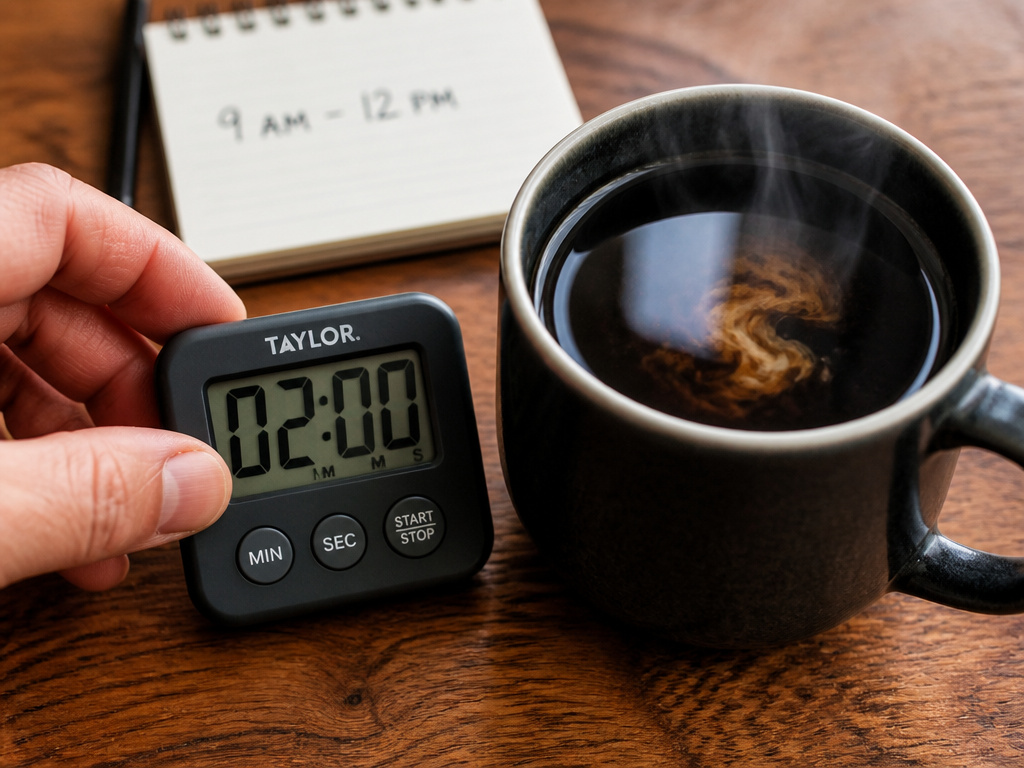
This is where the USDA guidance becomes directly relevant. Adding milk, cream, sugar, or even a flavored syrup changes everything.
You are no longer dealing with just coffee. You’ve introduced water activity, proteins, and carbohydrates, a buffet for microorganisms. The acidity of the coffee can somewhat inhibit growth, but it’s no longer a significant barrier.
The liquid moves into the FDA’s “Potentially Hazardous Food” category. The 2-hour window at room temperature is a real, practical limit.
- Dairy (Milk, Cream, Half-and-Half): Provides perfect nutrients for bacteria. In the danger zone, populations can double every 20 minutes. A latte left on a desk from 9 AM to noon is a gamble.
- Sugar: While less risky than dairy, sugar can support yeast and mold growth, especially in a slightly acidic environment. Iced coffee with simple syrup left in a car cup holder on a warm day is a petri dish.
- Non-Dairy Creamers: Many are oil-based and less hospitable to bacteria, but they can still spoil and develop rancid flavors. Treat them with the same caution as dairy.
The sensory warning signs change, too. Sourness from spoiled milk is distinct from coffee’s acidity. It’s a sharper, more unpleasant tang. Clumping or separation is a visual red flag.
If you’ve added anything to your coffee, the clock resets. The priority shifts from flavor preservation to safety. When in doubt, follow the same principle you would for an open glass of milk.
Cold Brew: The Exception That Proves the Rule
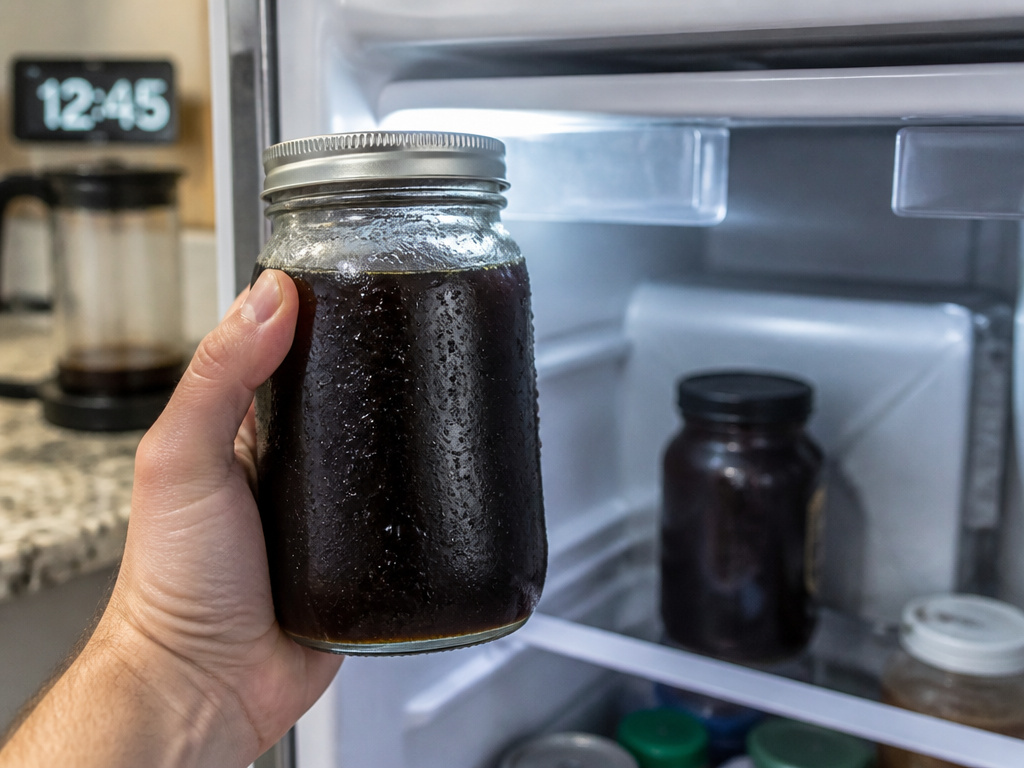
Cold brew coffee seems to break all the rules. You steep grounds in room-temperature or cold water for 12–24 hours, then drink it. How can that be safe if hot coffee can’t sit out that long?
The key is in the preparation and storage. Cold brew is typically made as a highly concentrated extract. This process, combined with the extended contact time, results in a different chemical profile, often lower in acidity and different in its soluble compounds.
More importantly, standard practice is to refrigerate the concentrate immediately after straining. The cold temperature halts microbial growth. A sealed container of cold brew concentrate can last in the refrigerator for 1–2 weeks.
Once you dilute that concentrate with water or milk and take it out of the fridge, the standard clocks start ticking. A diluted cold brew with milk left on a counter should follow the 2-hour rule. A black, diluted cold brew will follow the same flavor-degradation path as hot coffee, just starting from a colder temperature.
Its longer shelf life in the fridge isn’t magic. It’s a function of the preparation method, high concentration, and consistent, cold storage. It doesn’t mean the laws of food safety are suspended.
How to Store Coffee to Maximize Freshness
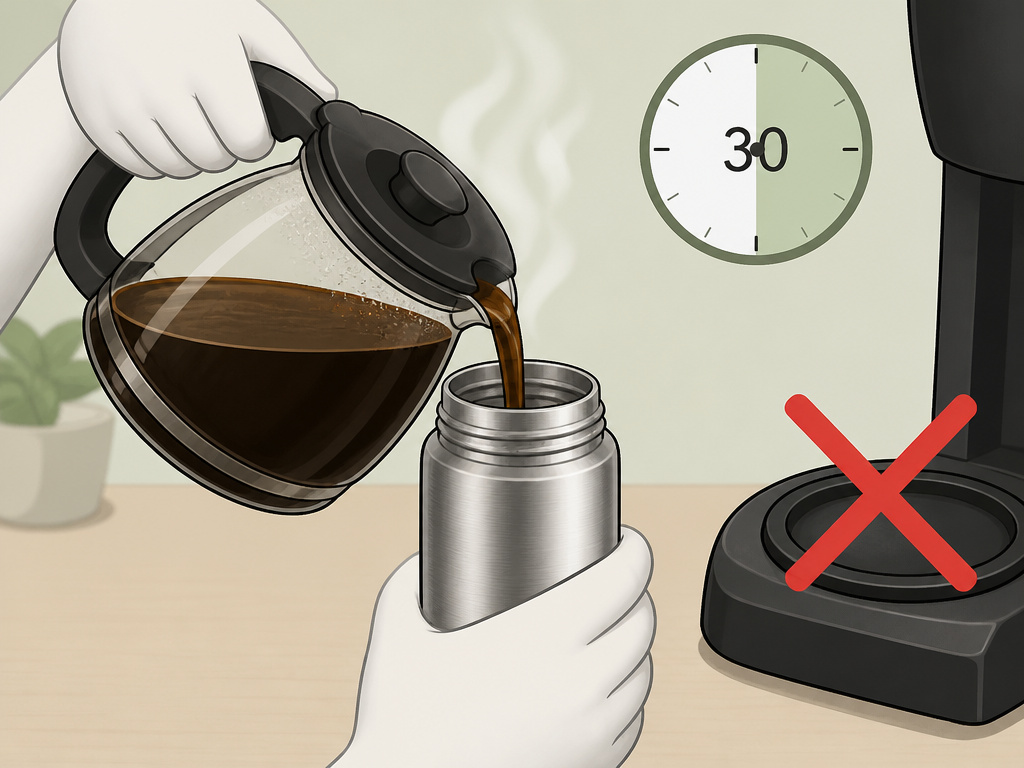
If you want your coffee to stay drinkable for more than 30 minutes, you need a strategy that fights oxidation and heat. The goal is to slow down the chemical reactions that cause staling.
- Ditch the Hot Plate. This is the single biggest improvement you can make. A thermal carafe is a far better investment than a machine with a warming burner. It keeps coffee hot (above 140°F) without actively cooking it.
- Minimize Air Exposure. Oxygen is the enemy. Transfer brewed coffee to a pre-heated, sealed thermos immediately after brewing. A full thermos has less headspace (air) than a half-full carafe.
- Refrigerate for Later Use. If you know you won’t finish the pot within 4 hours, pour it into a clean, airtight container and refrigerate it while it’s still warm. Chilling it rapidly slows degradation. This refrigerated coffee is perfect for making iced coffee later.
- Freeze in Portions. For longer storage, freeze cooled coffee in ice cube trays. Once frozen, transfer the cubes to a freezer bag. These are “coffee cubes” for iced coffee that won’t dilute your drink, or you can reheat a few for a quick cup.
Skipping the thermal carafe means committing to drinking your coffee within the first hour or accepting a significantly worse cup. The choice is simple.
Frequently Asked Questions
Can you drink day-old black coffee left out?
Yes, from a safety standpoint, it is likely safe to drink plain black coffee left out for 24 hours. The acidic, nutrient-poor environment is inhospitable to most harmful bacteria. However, the flavor will be severely degraded, stale, bitter, and flat. The risk is not illness, but disappointment.
How can you tell if coffee has gone bad?
Trust your senses. Smell it first. Gone-off coffee smells rancid, sour (in a spoiled milk way), or musty, not just acidic. Look at it. An oily, iridescent film on the surface is a sign of advanced oxidation. Any visible mold is an immediate discard. If it passes those checks, a tiny taste will confirm if it’s merely stale or actually spoiled.
Does caffeine content change as coffee sits out?
No. Caffeine is an extremely stable molecule. It does not evaporate or break down significantly at room temperature over days or even weeks. Your day-old coffee will have the same caffeine levels as when it was brewed. The stimulant effects remain, even if the flavor doesn’t.
Why does coffee from a coffee shop taste bad after a while?
Shop coffee often sits on heated burners or in air pots for hours. The constant heat accelerates staling. Furthermore, commercial coffee brewing methods often produce larger batches that cool and oxidize in the holding tank. That last cup from the afternoon batch lacks the bright notes of the morning brew.
The Bottom Line
Stop worrying about the 2-hour rule for your black coffee. You’re not going to get food poisoning from it. Start worrying about the 30-minute rule for flavor.
The best cup of coffee is the one you drink fresh. If you can’t, get it into a sealed thermos or the fridge. If you add milk, treat it like the perishable food it is and finish it quickly.
Coffee is a fleeting pleasure. Its best qualities evaporate with the steam. Plan your coffee routine around drinking it at its peak, not seeing how long you can stretch it. A reheated, refrigerated cup from this morning will always beat a lukewarm, hours-old cup from the pot.
