
Espresso Coffee Puck Wet | The 3-Way Solenoid Valve Truth
A wet espresso puck is a mechanical symptom, not a brewing error. It’s caused by your machine’s 3-way solenoid valve failing to evacuate water post-shot, or by a clogged shower screen. This is a design function on many machines. Fix the valve or clean the screen before adjusting your grind, which often worsens the problem.
Most guides tell you to grind finer or dose more when your puck is wet. That’s the commodity advice, and it’s wrong half the time. It assumes every machine has the same internal plumbing. It misses the machines designed to leave a damp cake, and it sends you down a rabbit hole of bitter, over-extracted shots while the real problem, a stuck valve or a clogged screen, goes unfixed.
This guide walks through the actual causes, starting with the hardware you own. We’ll cover how to diagnose a missing or faulty solenoid valve, clean a blocked shower screen, and understand when a little moisture is perfectly normal. You’ll know what to check, in what order, and what you can safely ignore.
Key Takeaways
- A wet puck is normal for machines without a 3-way solenoid valve; it’s a design feature, not a flaw.
- The most common fix is cleaning the shower screen, coffee oils and fine grounds clog the holes and disrupt water flow.
- Listen for the post-shot hiss. If you don’t hear it, your solenoid valve isn’t pulling back the leftover water.
- Adjusting grind size or dose should be your last step, only after verifying your machine’s mechanics are sound.
- A slightly damp puck on a high-end machine with good shot quality is often fine; chasing a bone-dry puck can lead to over-extraction.
The 3-Way Solenoid Valve: Your Puck’s Secret Dryer
Your machine’s 3-way solenoid valve is the part nobody talks about until it fails. It’s a small electromagnetic switch that controls water flow. During the shot, it opens to let pressurized water into the group head. The moment you stop the pump, it closes the line from the pump and opens a separate path to the drip tray, sucking residual water and pressure out of the portafilter. That suction is what dries the puck.
A machine with a functioning 3-way solenoid valve will produce a dry, firm puck that holds its shape when knocked out. A machine without one, or with a stuck valve, will leave a wet, soupy mess regardless of your brewing technique.
If your machine is an entry-level model like a De’Longhi Stilosa or a basic Breville Bambino (not the Plus), it likely lacks this valve entirely. In that case, a wet puck is standard. You can’t fix it, only manage it. For owners of machines like the Breville Barista Express or a La Marzocco Linea Mini, a wet puck means the valve is dirty, stuck, or the group head gasket is too worn to seal properly.
The tell is sound. After you finish a shot, remove the portafilter immediately. You should hear a sharp hiss as the valve vents pressure and pulls water back. No hiss? Start with valve maintenance before you touch your grinder.
TL;DR: Listen for the hiss after your shot. No hiss means your 3-way valve isn’t working, and your puck will stay wet no matter how fine you grind.
Step-by-Step Diagnosis: Don’t Just Grind Finer
Chasing a dry puck by grinding finer is the classic rookie error. It over-extracts your coffee, making it bitter, and can choke the machine. Follow this order instead.
- Confirm your machine type. Check the manual or product page. If it doesn’t mention a “3-way solenoid” or “auto-purge valve,” you have your answer. A wet puck is normal. Your energy is better spent on other aspects of espresso shot strength, like bean freshness and roast level.
- Clean the shower screen. Remove the portafilter and run the machine for a few seconds without a basket. The water should stream out evenly from all holes. If it dribbles or sprays unevenly, coffee oils and fine grounds are clogging it. Scrub it with a dedicated group head brush. The Breville Barista Express manual specifically calls this out on page 18 to prevent uneven extraction.
- Test the valve. Pull a blank shot, just water, no coffee. Immediately after stopping the pump, remove the portafilter. Listen for the hiss and watch for water to suck back from the group head into the drain line. If nothing happens, the valve may be stuck open or closed.
- Check the group head gasket. A worn, hard gasket won’t let the portafilter seal tightly against the shower screen. This breaks the pressure seal needed for the solenoid to work. If the gasket is blackened, cracked, or over two years old, replace it.
- Only then, adjust your dose and grind. If the mechanics are sound but the puck is still soupy, your basket might be under-dosed. Or your grind might be too coarse, allowing water to channel through too quickly without building proper pressure.
| Step | Tool Needed | What to Look For | If You Skip It |
|---|---|---|---|
| 1. Machine Check | User manual / product specs | Presence of a “3-way solenoid valve” | You’ll waste time fixing a non-issue on a valve-less machine. |
| 2. Shower Screen | Group head cleaning brush | Even water distribution from all holes | Uneven extraction, channeling, and a perpetually wet puck. |
| 3. Valve Test | Your ears | A distinct “hiss” after the pump stops | You’ll blame your technique for a mechanical failure. |
| 4. Gasket Inspection | Flashlight | Cracks, hardness, or black residue on the rubber | Poor seal leads to leaking during extraction and a wet puck after. |
| 5. Dose/Grind | Scale, grinder | 18-20g dose for a double basket; 25-30 second shot time | You may over-extract trying to solve a hardware problem. |
Common mistake: Immediately grinding finer when you see a wet puck, you’ll over-extract the coffee, making it bitter and astringent, while the clogged shower screen or stuck valve remains the root cause.
TL;DR: Diagnose the machine first, the coffee second. A clean, functioning solenoid valve and shower screen solve 80% of wet puck problems before you ever need to adjust your grind consistency.
When a Wet Puck Is Actually Fine (And When It Isn’t)
The specialty coffee community has spent years debating the “perfect puck.” The truth is, a slightly damp puck on a high-end machine with a good espresso-based drink in the cup is often nothing to worry about. The 2011 study in the Journal of Food Engineering by Navarini et al. showed that extraction efficiency and puck dryness are not perfectly correlated. You can have a fantastic shot with a damp cake.
The problem isn’t moisture itself. It’s what the moisture signals. A soupy, collapsed puck that looks like mud indicates channeling or uneven extraction. Water found a fast path through the coffee bed, leaving other areas under-extracted. A damp but intact puck that knocks out in one piece? That’s usually fine.
Here’s the simple rule: judge the shot, not the puck. If your espresso tastes balanced, not sour, not bitter, with good body, a little leftover water is irrelevant. This is a key point of disagreement between some manufacturer advice and experienced baristas. Manuals often imply a dry puck is the ultimate goal, but many pros on forums like Home-Barista.com prioritize taste over puck aesthetics.
Pre-Infusion and Puck Saturation: The Hidden Variable
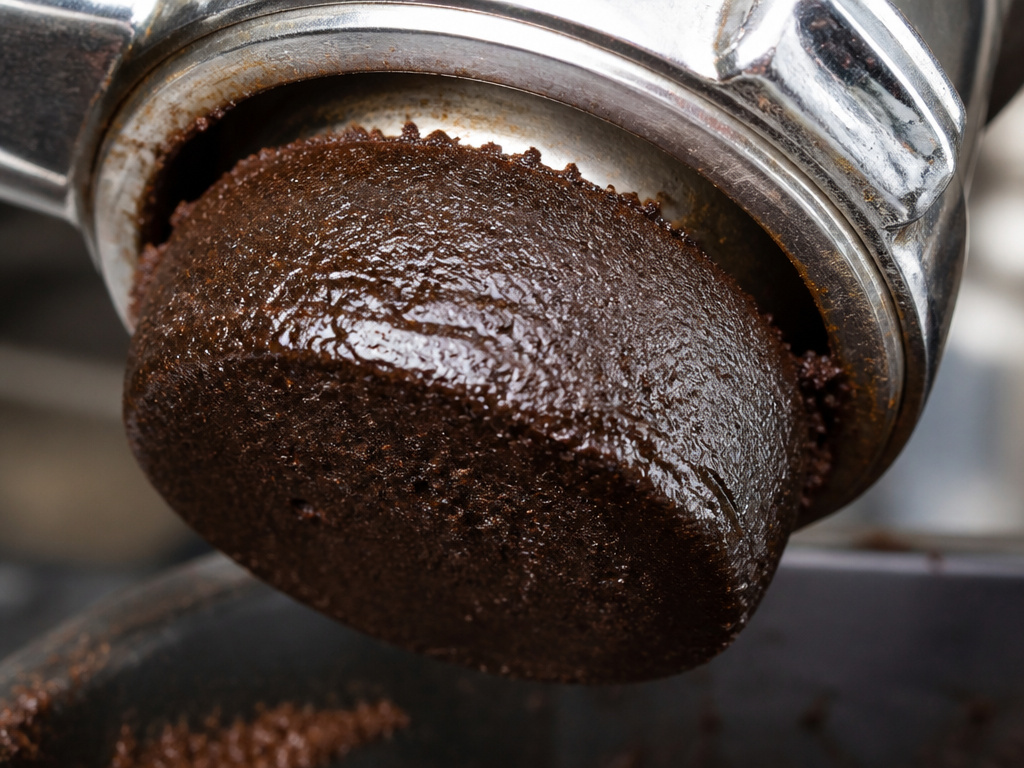
Modern machines with pre-infusion or saturated group heads change the game. Pre-infusion wets the entire puck evenly at low pressure before ramping up to full 9 bars. This minimizes channeling but can leave the grounds more saturated. Saturated group heads, like on higher-end La Marzocco machines, maintain a constant temperature but also keep the group head “wet” internally.
These features can produce a damp puck even with perfect technique and a working solenoid valve. The water has more time to permeate the coffee grounds. If you’re using a machine with these features and getting a great-tasting shot, ignore the dampness. Chasing a bone-dry puck here might mean shortening pre-infusion or lowering brew temperature, which could harm flavor more than it helps the puck.
I ran my Linea Mini with a 10-second pre-infusion for a year, chasing a drier puck. The shots were good, but never great. I dropped pre-infusion to 5 seconds, kept everything else the same, and the flavor clarity improved. The puck was still damp. I learned to stop looking at it.
The Two Edge Cases That Break the Rules
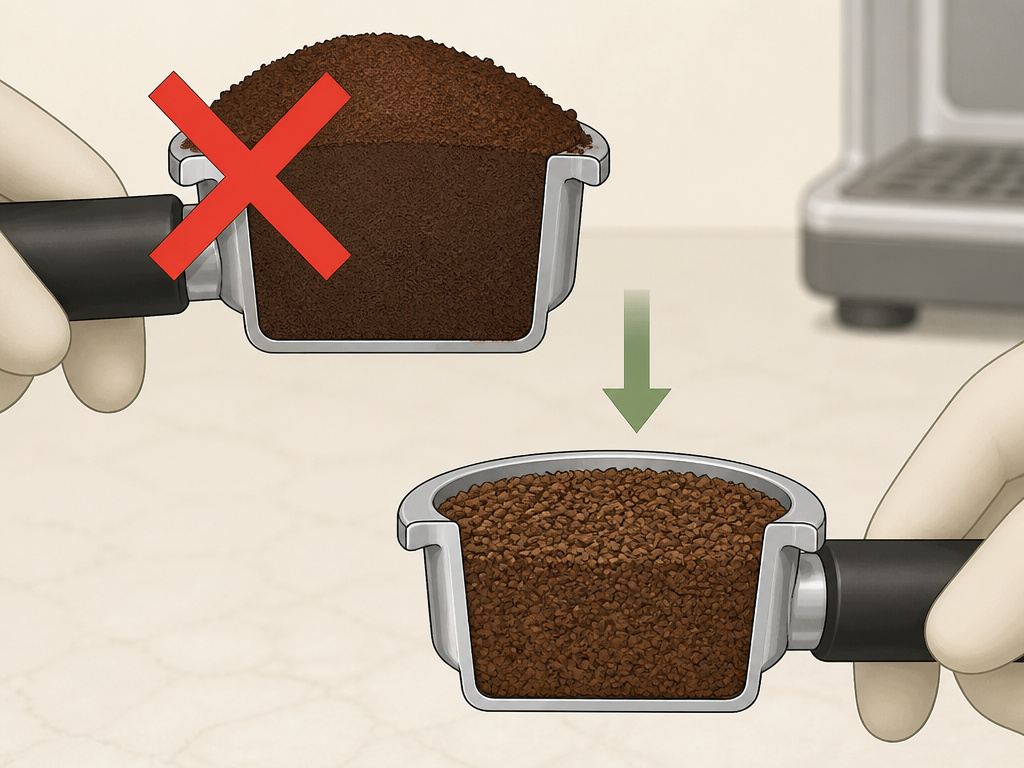
Two scenarios defy the standard diagnosis flow.
First, ultra-fine grinds and very high doses. Packing 22 grams into an 18-gram basket with a Turkish-level grind creates a density the 3-way valve can’t fully evacuate. The pressure is too high, the coffee bed is too compact. You’ll get a wet puck even with a clean, working valve. The fix is to back off. Use the basket’s rated dose.
Second, certain older or prosumer machine designs. Some lever machines or models with unique pressure profiles don’t rely on a solenoid valve for puck drying. They use a different mechanical release. If you own one of these, the standard “hiss test” doesn’t apply. You need to consult your specific machine support resources or community forums.
| Scenario | Puck Result | Root Cause | Action |
|---|---|---|---|
| Ultra-Fine Grind / High Dose | Wet, dense, hard puck | Coffee bed is too compact for valve to suction water out. | Reduce dose by 1-2g or coarsen grind slightly. |
| Valve-less Machine | Always wet, often soupy | No mechanical means to pull water back post-shot. | Accept it. Focus on other metrics like taste and crema. |
| Clogged Shower Screen | Wet, uneven, possible channeling | Water can’t distribute evenly, leading to poor extraction. | Clean screen with a brush and backflush with detergent. |
| Stuck Solenoid Valve | Very wet, no hiss after shot | Valve is stuck open or closed, no suction occurs. | Descale machine. If persists, valve may need replacement. |
TL;DR: If you’ve checked everything, valve, screen, dose, grind, and your puck is still wet but your shot tastes perfect, you’ve hit an edge case. Stop worrying.
Cleaning and Maintenance: Your First Line of Defense
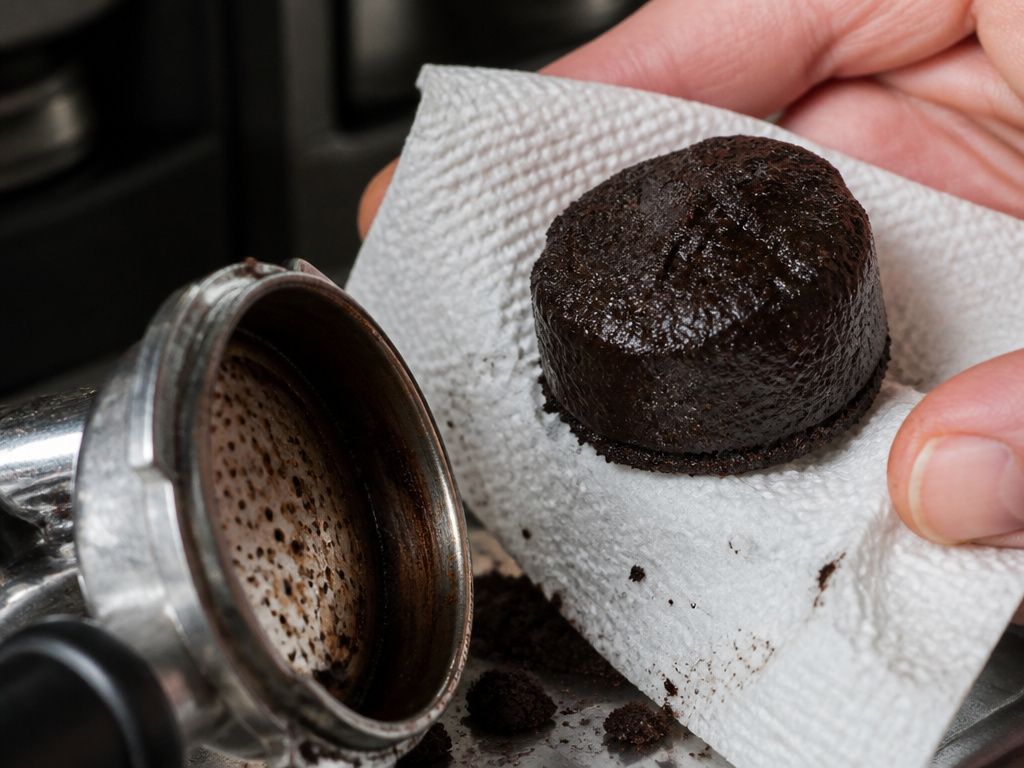
A clean machine is a predictable machine. Coffee oils and fine grounds are the main enemies of a dry puck. They clog the small orifices in the shower screen and can gum up the solenoid valve itself.
Backflush your machine with a blind basket and cleaning detergent (like Cafiza) weekly if it has a 3-way valve. This forces water and cleaner backwards through the group head and valve, dissolving built-up oils. For the shower screen, remove it monthly and soak it in the same detergent. A toothpick can gently clear any stubborn clogged holes. Regular descaling is also critical, as mineral scale can impede the solenoid valve’s movement.
This routine maintenance prevents most wet-puck issues before they start. It also protects the taste of your coffee from rancid oil buildup. Think of it like changing the espresso machine filter or the water, non-negotiable for performance.
Frequently Asked Questions
Does a wet espresso puck mean a bad shot?
Not necessarily. A wet puck can be caused by machine design (no solenoid valve), a slightly damp but intact puck with great taste is fine. A soupy, collapsed puck usually indicates channeling or uneven extraction, which does lead to a bad shot.
How do I know if my espresso machine has a 3-way solenoid valve?
Check your user manual or the manufacturer’s website product specifications. It’s often listed as a feature. If your machine makes a distinct “hiss” and you see a small gush of water into the drip tray immediately after you stop the brew, it has one. Most entry-level machines lack this valve.
Can I fix a wet puck by grinding finer?
You can try, but it’s often the wrong first step. Grinding finer increases extraction pressure and can lead to over-extraction (bitterness). It also won’t fix a clogged shower screen or a stuck solenoid valve. Adjust grind only after confirming your machine’s mechanics are sound.
Why is my puck wet on one side only?
This almost always points to a clogged shower screen. Water is not distributing evenly across the coffee bed. Remove the portafilter and run the machine without a basket to observe the water pattern. Clean the shower screen with a brush.
Is a bone-dry puck always the goal?
No. While a dry, firm puck is satisfying and often indicates good technique and machine health, it’s not a reliable indicator of shot quality. Many high-end machines with pre-infusion or specific pressure profiles produce slightly damp pucks with excellent flavor. Focus on taste first.
Before You Go
A wet espresso puck is more often a message from your machine than a critique of your technique. The loudest signal is the absence of that post-shot hiss, it means your 3-way solenoid valve isn’t doing its job. Before you dump another gram of coffee into the basket or twist your grinder a notch finer, clean your shower screen and test that valve.
Remember that machines without this valve are designed to leave a damp cake. And for everyone else, a little moisture is okay if the shot in the cup is balanced. Chasing a perfectly dry puck can send you down the path of over-extraction and frustration. Listen to your machine, clean it regularly, and let the taste of the espresso be your final judge.
