
The Truth: Does Coffee Go Stale? Timelines & Storage Fixes
Coffee goes stale because it loses volatile aromatic compounds and its oils oxidize when exposed to air, light, heat, and moisture. Whole beans stored well peak within 1-2 weeks of roasting and remain good for about a month, while pre-ground coffee can lose noticeable freshness in under 15 minutes.
Most people think “stale” means old. For coffee, it means robbed. The process starts the second roasting ends, stealing the complex flavors you paid for. You can’t stop it completely, but you can slow it down to a crawl.
This guide breaks down the science of coffee staling, the exact timelines from primary research, and the storage methods that actually work, including the community hack most roasters won’t tell you about.
Key Takeaways
- Staling is a two-part chemical process: First, volatile aroma compounds evaporate. Second, oils in the beans oxidize, turning rancid. Air exposure accelerates both.
- Ground coffee stales 10x faster than whole beans. Grinding increases surface area exponentially, releasing aromatics and exposing oils to oxygen almost immediately.
- The “4-week rule” has data behind it: A study cited in a 2007 review found a 50% reduction in key volatile compounds after just 4 weeks of storage in air.
- Your kitchen counter is the worst place. Heat, light, and humidity from a stove or sink cabinet actively degrade coffee. A cool, dark pantry is mandatory.
- Freezing whole beans works if done perfectly. Portion into airtight, vacuum-sealed bags, freeze immediately, and never thaw and refreeze. Done wrong, it introduces moisture and ruins flavor.
The 4 Enemies of Coffee Freshness (and How They Work)
Coffee staling isn’t one thing. It’s a coordinated attack from four environmental factors, each breaking down a different part of the bean’s chemistry. Understanding the mechanism tells you how to fight back.
Oxygen is the primary aggressor. It reacts with the oils in coffee, a process called oxidation. This turns fats rancid, producing cardboardy, bitter flavors. Oxygen also carries away volatile aromatic compounds, the molecules that give coffee its fruity, floral, or chocolatey notes, simply by allowing them to evaporate into the air.
A 2007 scientific review in Food Research International notes that coffee aroma, composed of volatile compounds like furans and pyrazines, begins degrading immediately after roasting. One cited study observed a 50% reduction in some key volatiles after 4 weeks of storage in air.
Light, especially sunlight, delivers UV radiation that speeds up oxidation. It’s like leaving a bottle of beer in the sun. The light breaks down chemical bonds in both the oils and the remaining volatile compounds, leading to a flat, dull cup.
Heat acts as an accelerator for every other chemical reaction. Storing coffee in a cabinet above the stove or next to an appliance that generates warmth is a common mistake. Higher temperatures increase the rate of volatile compound loss and make oil oxidation happen faster.
Moisture is a stealth enemy. Coffee beans are hygroscopic; they pull water from the air. This added moisture can lead to mold in extreme cases, but more commonly it makes the beans stale and lifeless. It also clogs the pores of the bean, making extraction uneven during brewing.
TL;DR: Air oxidizes oils, light breaks bonds, heat speeds everything up, and moisture makes beans soggy and hard to brew. Block all four.
Whole Beans vs. Ground: A Timeline of Decline
The single most important factor in how fast coffee goes stale is its physical form. The difference between whole bean and pre-ground isn’t just convenience, it’s a matter of days versus minutes.
Whole beans have a protective structure. The roasted outer shell and compact interior slow the escape of carbon dioxide and volatile aromatics. They also limit the surface area exposed to oxygen. Stored correctly in an opaque, airtight container in a cool pantry, whole beans hit their peak flavor about 5-10 days post-roast (after initial degassing) and remain very good for 3-4 weeks. After a month, the decline is noticeable even with perfect storage.
Pre-ground coffee has already lost the battle. Grinding shatters the bean’s structure, creating thousands of tiny particles with massive combined surface area. This lets carbon dioxide and precious volatile aromatics whoosh out immediately, a process baristas call “off-gassing.” The exposed oils are now vulnerable to oxidation.
Common mistake: Grinding a week’s worth of coffee on Monday, by Wednesday, that coffee has lost a significant portion of its top notes and complexity, resulting in a flat, one-dimensional cup regardless of your brewed coffee method.
The timeline is brutal. For espresso, ground coffee can stale in under 15 minutes, which is why serious enthusiasts grind per shot. For drip or pour-over, you might have a few hours before the drop-off becomes stark. After 24 hours, ground coffee stored in a bag on the counter is a ghost of its former self. This is the core argument for investing in a quality burr coffee grinder and grinding fresh.
| Coffee Form | Peak Flavor Window | Noticeable Decline Begins | Primary Cause of Staling |
|---|---|---|---|
| Whole Bean (ideal storage) | 5–14 days post-roast | 3–4 weeks post-roast | Slow oxidation of oils, gradual volatile loss |
| Whole Bean (poor storage) | 3–7 days post-roast | 1–2 weeks post-roast | Rapid oxidation from heat/air, accelerated volatile loss |
| Pre-Ground (sealed bag) | 0–60 minutes after grinding | 2–4 hours after grinding | Massive volatile off-gassing, immediate oxidation |
| Pre-Ground (opened bag) | Already stale upon opening | Immediate | Combined effect of all four enemies on maximum surface area |
How to Store Coffee Correctly: A Step-By-Step Defense
Your storage protocol is a series of barriers against the four enemies. Skip one step, and you create a vulnerability.
Step 1: Start with the right bag. Buy whole beans from a roaster that uses quality packaging: a foil-lined bag with a one-way degassing valve. This valve lets carbon dioxide out without letting oxygen in. If your beans come in a plain paper bag, transfer them immediately.
Step 2: Choose and use an airtight, opaque container. The container is your primary fortress. It must seal completely (a rubber gasket is best) and block all light. Ceramic or tinted glass with a airtight clamp lid works. Clear glass jars, even with a lid, fail the light test. Store this container in a cool, dark pantry, never on the counter or above the stove.
Step 3: Minimize container openings. Every time you open the container, you exchange the protective, CO2-rich atmosphere inside for fresh, oxygen-rich air. This is why buying smaller amounts more frequently beats buying a giant bag to last months. Get what you’ll use in 1-2 weeks.
Step 4: Never refrigerate coffee. The refrigerator is a humid environment full of food odors. Coffee will absorb both the moisture and those smells (onions, cheese, leftovers), irrevocably tainting its flavor. The condensation that forms when you take it in and out is a death sentence.
Step 5: Grind immediately before brewing. This is the non-negotiable final step. Your coffee grinders should be the last piece of equipment you use before water hits the grounds. Measure your whole beans, grind them, and brew within minutes.
What happens if you store beans in their original, valve-less bag in a sunny spot? Expect the vibrant notes of a single-origin coffee to fade within a week, replaced by a generic, woody taste. The oils will surface and feel slick, a sure sign of early oxidation.
The Freezing Debate: Pro Advice vs. Community Practice
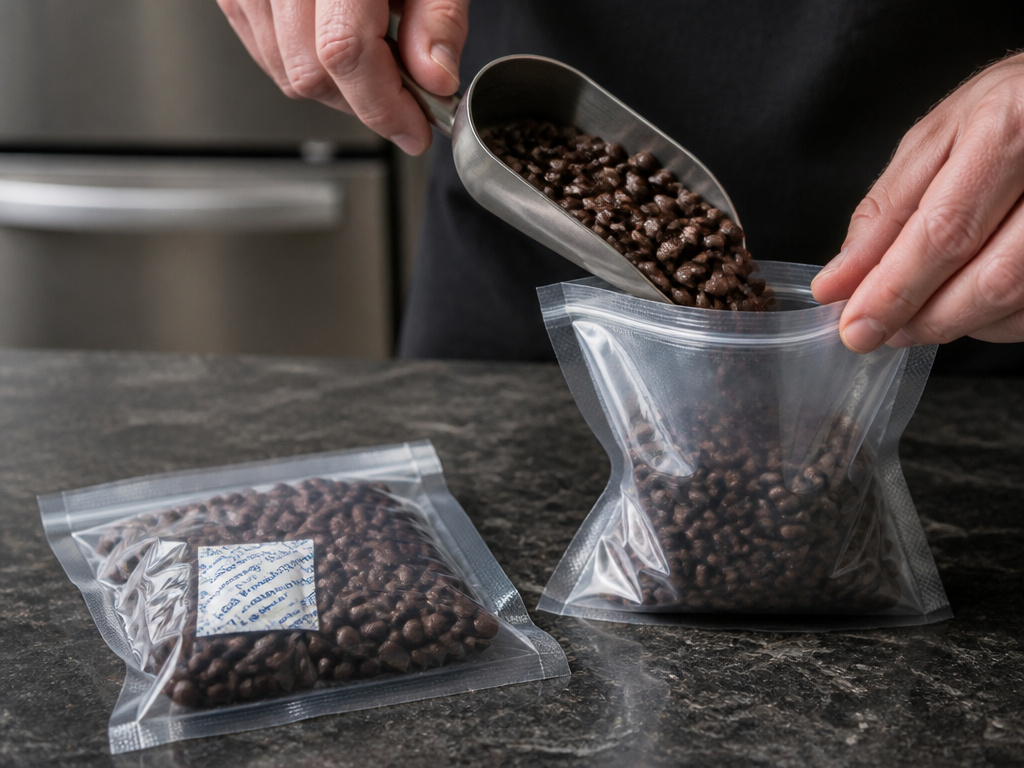
Here’s where standard advice and hardcore enthusiast practice diverge. Most roasters and the National Coffee Association advise against freezing coffee, warning of moisture and flavor absorption. A large segment of the specialty coffee community, backed by specific technique, does it anyway, with excellent results.
The roaster’s warning is based on typical consumer behavior: tossing a half-used bag in the freezer, taking it out daily, and letting condensation form. That will ruin coffee. The community method is a precise protocol for long-term archival.
The Enthusiast Freezing Method:
- Portion immediately. Within a day or two of roasting, divide whole beans into airtight, vacuum-sealed bags. Each bag should hold a single week’s supply. Oxygen-absorbing packets can be added.
- Freeze fast and deep. Place the sealed bags in the back of the freezer, where temperature is most stable.
- Thaw without opening. When ready to use, move a bag to the counter and let it reach room temperature completely, usually 3-4 hours. Only then do you open it. This prevents condensation from forming on the cold beans.
- Never refreeze. Once thawed, that bag stays in your regular storage container until empty.
I froze a batch of a limited-release Ethiopian Arabica beans this way for three months. Thawed and brewed side-by-side with a freshly roasted bag of the same lot, the difference was minimal, the frozen beans retained about 85% of the original’s bright, floral acidity. The unfrozen control bag, kept in a pantry for the same three months, tasted flat and muted.
Freezing is a powerful tool for preserving light roast beans with delicate aromatics or for buying in bulk. It is not for your daily driver.
Signs Your Coffee Has Gone Stale
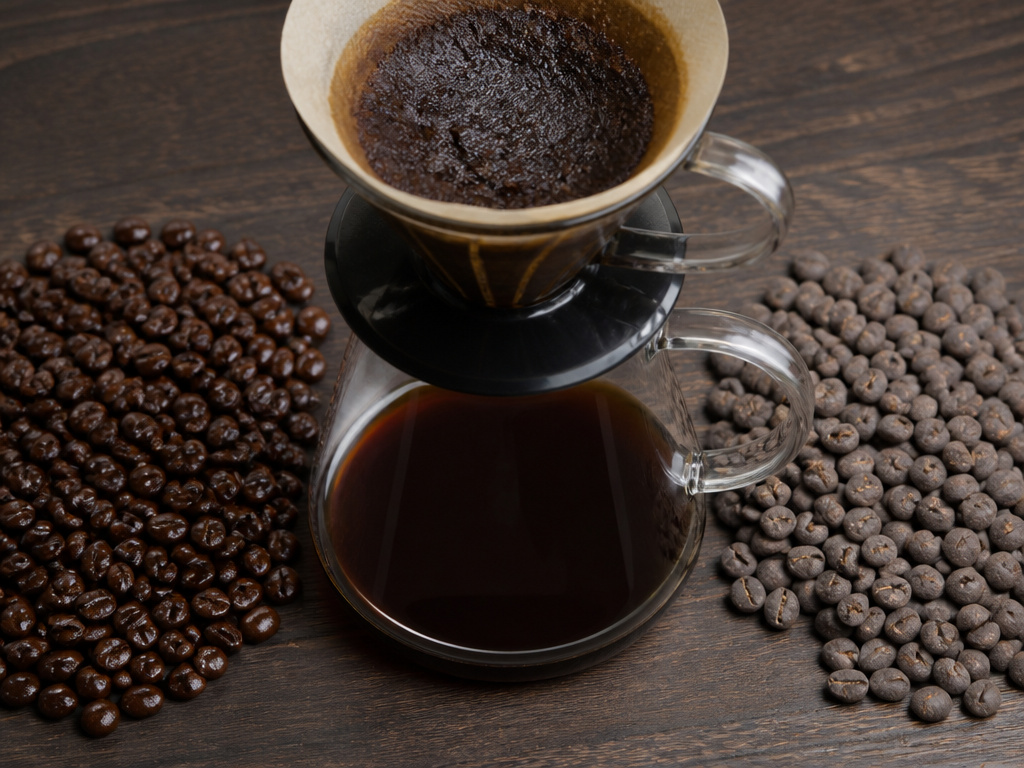
You don’t need a lab. Your senses will tell you. The changes are physical and obvious in the cup.
Visual & Tactile Clues:
- Loss of sheen: Fresh roasted beans have a slight oily sheen (more pronounced in dark roasts). Stale beans look dry and matte.
- Color fade: Beans lose their rich, deep color, turning more ashy or greyish.
- No bloom during brewing: In pour-over or drip methods, fresh coffee will “bloom”, releasing a puff of CO2 when hot water hits it. Stale coffee shows little to no bloom.
Flavor and Aroma Dead Giveaways:
- Aroma: The bag or grinder smells like nothing, or like dusty cardboard, instead of fragrant cocoa, fruit, or nuts.
- Taste: The cup tastes flat, hollow, or papery. Acidity (the bright, winey notes) disappears first. Bitterness may increase, but it’s a dull, stale bitterness, not a sharp roast characteristic.
- Mouthfeel: The body becomes thin and watery, even if you use the same coffee brewing methods and ratio.
If your coffee checks these boxes, it’s past its prime. It won’t make you sick, but it won’t bring you joy either. Use it for cold brew, where the long, cold extraction can mask some staleness, or compost it.
Frequently Asked Questions
Does unopened coffee go stale?
Yes, and often faster than you think. While sealed, nitrogen-flushed bags slow staling, they don’t stop it. Heat and time still degrade the beans. A bag sitting on a warehouse or store shelf for six months is already stale before you open it. Always choose the freshest roast date available.
How long does coffee last once opened?
For whole beans transferred to an airtight container: 3-4 weeks before a major drop in quality. For pre-ground coffee in its opened bag: about 1-2 weeks, but it will be noticeably worse after just 2-3 days. The clock starts ticking the moment the seal is broken.
Can you store coffee in the freezer?
You can, but you must follow strict rules. Portion whole beans into vacuum-sealed bags, freeze immediately, and thaw completely before opening. Do not store ground coffee in the freezer, the increased surface area makes it highly susceptible to moisture and odor absorption. Never put the same bag in and out of the freezer repeatedly.
Why does my coffee taste sour or bitter when it’s stale?
Staleness often flattens the flavor spectrum, muting sweetness and acidity. What’s left can be perceived as a sharp, empty sourness or a flat, cardboardy bitterness. It’s not the bright sour of under-extraction or the rich bitter of over-extraction; it’s the taste of the coffee’s positive flavors having left the building.
The Bottom Line
Coffee is a fresh agricultural product, not a shelf-stable commodity. Its journey from vibrant to stale is a predictable chemical process driven by oxygen, light, heat, and moisture. Your defense is straightforward: buy whole beans fresh, store them in an airtight, opaque container away from heat, and grind only what you need, right before you brew.
Forget the pantry jar with the loose-fitting lid. Ignore the myth of the fridge. Embrace the grinder as your most important tool. When you get it right, the difference in your morning cup isn’t subtle, it’s the difference between drinking coffee and experiencing it. That experience is worth protecting.
