
Using Instant Coffee as Espresso Powder: What You Must Know
You can use instant coffee as a substitute for espresso powder in baking by grinding it fine and using 50% more by volume, but the flavor will be sharper and more acidic, not the deep, rounded chocolate enhancer that espresso powder is.
Most recipes suggest a simple one-to-one swap. That advice is wrong. It misses the fundamental difference between a brewed-and-dried concentrate and a roasted-and-ground bean. A direct swap leaves your chocolate cake tasting sour and your tiramisu cream gritty.
This guide walks through the chemistry of why espresso powder works, where instant coffee fails, and the exact adjustments you need to make if you’re out of the real stuff. We’ll cover the right ratio, the essential grinding step everyone skips, and what you should never try to do with instant coffee.
Key Takeaways
- Espresso powder is finely ground, dark-roast coffee beans; instant coffee is a brewed, dehydrated concentrate. They are chemically different products.
- In baking, use 1.5 teaspoons of finely ground instant coffee for every 1 teaspoon of espresso powder. Skip the grinding step and you’ll get gritty pockets.
- Never try to make an espresso shot with instant coffee in a machine. The result is unbearably sour and acidic.
- For non-baking uses like rubs or ice cream bases, instant coffee can work, but expect a brighter, more acidic coffee note.
- The best results come from grinding your instant coffee to a powder with a mortar and pestle or a dedicated spice grinder.
Why Espresso Powder Works Magic in Baking
Espresso powder isn’t just strong coffee. It’s roasted darker than most beans, ground to a talcum-powder fineness, and designed to dissolve without a trace. In baked goods, it performs two specific jobs.
First, it amplifies chocolate. The bitter, roasted compounds in the powder latch onto the fatty, sweet notes in cocoa, making them taste richer and deeper. It doesn’t make the cake taste like coffee. It makes the cake taste more like chocolate. Second, it contributes to the Maillard browning reaction. The fine powder distributes evenly, promoting a consistent, dark crust on cookies and cakes.
Espresso powder is roasted specifically for baking, often to a temperature 15-20°C higher than a standard dark roast. This extra roast develops melanoidins that bind to cocoa flavonoids, creating the synergistic “more chocolate” effect without adding liquid.
Common mistake: Assuming any dark roast ground coffee will work — using regular pre-ground coffee adds grit and a stale, papery flavor because the oils have oxidized. That grit never fully dissolves.
The Instant Coffee Substitution Ratio That Actually Works
The one-to-one substitution you see everywhere is a lie. It produces weak coffee flavor and, worse, undissolved granules.
Instant coffee is a brewed, freeze-dried concentrate. It’s already been extracted once, so its flavor compounds are different. To match the intensity of espresso powder, you need more volume. The rule is 1.5 to 1.
| Espresso Powder Called For | Instant Coffee Needed | Critical Prep Step |
|---|---|---|
| 1 teaspoon | 1.5 teaspoons | Grind to a fine powder, then dissolve in 1 Tbsp hot liquid |
| 1 tablespoon | 1.5 tablespoons | Grind to a fine powder, then dissolve in 2-3 Tbsp hot liquid |
| 1/4 cup | 6 tablespoons | Grind in batches, dissolve in a portion of the recipe’s wet ingredients |
You cannot just spoon the granules in. They will not hydrate fully in the batter. You’ll bite into a tiny, bitter pocket of pure instant coffee. It’s unpleasant.
The prep is non-negotiable. Grind your instant coffee granules in a mortar and pestle or a clean spice grinder until it looks like powdered sugar. Then, dissolve that powder in a small amount of hot liquid from the recipe—water, milk, or even vanilla extract. This guarantees even distribution.
TL;DR: Use 50% more finely ground instant coffee than the espresso powder your recipe calls for, and always dissolve it in hot liquid first.
Where the Swap Falls Flat (And What to Do About It)
Even with the correct ratio and prep, the flavor profile is different. Expect a sharper, more acidic note.
Espresso powder delivers a low-acid, roasted depth. Instant coffee, especially mass-market brands like Nescafé Taster’s Choice or Folgers, carries a brighter, sometimes almost sour top note. This is because the extraction and freeze-drying process locks in certain volatile acids.
In chocolate desserts, this can tilt the flavor from “deep, fudgy” to “tangy mocha.” In a tiramisu, where the coffee flavor is front and center, the difference is stark. The mascarpone cream will taste like it was made with stale diner coffee, not a rich espresso.
If you’re committed to the swap, choose the darkest, richest instant coffee you can find. Some specialty roasters now produce single-origin instant coffee. These are closer in quality but still won’t match the specific baking chemistry of a product like King Arthur Baking Espresso Powder or Medaglia D’Oro.
I tried a one-to-one swap in a double chocolate brownie recipe with a generic instant coffee. The center was fine, but the edges where batter met pan tasted sharply acidic. My kid asked if I’d added lemon zest by mistake.
For recipes where coffee is a background note, like a mole sauce or a barbecue rub, the swap is less critical. The sharpness can even be a benefit, cutting through fat and sugar. But for any dessert where “espresso” is in the title, just wait until you can get the real thing.
The One Thing You Should Never, Ever Do
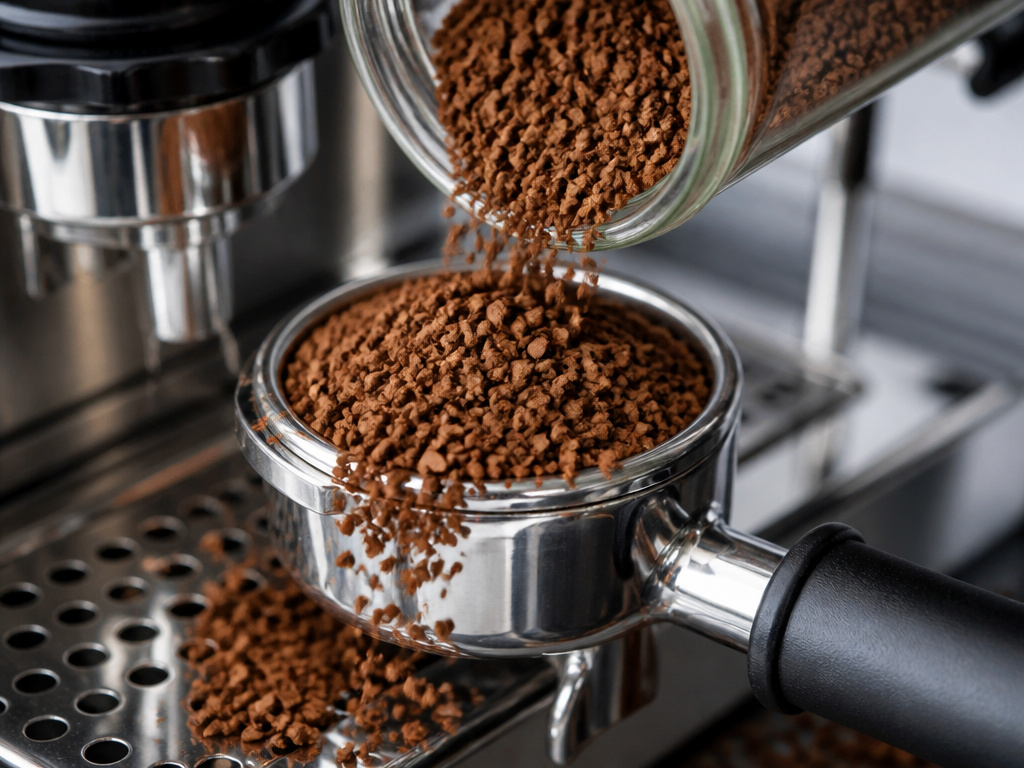
Do not try to make an espresso shot with instant coffee in an espresso machine.
I loaded a portafilter with instant crystals and pulled a shot. The machine choked, then produced a thin, pale, violently sour liquid. It tasted like battery acid with a faint coffee aftertaste. The caffeine in espresso comes from high-pressure extraction of oils and solids; instant coffee is those solids pre-extracted and dried. You’re just re-dissolving them under pressure, which amplifies their worst acidic qualities.
An espresso machine needs the resistance of finely ground coffee to create pressure. Instant coffee offers no resistance. The water blasts through, unevenly dissolving some granules and leaving others untouched. The result is a broken, terrible drink that will haunt you.
If you want a strong coffee drink, make a very strong regular brew or look into espresso-based drinks like an Americano. Do not sacrifice your machine or your taste buds to this experiment.
How to Improve Your Instant Coffee Stand-In
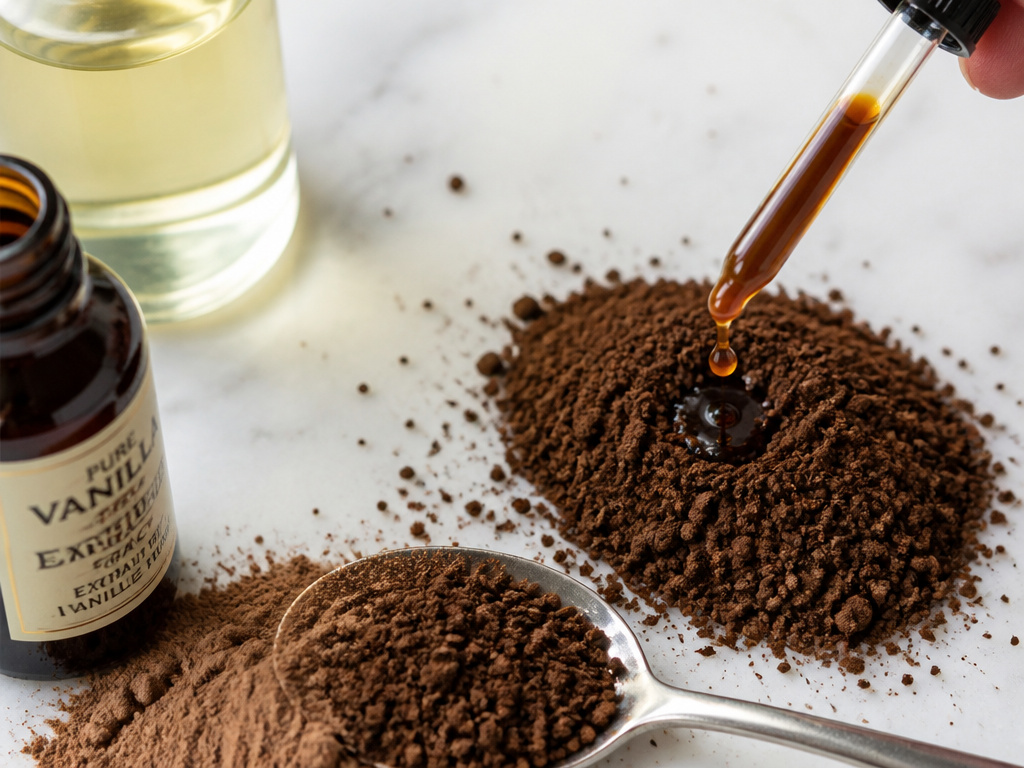
You can’t turn instant coffee into espresso powder, but you can nudge it closer.
Start with a dark roast instant. Pulverize it as described. Then, consider blending it with a tiny amount of cocoa powder. Just a quarter teaspoon of unsweetened cocoa per tablespoon of instant coffee adds some of the roasted, bitter depth that’s missing. It won’t replicate the magic, but it bridges the gap.
For recipes sensitive to added moisture, like dry rubs or some cookie doughs, you can try “blooming” the powdered instant coffee. Mix it with a drop of vanilla extract or a neutral oil called for in the recipe. Let it sit for five minutes. This re-hydrates the coffee and starts to mellow the sharpest acids before it goes into your mix.
Your choice of coffee bean types matters less here than your choice of processing. A freeze-dried instant will always taste brighter than an agglomerated one. Read the label.
What to Do With Leftover Instant Coffee
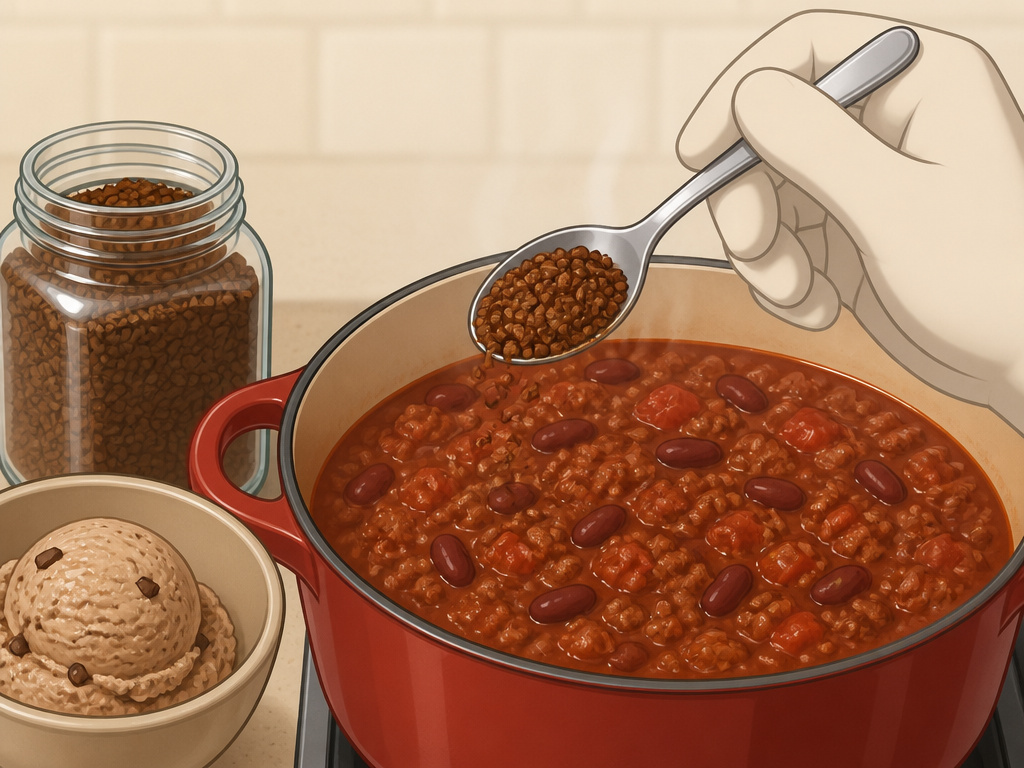
You’ve opened a jar for a baking emergency. Now you have three-quarters of a jar left. Don’t let it go stale.
Use it in savory applications. A pinch in chili, stew, or a spice rub adds a subtle bitter complexity that can round out sweet tomatoes or rich meat. It works in barbecue sauce too.
You can also use it to make coffee-flavored desserts where the coffee is the star, not a background enhancer. Coffee ice cream, for instance, can handle the brighter flavor of instant. Just dissolve it in the warm custard base before churning.
If you’re exploring coffee flavor profiles, tasting instant coffee side-by-side with brewed coffee from the same single-origin Arabica beans is an education in how processing changes everything.
Frequently Asked Questions
Does espresso powder dissolve better than instant coffee?
Yes, categorically. Espresso powder is ground fine enough to dissolve in cold liquid. Most instant coffee granules need hot water to dissolve fully. In a cold batter, you risk grittiness unless you pre-dissolve the instant coffee in a hot component.
Can I use brewed coffee or espresso instead of espresso powder?
No. Adding liquid throws off your recipe’s balance. A tablespoon of brewed coffee adds about half an ounce of water, which can ruin the texture of cakes and cookies. The point of a powder is flavor without dilution.
Why does my chocolate dessert taste sour with instant coffee?
You’re likely tasting the volatile acids locked into the freeze-dried instant. Espresso powder is roasted darker to minimize those acids. Try using less instant coffee, or blend it with a bit of cocoa powder as a buffer.
Is there a best brand of instant coffee for baking?
Look for a dark roast, freeze-dried instant. Specialty roaster versions are better, but for baking, a widely available brand like Nescafé Gold or Starbucks VIA Instant Dark Roast will give you more roasted depth than a light or medium roast.
Can I make my own espresso powder from coffee beans?
Technically, yes. Bake spent espresso grounds at 200°F for an hour to dry them out completely, then grind them to a powder in a spice grinder. The result is inferior to commercial powder—it’s less soluble and can taste ashy—but it works in a pinch for dry applications like rubs.
Before You Go
Espresso powder and instant coffee are not interchangeable. One is a baking-specific tool for amplifying flavor without moisture; the other is a convenient drink. If you must substitute, grind the instant coffee to a powder, use 50% more by volume, and always dissolve it in a hot liquid first. The flavor will be brighter and sharper, not the deep, rounded boost you’re after. For chocolate-heavy recipes, it’s worth waiting for the real thing. Keep a jar of King Arthur or Medaglia D’Oro in the pantry. Your brownies will thank you.
