
Should You Drink Coffee With Diarrhea? The Risks Explained
If you have diarrhea, you should avoid coffee, especially caffeinated coffee. Caffeine stimulates colonic contractions within minutes, and other compounds in coffee can further irritate your gut and worsen dehydration. The safest choice is to pause coffee until symptoms resolve, or switch to a heavily diluted, low-acid decaf brew with non-dairy creamer after hydrating with water.
Most people reach for coffee out of habit or need, not considering its direct chemical conversation with their distressed digestive system. They assume the problem is just caffeine.
The real issue is a triple threat of stimulation, chemical irritation, and fluid loss that can turn a bad day into a much longer one. This guide breaks down the science of why coffee and diarrhea clash, what your realistic options are if you can’t skip it, and how to get back to your routine safely.
Key Takeaways
- Caffeine triggers colonic muscle contractions in as little as four minutes, directly opposing the gut rest needed during diarrhea.
- Coffee’s chlorogenic acids elevate the hormone gastrin, which commands the entire digestive tract to move, a process known as the gastrocolic reflex.
- Coffee acts as a diuretic, promoting fluid loss at the exact time dehydration is your primary health risk.
- Decaffeinated coffee is not a free pass; it still contains bowel-stimulating acids and can irritate the gut lining.
- If you must drink coffee, choose a dark roast, brew it weak with a paper filter, use non-dairy creamer, and drink a full glass of water first.
How Coffee Can Worsen Diarrhea
Coffee doesn’t just wake you up. It wakes up your entire gastrointestinal tract with a specific, forceful series of commands. During diarrhea, your gut is already overactive and irritated. Adding coffee is like shouting into a megaphone in a noisy room.
The primary mechanism is the gastrocolic reflex. This is an involuntary nerve-mediated response where stretching or stimulation in the stomach signals the colon to empty, making room for new contents. Coffee, both caffeinated and decaf, is a powerful trigger for this reflex.
Coffee consumption stimulates colonic motility, the movement in your gastrointestinal tract. Data shows coffee drinking promotes the desire to have a bowel movement in about one-third of the population.
The reflex explains the common experience of needing to use the bathroom soon after a morning cup. When your gut is inflamed or infected, this forced evacuation is painful and counterproductive.
The Caffeine Effect
Caffeine is a known stimulant, but its speed and specificity on the colon are often underestimated. It doesn’t just provide a general “boost.”
Research indicates caffeine can stimulate movement of the colon within four minutes of ingestion. It does this by mimicking a neurotransmitter called adenosine, blocking its calming signals and allowing excitatory signals to increase muscle contractions. For a gut already cramping and moving too fast, this is a direct aggravant.
TL;DR: Caffeine forces colonic contractions within minutes, directly worsening cramping and frequency during a diarrheal episode.
Beyond Caffeine: Acids and Oils
Focusing solely on caffeine misses half the problem. Coffee contains hundreds of bioactive compounds, and several are gut irritants.
Chlorogenic acids are a major group. These antioxidants, while healthy in a stable gut, boost production of the hormone gastrin. Gastrin’s job is to stimulate gastric acid secretion and get your bowels moving. A PubMed review of coffee’s gastrointestinal effects details how these compounds influence the brain-gut axis, affecting motility and sensitivity.
Coffee oils, like cafestol, can also irritate the intestinal lining. Brewing methods without a paper filter (French press, espresso) leave more of these oils in your cup, potentially increasing the risk of coffee causing loose stools.
| Coffee Compound | Primary Effect on Gut | Why It’s Bad for Diarrhea |
|---|---|---|
| Caffeine | Stimulates colonic muscle contractions within minutes. | Increases stool frequency and abdominal cramping. |
| Chlorogenic Acids | Increases gastrin hormone, triggering the gastrocolic reflex. | Prompts urgent bowel movements on an already overactive system. |
| Natural Oils (Cafestol) | Can irritate the gut lining. | Worsens inflammation and discomfort in a sensitive intestine. |
| Acidity | Lowers pH in the stomach and intestinal tract. | Can exacerbate heartburn and general GI irritation. |
The Dehydration Double-Cross
Diarrhea causes rapid fluid and electrolyte loss. The primary medical advice is always to rehydrate with water, broths, or oral rehydration solutions.
Coffee, however, is a diuretic. It promotes urine production by increasing blood flow to the kidneys. When you drink coffee, you lose more water than you take in from the beverage itself. This diuretic effect compounds the dehydration caused by diarrhea, raising the risk of dizziness, fatigue, and worsened symptoms.
Common mistake: Drinking coffee to replace lost fluids, the diuretic effect means you’ll net lose more water, deepening dehydration within hours.
Your body’s priority during diarrhea is to conserve water and electrolytes. Consuming a diuretic beverage directly sabotages that effort. Reaching for coffee instead of an electrolyte drink or water makes recovery slower and more difficult.
Decaf Coffee: Is It a Safe Alternative?
The logical question is whether decaffeinated coffee solves the problem. The answer is more complicated than a simple yes.
Decaf coffee still contains chlorogenic acids and other organic compounds that stimulate gastrin production and the gastrocolic reflex. As one gastroenterology-focused video transcript noted, “both decaf and caffeinated coffee will make you poop, but the caffeinated coffee will help more.”
This means decaf is less aggressive, not inert. If your diarrhea is mild and you are desperately missing the ritual, a small cup of decaf might be tolerated better than regular coffee. However, it is not a “safe” choice, merely a “less risky” one.
The decaffeination process itself can also influence the acidity of coffee. Some methods use chemical solvents that may leave trace residues, while the Swiss Water Process is gentler. If you’re sensitive, the specific processing method might be a factor.
TL;DR: Decaf coffee is less likely to trigger urgent cramps than caffeinated, but it still chemically prompts bowel movement and can irritate your gut. It’s a compromise, not a cure.
Safer Ways to Drink Coffee (If You Must)
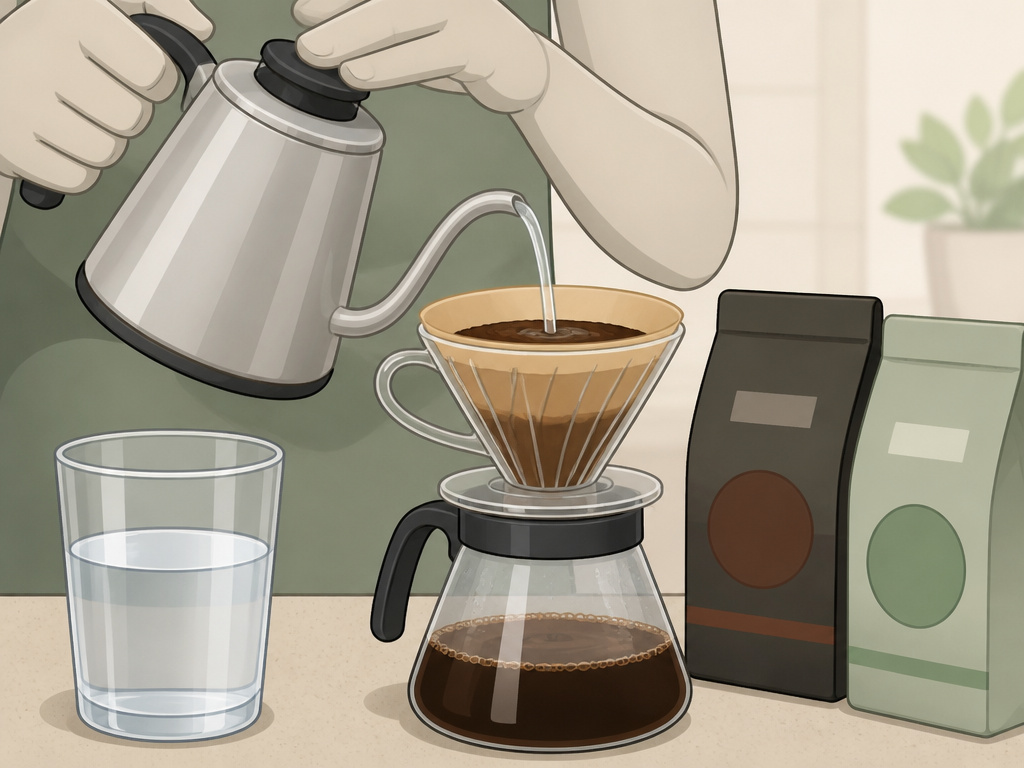
Sometimes, the habit or the need outweighs the ideal medical advice. If you decide to drink coffee while managing diarrhea, these strategies can minimize the damage. Think of this as harm reduction, not a recommendation.
- Choose Your Beans Carefully. Opt for a dark roast. The longer roasting process breaks down more chlorogenic acids, making the coffee slightly less irritating. Look for labels like “low-acid” or “stomach-friendly.”
- Brew with a Paper Filter. This is non-negotiable. A paper filter traps the oily diterpenes like cafestol that contribute to gut irritation and coffee’s laxative effect. Avoid French press, espresso, or metal mesh filters for now.
- Dilute, Dilute, Dilute. Make your coffee significantly weaker. Use the same amount of grounds but add 50% more water. Or, simply drink only a half-cup.
- Add a Buffer. Use a non-dairy creamer. Dairy can be difficult to digest during diarrhea due to temporary lactose intolerance. A splash of almond milk is gentler. Avoid sugar substitutes like sorbitol, which are osmotic laxatives.
- Hydrate First, Coffee Second. Drink a full 8-ounce glass of water or an electrolyte solution before you touch your coffee. This pre-loads your system with fluids to offset the coming diuretic effect.
What to Drink Instead of Coffee
The best choice is to give your gut a complete break from coffee until your stool consistency returns to normal. Here are effective substitutes that provide warmth or a gentle energy lift without the gut punch.
- Ginger or Peppermint Tea: These herbal teas can actually soothe the digestive tract. Peppermint is an antispasmodic, helping to calm cramping.
- Broth or Bone Broth: Provides essential sodium and other electrolytes you’re losing, aiding hydration directly.
- Very Weak Black Tea: If you need caffeine, a small cup of weak black tea has less caffeine than coffee and may be better tolerated. Let it steep for only one minute.
- Green Tea: Contains L-theanine, which modulates caffeine’s effects, leading to a calmer energy boost. It’s a top lower-caffeine option.
| Beverage Alternative | Caffeine Content | Primary Benefit for Diarrhea |
|---|---|---|
| Ginger Tea | None | Soothes nausea, reduces inflammation. |
| Peppermint Tea | None | Antispasmodic; calms intestinal cramping. |
| Bone Broth | None | Replenishes fluids, sodium, and electrolytes. |
| Weak Black Tea (1-min steep) | Low (~15-30 mg) | Minimal stimulant effect compared to coffee. |
| Green Tea | Low (~20-30 mg) | Gentler, modulated caffeine release with antioxidants. |
When to See a Doctor

Diarrhea is usually self-limiting. However, your coffee habit should be the least of your concerns if certain symptoms appear. Seek medical attention if:
- Diarrhea lasts more than 48 hours without improvement.
- You see blood or black, tarry stools.
- You have a fever over 102°F (39°C).
- You experience signs of severe dehydration: extreme thirst, dry mouth, little to no urination, severe weakness, dizziness, or lightheadedness.
- You have severe abdominal or rectal pain.
In these cases, the issue is beyond dietary management. Persistent diarrhea could indicate a bacterial infection, parasite, or other condition requiring prescription medication.
Frequently Asked Questions
Can a little bit of coffee stop diarrhea?
No. There is no mechanism in coffee that would slow diarrhea. Its every major component, caffeine, acids, oils, promotes gut motility and fluid loss. The idea may come from the astringent effect of tannins in tea, but coffee does not share this property in a meaningful way. Do not use coffee as a treatment.
How long after diarrhea can I drink coffee again?
Wait until your bowel movements are fully formed and you feel back to normal. This is typically 24-48 hours after your last loose stool. When you reintroduce it, start with a half-cup of a low-acid dark roast with a meal. Monitor your body’s response.
Does adding milk or cream make it better or worse?
It usually makes it worse. Diarrhea can cause temporary lactose intolerance by damaging the intestinal lining where the lactase enzyme lives. Adding dairy milk or cream introduces lactose your gut may not digest, leading to more gas, bloating, and worsening diarrhea. Use a non-dairy creamer instead.
Is cold brew easier on the stomach during diarrhea?
Cold brew is naturally lower in acidity than hot-brewed coffee, which could slightly reduce irritation. However, it is still high in caffeine and gut-stimulating compounds. If you must have coffee, a small amount of diluted cold brew is a marginally better choice than hot coffee, but it is not safe.
What about the antioxidants in coffee? Aren’t they good for healing?
While coffee’s antioxidants like chlorogenic acids have health benefits in a stable state, their gut-stimulating properties are dominant during acute diarrhea. The potential antioxidant benefit is vastly outweighed by the direct aggravation of symptoms. Focus on antioxidants from soothing sources like bananas or applesauce instead.
The Bottom Line
Coffee and diarrhea are antagonists. The beverage’s fundamental job, to stimulate your system, is the exact opposite of what your distressed gut needs, which is rest and hydration. The combined assault of caffeine, chlorogenic acids, and a diuretic effect can prolong your discomfort.
The unequivocal advice from gastroenterology is to avoid it until you recover. If the ritual is non-negotiable, the path of least damage involves a tiny amount of heavily diluted, dark roast decaf, consumed only after you’ve drunk a full glass of water. Listen to your body. It’s telling you to pause the pot and reach for the peppermint tea instead. Your gut will thank you by settling down faster.
