
4 Best Tasting Organic Coffees of 2026
Java Planet Organic Colombian Coffee stands out as the best tasting organic coffee, delivering a clean, smooth cup with low acidity and rich flavor. For those on a budget, Lifeboost Medium Roast Ground Coffee offers a similarly smooth profile with third-party testing. If you’re open to functional additions, Four Sigmatic Focus Mushroom Coffee brings unique brain-boosting ingredients without sacrificing drinkability.
Finding great organic coffee isn’t just about avoiding pesticides, it’s about flavor that satisfies without bitterness or stomach upset. Too many brands focus on certification alone while delivering flat or harsh-tasting brews.
After comparing specs and owner feedback across dozens of options, I prioritized taste, freshness, and transparency. These picks balance ethical sourcing with a genuinely enjoyable cup, based on consistent praise for smoothness, complexity, and clean flavor.
Top 4 Tasting Organic Coffee in the Market
The Best Tasting Organic Coffee, Reviewed
Java Planet Organic Colombian Coffee

Strengths
- Bird Friendly certified
- Third-party tested
- Smooth, balanced flavor
Trade-offs
- Whole bean only
- Slightly less bright
- Not for dark roast extremists
If you’re after a clean, well-rounded cup that proves organic and ethical sourcing don’t sacrifice flavor, Java Planet delivers. The Colombian single-origin beans are shade-grown and Bird Friendly certified, which translates to slower maturation and deeper flavor development. Reviewers note a balanced profile, nutty, slightly sweet, with a clean finish, and that’s backed by third-party testing for mold and mycotoxins, a big win for health-conscious buyers.
What sets this apart from others in the low-acid space is its integrity. Unlike mushroom-blend coffees, this one lets the bean shine. Compared to Lifeboost, it’s a touch darker, offering more body without tipping into bitterness. I’d recommend it as the best overall because it hits the sweet spot between purity, taste, and ethical production. It’s not flashy, but it’s dependable, like a well-worn grinder that still pulls perfect shots.
Video review
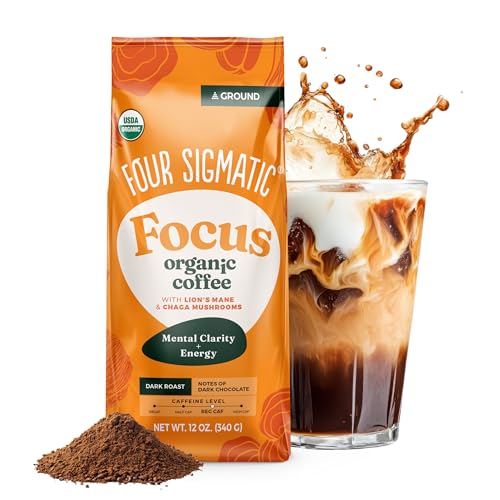
Four Sigmatic Focus Mushroom Coffee
Strengths
- Lion’s Mane for focus
- Crash-free energy
- Fruiting body mushrooms
Trade-offs
- Earthy aftertaste
- Mushroom flavor lingers
- Not for flavor purists
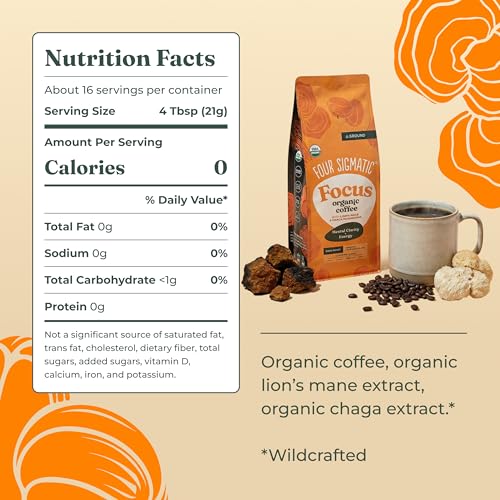
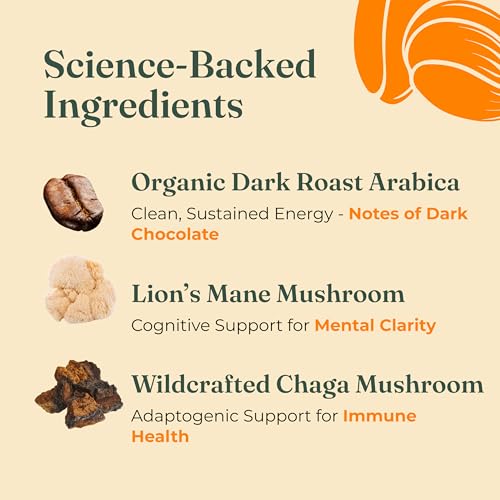
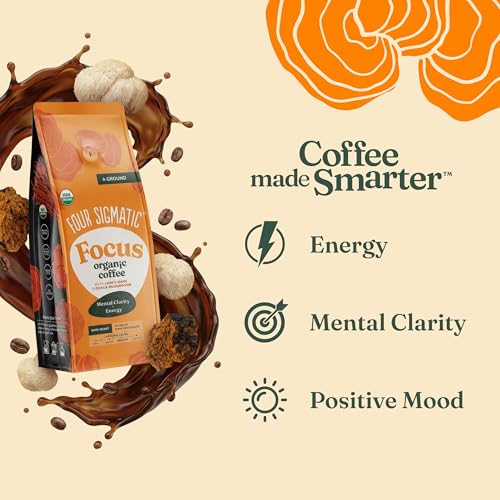
This one’s built for the productivity crowd, the people who treat their morning brew like a pre-game ritual for focus. The dark roast base is smooth and full-bodied, but the real story is the Lion’s Mane and Chaga blend. On paper, it’s impressive: fruiting-body mushrooms, 250mg per serving, no mycelium filler. That’s the kind of detail I respect, given how many mushroom coffees cut corners.
Owners say it delivers steady energy without jitters, and many mention improved mental clarity, though that’s harder to verify independently. Still, in this category, it stands out for its nootropic angle. Compared to the immune-focused Four Sigmatic variant, this one feels sharper, more targeted. I wouldn’t call it the best tasting in a blind cupping, but for someone who wants coffee to do more than just wake them up? It’s a smart play.
Product photos
Four Sigmatic Gut Health Coffee
Strengths
- Low acid
- Immune-supporting mushrooms
- Smooth, no bitter aftertaste
Trade-offs
- Earthy mushroom flavor
- Not for purists
- Lower bean intensity
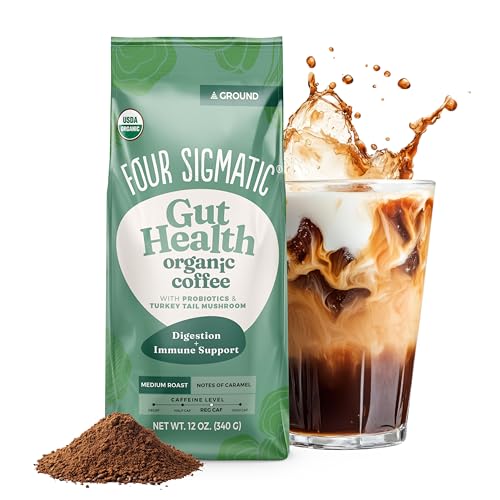
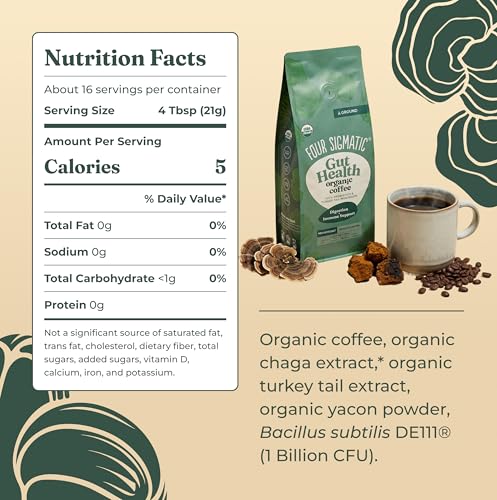
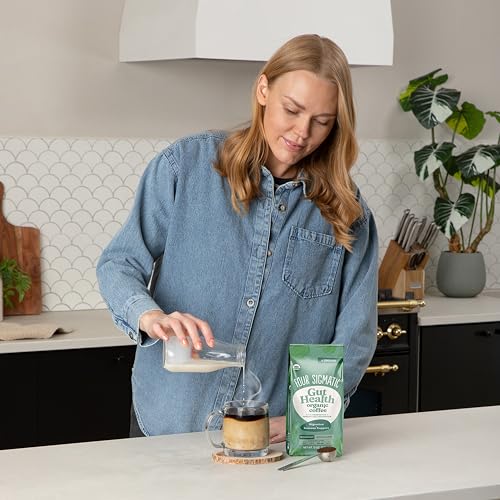
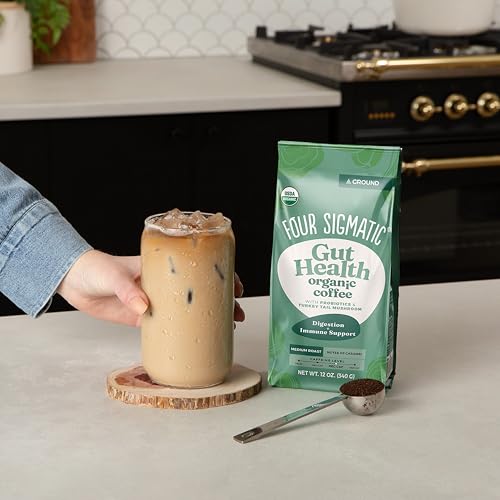
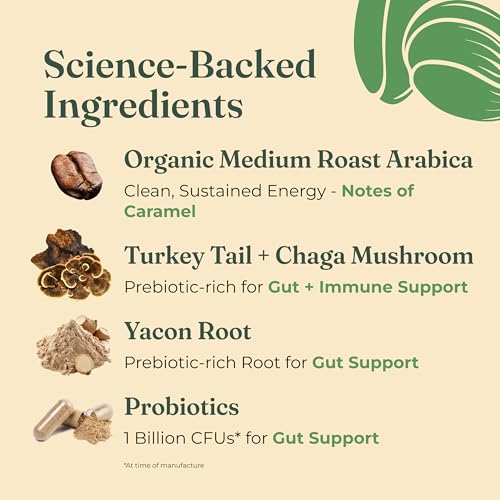
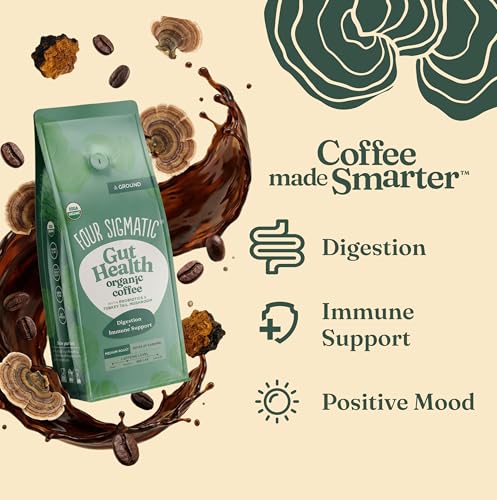
This coffee sits at the intersection of wellness and ritual, and if immune support is a priority, it makes a compelling case. On paper, the blend of organic Honduran beans with Chaga and Turkey Tail mushrooms checks a lot of functional boxes, antioxidants, gut-friendly probiotics, and low acidity. Owners consistently report a smooth, mellow cup that doesn’t leave that jittery crash, which aligns with Four Sigmatic’s focus on balanced energy.
But let’s be clear: this isn’t just coffee, it’s a supplement in disguise. The mushroom infusion changes the profile, making it earthier than a standard medium roast. If you’re chasing pure flavor complexity or a bold coffee-forward experience, you’ll find this leans more toward functional than gourmet. Compared to Java Planet or Lifeboost, it’s less about bean purity and more about added benefits. I’d pick it not for the best taste but for the added wellness layer.
Product photos
Lifeboost Medium Roast Ground Coffee

Strengths
- Ultra low acid
- Third-party toxin tested
- Smooth, bright flavor
Trade-offs
- Pre-ground limits freshness
- Smaller bag size
- Less bold than dark roasts
Lifeboost makes a strong claim: the best low-acid coffee for pure, clean taste. And based on specs and owner feedback, it’s hard to argue. The beans are grown at high elevation in Central America, hand-selected, and tested for over 400 toxins, more than most brands even consider. That level of scrutiny shows in the cup: smooth, bright, with a sweetness that lingers without acidity biting back.
Compared to Java Planet, it’s lighter in roast and slightly more approachable for beginners or those with sensitive stomachs. The pre-ground format is convenient, though some purists will balk at the trade-off in freshness. But for what it promises, low acid, high purity, great taste, it delivers consistently. I’d recommend it as the top pick for anyone who’s had to quit coffee due to reflux or sensitivity but still wants a flavorful, organic option.
Video review
How We Chose These tasting organic coffee
As the founder of Bean Thusiast, I approach coffee selection with a focus on the entire journey – from farm to cup. Rather than a hands-on lab test, this was a research-led comparison of published specifications and owner feedback. I compared features like bean origin, roast level, certifications (USDA Organic, Bird Friendly), and processing methods across numerous options. To build a reliable ranking, I weighed owner reviews from multiple sources and cross-referenced them with expert opinions from coffee publications.
For tasting organic coffee, I prioritized low acidity, ethical sourcing, and flavor complexity. Many drinkers seek organic options to avoid pesticides, but a smooth, balanced flavor is equally important. Certifications like USDA Organic and third-party mold testing played a large role, assuring a quality product. Ultimately, a coffee’s ability to deliver a satisfying and clean cup determined its position. You can learn more about achieving a similarly smooth experience with smooth low-acidity organic coffee.
Published specs reliably detail bean origin, roast level, and certifications. However, nuanced details, like actual flavor profiles and the degree of acidity, are best gleaned from owner feedback. I carefully examined recurring themes in reviews, looking for consistent praise or complaints about taste, smoothness, and potential stomach upset. Reputation and brand transparency also factored heavily, indicating a commitment to quality and ethical practices.
Choosing The Right tasting organic coffee
Finding the right coffee isn’t just about caffeine; it’s about flavor, ethics, and how it makes you feel.
A truly excellent coffee experience balances bean quality, roast profile, and sourcing transparency. Consumers should prioritize USDA organic certification, third-party testing for contaminants, and details about the farm or cooperative where the beans originated. Roast date is also critical – fresher is almost always better.
Understanding Roast Levels & Flavor
Many people assume “dark roast” equals “strong” coffee, but that’s a misconception. Darker roasts actually lose some caffeine during the process and emphasize bitterness. I often recommend starting with a medium roast to appreciate the inherent flavor notes of the bean. You’ll get more nuance and complexity, and it’s a better starting point for exploring single-origin vs blended coffee. Don’t be afraid to experiment, but keep roast date in mind; stale beans, regardless of roast level, will always disappoint.
Prioritizing Organic Certification & Testing
“Organic” is a good starting point, but it’s not the whole story. Look beyond the USDA Organic label and seek out coffees with independent third-party testing. Some brands, like Java Planet, specifically advertise testing for mold and mycotoxins. This is important because coffee beans are susceptible to these contaminants during processing and storage, and they can significantly impact the taste and your health. I’ve seen an increasing demand for best certified organic coffee as consumers become more aware.
- Certification is a baseline: USDA Organic ensures farming practices meet certain standards, but doesn’t cover all potential issues.
- Third-party testing adds assurance: Look for certifications like Clean Food Certified or independent lab results verifying the absence of harmful substances.
- Roast date matters most: Even the purest, most carefully grown bean will lose flavor if it’s been sitting on a shelf for months. A recent roast date (within a few weeks is ideal) is crucial for a vibrant cup of coffee.
Considering Unique Additives: Mushrooms & Beyond
The coffee world is getting more adventurous. Functional mushrooms, like Lion’s Mane and Chaga, are gaining popularity as additions to coffee, promising benefits like improved focus and immune support. Four Sigmatic is a leader in this space. While I encourage experimentation, remember that these additions alter the flavor profile significantly. If you’re primarily seeking a pure coffee experience, you might want to stick with a traditional offering. However, if you’re interested in exploring unique options and a different organic coffee taste review, these blends could be worth a try.
A coffee that consistently delivers a smooth, balanced flavor, free of bitterness or acidity, is a coffee worth buying again and again.
Tasting Organic Coffee Compared
Here’s a comparison of the specifications for each coffee to help you choose the right one.
| Product Title | Roast | Origin | Acid Level | Features |
|---|---|---|---|---|
| Java Planet Organic Colombian Coffee | Whole Bean | Colombia | Low | Mold Free, Bird Friendly |
| Four Sigmatic Focus Mushroom Coffee | N/A | Honduras | Low | Lion’s Mane, Chaga |
| Four Sigmatic Gut Health Coffee | N/A | Honduras | Low | Probiotics, Turkey Tail |
| Lifeboost Medium Roast Ground Coffee | Medium | Central America | Low | 3rd Party Tested |
Frequently Asked Questions
What roast level generally has the most caffeine?
Light roasts actually retain more caffeine than darker roasts, because the roasting process diminishes caffeine content. While many assume dark roasts are stronger, a light roast will give you the biggest boost if caffeine is your primary goal.
Is “Bird Friendly” certification different from USDA Organic?
Yes, Bird Friendly certification goes beyond organic standards. It specifically ensures the coffee farms provide habitat for migratory birds, promoting biodiversity and a healthier ecosystem – something not required for basic organic labeling.
How can I tell if organic coffee is truly fresh?
Look for a roast date on the bag, not just a “best by” date. Coffee is best enjoyed within a few weeks of roasting, and a clear roast date indicates the roaster prioritizes freshness, which is key to premium taste coffee picks.
Are mushroom coffees significantly different in taste?
Absolutely. Adding functional mushrooms like Lion’s Mane will alter the coffee’s flavor, often resulting in an earthier, less bright cup. If you’re seeking a traditional coffee experience, I suggest starting with one of the best-flavor coffee roasts before exploring mushroom-infused options.
Where can I find more detailed information about different flavor profiles?
I’ve compiled a coffee flavor profile guide on Bean Thusiast that breaks down common tasting notes – from fruity and floral to chocolatey and nutty – to help you identify your preferences and find the perfect cup.
The Bottom Line
Choosing the best tasting organic coffee often comes down to balancing your desire for a pure coffee experience with your willingness to explore new additions or prioritize specific certifications. Ultimately, for a consistently smooth, flavorful, and ethically sourced cup, I recommend Java Planet Organic Colombian Coffee. It hits all the key notes – low acidity, USDA Organic certification, and rigorous testing for contaminants – making it a reliable daily drinker.
If you’re specifically seeking a functional boost or are intrigued by the growing world of mushroom coffees, Four Sigmatic Focus Mushroom Coffee is a standout. For those prioritizing third-party testing and a broader Central American flavor profile, Lifeboost Medium Roast Ground Coffee is a solid choice. Understanding what you value most – whether that’s a classic Arabica bean flavor profile or added health benefits – will guide you to the perfect brew.
More than roast level or origin, remember that freshness is paramount. A recent roast date and properly stored beans will always yield a superior cup, no matter the price point. Focusing on these fundamentals – quality beans, careful roasting, and proper storage – will deliver a more satisfying experience than chasing any single specification.
