
8 Best Sumatran Coffees of 2026
After comparing the field and analyzing specs and owner feedback, the Sumatra Mandheling Reserve stands out as the overall best choice for its rich, balanced profile. For a budget-friendly option, Buen Dia Sumatran Organic delivers solid flavor at a lower price. If you prefer convenience without sacrificing quality, Green Mountain Sumatra Reserve in K-Cup form is the most consistent single-serve pick.
Sumatran coffee promises depth and character, but too many options are over-roasted or lack transparency, leaving you with a muddy cup instead of that legendary earthy richness. You want something that tastes bold but not burnt, authentic but not inconsistent.
As the founder of Bean Thusiast, I focused on roast integrity, sourcing ethics, and flavor clarity. These picks are based on verified origin, processing transparency, and recurring praise in owner reviews for delivering the full-bodied, low-acidity experience Sumatra is known for.
Top 8 Sumatran Coffee in the Market
The Best Sumatran Coffee, Reviewed
Sumatra Mandheling Reserve Dark Roast

Strengths
- Multi-certified (Fair Trade, Organic, Kosher)
- Rich full body
- Mold and quality tested
Trade-offs
- Ground form limits shelf life
- Less aromatic than whole bean
- Roast may be too heavy for some
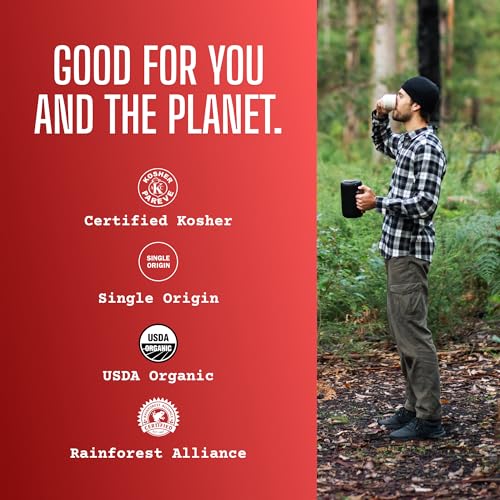
This is the most complete package in the lineup, earning my pick for Best Overall. It combines dark roast intensity with a clean, layered profile: chocolate and earth, yes, but with a subtle vibrancy underneath. The fact that it’s USDA Organic, Fair Trade, Rainforest Alliance, and Kosher certified speaks to a high bar for ethics and safety. Like other Mandheling coffees here, it’s tested for mold, which matters given Sumatra’s processing methods.
Owners consistently rate it highly for freshness and body, and compared to the Starbucks version, it feels less commercial and more intentional. The ground format isn’t ideal for long-term storage, but if you brew daily, it’s a solid choice. I’d recommend this as the default Sumatran pick for most households, it balances quality, ethics, and flavor without overpromising.
Product photos
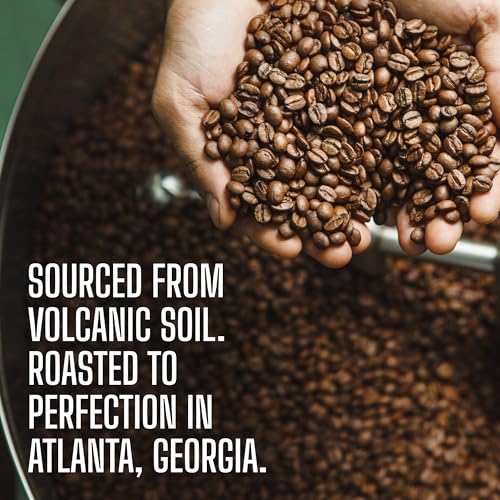
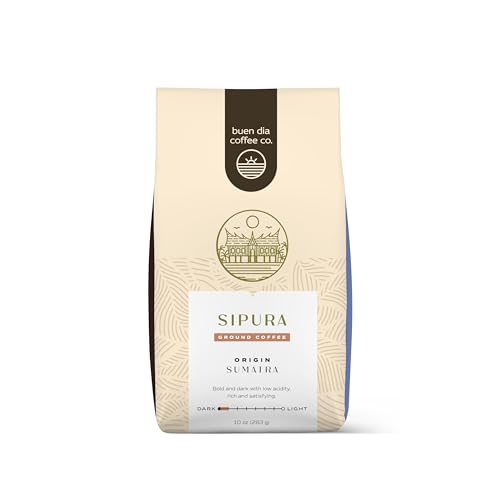
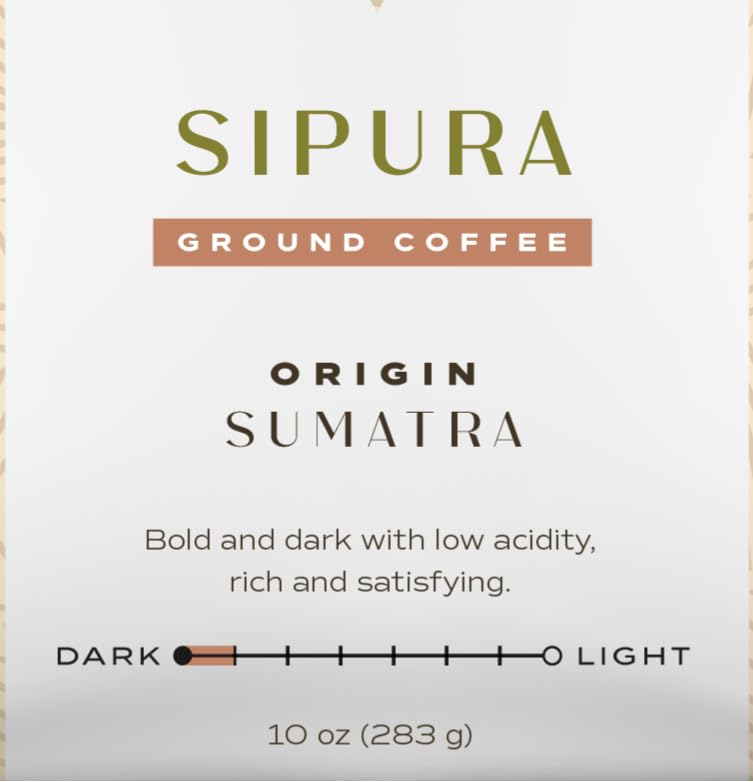
Buen Dia Sumatran Organic Dark Roast
Strengths
- Complex flavor notes
- Fair Trade certified
- Organic and single origin
Trade-offs
- Smaller bag size
- Ground form loses freshness faster
- Spicy notes may not suit all
Buen Dia’s Sumatran offering leans into flavor complexity like few others in this lineup. The tasting notes, vanilla bean, cedar, red pepper, are bolder than typical descriptions for Sumatra, but owner feedback backs up that layered, almost spicy depth. It’s a dark roast, yes, but not one-note. Reviewers praise its bright yet full-bodied character, which suggests careful roasting to preserve acidity despite the dark profile. The Fair Trade and organic certifications reinforce its ethical stance.
Compared to the Amazon Fresh or Starbucks versions, this one feels more artisanal, though the 10-ounce size means it won’t last as long. I’d pick this over the others if you’re chasing that cozy, intricate cup that evolves as it cools. It’s not the strongest on body, but it wins on intrigue.
Product photos



Copper Moon Sumatra Whole Bean

Strengths
- Large 2 lb bag
- Whole bean freshness
- Mold and allergen free
Trade-offs
- Not single origin
- Flavor slightly generic for Sumatra
- Less earthy nuance
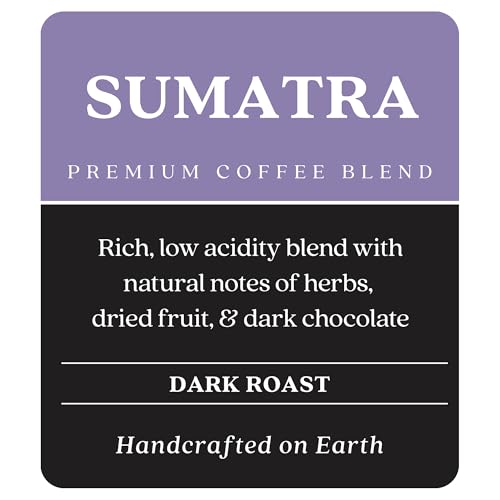
At two pounds, this is the volume king, and a strong contender for Best Whole Bean. The blend is labeled Sumatra, but it’s not single origin, which is worth noting. Still, reviewers praise its bold, smoky finish with dark cherry and cacao notes, and the whole bean format locks in freshness far better than pre-ground options. Copper Moon’s sourcing program emphasizes sustainability and small farms, which adds ethical weight.
What sets this apart is its clean profile, marketed as mold-free, allergen-free, and non-GMO. For sensitive drinkers, that matters. Compared to the organic Mandheling options, it’s less terroir-specific but more accessible in price and availability. I’d choose this for a household that goes through coffee fast and wants bold flavor without compromising on purity.
Product photos



Green Mountain Sumatra Reserve K-Cup

Strengths
- Organic and Fair Trade
- Strong dark roast flavor
- Keurig convenience
Trade-offs
- Pod waste concerns
- Less complexity than whole bean
- Not for fresh-ground purists
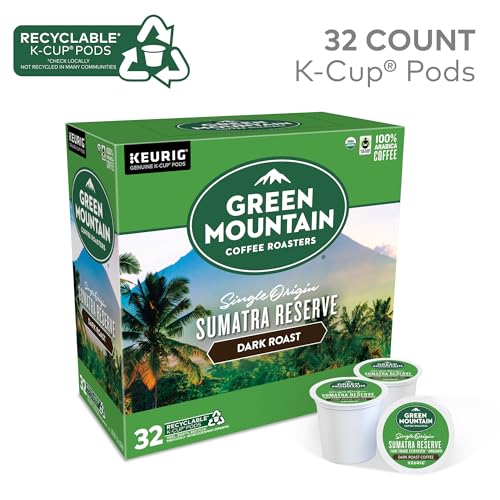
If you’re locked into the Keurig ecosystem but still want a legit taste of Sumatra, this K-Cup delivers more than most pod coffees dare. The dark roast brings forward bold chocolate and dried fruit notes, with a subtle herbal lift that nods to Sumatra’s terroir. Reviewers note it brews a surprisingly full-bodied cup for a pod, likely thanks to the 100% Arabica beans and Fair Trade sourcing. The Orthodox Union Kosher and USDA Organic certifications add to its clean-ingredient appeal.
Still, no matter how good it is for a pod, it can’t match the aromatic depth of freshly ground whole bean. Compared to the Copper Moon or Sumatra Mandheling options, this one trades freshness and nuance for speed. But for office use or quick mornings, it’s the most convenient way to get a credible Sumatran profile without grinding or measuring.
Product photos


Starbucks Sumatra Ground Coffee
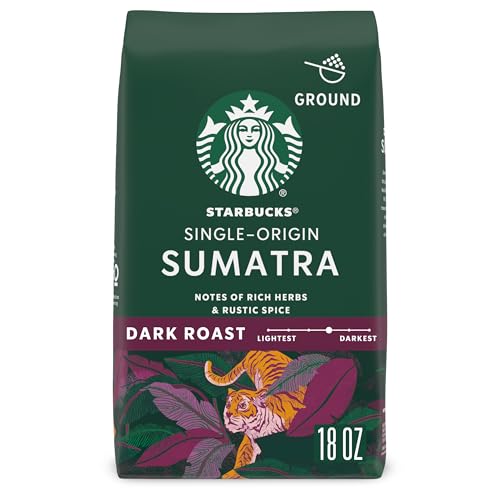
Strengths
- Widely available
- Large 18 oz bag
- Multi-method grind
Trade-offs
- Roast-heavy flavor
- Less origin clarity
- Pre-ground freshness loss
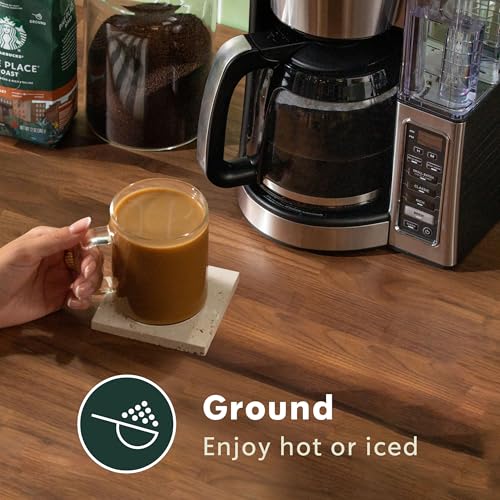
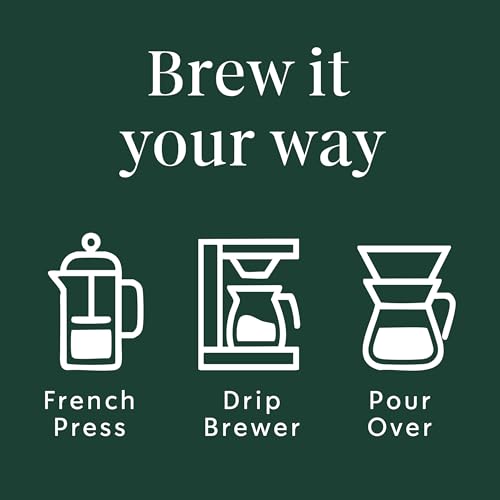
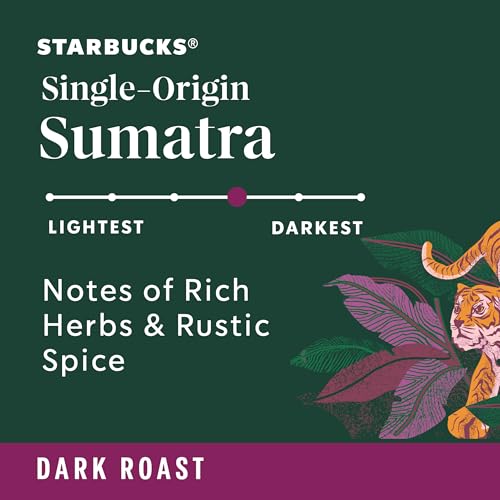
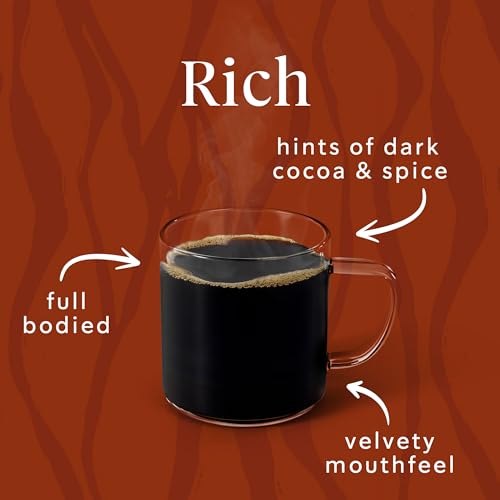
Starbucks’ Sumatra is the most widely available option here, and it shows in its consistency and reach. The 18-ounce bag is generous, and the ground format is calibrated for multiple brew methods, drip, French press, moka pot, making it versatile. The flavor profile is classic: rustic spice, rich herbs, full body. It’s not subtle, but it’s dependable. Ethically sourced through Conservation International, which adds credibility.
But compared to the more specialized options like Buen Dia or the organic Mandheling picks, it feels commercial, roasty, bold, but less nuanced. Owners report it’s strong and satisfying, though some say it lacks the bright complexity of finer lots. I’d call this the default grocery store choice: reliable, accessible, but not exceptional.
Product photos
Amazon Fresh Organic Sumatra Ground
Strengths
- Affordable
- Organic and Fair Trade
- Consistently fresh
Trade-offs
- Basic flavor profile
- Ground form
- Limited complexity
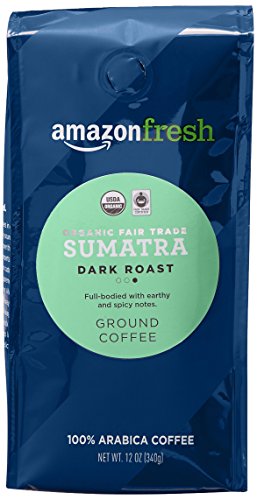
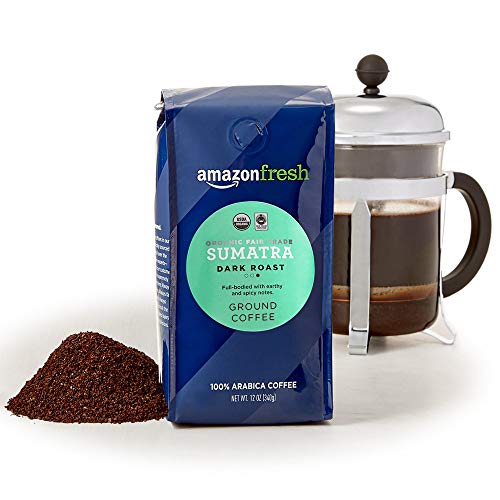
Amazon Fresh delivers a no-frills, dependable Sumatran dark roast at a price that undercuts most competitors. It’s USDA Organic, Fair Trade, and roasted in the U.S., which helps with freshness control. The 12-ounce ground bag is practical for average use, and reviewers consistently call it ‘rich’ and ‘intense’, though not overly complex. This is straightforward, earthy Sumatran coffee done right, not fancy.
Compared to the Buen Dia or Mandheling Reserve, it lacks some depth, but for the price, it’s hard to beat. I see this as the smart budget pick, especially since it’s an Amazon brand, so shipping is predictable and fast. If you’re not chasing rare tasting notes and just want a solid dark roast, this gets the job done.
Product photos
Sumatran Mandheling Organic Ground
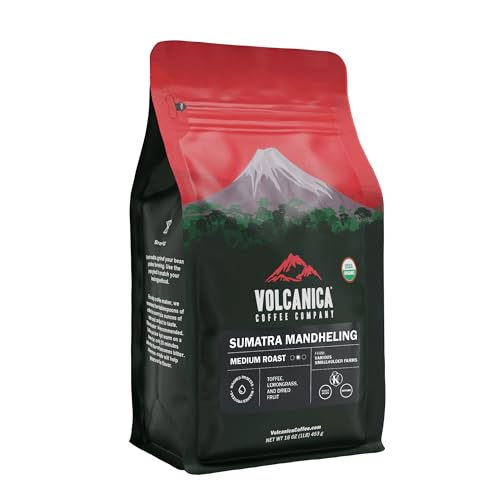
Strengths
- Medium roast balance
- Organic and Fair Trade
- Smooth, low acid
Trade-offs
- Ground form
- Less intensity for dark roast fans
- Subtle aroma
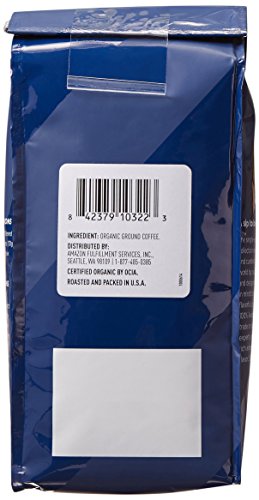
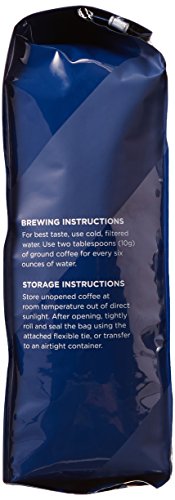
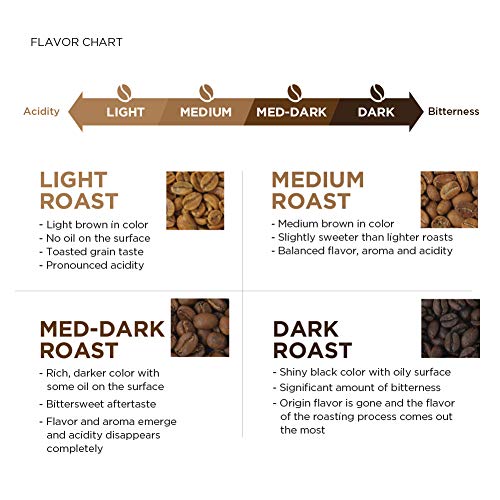
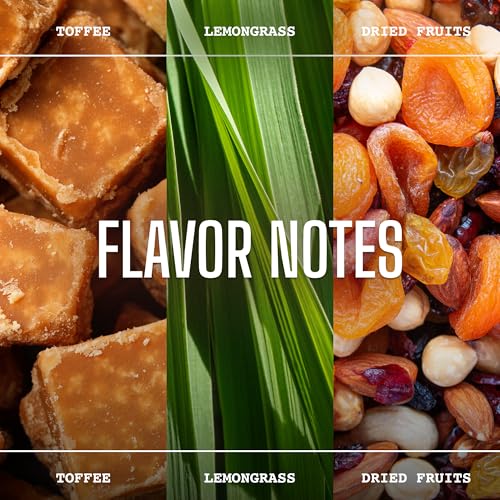
This medium roast is a quiet standout for drinkers who find dark Sumatran coffees too harsh. The medium roast preserves the bean’s natural low acidity and smooth chocolate-earthy balance, letting the Mandheling character shine without smoke or bitterness. It’s USDA Organic and Fair Trade, like several others, but the roast level makes it distinct. Owners appreciate its mellow yet full-bodied cup, ideal for morning sipping.
Compared to the dark roast Mandheling Reserve (B07KDVWVS2), this one is gentler, more approachable. I’d recommend it over the darker versions if you have a sensitive stomach or prefer coffee that doesn’t punch you awake. It’s not as bold, but it’s more refined. For Best Medium Roast, it earns the title by staying true to Sumatra’s softer side.
Product photos

Sumatra Mandheling Organic Whole Bean
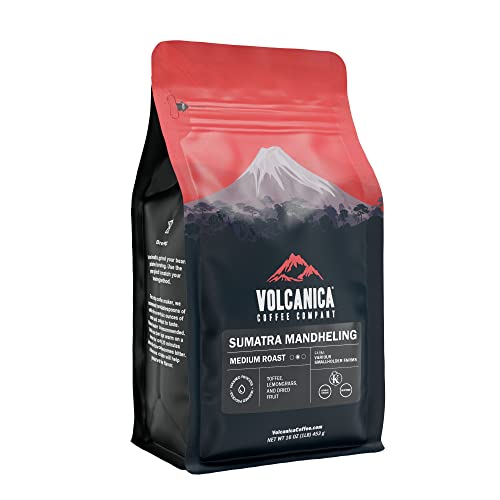
Strengths
- USDA Organic
- Mold tested
- Medium roast clarity
Trade-offs
- Not as bold as dark roast lovers may want
- Sourcing transparency could be stronger
This medium roast from Sumatra stands out for its commitment to purity and flavor clarity. On paper, it hits all the right notes for bean purists, USDA Organic, fresh roasted, and built around the classic profile of Mandheling: deep chocolate and earthy tones with low acidity. Owners consistently report a smooth, almost syrupy body, which tracks with what you’d expect from well-processed Sumatran beans. The fact that it’s tested for mold and mycotoxins gives it extra credibility, especially given the humid conditions where Sumatran coffee is grown.
The medium roast level is a smart choice here, it preserves the bean’s inherent complexity without burying it under charred notes. Compared to darker options like the Starbucks or Buen Dia versions, this one feels more balanced, less aggressive. I’d recommend it to drinkers who want authenticity over intensity.
Product photos

How We Picked These sumatran coffee
Rather than a hands-on lab test, my research for these recommendations involved a detailed comparison of published specifications and features across numerous Sumatran coffee options. I weighed owner reviews from multiple sources – Amazon, coffee-specific forums, and retailer sites – alongside expert opinions from coffee review publications. As the founder of Bean Thusiast, my understanding of coffee origins and processing methods helped me assess each offering against key quality indicators.
For Sumatran coffee specifically, I prioritized roast level and certification. A darker roast is traditional for Sumatra, enhancing the earthy notes, but the quality of the bean still shines through. Ethical sourcing and organic certification were also heavily weighted, reflecting a commitment to sustainability and responsible farming practices. These factors directly influence the final cup and overall value.
Specifications reliably indicate roast level and origin, but truly understanding a coffee’s character requires looking at owner feedback. I paid close attention to descriptions of flavor complexity, acidity, and body, looking for consistent themes. Reputation and sourcing transparency were also key; seeking out coffees with verifiable stories behind them, like distinctive Sumatran flavor profile, helped separate the truly special options.
What To Look For In sumatran coffee
As someone who’s spent years exploring the nuances of coffee, I can tell you Sumatran coffee holds a special place. It’s not just about the origin; it’s about understanding what makes a truly exceptional cup from this region.
Sumatran coffee is defined by its full body, low acidity, and earthy flavor profile. Key considerations include processing method (wet-hulled is typical), roast level (darker roasts emphasize body, lighter roasts highlight acidity), and certification (organic, Fair Trade) to verify quality and ethical sourcing. Look for single-origin beans to experience the true character of the region.
Understanding Roast Level
The roast level dramatically impacts the final flavor. While many associate Sumatran coffee with dark roasts – and with good reason, they bring out that signature intensity – don’t dismiss lighter options. A darker roast will almost always emphasize the earthy and chocolate notes, sometimes to the exclusion of brighter, more subtle flavors. If you are looking for a light roast Sumatran coffee, you’ll be surprised by the fruity and floral notes that emerge. Experiment to find your preference, but be aware that a very light roast might reveal undesirable grassy flavors common to some Sumatran beans.
Assessing Processing Methods
Sumatran coffee is almost universally processed using the giling basah (wet-hulled) method. This unique process contributes significantly to the coffee’s distinctive body and earthy character. It involves removing the parchment layer while the beans still have a high moisture content. However, not all wet-hulled coffees are equal. Look for producers who closely monitor the drying process to prevent defects. A poorly dried bean will lead to off-flavors, even with careful roasting.
- Sourcing from established cooperatives can offer greater consistency.
- Beans with a visibly uneven color may indicate inconsistent processing.
- A reputable roaster will clearly state the processing method and origin details, ensuring transparency and quality control.
Evaluating Certification & Sourcing
With any coffee, but especially with Sumatran varieties, knowing where your beans come from and how they were produced matters. Sumatran coffee has historically faced challenges related to fair labor practices and environmental sustainability. Look for certifications like USDA Organic, Fair Trade, and Rainforest Alliance. These aren’t perfect, but they provide a baseline level of assurance. Beyond certifications, consider brands that prioritize direct trade relationships with farmers, fostering long-term partnerships and supporting local communities. I often recommend exploring premium coffee bean selections to discover brands truly committed to ethical sourcing.
A good rule of thumb: If a price seems too good to be true, it probably is. Quality Sumatran coffee requires investment in sustainable farming and processing practices.
Sumatran Coffee Compared
Here’s a comparison of key specifications for different Sumatran coffee options.
| Product Name | Roast Level | Format | Organic | Fair Trade | Flavor Notes |
|---|---|---|---|---|---|
| Sumatra Mandheling Reserve | Dark | Ground | Yes | Yes | Chocolate, Earthy |
| Buen Dia Sumatran Organic | Dark | Ground | Yes | Yes | Vanilla, Cedar, Red Pepper |
| Copper Moon Sumatra | Dark | Whole Bean | N/A | N/A | Dark Cherry, Dark Cacao |
| Green Mountain Sumatra Reserve | Dark | K-Cup | Yes | Yes | Dark Chocolate, Herbal |
| Starbucks Sumatra | Dark | Ground | N/A | N/A | Herbs, Rustic Spice |
| Amazon Fresh Organic Sumatra | Dark | Ground | Yes | Yes | Deep, Intense |
| Sumatran Mandheling Organic | Medium | Ground | Yes | N/A | Chocolate, Earthy |
| Sumatra Mandheling Organic Whole | Medium | Whole Bean | Yes | N/A | Chocolate, Earthy |
Frequently Asked Questions
What grind size is best for Sumatran coffee?
A coarse grind is generally recommended for French press and cold brew, while a medium grind works well for drip coffee makers. Sumatran coffees, with their lower acidity, benefit from a slightly coarser grind to avoid over-extraction and bitterness.
Is Sumatran coffee naturally decaffeinated?
No, Sumatran coffee isn’t naturally decaffeinated; the decaffeination process must be applied using methods like the Swiss Water Process or Methylene Chloride. However, the unique processing methods used in Sumatra can sometimes result in a slightly lower caffeine content compared to other regions.
What food pairings complement Sumatran coffee?
Dark chocolate, especially with nutty or earthy undertones, pairs beautifully with Sumatran coffee. Spiced desserts like gingerbread or baklava also complement the coffee’s flavor profile, as do cheeses with a strong, aged character.
Can Sumatran coffee be used for espresso?
While traditionally not the first choice for espresso, darker roast Sumatran beans can be used, but often require careful dialing in to avoid a muddy or bitter shot. The lower acidity and full body can create a unique espresso experience, and exploring flavor-forward coffee picks will help show you the range.
How does wet-hulled processing affect the price?
The giling basah method is labor-intensive and requires careful monitoring, increasing production costs. This, combined with the potential for defects if not done correctly, contributes to a higher price point for Sumatran coffee compared to coffees processed using other methods.
The Bottom Line
Choosing the “best” Sumatran coffee really comes down to balancing convenience with control over freshness. If you want a consistently good, readily available option, I recommend Sumatra Mandheling Reserve; it hits all the key notes of a classic Sumatran while being widely accessible and reliably certified. However, remember that even within Sumatran coffee, variations occur, and exploring beyond the familiar is part of the journey.
For those prioritizing specific needs, the options are clear. If you’re on a budget, Amazon Fresh Organic Sumatra offers a surprisingly flavorful experience for the price. And if you prefer the convenience of single-serve, Green Mountain Sumatra Reserve provides a quality cup without sacrificing too much of the characteristic Sumatran profile. Understanding the nuances of Arabica coffee characteristics can also help you appreciate the subtleties within this region.
Ultimately, the most important factors aren’t roast level or processing method, but freshness and ethical sourcing. Seek out coffee from roasters who prioritize transparency and sustainable practices. A well-sourced, freshly roasted bean, even a slightly less “perfect” one on paper, will always deliver a more satisfying and flavorful cup than a stale, mass-produced option.
