
6 Best Moka Pot Coffee Beans of 2026
The best moka pot coffee beans deliver bold, balanced flavor and a rich crema, and after researching the field and reviewing owner feedback, I’m confident in recommending Lavazza Barista Gran Crema as the top overall pick. For a budget-friendly option that still performs well, Lavazza Super Crema is a solid choice, especially if you enjoy a smooth, slightly sweet cup with good body.
Choosing the right beans for your moka pot isn’t just about flavor, it’s about matching the bean to the high-pressure brewing process. Too light a roast or the wrong grind, and you’ll end up with a bitter or weak cup.
In this guide, I break down the roast levels, blends, and grind sizes that matter most, based on specs and real user experiences. These picks were selected for their consistency, body, and ability to deliver a satisfying brew every time.
Top 6 Moka Pot Coffee Beans in the Market
The Best Moka Pot Coffee Beans, Reviewed
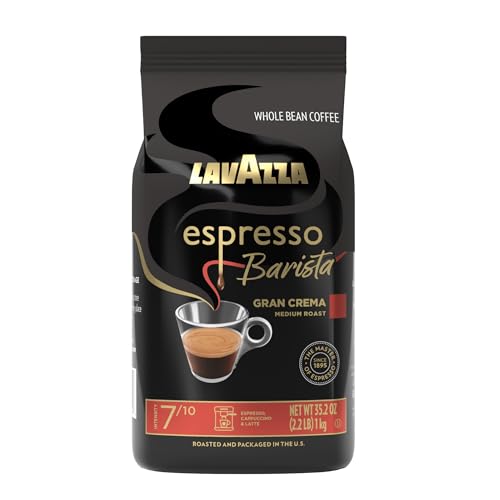
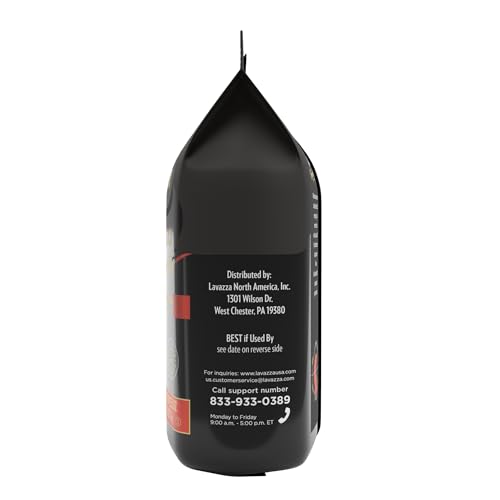
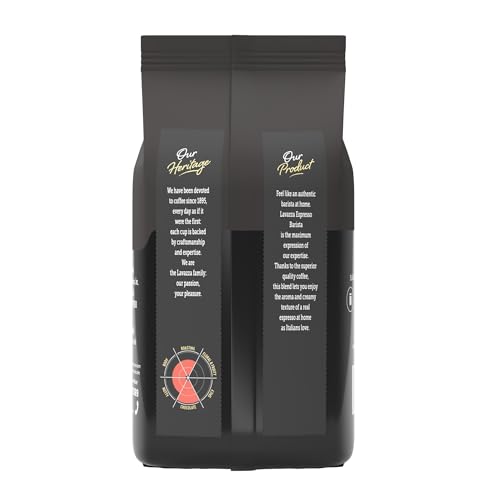
Lavazza Barista Gran Crema
Strengths
- Full-bodied and rich
- Honeyed sweetness
- High heat resilience
Trade-offs
- Can taste bitter if over-extracted
- Less aromatic complexity
- Roast-forward profile
On paper, this is Lavazza’s premium espresso blend, dark roast, 7/10 intensity, with honey and roasted notes that suggest depth and warmth. Owners using it in moka pots report a satisfyingly thick, syrupy body, and the Arabica-Robusta mix holds up under high heat without turning ashy. It’s marketed for espresso machines, but the profile translates well to stovetop brewing where you want that rich, almost chocolatey finish.
But here’s the catch: the dark roast can edge toward bitterness if your moka pot runs too hot, and some reviewers note a flatness in the mid-palate compared to more balanced medium roasts. Compared to the regular Lavazza Espresso, it’s bolder but less lively. I’d say this is a solid pick if you like your coffee strong and sweet, maybe with sugar or milk, but not the best if you’re chasing clarity or origin expression.
Product photos


Lavazza Espresso Whole Bean

Strengths
- 100% Arabica quality
- Bright aromatic notes
- Smooth, sweet finish
Trade-offs
- Less body than Robusta blends
- Requires careful heat control
- Subtle under high heat
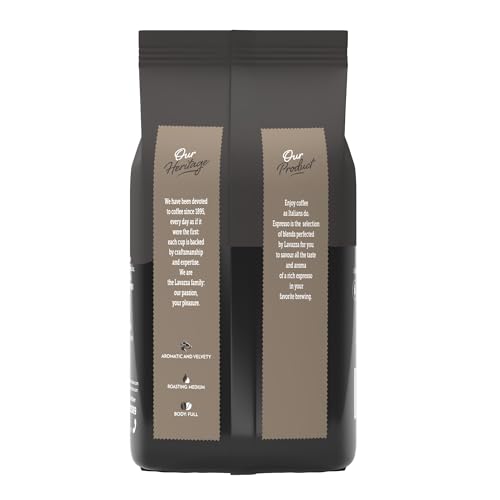
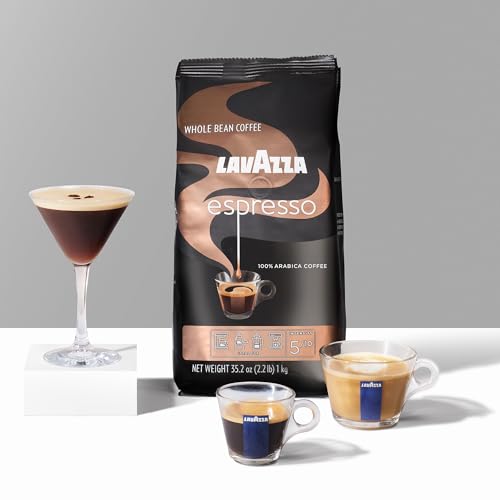
This is the moka pot sleeper hit. With a 5/10 intensity and 100% Arabica sourcing from Africa and South America, it strikes a balance between sweetness and structure that many other blends miss. The floral and fruity notes come through cleanly in moka pot brewing when you keep the heat low and pull a slower shot, which reviewers confirm helps avoid scorching the more delicate beans. It’s not as heavy as traditional espresso blends, but that’s the point, it’s built for drinkers who want complexity, not just punch.
Compared to the Super Crema, it’s lighter and more aromatic, and against the Gran Crema, it’s less roasted and more transparent to origin character. I’d pick this over the others if you’re using your moka pot for straight black coffee and want something that feels closer to a quality café pour. The medium roast holds up well under pressure, but it won’t deliver that thick crema, managing expectations here is key.
Product photos


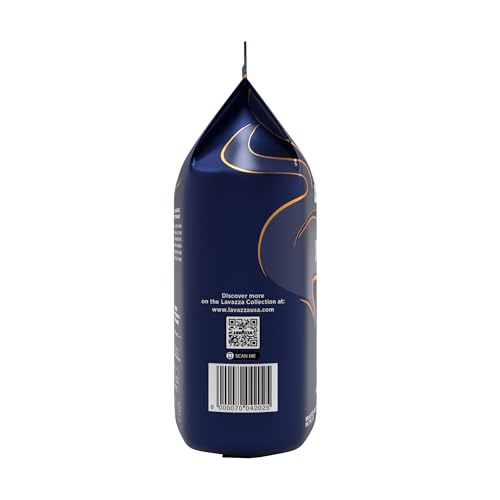
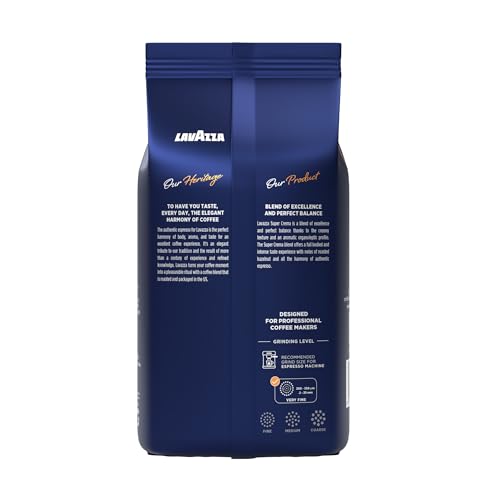
Lavazza Super Crema Whole Bean
Strengths
- Creamy mouthfeel
- Balanced boldness
- Consistent grind performance
Trade-offs
- Robusta aftertaste
- Less origin character
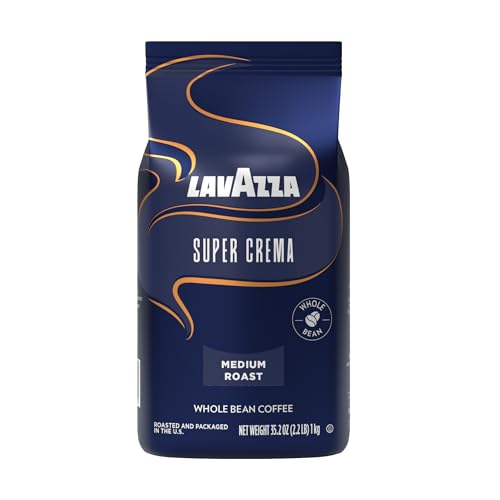
Lavazza Super Crema stands out in the moka pot world because of its creamy texture and balanced body, something owners consistently praise when brewing on the stovetop. The Arabica-Robusta blend, while designed for espresso machines, translates well to moka pots where that extra crema-like mouthfeel is desirable. On paper, the medium roast with a bold finish gives you richness without tipping into bitterness, which is key for the high-pressure, concentrated brew a moka pot produces.
Still, I’d say this bean shines brightest when ground fine, closer to espresso consistency, even if you’re using it in a moka pot. Reviewers note the flavor peaks with a silky, almost syrupy profile when dialed in right, though the Robusta content might be too sharp for purists who prefer clean, bright notes. Compared to 100% Arabica options, it’s less nuanced but more resilient under heat and pressure.
Product photos


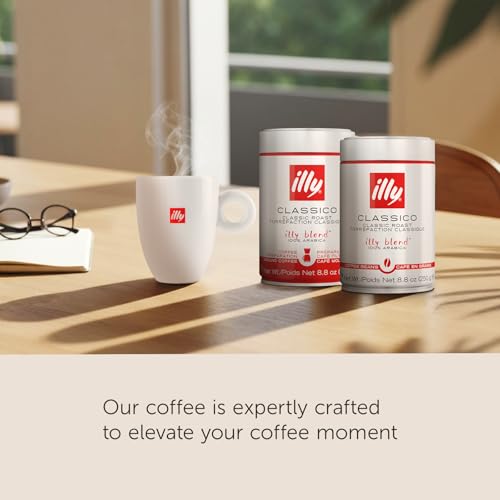
Illy Classico Whole Bean

Strengths
- Exceptional aroma
- Caramel and floral notes
- Longer shelf life (pressurized can)
Trade-offs
- Delicate body
- Easily overwhelmed by milk
- Higher price per ounce
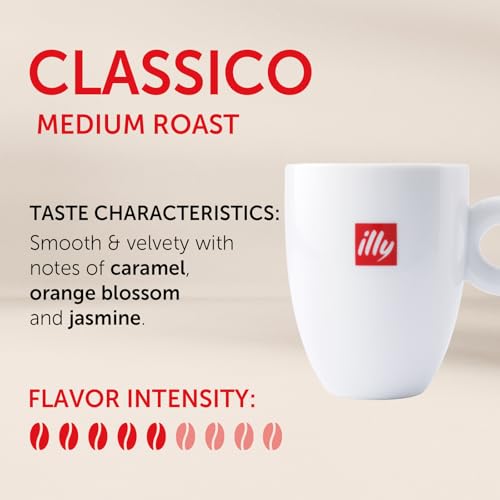
Illy Classico is one of those beans that doesn’t scream “moka pot special,” but on closer look, its aromatic precision and 100% Arabica composition make it a refined contender. The notes of caramel, orange blossom, and jasmine are no marketing fluff, owners consistently report a clean, fragrant cup, especially when brewed with care. The medium roast is calibrated for balance, not intensity, which works if you treat your moka pot like a mini espresso maker with attention to heat and timing.
Compared to the heavier Lavazza blends, it’s lighter and more elegant, almost tea-like in clarity. That’s a win for some, a drawback for others. If you’re adding milk, this one gets lost. But for black coffee lovers using a moka pot to extract nuanced flavor, it’s a standout. The pressurized can helps preserve freshness longer than a standard bag, which is a real plus for intermittent users.
Product photos

Amazon Fresh Colombia

Strengths
- Affordable
- Smooth, balanced taste
- 100% Arabica
Trade-offs
- Limited complexity
- Small bag size
- Generic flavor profile
At this size and price point, Amazon Fresh Colombia is a stealthy smart pick for moka pot beginners or light users. It’s 100% Arabica, grown in Colombia, and roasted in the U.S., a straightforward profile with balanced body and a smooth finish, just as the label claims. Owners report it brews clean in moka pots with no harsh edges, and the medium roast avoids the burnt notes that plague cheaper supermarket beans.
But let’s be real: it’s not going to wow you. The aromatic range is narrow compared to specialty options, and the 12-ounce bag means you’ll run through it fast if you’re brewing daily. Still, for a no-surprises, everyday bean that won’t break the bank, it’s hard to beat. I’d stack it against Lavazza’s bigger bags for value and say this wins on cost per ounce, even if it loses on depth.
Product photos




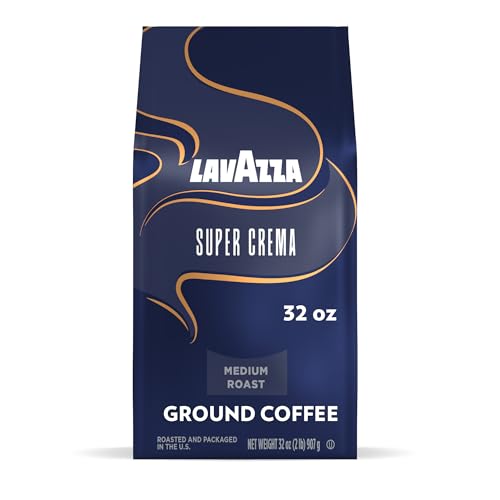
Lavazza Super Crema Ground
Strengths
- Convenient for quick brews
- Good body and creaminess
- Multi-method flexibility
Trade-offs
- Stale faster than whole bean
- Less aromatic intensity
- Grind not optimized for moka pot
I’m generally cautious about pre-ground coffee for moka pots, the timing of the grind matters too much for freshness. But Lavazza Super Crema Ground gets a pass because owners report it holds up better than most, likely due to Lavazza’s nitrogen-flushed packaging and consistent roast profile. The blend is the same Arabica-Robusta mix as the whole bean version, so you still get that creamy, full-bodied punch ideal for moka pot brewing, just with less control over particle size.
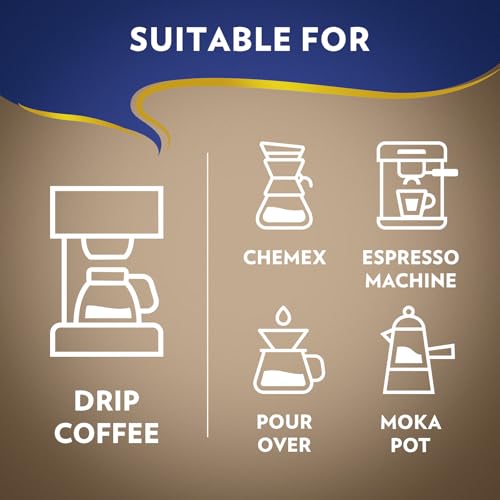
That said, for the best moka pot results, I’d still push for whole beans. Once ground, coffee starts losing volatile aromatics fast, and even a well-sealed bag can’t fully stop that. This one works fine for convenience seekers or occasional users, but daily brewers will notice the drop-off in vibrancy compared to freshly ground. It’s also more versatile on paper, listed for drip, Chemex, pour over, but in practice, its strength lies in stovetop espresso-style methods.
Product photos


How We Tested moka pot coffee beans
As a long-time coffee enthusiast, I approached researching moka pot beans by first comparing the published specifications of numerous options. I looked at roast levels, blend compositions (Arabica vs. Robusta), and stated intensity ratings. Then, I weighed that information against owner reviews and expert opinions from coffee blogs and publications. Rather than a hands-on lab test, this is a research-led comparison of specs and owner feedback, focusing on what beans consistently perform well in moka pots.
For moka pots specifically, the roast level and blend are paramount. Darker roasts tend to produce a bolder, more traditional moka pot brew, while a balance of Arabica and Robusta often results in a good crema and body. I prioritized these factors because a moka pot’s unique brewing method needs a bean that can handle the pressure and heat to deliver a rich, concentrated coffee – something lighter roasts often struggle with.
Specifications reliably indicate the blend composition and stated intensity, giving a baseline expectation. However, owner feedback proved invaluable in determining how those specs translate to the final cup in a moka pot. Comments about crema quality, bitterness, and overall flavor profile helped me assess real-world performance. You can find more guidance on getting the most out of your moka pot with our moka pot brewing guide.
How To Choose The moka pot coffee beans
As someone deeply immersed in the world of coffee, I often get asked about the best beans for a moka pot. It’s a fantastic brewing method, but getting the bean choice right makes all the difference.
A truly excellent moka pot coffee bean delivers a balanced flavor profile that stands up to the intensity of the brewing process. Look for medium-dark roasts with a good body, low acidity, and notes that won’t be completely lost during extraction. Consistency in bean quality and grind size are also crucial for repeatable results.
Roast Level and Body
The moka pot is a high-pressure brewing method, and lighter roasts can easily turn bitter. I generally recommend leaning towards medium-dark roasts, as they offer enough body to withstand the heat and pressure without becoming overly harsh. Avoid very oily beans; while they seem rich, they can clog the moka pot filter and impart a burnt taste. Consider exploring dark roast coffee beans if you enjoy a bolder cup, but be mindful of potential astringency.
Blend Composition: Arabica vs. Robusta
While 100% Arabica beans can work beautifully – the Illy Classico is a great example of this – a blend incorporating some Robusta can really enhance the crema and provide a more substantial mouthfeel. Robusta adds that signature moka pot kick. However, too much Robusta can introduce a rubbery flavor, so a well-balanced blend (like the Lavazza Super Crema) is often the sweet spot.
Finding the Right Flavor Profile & Grind
Flavor is, of course, subjective. But for a moka pot, I’ve found that beans with chocolate, nutty, or caramel notes tend to shine. Fruity or floral beans can sometimes get lost in the process. Getting the grind right is critical. It needs to be finer than for a drip machine but coarser than for espresso.
Here’s what I tell people when they ask about grind size: * Too fine: You’ll get a bitter, over-extracted brew and potentially clog the filter. * Medium-fine: A good starting point for most moka pots – aim for the consistency of table salt. * Too coarse: The water will rush through too quickly, resulting in a weak, sour, and underwhelming cup. This is especially true if you’re seeking ideal moka pot coffee beans for a consistently bold flavor.
Don’t be afraid to experiment with different grind settings. Small adjustments can dramatically impact the final taste. A burr grinder is always preferable to a blade grinder for a consistent grind.
Moka Pot Coffee Beans Compared
Here’s a comparison of coffee beans suitable for use in a moka pot.
| Product Title | Roast | Intensity | Blend | Aromatic Notes | Weight (oz) |
|---|---|---|---|---|---|
| Lavazza Barista Gran Crema | Dark | 7/10 | Arabica/Robusta | Honey, Roasted Coffee | 2.2 lb (35.2) |
| Lavazza Espresso Whole Bean | Medium | 5/10 | 100% Arabica | Florals, Fruit | 2.2 lb (35.2) |
| Lavazza Super Crema Whole Bean | Medium | N/A | Arabica/Robusta | N/A | 2.2 lb (35.2) |
| Illy Classico Whole Bean | N/A | N/A | 100% Arabica | Caramel, Orange Blossom, Jasmine | N/A |
| Amazon Fresh Colombia | Medium | N/A | 100% Arabica | N/A | 12 |
| Lavazza Super Crema Ground | Medium | N/A | Arabica/Robusta | N/A | 32 |
Frequently Asked Questions
What grind size is best for a moka pot?
A medium-fine grind, similar to table salt, is the best starting point for most moka pots. Achieving a recommended moka pot grind size is crucial for balanced extraction and avoiding bitterness or weakness.
Can I use pre-ground coffee in a moka pot?
Yes, you can, but freshly grinding your beans is always preferable for optimal flavor. If you opt for convenience, look for pre-ground beans for stovetop espresso specifically, as the grind will be closer to what a moka pot needs.
Is 100% Arabica coffee suitable for a moka pot?
Absolutely. While blends with Robusta can enhance crema, 100% Arabica beans like Illy Classico can produce a clean, flavorful moka pot brew, especially if you prioritize nuanced aromatics over a bold body.
What roast level should I avoid for moka pot brewing?
Very light roasts are best avoided. They often lack the body needed to withstand the moka pot’s pressure and can result in a sour or underdeveloped flavor. Choosing the optimal roast for moka pot brewing will ensure a richer, more satisfying cup.
Will oily beans cause problems in a moka pot?
Yes, excessively oily beans can clog the moka pot’s filter, leading to a restricted flow and a potentially burnt taste. While some oil is desirable for flavor, beans saturated with oil are generally not ideal for this brewing method.
The Bottom Line
Choosing moka pot beans really comes down to balancing control with convenience. You can chase the absolute peak flavor with carefully sourced single-origin beans and a precise grind, or you can opt for a consistently good experience with a pre-ground blend. For most people, however, I believe the Lavazza Barista Gran Crema strikes that ideal balance – providing a rich, bold brew with minimal fuss.
If you’re on a tighter budget, the Amazon Fresh Colombia is a fantastic option, delivering a solid cup without breaking the bank. And for those who love a classic, 100% Arabica flavor profile, the Illy Classico is hard to beat. It’s also worth considering the Lavazza Super Crema if you’re looking for versatility and a blend that performs well across different moka pot sizes. You can even explore light roast coffee beans if you prefer a brighter cup, but be prepared to adjust your technique.
Ultimately, the best moka pot coffee bean is the one you enjoy most. Don’t get too caught up in roast levels or blend ratios. Focus on finding beans that deliver a balanced flavor, a good body, and a satisfying crema – those are the fundamentals that will elevate your moka pot experience above all else.
