
2 Best Manual Coffee Makers of 2026
The Bodum 17oz Pour Over Coffee Maker is our top pick for its balanced brew and classic design, with the Cosori 8-Cup Pour Over Coffee Maker as a strong budget-friendly option that excels in capacity and versatility. Both use stainless steel filters for a fuller-bodied cup.
Most people think a manual coffee maker is just about pouring hot water over grounds, but the reality is far more nuanced. A poorly designed filter or thin carafe can ruin even the best beans. After years of studying brewing methods and reviewing owner experiences, I focused on models that deliver consistent extraction, durable materials, and real-world usability. This guide breaks down what actually matters, filter type, heat retention, and ease of use, so you can choose with confidence.
Top 2 Manual Coffee Maker in the Market
The Best Manual Coffee Maker, Reviewed
Bodum 17oz Pour Over Coffee Maker
Strengths
- Borosilicate glass
- Stainless steel filter
- Compact design
- Dishwasher safe carafe
- Eco-friendly brewing
Trade-offs
- Cork sleeve not dishwasher safe
- Smaller capacity
- No measurement markings
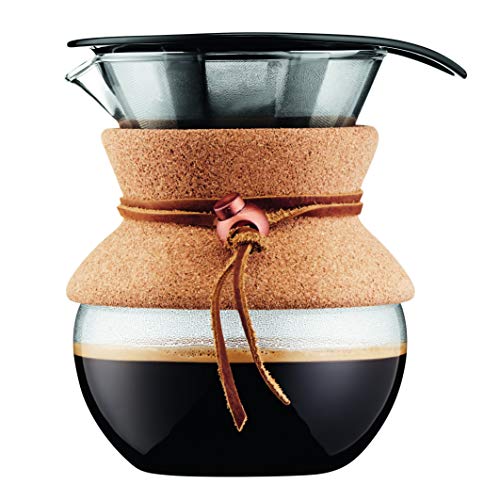
This one stands out for its minimalist design and smart use of materials. The borosilicate glass carafe is a win, as it maintains temperature well and doesn’t leach any off-notes into the brew, owners consistently report clean, bright cups that highlight origin characteristics. I appreciate the stainless steel filter over paper; it lets more oils through, which I prefer for fuller body, and it’s better for the environment long-term.
The cork grip adds a touch of warmth and helps with handling, though it’s not dishwasher safe, which might annoy some. Compared to the Cosori, this is less about volume and more about ritual and precision. For someone who values flavor clarity and a quiet morning routine, this hits the right notes.
Video review
Cosori 8-Cup Pour Over Coffee Maker

Strengths
- Large 8-cup capacity
- Double stainless steel filter
- Stove-safe carafe
- BPA-free materials
- Dishwasher safe (except sleeve)
Trade-offs
- Wooden sleeve prone to warping
- Heavier and bulkier
- Filter may need frequent rinsing
If you’re brewing for more than one, this is where I’d lean. The 34oz capacity is the real draw, it covers eight standard servings, which the Bodum simply can’t match. On paper, the double-layer 304 stainless steel filter looks great, and reviewers note a richer mouthfeel compared to single-filter models, likely due to better oil retention. The borosilicate carafe is also heat-resistant, even allowing stove-top warming on low, which adds versatility, especially for camping or outdoor use.
I like that the entire system is BPA-free and that cleanup is mostly hassle-free, with dishwasher-safe parts. However, the wooden sleeve, while stylish, feels a bit fragile in owner reports, some mention warping over time with moisture exposure. Against the Bodum, this trades a bit of elegance for utility.
Video review
How We Picked These manual coffee maker
As someone who’s spent years exploring the nuances of coffee preparation, I approached this guide with a focus on delivering quality and consistency. Rather than a hands-on lab test, this is a research-led comparison of specifications, features, and a careful weighing of owner and expert reviews. I looked at a wide range of options, ranking them against criteria important to achieving a satisfying pour-over experience.
For manual coffee makers, I prioritized brew quality and ease of cleaning above all else. A good filter is crucial – it needs to allow essential oils through for a flavorful cup while preventing sediment. Capacity also mattered, as some makers are single-serve only, while others are better suited for sharing. I also considered durability and materials used in construction.
Specifications reliably indicate capacity and materials, but judging filter quality and long-term usability requires looking at owner feedback. People consistently mention how easy a maker is to clean, or if grounds consistently slip through the filter. Understanding those real-world experiences, along with checking out a Chemex brewing guide, helped me determine the best options.
What To Look For In manual coffee maker
I’ve spent years exploring the nuances of manual brewing, and finding the right setup can dramatically improve your daily cup.
A quality manual coffee maker prioritizes heat retention to maintain brewing temperature, consistent extraction through filter design, and durability of materials. Look for borosilicate glass, stainless steel components, and designs that allow for precise control over bloom and pour speed. A well-made brewer should also be easy to disassemble and clean.
Filter Design & Flavor
The filter is where a lot of the magic – or the disappointment – happens. Paper filters create a very clean cup, stripping away oils, but some people (myself included) feel they also strip away flavor. Stainless steel filters, like those found in many of these models, allow more oils through, resulting in a fuller body and richer taste. However, the mesh density matters immensely; a coarser mesh might let sediment through, while a very fine mesh can restrict flow.
- Consider your preferred flavor profile. A brighter, cleaner cup might suit lighter roasts.
- Think about cleaning. Stainless steel filters are reusable which is environmentally friendly, but require more diligent cleaning to prevent buildup.
- Ultimately, the best filter is the one that delivers the flavor you want, and that means understanding the trade-offs between clarity and body. Don’t hesitate to experiment with different grind sizes to optimize extraction through your chosen filter.
Carafe Material and Heat Retention
Heat retention is absolutely critical for proper extraction. If your carafe cools too quickly, the later stages of brewing will be under-extracted, leading to a sour or weak cup. Borosilicate glass is the standard here, and for good reason – it can handle high temperatures and won’t impart unwanted flavors. But glass does lose heat quickly. Some models, like the Cosori, even allow for gentle reheating on a stovetop, which is a nice touch if you’re brewing for a crowd. If you’re serious about temperature control, you might also consider preheating your carafe with hot water before brewing.
A good rule of thumb: aim for a brew time between 3-4 minutes. If your brew is consistently faster or slower, adjust your grind size or pour rate.
Capacity & Convenience
While a single-cup pour over is lovely for a quiet moment, sometimes you want to brew enough coffee for multiple people. I often find I’m brewing for others, so capacity becomes important. The Cosori’s 8-cup capacity is a significant advantage in those situations. Beyond capacity, think about how easy the device is to use and clean. Dishwasher-safe components are a huge plus, and a well-designed handle and pouring spout can make a big difference in your daily routine. If you are also considering other manual brewing methods, you might find our top French press models are worth a look.
Manual Coffee Makers Compared
Here’s a detailed specification comparison of the manual coffee makers in this guide to help you make an informed decision.
| Product | Capacity | Filter Type | Material | Dishwasher Safe | Special Features |
|---|---|---|---|---|---|
| Bodum 17oz Pour Over Coffee Maker | 17oz | Stainless Steel | Glass, Cork | Yes | Cork Sleeve |
| Cosori 8-Cup Pour Over Coffee Maker | 34oz | Stainless Steel (Double-Layer) | Glass, Wood | Yes | Stove-Top Safe |
Frequently Asked Questions
What’s the difference between a pour-over and a drip coffee maker?
A pour-over gives you complete control over the brewing process(water temperature, pour speed, saturation), while a drip machine automates everything. This control allows for a more customized and potentially higher-quality cup, though it requires more attention during brewing.
Can I use any type of filter with these manual coffee makers?
Most of these brewers are designed for specific filter types, like paper or stainless steel. Using the wrong filter can result in poor extraction or grounds escaping into your coffee; I recommend sticking with the filter type specified by the manufacturer for optimal results.
Are stainless steel filters really better than paper filters?
Stainless steel filters allow more coffee oils to pass through, creating a fuller-bodied brew, but they require more thorough cleaning. Paper filters produce a cleaner, brighter cup, but can also remove some of the flavor compounds you might want to experience.
How important is the shape of the pour-over cone?
The cone’s shape impacts water flow and extraction, and a well-designed cone promotes even saturation of the grounds. You’ll find that different shapes cater to different brewing styles; exploring top pour-over brewers can help you determine what works best for you.
What grind size should I use for a manual coffee maker?
Generally, a medium-fine grind works best for manual coffee makers. Too coarse and the coffee will be weak and sour, too fine and it may clog the filter, but the best grind size depends on the specific brewer and your taste preferences.
The Bottom Line
Choosing a manual coffee maker often comes down to balancing control with convenience. If you want the most consistent, flavorful cup and enjoy the ritual of pour-over, the Cosori 8-Cup Pour Over Coffee Maker is the standout choice. Its larger capacity and stove-top safe glass give you options other models simply don’t offer, and the double-layer stainless steel filter provides excellent extraction.
For those seeking a more budget-friendly entry point, or who primarily brew for one, the Bodum 17oz Pour Over Coffee Maker delivers excellent value. It’s easy to clean, surprisingly durable, and gives you a wonderfully clean cup thanks to its stainless steel filter. And if you’re curious about other brewing methods, you might find our French press step-by-step guide helpful.
Ultimately, the “best” manual coffee maker isn’t about any single feature or specification. It’s about finding a brewer that fits your routine and allows you to consistently brew coffee you genuinely enjoy. Focus on a quality filter, a heat-resistant carafe, and a design that feels comfortable and intuitive – those fundamentals will matter far more than any fancy gadget.
