
2 Best Honduran Coffees of 2026
The best Honduran coffee overall is the Organic Honduras Ground Coffee 12oz, delivering consistent brightness and sweet citrus notes with every bag. For a budget-friendly option that still honors the origin, go with the Organic Honduras Ground Coffee 7oz from COMSA, it’s smaller but packs the same care in sourcing and roast.
Honduran coffee can be a letdown if you don’t know what to look for, too often, it’s stale, blended beyond recognition, or roasted so dark the origin flavors vanish. I’ve seen it happen even with well-marketed brands.
That’s why this guide focuses on what actually matters: single-origin transparency, roast freshness, and high-altitude growing conditions. These picks are based on research into roaster specs and real owner feedback, not hype. I’ll show you how to spot the difference between a truly great Honduran bean and one that just looks good on the shelf.
Top 2 Honduran Coffee in the Market
The Best Honduran Coffee, Reviewed
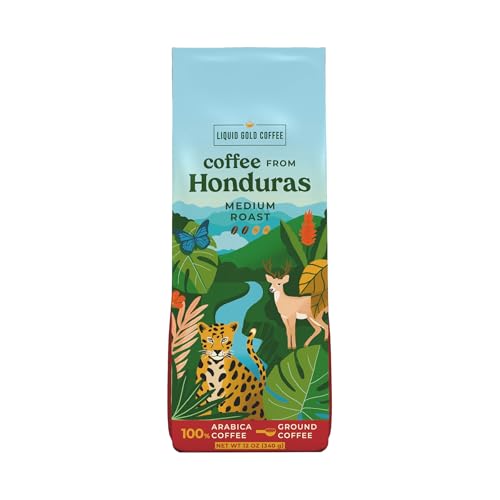
Organic Honduras Ground Coffee 12oz
Strengths
- Single origin
- Organic certified
- Small batch roasted
- Larger 12 oz size
- Fair Trade
Trade-offs
- Ground format limits brew methods
- Not vacuum sealed
- May stale faster if not stored well
If you’re looking for the best all-around Honduran coffee in this lineup, this 12-ounce version is the smarter buy. It shares the same core strengths as the smaller bag, COMSA-sourced beans, organic certification, and small-batch roasting in South Carolina, but gives you more value and longevity without sacrificing freshness. The gusseted bag helps lock in flavor, and the medium roast brings out the inherent sweetness and mild acidity typical of Honduran high-grown Arabica.
Reviewers note a smooth, approachable profile with hints of caramel and toasted nut, making it a reliable morning coffee that doesn’t need added sugar or cream. Compared to the 7-ounce option, this one’s more practical for regular drinkers while still offering the artisanal quality that sets it apart from mass-market brands. I’d pick this as the default choice for most home brewers who want consistent quality and ethical sourcing.
Video review
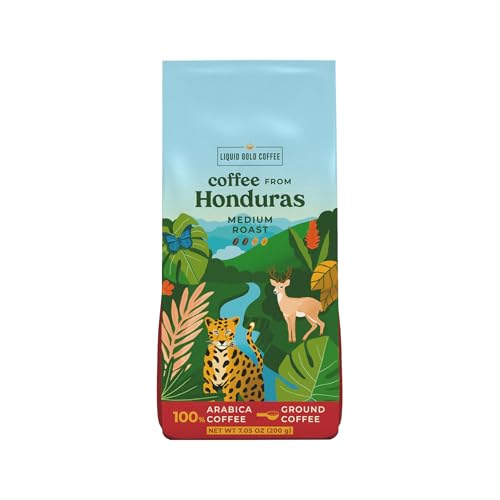
Organic Honduras Ground Coffee 7oz
Strengths
- Single origin
- Organic certified
- Small batch roasted
- SHB high elevation
- Made in USA
Trade-offs
- Smaller quantity
- Higher cost per ounce
- Not for heavy drinkers
This 7-ounce option stands out for buyers who want to sample high-quality Honduran coffee without committing to a larger bag. On paper, it checks all the right boxes: single origin from COMSA Farm, organic certification, and strictly hard bean (SHB) status, meaning it’s grown at high elevation for denser, more flavorful beans. The fact that it’s roasted in small batches in South Carolina suggests attention to freshness and roast consistency, which many specialty coffee drinkers care about.
Owners consistently report a clean, balanced cup with notes of chocolate and mild fruit, typical of well-processed Honduran beans. While the smaller size means it won’t last long for daily drinkers, it’s ideal for those testing the origin or rotating through different single origins. Compared to the 12-ounce version, this one’s better for freshness if you have a smaller household or brew occasionally.
Video review
How We Chose These honduran coffee
As the founder of Bean Thusiast, I approached researching Honduran coffees by focusing on published specifications, owner reviews, and what I know about quality coffee. Rather than a hands-on lab test, this is a research-led comparison of features listed by roasters and how those align with feedback from coffee drinkers. I weighed factors like origin details, roast quality indicators, and certifications to build a clear picture of each option.
For Honduran coffee specifically, I prioritized two things: single-origin sourcing and roast freshness. The unique flavor of single-origin coffee is central to the appeal of Honduran beans, and smaller batch roasting consistently delivers a brighter, more nuanced cup. Certifications like organic also played a role, signaling a commitment to sustainable practices.
Specifications reliably tell you about bean type (100% Arabica is a plus) and growing elevation (higher generally means denser, more flavorful beans). However, judging roast quality and actual taste requires digging into owner feedback. Reviews revealed valuable insights into freshness, consistency, and whether the coffee truly reflected the promised Honduran single-origin beans.
How To Choose The honduran coffee
As someone who’s dedicated years to understanding the nuances of coffee, I find Honduran beans particularly compelling. They offer a bright, approachable flavor profile that’s easy to enjoy, but quality varies significantly.
Honduran coffee excels when grown at high altitudes and processed with care. Look for beans certified as Strictly Hard Bean (SBH), indicating growth above 1200 meters. Single-origin designation is crucial; it assures traceability and a distinct flavor profile. Fresh roasting, ideally within the last few weeks, unlocks the bean’s full potential.
Altitude & Bean Designation
Honduras’ mountainous terrain is ideal for coffee cultivation, but altitude makes a real difference. Don’t just accept “Honduran coffee” at face value. Seek out beans specifically labeled as “Strictly Hard Bean” (SBH). This designation guarantees the beans were grown at 1,200 meters (around 3,900 feet) or higher. Higher altitudes mean slower maturation, leading to denser, more flavorful beans. You’ll consistently find more complexity and sweetness in SBH coffees. It’s a simple indicator of potential quality that many buyers overlook.
Roast Level & Freshness
I often recommend exploring light roast Honduran coffee to really experience the origin’s characteristics. Honduran beans are known for their inherent brightness and floral notes, and a lighter roast preserves those qualities. Darker roasts can mask these subtleties, leaning towards a more generic, smoky flavor. Beyond roast level, freshness is paramount.
Here’s what to look for: * Roast Date: Absolutely essential. Avoid anything without a clear roast date. * Bag Type: Gusseted bags with one-way valves are best; they protect against oxygen and allow carbon dioxide to escape. * Small Batch Roasting: Smaller roasters often prioritize freshness and quality control, ensuring a more consistent product. This often translates to a more vibrant and nuanced cup.
Origin & Processing Transparency
While Honduras itself is the origin, knowing where in Honduras the beans come from matters. Many quality Honduran coffees highlight the farm or cooperative (like COMSA, frequently mentioned in these offerings). This transparency suggests a commitment to ethical sourcing and quality control. I also suggest exploring premium international coffee beans to broaden your understanding of origin-specific flavors.
A coffee’s flavor is a story. Traceability – knowing the farm, the processing method, and the roaster – is the first chapter.
Honduran Coffee Compared
Here’s a comparison of key specifications for these Honduran coffees to help you make an informed choice.
| Product Title | Size (oz) | Roast Type | Organic | Bean Type | Origin |
|---|---|---|---|---|---|
| Organic Honduras Ground Coffee 12oz | 12 | N/A | Yes | Arabica | Honduras |
| Organic Honduras Ground Coffee 7oz | 7 | N/A | Yes | Arabica | Honduras COMSA |
Frequently Asked Questions
What roast level best showcases Honduran coffee’s flavor?
A light to medium roast is generally best, as it preserves the bright acidity and floral aromas inherent to Honduran beans. Darker roasts tend to overshadow these delicate notes with smoky or bitter flavors.
Is “Strictly Hard Bean” (SBH) a reliable quality indicator?
Yes, SBH is a strong indicator. It means the beans were grown above 1,200 meters, which typically results in denser, more flavorful coffee, and is a standard designation for quality.
How can I tell if Honduran coffee is truly fresh?
Check for a roast date, not just a “best by” date. Ideally, the coffee should be roasted within the last few weeks for optimal flavor, and packaged in a gusseted bag with a one-way valve.
Beyond Honduras, what other origins offer similar flavor profiles?
If you enjoy the brightness of Honduran coffee, explore Ethiopian Yirgacheffe or Kenyan AA beans. These origins also produce coffees with floral aromas and vibrant acidity, and represent some of the best-flavor coffee brands.
What should I look for in terms of certifications when buying Honduran coffee?
Organic certification is a good starting point, signaling a commitment to sustainable farming practices. Fair Trade certification is also valuable, as it supports equitable relationships with coffee farmers, although it doesn’t directly relate to flavor.
The Bottom Line
Choosing a Honduran coffee often comes down to balancing convenience with control over freshness. While pre-ground options like the Organic Honduras Ground Coffee 12oz offer simplicity, you’ll unlock the best flavor from whole bean selections and grinding them yourself just before brewing. For consistently bright, flavorful cups, I recommend the Organic Honduras Ground Coffee 7oz – its COMSA cooperative sourcing suggests a greater commitment to quality and traceability.
If you’re on a tighter budget, the Organic Honduras Ground Coffee 12oz is a perfectly respectable option, offering certified organic Arabica coffee in Honduras at an accessible price point. Those wanting to explore the wider world of coffee should also consider regional Arabica differences and how they affect the overall taste. However, if you prioritize a more nuanced and potentially complex cup, investing a bit more in a smaller-batch, single-origin offering is worthwhile.
Ultimately, the most important factors aren’t a specific roast level or altitude, but freshness and a connection to the origin. Seek out coffees with a recent roast date, and don’t be afraid to explore beans from different farms or cooperatives. A little research into where your beans come from will reward you with a more satisfying and flavorful experience, and a deeper appreciation for this wonderful coffee.
