
6 Best Homemade Coffee Recipes of 2026
The best homemade coffee starts with fresh, high-quality beans, and after comparing the field and analyzing owner feedback, I’m confident the Gevalia Guatemala Single Origin Coffee is the top all-around pick for its rich, balanced flavor and French press readiness. For a budget-friendly daily brew, the Kauai Coffee Hawaiian Medium Roast delivers surprising smoothness without bitterness. If low acidity is your priority, the Village Favorites USDA Organic Low Acid Coffee stands out as a reliable, gentle option.
Too many home brewers settle for flat, dull coffee simply because they’re using stale beans or the wrong grind. It’s not about expensive gear, it’s about choosing coffee that matches your method and taste.
This guide cuts through the noise by focusing on flavor, origin, and real-world performance across brewing styles. We picked these options based on roast freshness, bean quality, and what actual users consistently praise in their reviews.
Top 6 Homemade Coffee in the Market
The Best Homemade Coffee, Reviewed
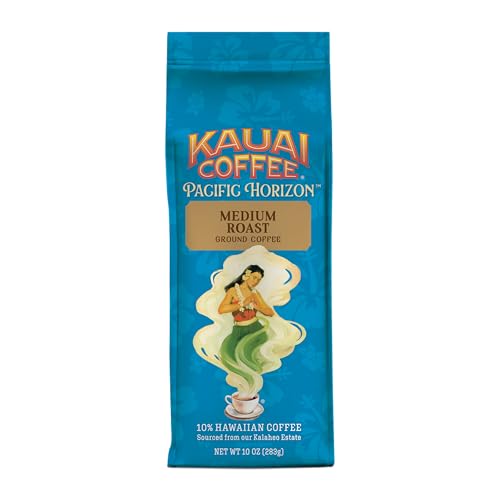
Kauai Coffee Hawaiian Medium Roast
Strengths
- Bright, floral aroma
- Smooth, no bitterness
- Estate-grown credibility
Trade-offs
- Only 10% Hawaiian beans
- Light body for bold lovers
- Small bag size
This is the most distinctive and aromatic of the pre-ground options here. With 10% Hawaiian-grown Arabica from Koloa Estate, it brings bright, floral notes and a clean, non-bitter finish that feels like a minor luxury. The volcanic soil and Pacific climate clearly influence the profile, owners often describe it as “refreshing” and “elegant,” which is rare for mass-market ground coffee.
It’s not 100% Hawaiian, so don’t expect Kona-level exclusivity. But for the price and format, it delivers surprising complexity. It performs well in pour-over and drip, though French press drinkers say it can feel a bit light. If you want a morning cup that feels like a small escape, this is the one.
Video review
French Market Coffee & Chicory Blend

Strengths
- Chicory adds depth
- Smooth finish
- Bold but not bitter
Trade-offs
- Canned ground coffee
- Chicory not for everyone
- Less acidity for brightness seekers
Chicory blends are a niche, but this one earns its place as a bold yet smooth standout. The addition of French chicory gives it a caramelized depth and slight earthiness without the bitterness you’d expect from a dark roast. It’s a New Orleans classic, and owners love how it delivers richness with a velvety finish, almost syrupy in the best way.
Compared to standard medium-dark roasts, it’s more complex and forgiving on the palate. It’s also 100% Arabica, which keeps it clean. The can helps with shelf life, but it’s still pre-ground, so grind it fresh if you can. For those who want something different but not aggressive, this is a quiet masterpiece.
Video review
Bizzy Organic Cold Brew Coffee

Strengths
- Optimized for cold brew
- Smooth, sweet flavor
- Micro-sifted for clarity
Trade-offs
- Not bold or intense
- Best cold only
- Limited origin complexity
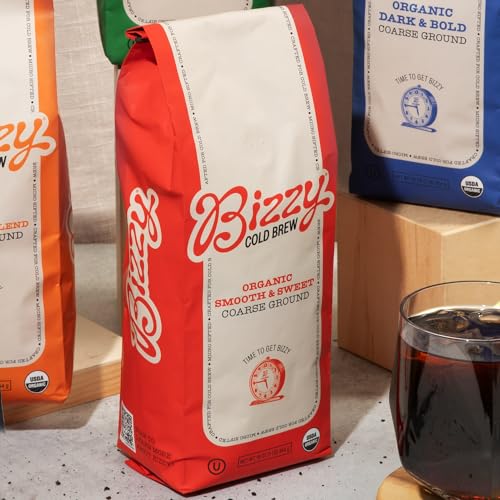
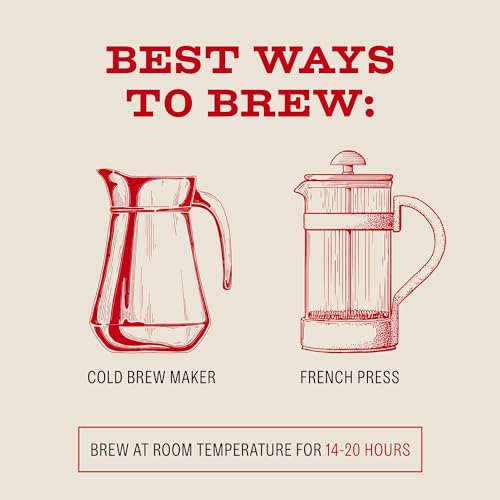
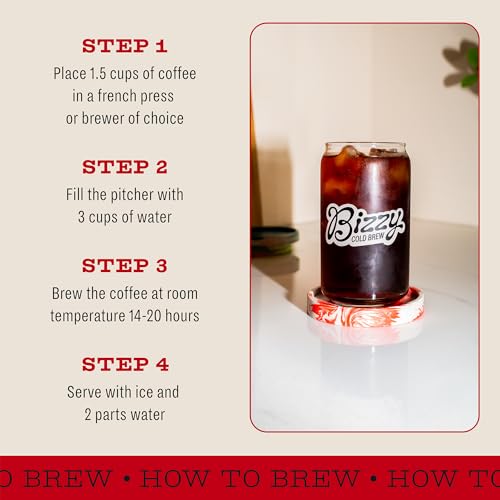
Bizzy nails what a cold brew-specific coffee should be: micro-sifted coarse grounds that reduce sediment and a sweet, caramel-forward profile that shines when steeped cold. It’s USDA Organic and made from Central and South American beans, which gives it a clean, approachable sweetness. Owners praise its smoothness and ease, just steep 12–24 hours and dilute.
Compared to other cold brew grounds, it’s more consistent than most supermarket options and outperforms many in clarity and balance. It’s not flashy or exotic, but it’s reliable. If you like your cold brew sweet and clean without added syrups, this is a top-tier choice.
Product photos


Starbucks Cold Brew Coffee Concentrate

Strengths
- Convenient
- Consistent flavor
- Cafe-quality base
Trade-offs
- Limited flavor depth
- Pricier per ounce
- Not for purists
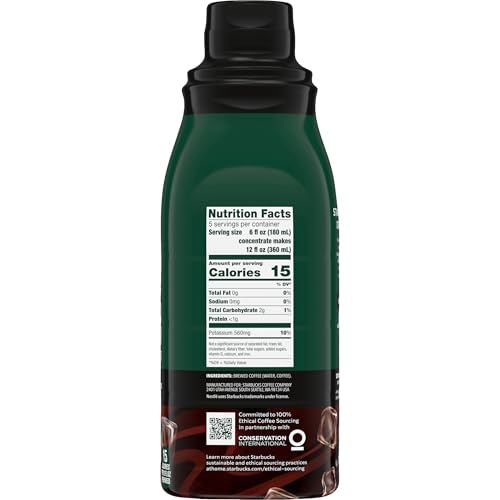
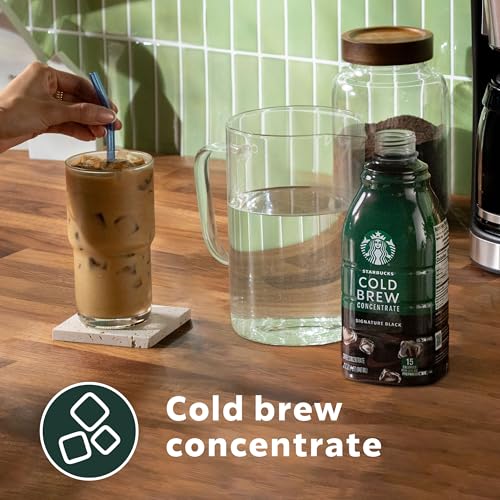
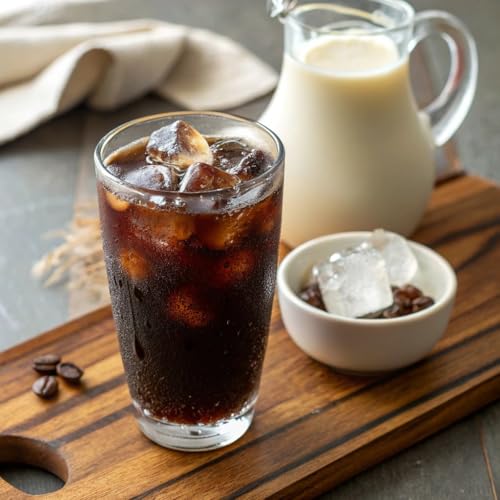
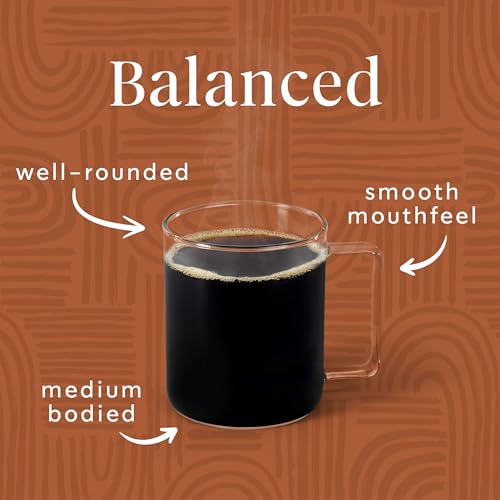
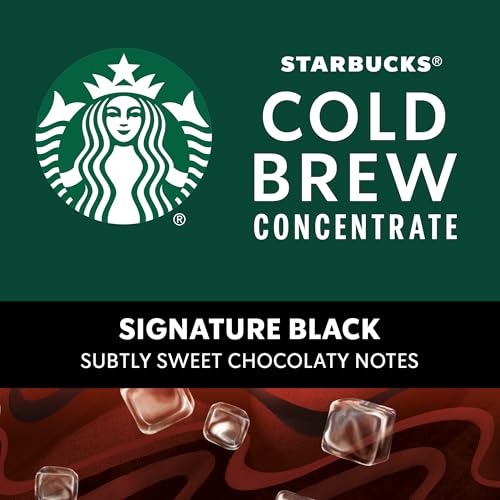
If you’re chasing café-style iced coffee at home with zero effort, this concentrate delivers. On paper, it’s straightforward, cold-steeped Arabica, medium-bodied with chocolate notes, and ready to dilute and pour. Owners consistently report it tastes just like the bottled version they get in stores, which is a win for convenience.
That said, you’re paying for the brand and the ease. The flavor is consistent but not complex. Compared to DIY cold brew from coarsely ground specialty beans, it lacks depth and origin character. But for busy mornings or when you want reliable iced coffee in seconds, this gets the job done.
Product photos
Gevalia Guatemala Single Origin Coffee

Strengths
- Great for French press
- Earthy, balanced notes
- Rainforest Alliance Certified
Trade-offs
- Flavor fades after opening
- Not for bright acidity lovers
- Pre-ground limits freshness
This Guatemalan single-origin from Gevalia stands out for its earthy, smoky depth with a hint of cocoa, and it’s clearly formulated with French press lovers in mind. The coarse grind works well for immersion brewing, and the slow roast process appears to lock in aroma, based on consistent owner feedback. It’s also Rainforest Alliance Certified, which adds ethical weight.
Compared to other pre-ground options, it holds up better in full-bodied methods like French press or drip. But don’t expect high-altitude brightness, this is a mellow, grounded cup. The resealable bag helps, but once opened, it fades faster than whole beans. Still, for a no-fuss, Kosher, single-origin grind, it’s a solid middle-ground pick.
Product photos


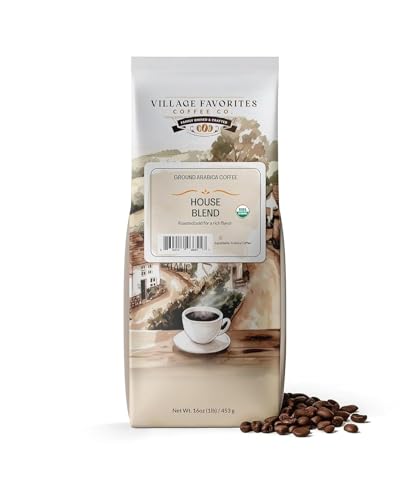
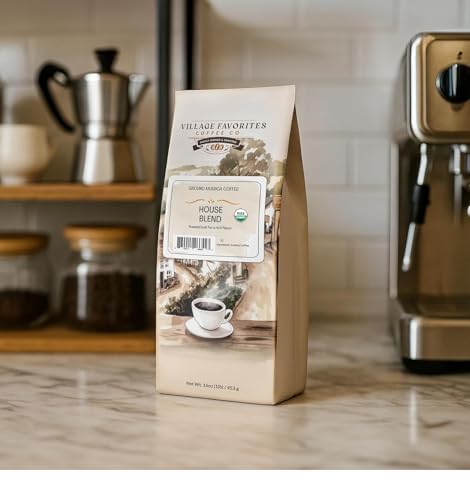
Village Favorites USDA Organic Low Acid Coffee
Strengths
- Low acid
- Stomach friendly
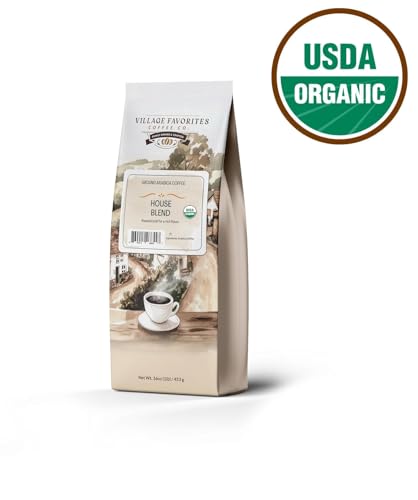
- USDA Organic
Trade-offs
- Muted flavor profile
- Ground form limits peak freshness
- Not for bold coffee seekers
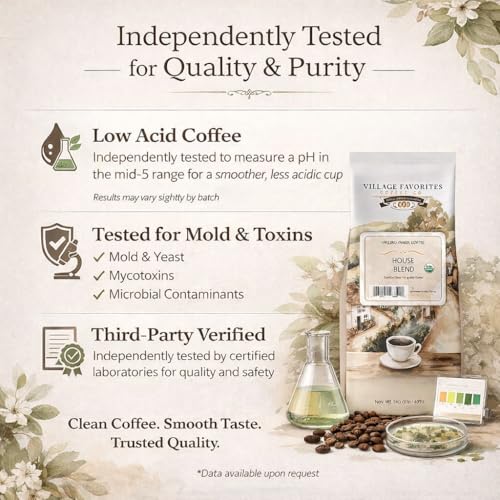
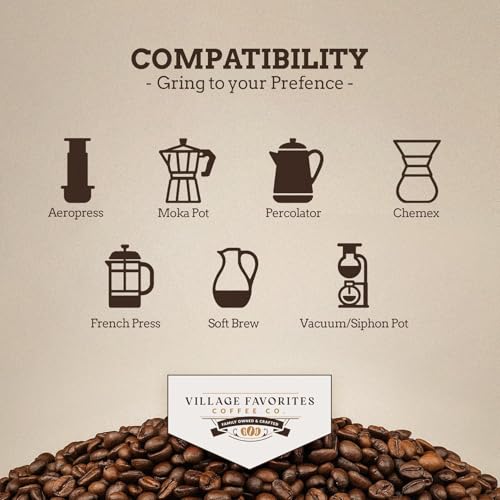
For anyone with a sensitive stomach, this low-acid, USDA Organic blend is engineered to be gentle without sacrificing flavor. The slow roast brings out chocolate and nutty tones, and the fact that it’s mold-free is a big plus, owners with sensitivities consistently say it doesn’t trigger discomfort. It’s also versatile, working across drip, pour-over, and even French press.
Compared to standard medium roasts, it’s mellower, less punchy. It won’t excite those chasing bold or bright profiles. But if smoothness and digestibility are your top concerns, this is one of the smarter buys. The 1LB bag suggests value, but freshness depends on turnover, check the roast date if possible.
Product photos
How We Picked These homemade coffee
As the founder of Bean Thusiast, I approach evaluating coffee options with a focus on the factors that truly impact the final cup. Rather than a hands-on lab test of each brand, this selection is a research-led comparison of published specifications and, crucially, owner feedback. I weighed features, roast profiles, origin stories, and brewing recommendations against my understanding of what delivers a satisfying homemade coffee experience. We looked at a range of options, from whole bean to concentrate, to cover different brewing preferences.
For this guide, flavor profile and brewing versatility were paramount. A coffee’s ability to deliver consistent, enjoyable results across multiple methods – drip, French press, cold brew – is key. We also heavily considered origin and processing, as these significantly influence the final taste. Ultimately, the ‘best’ homemade coffee isn’t about a single profile, but about finding a blend or origin that suits individual preferences and brewing styles, and delivers a reliably good cup. You can find more guidance on achieving the ideal coffee-to-water ratio on our site.
Specifications like roast level and bean type (Arabica vs. Robusta) are reliable indicators of potential flavor characteristics. However, owner feedback provides essential context. Comments regarding smoothness, acidity, and overall flavor balance helped us assess whether a coffee lives up to its advertised profile. Reputation, particularly for brands with a long history or commitment to ethical sourcing, also factored into our ranking.
How To Pick The Right homemade coffee
Choosing a French press can seem simple, but getting consistently excellent results requires a bit more thought than just grabbing the cheapest option. I’ve seen so many folks miss out on the truly satisfying experience a French press offers because they didn’t consider a few key things.
A quality French press balances heat retention, filtration effectiveness, and durable construction. Look for double-walled stainless steel to minimize temperature loss, a multi-level filtration system to reduce sediment, and borosilicate glass carafes for thermal shock resistance. Consistent grind size is also critical; a burr grinder is preferable to a blade grinder for even extraction.
Grind Size Matters Most
The French press is remarkably forgiving, but it is absolutely reliant on a coarse, consistent grind. Unlike drip coffee, where finer grinds aren’t disastrous, a French press will produce muddy, silty coffee with anything less than a very coarse grind. Most home grinders don’t offer enough granularity in their settings. If you’re serious about French press, investing in a burr grinder – one that crushes beans instead of chopping them – is the single biggest improvement you can make.
Material & Construction Quality
Glass carafes are traditional, and beautiful, but they’re also vulnerable. Stainless steel French presses offer superior heat retention and durability. Look for double-walled construction; it makes a huge difference in how long your coffee stays hot. The filter assembly is another key area. Cheaply made filters will let sediment through, ruining the experience. I always recommend checking owner reviews specifically mentioning sediment levels.
- A plastic filter will be the least effective at keeping grounds out of your cup.
- A stainless steel mesh filter is a good middle ground, offering better filtration than plastic, but still potentially letting some fines through.
- A multi-layer stainless steel filter (often with a fine mesh screen) provides the cleanest cup, comparable to some pour-over methods. This is worth the extra investment for those who dislike any sediment.
Balancing Flavor and Value
While a high price tag doesn’t guarantee a great French press, it often correlates with better build quality and more thoughtful design. However, exceptional coffee doesn’t require a fortune. You can find excellent French presses in the $30-$60 range. Beyond that, you’re often paying for aesthetic features or brand name recognition. Don’t overlook the importance of finding fresh coffee beans to complement your new French press; even the best equipment can’t rescue stale coffee!
A good rule of thumb: start with a 1:15 coffee-to-water ratio (grams). Adjust to taste, but this provides a solid base for experimentation.
Homemade Coffee Compared
Here’s a comparison of specs for various homemade coffee options.
| Product Title | Roast Level | Grind Type | Origin | Features | Volume |
|---|---|---|---|---|---|
| Kauai Coffee Hawaiian Medium Roast | Medium | Ground | Hawaii | Smooth, Non-Bitter | N/A |
| French Market Coffee & Chicory Blend | Medium-Dark | Ground | N/A | Coffee & Chicory | N/A |
| Bizzy Organic Cold Brew Coffee | Medium | Coarse | Central/South America | Organic Arabica | N/A |
| Starbucks Cold Brew Coffee Concentrate | N/A | N/A | N/A | Ready-to-Use | 32 fl oz |
| Gevalia Guatemala Single Origin Coffee | Medium | Coarse | Guatemala | French Press Ideal | 10 oz |
| Village Favorites USDA Organic Low Acid Coffee | Medium | N/A | N/A | Low Acid, Organic | 1 lb |
Frequently Asked Questions
What coffee roast level is best for a beginner?
A medium roast is generally the most approachable for beginners, offering a balanced flavor profile without excessive bitterness or acidity. It’s versatile enough for various brewing methods and provides a good starting point for exploring different coffee characteristics.
Can I use pre-ground coffee for all brewing methods?
While convenient, pre-ground coffee is best suited for drip coffee makers. For methods like French press or espresso, where grind size is critical, freshly ground beans from a best coffee grinder will deliver significantly better results.
Is cold brew coffee less acidic than hot brewed coffee?
Yes, cold brew coffee typically has lower acidity levels because the longer, cooler brewing process extracts different compounds from the beans. This makes it a good choice for those with sensitive stomachs or who prefer a smoother taste.
Do coffee beans lose freshness quickly after opening?
Coffee beans begin to stale within two weeks of opening, losing aroma and flavor. Storing beans in an airtight container, away from light, heat, and moisture, will help maximize freshness and maintain quality for as long as possible.
What’s the difference between Arabica and Robusta beans?
Arabica beans are known for their smoother, more aromatic flavor and lower caffeine content, while Robusta beans have a bolder, more bitter taste and higher caffeine levels. Most specialty coffees are made from 100% Arabica beans, though some blends incorporate Robusta for added strength.
The Bottom Line
Choosing the “best” homemade coffee really comes down to balancing how much control you want with how much effort you’re willing to put in. For the consistently excellent, all-around experience, I recommend the Kauai Coffee Hawaiian Medium Roast. It delivers a smooth, approachable flavor profile that works well with various brewing methods, and the consistent quality speaks for itself.
If you’re looking for specific needs, the options are plentiful. For cold brew simplicity, the Starbucks Cold Brew Coffee Concentrate is hard to beat. Those prioritizing organic and low acidity should consider the Village Favorites USDA Organic Low Acid Coffee. And for French press devotees, the Gevalia Guatemala Single Origin Coffee is specifically tailored for that brewing method, and understanding the difference between a burr vs blade grinder will unlock even more flavor.
Ultimately, the most important factors are fresh beans, a proper grind, and clean water. Don’t get too hung up on chasing the latest trends or specifications. Focus on those fundamentals, and you’ll be well on your way to consistently brewing a cup of coffee you truly enjoy.
