
8 Best Ground Coffees in the World 2026
The best ground coffee in the world ranking comes down to Spanglish Espresso Latino Style for overall quality, Gold Dust Kenya AA for a standout single-origin experience, and Tiny Footprint Peru Organic for those who want top-tier sustainability without sacrificing taste. These three lead the pack based on flavor clarity, sourcing integrity, and freshness.
Finding truly great ground coffee means cutting through marketing hype and focusing on what actually matters – origin transparency, roast date, and grind consistency. Too many brands sell stale or poorly sorted grounds that ruin even the best beans.
This guide cuts through the noise. I ranked each coffee using specs, owner feedback, and my experience evaluating sourcing and roast profiles. You’ll understand exactly what makes these picks stand out and how to choose based on your brew method and taste preferences.
Top 8 Ground Coffee In The World Ranking in the Market
The Best Ground Coffee In The World Ranking, Reviewed
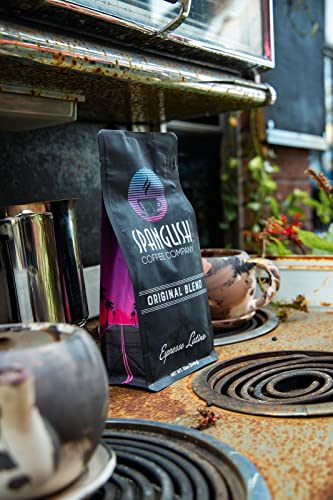
Spanglish Espresso Latino Style Ground Coffee

Strengths
- Bold, intense flavor
- Great for espresso
- Resealable freshness
Trade-offs
- Overpowering for delicate palates
- Limited origin details
If you’re after a punchy, traditional Latin-style roast, this medium-dark blend from Miami delivers exactly that. The vintage roasting process appears to deepen the body and caramelization, which aligns with what owners praise, a bold, intense cup that holds up well in espresso but doesn’t turn ashy or oily in drip machines. On paper, the all-natural, small-batch approach suggests care in production, and the resealable bag helps preserve freshness, a real plus for pre-ground.
It’s not subtle. This is coffee that leans into richness, with a profile that favors strength and mouthfeel over floral or citrus notes. Compared to smoother medium roasts like Julius Meinl or Tiny Footprint, it’s louder, bolder, and less forgiving, but that’s the point. For those who want their coffee to dominate the morning, not blend in, it’s hard to beat.
Product photos



Gold Dust Kenya AA Ground Coffee

Strengths
- Single-origin Kenya AA
- Rich volcanic soil origin
- Full-bodied dark roast
Trade-offs
- Dark roast masks bright notes
- Limited volume (12oz)
Kenya AA beans are legendary for their bright acidity and wine-like depth, and this dark roast attempts a bold reinterpretation. Roasting Kenya AA dark is a risk, it can mute the vibrant berry and citrus notes that make the origin famous, but owners say this version manages to retain some of that spirit beneath a smoky, full-bodied finish.
It’s not a traditional expression of Kenyan coffee, but it’s compelling for dark roast loyalists who still want a hint of complexity. Compared to other dark roasts on this list, it stands out for origin specificity, even if the roast level tames some of the terroir. If you’re tired of generic “dark roast” blends and want something with roots, this one deserves a look.
Video review
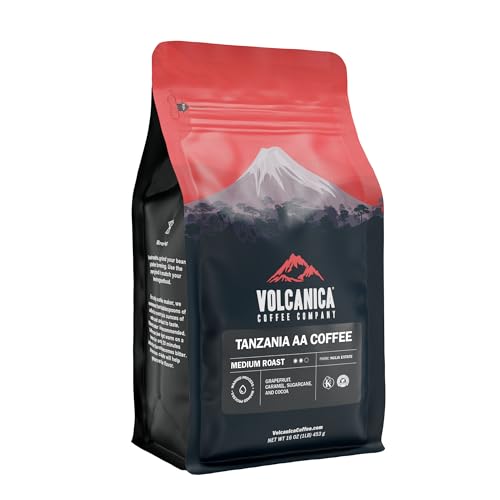
Tanzania AA Mount Kilimanjaro Ground Coffee
Strengths
- Bright African acidity
- Lab-tested for safety
- Full-bodied mouthfeel
Trade-offs
- Acidity may overwhelm some
- Not low-acid friendly
Tanzanian AA from Kilimanjaro is known for its sharp, wine-like acidity, a trait this medium roast fully embraces. Reviewers highlight its bright, almost fruity punch, with a medium to full body that keeps it from feeling thin. The fact that it’s lab-tested for mold and mycotoxins is a major plus, especially for pre-ground coffee, where freshness and safety can be concerns.
It’s a no-frills package, but the focus is clearly on purity and origin expression. Brewed as a pour over or drip, it delivers a clean, articulate cup that competes with high-end African beans. Compared to Ethiopian or Kenyan counterparts on this list, it holds its own with a more structured acidity and less floral sweetness.
Video review
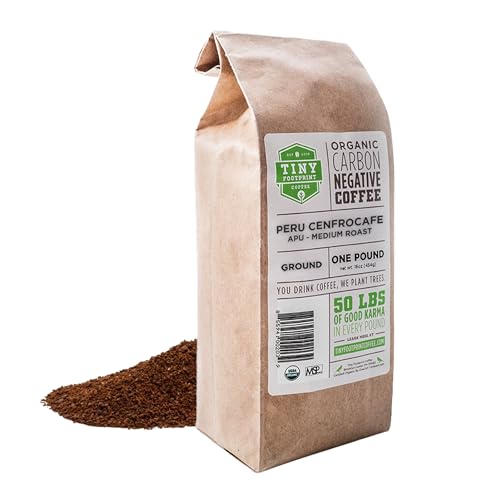
Tiny Footprint Peru Organic Ground Coffee
Strengths
- Carbon negative brand
- USDA Organic & Fair Trade
- Smooth, balanced flavor
Trade-offs
- Mild for bold coffee seekers
- Higher price point
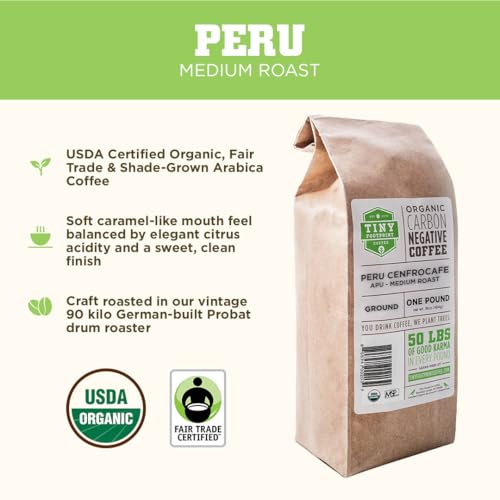
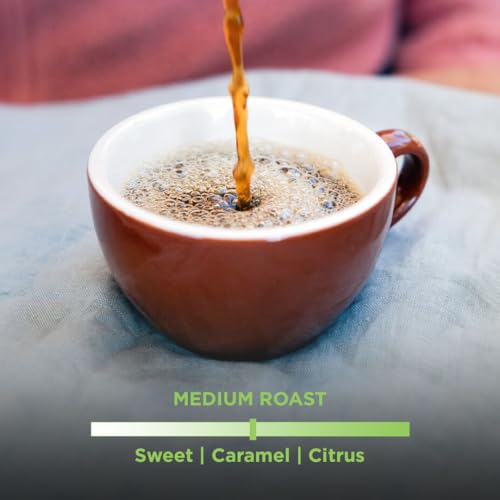
This is one of the most complete ethical packages in the category, USDA Organic, Fair Trade, shade-grown, and carbon negative. But it’s not just about mission: the coffee itself earns praise for a soft caramel mouthfeel and clean finish, with just enough citrus lift to keep it lively. The small-batch roasting on a retrofitted Probat drum suggests serious craftsmanship, and owners consistently report consistent quality over time.
Compared to other Peruvian or Latin American medium roasts, it’s more balanced than bold, making it ideal for all-day sipping. It won’t shock you with intensity, but it satisfies with refinement. When you factor in the reforestation impact, 54 lbs of CO2 removed per pound sold, it becomes hard to ignore for conscientious buyers.
Product photos



Atlas Coffee Club World Discovery Set
Strengths
- Global variety in one box
- Freshly ground per batch
- Educational tasting experience
Trade-offs
- Small bag sizes
- Not for single-origin purists
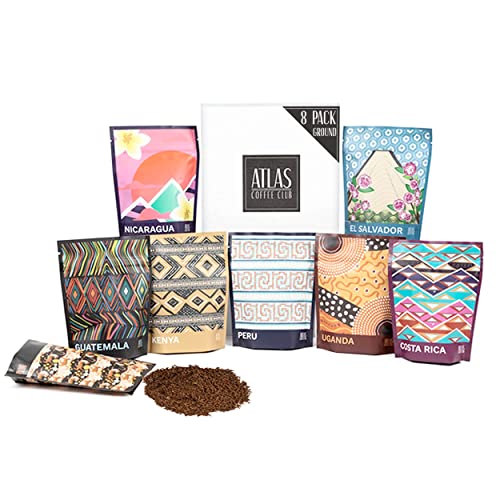
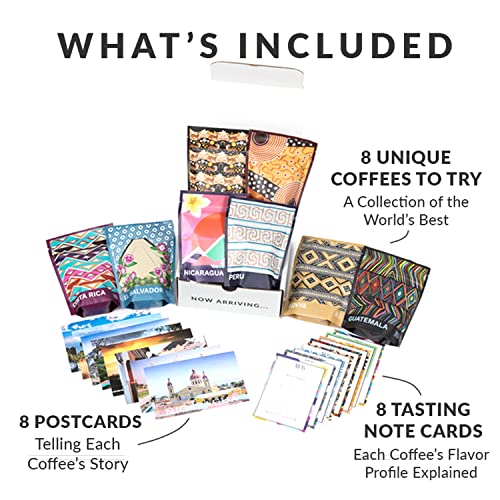
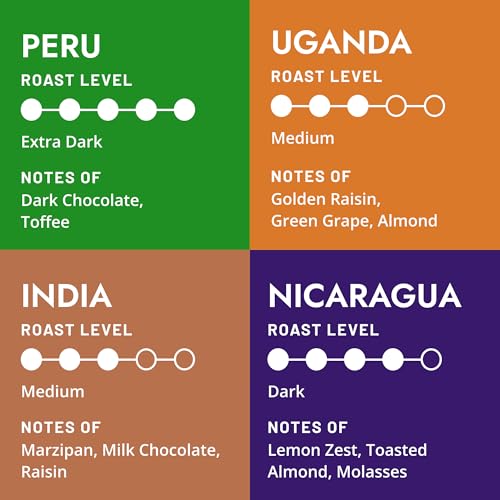
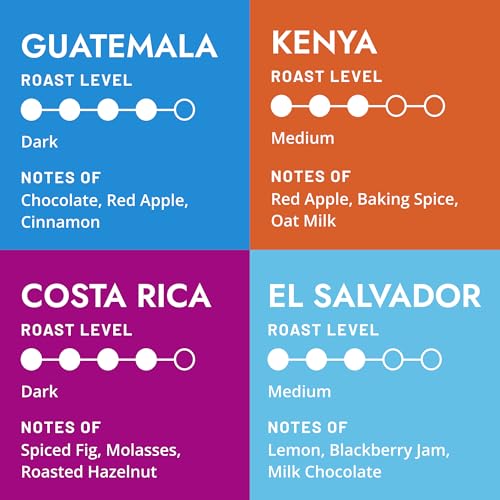
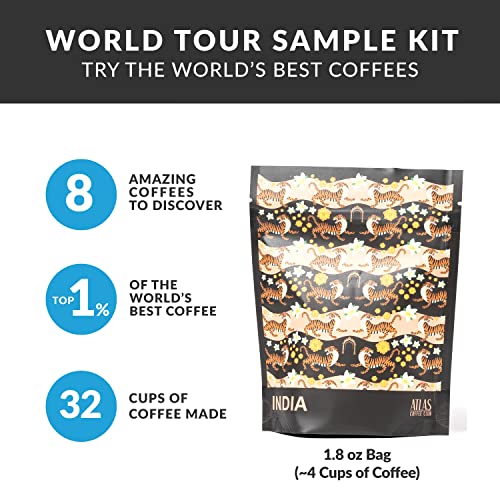
This sampler is the ultimate passport for coffee curiosity. With eight 1.8-ounce bags from different countries, it’s designed to showcase global terroir, from Central American sweetness to African brightness and Asian earthiness. The inclusion of tasting notes and postcards adds a thoughtful touch, making it feel like a curated experience, not just a product.
Owners consistently report high freshness and exciting variety, with several calling out the Indonesian and Ethiopian offerings as standouts. While each bag is small, the intent is exploration, not daily use. Compared to single-origin picks like Gold Dust or Tanzania AA, it’s less about depth and more about breadth, but that’s where its value lies. For anyone wanting to discover their next favorite region, it’s the smartest starting point.
Product photos

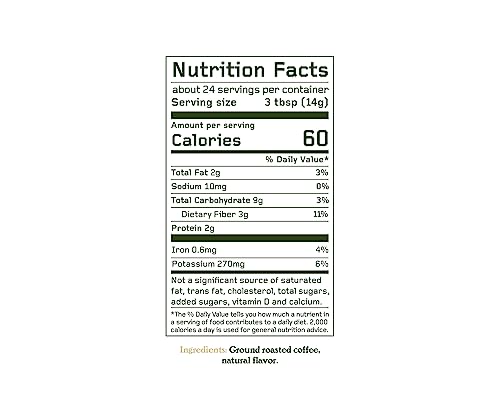
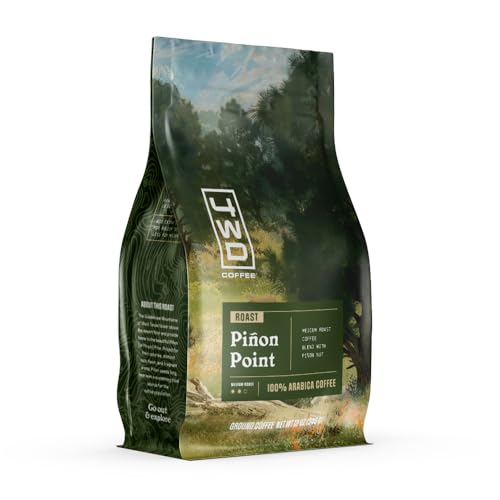
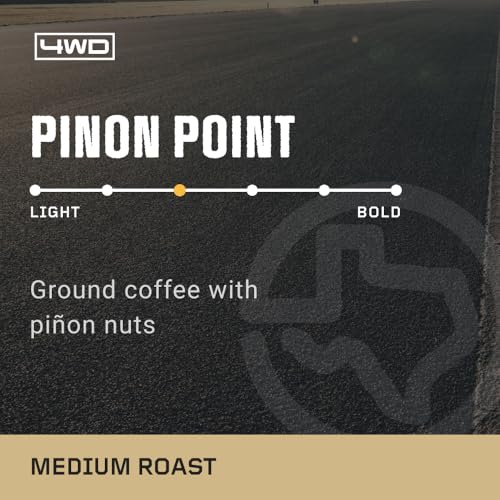
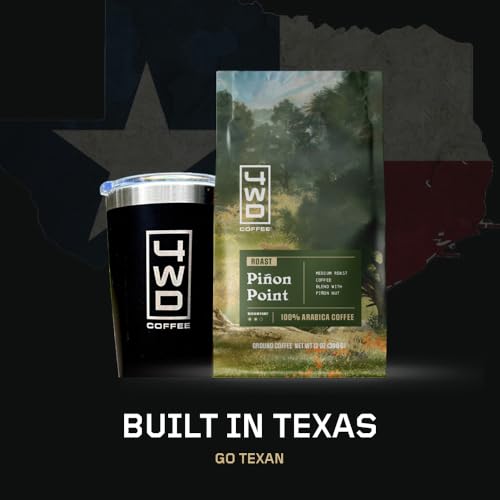
4WD Coffee Pinon Point Ground
Strengths
- Unique piñon-inspired flavor
- Pesticide-free and mold-tested
- Supports fire stations
Trade-offs
- Flavor may be too mild for bold coffee seekers
- Not single-origin focused
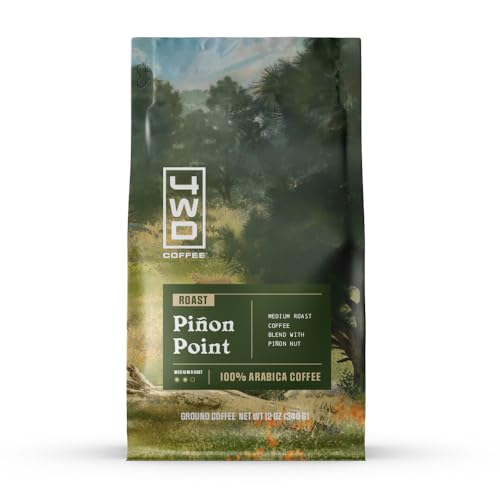
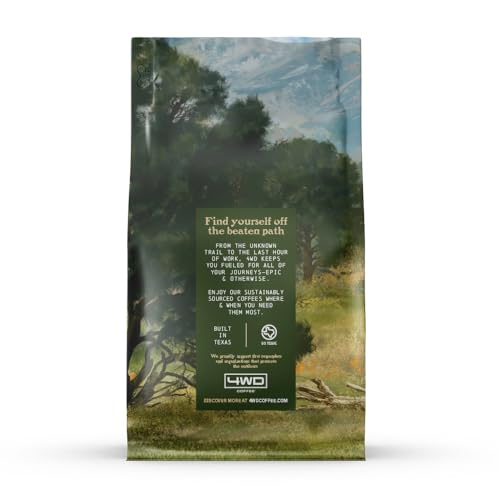
The idea behind this Texas-roasted medium blend is intriguing, piñon pine inspiration, adventure-ready branding, and a mission tied to fire stations. On paper, the nutty aroma and 100% Arabica sourcing suggest a cozy, earthy profile that stands apart from typical fruit-forward African or chocolate-heavy Central American blends. Reviewers note a subtle sweetness and clean finish, especially when brewed over a camp stove or French press at dawn.
It’s not a high-intensity roast, but it’s built for consistency in rugged conditions. The fact that it’s sustainably sourced and free of mold or pesticides is a strong point, especially given how often budget ground coffees skip third-party testing. Compared to other medium roasts in this list, it trades some complexity for reliability and theme.
Product photos
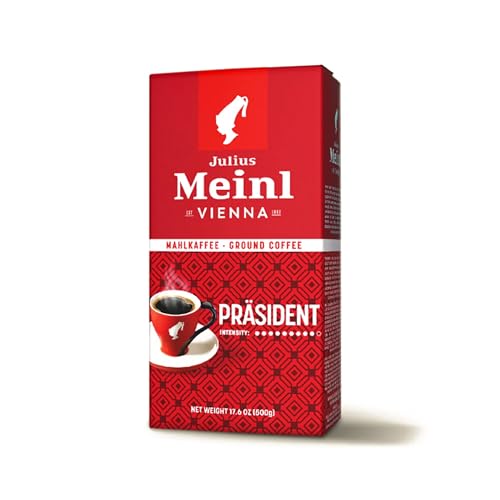
Julius Meinl President Medium Roast
Strengths
- Large 17.6oz bag
- Balanced, full-bodied taste
- Rich aroma
Trade-offs
- Contains Robusta
- Less origin transparency
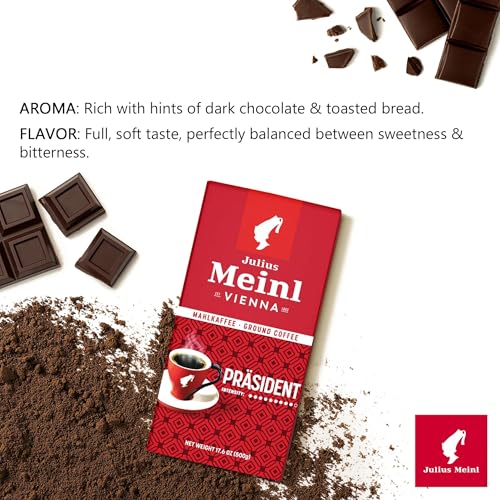
This blend embodies Viennese coffeehouse tradition, balanced, aromatic, and built for consistency. Combining Arabica and Robusta from Central and South America with Southeast Asian beans, it aims for harmony over heroics. The result, according to owners, is a full-bodied cup with gentle acidity, dark chocolate and toasted bread notes, and a finish that’s soft, not flat.
At nearly 18 ounces, it offers more volume than most on this list, making it practical for households. While Robusta inclusion might turn off some specialty coffee fans, here it adds body and crema without harshness. Compared to other medium roasts like Tiny Footprint or 4WD, it’s less about origin story and more about reliable, café-quality flavor, ideal for those who want a no-surprises, always-there cup.
Product photos



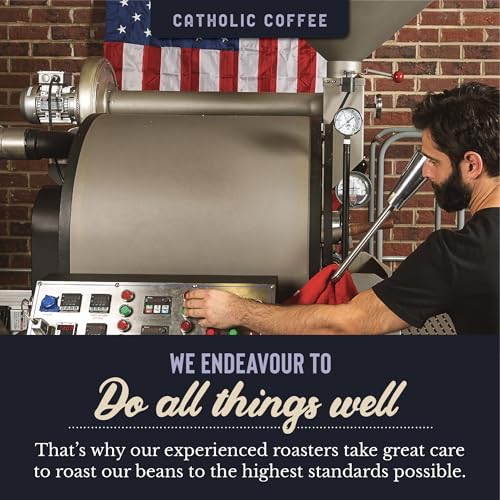
Catholic Coffee St. Drogo Ethiopian
Strengths
- Ethically sourced
- Balanced chocolate-berry notes
- Smooth finish
Trade-offs
- Not bold for dark roast lovers
- Limited availability
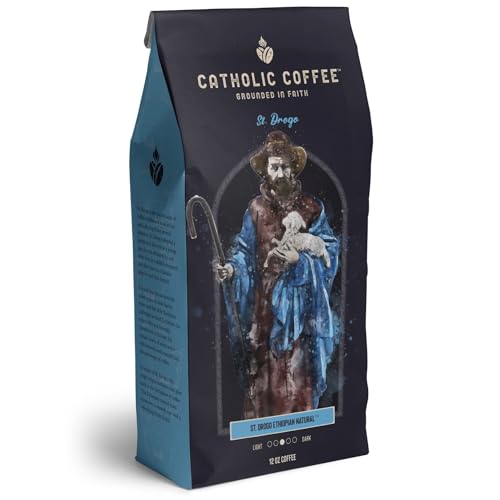
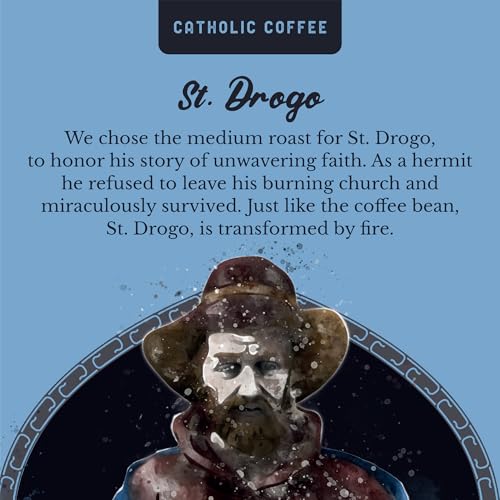
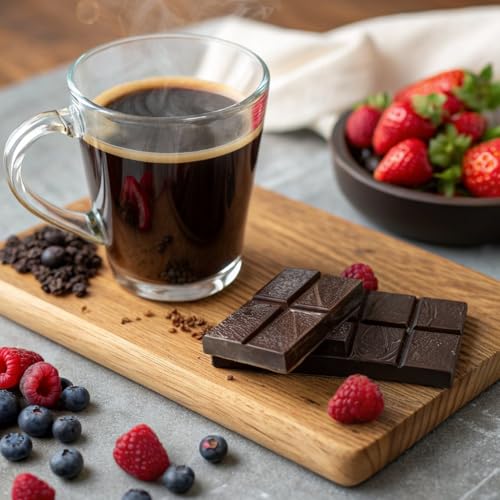
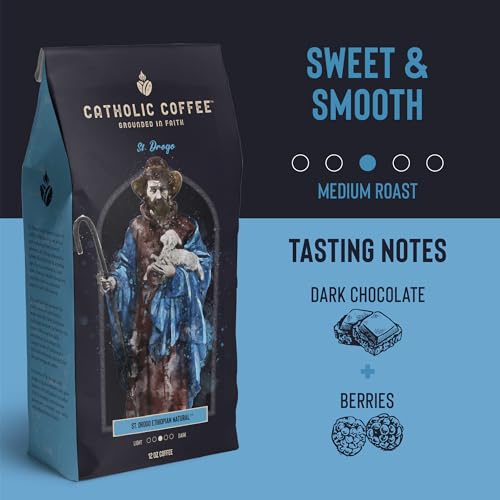
This Ethiopian medium roast stands out for its ethical sourcing and thoughtful inspiration from St. Drogo, which adds a layer of meaning for faith-driven buyers. On paper, the flavor profile, semi-sweet chocolate and dark berries, is classic for high-grade Ethiopian beans, and owners consistently report a clean, vibrant cup with just enough brightness to wake up the palate without tipping into sharp acidity.
The medium roast level preserves origin character while keeping things approachable, making it a solid daily drinker for those who want complexity without bitterness. It’s not the most aggressive in flavor, but that’s not the goal here. For drip, pour over, or French press, it performs reliably, with reviewers noting good aroma retention even in standard grinders.
Product photos

How We Evaluated ground coffee in the world ranking
My approach to evaluating ground coffee involved a detailed comparison of published specifications and features across numerous brands. I then weighed owner reviews from major retailers alongside expert opinions found in coffee-focused publications. As the founder of Bean Thusiast, I applied my years of experience exploring coffee origins and roasting techniques to rank each offering based on clear criteria – flavor profile, sourcing, roast quality, and value. Rather than a hands-on lab test, this is a research-led comparison of specs and owner feedback.
For this category, freshness and origin story proved most decisive. A resealable bag and clear roasting date are vital, as ground coffee stales quickly. Beyond that, I prioritized coffees with transparent sourcing information, and those highlighting unique regional characteristics. Coffees boasting single-origin beans, like the Gold Dust Kenya AA, often earned higher marks due to the potential for more nuanced flavor.
Specifications reliably detail roast level and bean type (Arabica vs. Robusta), but owner feedback was crucial for assessing actual flavor and consistency. Comments on aroma, acidity, and body helped validate claims made by the brands. For example, descriptions of a coffee’s “bright acidity” were cross-referenced with owner reports of a lively, wine-like taste. If you’re looking for something specifically for espresso, you might also consider a best ground coffee for espresso.
How To Choose The ground coffee in the world ranking
Finding truly excellent ground coffee can be surprisingly tricky; it’s not just about the beans themselves, but how they’re handled post-roast.
Quality ground coffee maintains freshness through careful roasting and immediate packaging. Look for roast dates, not just “best by” dates. A good product will showcase the bean’s origin and processing method. Consider your brewing style – a coarser grind suits French presses, while espresso demands a fine, consistent texture. Finally, assess whether you prioritize convenience, ethical sourcing, or a specific flavor profile.
Grind Consistency is Key
Many consumers underestimate how vital grind consistency is. Pre-ground coffee, by its nature, begins losing flavor the moment it’s ground. However, an inconsistent grind accelerates this degradation and leads to uneven extraction. You’ll end up with a muddy, bitter brew or a weak, sour one. Avoid coffees where the product description doesn’t mention grind size or seems vague about the process. While a burr grinder at home is ideal, investing in quality pre-ground from a reputable roaster is a solid compromise.
Flavor Profile and Bean Origin
Don’t just reach for the darkest roast you see. The best ground coffee delivers a nuanced flavor experience, and that starts with the bean itself. If you enjoy bright, fruity coffees, explore single-origin Ethiopian beans like the single origin bean characteristics – these are often naturally processed, enhancing those characteristics. If you prefer something more balanced, a well-crafted blend might be better suited.
Here’s what to consider when looking at origins: * Ethiopia: Known for floral and citrus notes. * Kenya: Often delivers vibrant acidity and black currant flavors. * Sumatra: Earthy, full-bodied, and sometimes with chocolate undertones – a great choice if you appreciate a bolder cup.
A freshly roasted, properly ground coffee will always outperform stale whole beans you grind yourself.
Value and Ethical Considerations
Price isn’t always an indicator of quality, but it can reflect a commitment to ethical sourcing and sustainable practices. Many brands now prioritize Fair Trade certification or direct relationships with farmers. For example, Tiny Footprint Peru Organic Ground Coffee boasts carbon-negative status, indicating a dedication beyond simply sourcing organic beans. If you’re seeking a really superior taste ground coffee, consider exploring options that align with your values, even if they cost a little more.
Ground Coffee Compared
Here is a comparison of specifications for various ground coffee options.
| Product Name | Best For | Roast Level | Origin | Features | Bag Size (oz) |
|---|---|---|---|---|---|
| Spanglish Espresso Latino Style | Best Overall | Medium Dark | Latin America | Resealable bag | N/A |
| Gold Dust Kenya AA | Best Single Origin Flavor | N/A | Kenya | Wine-like acidity | N/A |
| Tanzania AA Mount Kilimanjaro | Best African Bright Acidity | Medium | Tanzania | Mold tested | N/A |
| Tiny Footprint Peru Organic | Best Organic & Sustainable | N/A | Peru | Carbon negative | N/A |
| Atlas Coffee Club World Discovery | Best Global Variety Sampler | N/A | Multiple | Sampler box | 1.8 (x8 bags) |
| 4WD Coffee Pinon Point | Best Unique Regional Flavor | Medium | Global | Nutty flavor | 12 |
| Julius Meinl President | Best Balanced Blend | Medium | Central/South America/Asia | Balanced flavor | 17.6 |
| Catholic Coffee St. Drogo | Best Ethically Sourced Ethiopian | Medium | Ethiopia | Bold, smooth finish | 12 |
Frequently Asked Questions
What grind size should I choose if I don’t have a grinder?
A medium grind is generally the most versatile for drip coffee makers, which is what most people use. However, if you plan to use a French press, look for a coarse grind to avoid sediment in your cup.
How long does ground coffee stay fresh once opened?
Once opened, ground coffee is best used within two weeks for optimal flavor. Storing it in an airtight container, away from light, heat, and moisture, will help extend its freshness, but it will still degrade faster than whole bean coffee.
Are darker roasts always stronger in caffeine content?
No, that’s a common misconception. While darker roasts have a bolder flavor, the roasting process actually reduces caffeine levels slightly. Lighter roasts generally retain more caffeine by weight, although the difference isn’t huge.
I see a lot of talk about “single origin” – what does that really mean?
Single origin means the coffee beans all come from a single farm, region, or even a specific lot. This allows for a more distinct and nuanced flavor profile compared to blends, highlighting the unique characteristics of that particular growing area. You can find some top-rated pre-ground coffee that are single origin.
What should I look for in terms of sustainable or ethical sourcing?
Look for certifications like Fair Trade, which guarantees farmers a fair price for their beans. Or, consider brands that emphasize direct trade relationships, where they work directly with farmers to ensure fair wages and sustainable farming practices, like Tiny Footprint Peru Organic.
The Bottom Line
Choosing the “best” ground coffee really comes down to balancing convenience with control. You’re giving up some freshness by buying pre-ground, but a quality brand like Spanglish Espresso Latino Style minimizes that loss and delivers a consistently excellent cup. Ultimately, that balance of convenience and quality makes it our top pick overall.
For those with specific needs, there are fantastic options available. If you’re looking for a truly exceptional single-origin experience, Gold Dust Kenya AA stands out with its wine-like acidity. And for the environmentally conscious coffee drinker, Tiny Footprint Peru Organic is a clear winner, offering a carbon-negative coffee that doesn’t compromise on flavor.
At the end of the day, the most important factors are freshness – always look for a roast date – and finding beans that suit your palate. Don’t get too hung up on fancy certifications or complex flavor notes if you simply enjoy a bright and fruity ground coffee. A consistently enjoyable cup, brewed exactly how you like it, is the ultimate goal.
