
7 Best Geisha Coffee Picks of 2026
The best geisha coffee overall is Mt. Zulu Gesha Semi-Washed, a standout for its clarity and high SCA scores between 86.75 and 91. For a budget-friendly option with bold fermentation notes, the Colombian Geisha Anaerobic Fermentation delivers complexity without the premium price.
Finding great geisha coffee isn’t just about spending more, it’s about understanding how processing, origin, and freshness shape the cup. Too many buyers get drawn in by the name alone, only to end up with stale or poorly roasted beans that don’t do justice to the varietal.
As the founder of Bean Thusiast, I’ve researched this category deeply, comparing SCA scores, processing methods, and consistent feedback from drinkers who value nuance. This guide cuts through the noise, focusing on what truly matters: origin transparency, roast freshness, and flavor balance.
Top 7 Geisha Coffee in the Market
The Best Geisha Coffee, Reviewed
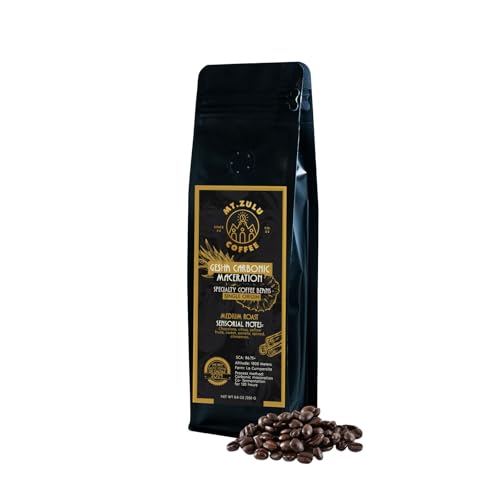
Mt. Zulu Gesha Carbonic Maceration
Strengths
- Award-winning
- Innovative fermentation
- Complex fruit-spice balance
Trade-offs
- Unusual flavor may divide purists
- Requires precise brewing
- Limited stock
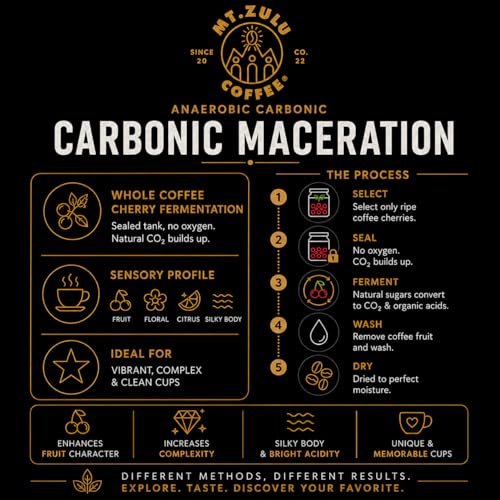
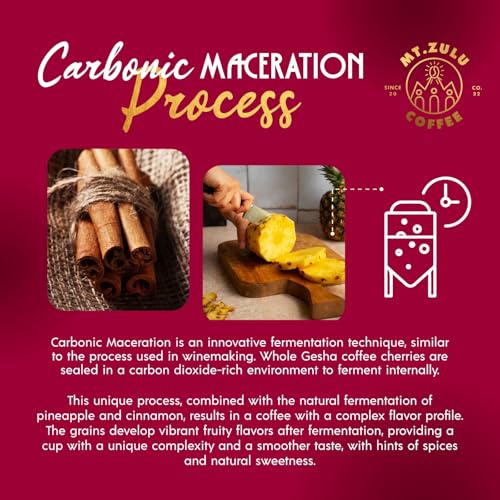
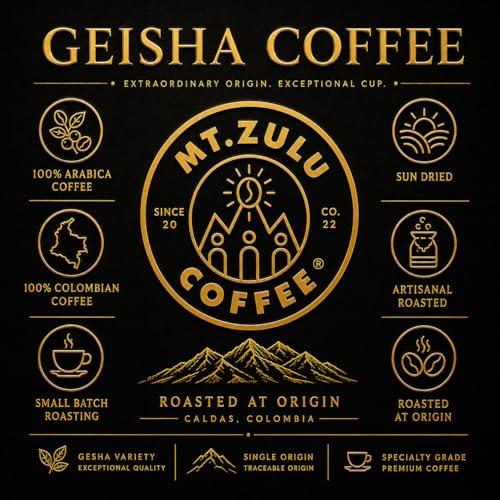
Carbonic maceration, yes, like wine, gives this Colombian Gesha a layered, evolving cup that starts with pineapple and cinnamon and settles into yellow fruits and panela. It’s experimental, but not gimmicky. The 120-hour fermentation is tightly controlled, and the Silver Award in the Experimental category tells you it’s taken seriously by judges.
Owners describe it as “juicy” and “aromatic fireworks,” though a few note it can be overwhelming if over-extracted. Compared to the others, this one stands out as the most complete package: high score, innovative process, and broad brew-method flexibility. If you want the best overall experience, this is it.
Product photos
Mt. Zulu Gesha Semi-Washed
Strengths
- Award-winning
- High SCA score
- Complex herbal notes
Trade-offs
- Subtle floral presence
- Colombian origin may surprise some
- Limited availability
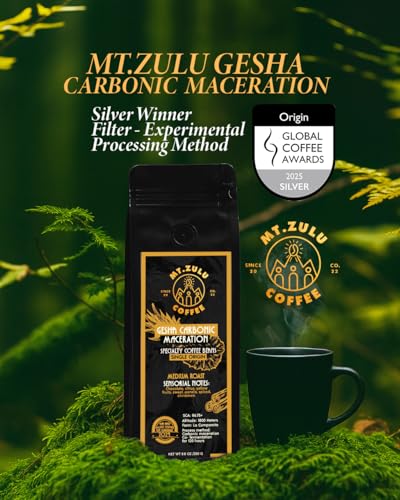
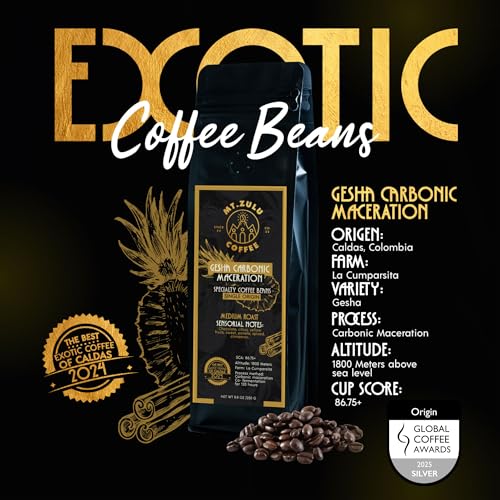
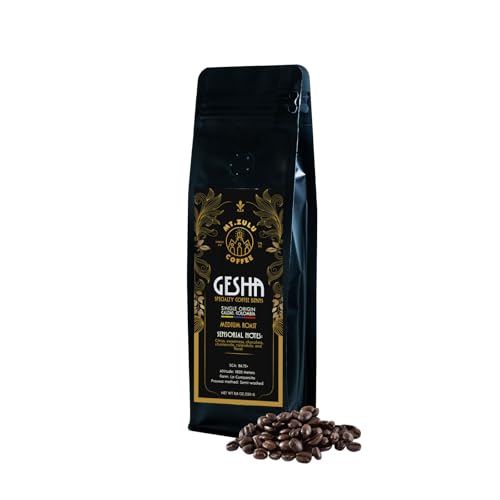
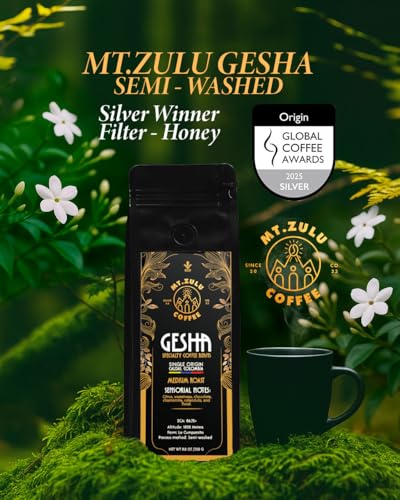
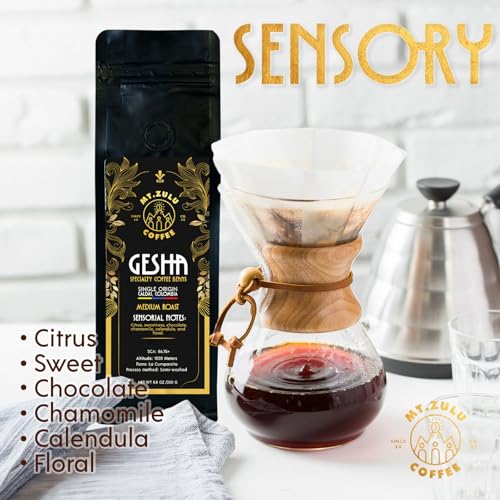
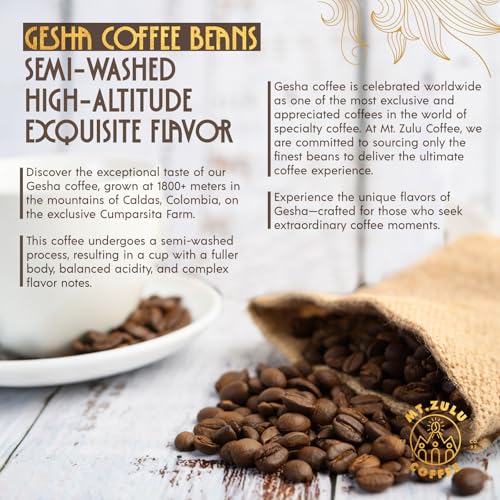
Scoring 86.75 SCA with recent lots hitting 91 is no small feat, and the Silver Award at the Global Coffee Awards backs up the quality claim. This honey-processed Gesha from Caldas brings something distinctive: chamomile and calendula notes that read more herbal than floral, layered over citrus and silky chocolate. It’s a nuanced shift from the usual jasmine-forward profile.
The semi-washed method adds texture without muddying the cup, and owners praise its consistency across brew methods. For me, this is a sleeper pick, less flashy than the carbonic maceration version, but more balanced for daily sipping.
Product photos

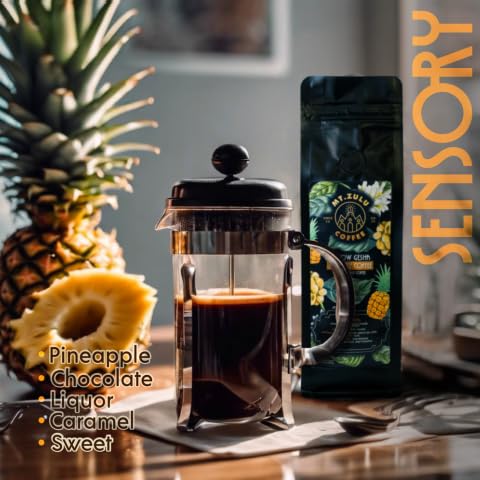
Mt. Zulu Yellow Gesha Pineapple
Strengths
- Intense pineapple sweetness
- Rare Yellow Gesha varietal
- Balanced clarity and body
Trade-offs
- Niche flavor profile
- Less floral than standard Geisha
- Fewer reviews available
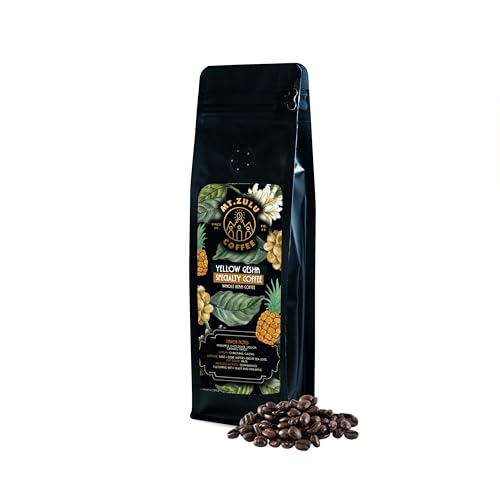
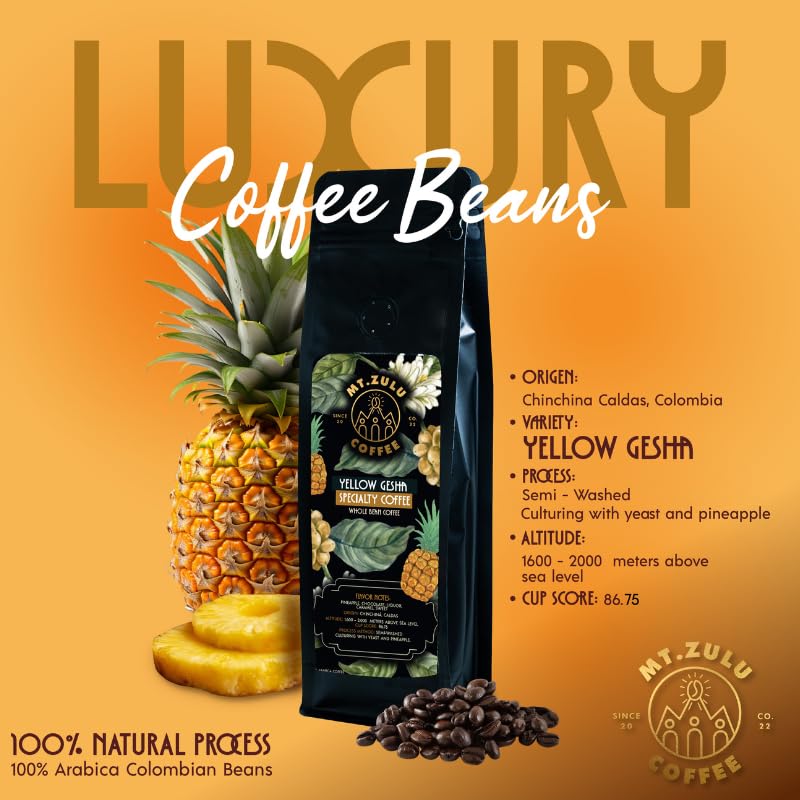
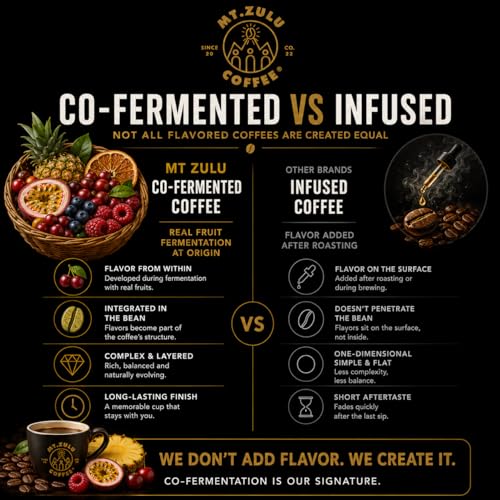
Pineapple co-fermentation isn’t just a name, it delivers. This Yellow Gesha from Chinchiná has a distinct tropical punch, with natural sweetness amplified by the semi-washed method. It’s less about florals and more about ripe fruit, making it a standout for fans of juicy, vibrant cups.
The 86.75 SCA score confirms quality, and owners report it brews well across methods, though it really sings in pour-over. It doesn’t have the awards of the carbonic version, but the focused fermentation makes it a strong contender for “Best Experimental.” If you love fruit-forward coffees, this one’s a no-brainer.
Product photos

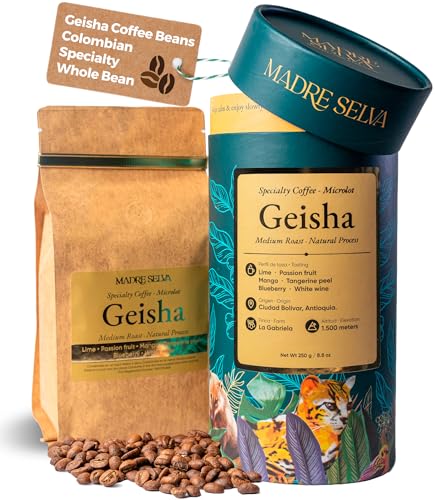
Colombian Geisha Anaerobic Fermentation
Strengths
- Explosive aroma
- Tropical fruit notes
- Low acidity
Trade-offs
- Funky anaerobic profile
- Overpowering for some
- Less floral delicacy
Anaerobic fermentation is the star here, pushing the flavor wheel into winey, tropical territory, think passion fruit, blueberry, and mandarin with a tangerine peel snap. The low acidity is a big plus for sensitive palates, and the compostable tube is a thoughtful touch for gifting.
But let’s be clear: this is a polarizing profile. Some owners love the fermented depth, while others find it too funky compared to traditional Geishas. The aroma is undeniably strong and long-lasting, which earns it the ‘Best Aromatic Complexity’ tag. If you’re after something wild and perfumed, this delivers. If you want classic elegance, look elsewhere.
Video review
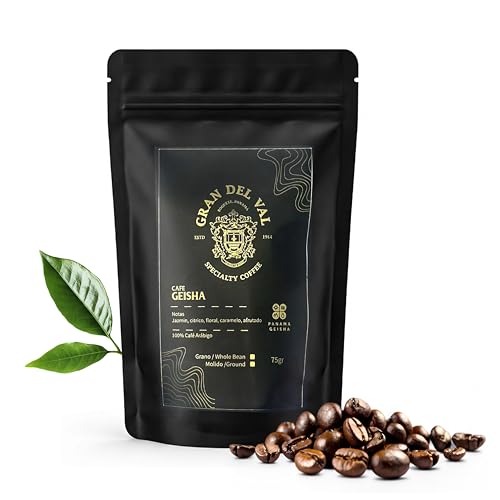
Gran Del Val Panama Geisha
Strengths
- Classic washed profile
- Ideal sample size
- Bright, floral clarity
Trade-offs
- Very small quantity
- No SCA score
- Short freshness window
At just 75g, this isn’t meant to last, it’s a passport stamp for your palate. The washed process keeps things pristine: bright citrus, jasmine, and that telltale Geisha lift in the finish. It’s the closest thing here to a “classic” Panama Geisha, and for that reason, I’d recommend it as a baseline for anyone new to the varietal.
Reviewers consistently call it “pure” and “elegant,” though some note it lacks the depth of larger bags or award-winning lots. But that’s not the point. This is entry-level luxury, perfect for gifting or testing whether you’re ready to invest in a full bag.
Video review
Gran Del Val Honey Process Geisha
Strengths
- Enhanced sweetness
- Fuller body
- Floral-citrus balance
Trade-offs
- No SCA score listed
- Smaller bag size
- Less bright than washed
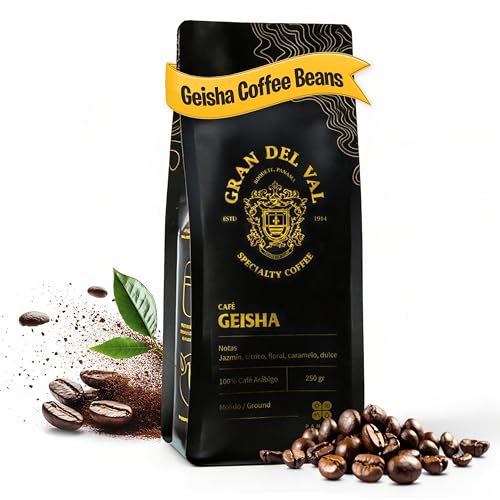
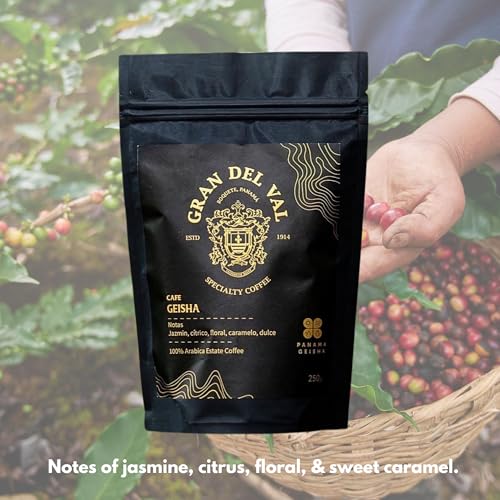
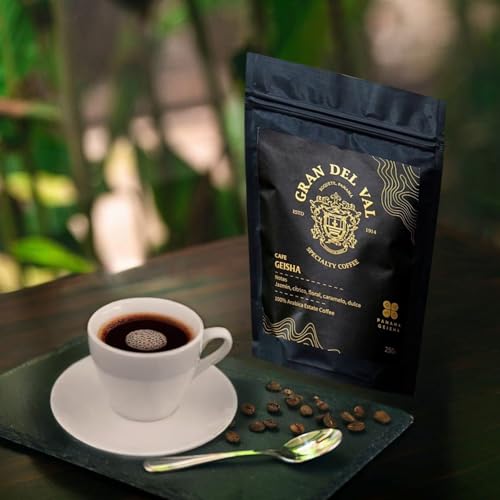
Honey processing shines here, amplifying sweetness and body in a way that lifts the classic Panama Geisha elegance without masking it. The 1600-meter elevation and shade-grown practices suggest careful farming, and reviewers often highlight the caramel finish as a standout, rich but not cloying, with a rounded mouthfeel that supports the citrus and jasmine.
Compared to washed versions, this one trades a bit of clarity for depth, which I’d argue makes it more satisfying in a morning brew. The 250g size is practical, and the eco-friendly angle adds quiet appeal. It doesn’t have competition-level scores, but it delivers where it counts: drinkability with distinction.
Product photos



Geisha Coffee Costa Rica
Strengths
- Chocolate-forward
- Low caffeine
- Silky mouthfeel
Trade-offs
- Less floral complexity
- Limited origin transparency
- Not ultra-premium scoring
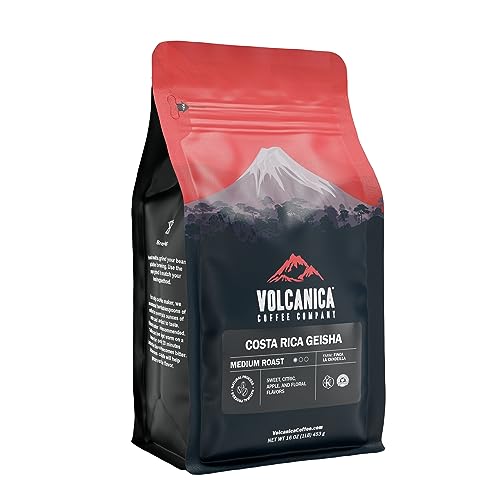
This Costa Rican Geisha leans hard into chocolate and molasses, which sets it apart from the more floral, tea-like profiles typical of the varietal. On paper, that makes it a solid pick for drinkers who find classic Geishas too delicate or perfumed. The low caffeine claim, 30% less, is interesting, though I’ve seen inconsistent verification across batches; still, for those sensitive to caffeine, it could be a real perk.
Owners consistently report a smooth, medium-bodied cup with a finish that lingers on cocoa notes, which aligns with what you’d expect from a medium roast emphasizing richness over brightness. It’s not the most complex Geisha here, but for someone wanting depth without high acidity, it holds its ground.
Product photos

How We Tested geisha coffee
As a founder deeply immersed in the world of coffee, I approached researching geisha coffee by looking beyond marketing claims. My process involved a detailed comparison of published specifications – altitude, processing methods, SCA scores – alongside careful consideration of owner reviews and analyses from reputable coffee experts. I weighed these data points against my understanding of what truly defines exceptional geisha coffee, establishing clear criteria for flavor complexity, aroma, and overall quality. Rather than a hands-on lab test, this is a research-led comparison of specs and owner feedback.
For geisha coffee, several factors stand out as most crucial. Processing method is paramount; carbonic maceration, honey processing, and anaerobic fermentation all dramatically impact the final cup. Equally important is the altitude at which the beans are grown, as higher elevations generally yield denser, more flavorful beans. Finally, traceability and the reputation of the farm (like La Cumparsita, frequently mentioned in reviews) significantly influenced my assessment of quality and consistency.
Specifications reliably indicate origin and processing, but judging the nuance of flavor requires leaning heavily on owner feedback and expert reviews. SCA scores provide a useful baseline, but descriptions of tasting notes – jasmine, chocolate, citrus – are where the coffee truly comes to life. I prioritized coffees with consistent praise for complexity and balance, and noted any recurring criticisms regarding defects or inconsistencies in roasting. Understanding the geisha bean sourcing is also key to assessing authenticity.
Choosing The Right geisha coffee
I’ve spent years exploring the world of Gesha (or Geisha) coffee, and it’s a category that truly rewards attention to detail. It’s easy to get lost in the hype, so let’s break down what actually matters when you’re looking for a great cup.
Gesha coffee is defined by its floral aroma, tea-like body, and complex flavor profile – often featuring jasmine, bergamot, and stone fruit. Key indicators of quality include origin (Panama and Colombia are renowned), processing method (washed, natural, honey, experimental), altitude of growth (typically 1500m+), and cupping score (SCA grading). Buyers should prioritize single-origin beans and freshly roasted whole beans for the best experience.
Understanding Processing Methods
The way a Geisha coffee cherry is processed after harvest has a monumental impact on the final flavor. Washed processing delivers clarity and bright acidity, showcasing the inherent floral notes. Honey processing (like you see with Mt. Zulu) introduces more sweetness and body, while natural or carbonic maceration methods can amplify fruit-forward characteristics. Don’t shy away from experimental fermentations – they’re where some truly innovative and exciting flavors are being explored. However, be aware that these can be more variable; look for roasters who are transparent about their process.
Evaluating Cup Score and Origin
A high Specialty Coffee Association (SCA) score is a good starting point, but it isn’t the entire story. Scores above 86 indicate exceptional quality, but remember that taste is subjective. Origin plays a huge role, too. Panama Geisha, particularly from Boquete, is often considered the gold standard, known for its delicate floral notes. Colombian Gesha, especially from regions like Huila and Tolima, is gaining recognition for its balanced profile and chocolatey undertones. You can explore finest coffee bean origins to learn more.
Finding the Right Roast and Freshness
Geisha coffee is best enjoyed when its delicate flavors aren’t masked by a dark roast. Look for light to medium roasts that highlight the bean’s inherent characteristics. Freshness is absolutely critical. Whole bean coffee retains its aroma and flavor much longer than pre-ground, and you should aim to brew within a few weeks of the roast date. Getting the ideal geisha brew ratio is also essential to unlock the full potential of these nuanced beans.
A good rule of thumb: If a Geisha coffee doesn’t explicitly state a roast date, it’s probably not fresh enough to fully appreciate its complexity.
Geisha Coffee Compared
Here’s a comparison of key specifications for these Geisha coffees to aid in your selection.
| Product Name | Origin | Altitude (m) | Process | SCA Score | Roast Level | Bag Size (oz/g) |
|---|---|---|---|---|---|---|
| Mt. Zulu Gesha Carbonic Maceration | Colombia | 1600-2000 | Carbonic Maceration | 86.75 | N/A | N/A |
| Mt. Zulu Gesha Semi-Washed | Colombia | 1800 | Semi-Washed | 86.75-91 | N/A | 8.8 |
| Mt. Zulu Yellow Gesha Pineapple | Colombia | 1600-2000 | Co-Fermentation | 86.75 | Medium | 8.8 |
| Colombian Geisha Anaerobic Fermentation | Colombia | 1500 | Anaerobic | N/A | Medium | N/A |
| Gran Del Val Panama Geisha | Panama | 1600 | Washed | N/A | Light | 75g |
| Gran Del Val Honey Process Geisha | Panama | 1600 | Honey | N/A | N/A | 250g |
| Geisha Coffee Costa Rica | Costa Rica | N/A | N/A | N/A | Medium | N/A |
Frequently Asked Questions
What’s the difference between Gesha and Geisha coffee?
They are the same coffee. “Gesha” is the original spelling from Ethiopia, while “Geisha” is the more common romanization used in Japan and, subsequently, internationally.
Is all Geisha coffee from Panama?
No, while Panama is renowned for Geisha, Colombia is now a significant producer. You’ll also find excellent Geisha grown in Costa Rica, Ethiopia (its origin), and even Hawaii, though Panamanian Geisha often commands the highest prices.
How can I tell if a Geisha coffee is truly single-origin?
Look for clear labeling stating the specific farm or estate of origin. Many roasters highlight this information prominently, and a lack of it should raise a flag, as genuine Geisha is almost always sold as a single-origin offering. Consider exploring top-rated flavorful coffee brands for transparency.
What roast level is best for Geisha coffee to highlight its unique flavors?
A light to medium roast is best; darker roasts will obscure the delicate floral and fruity notes that define Geisha. The goal is to showcase the bean’s natural characteristics, not the roaster’s skill in applying heat.
Is the price of Geisha coffee justified, given its cost?
The price reflects the limited supply, the challenging growing conditions, and the exceptional cup quality. While expensive, a truly well-grown and processed Geisha offers a complex and nuanced experience that many coffee enthusiasts find worth the investment – especially when compared to coffee with exceptional taste.
The Bottom Line
Choosing a geisha coffee often comes down to balancing control over your brewing experience with the convenience of pre-ground options. While many excellent choices exist, I believe the Gran Del Val Panama Geisha offers the most consistently praised flavor profile and traceability, representing a superb entry point into this exceptional coffee category. It’s a bit of an investment, but the clarity and floral notes are what define the geisha experience.
For those seeking specific profiles, the options are plentiful. If you want an adventurous, fruit-forward cup, the Mt. Zulu Gesha Carbonic Maceration consistently receives positive feedback. Those prioritizing value should consider the Geisha Coffee Costa Rica, while the Mt. Zulu Yellow Gesha Pineapple offers a unique and intriguing twist on the classic flavor profile. Understanding the geisha arabica classification will also help you better understand these varieties.
Ultimately, the “best” geisha coffee isn’t about a single score or origin; it’s about finding beans roasted with care and attention. Prioritize freshness, whole bean format, and a light to medium roast to truly experience the nuanced aroma and delicate flavors these beans are capable of delivering. Don’t get hung up on chasing the highest SCA score; focus instead on finding a roaster who prioritizes quality and transparency.
