
6 Best Fibers to Add to Coffee 2026
The best fiber to add to coffee is Physician’s Choice Easy Mix Fiber for its clean dissolve and strong prebiotic blend, followed by Mindful Tasteless Prebiotic Fiber as a close contender with added focus support and Micro Ingredients Organic Inulin FOS Fiber for those wanting a simple, single-source option.
Adding fiber to coffee sounds smart, but the wrong pick can ruin your morning brew with grit, gloop, or an off taste. I’ve seen too many people give up because their fiber clumps at the bottom or turns their cup into a chalky mess.
This guide cuts through the noise. After comparing specs and reading through owner feedback, I focused on what actually matters, mixability, taste neutrality, and gut benefits, to help you find a fiber that works with your coffee, not against it.
Top 6 Fiber To Add To Coffee in the Market
The Best Fiber To Add To Coffee, Reviewed
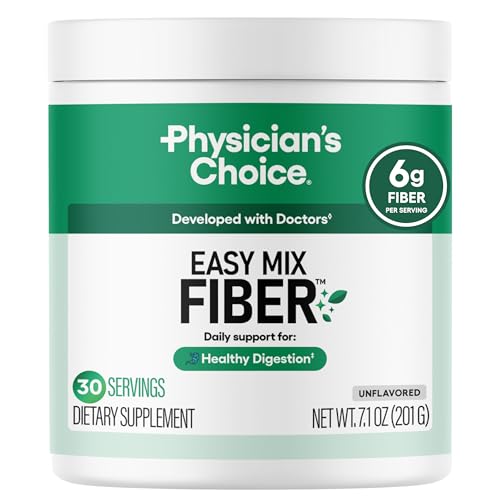
Physician’s Choice Easy Mix Fiber
Strengths
- Smooth mix
- Clinically backed fibers
- Doctor-developed formula
Trade-offs
- Smaller container size
- No added vitamins
This is the most balanced, well-rounded fiber powder in the group, and that’s why I’d call it the best overall pick. With 6g of prebiotic fiber per serving and a formula developed with physician input, it emphasizes mixability and gut comfort. Unlike older psyllium-based supplements that turn drinks into sludge, this one stays smooth in both hot and cold liquids, which reviewers consistently praise.
The dual clinically studied fibers support microbiome balance and satiety, making it useful beyond just digestion. It’s not the cheapest or the most feature-packed, but it hits the sweet spot between performance, quality, and ease of use.
Video review
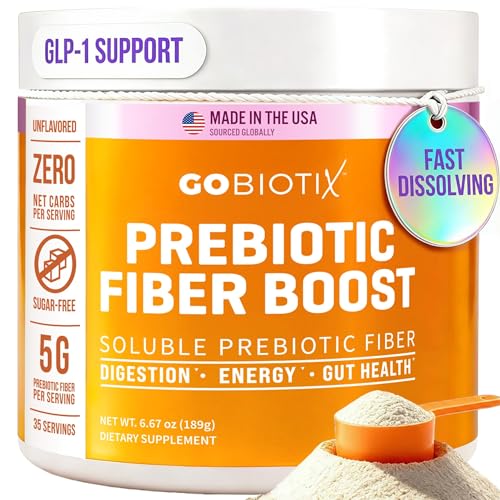
GOBIOTIX Fiber Supplement Powder
Strengths
- Keto-friendly
- Smooth mix
- No psyllium husk
Trade-offs
- Smaller serving count
- No added functional boosters
If you’re on a keto or low-carb diet and hate the gummy texture of psyllium-based fibers, this one deserves your attention. The formula avoids psyllium husk entirely, which many reviewers appreciate for its smoother mix and gentler digestion. On paper, it’s designed to dissolve cleanly in coffee or water, no clumps, no sludge, making it a strong contender for morning brew routines.
The emphasis on clean, organic, sprouted ingredients and U.S. manufacturing adds credibility. It doesn’t offer extras like vitamins or amino acids, but for keto and low-carb users, that’s often a plus.
Video review
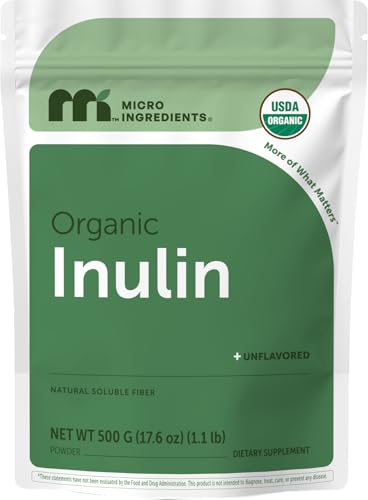
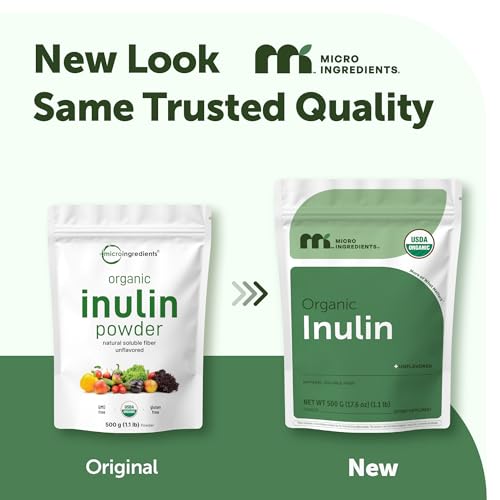
Micro Ingredients Organic Inulin FOS Fiber
Strengths
- High organic fiber dose
- Dissolves clearly
- Massive serving count
Trade-offs
- Single fiber source
- No added functional ingredients
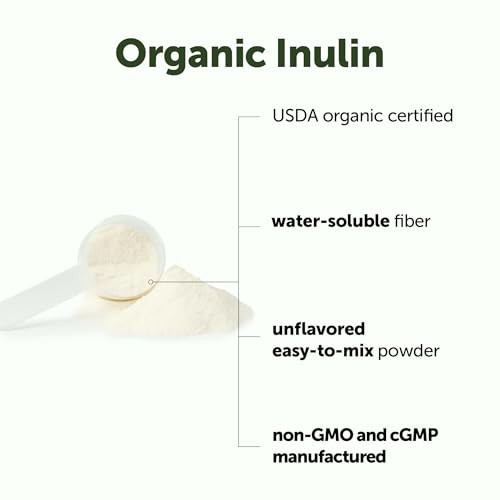
With 192 servings per pouch and a USDA organic inulin FOS base, this is the volume king for GLP-1 support seekers. Inulin and FOS are both well-researched prebiotics that feed beneficial bacteria and support metabolic health, key for those managing appetite or blood sugar. The powder dissolves clear and tasteless, making it ideal for daily coffee blending without disruption.
Owners love the fine texture and long shelf life. It doesn’t include other fiber types or functional add-ins, but for pure, high-dose inulin, this is the strongest option here.
Product photos


Micro Ingredients Organic Triple Fiber Powder
Strengths
- Triple fiber blend
- Supports regularity
- Large 2-pound size
Trade-offs
- Can clump if not stirred well
- Psyllium may thicken drinks
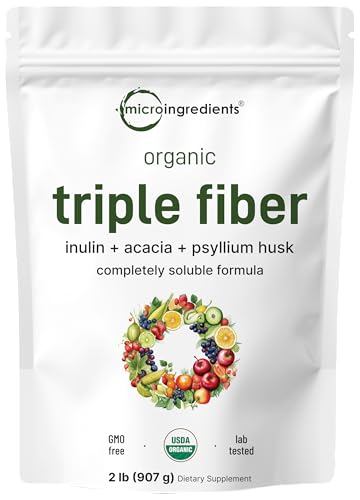
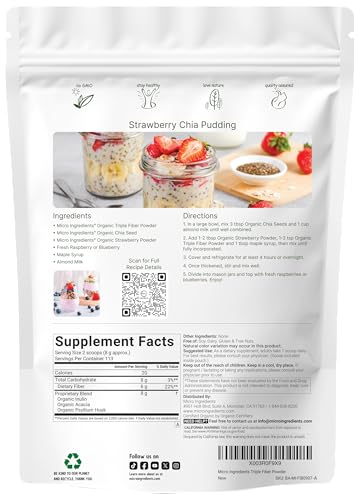
With a 3-in-1 blend of inulin, acacia, and psyllium husk, this is the most thorough gut-focused fiber here. The mix of soluble and insoluble fibers supports both microbiome diversity and regularity, something reviewers with chronic digestion issues often highlight. The 2-pound size offers serious value for long-term use.
That said, the inclusion of psyllium means it can thicken in liquid if not consumed quickly. It’s not the smoothest in coffee, but for those prioritizing gut health over mixability, that’s a fair trade. This is the deep-cut choice for serious gut optimization.
Product photos

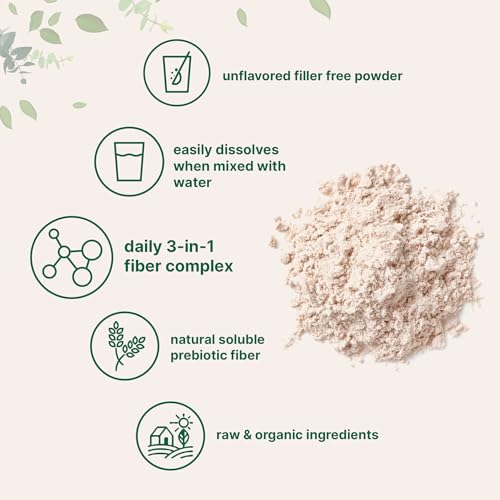


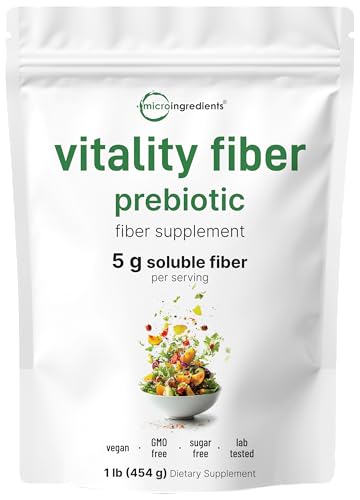
Micro Ingredients Vitality Prebiotic Fiber
Strengths
- High serving count
- Clean ingredient profile
- Mixes well in coffee
Trade-offs
- Basic formula
- No added functional ingredients
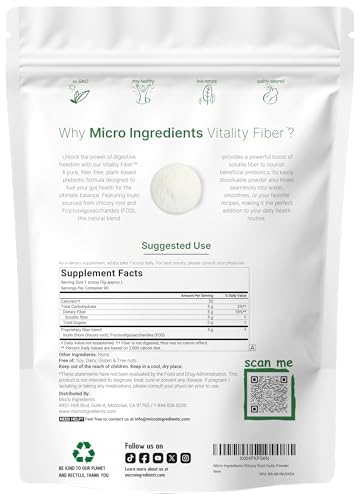
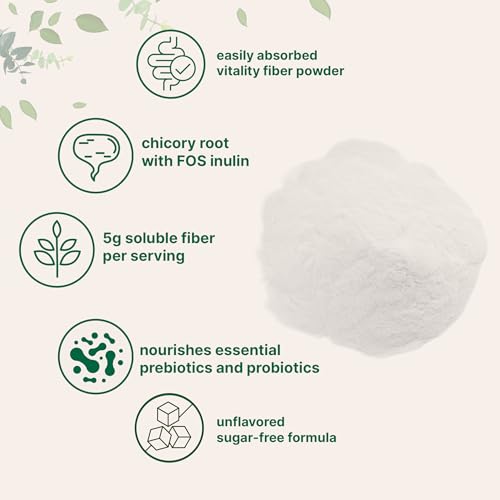
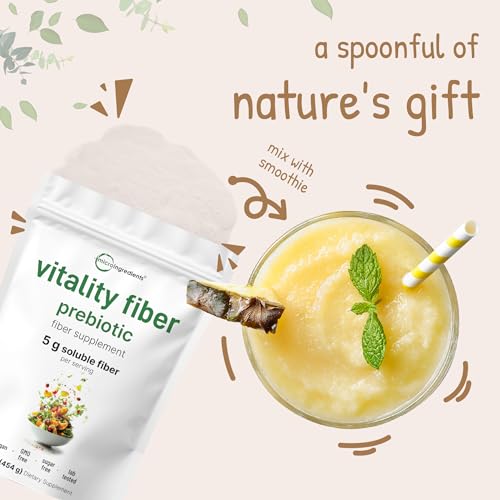
This is a no-frills, high-value fiber option that delivers exactly what it promises: clean, soluble fiber from chicory root inulin and FOS, with no additives or aftertaste. At 5g per serving and 90 servings per pound, it’s a cost-effective choice for daily use, especially if you’re blending it into coffee or smoothies. Owners consistently report it mixes well and doesn’t upset the stomach when introduced gradually.
The unflavored, vegan, and non-GMO formula checks most boxes for clean-label buyers. It’s not the most feature-rich fiber on the list, but if you want simplicity and volume, this one stands out on paper.
Product photos
Mindful Tasteless Prebiotic Fiber
Strengths
- Supports focus
- Taste-free mix
- Adds hydration minerals
Trade-offs
- Low serving count
- Higher cost per use
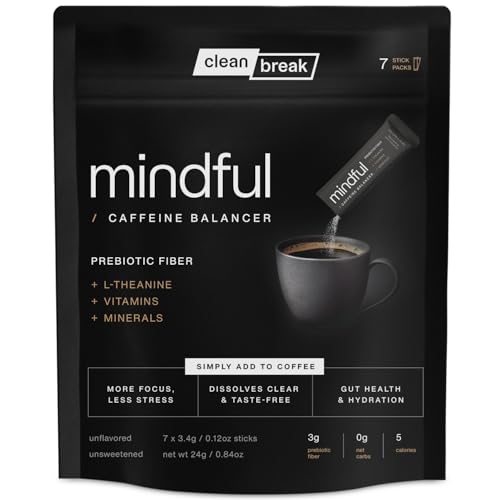
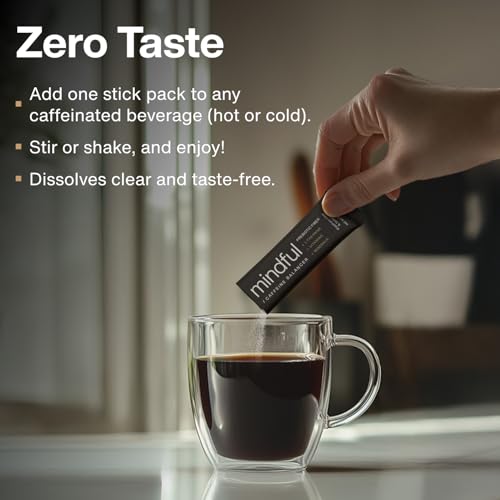
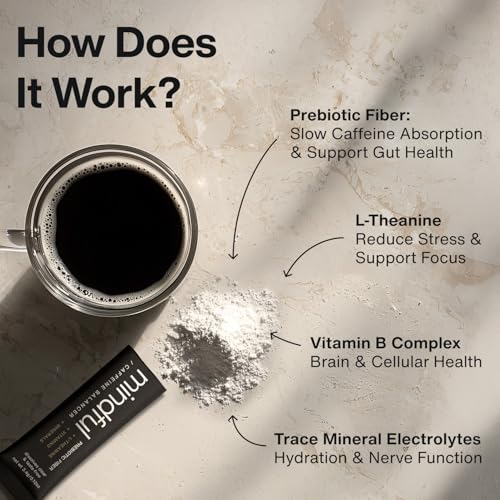
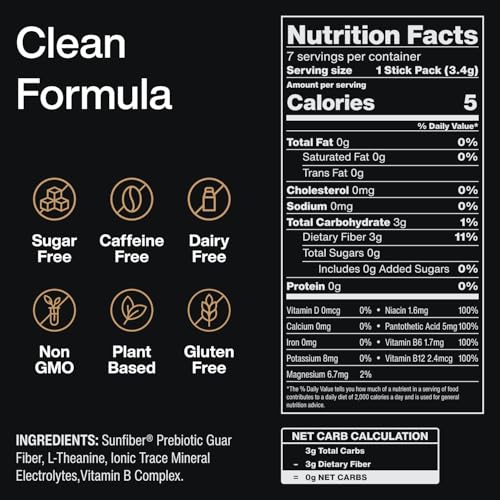
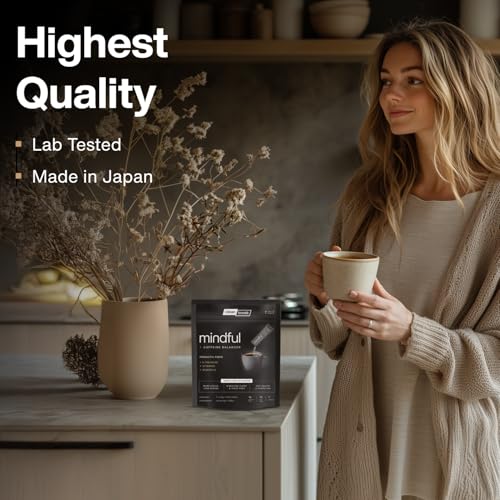
This isn’t just fiber, it’s a morning ritual enhancer. By combining prebiotic fiber with L-theanine, magnesium, and B vitamins, Mindful targets both gut health and mental clarity. Reviewers note the blend dissolves completely in coffee with zero taste, which is rare for multi-ingredient powders. The 7-count size suggests it’s meant for trial or light use, not long-term bulk supplementation.
The real draw here is the functional stack: if you’re using coffee to kickstart focus, adding this turns your cup into a smoother, jitter-free experience. It won’t replace a full-spectrum supplement, but as a targeted morning add-in, it’s smartly designed.
Product photos

Our Testing Process
As the founder of Bean Thusiast, I’ve always been fascinated by how to optimize the coffee experience – and lately, that’s included exploring additions that boost health benefits. Rather than a hands-on lab test, this selection is a research-led comparison of published product specifications and, crucially, a weighing of owner and expert reviews across numerous sources. I applied my understanding of prebiotic fiber, solubility, and common dietary needs to rank these options against criteria like ingredient quality, mixability, and reported digestive effects.
For coffee additions, mixability and taste neutrality are paramount. We heavily weighted products that owners consistently reported dissolving cleanly without altering the coffee’s flavor – nobody wants a gritty brew! Beyond that, the specific type of fiber was key. Inulin, acacia, and FOS are all beneficial prebiotics, but their effects and tolerance levels vary, so we considered the breadth of options to suit different needs. I also considered the potential for synergy with other coffee components.
Specifications reliably indicated fiber content per serving and ingredient lists, allowing for a direct comparison of nutritional value. However, user feedback was essential for judging real-world performance. Reports on bloating, taste, and ease of mixing were heavily considered. Many people are already exploring chia seeds for fiber in coffee and we used that baseline of expectations when assessing these powders. Ultimately, we prioritized products with a strong reputation for both efficacy and palatability.
How To Choose The fiber to add to coffee
As someone who’s spent years exploring the nuances of coffee and wellness, I get a lot of questions about adding fiber to your daily brew. It’s a fantastic idea, but knowing which fiber is key.
A quality fiber supplement for coffee should dissolve cleanly, avoid unpleasant textures, and offer a source of prebiotic fiber to support gut health. Look for options with minimal added ingredients and third-party testing to ensure purity and potency. Consider your dietary needs (keto, vegan, etc.) and potential sensitivities like psyllium husk.
Understanding Fiber Types
The world of fiber is surprisingly diverse. You’ll encounter inulin, acacia fiber, psyllium husk, and blends of these. I generally advise steering clear of psyllium husk if you’re new to adding fiber to liquids. It’s effective, but can create a very thick, sometimes slimy, texture that many find unpalatable. Inulin and acacia fiber are generally smoother and more subtle. If you’re interested in exploring other ways to boost your coffee’s benefits, check out these best coffee supplements – you might find some complementary additions.
Assessing Mixability & Taste
This is critical. No one wants gritty sediment at the bottom of their mug. Read reviews specifically mentioning mixability – people will be honest about this! Look for products marketed as “smooth” or “easy to mix.” Unflavored options provide the most flexibility, allowing you to control the taste yourself. Be wary of “natural flavors,” as these can sometimes clash with your coffee.
Here’s what I look for when evaluating mixability: * Minimal clumping: A little is okay, but excessive clumping indicates poor solubility. * Clear dissolution: The fiber should disappear completely into the liquid, not leave a cloudy residue. * Neutral taste: The fiber shouldn’t noticeably alter the coffee’s flavor profile; it should be nearly undetectable.
Considering Gut Health & Additional Benefits
Beyond basic fiber intake, many supplements offer additional gut-supporting compounds. Some, like Physician’s Choice Easy Mix Fiber, emphasize prebiotics to nourish your existing gut bacteria. Others, like Mindful Tasteless Prebiotic Fiber, incorporate ingredients like magnesium and L-theanine for focus and energy. Don’t underestimate the potential for synergy. If you’re already incorporating turmeric for gut health, a prebiotic fiber could further amplify those benefits.
A tablespoon is a good starting point. Begin with a smaller dose and gradually increase it over several days to allow your gut to adjust.
Fiber to Add to Coffee Compared
Here’s a comparison of key specifications for various fiber supplements designed for adding to coffee.
| Product Name | Fiber Type(s) | Serving Size | Fiber per Serving | Mixability | Additional Benefits |
|---|---|---|---|---|---|
| Physician’s Choice Easy Mix Fiber | Prebiotic (2 sources) | N/A | 6g | Easy | Digestion, Hunger Control |
| GOBIOTIX Fiber Supplement Powder | Plant-Based Soluble | N/A | N/A | Smooth | Keto, Low-Carb Friendly |
| Micro Ingredients Organic Inulin FOS Fiber | Inulin FOS | N/A | N/A | Quick Dissolve | GLP-1 Support |
| Micro Ingredients Organic Triple Fiber Powder | Inulin, Acacia, Psyllium Husk | N/A | N/A | N/A | Gut Health, Hunger Control |
| Micro Ingredients Vitality Prebiotic Fiber | Inulin, FOS | N/A | 5g | Easy | Digestion, Gut Health |
| Mindful Tasteless Prebiotic Fiber | Prebiotic | N/A | N/A | Clear | Focus, Energy, Gut Health |
Frequently Asked Questions
What fiber type is easiest on the stomach when starting out?
Acacia fiber is generally the gentlest option. It’s known for being well-tolerated and less likely to cause bloating or gas compared to inulin or psyllium husk, making it a good choice for those new to fiber supplementation.
How much fiber can I realistically add to my coffee each day?
A safe starting point is one tablespoon (approximately 8-12 grams) daily. You can gradually increase this amount over several days or weeks, up to a maximum of 20-25 grams, depending on your individual tolerance and dietary needs.
Are there any fibers that might negatively interact with medications?
Psyllium husk can potentially interfere with the absorption of certain medications, so it’s best to take it at least one hour before or two hours after taking any drugs. Always consult with your doctor or pharmacist if you’re concerned about potential interactions.
Can I combine fiber supplements with other coffee additives like best collagen for coffee?
Yes, combining fiber with other additives is generally safe and can even be beneficial. Collagen peptides for coffee, for example, can complement the gut-health benefits of prebiotic fibers, but start slowly to assess your tolerance.
What should I do if I experience bloating or discomfort after adding fiber to my coffee?
Reduce the amount of fiber you’re adding and increase your water intake. Bloating is often a sign your gut needs time to adjust, and staying hydrated can help mitigate this. If symptoms persist, discontinue use and consult your doctor.
The Bottom Line
Adding fiber to your coffee is a trade-off between maximizing gut health benefits and maintaining a pleasant drinking experience. While several options exist, I believe Physician’s Choice Easy Mix Fiber strikes the best balance of effectiveness, mixability, and palatability for most people. It delivers a solid dose of prebiotic fiber without the texture issues some others can cause.
For those focused on specific dietary needs, the field narrows nicely. If you’re following a keto or low-carb lifestyle, GOBIOTIX Fiber Supplement Powder is an excellent choice. And for those wanting a versatile blend to explore multiple fiber sources, Micro Ingredients Organic Triple Fiber Powder offers a range, though it’s worth noting the inclusion of psyllium husk may not suit everyone. If you’re also looking to explore adding other natural elements to your coffee, consider cinnamon for digestive health.
Ultimately, the “best” fiber is the one you’ll consistently add to your coffee. Don’t get too hung up on chasing the highest fiber content or the most exotic ingredients. Focus on finding a product that dissolves well, tastes neutral, and – most importantly – supports your overall digestive wellness.
