
6 Best Dominican Coffees of 2026
The best Dominican coffee overall is Café Santo Domingo Caracolillo Peaberry, a standout for its bright citrus and spice notes. For a budget-friendly daily drinker, Café Santo Domingo Ground (Pack of 4) delivers consistent flavor, while Monte Perelló offers a unique, full-bodied experience thanks to its Arabica-Conilón blend.
Dominican coffee is often overlooked, but it brings a smooth, balanced cup with distinct notes of caramel, chocolate, and citrus, if you know where to look. Many brands lean on heritage and bold claims, but not all deliver on flavor or freshness.
I researched the most talked-about Dominican coffees by analyzing roast profiles, bean types, altitude data, and owner feedback. These picks reflect what actually works in real brewing routines, based on consistency, value, and how well they represent the island’s growing regions.
Top 6 Dominican Coffee in the Market
The Best Dominican Coffee, Reviewed
Café Santo Domingo Caracolillo Peaberry

Strengths
- Rare peaberry beans
- Even roast profile
- Bright, evolving flavor
Trade-offs
- Premium price
- Smaller batch inconsistency
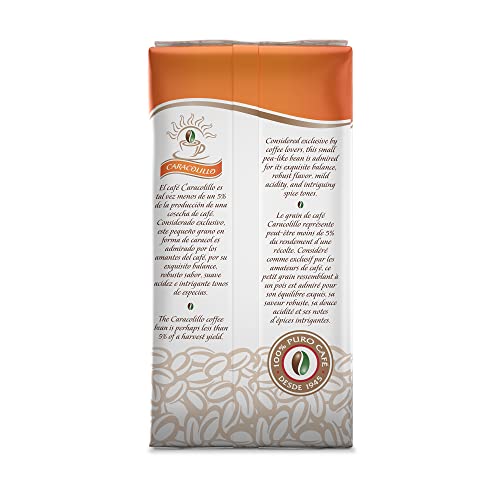
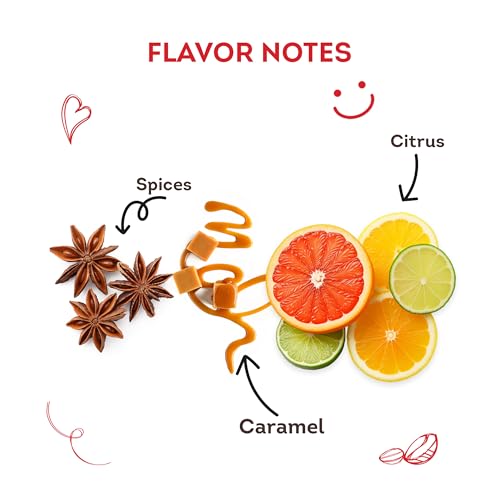
Peaberry beans are a rarity, and this Caracolillo release from Café Santo Domingo leans into that with confidence. Representing less than 5% of the harvest, these round, dense beans roast more evenly, which on paper means greater flavor concentration. And owners agree – they report a cleaner, brighter cup with distinct citrus, spice, and caramel notes that evolve as it cools.
It’s positioned as the ‘Best Overall’ for good reason. Compared to their standard medium roast, it’s more dynamic and aromatic. Against the Induban, it trades some altitude depth for vibrancy. I’d choose this as a weekend treat or for guests – it’s not your daily driver, but it’s the kind of coffee that reminds you why you fell in love with the craft.
Product photos
Induban Gourmet 100% Arabica

Strengths
- 100% SHG Arabica
- Complex flavor notes
- High-altitude clarity
Trade-offs
- Higher price point
- May be too nuanced for casual drinkers
This is the coffee I’d reach for if I wanted to showcase what high-altitude Dominican growing can achieve. With SHG (Strictly High Grown) certification and 80 years of producer credibility behind it, the specs alone are impressive – grown above 1,200 meters, hand-selected beans, roasted to preserve delicate acidity.
Owners praise its chocolate-forward depth with surprising red fruit and almond notes, a profile that stands out in a category often dominated by one-note sweetness. Compared to Café Santo Domingo’s offerings, this has more dimension and clarity. It’s not as rare as the Caracolillo, but it’s a better representation of terroir. My pick for pour-over or Chemex drinkers who want sophistication without going full third wave.
Product photos


Café Santo Domingo Ground (Pack of 4)

Strengths
- Great value in bulk
- Familiar, balanced taste
- Easy to use
Trade-offs
- Pre-ground loses freshness fast
- Less aromatic over time
This is the workhorse of the lineup – a pre-ground medium roast sold in bulk (pack of 4), clearly designed for value and convenience. The flavor profile mirrors their whole bean version: caramel, vanilla, hazelnut, balanced and approachable. But being pre-ground, it starts losing vibrancy the moment the bag is opened.
Owners who buy this do so for consistency and cost efficiency, not peak freshness. Compared to the whole bean options, it’s a step down in quality retention, but it’s reliable for drip machines and office use. I’d recommend this only if you go through coffee fast or prioritize savings over nuance. For most home brewers, the whole bean version is worth the extra grind effort.
Product photos



Café Santo Domingo Whole Bean

Strengths
- Whole bean freshness
- Balanced flavor
- Consistent quality
Trade-offs
- Mild origin character
- Common roast profile
This whole bean medium roast is where Café Santo Domingo’s legacy shines most clearly. The specs point to a balanced brew, and owner feedback backs that up – you get caramel, vanilla, and hazelnut in harmony, with just enough acidity to keep it lively without tipping into sharpness. Being whole bean, it holds freshness better than pre-ground options, which matters if you’re grinding daily.
Compared to the Induban Gourmet or the Caracolillo, it doesn’t reach the same altitude-driven complexity, but it’s more accessible and consistent. For someone building a morning ritual without fuss, this is a solid cornerstone. My recommendation? It’s the smarter buy over their pre-ground medium roast unless you’re prioritizing convenience.
Product photos


Café Santo Domingo Espresso

Strengths
- Dark roast intensity
- Rich chocolate notes
- Fine grind for espresso
Trade-offs
- Less origin nuance
- Not ideal for pour-over
If you’re chasing that bold, punchy shot with authentic Dominican character, this dark roast espresso from Café Santo Domingo delivers on promise. On paper, it’s built for intensity – a fine grind and full-bodied profile aimed at espresso lovers who don’t shy from richness. Owners consistently report a satisfying depth with clear notes of chocolate and hazelnut, backed by a smooth vanilla undertone that keeps it from turning harsh.
It’s not quite a specialty-tier single origin, but for those who want a reliable, imported Dominican espresso with tradition behind it, this stands out. Compared to their medium roast offerings, this one trades brightness for weight, making it better suited for milk drinks or straight shots. I’d pick this over the standard medium if you want something with more backbone.
Product photos


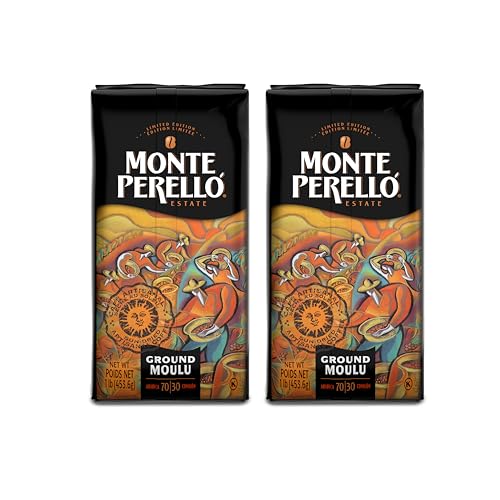
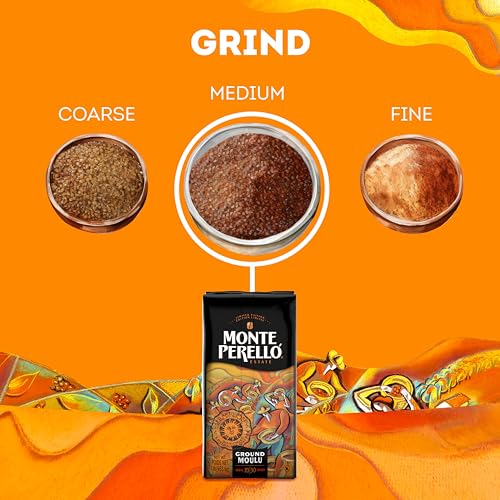
Monte Perelló Ground Coffee
Strengths
- Unique Arabica-Conilón blend
- Full body
- Authentic terroir expression
Trade-offs
- Rustic flavor may not appeal to all
- Pre-ground limits freshness
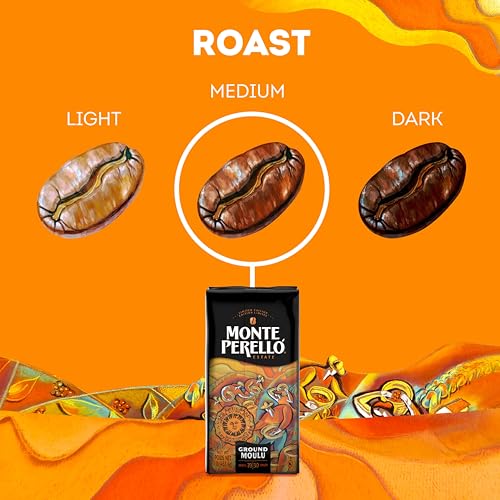
What makes Monte Perelló stand out is its blend of Arabica and Conilón – a rare combo that adds body and resilience, true to its Dominican farm roots in Rancho Arriba and Hato Mayor. On paper, this shouldn’t be subtle, and it’s not. Reviewers note a heavier mouthfeel and a more rustic, earthy character compared to the polished profiles of Café Santo Domingo.
The sun-dried beans contribute to a deeper, almost winey richness, though some find it less refined. It’s not the most elegant, but it’s authentic. Compared to the Induban or Caracolillo, it’s less about finesse and more about tradition and strength. I’d recommend this to someone who wants to taste something distinct from mainstream Arabica blends.
Product photos

How We Tested dominican coffee
As the founder of Bean Thusiast, I approached researching Dominican coffee by comparing published specifications – roast levels, bean types, altitude grown at – alongside a careful review of owner feedback and expert opinions. Rather than a hands-on lab test, this is a research-led comparison focused on identifying consistent qualities and value across different brands. I considered factors like certifications, origin stories, and reported flavor profiles to build a well-rounded understanding.
For Dominican coffee, the altitude at which the beans are grown and the blend composition were heavily weighted. Higher altitudes generally contribute to denser beans and more complex flavors, while blends (like Arabica and Conilón) can offer a unique balance of characteristics. Flavor descriptions, too, were critical; consistent mentions of caramel, chocolate, or citrus notes signaled a reliable experience.
Specifications reliably indicate bean type (100% Arabica versus blends) and roast level. However, I placed more emphasis on owner feedback to gauge actual flavor experiences and consistency. Reputation and longevity of the brand – like Café Santo Domingo’s history since 1945 – factored in, as did mentions of smoothness and balance, especially when considering single-origin flavor profiles. This helped me separate marketing claims from real-world enjoyment.
What To Look For In dominican coffee
As someone who’s spent years exploring the nuances of coffee, I can tell you Dominican coffee offers a unique profile worth seeking out. It’s not just about finding a bag; it’s about understanding what makes a truly exceptional Dominican cup.
Dominican coffee excels when grown at higher altitudes, benefiting from consistent rainfall and rich soil. Look for beans labeled “Strictly High Grown” (SHG) indicating cultivation above 1,200 meters. Flavor profiles vary, but expect notes of caramel, chocolate, and nuts, alongside a gentle acidity. Consider roast level – medium roasts highlight the inherent flavors, while darker roasts deliver a bolder experience.
Understanding the Bean & Roast
Dominican coffee offers a range of varieties, but Arabica is king. However, blends incorporating Conilón (a local variety) are gaining popularity for their added body and complexity. Don’t automatically discount a blend; a well-executed Arabica-Conilón mix, like the one found in Monte Perelló, can be outstanding. Beyond the bean itself, the roast is critical. A lighter roast will preserve more of the bean’s origin characteristics, while a darker roast will emphasize body and sweetness. If you’re exploring beyond the familiar, consider looking into renowned coffee bean origins to broaden your palate.
Altitude and Certification
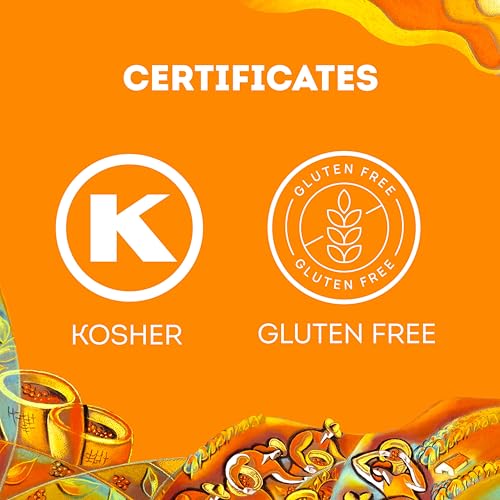
The altitude at which coffee is grown significantly impacts its density and flavor. Higher-grown beans develop more slowly, resulting in a more complex and nuanced cup. “Strictly High Grown” (SHG) is a good indicator, but it’s not the only one. Pay attention to the region within the Dominican Republic – areas like Jarabacoa and the Central Mountain Range are known for their high-altitude farms. Certifications like Kosher and Gluten-Free are less about the coffee’s quality and more about meeting specific dietary needs, but they can be reassuring if you have those requirements.
Finding Your Ideal Strength and Format
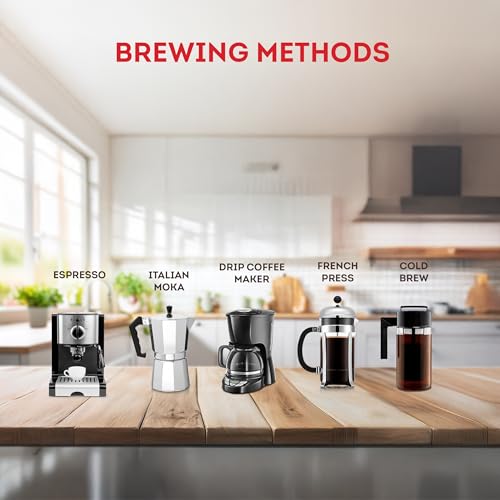
Determining whether you prefer whole bean or pre-ground coffee is a matter of convenience versus freshness. Whole bean allows you to grind just before brewing, maximizing flavor. If you opt for pre-ground, choose a reputable brand and use it quickly. I often recommend experimenting with the ideal coffee brewing ratio to find your perfect strength. Here’s how different formats stack up:
- Whole Bean: Offers the freshest flavor, requiring a grinder.
- Ground: Convenient, but loses aroma and flavor faster(use within 2 weeks of opening).
- Espresso Grind: Specifically for espresso machines, a very fine grind that demands precision. It’s crucial to have the correct grind size for your machine, or you’ll end up with a weak or bitter shot.
A general rule of thumb: if you don’t have a quality grinder, buying whole bean is a waste of money. Focus on a well-sealed bag of pre-ground coffee from a brand you trust.
Dominican Coffee Compared
Here’s a comparison of the specifications for each Dominican coffee listed.
| Product Name | Roast | Bean Type | Grind | Altitude (m) | Flavor Notes |
|---|---|---|---|---|---|
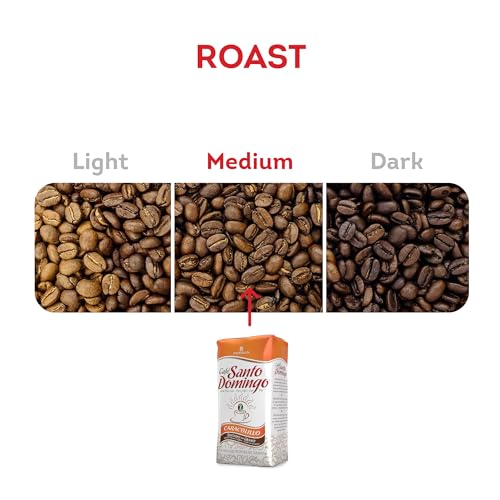
| Café Santo Domingo Caracolillo Peaberry | Medium | Peaberry | Whole | N/A | Spice, Caramel, Citrus |
| Induban Gourmet 100% Arabica | Medium | 100% Arabica | Whole | 1200+ | Chocolate, Red Fruit, Almond |
| Café Santo Domingo Ground (Pack of 4) | Medium | Blend | Ground | N/A | Caramel, Vanilla, Hazelnut |
| Café Santo Domingo Whole Bean | Medium | Blend | Whole | N/A | Caramel, Vanilla, Hazelnut |
| Café Santo Domingo Espresso | Dark | Blend | Ground | N/A | Hazelnut, Chocolate, Vanilla |
| Monte Perelló Ground Coffee | N/A | Arabica/Conilón | Ground | N/A | N/A |
Frequently Asked Questions
What grind size should I choose if I don’t have an espresso machine?
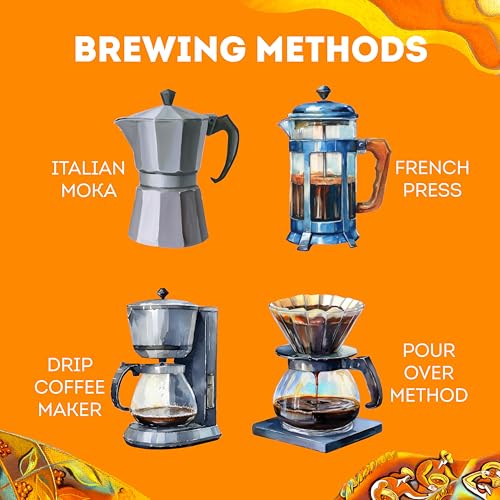
A medium grind is generally best for drip coffee makers and pour-over methods. This ensures proper extraction without over or under-extracting the coffee, giving you a balanced flavor. Avoid espresso grind unless you have an espresso machine.
Are Dominican coffees typically fair trade certified?
While not all are, several brands prioritize ethical sourcing. Look for certifications like Fairtrade or Rainforest Alliance to support sustainable farming practices and fair wages for farmers. Induban, for example, emphasizes its commitment to responsible sourcing.
Can I use Dominican coffee for cold brew?
Yes, Dominican coffee’s inherent sweetness and chocolatey notes make it excellent for cold brew. A coarser grind is recommended for cold brew to avoid a muddy flavor, and a longer steeping time (12-24 hours) will bring out the best in the beans.
How does the Conilón bean affect the flavor profile?
Conilón adds body and a slightly earthy note to the coffee. When blended with Arabica, it creates a more robust and complex cup, often with a lower acidity, resulting in one of the most flavorful coffee roasts.
Where can I find more information about different roast levels?
Understanding roast levels is key to finding your preference. A light roast will highlight the bean’s origin flavors, while a dark roast emphasizes body and sweetness. You can explore a deeper understanding of roast levels and how they impact flavor in premium taste coffee picks.
The Bottom Line
Choosing the best Dominican coffee really comes down to how much fuss you’re willing to deal with for a truly exceptional cup. If you want a consistently excellent, readily available option that requires minimal effort, I recommend Café Santo Domingo Ground (Pack of 4). It’s a reliable blend with classic flavor notes that most people will enjoy.
For those seeking a more specialized experience, we have some excellent alternatives. If you want the unique character of a peaberry bean, Café Santo Domingo Caracolillo Peaberry is a standout. And if you’re after a blend showcasing the best of both worlds – the smoothness of Arabica and the body of Conilón – Monte Perelló Ground Coffee delivers a compelling, local flavor. Understanding Arabica bean characteristics will help you appreciate the nuance here.
Ultimately, the specifics – roast level, grind, even altitude – matter less than finding a coffee you genuinely enjoy. Focus on freshness, a reputable brand, and a flavor profile that appeals to your palate. Don’t get lost in the details; a good cup of coffee is about simple pleasure, and Dominican coffee offers plenty of that.
