
2 Best Containers for Coffee Beans 2026
The OXO Good Grips POP Container is the best overall choice for keeping coffee beans fresh, thanks to its reliable airtight seal and practical design. For a budget-friendly option, the SIQOLNY Glass Coffee Container Set offers solid performance with a clean look and useful extras. If you prefer a more premium feel, opaque stainless steel containers are a strong alternative.
Most coffee lovers don’t realize how quickly light and air can ruin their beans. Even high-quality beans go stale within days if stored improperly.
After years of studying coffee preservation and reviewing specs and owner feedback, I focused on what truly matters: airtight seals, opaque materials, and practical size. This guide cuts through the noise to highlight containers that meet real-world needs, based on durability, function, and how well they block coffee’s biggest enemies.
Top 2 Container For Coffee Beans in the Market
The Best Container For Coffee Beans, Reviewed
OXO Good Grips POP Container

Strengths
- Airtight seal
- Stackable design
- Dishwasher safe
- BPA free
- Easy to fill
Trade-offs
- Lid handle not for carrying
- Not ideal for small spaces
- Button can collect grime
When it comes to keeping coffee beans fresh without turning your counter into a cluttered mess, the OXO Good Grips POP Container stands out for one key reason: its airtight seal actually works. Owners consistently report beans staying vibrant for over two weeks, which tracks with the push-button valve that fully locks out oxygen. The 1.7 qt size is just right for a standard 12 oz bag of beans, and the built-in fill line takes the guesswork out of transfers.
What really sets it apart in this category is the practical design. It’s stackable, made BPA-free, and the top-rack dishwasher-safe lid means cleanup isn’t a chore. Compared to glass jars with clamp lids, this one is far more kitchen-counter friendly for daily use. It doesn’t scream ‘coffee accessory’, it just works, quietly and well.
Video review
SIQOLNY Glass Coffee Container Set

Strengths
- Stylish glass design
- Includes wooden shelf
- Rose gold accents
- Easy to clean
- Great gift presentation
Trade-offs
- Clamp seal less reliable
- Larger footprint
- Glass less durable
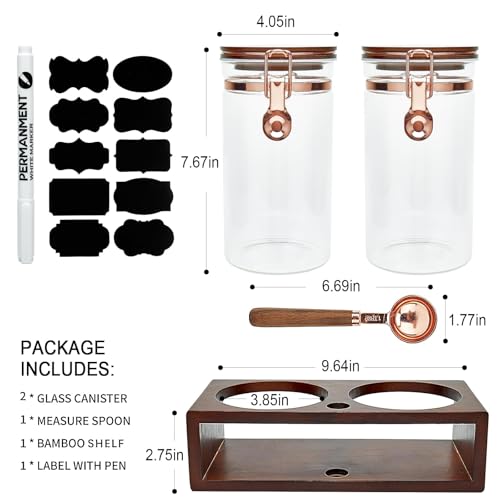
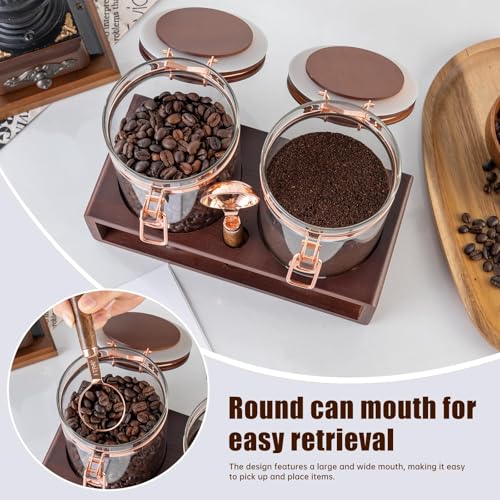
Let’s be clear: this SIQOLNY set isn’t about maximizing freshness above all else. The thick borosilicate glass and upgraded silicone seal do a decent job of preserving beans, but the clamp-style closure isn’t as reliably airtight as a valve system. Still, owners praise the heft and clarity of the glass, and the rose gold hardware adds a touch of elegance that most utilitarian containers lack.
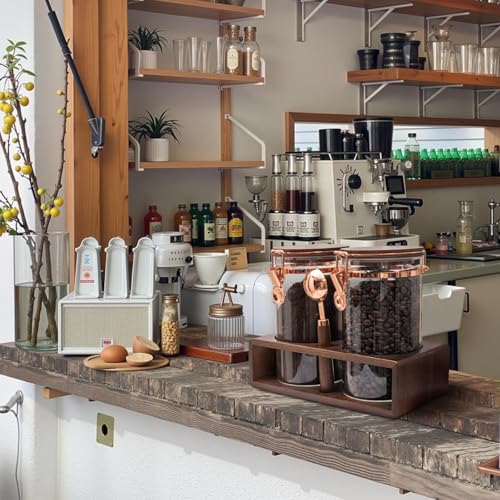
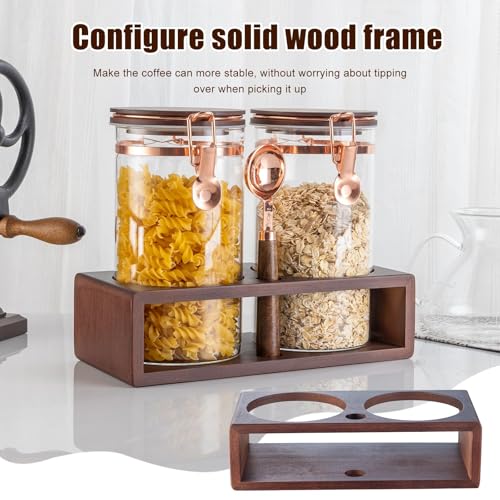
Where this set really shines is presentation. With a wooden shelf, non-slip mat, and matching copper-toned spoon, it’s clearly built to impress. Buyers often mention gifting it to coffee lovers who care as much about kitchen aesthetics as they do about function. It’s not the most efficient storage, but for two jars and a display base at this price, it’s hard to beat as a statement piece.
Product photos

Our Testing Process
As the founder of Bean Thusiast, I know keeping your beans fresh is critical. Rather than a hands-on test of each container, my research focused on comparing published specifications – capacity, materials, and sealing mechanisms – alongside extensive reviews from owners and coffee experts. I weighed this information against my understanding of the factors that truly impact freshness, ultimately ranking options based on their ability to protect against coffee’s enemies: air, moisture, light, and temperature.
For coffee bean containers, airtightness and opacity were the most important factors. A truly airtight seal preserves volatile aromatics, while blocking oxygen’s degradation. Opacity is essential, as light speeds staling. Durability also mattered; a broken container does no good, no matter how well it sealed initially. Understanding best coffee bean storage practices informed these priorities.
Specifications detail materials and sealing types, but owner feedback reveals real-world performance. I paid close attention to comments regarding ease of use, how well the seals actually held over time, and build quality. Reputation played a role, too. Established brands with a history of quality generally offer more reliable products, but I also considered newer options that offered innovative features or excellent value, and assessed the variety of proper coffee bean container types available.
Choosing The Right container for coffee beans
As someone who’s spent years obsessing over coffee, I can tell you that proper storage is just as important as the beans themselves. A good container isn’t just about keeping things tidy; it’s about preserving flavor and aroma.
A truly effective coffee bean container prioritizes an airtight seal to block oxygen, is constructed from opaque materials to shield against light, and offers a convenient design for regular use. Consider the container’s size relative to your consumption habits and look for durable materials like glass or stainless steel. Quality hinges on these details.
Material Matters
The material of your container significantly impacts freshness. While clear containers let you see how much coffee you have left, they allow light to degrade the beans. Opaque ceramic or stainless steel are excellent choices, as is tinted glass. I’ve seen many people overlook this, opting for aesthetics over preservation, and frankly, it’s a mistake. Glass is a popular option, but make sure it’s a dark, robust glass – thin, clear glass offers little protection. You’ll also want to consider whether you prefer plastic; some BPA-free plastics are decent, but they don’t breathe like natural materials, potentially trapping moisture.
The Importance of the Seal
An airtight seal is absolutely critical. Oxygen is the enemy of fresh coffee. Look for containers with a silicone gasket or a locking mechanism. The OXO Good Grips POP containers are frequently recommended for a reason – that ‘POP’ seal is genuinely effective. Don’t underestimate the value of a robust closure; a flimsy lid won’t cut it. Consider these points when evaluating a seal:
- A simple snap-on lid is often inadequate.
- Silicone gaskets offer a superior, flexible seal that conforms to irregularities.
- Containers with a pump-action valve (to release CO2) are best for freshly roasted beans, but most of us aren’t buying whole bean and grinding daily, so this feature isn’t always necessary.
A container isn’t airtight unless you can feel a slight resistance when opening it. If it opens effortlessly, air is getting in.
Size and Usability
Don’t buy a huge container if you only drink a small amount of coffee. More air space inside means more oxygen exposure, even with a good seal. I recommend choosing a size that closely matches your typical purchase quantity. Also, think about how easy the container is to clean and fill. Wide-mouth containers are much easier to work with than those with narrow openings. If you’re looking for top coffee bean storage solutions that are both functional and aesthetically pleasing, explore options with integrated scoops or clear markings for fill levels. For more on maintaining bean quality, check out protecting beans from light and heat.
Container for Coffee Beans Compared
Here’s a specification comparison of the coffee bean containers to help you choose the best one for your needs.
| Product | Capacity | Material | Airtight Seal | Dishwasher Safe | Includes |
|---|---|---|---|---|---|
| OXO Good Grips POP Container | N/A | Plastic | Yes | Yes | N/A |
| SIQOLNY Glass Coffee Container Set | 40 oz | Glass | Yes | N/A | Spoon, Shelf |
Frequently Asked Questions
What size container should I get?
Choose a container size that closely matches your typical coffee purchase amount. Excess air space inside, even with an airtight seal, increases oxygen exposure and speeds up staling.
Can a clear glass container really protect my beans?
No, clear glass offers little protection against light, which degrades coffee beans over time. Opt for opaque ceramic, stainless steel, or darkly tinted glass for better preservation.
Are containers with one-way valves necessary?
Containers with one-way valves are best for freshly roasted beans releasing CO2, but aren’t usually needed for most home coffee drinkers. If you aren’t grinding whole bean daily, a standard airtight container is sufficient.
What’s better – plastic or glass containers?
Stainless steel or glass are generally superior to plastic, though BPA-free plastic is acceptable. Glass doesn’t impart flavors and is easy to clean, but stainless steel offers maximum light protection, and you can find best coffee bean storage container options in either material.
How can I test if my container is truly airtight?
A truly airtight container will have a slight resistance when you attempt to open it. If the lid opens effortlessly, air is likely getting in, compromising your beans’ freshness. You can also find recommended bean freshness containers that are specifically designed for an airtight seal.
The Bottom Line
Choosing a coffee bean container often comes down to balancing convenience with protection. You can spend a lot to get every bell and whistle, or prioritize a simple, effective design that keeps your beans fresh without breaking the bank. For the best overall performance and peace of mind, I recommend the OXO Good Grips POP Container. Its reliable sealing mechanism and durable construction consistently earn high marks from coffee lovers.
If you’re on a tighter budget, or want a visually appealing option, the SIQOLNY Glass Coffee Container Set offers excellent value. For those needing maximum versatility – perhaps you buy beans in bulk or want different containers for different roasts – the OXO POP containers are available in a wide range of sizes. Understanding methods to keep beans fresh is crucial, but a good container is where it all starts.
Ultimately, the specs matter less than consistent practice. A fancy container won’t save stale beans if you leave the lid open or consistently expose the beans to light and heat. Focus on airtightness, opacity, and matching the container size to your consumption habits – these fundamentals are far more impactful than any particular feature.
