
5 Best Coffees of the World 2026
The Atlas Coffee Club 8-Pack World Discovery is the best overall choice for exploring the world’s coffees, with its diverse single-origin selection and freshness focus. For a budget-friendly option, the Around the World Ground Coffee Tour delivers solid variety in ground format. If you prefer whole bean and ethical sourcing, the Bones Coffee World Tour is a strong contender.
I’ve spent years studying how origin, roast, and freshness shape flavor, and one thing stands clear, most “world” coffee samplers are all show, no substance. Too many prioritize quantity over quality, packing in countries without regard for how the beans were sourced or when they were roasted.
This guide cuts through the noise. I compared top samplers based on real owner feedback, sourcing transparency, and variety of flavor profiles, not just marketing claims. You’ll find picks that deliver genuine taste differences from region to region, with attention to roast date and ethical practices that matter.
Top 5 Coffees Of The World in the Market
The Best Coffees Of The World, Reviewed
Atlas Coffee Club 8-Pack World Discovery
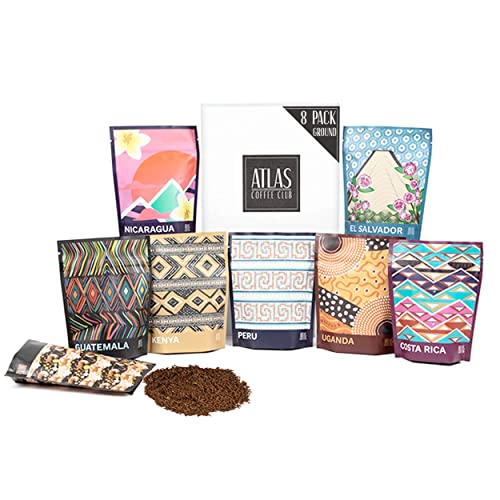
Strengths
- Top 1% sourcing
- Freshly roasted
- Includes tasting cards
Trade-offs
- Pre-ground only
- Smaller bag size
This 8-pack sampler from Atlas Coffee Club hits the sweet spot for anyone wanting a curated taste of the world’s top-tier single origins. On paper, the 1.8-ounce bags give just enough volume to brew a couple of proper cups per origin, and owners consistently report the freshness is impressive straight out of the box. The inclusion of tasting notes and postcards adds a thoughtful touch that elevates it beyond just coffee, it feels like a real journey.
What sets this apart in the crowded sampler space is their sourcing promise: they claim to pull from the top 1% of global harvests and pay well above market rates. Reviewers note the flavor clarity across regions, bright Ethiopian notes, deep Sumatran earthiness, clean Central American balance, and that consistency speaks to strong quality control. Compared to other sets, this one leans into the experience, not just the caffeine.
Video review
Atlas Coffee Club 4-Pack World Sampler

Strengths
- Same quality as 8-pack
- Lower price point
- Includes tasting experience
Trade-offs
- Only four origins
- Still pre-ground
This 4-pack is essentially the compact sibling of the 8-pack, and it’s where Atlas shines for budget-conscious buyers. You still get the same hallmarks: 1.8-ounce bags, postcards, tasting notes, and that top 1% sourcing claim. Owners say the freshness and flavor delivery hold up just as well here, making it a smarter entry point if you’re testing the waters.
The real win is value. For someone who wants the Atlas experience without the commitment, this hits. It’s frequently called out in reviews as the perfect gift for the casually curious coffee drinker. Compared to the Bones flavored set or the Keurig pods, this maintains integrity, real single origins, no syrups, no shortcuts. I’d pick this over the larger pack if you’re unsure how much variety you’ll actually brew.
Video review
Bones Coffee World Tour Whole Bean

Strengths
- Whole bean flexibility
- Resealable packaging
- Keto and vegan friendly
Trade-offs
- Flavored beans
- Limited origin depth
- Smaller variety count
Bones takes an interesting middle path, single-origin beans, but flavored. Five 4-ounce whole bean bags from Sumatra, Costa Rica, Colombia, Ethiopia, and Guatemala give you real grinding flexibility, and the resealable packaging is a win for freshness. Reviewers appreciate that the flavors (like Coconut Run or Chocolate Truffle) are subtle enough to not drown the base bean’s character, which is rare in this category.
The keto and vegan-friendly angle stands out, and the medium roast profile keeps acidity low while preserving aroma. But here’s the catch: if you’re after pure, unadulterated origin expression, these flavor infusions will disappoint. Compared to Atlas, this isn’t about terroir. But for someone who likes a hint of dessert in their cup and wants whole bean convenience, it’s a strong contender.
Product photos


Bean Around The World K-Cup Variety

Strengths
- Keurig 2.0 compatible
- Fun, themed flavors
- Kosher certified
Trade-offs
- Flavored, not pure
- Low origin transparency
- Plastic waste concern
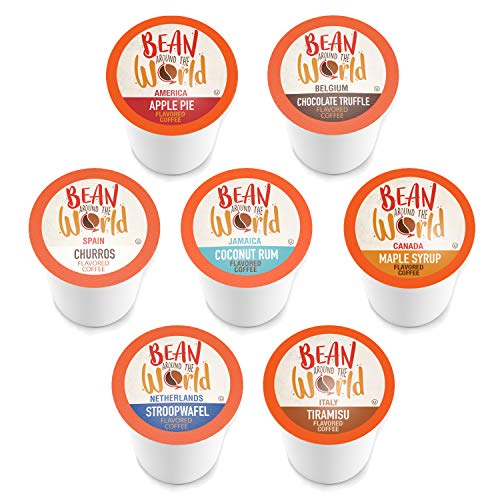
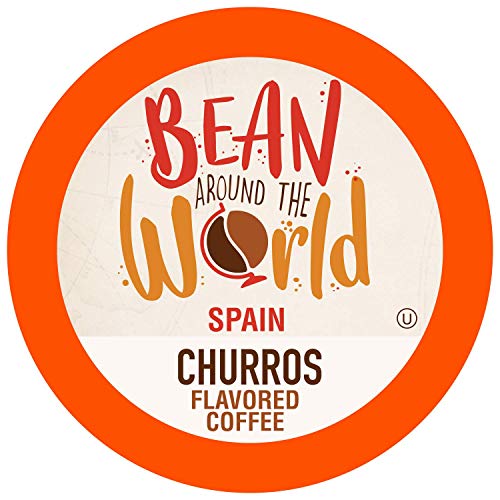
If you’re deep into the Keurig ecosystem and want fun over finesse, this 40-count flavored pod pack delivers novelty with every brew. The flavors, Apple Pie, Maple Syrup, Churros, Stroopwafel, aren’t about terroir or origin purity, but about mental escape. And that’s okay. Reviewers enjoy the playful twist, especially during morning routines that need a lift. The fact that they’re kosher and compatible with 2.0 brewers adds practical appeal.
But let’s be clear: this isn’t a single-origin showcase. It’s flavored, sweetened coffee aimed at comfort, not connoisseurship. Compared to the Atlas or Bones sets, it’s in a different universe. That said, for someone who values convenience and flavor adventure over bean authenticity, it carves out a real niche. Just don’t expect tasting notes about elevation or wet-processed clarity.
Product photos


Around the World Ground Coffee Tour

Strengths
- U.S. roasted
- Clear origin labeling
- Good for drip machines
Trade-offs
- Redundant offerings
- No tasting guides
- Pre-ground limitation
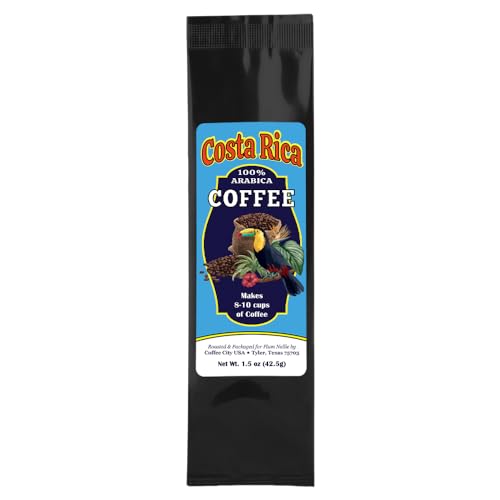
This set promises a global tour in ground form, and on specs alone, it’s solid, eight 1.5-ounce bags, all medium roast, all single-origin, all U.S. roasted. The country list is familiar but well-chosen: Kenya AA, Colombian, Costa Rican, Tanzanian Peaberry. Reviewers highlight the Kenyan and Costa Rican offerings as standouts, with bright acidity and clean balance. But the repeat mention of Papua New Guinea twice in the features makes you wonder about curation rigor.
Compared to the Atlas 8-pack, this lacks the storytelling and educational extras. It’s more utilitarian, coffee in a box, no frills. That’s fine if you just want to brew and compare, but it doesn’t create the same immersive feel. The grind choice limits method flexibility, and owner feedback suggests the Nicaraguan roast can be underwhelming compared to others in the set.
Product photos


How We Picked These coffees of the world
As a long-time coffee enthusiast, I approached this guide by researching the characteristics of coffees marketed as “world” selections. Rather than a hands-on lab test, this was a research-led comparison of published specifications, features touted by the brands, and, most importantly, a careful weighing of owner and expert reviews from across the web. I applied my knowledge of coffee origins and roasting techniques to assess each offering’s potential quality and value.
For coffees claiming to represent a “world tour,” I prioritized variety and sourcing transparency. The ability to experience genuinely different flavor profiles, and knowing where those beans come from, were key. A brand’s commitment to ethical sourcing and supporting farmers also heavily influenced my ranking, as a truly great coffee experience extends beyond just the taste in your cup. You can read more about Arabica bean varieties to understand the impact of origin.
Published specifications are useful for understanding roast levels and bean type (whole bean versus ground, for example). However, I placed more weight on owner feedback regarding freshness, flavor accuracy (does it actually taste like the described region?), and overall satisfaction. Reputable coffee review sites helped validate claims and provided insights into nuanced flavor notes that aren’t always apparent from a simple product description. Learning about Colombian coffee origin helped me assess if the blends were authentic to their advertised regions.
What To Look For In coffees of the world
Finding a coffee sampler can be a fantastic way to broaden your palate and discover new favorites.
A truly good coffee sampler isn’t just about variety; it’s about quality sourcing, freshness, and representation of distinct regional flavor profiles. Look for samplers that highlight single-origin beans, offer tasting notes, and ideally, provide information about the farms and cooperatives where the coffee is grown. Roast dates are critical, and whole bean options allow for maximum control over freshness and grind size.
Roast Date & Freshness
One of the biggest pitfalls of coffee samplers is stale coffee. Many companies focus on offering a wide range of origins without paying enough attention to how long the beans have been sitting. I always recommend looking for a roast date, not just a “best by” date. Coffee peaks in flavor within a few weeks of roasting, and rapidly declines after that. If a sampler doesn’t list a roast date, it’s a red flag. Prioritize smaller-batch roasters who emphasize freshness, even if the upfront cost is slightly higher. You’ll taste the difference.
Origin & Flavor Profile Diversity
Beyond just checking off countries on a list, consider the types of coffees included. A sampler featuring only light-roasted African coffees is less exploratory than one that includes a mix of regions and roast levels. Look for descriptions that go beyond “bold” or “bright.” Do they mention specific flavor notes like citrus, chocolate, or floral tones? A well-curated sampler should offer a spectrum, allowing you to compare and contrast. If you’re already interested in exploring the top global coffee varieties, a sampler is an excellent place to start.
Format & Brewing Method
The format of the coffee – whole bean, ground, or single-serve pods – should align with your brewing setup and preferences. While single-serve options are convenient, they often sacrifice freshness and offer less control over the final cup. Whole bean is almost always the best option, but requires a grinder. If you’re unsure about the ideal coffee-to-water balance for different beans, starting with a sampler can help you dial in your preferred strength. Here’s what to keep in mind:
- Whole Bean: Offers the freshest flavor and allows you to adjust the grind size.
- Ground: Convenient, but loses flavor faster and limits grind control.
- Single-Serve: Easiest, but often the most expensive per cup and least flavorful.
A good rule of thumb is to buy enough coffee for one to two weeks of brewing, and store it in an airtight container away from light, heat, and moisture.
Coffees of the World Compared
Here’s a comparison of different coffee selections offering a “world tour” experience.
| Product Name | # of Origins | Format | Roast Level | Flavors | Special Features |
|---|---|---|---|---|---|
| Atlas Coffee Club 8-Pack World Discovery | 8 | Whole Bean | N/A | N/A | Postcards Included |
| Atlas Coffee Club 4-Pack World Sampler | 4 | Whole Bean | N/A | N/A | Postcards Included |
| Bones Coffee World Tour Whole Bean | 5 | Whole Bean | Medium | Single-Origin | Keto/Vegan Friendly |
| Bean Around The World K-Cup Variety | 8 | K-Cup | N/A | Flavored | Keurig Compatible |
| Around the World Ground Coffee Tour | 8 | Ground | N/A | Single-Origin | Gift Ready |
Frequently Asked Questions
What roast level is best for exploring different coffee origins?
Medium roasts are generally ideal, as they showcase the inherent flavors of the bean without excessive roast influence. Lighter roasts can highlight floral and fruity notes, while darker roasts emphasize body and chocolatey tones, potentially masking origin characteristics.
How should I store a world coffee sampler to maintain freshness?
Store the coffee in an airtight, opaque container at room temperature, away from direct sunlight, heat, and moisture. Avoid storing beans in the refrigerator or freezer, as condensation can negatively impact flavor.
Are flavored coffees a good choice for a “world tour” experience?
Generally, no. Flavored coffees obscure the natural taste profile of the bean and detract from the purpose of experiencing different origins. If you want to explore the most flavorful coffees globally, stick with unflavored, single-origin options.
What’s the difference between whole bean and ground coffee in a sampler?
Whole bean provides the freshest flavor because you grind just before brewing, but requires a grinder. Ground coffee is convenient, but loses flavor more quickly and offers less control over the brewing process.
How can I be sure a “world coffee” sampler is ethically sourced?
Look for certifications like Fair Trade or Rainforest Alliance, and research the brand’s commitment to transparency and direct trade relationships. Brands that provide information about the farms and cooperatives they work with are usually more dedicated to ethical sourcing and offer superior-taste coffee picks.
The Bottom Line
Choosing a “coffees of the world” selection often comes down to how much control you want versus how much convenience you’re willing to sacrifice. For the coffee drinker who values freshness and truly exploring single-origin flavor profiles, I recommend the Atlas Coffee Club 8-Pack World Discovery. It provides a generous variety and includes details about each coffee’s origin – a crucial element for a genuine tasting experience.
If budget is a primary concern, or if you’re already committed to the Keurig ecosystem, the Bean Around The World K-Cup Variety offers a simple way to sample different regions. However, for those seeking a more authentic and nuanced experience, the Bones Coffee World Tour Whole Bean selection is a strong contender, highlighting single-origin beans with a focus on quality. Understanding origin vs blended beans is key to appreciating the nuances of each cup.
Ultimately, the best coffee is the one you enjoy most. Don’t get too caught up in roast levels or brewing methods. Focus on finding a selection that prioritizes freshness, transparency in sourcing, and a diverse range of single-origin brewing benefits. A little exploration will go a long way toward discovering your personal favorites.
