
7 Best Coffee Sweeteners for Diabetics 2026
The Lakanto Monk Fruit Allulose Sweetener is our top pick for diabetics, it delivers clean sweetness without blood sugar spikes and dissolves well in coffee. For a budget-friendly option, Stevia In The Raw Packets offer reliable performance with zero calories and no aftertaste for most users. If you prefer liquids, Lakanto Liquid Monk Fruit Drops give great control and mix smoothly.
Choosing the right sweetener when you’re managing diabetes isn’t just about avoiding sugar, it’s about finding something that tastes good, won’t upset your stomach, and fits your daily routine. Too many options either leave a bitter aftertaste, cause digestive issues, or contain hidden carbs that can sneak up on your glucose levels.
I looked at dozens of products, comparing ingredient lists, glycemic impact claims, and real-world feedback from people using these sweeteners daily. These picks rose to the top based on consistency, safety, and how well they actually work in a morning cup of coffee.
Top 7 Coffee Sweetener For Diabetics in the Market
The Best Coffee Sweetener For Diabetics, Reviewed
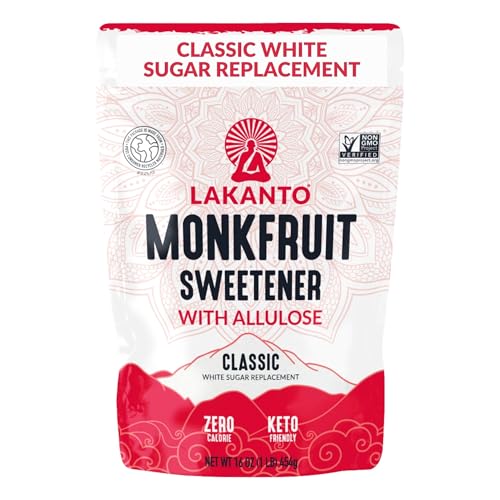
Lakanto Monk Fruit Allulose Sweetener
Strengths
- 1:1 sugar substitute
- No erythritol
- Excellent for baking
Trade-offs
- Higher price point
- Allulose may affect some
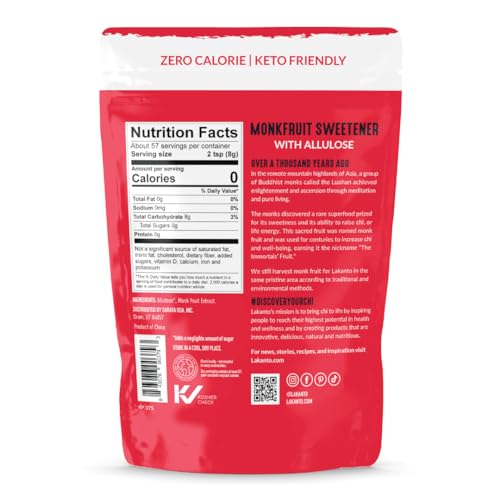
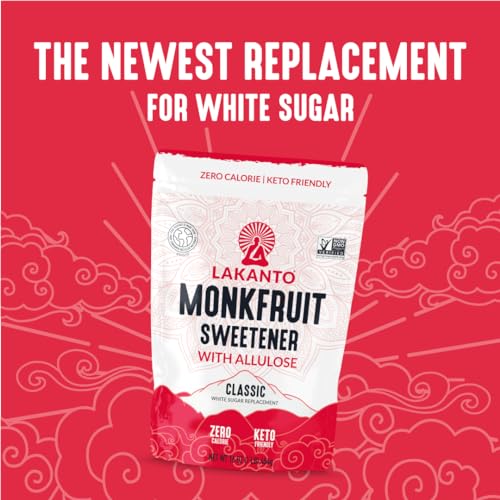
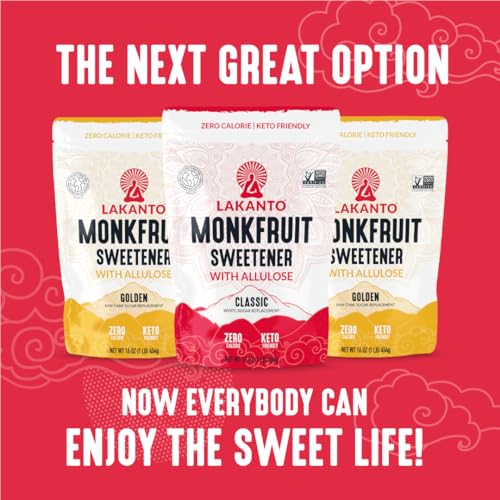
This is the one I find myself recommending most often to readers managing diabetes or following keto. Lakanto’s Classic White blend, monk fruit and allulose, no erythritol, delivers a texture and taste that’s remarkably close to real sugar. Reviewers praise how it browns in baked goods and dissolves in coffee without grittiness.
The 1:1 sugar replacement ratio makes it stress-free for baking, and owners love that it doesn’t cause digestive upset like some erythritol-heavy brands. Allulose is a big win here, it has minimal impact on blood glucose and adds moisture. Compared to standard stevia blends, this is a step up in both performance and palatability.
Product photos
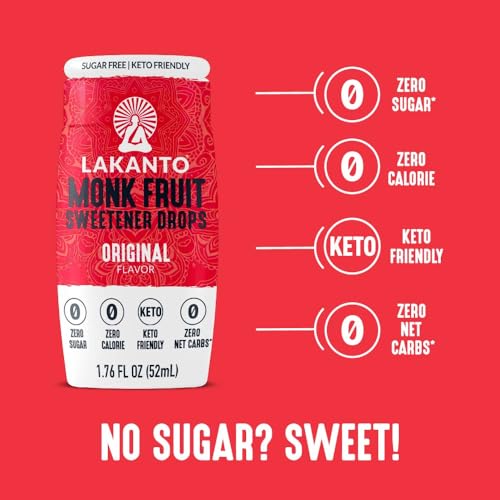
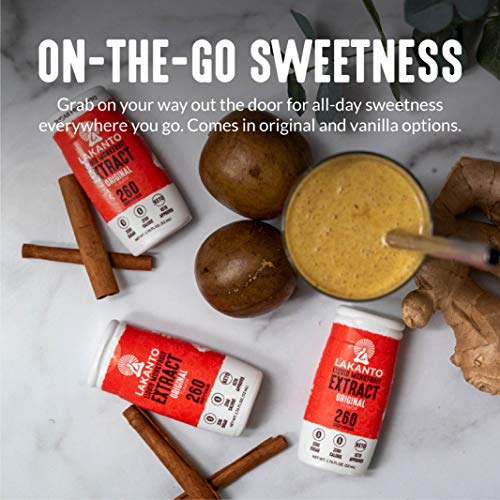
Lakanto Liquid Monk Fruit Drops

Strengths
- Erythritol free
- Highly concentrated
- No aftertaste
Trade-offs
- Not for baking
- Dropper can clog
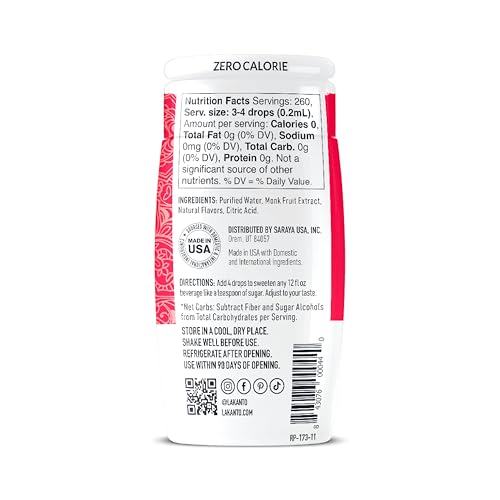
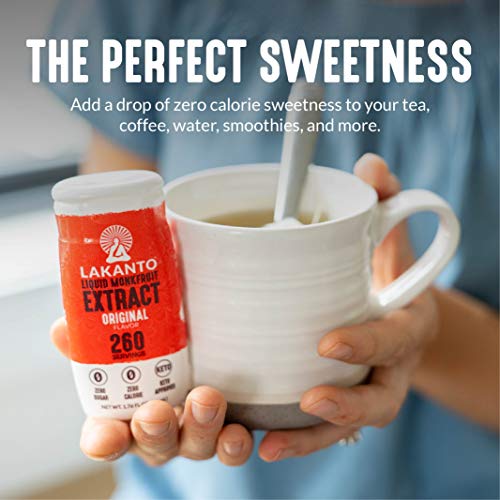
If you’re only sweetening coffee or tea and want total control over dosage, these liquid drops are a sharp choice. The erythritol-free monk fruit extract delivers clean sweetness with no bitterness, and owners consistently note it blends instantly in both hot and cold drinks. A few drops go a long way, this 1.76 oz bottle can last months.
It’s not meant for baking, but for beverages, it beats granulated options in precision and speed of dissolve. Compared to Pyure’s liquid stevia, this has a more neutral profile and avoids dextrose fillers. I’d pick this for a minimalist, no-aftertaste experience in lattes or iced coffee.
Product photos

Pyure Organic Stevia Packets

Strengths
- Zero calorie
- USDA Organic
- Portable packets
Trade-offs
- Contains erythritol
- Mild aftertaste for some
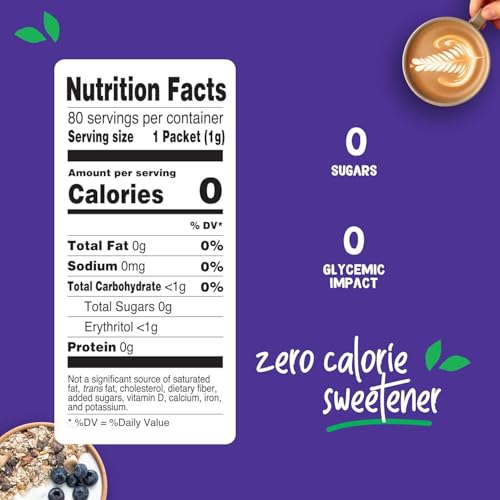
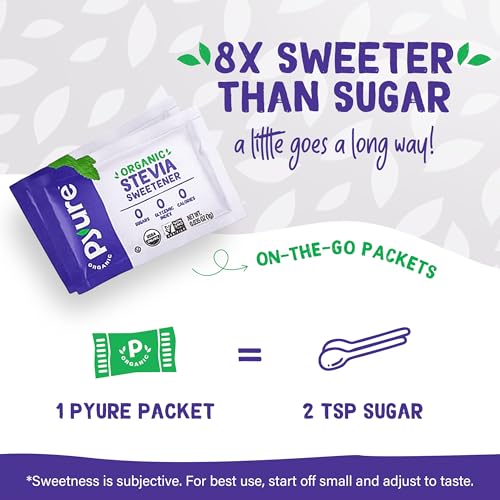
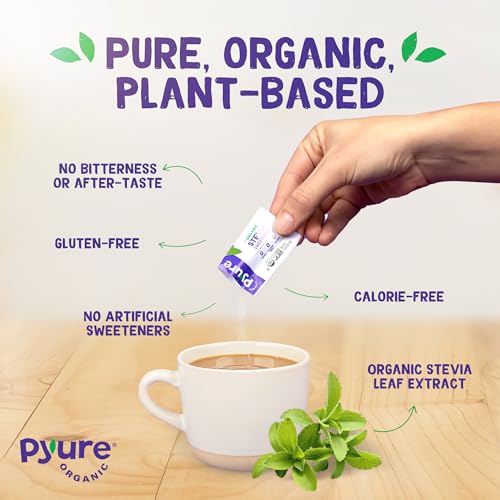
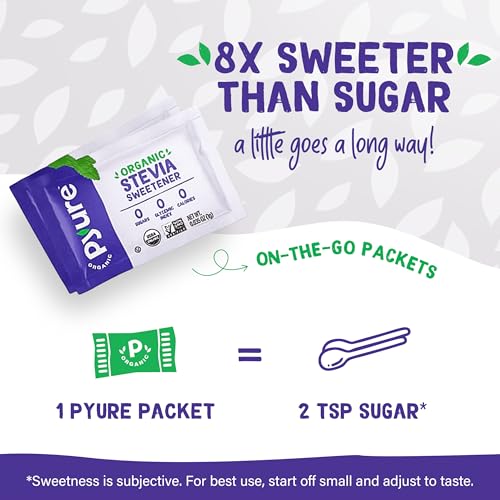
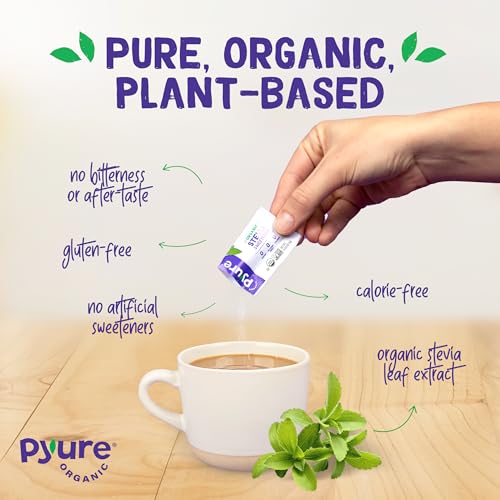
I’ve seen a lot of stevia blends come through the Bean Thusiast inbox, and Pyure’s 80-count packet version stands out for its clean formulation and portability. The mix of organic stevia and erythritol gives it bulk and a sugar-like mouthfeel, which many diabetics prefer when stirring into coffee. Owners consistently report it dissolves well in hot brews and doesn’t leave that sharp aftertaste some stevia products are known for.
On paper, it’s a solid fit for anyone managing blood sugar, USDA Organic, non-GMO, and zero net carbs. Compared to basic store-brand stevia, Pyure feels more refined, though it’s not quite as smooth as monk fruit blends. If you’re sweetening morning coffee or packing snacks for work, this is a dependable, no-fuss option.
Product photos


Stevia In The Raw Packets
Strengths
- No erythritol
- Easy to find
- Dissolves quickly
Trade-offs
- Contains dextrose
- Slight glycemic impact
- Less sweet than sugar
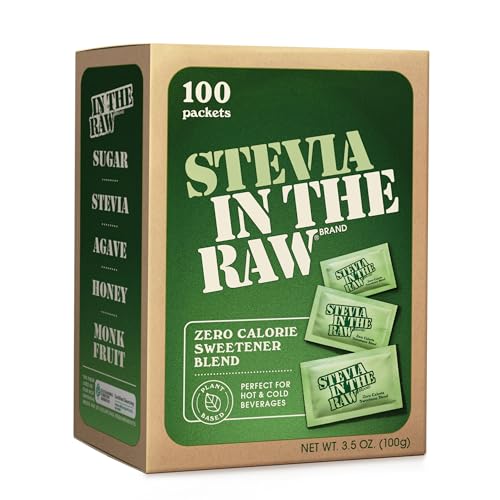
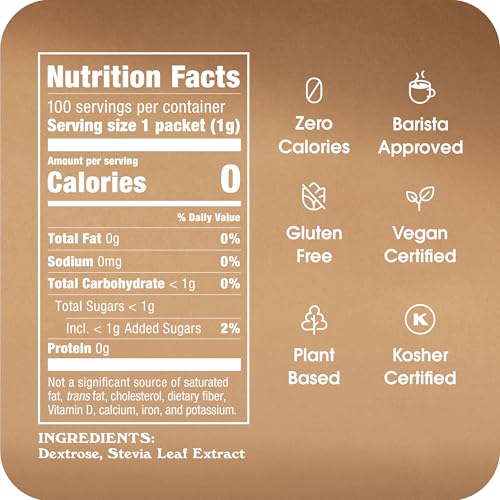
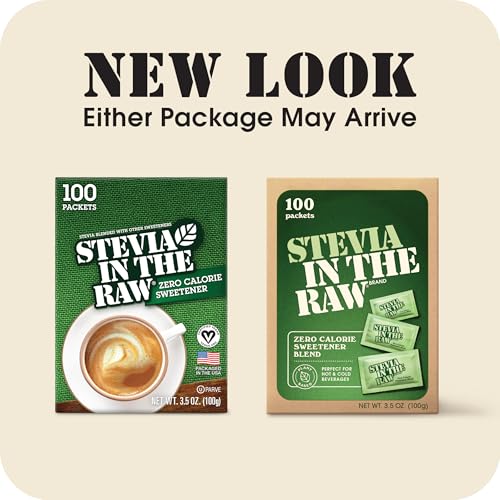
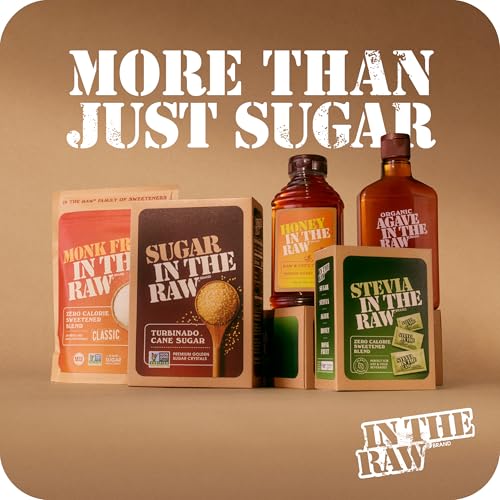
Stevia In The Raw stands out for one key reason: it’s a no-erythritol stevia option, using dextrose or maltodextrin as a bulking agent instead. That makes it a go-to for people who experience digestive issues with sugar alcohols. Owners say it dissolves fast in coffee and has a clean sweetness, though it’s not quite as smooth as monk fruit.
The downside? Dextrose has a minor glycemic impact, so while it’s labeled diabetic-friendly, it’s not completely inert. Compared to Pyure or Lakanto, it’s more basic, but its widespread availability and simple profile keep it relevant.
Product photos

Pyure Organic Liquid Stevia

Strengths
- No aftertaste
- Organic certified
- Highly concentrated
Trade-offs
- Slight licorice note
- Not for baking
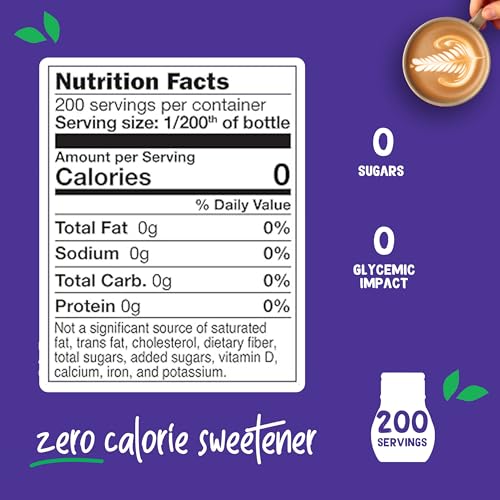
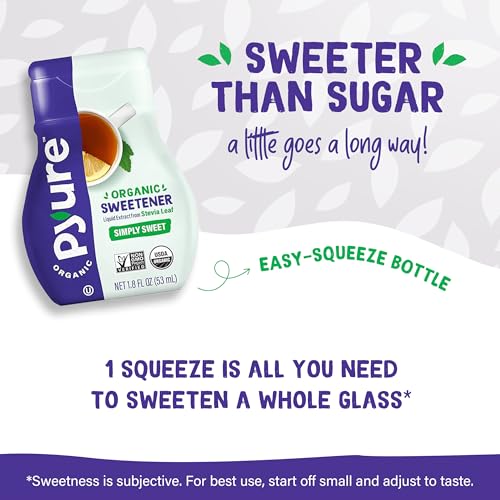
This liquid stevia is one of the smoother options on the market. With no erythritol, no fillers, and a USDA Organic label, it’s built for clean-label fans who want powerful sweetness in dropper form. Owners praise its lack of bitterness, something many stevia products struggle with, and say a few drops sweeten coffee or tea perfectly.
It’s highly concentrated, so the bottle lasts, and it’s easy to toss in a bag. Compared to Lakanto’s liquid monk fruit, it’s less neutral in flavor but more affordable. If you’re avoiding sugar alcohols and want a no-fuss liquid sweetener, this is a strong contender.
Product photos

Pyure Organic Stevia 240 Packets
Strengths
- Great value
- Long-lasting supply
- Clean ingredient list
Trade-offs
- Erythritol content
- Some detect mild aftertaste
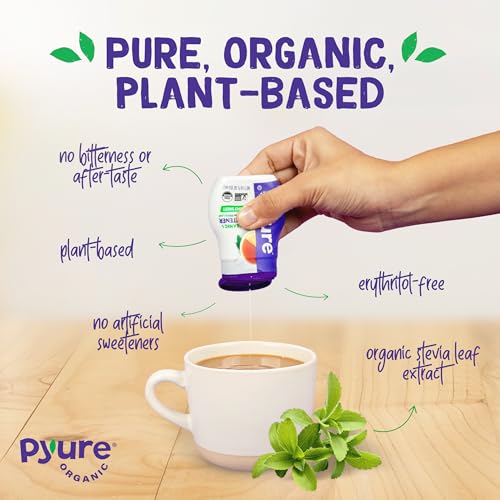
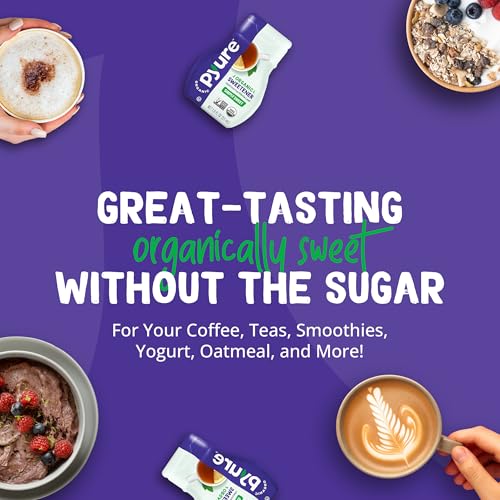
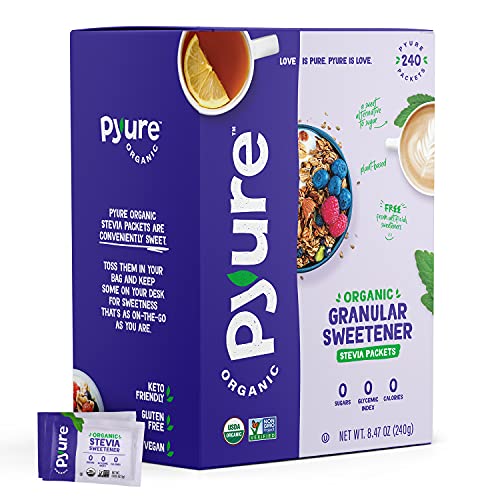
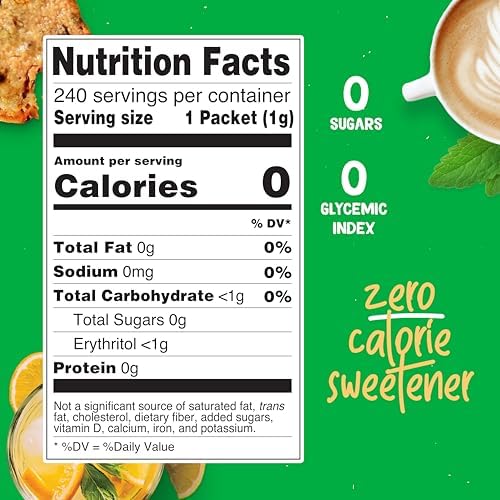
When you’re using a sweetener daily, value and supply matter, and this 240-pack of Pyure packets delivers on both. It’s the same formula as the smaller version: organic stevia and erythritol, USDA Organic, and diabetic-friendly. The consensus among owners is that it’s reliable in coffee and tea, with a sweetness level close to sugar and minimal bitterness.
I’d pick this over the 80-count if you’re committed to cutting out sugar long-term. It’s not the most premium option out there, but for consistent performance and cost per serving, it’s hard to beat. Compared to other multi-pack stevia options, Pyure’s clean labeling gives it an edge.
Product photos
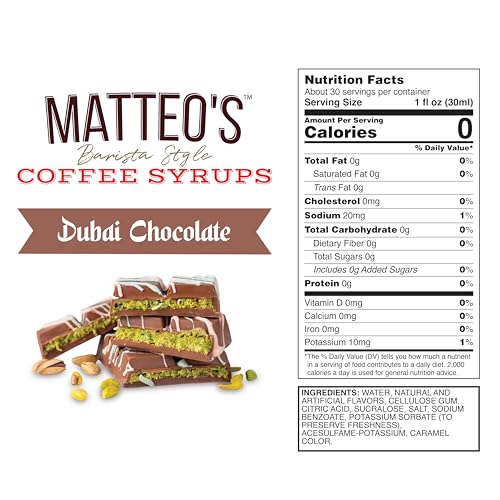
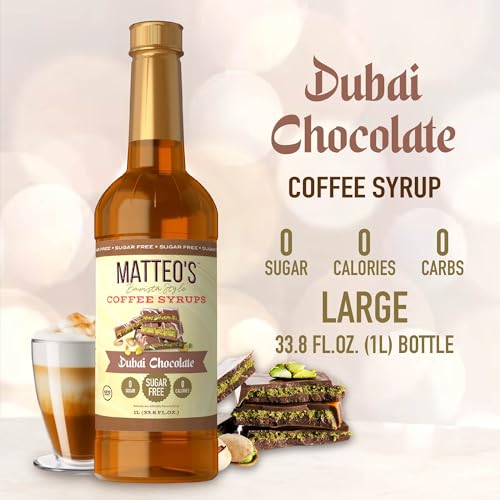
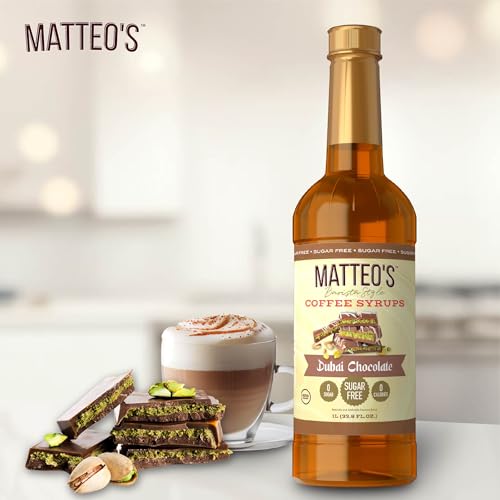
Matteo’s Dubai Chocolate Syrup
Strengths
- Rich chocolate flavor
- Zero sugar
- Large bottle
Trade-offs
- Not a pure sweetener
- Artificial aftertaste for some
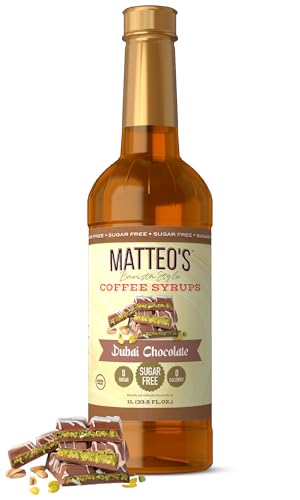
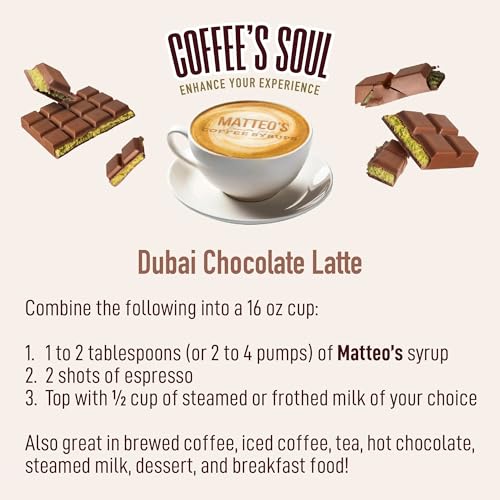
Let’s be clear, this isn’t a pure sweetener, but a flavored syrup experience. For diabetics who miss the luxury of a mocha or caramel latte, Matteo’s chocolate syrup offers that indulgent flavor without sugar or calories. Owners say it mixes well into coffee and even works in protein shakes or over low-carb ice cream.
It’s sweetened with sugar-free compounds (likely maltitol alternatives), and while it’s zero sugar, some users report a slight aftertaste. Compared to simple sweeteners, it’s more about sensory pleasure than functional substitution. If you’re tired of plain coffee, this adds a treat-like moment without derailing your diet.
Product photos

How We Picked These coffee sweetener for diabetics
As the founder of Bean Thusiast, I’ve always been fascinated by how to enjoy coffee – and other beverages – while maintaining a health-conscious lifestyle. To determine the best coffee sweeteners for diabetics, we focused on a research-led comparison of product specifications and a thorough analysis of owner reviews from across the web. Rather than a hands-on lab test, we examined ingredient lists, glycemic index claims, and user reports regarding aftertaste and digestive effects. We then ranked options based on how well they met our criteria.
For this category, the most important factors were the sweetener’s impact on blood glucose, the presence of potentially problematic ingredients like erythritol (which can cause digestive upset in some), and overall taste as reported by users. A sweetener’s ability to mimic the texture of sugar was also a key consideration, particularly for baking and recipe applications. Understanding diabetic coffee concerns is vital when choosing a sweetener.
Product specifications reliably indicate ingredients and calorie counts, but real-world experience is crucial. We heavily weighed owner feedback regarding aftertaste, how well the sweetener dissolved, and any reported side effects. Reputation – factoring in brand trust and independent expert reviews – helped separate products with consistently positive experiences from those with mixed reports. We looked at what people said a sweetener did, as much as what the label claimed.
How To Choose The coffee sweetener for diabetics
Finding a coffee sweetener when you’re managing diabetes requires more thought than simply grabbing the first container off the shelf. It’s about balancing taste with blood sugar control, and thankfully, there are many options available now.
A good coffee sweetener for someone managing diabetes prioritizes minimal impact on blood glucose levels. Key considerations include the type of sweetener (stevia, monk fruit, erythritol, allulose), its carbohydrate content, potential digestive effects, and overall ingredient list – avoiding added sugars or problematic additives is crucial. Look for products with third-party testing to verify purity and quality.
Understanding the Sweetener Options
The biggest decision revolves around what is actually sweetening your coffee. While sugar alcohols like erythritol have been popular, newer options like allulose are gaining traction. Don’t assume all “natural” sweeteners are created equal; even stevia and monk fruit can vary significantly in taste and how they’re processed. Some formulations blend sweeteners, and understanding the ratio is key. For example, some products combine monk fruit with erythritol, which can affect the overall glycemic impact and potentially cause digestive upset in sensitive individuals. Exploring natural coffee sweeteners beyond the typical options can open up a world of flavor and health benefits.
Prioritizing Gut Health
Many sugar alcohols, even those marketed as diabetic-friendly, can cause digestive distress – bloating, gas, or diarrhea – particularly when consumed in larger quantities. This is because our bodies don’t fully absorb them. Look for sweeteners that are either well-tolerated by most people (like allulose, in moderate amounts) or are used in smaller concentrations. Pay attention to the “other ingredients” list; some sweeteners bulk up with fiber or prebiotics to help mitigate these effects, but it’s not a guaranteed solution.
- A small dose is always best to start. Begin with half the amount of sweetener you’d normally use and adjust to taste.
- Consider liquid sweeteners. They often distribute more evenly in coffee and may reduce the concentrated dose hitting your gut all at once.
- Read reviews carefully. Owner feedback often highlights potential digestive side effects that aren’t always obvious from the ingredient list.
Balancing Cost and Convenience
While specialized sweeteners like monk fruit and allulose tend to be pricier than stevia or erythritol, the cost can be offset by using less product overall. Liquid concentrates, for example, are often more potent, meaning a single bottle will last longer. Packet formats offer convenience for on-the-go use, but generate more waste. If you’re regularly drinking coffee while managing diabetes, it’s worth exploring larger value packs to save money. Remember to factor in the cost per serving, not just the upfront price of the container. If you’re unsure about incorporating new sweeteners into your diet, consulting with a healthcare professional or registered dietitian about safe coffee for diabetics is always a good idea.
A little goes a long way. Start with a minimal amount of any new sweetener and gradually increase it until you reach your desired level of sweetness. This helps you minimize potential side effects and allows your taste buds to adjust.
Coffee Sweetener for Diabetics Compared
Here’s a comparison of specifications for coffee sweeteners suitable for individuals managing diabetes.
| Product Name | Sweetener Type | Erythritol? | Calories | Organic? | Liquid/Packet/Syrup |
|---|---|---|---|---|---|
| Lakanto Monk Fruit Allulose Sweetener | Monk Fruit/Allulose | No | 0 | Yes | Granulated |
| Lakanto Liquid Monk Fruit Drops | Monk Fruit | No | 0 | Yes | Liquid |
| Pyure Organic Stevia Packets | Stevia | Yes | 0 | Yes | Packet |
| Stevia In The Raw Packets | Stevia | No | 0 | Yes | Packet |
| Pyure Organic Liquid Stevia | Stevia | No | 0 | Yes | Liquid |
| Pyure Organic Stevia 240 Packets | Stevia | Yes | 0 | Yes | Packet |
| Matteo’s Dubai Chocolate Syrup | N/A | N/A | 0 | N/A | Syrup |
Frequently Asked Questions
What sweetener has the least impact on blood sugar?
Allulose generally has the smallest effect on blood glucose levels, as it’s metabolized differently than other sugar alcohols and most non-nutritive sweeteners. While individual responses vary, allulose is often preferred by those closely monitoring their glycemic response.
Are stevia sweeteners truly calorie-free?
While often labeled as zero-calorie, some stevia products contain dextrose or erythritol as bulking agents, adding a minimal calorie count per serving. It’s important to check the nutrition label for the total carbohydrate and calorie content, especially if you’re meticulously tracking intake.
Can any of these sweeteners cause digestive issues?
Yes, many sugar alcohols like erythritol can cause bloating, gas, or diarrhea in sensitive individuals. Stevia can also cause digestive upset for some, though less frequently; allulose is often better tolerated, but moderation is still recommended.
Is monk fruit a better option than artificial sweeteners for coffee?
For those wanting to avoid artificial sweeteners for coffee, monk fruit is a natural alternative, but it’s often blended with erythritol. Pay close attention to the ingredient list and the ratio of monk fruit to erythritol to minimize potential digestive issues.
Where can I find more information about safe sugar alternatives?
Beyond this guide, a registered dietitian or certified diabetes educator can provide personalized recommendations based on your individual health needs and preferences. They can help you navigate the complexities of diabetes-safe artificial sweeteners and create a suitable dietary plan.
The Bottom Line
Choosing a coffee sweetener when you’re mindful of blood sugar is a trade-off between achieving the sweetness you crave and maintaining stable glucose levels. Based on our research and owner feedback, Lakanto Monk Fruit Allulose Sweetener stands out as a particularly well-rounded option. It avoids erythritol, offers a pleasant taste profile, and combines two potent sweeteners for a minimal impact on blood sugar.
For those specifically seeking the most affordable route, Stevia In The Raw Packets provide a classic, zero-calorie sweetness at a lower price point. If digestive sensitivity is a major concern, Pyure Organic Liquid Stevia is a good choice, as the liquid format may be gentler on the gut, and the Pyure brand consistently receives positive reviews regarding aftertaste. Understanding benefits of coffee for diabetics is also crucial when making your choice.
Ultimately, the “best” sweetener is the one that works best for you. Don’t get hung up on chasing the perfect spec; focus on finding a sweetener you enjoy, that doesn’t cause digestive issues, and that fits comfortably within your overall dietary plan. Prioritize whole foods and mindful consumption, and remember that a sweetener is just one piece of the puzzle when it comes to managing your health.
