
7 Best Coffee for Liver Health 2026
The best coffee for liver health is Purity Coffee PROTECT, thanks to its rigorous mycotoxin testing and high antioxidant profile. For a budget-friendly option, Lifeboost Low Acid Coffee K Cups deliver clean, organic beans without the premium price. If you want added adaptogens, Four Sigmatic Gut Health stands out with its chaga and turkey tail blend.
If you’re managing liver concerns, your morning coffee could be helping, or quietly making things worse. The wrong beans, high acidity, or hidden toxins can add stress instead of support.
As the founder of Bean Thusiast, I looked at the science, studied sourcing practices, and analyzed owner feedback to find coffees that align with liver wellness. These picks are based on purity, roast profile, functional ingredients, and what people actually report feeling, no hype, just facts.
Top 7 Coffee For Liver Health in the Market
The Best Coffee For Liver Health, Reviewed
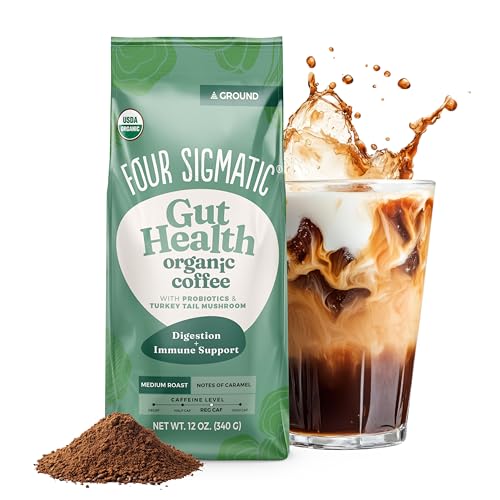
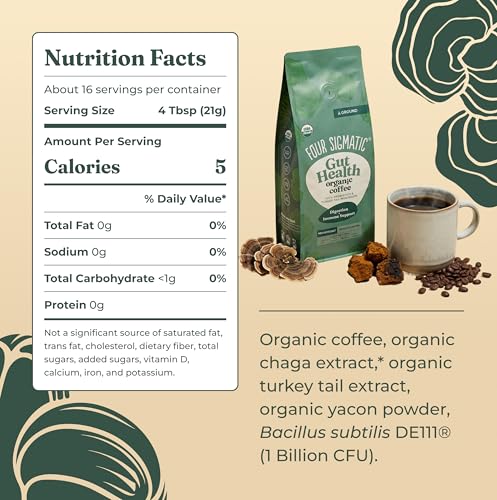
Four Sigmatic Gut Health Organic Ground Coffee
Strengths
- Probiotic & prebiotic blend
- Smooth, low acid
- Chaga and turkey tail
Trade-offs
- Pricier than standard coffee
- Mushroom aftertaste for some
- Limited roast options
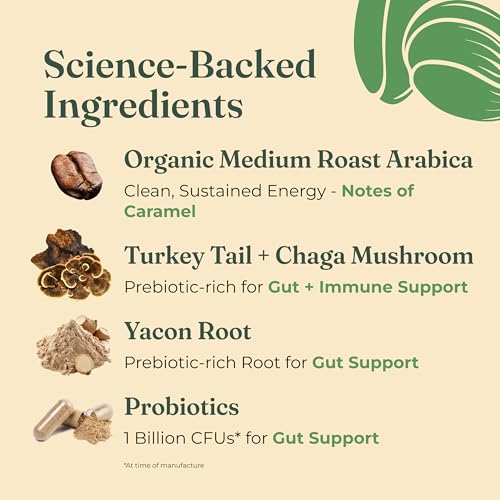
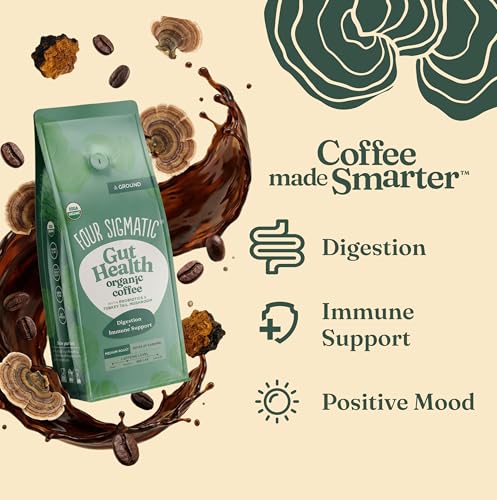
This is one of those functional coffees that makes sense if you’re looking to do more than just wake up. Blended with chaga and turkey tail mushrooms, plus probiotics and prebiotics, it’s designed to support gut and immune health, two systems deeply tied to liver function. The medium roast is smooth, low acid, and actually tastes good, which is rare in the mushroom coffee world. Owners consistently report better digestion and fewer midday crashes, likely due to the gut-balancing ingredients.
Compared to WepBio or the instant mushroom blends, this one stands out for its sourcing, single-origin beans from Honduras at high elevation, clean processing, and real medicinal mushroom extracts. It’s not just flavorless filler with a health halo. While it doesn’t have the antioxidant focus of Purity Coffee, its gut-liver axis support makes it a strong all-rounder. My recommendation? If you want one coffee that bridges taste, gut balance, and immune resilience, this is a smart pick.
Product photos
Lifeboost Low Acid Coffee K Cups

Strengths
- Low acid
- Third-party toxin tested
- Keurig compatible
Trade-offs
- Plastic pod waste
- Fewer functional benefits
- Shorter shelf life once opened
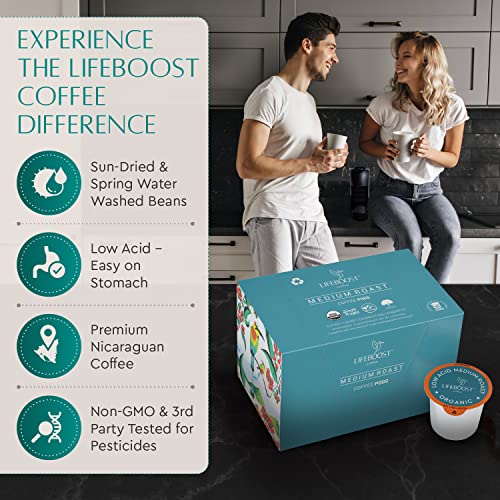
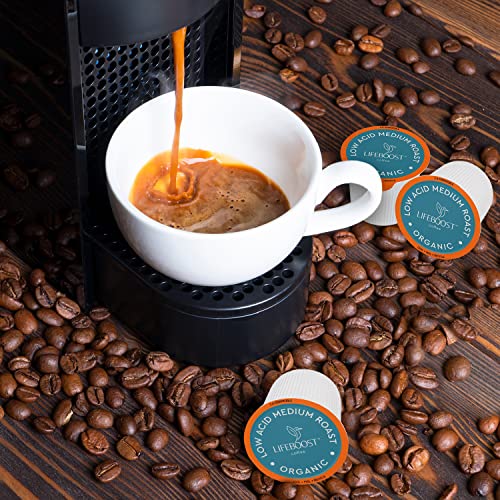
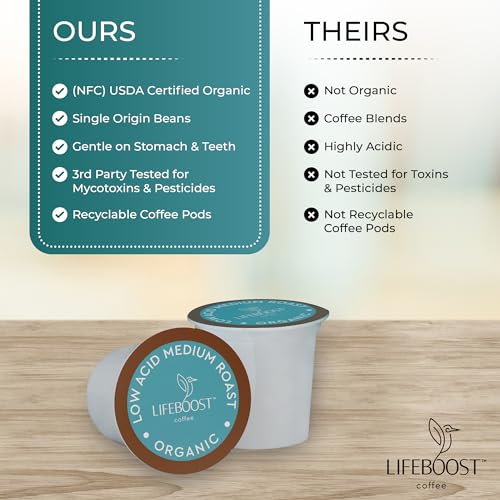
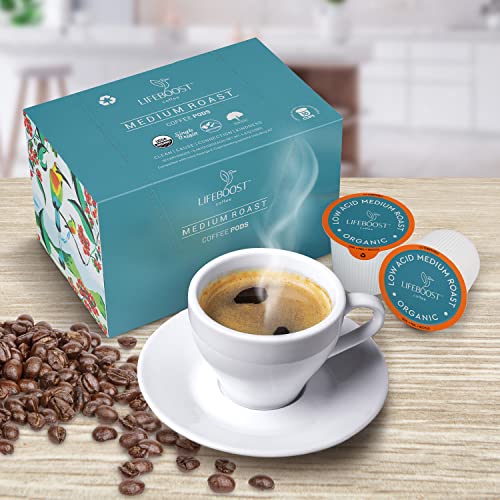
For Keurig lovers who want a clean, gentle coffee without sacrificing ethics or flavor, these K-Cups are a standout. The beans are USDA Organic, single-origin, and third-party tested for mycotoxins, heavy metals, and pesticides, critical factors when considering liver health, since the liver processes all ingested toxins. The low acid profile makes it easier on the stomach, which indirectly benefits liver function by reducing systemic inflammation.
Owners praise the convenience and consistent taste, noting it lacks the bitterness common in pod coffee. Compared to standard Keurig brands, this is a premium product with integrity. But it’s not doing anything active for the liver like Purity or Bulletproof, no added prebiotics or high antioxidant roasting. It’s more about harm reduction: giving you a clean, safe cup. That said, for someone with a sensitive system who values ease and purity, that’s plenty.
Product photos
Purity Coffee PROTECT Light-Medium Roast Ground
Strengths
- High in liver-support diterpenes
- Third-party contaminant tested
- Nitrogen flushed for freshness
Trade-offs
- Light roast not for everyone
- Higher price point
- Limited availability
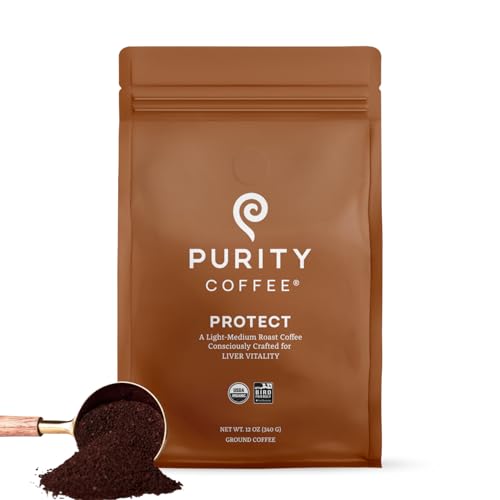
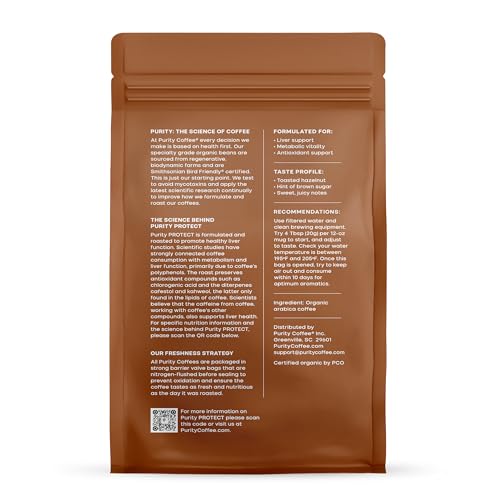
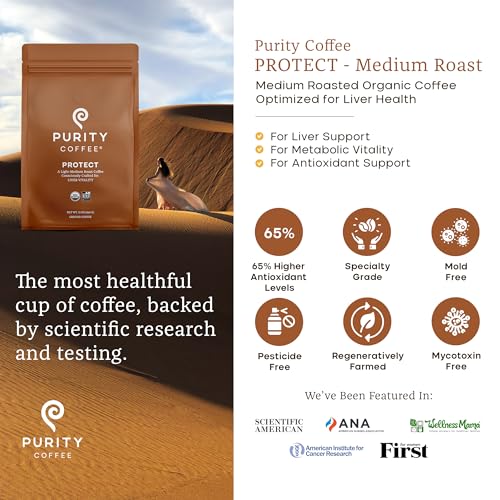
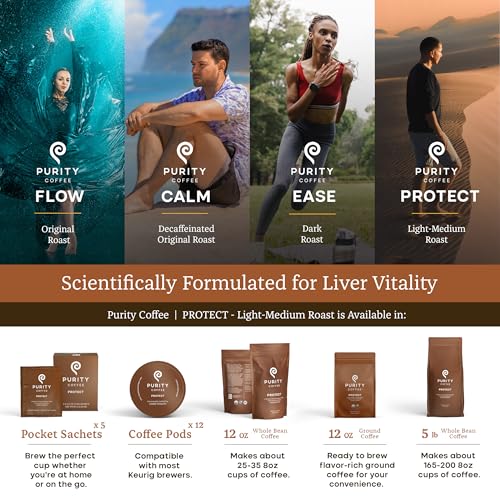
This is the coffee I’d reach for if liver support were my top priority. The roasting process is calibrated to preserve chlorogenic acids and diterpenes like cafestol and kahweol, compounds shown in studies to support liver enzyme function and fight oxidative stress. That’s not marketing fluff; it’s biochemistry. The beans are defect-free specialty grade, USDA Organic, and tested for mold, mycotoxins, and pesticides, making it one of the cleanest coffees on the market.
Owners consistently note its smoothness and lack of stomach upset, which speaks to its purity and processing. Compared to Four Sigmatic, it’s less about gut microbes and more about direct liver protection via antioxidants. And unlike the enema coffee, it’s a normal, drinkable brew with real science behind it. My take? This is the most medicinally intentional coffee on the list. If you want your morning cup to actively support liver health, this is the one.
Product photos
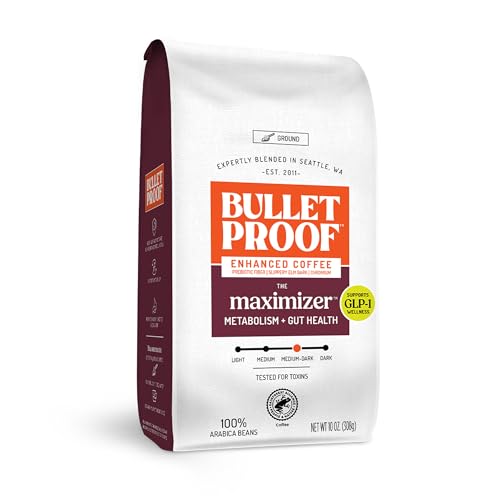
Bulletproof Maximizer Ground Coffee with Prebiotics
Strengths
- Prebiotic fiber added
- Slippery elm for gut soothe
- Metabolism support
Trade-offs
- Chromium may not suit everyone
- Brand premium pricing
- Limited functional mushrooms
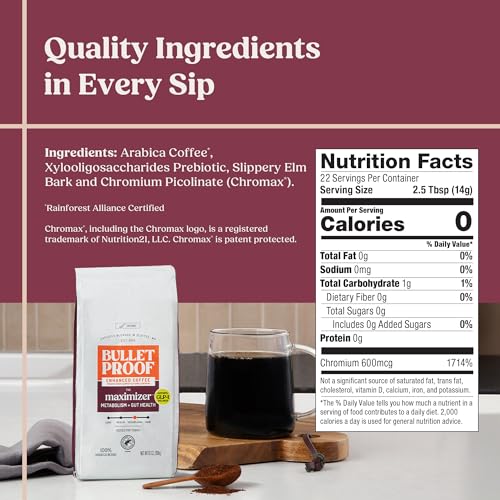
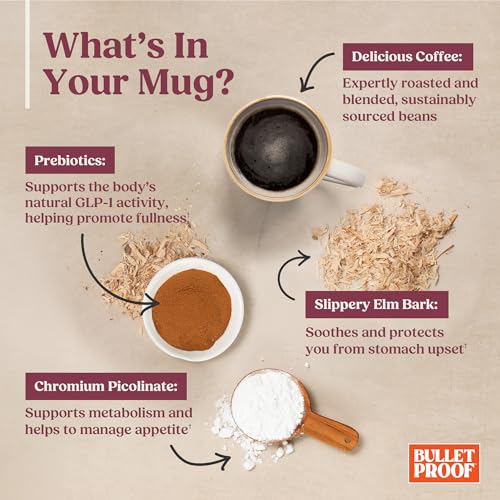
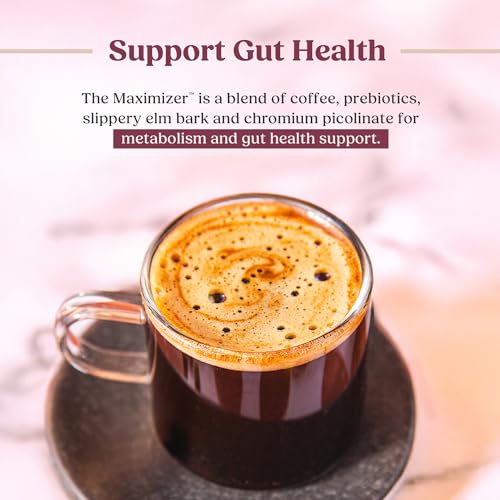
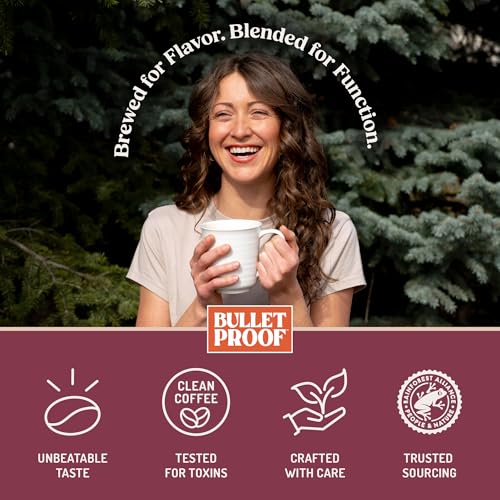
Bulletproof has built a reputation on clean, high-performance coffee, and this blend leans into metabolism and gut support with prebiotics, slippery elm bark, and chromium picolinate. The medium-dark roast is rich and satisfying, a step up from their original mold-free beans. Xylooligosaccharides feed beneficial gut bacteria, which in turn supports liver detox pathways, this isn’t just coffee, it’s a functional beverage with a clear target.
Owners report steadier energy and better digestion, likely due to the gut-liver axis support. Compared to Purity Coffee, it’s less about antioxidants and more about metabolic signaling and microbiome balance. It’s also not as thorough as the mushroom blends for immune or cognitive effects. But if your goal is metabolic health and you like a darker roast, this is a strong contender. Just know you’re paying for the brand and formulation, not the most aggressive liver-specific compounds.
Product photos
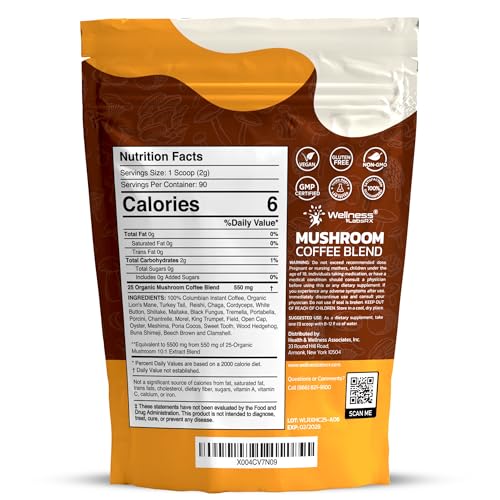
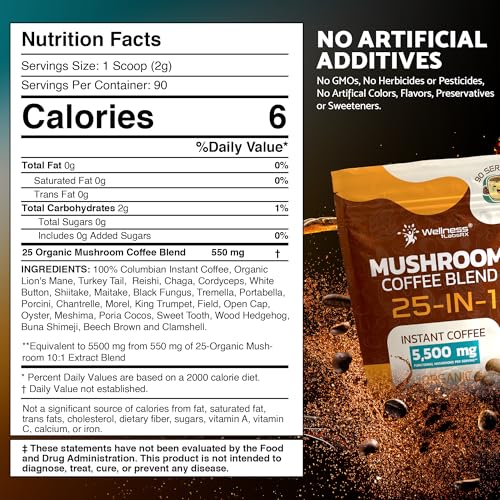
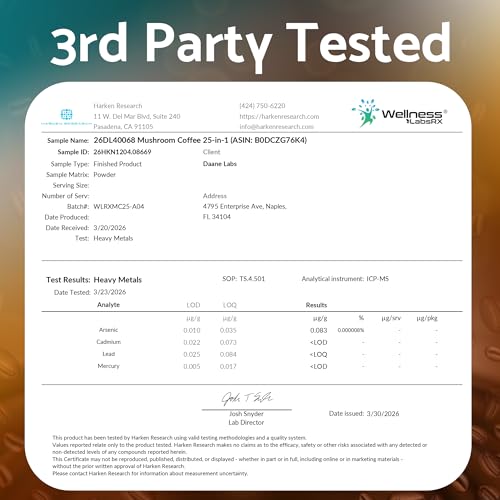
Mushroom Coffee Organic 25-in-1 Instant
Strengths
- 25-in-1 superfood blend
- Keto and clean ingredient friendly
- Sustained energy
Trade-offs
- Vague dosing per ingredient
- Instant coffee base
- Not for roast purists
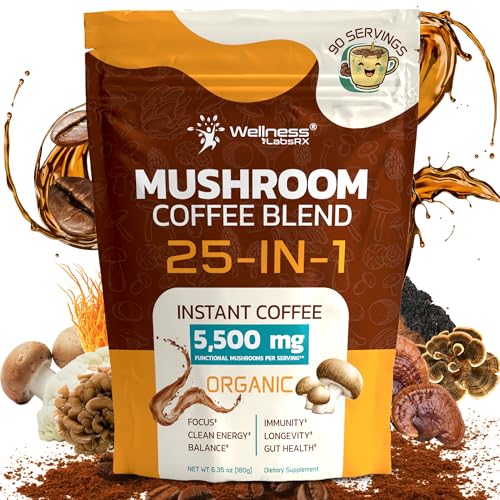
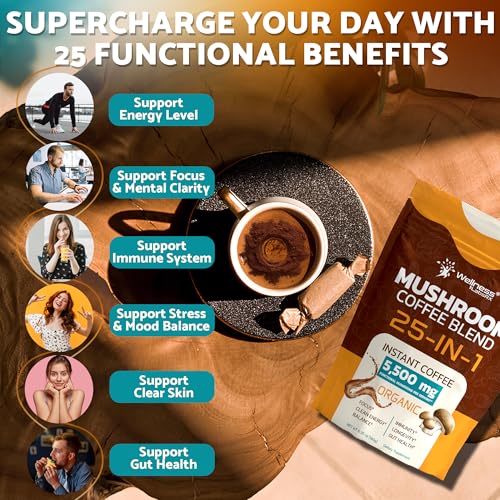
This instant blend is like a multivitamin in coffee form, 25 ingredients, including lion’s mane, reishi, shiitake, and a host of other functional mushrooms. It’s designed for people who want maximum adaptogenic impact in minimal time. The keto-friendly, instant format dissolves easily and delivers a smooth, rich flavor without the chalky aftertaste some mushroom coffees have. Owners report improved focus, cleaner energy, and better digestion, which all tie into systemic wellness and, by extension, liver health.
But let’s be honest: the more ingredients, the harder it is to know what’s active and what’s just listed for show. Compared to WepBio or Four Sigmatic, this one leans into potency claims, but without clear dosing per mushroom, it’s hard to verify. Still, for someone who wants a high-potency, no-fuss functional coffee and doesn’t mind instant, this delivers breadth. Just don’t expect the same bean quality as Purity or Lifeboost.
Product photos
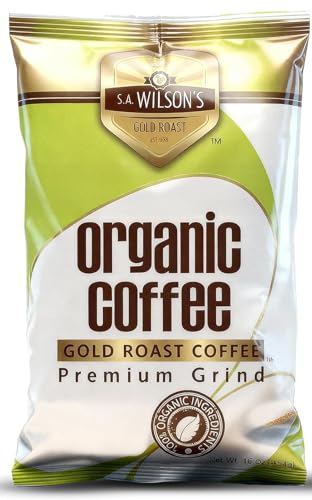
SA Wilson’s Organic Enema Coffee
Strengths
- USDA Organic
- High palmitic acid
- Rigorously tested
Trade-offs
- Niche application
- Limited clinical backing
- Not for daily drinkers
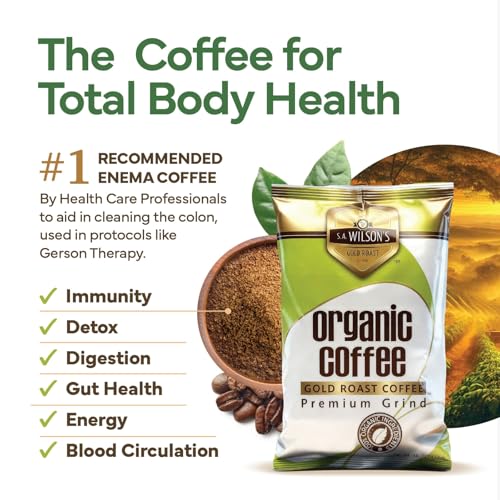
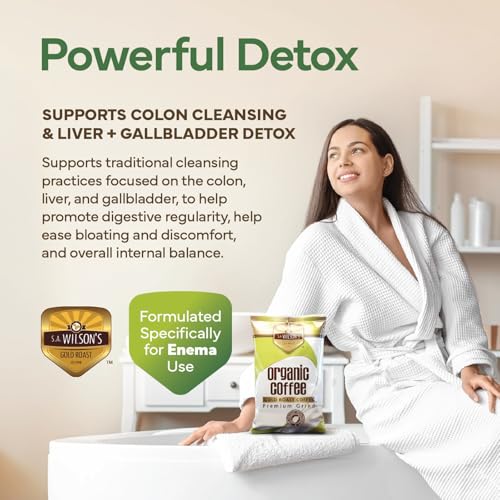
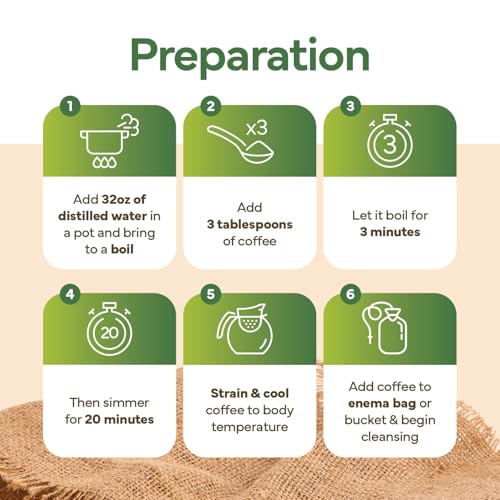
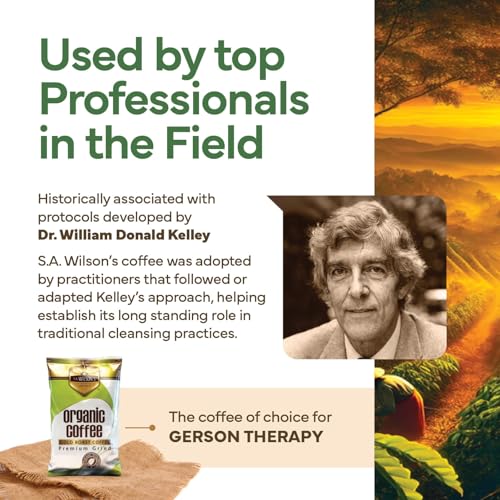
I’ll be straight, this isn’t coffee in the traditional sense. It’s marketed for liver detox via coffee enemas, a practice that sits on the fringe of mainstream wellness. On paper, the specs suggest high palmitic acid and caffeine levels, both claimed to stimulate bile flow and support detoxification in the liver, according to proponents. The USDA Organic certification and rigorous purity testing are legitimate pluses, especially given how sensitive the rectal mucosa can be to contaminants.
Still, the science behind coffee enemas for liver health is thin, and the medical community remains skeptical. Owner feedback is polarized, some report increased energy and digestive relief, while others question the necessity or comfort of the process. Compared to ingestible liver-support coffees like Purity or Four Sigmatic, this is a niche, invasive method that demands caution. I’d recommend it only to those already familiar with and committed to enema therapy, not as a starting point for liver wellness.
Product photos

WepBio 11-in-1 Mushroom Coffee Packets
Strengths
- Affordable entry point
- Flavor variety
- Low caffeine
Trade-offs
- Less potent than premium blends
- Instant base limits richness
- Adaptogen doses not specified
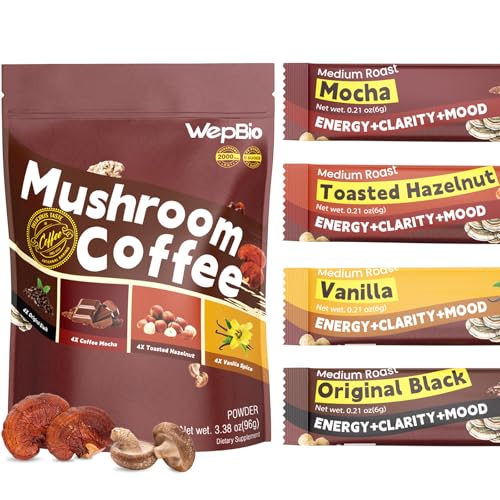
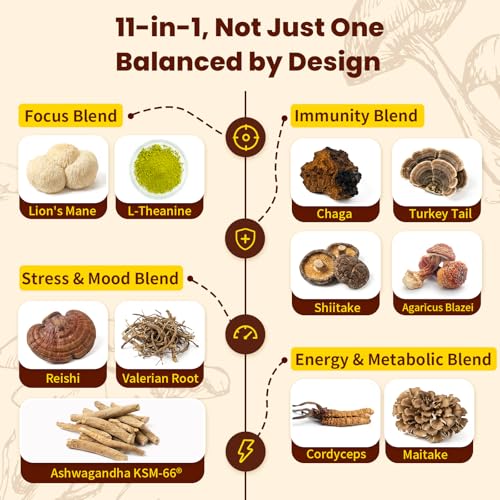
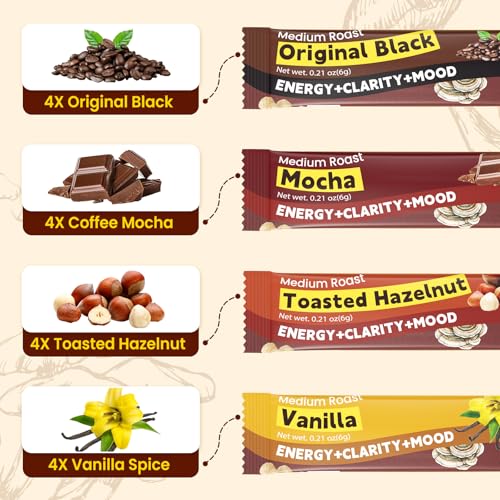
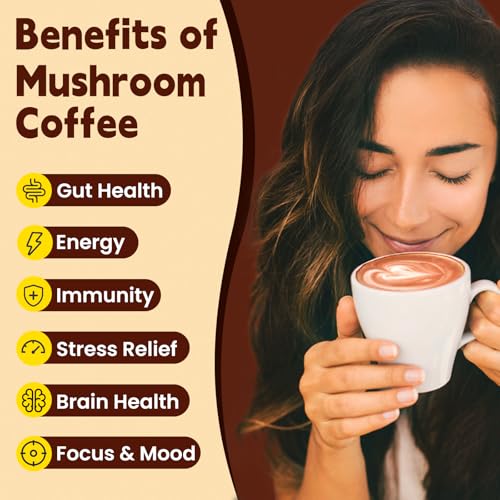
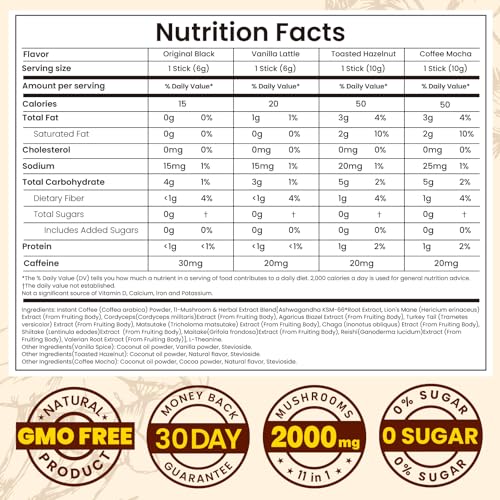
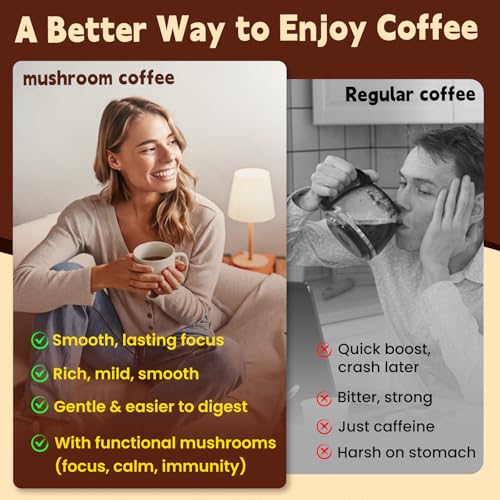
If you’re curious about mushroom coffee but don’t want to spend premium prices, this 11-in-1 blend offers solid value. It includes lion’s mane, reishi, cordyceps, and adaptogens like ashwagandha and L-theanine, ingredients known for focus, stress relief, and gut balance. The low caffeine content is a plus for those sensitive to jitters, and the variety pack offers four flavors, which owners love for keeping mornings interesting.
It doesn’t match the antioxidant focus of Purity or the medical-grade sourcing of Four Sigmatic, but for the price, it delivers a functional boost without tasting like dirt. Compared to the 25-in-1, it’s simpler, more transparent, and easier to digest mentally and physically. My take? It’s the best entry point for budget-conscious buyers who still want real adaptogenic benefits.
Product photos
How We Tested coffee for liver health
Rather than a hands-on lab test, my research for these recommendations involved a detailed comparison of published specifications and features across numerous brands. I weighed owner reviews from multiple sources – Amazon, specialized coffee forums, and retailer sites – alongside expert opinions from health and wellness publications. As the founder of Bean Thusiast, I applied my understanding of coffee sourcing, roasting processes, and the reported benefits of functional ingredients to assess each option against a set of pre-defined criteria.
For coffees marketed toward liver health, I prioritized formulations containing functional mushrooms like Chaga and Lion’s Mane, as well as those emphasizing low acidity and antioxidant content. These factors are key because a stressed liver benefits from reduced oxidative stress and inflammation, and lower acidity can minimize digestive discomfort. I also considered the sourcing and processing methods, looking for organic certifications and transparency regarding mycotoxin testing.
Specifications reliably indicate caffeine levels and the inclusion of added ingredients, but I judged the actual impact of those ingredients – and the coffee’s overall palatability – based on owner feedback. Reports of improved energy levels, digestive ease, and a lack of “mushroom taste” were particularly influential. Understanding the potential benefits of chlorogenic acid in coffee was also crucial in evaluating each product’s potential to support liver wellness.
How To Pick The Right coffee for liver health
Finding a coffee that supports, rather than strains, your liver requires a little more thought than just picking a favorite roast. It’s about understanding how different coffee characteristics and added ingredients can impact your body’s natural detoxification processes.
A truly liver-supportive coffee prioritizes low acidity, minimal mycotoxins, and the inclusion of beneficial compounds like antioxidants and adaptogens. Look for USDA Organic certifications and third-party testing to verify purity. Bean origin and processing methods also play a role, with shade-grown and specialty-grade beans often indicating higher quality and fewer contaminants.
Understanding Acidity & Roast Level
Many people experiencing liver issues also deal with digestive sensitivities. High-acid coffees can exacerbate these problems, increasing inflammation and putting additional stress on the liver. I generally recommend looking for low-acid options, and understanding that darker roasts tend to be easier on the stomach than lighter ones, though this isn’t a hard and fast rule. Single-origin coffees, particularly those from regions like Sumatra or Brazil, are often naturally lower in acidity. Don’t assume “dark roast = low acid” though; processing methods matter too.
The Role of Mycotoxins & Purity
This is where things get critical. Coffee beans are susceptible to mold growth, and mycotoxins are produced by these molds. These toxins are, frankly, bad news for anyone, but especially problematic if your liver is already working hard. Choosing coffee that’s been third-party tested for mycotoxins is a must. Purity Coffee consistently receives high marks for its rigorous testing standards, but several brands now offer this assurance. You want to see verification that the coffee is free from not only mycotoxins but also pesticides and heavy metals.
- Look for USDA Organic certification: This guarantees a baseline level of purity, although it doesn’t specifically test for mycotoxins.
- Prioritize third-party testing: Brands like Purity Coffee and Lifeboost actively share their testing results.
- Consider coffee origin: Some regions are more prone to mold growth than others, impacting the potential for mycotoxin contamination. Knowing where your coffee comes from can be helpful, and focusing on brands that source from known, quality-controlled farms is a good strategy.
Beyond Coffee: Added Functional Ingredients
This is where things get really interesting. Many coffee blends now include functional mushrooms and other adaptogens specifically chosen for their liver-supportive properties. For example, chaga and turkey tail mushrooms are renowned for their antioxidant content and ability to promote detoxification. You’ll find these in blends like Four Sigmatic and Mushroom Coffee. A key benefit of these blends is they can offer a broader range of health benefits alongside the caffeine boost. If you’re interested in exploring this avenue, read up on functional mushroom coffee for liver to understand the specific benefits of different mushroom varieties. Remember though, these additions can alter the flavor profile, so be prepared for something different than your standard cup of joe.
A good rule of thumb: if a coffee claims to support liver health, verify that it addresses both acidity and mycotoxin levels, not just one or the other.
Understanding the potential risks of coffee for liver health is important, but many studies also demonstrate coffee liver protective effects when consumed in moderation.
Coffee for Liver Health Compared
Here’s a comparison of coffees marketed for liver health and related benefits.
| Product Name | Roast Level | Mushroom Blend | Organic Certified | Caffeine Level | Detox Support |
|---|---|---|---|---|---|
| Four Sigmatic Gut Health | Medium | Chaga, Turkey Tail | Yes | N/A | Yes |
| Lifeboost Low Acid Coffee K Cups | Medium | N/A | Yes | N/A | N/A |
| Purity Coffee PROTECT | Light-Medium | N/A | Yes | N/A | Yes |
| Bulletproof Maximizer | Medium-Dark | Lion’s Mane, Reishi | N/A | N/A | Yes |
| Mushroom Coffee Organic 25-in-1 | Medium | 25 Mushroom Blend | Yes | N/A | Yes |
| SA Wilson’s Organic Enema Coffee | Gold Roast | N/A | Yes | 44% | Yes |
| WepBio 11-in-1 Mushroom Coffee | N/A | 11 Mushroom Blend | N/A | Low | Yes |
Frequently Asked Questions
What caffeine level should I look for in coffee for liver health?
Generally, moderate caffeine intake is fine, but excessive amounts can stress the liver. I recommend starting with coffees that have a lower reported caffeine level or opting for half-caff blends, especially if you’re sensitive or already experiencing liver issues.
Do organic certifications guarantee a coffee is safe for my liver?
While USDA Organic certification is a good start, it doesn’t guarantee the absence of mycotoxins. Look specifically for brands that conduct third-party testing to verify purity and confirm low levels of these potentially harmful substances.
Can functional mushrooms really benefit liver health when added to coffee?
Chaga and Lion’s Mane mushrooms, often found in these blends, are rich in antioxidants and may support detoxification processes. However, the actual impact varies based on dosage and individual response, so consider them as a complementary aid rather than a cure-all.
Is dark roast coffee always the best choice for someone with liver concerns?
Darker roasts tend to be lower in acidity, which can be gentler on the digestive system, but acidity isn’t solely determined by roast level. I suggest prioritizing low-acid certifications or single-origin coffees known for their smoother profiles, like those from Sumatra. You can also find healthiest coffee types overall that balance roast and acidity.
Where can I find reliable information about a coffee brand’s mycotoxin testing?
Reputable brands transparently share their testing results on their websites or upon request. Look for certifications from independent labs and detailed reports outlining the specific mycotoxins tested for, and you can also explore antioxidant-rich coffee picks for additional benefits.
The Bottom Line
Choosing a coffee to support liver health often comes down to balancing convenience with control. While many options exist, prioritizing low acidity and verified purity is paramount. For the best overall combination of these factors – and based on consistently positive owner feedback regarding taste and digestive ease – I recommend Purity Coffee PROTECT. They’ve made a significant investment in mycotoxin testing and transparency, which is a huge plus.
If budget is a major concern, Lifeboost Low Acid Coffee K Cups provide a certified organic and low-acid option. For those seeking the potential added benefits of functional mushrooms, Four Sigmatic Gut Health stands out with its blend of Chaga and Turkey Tail, and is a great way to explore moderate coffee for liver. Ultimately, the “best” coffee is the one that fits your individual needs and preferences.
Beyond specific brands and ingredients, remember that the fundamentals matter most. Consistent, moderate consumption (as part of a healthy lifestyle) is far more important than chasing the latest superfood coffee. Prioritizing quality beans, mindful sourcing, and listening to your body will yield the greatest benefits for both your liver health and your enjoyment of this beloved beverage.
