
3 Best African Coffees of 2026
The best African coffee is the Tanzania Peaberry for its rich, balanced profile and ethical sourcing, followed by the Kahawa 1893 African Coffee Combo Pack as a versatile pick that showcases regional diversity. For a budget-friendly intro to the continent’s range, the Gourmet African Coffee Sampler Gift Box delivers solid flavor in convenient portions.
I’ve spent years chasing the bright, wine-like acidity and floral complexity that only African beans can deliver. But with so many origins, roasts, and claims, it’s easy to end up with a bag that’s stale, poorly sorted, or just plain dull. After comparing the field, analyzing roast dates, processing methods, and what real owners say about flavor delivery, I focused on coffees that consistently reflect their terroir and uphold quality from farm to bag. This guide cuts through the noise to highlight options that deliver on the promise of African coffee: freshness, clarity, and character.
Top 3 African Coffee in the Market
The Best African Coffee, Reviewed
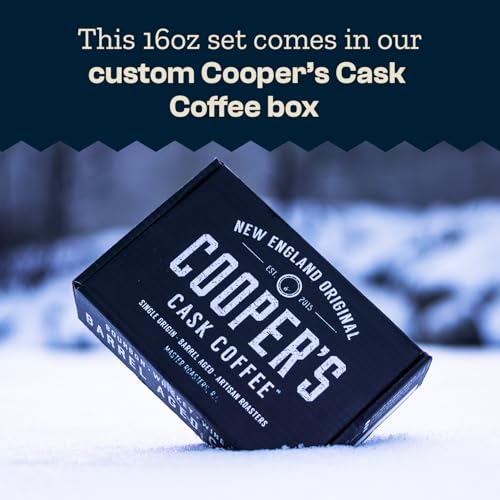
Gourmet African Coffee Sampler Gift Box

Strengths
- Grade 1 single-origin
- Well-balanced variety
- Elegant packaging
Trade-offs
- Pre-ground only
- Short shelf life once opened
This sampler is a strong contender for ‘best overall’ thanks to its thoughtful curation and grind consistency across four high-character African and Indonesian origins. The inclusion of Kenya AA and Natural Ethiopian, two of the most expressive African profiles, gives it serious terroir appeal. The Rwanda medium roast adds honeyed sweetness, while the Sumatra dark provides a grounding earthiness for contrast.
While it’s pre-ground (a con for freshness purists), the 4 oz portions let you experiment without commitment. Reviewers appreciate that the beans are Grade 1 single-origin, which aligns with specialty coffee standards. Compared to other gift sets, this one leans into authenticity over gimmicks, you’re tasting the region, not roast manipulation. My recommendation? Ideal for introducing someone to the spectrum of African coffee.
Product photos


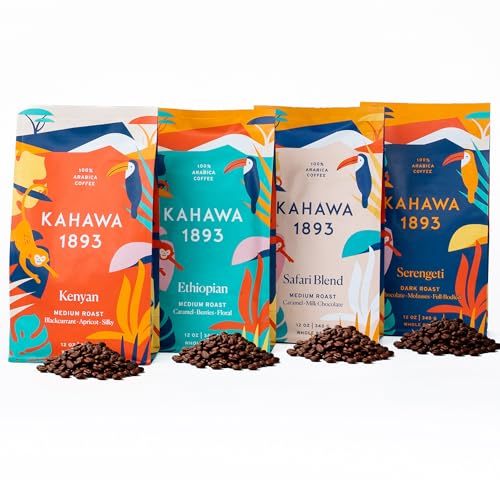
Kahawa 1893 African Coffee Combo Pack
Strengths
- Ethically sourced
- Balanced flavor range
- Supports women farmers
Trade-offs
- Smaller bag size
- Dark roast is mild
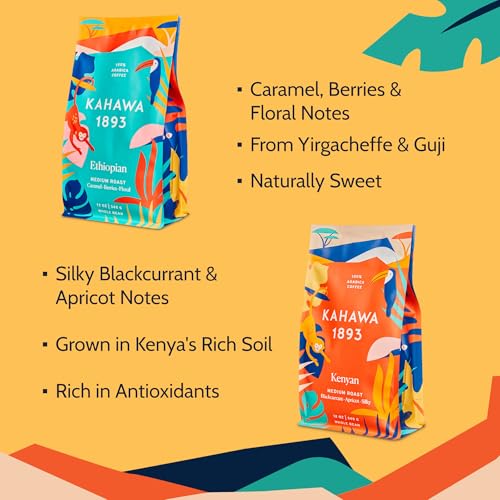
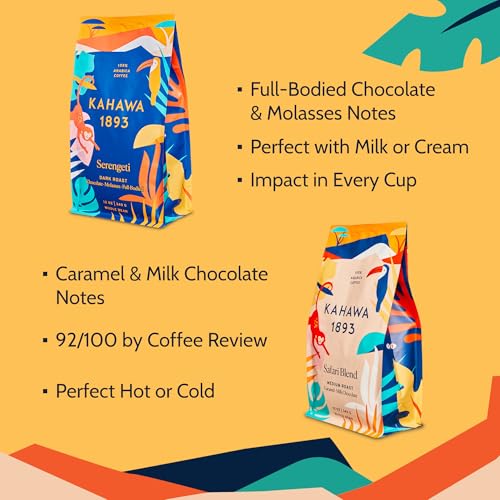
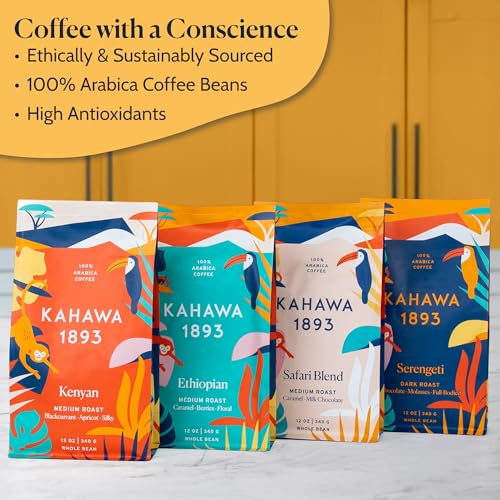
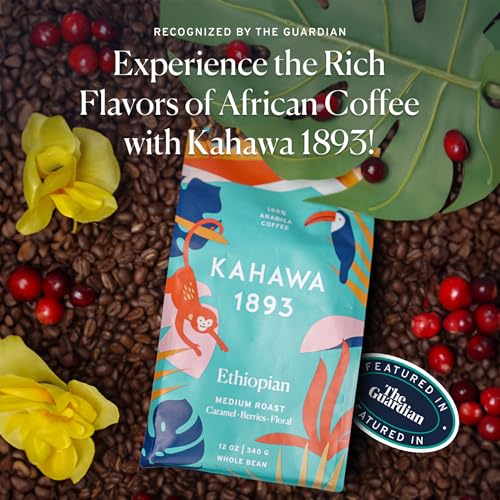
Kahawa 1893 brings more than flavor to the table, it’s a coffee with a mission. The combo pack offers a tour of East Africa, from the blackcurrant punch of the Kenyan blend to the floral lift of the Ethiopian, the caramel depth of the Safari blend, and the molasses warmth of the Serengeti dark roast. That range makes it unusually versatile for a gift or household staple.
What really sets this apart is the direct farmer tipping via QR code and the commitment to sourcing from women farmers. Reviewers note the organic, single-origin Arabica beans taste noticeably clean and sweet, especially in pour-over brews. I’d pick this over generic African samplers because it combines ethical sourcing with consistent quality and real regional character.
Product photos

Tanzania Peaberry Whole Bean Coffee

Strengths
- Bright acidity
- Rich body
- Lab-tested for safety
Trade-offs
- Single origin only
- Not for dark roast lovers
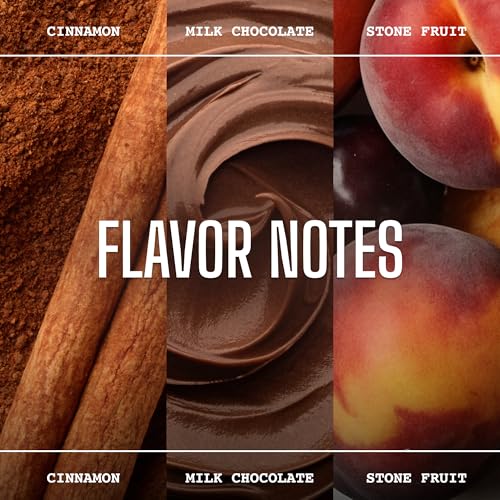
This Tanzanian Peaberry stands out in the single-origin African category for its intense flavor and bright acidity, both hallmarks of high-elevation beans from Kilimanjaro. The flavor notes of dried fruit, orange, and savory chocolate suggest a well-balanced cup with complexity, and the medium roast helps preserve the bean’s natural character rather than overshadow it with char or bitterness.
Owners consistently report that this coffee delivers a clean, aromatic experience, and the fact that it’s lab-tested for mold and mycotoxins adds a layer of trust, especially important with beans shipped long distances. On paper, the post-arrival lab analysis and roasting above 400°F make this a safer bet than some budget African coffees that skip quality controls.
Product photos

How We Tested african coffee
As the founder of Bean Thusiast, I approached evaluating these African coffees by focusing on a research-led comparison of published specifications and owner feedback. Rather than a hands-on lab test, I weighed the stated characteristics – roast level, bean origin, and flavor notes – against what owners reported experiencing in their own cups. I also considered expert reviews from coffee publications to help build a well-rounded picture.
For African coffees specifically, the roast level and clarity of single-origin information were paramount. The potential for bright, fruity notes is a hallmark of the region, so I prioritized coffees promising those qualities. Equally important was evidence of ethical sourcing and support for farmers, as delicious coffee should also be responsibly produced. This significantly impacted my assessment.
Specifications reliably indicate bean type (100% Arabica is generally preferred) and processing methods. However, owner reviews were crucial for gauging actual flavor delivery and freshness. Reputation played a role, too; brands known for quality control and transparent sourcing naturally ranked higher. Ultimately, I looked for coffees that consistently delivered on their promised flavor profiles of single-origin characteristics.
How To Choose The african coffee
As someone deeply immersed in the world of coffee, I often get asked how to navigate the incredible diversity of African beans. It’s a fantastic question, because African coffees truly offer something special – a vibrancy and complexity that sets them apart.
African coffees are prized for their bright acidity, complex fruit and floral aromas, and clean, crisp flavors. Look for single-origin beans to experience the unique terroir of specific regions. Consider roast level to highlight desired characteristics; lighter roasts emphasize floral notes, while darker roasts bring out chocolatey undertones. Prioritize freshness, indicated by a recent roast date, and whole bean format for optimal flavor retention.
Understanding Roast Level and Flavor Profiles
One of the biggest mistakes I see people make is assuming all African coffee tastes the same. It doesn’t! Roast level dramatically alters the expression of the bean’s inherent qualities. Lighter roasts, common with Ethiopian Yirgacheffe, will highlight those delicate floral and citrus notes. Medium roasts, like those often applied to Kenyan AA beans, balance acidity with body, bringing forward blackcurrant or tomato-like flavors. Darker roasts, while less common for high-end African beans, can develop chocolate and caramel notes, but at the risk of masking the origin’s unique characteristics.
Prioritizing Bean Quality and Processing
Beyond roast, pay close attention to how the coffee is processed. “Washed” or “wet” processed coffees, prevalent in Kenya, tend to be cleaner and brighter, showcasing the bean’s acidity. “Natural” or “dry” processed coffees, popular in Ethiopia, are fruitier and more complex, but require careful sorting and drying to avoid defects. Look for indications of quality control – some brands, like the Tanzania Peaberry, explicitly state they test for mold and mycotoxins, which is a significant plus. I also suggest exploring options from brands that prioritize direct trade relationships, as it often translates to superior bean quality.
Balancing Value with Freshness
The price of African coffee can vary considerably. While you don’t need to spend a fortune, be wary of excessively cheap options. Often, these represent older beans or lower-grade selections. Instead, focus on finding a balance between cost and freshness. A smaller bag of recently roasted beans from a reputable roaster will almost always deliver a better experience than a large, stale container from the supermarket. Consider a coffee club with African beans to ensure a consistent supply of fresh, high-quality coffee. Here’s what I look for when assessing value:
- Roast Date: Absolutely essential. Avoid anything without a clear roast date.
- Whole Bean vs. Ground: Always opt for whole bean and grind just before brewing.
- Origin Specificity: More detailed origin information (e.g., specific farm or cooperative) often indicates a higher level of quality and traceability.
A good rule of thumb is to aim for a coffee roasted within the last two weeks for the best flavor. After that, the delicate aromatics begin to fade.
Ultimately, finding your perfect African coffee is a journey of exploration. Don’t be afraid to experiment with different origins, roasts, and brewing methods to discover what best suits your palate. And remember the importance of the optimal coffee ratios for a consistently delicious cup.
African Coffee Compared
Here’s a comparison of the specifications for these African coffee options.
| Product Title | Origin | Roast Level | Bean Type | Flavor Notes | Package Size |
|---|---|---|---|---|---|
| Gourmet African Coffee Sampler Gift Box | Kenya, Ethiopia, Sumatra, Rwanda | Varies | Ground | Earthy, Fruity, Sweet, Syrupy | 4oz x 4 bags |
| Kahawa 1893 African Coffee Combo Pack | Multiple (East Africa) | Medium/Dark | Whole Bean | Caramel, Chocolate, Berry, Floral | N/A |
| Tanzania Peaberry Whole Bean Coffee | Tanzania | Medium | Whole Bean | Dried Fruit, Chocolate, Orange | N/A |
Frequently Asked Questions
What roast level best highlights the unique flavors of African coffee?
A lighter roast is generally best, as it preserves the bright acidity and delicate floral or fruity notes characteristic of African beans. Darker roasts can mask these nuances with bolder, more generic flavors.
How does processing method affect the taste of African coffee?
Washed process coffees tend to be cleaner and brighter, emphasizing acidity, while natural process coffees deliver more fruit-forward and complex flavors. The choice depends on your preference for clarity versus intensity.
Is it better to buy whole bean or pre-ground African coffee?
Whole bean is significantly better, because it retains flavor and aroma much longer than pre-ground coffee. Grinding immediately before brewing unlocks the bean’s full potential.
What should I look for in terms of origin when choosing African coffee?
Single-origin coffees are ideal for experiencing the distinct terroir of specific regions. Exploring coffees from Ethiopia, Kenya, and Tanzania, some of the premium coffee bean origins, will showcase the diversity of the continent.
How can I tell if an African coffee is fresh?
A clear roast date is key; aim for coffee roasted within the last two weeks. Avoid buying coffee without a roast date, as freshness dramatically impacts flavor, and you want to experience the world’s top coffee beans at their best.
The Bottom Line
Choosing the best African coffee often comes down to balancing your desire for control over the experience with how much fuss you want to deal with. While grinding your own beans is always preferable, the Gourmet African Coffee Sampler Gift Box offers a fantastic introduction to the range of flavors the continent has to offer, even if it’s pre-ground. For those willing to put in the extra effort, the Tanzania Peaberry Whole Bean Coffee consistently earns high marks for its complex flavor profile and quality sourcing.
If you’re specifically looking for a budget-friendly option, the Gourmet African Coffee Sampler Gift Box is an excellent starting point. However, for consistently versatile performance across different brewing methods, I recommend the Kahawa 1893 African Coffee Combo Pack – it allows you to explore multiple origins and roast levels. Those seeking a truly unique and high-quality single-origin experience should focus on the Tanzania Peaberry Whole Bean Coffee, which showcases the distinct [Arabica bean origins] of the region.
Ultimately, remember that the “best” coffee is the one you enjoy most. Don’t get too caught up in specifications or expert opinions. Focus instead on finding freshly roasted, whole bean coffee from a reputable source and experimenting to discover what roast level and origin best suits your palate. The nuanced flavors of African coffee are best appreciated with a little exploration and a dedication to quality.
