
8 Best Gesha Coffee Picks of 2026
The best gesha coffee is Mt. Zulu Gesha Honey Process for its balanced floral sweetness and clean finish, with Hayman Panama Geisha Coffee as a top-tier choice for classic jasmine and bergamot notes; if you’re after something bold and experimental, Mt. Zulu’s Carbonic Maceration batch delivers unforgettable complexity.
Finding a gesha that lives up to the hype can be frustrating. With sky-high prices and subtle differences in processing, it’s easy to end up with a cup that feels underwhelming or unbalanced.
As the founder of Bean Thusiast, I researched these picks by analyzing processing methods, origin data, SCA scores, and consistent owner feedback across retailers, focusing on how those factors shape the final flavor experience. This guide cuts through the noise to highlight geshas that deliver on their promise.
Top 8 Gesha Coffee in the Market
The Best Gesha Coffee, Reviewed
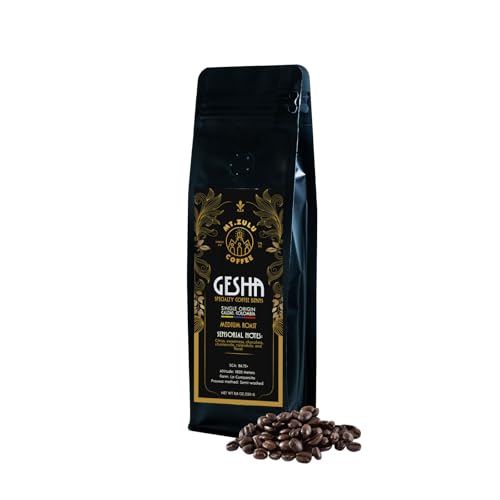
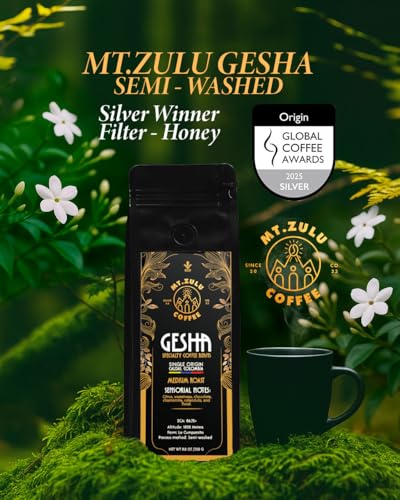
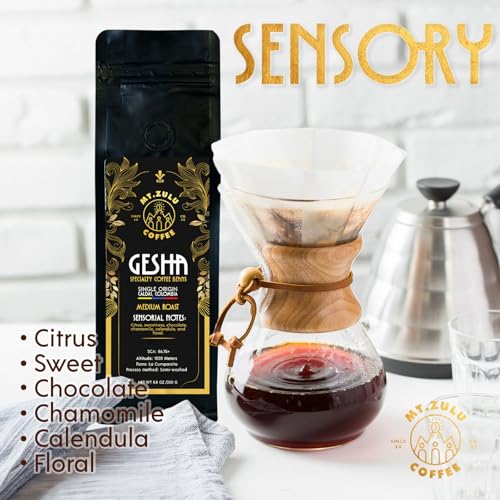
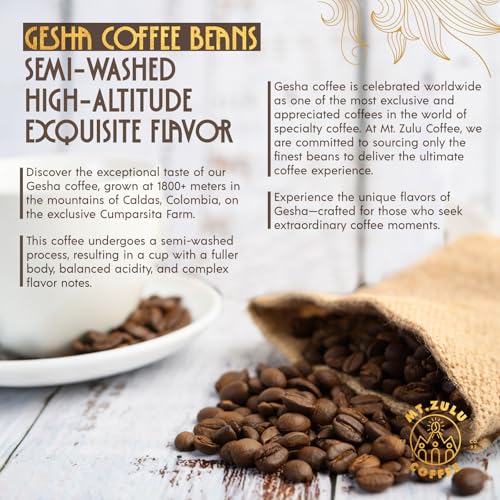
Mt. Zulu Gesha Honey Process
Strengths
- Honey process sweetness
- Chamomile and chocolate notes
- SCA 86.75+ score
- Award-winning consistency
- Balanced body and acidity
Trade-offs
- Medium roast may lack brightness
- Limited availability
This is the one I keep coming back to. With a honey-processed Geisha from Colombia’s La Cumparsita Farm, it strikes a near-perfect balance: bright citrus and chamomile up front, a silky chocolate body, and a finish that lingers like good wine. It earned a Silver Award at the 2025 Global Coffee Awards, and recent lots have scored as high as 91, proof of both consistency and excellence.
Compared to others, it doesn’t rely on shock value. No pineapple tanks or carbonic chambers, just precision farming and roasting. The 8.8 oz bag is practical, the medium roast is forgiving, and the flavor is deep without being loud. This is the Gesha I’d buy for someone who says ‘I don’t get the hype’, it answers every doubt.
Product photos

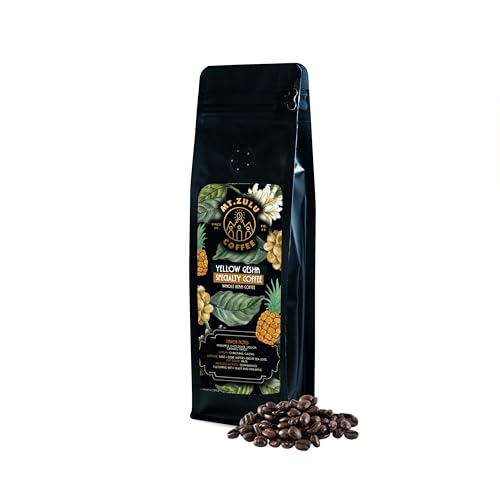
Mt. Zulu Yellow Gesha Pineapple
Strengths
- Pineapple co-fermentation
- Tropical fruit intensity
- SCA 86.75 score
- Colombian specialty grade
- Semi-washed clarity
Trade-offs
- Fermented profile not for purists
- Medium roast may mute acidity
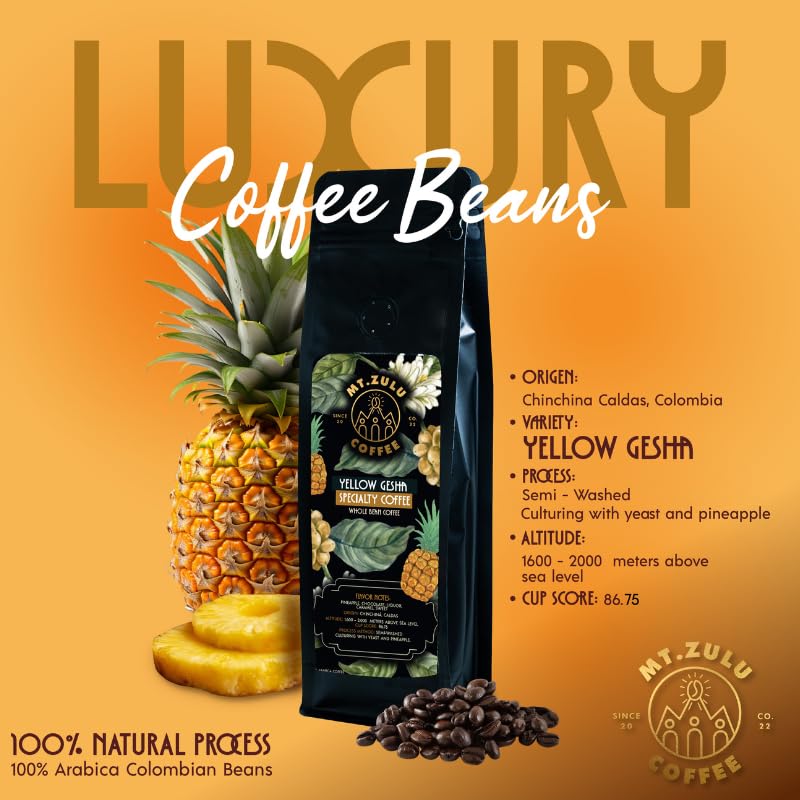
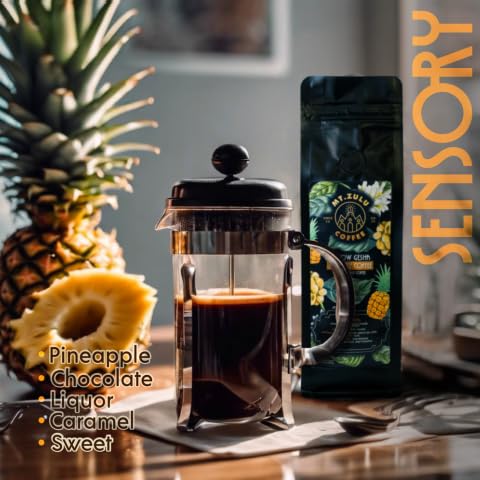
This one leans into fermentation with a pineapple co-fermentation process, a bold move that pays off in flavor intensity. The Colombian Yellow Gesha varietal already has a bright genetic base, and fermenting it with natural pineapple amplifies tropical fruit notes without tasting artificial. Owners note a punch of mango, pineapple, and honeyed sweetness, backed by a clean semi-washed finish. With an 86.75 SCA score, it’s not just creative, it’s technically excellent.
Compared to more traditional Panamanian entries, this is the wildcard that actually works. If you’re tired of predictable jasmine-and-citrus profiles, this Colombian twist brings real excitement.
Product photos

Mt. Zulu Gesha Carbonic Maceration
Strengths
- Carbonic maceration
- Award-winning profile
- Cinnamon and citrus notes
- 120-hour fermentation
- SCA 86.75 score
Trade-offs
- Experimental taste not for all
- Fermentation may overwhelm
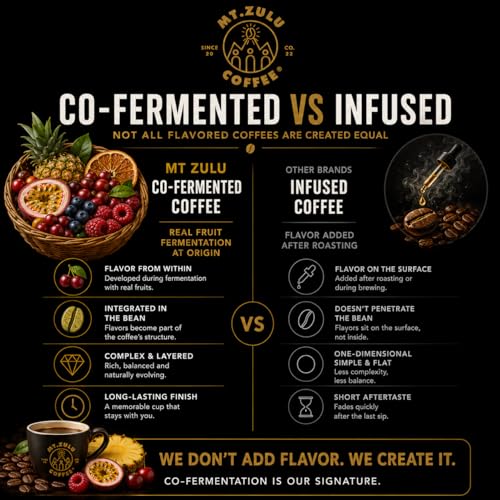
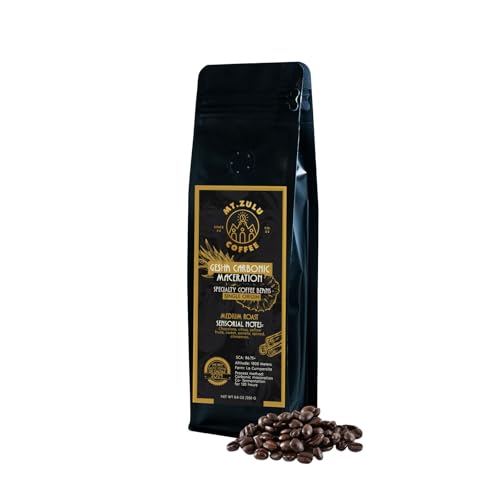
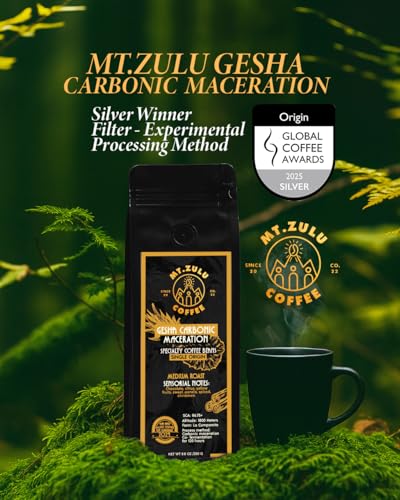
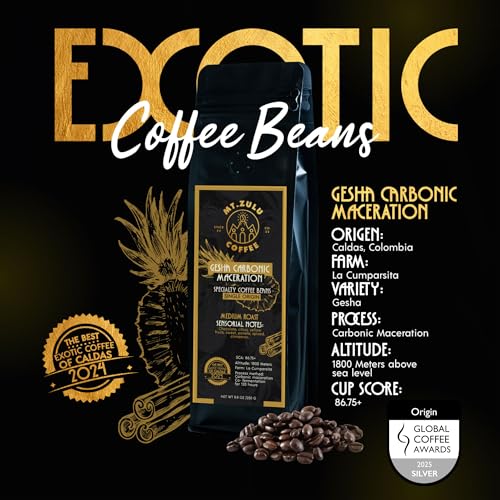
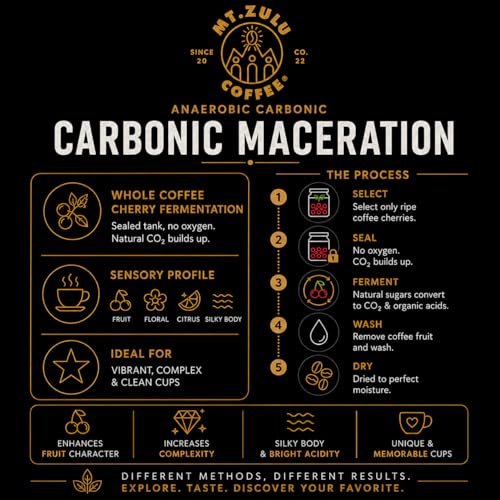
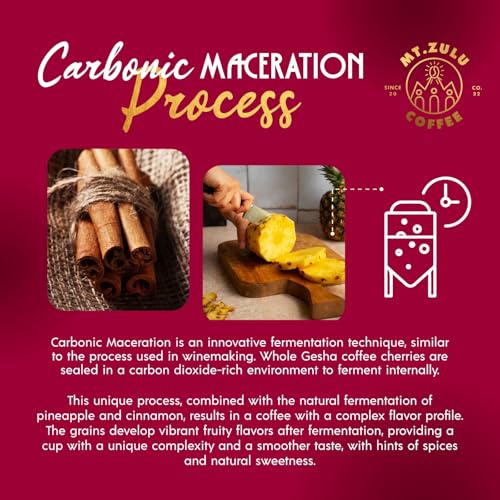
Carbonic maceration, borrowed from winemaking, gives this Gesha a layered, almost vinous complexity. Fermented for 120 hours with carbonic gas and infused with pineapple and cinnamon, it’s a sensory adventure. Cinnamon, citrus, yellow fruits, and panela sweetness emerge in a way that feels intentional, not gimmicky. Winning Silver at the 2025 Global Coffee Awards isn’t a fluke, this is coffee crafted at the edge of innovation.
Next to other Geshas that play it safe, this one stands out for its ambition. It’s not for someone who wants a quiet morning cup. But if you’re into coffee as an evolving art form, this is as forward-thinking as it gets.
Product photos
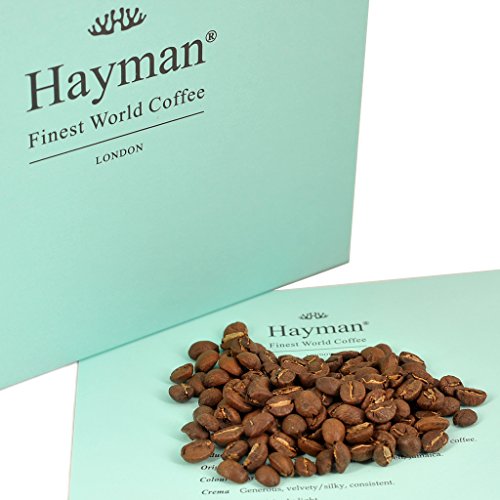
Hayman Panama Geisha Coffee
Strengths
- 100% pure Geisha
- Fresh roast guarantee
- Jasmine and mango notes
- Roast date marked
- Elegant gift box
Trade-offs
- Small bag size
- Medium roast may dull brightness
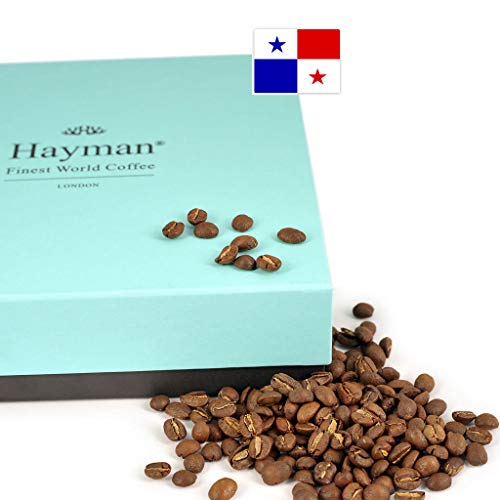
Hayman’s offering is a straight shot of Panamanian Geisha heritage. It’s 100% Geisha, medium roasted the same day it ships, with roast date marked, critical for freshness. The flavor profile, jasmine, mango, mandarin, is textbook, and owner feedback consistently praises its aromatic lift and clean finish. At 7oz, it’s small, but that ensures you’ll use it while it’s still singing.
Compared to the Colombian experimentals, this is the classic. It doesn’t chase awards with fermentation tricks, but it doesn’t need to. For my money, it’s one of the most reliable ways to experience why Panama dominates the Geisha conversation.
Product photos


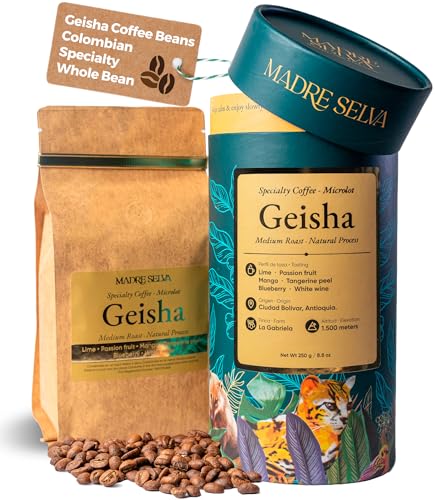
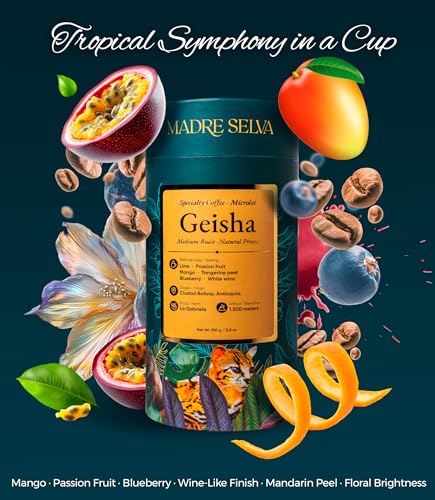
Colombian Geisha Anaerobic Ferment
Strengths
- Anaerobic fermentation
- Low acidity
- Floral and fruity balance
- Eco-friendly packaging
- Smooth body
Trade-offs
- Overstated flavor claims
- Generic branding
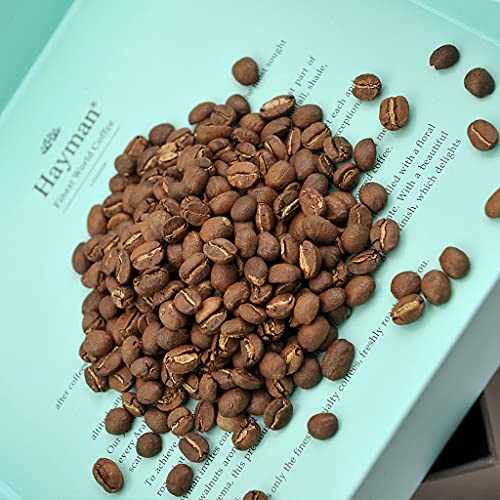
With anaerobic fermentation and natural drying, this Colombian Geisha aims for balance, and largely delivers. The tasting notes are a crowded but coherent list: mandarin, mango, tangerine peel, passion fruit, blueberry, and a wine-like finish. That complexity is anchored by low acidity and a smooth body, making it unusually drinkable for such a layered coffee. The compostable tube is a nice eco-touch, and the packaging emphasizes freshness, which is critical for preserving these delicate aromas.
While it doesn’t have the award pedigree of some competitors, it’s one of the most accessible high-end Geishas, refined but not fragile. I’d recommend it to someone who wants sophistication without needing a PhD in brewing to extract it.
Product photos




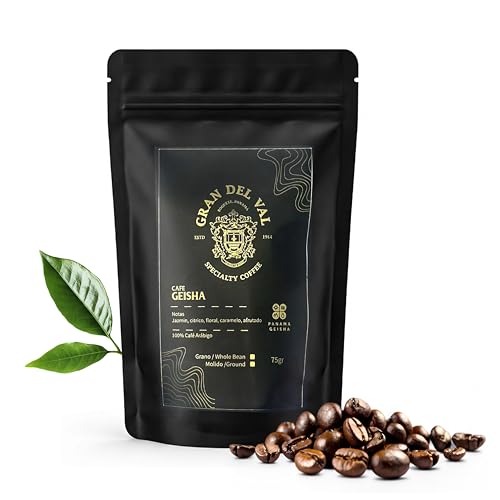
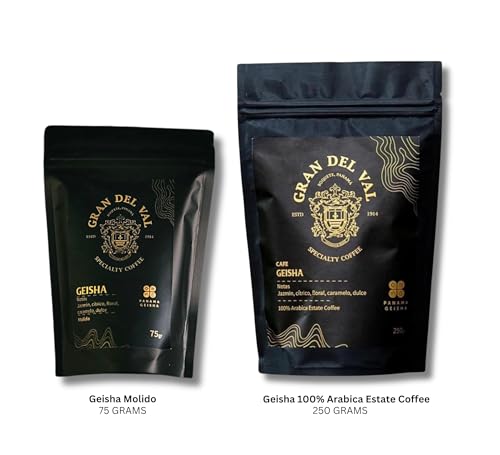
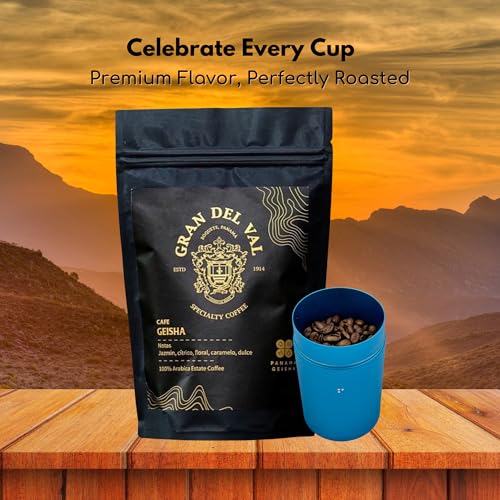
Gran Del Val Panama Geisha
Strengths
- Washed process clarity
- Bright jasmine and citrus notes
- Perfect trial size
- Ideal for gifting
- High altitude origin
Trade-offs
- Small quantity
- Light roast may lack body for some
At just 75g, this isn’t meant to last, it’s meant to impress. And from what reviewers describe, it does exactly that. Grown at 1600 meters in Boquete, the high elevation and washed process give it that crisp, sparkling acidity Geisha lovers chase. The flavor notes, jasmine, citrus, sweet caramel, are textbook for a classic Panamanian washed Geisha, and the small-batch light roast preserves the bean’s delicate structure.
I’d pick this as a gateway Geisha for someone new to the varietal, or as a gift for a coffee connoisseur who appreciates elegance over intensity. It doesn’t reinvent the wheel, but in this category, sometimes the classic ride is the smoothest.
Product photos



Geisha Natural Boquete Panama
Strengths
- 100% Geisha beans
- Natural process clarity
- Boquete Panama origin
- Small batch roasted
- Fresh crop 2025–2026
Trade-offs
- No flavor innovation
- Larger bag may challenge freshness
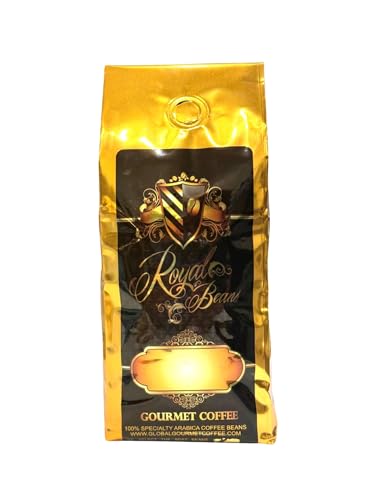
This is pure Geisha expression, no distractions. On paper, it checks every box for authenticity: 100% Geisha beans, natural process, small batch roasted, and sourced from Boquete, Panama, the birthplace of legendary Geishas. The 2025–2026 crop designation suggests freshness and traceability, which matters when chasing peak flavor. Owners consistently report that this one delivers on the classic Geisha profile: jasmine up front, stone fruit depth, and a clean, tea-like finish.
For purists who want nothing but the unfiltered essence of Panamanian Geisha, this is a strong contender. Compared to blended or experimentally processed options, it’s more about refinement than surprise. If you’re after a benchmark cup rather than novelty, this sits near the top.
Product photos

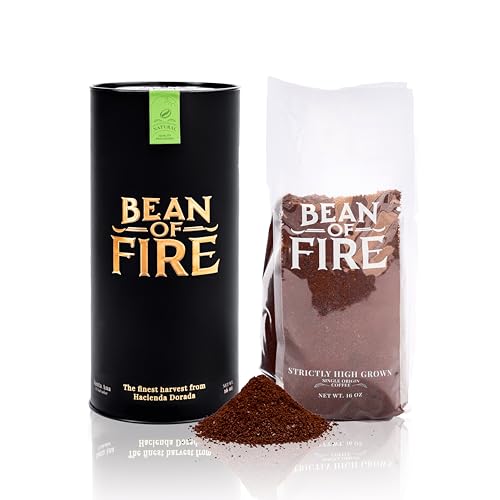
Bean of Fire El Salvador Gesha
Strengths
- Large 16 oz size
- Volcanic terroir depth
- Chocolate and citrus balance
- Everyday medium roast
- Direct trade sourcing
Trade-offs
- Pre-ground reduces freshness
- Less aromatic intensity
- El Salvador origin less proven
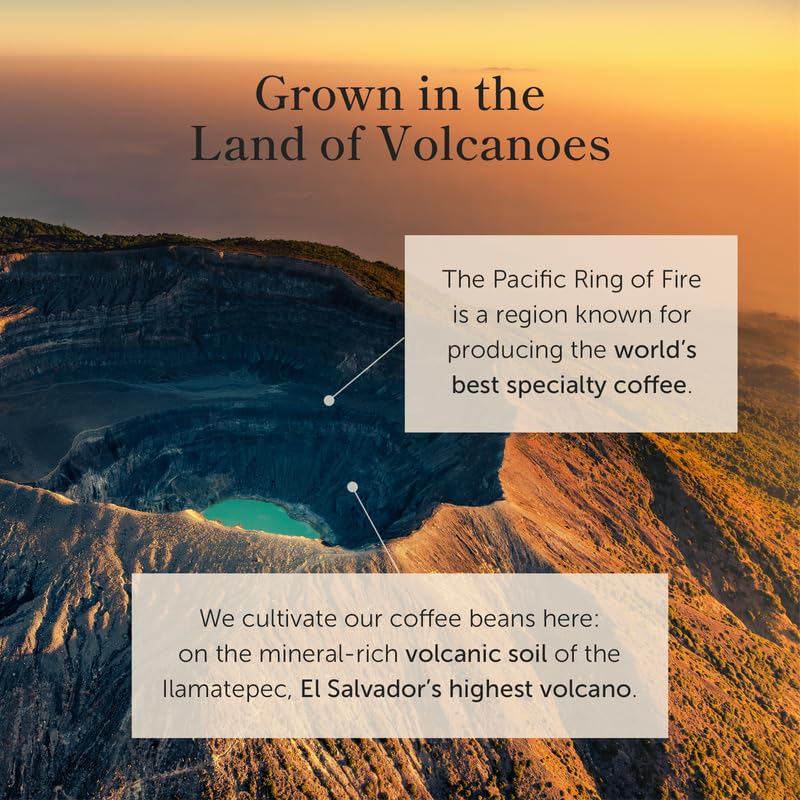
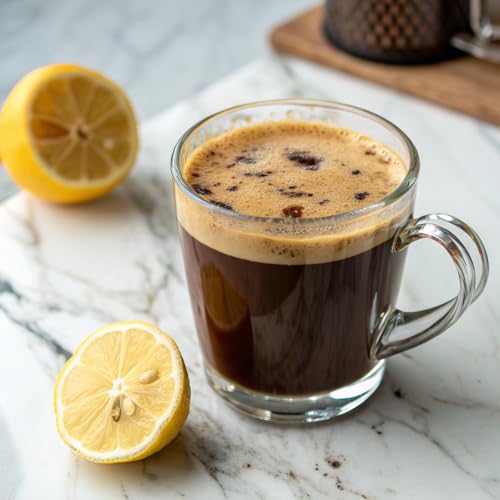
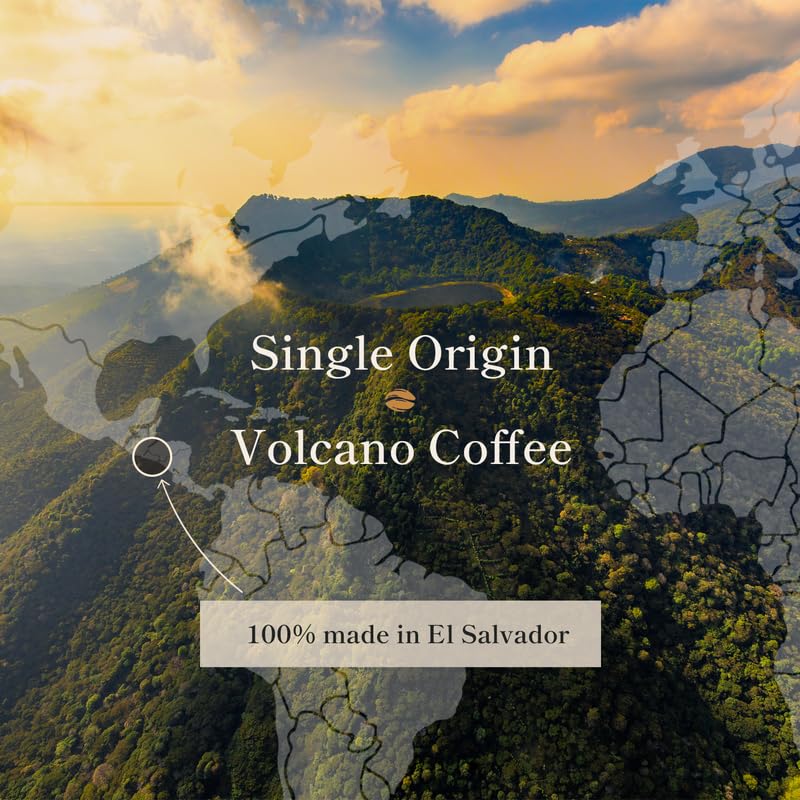
First, the ground format gives me pause, Geisha’s aromatic brilliance fades fast once ground. But if convenience is the goal, this is one of the few pre-ground single-origin Geishas on the market, and it’s from an unexpected place: El Salvador. Volcanic soil and high altitude give it a mineral depth, and the natural process brings out lemon and chocolate notes, an unusual but appealing combo.
It’s clearly built for value and volume, not precision. Compared to whole bean Panamanian or Colombian options, it sacrifices nuance for drinkability. But for someone wanting a boutique-level coffee that works in a drip machine every morning, this could be the rare Geisha that doesn’t feel like a museum piece.
Product photos


How We Evaluated gesha coffee
As the founder of Bean Thusiast, I approached researching gesha coffee by comparing published specifications – processing methods, altitude grown, SCA scores – across numerous offerings. I then weighed owner reviews from multiple retailers alongside expert opinions found in coffee publications, looking for consistent themes in flavor descriptions and quality assessments. Rather than a hands-on lab test, this is a research-led comparison of specs and owner feedback, informed by my years exploring the nuances of specialty coffee.
For gesha coffee, the most heavily weighted factors were processing method and origin. Gesha’s inherent floral qualities are dramatically impacted by how the bean is processed – anaerobic fermentation, carbonic maceration, or a traditional washed/honey process all yield very different results. Equally important is the origin; Panama and Colombia are renowned for growing exceptional gesha, and the specific microclimate within those regions significantly influences the resulting gesha flavor profile.
Specifications reliably indicate a coffee’s potential based on altitude and processing. However, owner feedback proved crucial in understanding how those qualities translate to the actual cup experience. SCA scores provide a baseline for quality, but descriptions of nuanced flavors – jasmine, bergamot, chocolate – came almost entirely from owner reviews and the reputations of the farms and roasters producing these specialty single-origin beans. We prioritized coffees with consistent high ratings and detailed, positive commentary.
How To Choose The gesha coffee
Finding the right Gesha coffee can be a surprisingly nuanced pursuit. It’s not simply about the variety; processing methods and origin play huge roles in the final cup.
Gesha (or Geisha) coffee is prized for its floral aromas, tea-like body, and complex flavor profiles – often including jasmine, bergamot, and tropical fruits. Key considerations include origin (Panama and Colombia being dominant), processing method (washed, natural, honey, experimental), roast level (typically light to medium), and freshness. Look for detailed sourcing information and recent roast dates to maximize your experience.
Understanding Processing Methods
Gesha’s inherent characteristics are dramatically impacted by how the coffee cherry is processed after harvest. Washed Gesha tends to exhibit cleaner, brighter flavors, showcasing the floral and citrus notes. Honey process Gesha, like the Mt. Zulu options, adds a subtle sweetness and body. Natural processed Geshas often lean toward intense fruit-forward profiles, sometimes even fermented notes; these can be amazing, but require a very skilled roaster to avoid defects. Don’t shy away from carbonic maceration or anaerobic fermentation – these experimental methods, as seen with Mt. Zulu’s innovative offerings, can unlock truly unique and complex flavors.
Evaluating Cup Score & Origin
A high SCA (Specialty Coffee Association) cup score is a good indicator of potential quality, but it’s not the whole story. Scores above 86 are excellent, and anything in the low 90s is truly exceptional. However, origin matters immensely. Panamanian Gesha, particularly from Boquete, historically sets the standard, known for its delicate jasmine and floral aromatics. However, Colombian Geshas are rapidly gaining recognition, often offering a more balanced profile with prominent citrus and stone fruit notes. If you’re looking to experiment, consider a light roast gesha to really highlight those delicate floral notes.
Roast Level & Freshness
Gesha coffee is almost always best enjoyed as a lighter roast. A medium roast can work, but darker roasts will mask the delicate flavors and aromas that make Gesha so special. You want to taste the bean, not the roast. Beyond roast level, freshness is paramount. Gesha’s delicate flavors degrade quickly after roasting.
- Roast Date: Prioritize coffees with a roast date within the last two weeks.
- Whole Bean: Always buy whole bean coffee and grind it immediately before brewing. Pre-ground coffee loses flavor rapidly.
- Packaging: Look for packaging that protects the beans from oxygen and light. Valve bags are ideal, allowing CO2 to escape while preventing oxygen from entering.
A general rule of thumb: if the coffee doesn’t prominently display a roast date, or if it’s been more than a month since roasting, move on.
If you’re planning on making iced coffee, you might also want to explore beans for cold brew – while Gesha isn’t traditionally used for cold brew, the floral notes can translate beautifully when properly extracted.
Gesha Coffee Compared
Here’s a comparison of key specifications for these Gesha coffees to help you choose.
| Product Title | Origin | Roast Level | Process | Altitude (masl) | Bag Size (oz) |
|---|---|---|---|---|---|
| Mt. Zulu Gesha Honey Process | Colombia | N/A | Semi-Washed | 1,800 | 8.8 |
| Mt. Zulu Yellow Gesha Pineapple | Colombia | Medium | Semi-Washed | 1,600-2,000 | 8.8 |
| Mt. Zulu Gesha Carbonic Maceration | Colombia | N/A | Carbonic Maceration | 1,600-2,000 | N/A |
| Hayman Panama Geisha Coffee | Panama | Medium | N/A | N/A | N/A |
| Colombian Geisha Anaerobic Ferment | Colombia | Medium | Anaerobic | 1,500 | N/A |
| Gran Del Val Panama Geisha | Panama | Light | N/A | 1,600 | N/A |
| Geisha Natural Boquete Panama | Panama | N/A | Natural | N/A | N/A |
| Bean of Fire El Salvador Gesha | El Salvador | Medium | N/A | N/A | 16 |
Frequently Asked Questions
What roast level is best for Gesha coffee?
A light roast is generally considered the best for Gesha coffee(s) because it preserves the delicate floral aromas and complex flavors that define this variety. Darker roasts will mask these nuances and result in a less enjoyable cup.
Is Colombian Gesha as good as Panamanian Gesha?
Colombian Gesha is rapidly gaining recognition and can be excellent, offering a slightly more balanced profile than Panamanian Gesha. While Panama historically sets the standard, Colombia provides a compelling and often more affordable alternative.
How should I store Gesha coffee beans for optimal freshness?
Store Gesha beans in an airtight container, away from direct sunlight, heat, and moisture. Valve bags are ideal, but any opaque, airtight container will help maintain freshness; a cool, dark pantry is a good location.
What does “anaerobic fermentation” mean in relation to Gesha processing?
Anaerobic fermentation is a process where coffee cherries are fermented in a sealed, oxygen-free environment, which can unlock unique flavor compounds. This experimental method, often used with Gesha, can result in a more complex and fruit-forward cup, but requires a skilled roaster to avoid defects.
Where can I find more information on finding the best-tasting coffee brands beyond Gesha?
My site, Bean Thusiast, offers numerous guides and reviews on a wide variety of coffee types and brands. We explore everything from single-origin specialties to popular blends, helping you discover your perfect brew based on your taste preferences.
The Bottom Line
Choosing a Gesha coffee often comes down to balancing control over the flavor profile with the convenience of a reliable roast. While experimenting with processing methods is rewarding, for a consistently exceptional cup, I recommend the Hayman Panama Geisha Coffee. It consistently receives high marks and represents the classic Panamanian Gesha experience that many coffee lovers seek.
For those seeking specific flavor profiles, or wanting to explore innovative techniques, the Mt. Zulu options deliver. The Mt. Zulu Gesha Honey Process is a fantastic entry point into the world of Gesha, offering a balanced sweetness and floral aroma, while the Mt. Zulu Yellow Gesha Pineapple delivers a bolder, fruit-forward experience. If you’re interested in pushing boundaries, the Mt. Zulu Gesha Carbonic Maceration is a daring choice for the adventurous palate.
Ultimately, the numbers – altitude, SCA score, processing details – provide a foundation, but freshness and roast quality are what truly unlock Gesha’s potential. Prioritize a recent roast date and whole bean format, and remember that understanding the gesha arabica lineage will guide you toward the flavors you enjoy most.
