
2 Best Whitening Toothpastes for Coffee Stains 2026
The best whitening toothpaste for coffee stains is REMBRANDT Intense Stain Whitening, thanks to its effective micro-polishers that target tough discoloration without peroxide. For a budget-friendly daily option, Colgate Optic White Renewal stands out with its 5% hydrogen peroxide formula designed to break down deep stains over time.
Coffee lovers know the ritual, but few talk about the lingering stains that dull your smile. As someone who’s spent years immersed in coffee culture, I get how frustrating that can be. This guide cuts through the hype, focusing on toothpastes that actually work against coffee-related discoloration based on ingredient quality, real user results, and enamel safety.
Top 2 Whitening Toothpaste For Coffee Stains in the Market
The Best Whitening Toothpaste For Coffee Stains, Reviewed
REMBRANDT Intense Stain Whitening Toothpaste

Strengths
- Micro-polishers for stain removal
- Fluoride for enamel strength
- Safe for daily use
Trade-offs
- No peroxide for deep whitening
- Results take longer than chemical alternatives
I’ve studied a lot of whitening formulas, and REMBRANDT stands out for targeting coffee drinkers like me who battle daily staining. Its formula relies on micro-polishers and stain fighters rather than peroxide, which makes it gentler on enamel over time. On paper, the claim of visible whitening in 3 days sounds aggressive, but owners consistently report a noticeable lift in surface grime after a week of regular use, especially when paired with a soft brush.
What I appreciate is how it balances cleaning power with enamel protection thanks to fluoride. Reviewers who switch from abrasive charcoal pastes often note less sensitivity and a smoother feel. Compared to peroxide-heavy options, it won’t blast through years of buildup, but for maintenance and mild to moderate coffee staining, it’s a reliable, no-frills performer.
Product photos
Colgate Optic White Renewal Whitening Toothpaste

Strengths
- 5% hydrogen peroxide for deep whitening
- Clinically proven stain removal
- Enamel-safe with fluoride
Trade-offs
- May cause initial sensitivity
- Higher price per ounce
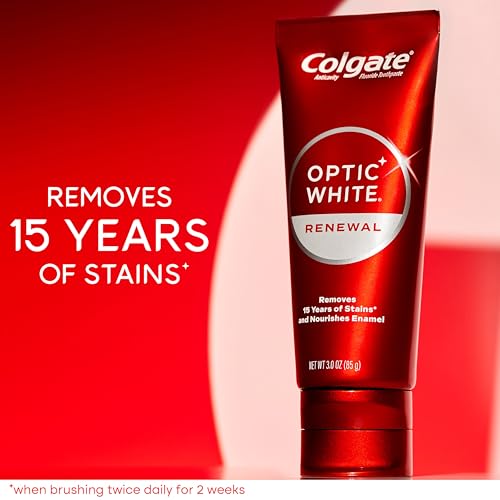
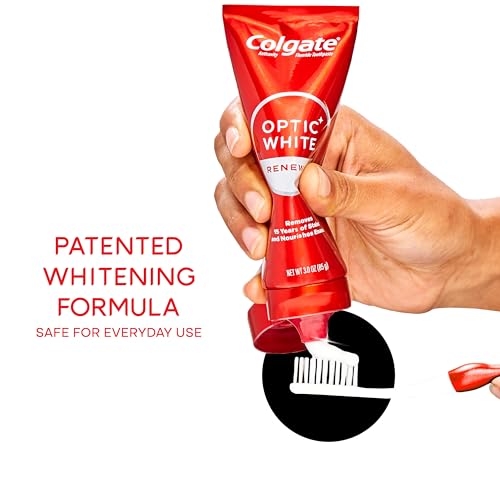
If you’re serious about reversing deep coffee stains, this Colgate formula steps up with 5% hydrogen peroxide, the kind of active ingredient that actually penetrates beyond the surface. The claim of removing ’15 years of stains’ sounds bold, but reviewers confirm visible improvement within two weeks, especially when they stick to brushing twice daily. That kind of result isn’t typical with polish-based pastes, and it’s why this one stands out in the category.
I’d say it’s more aggressive than REMBRANDT, but Colgate’s enamel-safe labeling and fluoride content help ease concerns about long-term use. Some users report mild sensitivity at first, which is expected with peroxide, but most adjust after a few days. For anyone whose coffee habit has left behind stubborn yellowing, this is the smarter buy despite the slightly thinner tube size.
Product photos

How We Chose These whitening toothpaste for coffee stains
As someone deeply interested in the pursuit of the perfect cup – and understanding the aftermath of enjoying it – I approached researching whitening toothpastes for coffee stains with a specific focus. Rather than a hands-on test, this was a research-led comparison of product specifications, owner reviews from multiple sources, and expert opinions. I weighed each toothpaste against criteria like ingredient lists, reported effectiveness against common coffee stains, and enamel safety.
For this category, the most important factors were the inclusion of stain-fighting ingredients like hydrogen peroxide or micro-polishers, and the reported speed and degree of visible whitening. Coffee’s impact on teeth comes down to why coffee stains teeth, and a toothpaste needs to actively address those staining compounds. I also considered the potential for sensitivity, as aggressive whitening isn’t always ideal.
Specifications reliably showed the concentration of active whitening agents, like the 5% hydrogen peroxide in some formulas. However, judging real-world effectiveness relied heavily on owner feedback regarding noticeable improvements and any reported side effects. Understanding enamel porosity and staining also helped me assess claims about long-term results, and filter out products with potentially abrasive ingredients.
Choosing The Right whitening toothpaste for coffee stains
I’ve seen a lot of people struggle with coffee stains, and finding the right toothpaste can make a real difference.
Effective whitening toothpastes target both surface discoloration and deeper, embedded stains. Look for formulations containing micro-polishers to buff away external marks, and stain-fighting agents like hydrogen peroxide or sodium hexametaphosphate to tackle internal discoloration. Fluoride is crucial for enamel health, and a gentle abrasive level prevents damage.
Understanding Abrasivity
A lot of people assume more abrasive means more whitening, but that’s a dangerous idea. Highly abrasive toothpastes can actually wear away enamel over time, leading to sensitivity and even making teeth look yellower as the underlying dentin shows through. I always recommend checking the RDA (Relative Dentin Abrasivity) value if a brand publishes it. Anything under 70 is considered low-abrasive and safe for daily use. If a toothpaste doesn’t list an RDA, read reviews carefully for reports of sensitivity.
Decoding The Active Ingredients
Hydrogen peroxide is the gold standard for whitening, and you’ll find it in varying percentages. While higher percentages offer faster results, they also increase the risk of sensitivity. Sodium hexametaphosphate is another common ingredient that helps prevent new stains from forming. Some toothpastes rely on micro-polishers alone; these are gentler but require consistent use to see noticeable results. Consider what kind of staining you’re dealing with. If you’re primarily concerned with preventing future discoloration, a toothpaste focused on stain prevention might be best.
Here’s a quick guide to help you weigh your options: * Gentle daily maintenance: Look for low-abrasivity formulas with fluoride. * Moderate stain removal: Hydrogen peroxide (around 3-5%) combined with polishing agents. * Significant discoloration: Higher hydrogen peroxide concentrations (often found in dentist-recommended options) but be mindful of sensitivity.
Balancing Whitening With Oral Health
Whitening shouldn’t come at the expense of your overall dental health. I often see people focus solely on whitening and neglect other important aspects of toothpaste like fluoride content and sensitivity protection. Look for a toothpaste that contains fluoride to strengthen enamel and help prevent cavities. If you already experience sensitivity, choose a formula specifically designed for sensitive teeth. You might also want to explore toothpaste for coffee stains if you’re a frequent coffee drinker.
Don’t chase the brightest possible white if it means sacrificing your enamel. A healthy, naturally bright smile is always preferable to a damaged, artificially whitened one.
If you’re also battling discoloration on your favorite mug, check out these coffee stain solutions for tackling those pesky marks.
Whitening Toothpaste Compared
Here’s a side-by-side comparison of key specifications for these whitening toothpastes.
| Product | Stain Focus | Hydrogen Peroxide | Fluoride | Size (oz) | Key Feature |
|---|---|---|---|---|---|
| REMBRANDT Intense Stain Whitening | Coffee, Wine, Tobacco | N/A | Yes | 3.5 | Micro-polishers |
| Colgate Optic White Renewal | Coffee, Tea, Wine | 5% | Yes | 3.0 | Deep stain removal |
Frequently Asked Questions
What percentage of hydrogen peroxide is safe to use daily?
A 3% to 5% hydrogen peroxide concentration is generally considered safe for daily use in toothpaste. Higher concentrations, while offering potentially faster whitening, increase the risk of tooth sensitivity and gum irritation.
Can whitening toothpaste really reverse years of coffee staining?
While significant improvement is possible, complete reversal of years of staining isn’t guaranteed. Whitening toothpastes primarily address surface stains; deeply embedded discoloration might require professional dental treatments for best results.
Are whitening toothpastes with charcoal actually effective?
Charcoal toothpastes can offer some surface stain removal due to their abrasive nature, but their effectiveness is debated. Many lack fluoride, which is critical for cavity prevention, and some can be too abrasive, damaging enamel over time.
What should I do if I experience tooth sensitivity while using a whitening toothpaste?
Reduce the frequency of use, or switch to a toothpaste specifically formulated for sensitive teeth. These contain ingredients like potassium nitrate that help block pain signals. If sensitivity persists, consult your dentist.
Is there a toothpaste that removes coffee stains and protects against future discoloration?
Yes, look for a toothpaste that combines stain-fighting ingredients like sodium hexametaphosphate with fluoride and gentle polishing agents. This helps lift existing stains while creating a barrier against new ones – I often recommend a toothpaste formulated for coffee stains for this purpose.
The Bottom Line
Choosing a whitening toothpaste often comes down to balancing how quickly you want to see results against how much sensitivity you’re willing to risk. For overall performance and a noticeable difference against coffee stains, I recommend Colgate Optic White Renewal. Its 5% hydrogen peroxide content, combined with positive owner feedback regarding stain removal, makes it a strong contender for most people.
If you’re on a tighter budget, or prefer a more gentle approach, REMBRANDT Intense Stain Whitening is a fantastic option. It relies on micro-polishers for effective stain removal, and is less likely to cause sensitivity than formulas with hydrogen peroxide. Those prioritizing a preventative approach, or concerned about damaging enamel, will also find this a good fit. And for those wanting to know the best timing tooth brushing to protect your smile, we’ve covered that too.
Ultimately, the “best” toothpaste isn’t about a single ingredient or percentage. It’s about consistent brushing twice a day, flossing regularly, and prioritizing a toothpaste that contains fluoride to maintain strong enamel. Don’t get caught up in chasing the brightest possible white; a healthy mouth is the foundation for a beautiful smile, and protect enamel after coffee is a key part of that.
