
9 Best Nicaraguan Coffees of 2026
The best Nicaraguan coffee overall is Volcanica Nicaragua Jinotega, a medium roast that delivers bright acidity and layered notes of chocolate, lemon, and honey. For a budget-friendly option, Amazon Fresh Nicaragua offers a solid, chocolate-forward cup. If you want maximum impact, Tiny Footprint Nicaragua combines dark roast depth with Fair Trade and organic certifications.
Most people don’t realize how much variation exists within Nicaraguan coffee. It’s not just one flavor, it’s a range shaped by region, altitude, and how the beans are processed. You can end up with something bright and citrusy or deep and chocolatey, depending on what you choose.
This guide cuts through the noise. I looked at flavor clarity, sourcing practices, roast transparency, and real-world feedback to find the standout options. These picks reflect what matters most: a great-tasting cup that respects the farmers who grew it.
Top 9 Nicaraguan Coffee in the Market
The Best Nicaraguan Coffee, Reviewed
Volcanica Nicaragua Jinotega Whole Bean

Strengths
- Complex flavor
- Large 16 oz bag
- Lab tested for safety
- Medium roast balance
- Great body
Trade-offs
- Slight price premium
- Not organic certified
- Roast not adjustable
Volcanica’s Jinotega beans are a textbook example of why Nicaraguan coffee deserves more attention. With cup notes of chocolate, lemon, plum, and honey, this medium roast walks a tightrope between brightness and body, and owners say it lands gracefully every time. The 16-ounce bag is generous, and the company’s commitment to mold and mycotoxin testing adds a layer of trust that few competitors match.
What really sets this apart is how it brews: clean, balanced, and adaptable. Whether you’re using a French press or a V60, it holds its own. Compared to the PURE EARTH or Candy Tiger options, it offers more dimension without being overwhelming. For my money, this is the most complete package on the list, not the most ethical, not the cheapest, but the one most likely to impress across the board. My recommendation for anyone wanting a benchmark Nicaraguan coffee.
Video review
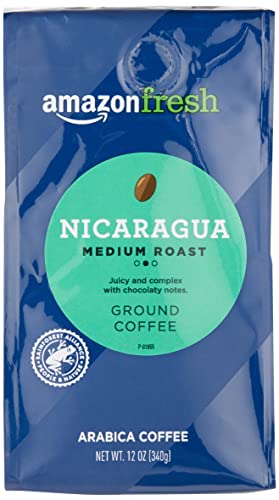
Amazon Fresh Nicaragua Medium Roast Ground
Strengths
- Affordable
- 100% Arabica
- Single origin
- Consistent grind
- Easy to find
Trade-offs
- Pre-ground = stale faster
- Lacks complexity
- Not for whole bean purists
This is the quiet workhorse of the list. As an Amazon brand, it’s priced to move, and it delivers a surprisingly clean, subtle complexity for a pre-ground option. The chocolatey notes are mild but present, and since it’s 100% Arabica and single origin, it avoids the cardboard taste that plagues so many budget grinds.
But let’s be honest: ground coffee is a compromise. Once it’s out of the bag, flavor degrades fast. Owners who use it quickly report solid results, especially in drip machines, but those grinding fresh will notice the difference immediately. Compared to the Volcanica or Groundwork beans, it’s flatter and less vivid. Still, for someone who values convenience and low cost over peak freshness, this is the smarter budget play.
Video review
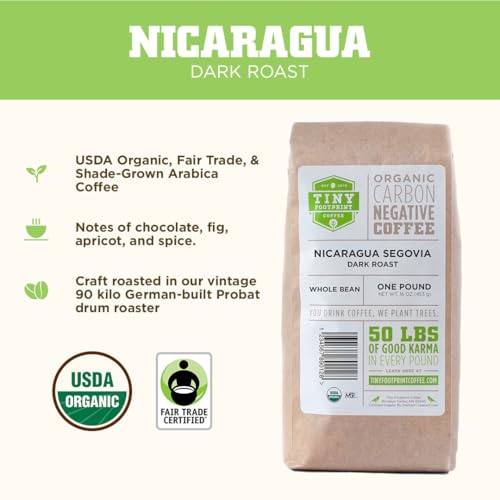
Tiny Footprint Nicaragua Dark Roast Whole Bean

Strengths
- Carbon negative
- Fair Trade + Organic
- Shade-grown
- Bright dark roast
- Supports reforestation
Trade-offs
- Strong roast may overwhelm
- Not for light roast fans
- Limited availability
This coffee isn’t just ethical, it’s aggressively so. Carbon negative? Reforestation in Ecuador funded per pound sold? That’s not common, and it gives Tiny Footprint a moral edge that even Fair Trade labels alone can’t match. The beans are USDA Organic, shade-grown, and sourced from PRODECOOP, a co-op known for lifting farming communities.
Flavor-wise, it’s a sultry dark roast with chocolate and spice, plus surprising brightness, apricot and fig notes peek through, which is rare for a dark roast. Owners say it brews a full-bodied cup without bitterness, and that tracks with its small-batch roasting on a vintage Probat. Compared to Gobena’s bulk dark roast, it’s more refined and environmentally ambitious. I’d pick this over others not just for taste, but for the statement it makes.
Product photos



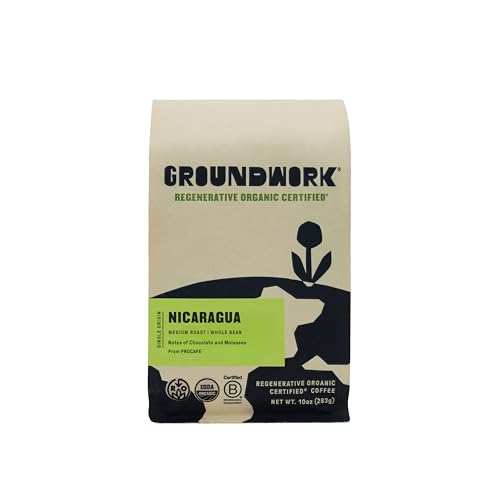
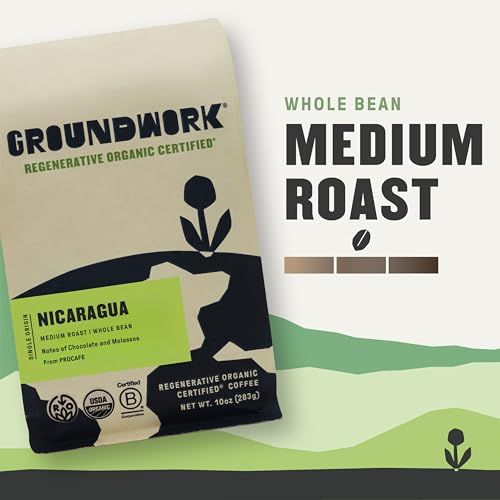
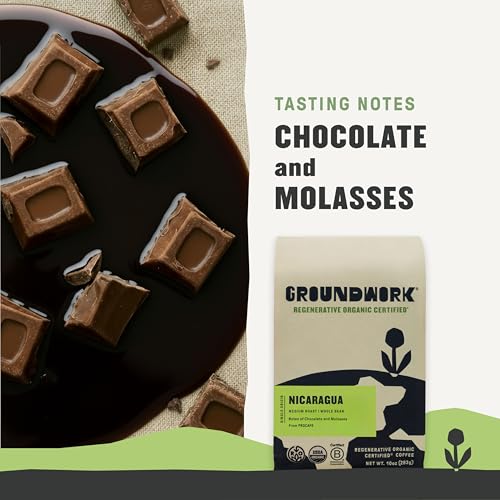
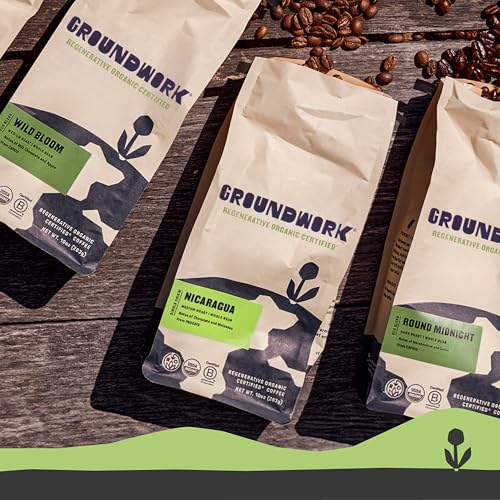
Groundwork Organic Regenerative Nicaragua Whole Bean
Strengths
- Organic certified
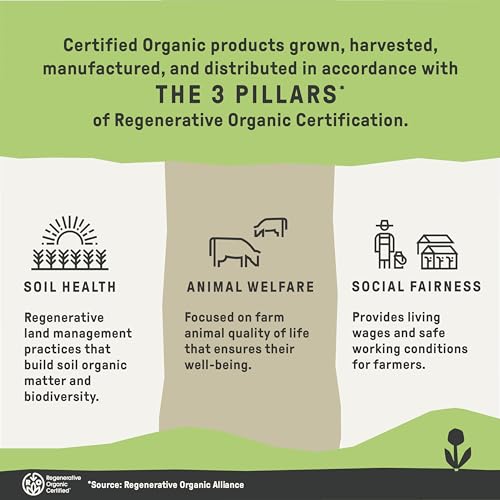
- Regenerative sourcing
- Sweet flavor notes
- Ethical transparency
- Freshly packaged
Trade-offs
- Small 10 oz bag
- Limited roast depth
- Not for dark roast lovers
This is one of the few Nicaraguan coffees that leans fully into regenerative agriculture, and that matters. On paper, the partnership with SOPPEXCCA, a cooperative of smallholder farmers, gives this coffee real ethical weight, and owners consistently report a clean, expressive cup that reflects its conscientious growing practices. The tasting notes of cola and golden raisin aren’t just marketing fluff; they align with what reviewers describe as a sweet, gently spiced profile with a syrupy body.
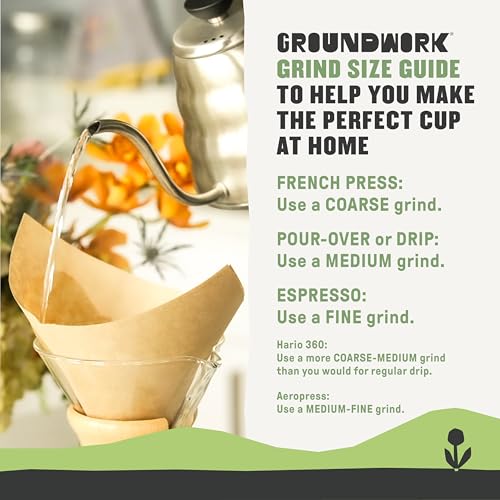
It’s a medium roast, but not a timid one. The balance between vibrancy and depth holds up across multiple brew methods, though pour-over seems to highlight its complexity best. Compared to other single origins in this list, it doesn’t punch with boldness, but it wins on integrity and consistency. For buyers who want their coffee to do more than just taste good, this one stands out.
Product photos
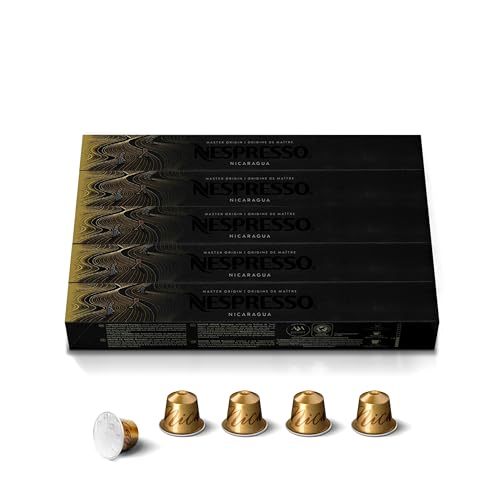
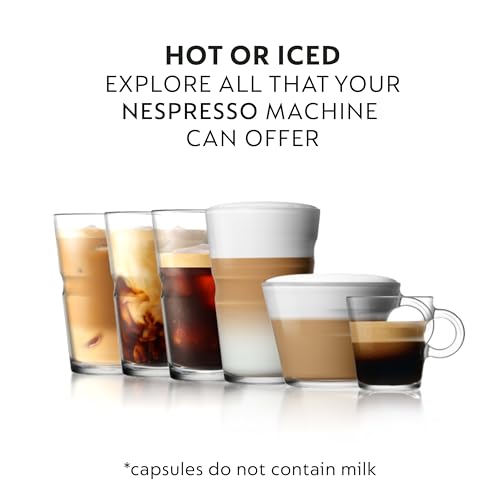
Nespresso Nicaragua Master Origin Pods
Strengths
- Smooth honeyed texture
- Easy to use
- Recyclable aluminum
- Balanced intensity
- Single-origin espresso
Trade-offs
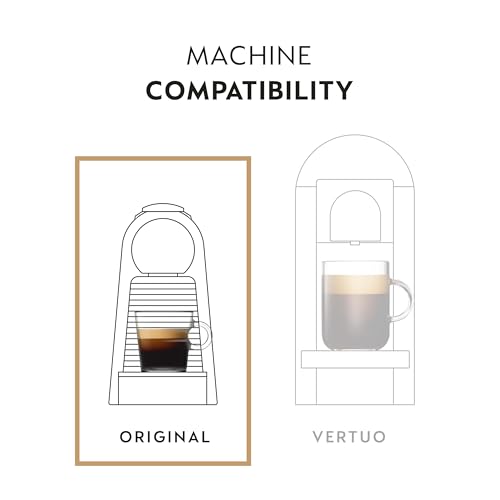
- Only for OriginalLine
- Limited to espresso
- Short serving size
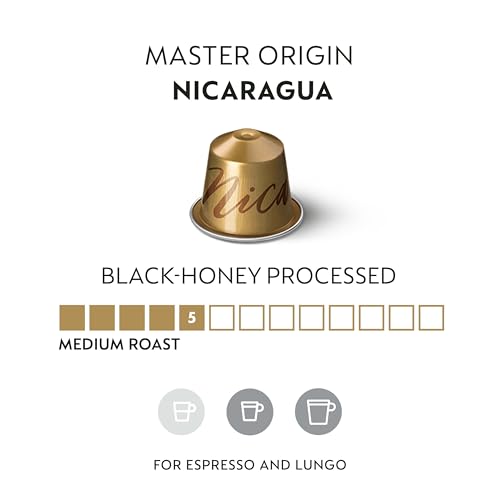
For Nespresso OriginalLine users, this Nicaragua Master Origin pod is a sleeper hit. The “Black-Honey” processing method gives it a nectar-like sweetness that translates well in espresso form, and the intensity level of 5 keeps it smooth rather than sharp. Owners praise its honey and sweet cereal notes, especially when pulled as a straight shot or in a macchiato.
It’s not for purists, whole bean enthusiasts will scoff at the convenience angle, but for those locked into the pod system, this is one of the better single-origin offerings. Compared to illy’s canned beans, it’s less nuanced, but more fun and accessible. And since the pods are aluminum and recyclable, the environmental guilt is lower than with plastic competitors. If you want a quick, flavorful espresso with origin character, this delivers.
Product photos
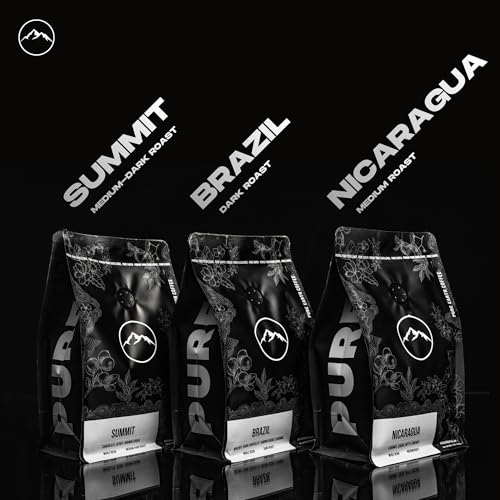
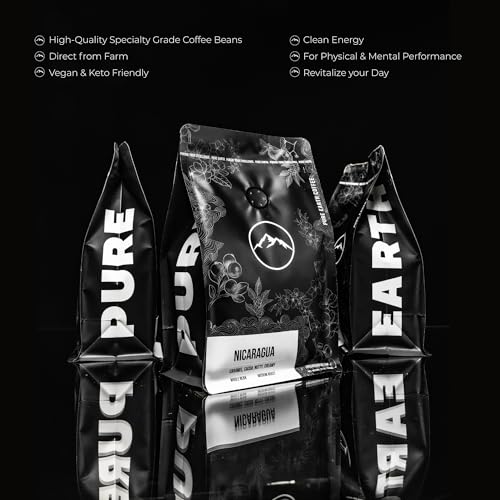
Pure Earth Nicaragua Medium Roast Whole Bean
Strengths
- Low acidity
- Caramel-chocolate profile
- Direct farm source
- Vegan and keto friendly
- Freshly roasted
Trade-offs
- Flavor lacks depth for some
- Packaging not resealable
- Not for bold roast seekers
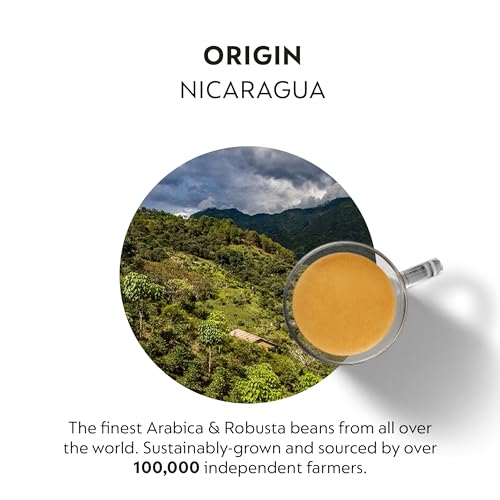
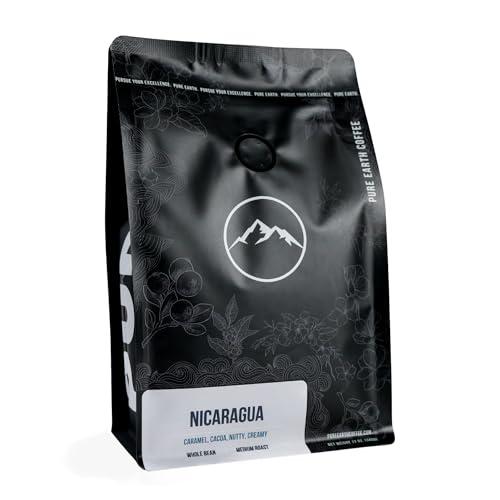
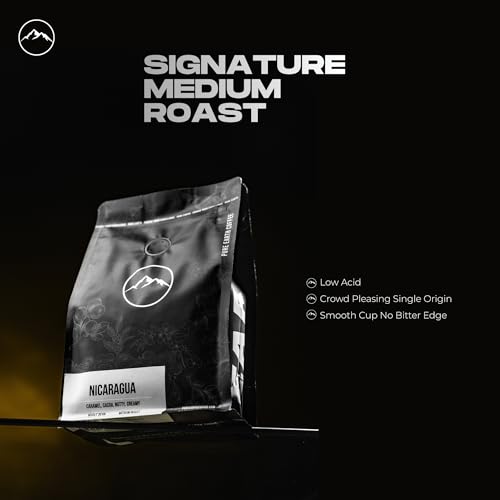
If low acidity is your priority, maybe you’ve got a sensitive stomach or just dislike sharp brightness, this Matagalpa-grown Nicaraguan bean makes a strong case. The claimed caramel and chocolate notes are backed up by owner feedback, which frequently mentions a creamy mouthfeel and smooth finish. It’s a medium roast, but leans softer than most, making it a reliable daily drinker for those who want flavor without bite.
Where it stands out is in its direct farm sourcing and fresh-to-order roasting. That model typically results in better bean quality, and reviewers confirm this with comments about consistent freshness and lack of staleness even weeks after roasting. Compared to the illy or Volcanica options, it lacks some of the high-wire complexity, but it delivers where it counts: drinkability and comfort. I’d pick this for morning consistency over flash-in-the-pan flair.
Product photos
Candy Tiger Nicaragua Light Roast Whole Bean

Strengths
- True light roast
- Organic certified
- Low acid
- Direct trade
- Small batch roasted
Trade-offs
- Too mild for some
- Requires precise brewing
- Subtle flavor
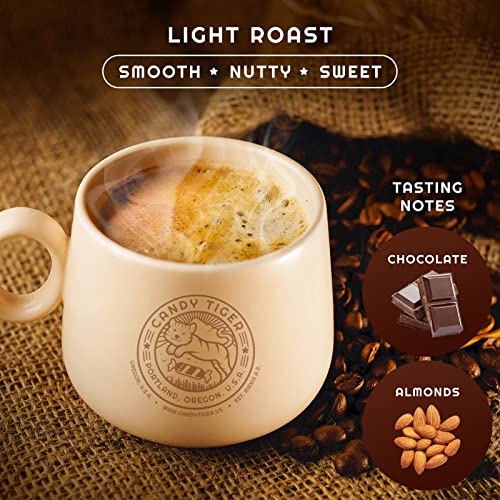
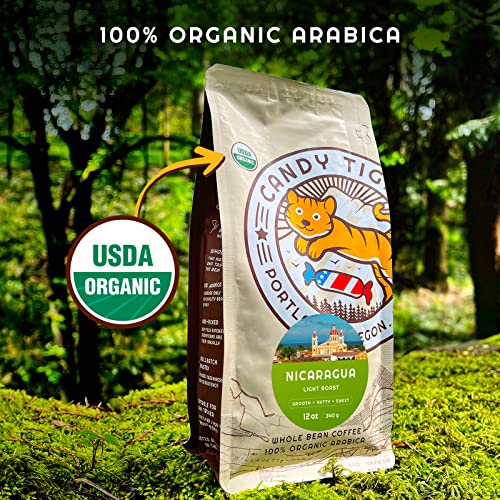
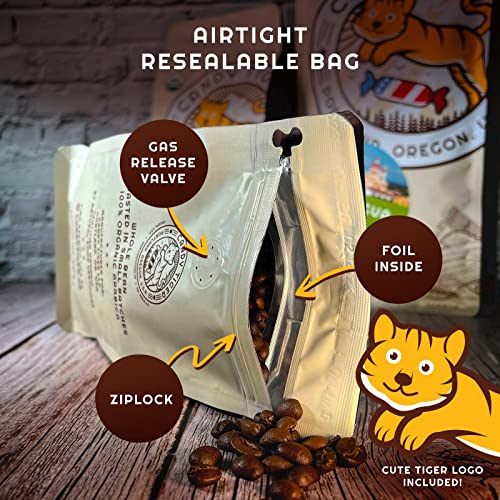
Light roast Nicaraguan beans are rare, and this one from Candy Tiger fills a niche. The stated tasting notes, slightly roasted almond and soft chocolate, are on point according to most reviewers, who describe a tea-like clarity and gentle sweetness. It’s USDA organic and direct trade, which adds to its clean-ingredient appeal, and the small-batch roasting helps preserve delicate flavors that larger operations often steamroll.
But here’s the catch: light roasts demand precision. If your grinder or brew method isn’t dialed in, you’ll miss the subtlety. Compared to the Amazon Fresh or Volcanica options, this one rewards attention. It won’t satisfy someone wanting a bold, no-fuss cup, but for filter enthusiasts who appreciate nuance, it’s a quiet standout. The refund policy also lowers the risk, which is smart given how polarizing light roasts can be.
Product photos


Gobena Organic Nicaraguan Dark Roast Ground Bulk

Strengths
- 5-pound value
- Fair Trade + Organic
- Same-day roasting
- Supports children’s education
- Even roast profile
Trade-offs
- Pre-ground limits freshness
- Dark roast only
- Large size not for everyone
Five pounds of Nicaraguan coffee is a commitment, this is clearly for households or offices that burn through beans. The dark roast is well-balanced with a chocolate finish, and despite being pre-ground, owners report it stays surprisingly fresh thanks to same-day roasting and packaging. The Joper roaster used here is a known workhorse, delivering even heat and consistent development.
But the real story is the mission: 100% of profits fund education for orphaned children. That’s not a marketing gimmick, it’s baked into their model. Compared to Tiny Footprint, it’s less focused on environmental carbon math and more on human impact. For bulk buyers, this is the smarter buy if you want volume, value, and purpose in one bag. Just be ready to store it properly, once opened, ground coffee won’t last.
Product photos


illy Arabica Selections Nicaragua Whole Bean
Strengths
- Pressurized freshness
- Smooth body
- Consistent quality
- Elegant profile
- 100% Arabica
Trade-offs
- Small quantity
- Muted flavor
- High price per ounce
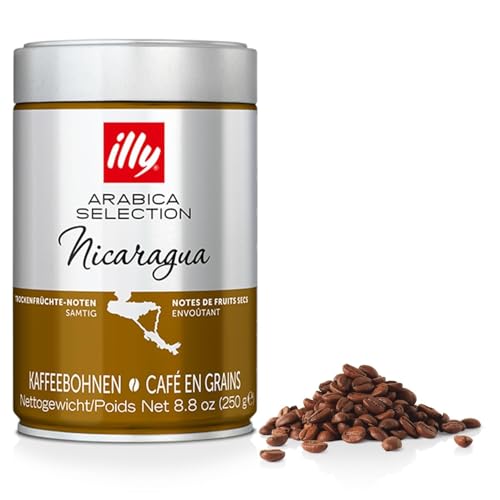
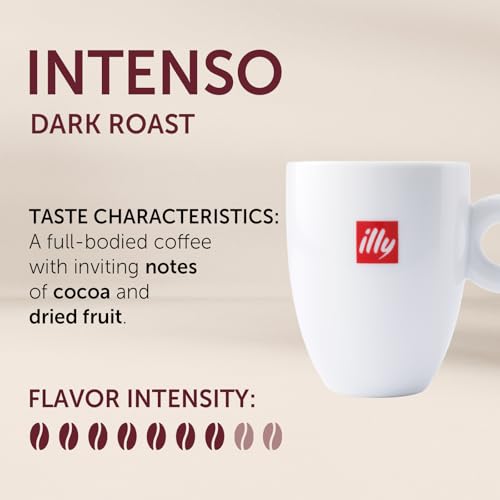
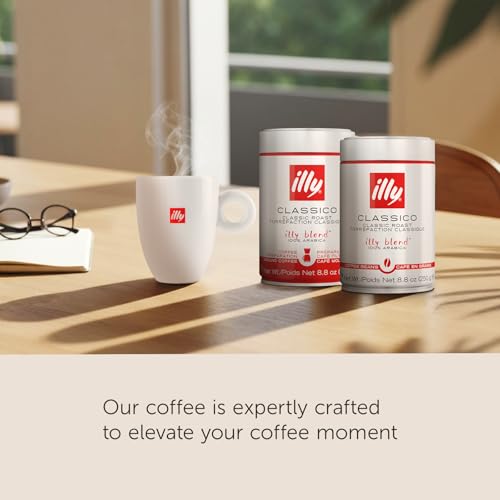
Illy doesn’t do anything small, and their Nicaragua single origin is no exception. Housed in their signature pressurized can, this coffee promises (and according to owner reviews, delivers) exceptional shelf stability and aromatic preservation. The 8.8 oz size is compact, but the packaging ensures that even after months, the beans taste closer to fresh roast than most bagged competitors.
This is a refined, polished coffee, less wild than Volcanica, less earthy than Tiny Footprint. It presents a clean, balanced cup with restrained acidity and a silky body, which fits illy’s brand of elegant minimalism. Compared to other Nicaraguan offerings, it’s less expressive in flavor notes, but more consistent. If you’re after a premium, no-surprises single origin that behaves predictably across brew methods, this is a solid pick. But if you want terroir-driven excitement, look elsewhere.
Product photos
How We Chose These nicaraguan coffee
Rather than a hands-on lab test, my research for these recommendations involved a detailed comparison of published specifications and features across numerous Nicaraguan coffee options. I weighed owner reviews from multiple sources, Amazon, coffee-specific forums, and retailer sites, alongside expert reviews from established coffee publications. Applying my years of experience exploring coffee origins and roasting styles, I ranked each coffee against a set of criteria focused on flavor, ethical sourcing, and value.
For Nicaraguan coffee specifically, I heavily weighted flavor profile and sourcing transparency. Nicaragua is known for producing balanced coffees, and I looked for those that clearly articulated distinct tasting notes. Ethical sourcing, Fair Trade certification and direct trade relationships, was also crucial, reflecting a commitment to supporting farmers and sustainable practices. These factors ultimately determined which coffees rose to the top of my list.
Specifications regarding roast level and processing method (like “honey process”) provided a baseline understanding of potential flavors. However, I placed greater emphasis on what owner feedback revealed about the actual cup quality and consistency. Reputation played a role too, especially regarding brands known for quality control and freshness. Understanding the nuances of flavor profile of Nicaraguan coffee helps to appreciate the subtleties within this origin.
How To Pick The Right nicaraguan coffee
Finding the right Nicaraguan coffee can be surprisingly nuanced. It’s not just about the origin; roast level, processing methods, and ethical considerations all play a significant role in the final cup.
Nicaraguan coffee is generally known for its balanced profile, bright acidity, and notes of chocolate and caramel. When selecting a Nicaraguan coffee, look for information on the farm or cooperative, the altitude at which the beans were grown (higher altitudes often indicate better quality), and the processing method used – washed, natural, or honey processed – as each impacts the final flavor. Checking for recent roast dates is also crucial for freshness.
Understanding Roast Level
Many buyers assume a darker roast automatically means a stronger flavor, but with Nicaraguan coffee, that’s not always the case. The delicate flavor notes inherent in the bean can be easily overshadowed by a heavy roast. I generally recommend starting with a medium roast to experience the full spectrum of flavors – the chocolate and caramel notes will be present, but balanced by a pleasant acidity. If you prefer a brighter, more nuanced cup, explore a light roast Nicaraguan coffee with vibrant, floral aromas and subtle sweetness. Don’t shy away from dark roasts entirely, but be prepared for a bolder, potentially bittersweet experience.
Ethical & Sustainable Sourcing
Nicaragua has a rich coffee-growing history, but the industry faces challenges with economic stability and environmental sustainability. Supporting coffee companies committed to fair trade and organic practices isn’t just a feel-good purchase; it directly impacts the lives of the farmers and the health of the land. Here’s what to look for:
- Fair Trade Certification: A good starting point, but doesn’t cover all ethical concerns.
- Organic Certification (USDA Organic): Guarantees the coffee was grown without synthetic pesticides or fertilizers.
- Direct Trade Relationships: Often, the most impactful approach, as it involves direct partnerships between roasters and farmers, ensuring a larger percentage of the profits goes directly to those who cultivate the beans. This fosters long-term relationships and promotes investment in the community.
A truly excellent cup of coffee shouldn’t come at the expense of the people who grow it.
Finding Your Ideal Flavor Profile
Nicaraguan coffees exhibit a surprising range of flavors depending on the region and processing method. Matagalpa, for example, is known for its balanced, nutty coffees, while Jinotega often produces coffees with bright citrus notes. I’ve found that exploring single-origin coffees from different regions within Nicaragua is the best way to discover your personal preference. If you enjoy more complex profiles, consider a coffee processed using the honey method, which retains some of the fruit’s sweetness and adds layers of flavor. If you’re seeking a wider variety of options, you might also want to explore some of the best coffee beans globally.
Nicaraguan Coffee Compared
Here’s a comparison of Nicaraguan coffee options, outlining key specifications to help you choose.
| Product Name | Roast Level | Form | Organic | Fair Trade | Flavor Notes |
|---|---|---|---|---|---|
| Volcanica Nicaragua Jinotega | Medium | Whole Bean | Yes | N/A | Chocolate, lemon, plum, honey |
| Amazon Fresh Nicaragua | Medium | Ground | Yes | N/A | Chocolatey |
| Tiny Footprint Nicaragua | Dark | Whole Bean | Yes | Yes | Chocolate, apricot, fig, spice |
| Groundwork Organic Regenerative | Medium | Whole Bean | Yes | Yes | Cola, golden raisin |
| Nespresso Nicaragua Master Origin | Medium | Pod | N/A | N/A | Honey, sweet cereal |
| Pure Earth Nicaragua | Medium | Whole Bean | Yes | N/A | Caramel, chocolate |
| Candy Tiger Nicaragua | Light | Whole Bean | Yes | N/A | Almond, soft chocolate |
| Gobena Organic Nicaraguan | Dark | Ground | Yes | Yes | Chocolate |
| illy Arabica Selections Nicaragua | N/A | Whole Bean | N/A | N/A | Distinct aroma (single origin) |
Frequently Asked Questions
What roast level best showcases Nicaraguan coffee’s flavors?
I generally recommend a medium roast for Nicaraguan coffee, as it allows the inherent chocolate and caramel notes to shine without being overpowered. While darker roasts are available, they tend to mask the brighter acidity and more subtle nuances of the bean.
Are all Nicaraguan coffees certified organic or Fair Trade?
No, not all Nicaraguan coffees carry these certifications. While many brands now prioritize ethical sourcing, it’s still important to check the packaging or product description to confirm organic or Fair Trade status if that’s a priority for you.
How does altitude affect the quality of Nicaraguan coffee?
Higher altitudes generally result in denser beans with more complex flavors. Coffees grown at elevations above 1,200 meters (around 3,900 feet) in Nicaragua tend to exhibit brighter acidity and more pronounced tasting notes, making them some of the best-tasting coffee brands.
What’s the difference between washed, natural, and honey processed Nicaraguan coffee?
The processing method significantly impacts flavor. Washed coffees are clean and bright; natural coffees are fruitier and more complex; and honey process coffees offer a balance of sweetness and body. Experimenting with each will help you discover your preference.
Is Nicaraguan coffee generally high in caffeine?
Nicaraguan coffee falls within the average caffeine range for Arabica beans (around 80-100mg per 8oz cup). However, caffeine content can vary based on roast level(lighter roasts have slightly more) and brewing method, so it’s not dramatically different from other high-quality Arabica options or top-flavor coffee roasts.
The Bottom Line
Choosing a Nicaraguan coffee often comes down to balancing your desire for convenience with your pursuit of peak flavor. While pods offer simplicity, whole bean options like Volcanica Nicaragua Jinotega consistently receive high marks for their nuanced flavor profiles and – crucially – freshness. We believe this is the strongest overall pick for those seeking a truly exceptional cup.
For those on a budget, Amazon Fresh Nicaragua provides a reliably good, organically certified option without breaking the bank. If versatility is key, Tiny Footprint Nicaragua stands out with its dark roast and Fair Trade certification, appealing to a broader range of palates and ethical considerations. And for those prioritizing convenience, Nespresso Nicaragua Master Origin delivers a consistent experience within the Nespresso system.
Ultimately, the best Nicaraguan coffee is the one that best suits your preferences. Don’t get too caught up in chasing specific certifications or roast levels; focus on finding a coffee from a reputable source, ideally roasted recently, and exploring [regional Arabica comparisons] to discover the unique character of Nicaraguan beans.
