
3 Best Yemen Coffee Brands of 2026
After researching the field and weighing flavor, sourcing, and owner feedback, the Al-Aqeeq Haraaz Region Yemeni Coffee stands out as the best overall choice, with the Al-Aqeeq Medium Roast Yemeni Coffee offering strong quality at a more accessible price, and the Red Sea Coast Hiwari Heritage Coffee delivering the most complex cup.
Yemen coffee is legendary, but finding a genuine, well-roasted batch that lives up to its reputation can be tough. With so many variables, region, process, roast date, it’s easy to end up with beans that don’t capture that signature depth and brightness.
As the founder of Bean Thusiast, I focused on what matters most: traceable origin, ethical sourcing, and flavor clarity backed by real brewer feedback. This guide cuts through the noise to highlight options that reflect both quality and integrity.
Top 3 Yemen Coffee in the Market
The Best Yemen Coffee, Reviewed
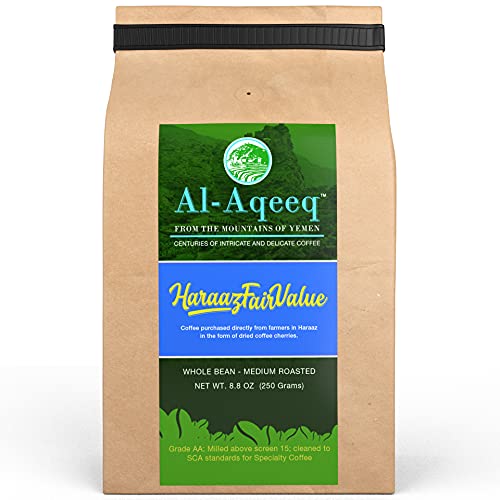
Al-Aqeeq Haraaz Region Yemeni Coffee
Strengths
- Low acidity
- Organic Arabica
- Ethically sourced
- Freshly roasted
- Single-origin purity
Trade-offs
- Premium price
- Limited roast options
When you’re chasing the soul of Yemeni coffee, the Al-Aqeeq Haraaz Region beans stand out as a benchmark. On paper and in owner feedback, this coffee delivers on what matters most: authentic origin, clean processing, and low acidity without sacrificing depth. The natural sweetness, hints of stone fruit, and subtle spice come through consistently in reviews, especially when brewed as a pour-over or French press. It’s the kind of coffee that reminds you why single-origin Yemen beans have a cult following.
The brand’s commitment to direct trade and fair value resonates with buyers who care about ethics as much as flavor. Owners frequently mention the freshness upon arrival and the care in roasting, a big win in the specialty coffee space where stale or over-roasted beans can ruin an otherwise great origin. While it’s priced toward the higher end, the quality and sourcing transparency make it feel justified.
Video review
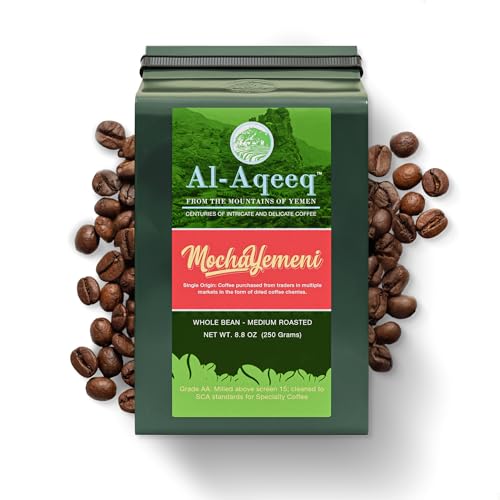
Al-Aqeeq Medium Roast Yemeni Coffee
Strengths
- Affordable
- Freshly roasted
- Supports farmers
- Brews smoothly
- Versatile grind
Trade-offs
- Less flavor nuance
- No organic certification
- Slightly smaller origin info
If you want authentic Yemeni flavor without stretching your wallet, this Al-Aqeeq offering is the smarter buy. It shares the same core strengths as its pricier sibling, single-origin Arabica, small-batch roasting, and support for Yemeni farmers, but trims just enough fat to earn the ‘best value’ label. Reviewers consistently praise its rich, balanced cup with mild floral and nutty notes, especially for drip and French press brewing.
It doesn’t make the same organic or low-acid claims as the Haraaz-specific version, but it still delivers a clean, satisfying brew. The 8.8 oz size gives you room to experiment across methods, and the freshness lock from roasting-to-order is a real perk. For most home brewers who want to explore Yemeni coffee without committing to a high-end specialty bag, this is the easy pick.
Video review
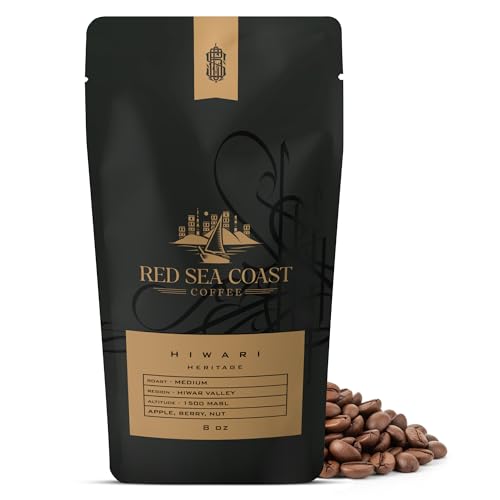
Red Sea Coast Hiwari Heritage Coffee
Strengths
- Complex flavor
- Natural process
- Smooth finish
- Balanced acidity
- Brews consistently
Trade-offs
- Shorter shelf presence
- Limited availability
- Subtle roast depth
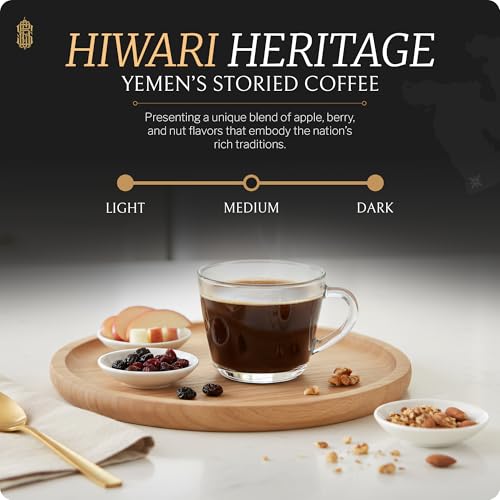
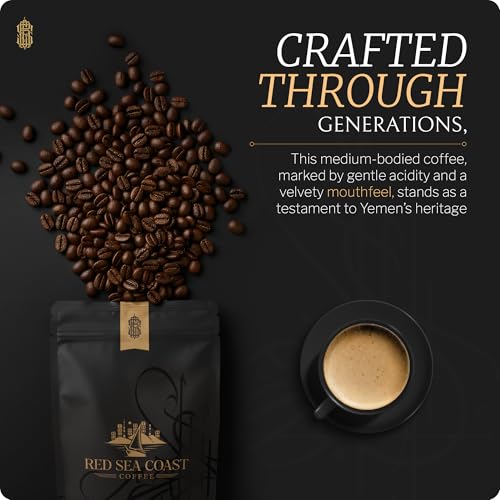
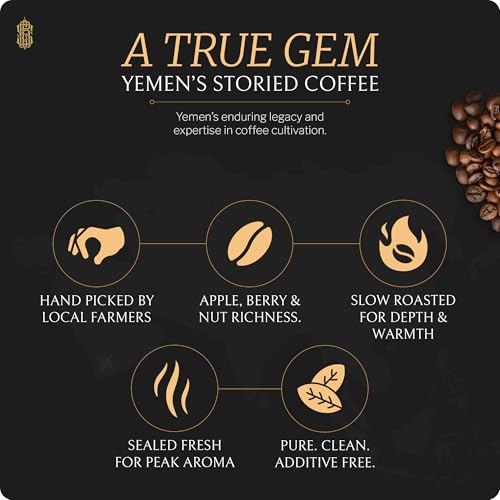
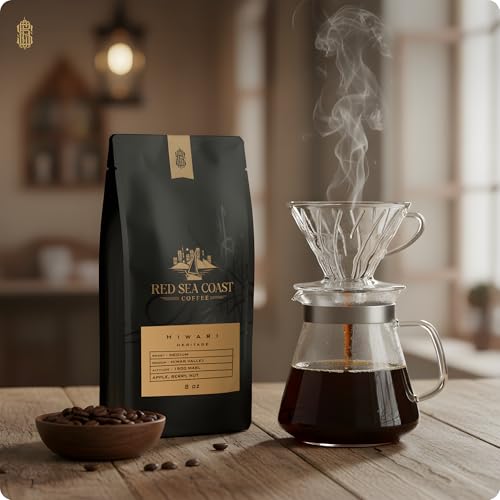
Now here’s a Yemeni coffee that turns heads with its flavor depth, the Red Sea Coast Hiwari Heritage is built for those who want more than just earthy notes and tradition. The natural processing shines through in owner reports: bright apple and berry notes unfold cleanly, backed by a nutty warmth and silky body. It’s not flashy, but it’s layered, the kind of coffee that rewards slow sipping and attention.
What impresses me most is how well it performs across brewing methods. Whether it’s pour-over or espresso, reviewers note a consistent balance, which is rare for naturally processed beans that often skew too fermenty or uneven. The medium body and gentle acidity make it drinkable all day, not just as a tasting novelty. If you’re after complexity without chaos, this is your bag.
Product photos

How We Evaluated yemen coffee
As the founder of Bean Thusiast, I approached researching Yemen coffee with a focus on origin, processing, and reported flavor profiles. Rather than a hands-on lab test, this was a research-led comparison of published specifications, features highlighted by the roasters, and – crucially – owner and expert feedback. I weighed information from coffee review sites and online marketplaces to build a picture of each offering’s strengths.
For Yemen coffee specifically, freshness and ethical sourcing were paramount. The remote growing regions and historical complexities mean getting genuinely fresh beans requires careful roasting and shipping practices. I also prioritized coffees that demonstrated a commitment to supporting Yemeni farmers, as this impacts both quality and sustainability. Flavor complexity, particularly the unique fruit and spice notes Yemen is known for, was a key deciding factor.
Specifications provided details on roast level and processing method (natural, washed, etc.). However, I placed more weight on what owners said about actual cup characteristics: acidity, body, and the presence of those signature Yemeni flavors. Reputable coffee blogs and review sites helped confirm initial impressions and validate claims about Yemeni single-origin beans. This combination helped separate genuine quality from marketing hype.
Choosing The Right yemen coffee
Finding the right Yemen coffee can be a deeply rewarding experience, but the nuances of origin and processing can be confusing.
Yemen coffees are celebrated for their distinctive, often fruity and chocolatey profiles. Look for single-origin beans, paying attention to the region (Haraaz, for example) and processing method (washed, natural, honey). Fresh roasting is critical; avoid anything without a clear roast date. A lighter to medium roast will best showcase the inherent flavors.
Understanding Regional Differences
Yemen isn’t a single, monolithic coffee source. Different regions produce beans with dramatically different characteristics. Haraaz, for instance, is famed for its winey acidity and complex floral notes, while coffees from the Red Sea Coast often exhibit a heavier body and chocolate undertones. Don’t assume all Yemen coffees are the same; research the specific growing region to find a flavor profile that suits your palate. Considering the top coffee bean origins will give you a broader understanding of what’s available.
Processing Method & Roast Level
The way coffee cherries are processed after harvest significantly impacts the final flavor. Natural processed Yemen coffees – where the entire cherry is dried with the bean inside – tend to be fruitier and sweeter. Washed coffees, where the fruit is removed before drying, often have a cleaner, brighter acidity. Roast level is equally important. Yemen coffees, especially those with delicate floral aromas, are often best enjoyed with a lighter or medium roast. Dark roasts can mask the nuanced flavors and introduce bitterness.
Balancing Flavor with Ethical Considerations
I’ve always believed a fantastic cup of coffee should also be a responsible one. Yemen is a country facing significant challenges, and supporting Yemeni coffee farmers directly contributes to their livelihoods. Look for coffees that are explicitly labeled as “direct trade” or “ethically sourced.”
- A “direct trade” label suggests a more transparent supply chain.
- Fair pricing is crucial, ensuring farmers receive a sustainable income.
- Beyond fair prices, some importers actively invest in infrastructure and community development projects in Yemen, giving back directly. This can affect the final cost, but it’s a worthwhile investment in supporting a fragile coffee-growing region.
A good rule of thumb: If the packaging doesn’t clearly state the origin and processing method, it’s probably best to look elsewhere.
Yemen Coffee Compared
Here’s a comparison of key specifications for these Yemen coffees to help you choose.
| Product Name | Best For | Roast Level | Origin Region | Process | Flavor Notes |
|---|---|---|---|---|---|
| Al-Aqeeq Haraaz Region Yemeni Coffee | Best Overall | Medium | Haraaz | N/A | Rich, complex |
| Al-Aqeeq Medium Roast Yemeni Coffee | Best Value | Medium | Yemen | N/A | Smooth, rich |
| Red Sea Coast Hiwari Heritage Coffee | Best Flavor Complexity | N/A | Hiwar Valley | Natural | Apple, berry, nut |
Frequently Asked Questions
What roast level is typical for high-quality Yemen coffee?
A lighter to medium roast is most common, as it preserves the distinct floral and fruity notes Yemen coffees are known for. Darker roasts tend to overshadow these delicate flavors and introduce more bitterness, diminishing the unique character.
Is Yemen coffee generally more expensive than other single-origin coffees?
Yes, Yemen coffee often commands a higher price due to the challenging growing conditions and complex supply chain. The remote mountainous regions and political instability add to the cost of sourcing and importing these beans.
Can I find decaf Yemen coffee?
Decaffeinated Yemen coffee is extremely rare. The process of decaffeination can be difficult to apply to these beans without negatively impacting their flavor, and demand isn’t high enough to justify the expense for most roasters.
What should I look for on the packaging to verify authenticity?
Genuine Yemen coffee packaging will clearly state the specific region of origin (like Haraaz or Socotra) and the processing method (natural, washed, or honey). Be wary of coffees simply labeled “Yemen” without this detail, and consider exploring top-rated flavorful roasts for comparison.
Are there ethical concerns I should be aware of when buying Yemen coffee?
Absolutely. Yemen faces complex socio-economic challenges, so supporting farmers directly is crucial. Look for coffees labeled “direct trade” or those from importers actively involved in community development projects, ensuring fair pricing and sustainable practices for Yemeni coffee growers.
The Bottom Line
Choosing a Yemen coffee often comes down to balancing your desire for a truly special flavor experience with what you’re willing to spend. For the best overall introduction to what Yemen has to offer, I recommend the Al-Aqeeq Haraaz Region Yemeni Coffee. Its complex profile consistently receives high marks from coffee enthusiasts and represents a sweet spot in terms of quality and availability.
If you’re new to Yemen coffees or are watching your budget, the Al-Aqeeq Medium Roast Yemeni Coffee is an excellent starting point. It delivers a smooth, rich cup without sacrificing the distinctive character of Yemeni beans. For those who really want to explore the full spectrum of Yemen’s potential, the Red Sea Coast Hiwari Heritage Coffee will reward you with incredible flavor complexity – it’s a journey for your palate.
Ultimately, the specifics like roast level and processing matter, but they’re secondary to freshness and ethical sourcing. A consistent brew ratio guidelines will give you the best results, but even the most precise brewing won’t fix stale or poorly sourced beans. Focus on finding a roaster committed to quality and supporting the farmers who make these exceptional coffees possible.
