
4 Best Guatemala Coffees of 2026
The best Guatemala coffee overall is Fresh Roasted Organic Guatemala Coffee, it’s consistently praised for its vibrant acidity and rich, balanced flavor, backed by both organic and Fair Trade certifications. For a budget-friendly option, Gevalia Guatemala Coarse Ground Coffee delivers reliable taste with convenient pre-ground availability.
Finding great Guatemala coffee means navigating more than just the label. The country’s diverse growing regions produce wildly different profiles, and without knowing what to look for, it’s easy to end up with a bag that’s flat or overly bitter.
I researched the most talked-about options, focusing on origin transparency, roast freshness, and real user experiences. This guide breaks down what actually matters, region, roast level, and ethical sourcing, so you can pick a bag that matches your taste, not just the marketing.
Top 4 Guatemala Coffee in the Market
The Best Guatemala Coffee, Reviewed
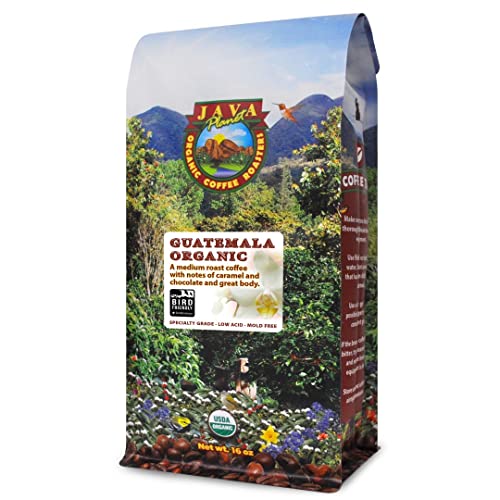
Java Planet Low Acid Guatemala Coffee
Strengths
- Low acidity
- Bird Friendly certified
- Independently tested
- Shade-grown flavor
- Whole bean freshness
Trade-offs
- Limited roast availability
- Slightly pricier than average
- Only 1 lb per bag
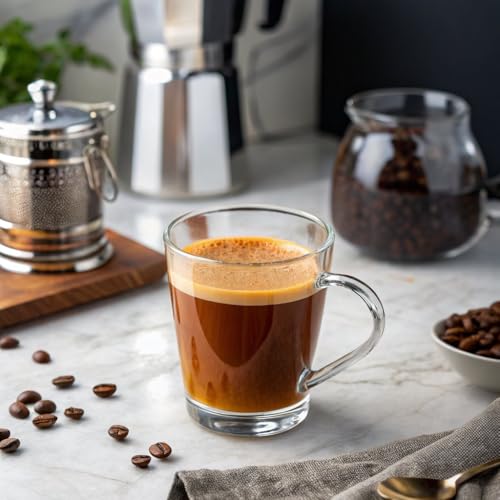
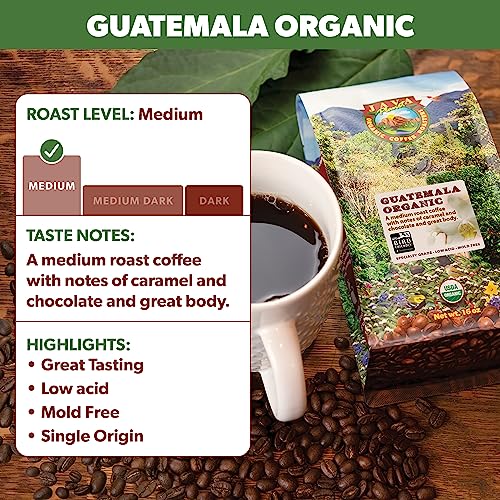
If you’re sensitive to acid but don’t want to drink flat, dull coffee, this Java Planet offering from Guatemala’s Huehuetenango region is a standout. The flavor profile is surprisingly vibrant, fruit undertones from shade-grown conditions, plus caramel and chocolate notes preserved by a careful medium roast. Reviewers frequently mention how smooth it is on the stomach without sacrificing taste, which is rare in low-acid coffees that often mute their character. The Smithsonian Bird Friendly certification is a big deal here, it signals not just organic farming, but real biodiversity protection.
Compared to other low-acid options, this one avoids the ‘baked’ or over-roasted trap. The beans are independently tested for mold and heavy metals, and the feedback on consistency is strong. I’d choose this over many mainstream gut-friendly brands because it tastes like real single-origin coffee, not a compromise. For anyone with acid sensitivity who still wants depth and origin character, this is my top recommendation.
Product photos



Gevalia Guatemala Coarse Ground Coffee

Strengths
- Coarse ground for French press
- Rainforest Alliance Certified
- Snap-cooled roast
- Resealable packaging
- Kosher certified
Trade-offs
- Pre-ground limits freshness
- Smaller bag size
- Less origin clarity than whole bean
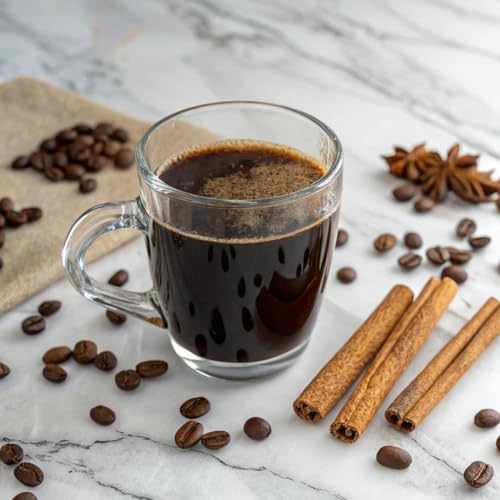
Let’s be clear: this is a pre-ground coffee, so it’s already a step behind in freshness compared to whole bean. But if you’re looking for a no-fuss, reliable French press option that actually delivers on origin character, Gevalia’s coarse-ground Guatemala reserve holds up better than most. The beans are 100% Arabica from high altitudes, slow-roasted and snap-cooled, a process that helps preserve some complexity. Owners note earthy, smoky tones with a touch of cocoa, which fits the French press profile well: bold but not bitter.
It’s Rainforest Alliance Certified, which is good but not as rigorous as Fair Trade or Bird Friendly. And while it’s convenient, the 10-ounce resealable bag can’t match the shelf life of nitrogen-flushed whole bean options. I’d recommend this only if you’re committed to French press and don’t own a grinder. For everyone else, I’d suggest opting for whole bean and grinding fresh, but if convenience is king, this is one of the better pre-ground Guatemalans out there.
Product photos


Fresh Roasted Organic Guatemala Coffee
Strengths
- USDA Organic
- Fair Trade Certified
- Nitrogen flushed
- Third-party tested
- Large 5 lb size
Trade-offs
- May lack complexity for purists
- Bulk size risks staleness if not used quickly
- Less roast control than small-batch options
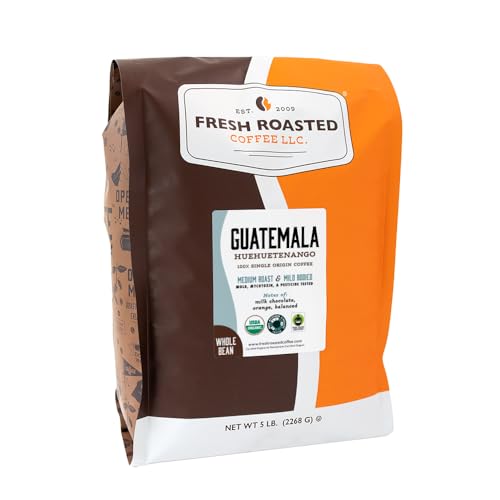
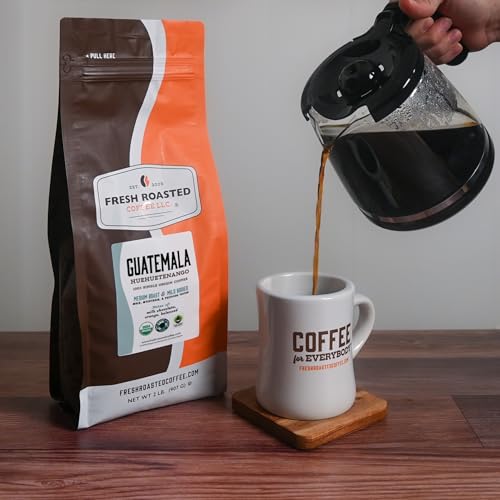
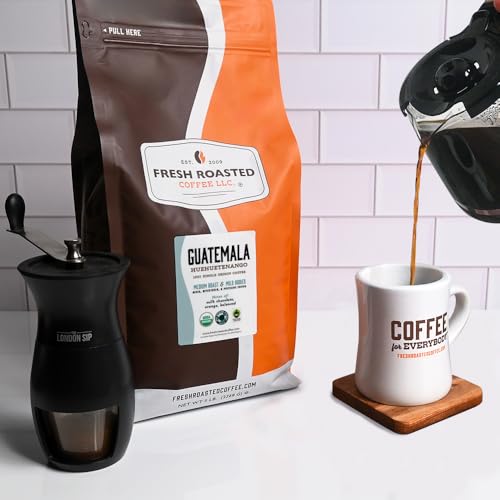
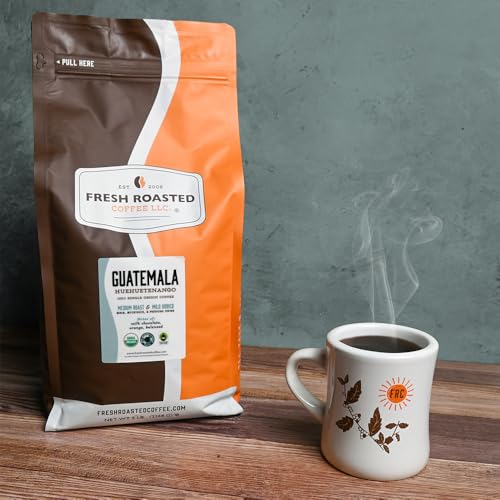
This is one of those rare bulk coffees that doesn’t sacrifice quality for quantity. On paper, the specs are impressive: USDA Organic, Fair Trade Certified, single-origin from Huehuetenango, and roasted on Loring SmartRoasters for cleaner, more precise heat control. Owners consistently report a clean, balanced cup with that classic Guatemalan profile, mild citrus brightness, a smooth body, and a sweet hint of milk chocolate. The fact that it’s third-party tested for mold and mycotoxins adds real peace of mind, especially for those who’ve been burned by stale or poorly stored bulk beans before.
What stands out is the nitrogen-flushed, resealable bag. For a 5-pound bag, freshness retention is critical, and this packaging helps it last. Compared to smaller roaster offerings, this one leans more toward accessibility than artisanal nuance, but for households or offices that go through coffee fast, it’s a solid, responsible choice. I’d pick this over generic supermarket bulk beans any day, not just for flavor, but for the transparency in sourcing and testing.
Product photos

Guatemala Antigua Whole Bean Coffee
Strengths
- Low acidity (pH 5.3)
- Estate-sourced beans
- Washed and sun-dried
- USDA Organic
- Complex flavor profile
Trade-offs
- No third-party toxin testing
- Smaller roaster, less consistent availability
- Limited size options
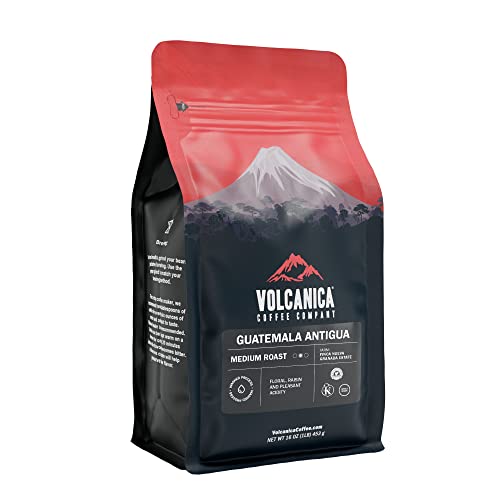
This Antigua-sourced coffee from Finca Nueva Granada Estate promises a low-acid experience with a pH of 5.3, a rare spec to see listed, and one that many with acid sensitivity find helpful. The flavor profile is elegant: honey, apple, tea-like brightness, and floral brown sugar. That kind of complexity suggests careful processing and high-altitude growing, and owners confirm it brews a smooth, rounded cup without the sharp bite some Guatemalans can have. The washed, sun-dried process likely contributes to its clean finish.
Compared to other low-acid options, this one doesn’t mute the bean’s personality, it refines it. It’s USDA Organic and Kosher, but lacks third-party testing claims for mold or pesticides, which may give some buyers pause. Still, for those who’ve struggled with coffee irritation but miss nuanced flavor, this is a smart pick. I’d place it just behind Java Planet for stomach-friendly coffee, mainly because of the estate sourcing and distinctive taste.
Product photos


How We Evaluated guatemala coffee
As the founder of Bean Thusiast, I approach coffee selection with a focus on the details – from growing regions to roast levels. Rather than a hands-on lab test, this was a research-led comparison of published specifications and owner feedback for various Guatemala coffees. I weighed factors like bean origin, roast date information, certifications, and reported flavor notes to build a clear picture of each offering. Expert reviews from respected coffee blogs and publications also informed my assessment.
For Guatemala coffee, several factors stood out as crucial. The altitude at which the beans are grown significantly impacts flavor complexity, with higher altitudes generally producing more desirable characteristics. Equally important is the processing method (washed versus natural), which dramatically alters the final cup profile. Finally, certifications like Fair Trade and Organic reflect a commitment to sustainable and ethical practices, something I always prioritize.
Specifications reliably indicate bean type (100% Arabica is key) and roast level. However, discerning nuances like flavor notes and acidity requires digging into owner reviews. I paid close attention to recurring themes in customer feedback, looking for consistent reports of single-origin flavor profiles or complaints about bitterness. Reputation and sourcing transparency also informed my judgements regarding quality and the authenticity of the [Guatemala bean characteristics].
Choosing The Right guatemala coffee
Finding the right Guatemala coffee can be a surprisingly nuanced process. It’s not just about the origin; it’s about understanding the specific regional characteristics and what you value in a cup.
Guatemalan coffee is prized for its bright acidity, full body, and complex flavor profiles. Look for beans grown in high-altitude regions like Huehuetenango, Antigua, or Atitlán. Consider roast level – a lighter roast will emphasize fruity and floral notes, while a medium roast brings out chocolate and caramel. Finally, pay attention to processing methods; washed coffees tend to be cleaner and brighter, while natural process coffees are often fruitier and more complex.
Understanding Regional Differences
Guatemala isn’t one monolithic coffee flavor. The country’s varied microclimates and altitudes produce remarkably different beans. Huehuetenango, for example, consistently delivers coffees with a crisp acidity and notes of citrus and caramel. Antigua, known for its volcanic soil, tends to yield more chocolatey, full-bodied brews. Atitlán, surrounded by volcanoes and a lake, produces coffees with a floral aroma and a creamy texture. Don’t be afraid to try coffees from different regions to discover your preference. Many roasters will clearly state the origin on the bag, so you can explore these differences directly.
Roast Level and Acidity
Acidity isn’t a bad thing in coffee; it’s what gives it brightness and vibrancy. However, if you’re sensitive to acidity, you’ll want to pay close attention to the roast level. Darker roasts generally have lower acidity, but they can also mask some of the more subtle flavor notes. If you’re seeking a smoother, less acidic cup, look for medium-roasted beans specifically described as “low acid,” or even explore a blonde roast Guatemala to experience a lighter flavor profile.
Here’s what I generally recommend when considering roast and acidity: * Light Roast: Highest acidity, most floral/fruity notes. * Medium Roast: Balanced acidity and flavor, good for everyday drinking. * Dark Roast: Lowest acidity, bold and smoky flavors, can sometimes taste burnt if not done well.
A good rule of thumb is to match your brewing method to the coffee’s roast level. Lighter roasts shine in pour-over or drip, while darker roasts hold up well in French presses.
Certifications and Ethical Sourcing
Beyond flavor, considering certifications can significantly enhance your coffee experience. Look for USDA Organic certification to ensure the beans were grown without synthetic pesticides or fertilizers. Fair Trade certification guarantees farmers receive a fair price for their beans, supporting sustainable farming practices and community development. The Smithsonian Bird Friendly certification is another excellent indicator of responsible farming, as it requires shade-grown coffee that provides habitat for migratory birds. If you are looking to expand your search beyond Guatemala, I’ve compiled a list of the best coffee beans globally that meet high ethical standards.
Guatemala Coffee Compared
Here’s a comparison of key specifications for different Guatemala coffee options.
| Product Title | Roast Level | Origin Region | Whole Bean/Ground | Organic | Fair Trade |
|---|---|---|---|---|---|
| Java Planet Low Acid Guatemala Coffee | Medium | Huehuetenango | Whole Bean | Yes | N/A |
| Gevalia Guatemala Coarse Ground Coffee | Medium | Guatemala | Ground | N/A | N/A |
| Fresh Roasted Organic Guatemala Coffee | N/A | Huehuetenango | Whole/Ground | Yes | Yes |
| Guatemala Antigua Whole Bean Coffee | Medium | Antigua | Whole Bean | N/A | N/A |
Frequently Asked Questions
What’s the best grind size for Guatemalan coffee?
A medium grind is generally best for Guatemalan coffee(s), especially if you’re using a drip machine or pour-over method. This ensures proper extraction of the complex flavors without over-extraction that leads to bitterness.
Are there Guatemala coffees that are naturally low in acidity?
Yes, Huehuetenango-grown Guatemala coffees often exhibit lower acidity levels compared to those from other regions. Look for descriptions mentioning “smooth” or “mellow” to further indicate reduced acidity.
How does the processing method affect the flavor of Guatemalan coffee?
Washed process Guatemalan coffees will typically have a brighter, cleaner taste, while natural process coffees offer more pronounced fruity and sweet notes. The washed method removes the cherry before drying, resulting in a more consistent bean, while the natural method dries the bean with the cherry.
Can I find Guatemala coffee that is both organic and Fair Trade certified?
Absolutely; Fresh Roasted Organic Guatemala Coffee is a readily available option that holds both USDA Organic and Fair Trade certifications. Checking for these labels ensures ethical sourcing and sustainable farming practices.
Where can I discover other options for smoothest tasting coffee beyond Guatemala?
While Guatemala is a fantastic starting point, exploring coffees from regions like Brazil or Sumatra can also deliver exceptionally smooth and balanced cups. These regions offer distinct flavor profiles that might appeal to those seeking a less acidic experience.
The Bottom Line
Choosing a Guatemala coffee often comes down to balancing your desire for a nuanced, flavorful cup with how much effort you want to put into the selection process. While subtle differences in region and processing exist, Fresh Roasted Organic Guatemala Coffee consistently receives high marks for its balanced flavor and ethical sourcing, making it an excellent all-around choice for most coffee drinkers.
For those on a budget, Gevalia Guatemala Coarse Ground Coffee delivers a reliably good cup without breaking the bank. If you prioritize low acidity, Java Planet Low Acid Guatemala Coffee is a standout, catering to sensitive stomachs while still offering the characteristic flavors of the region. Understanding your own palate and brewing preferences will help you narrow down your options.
Ultimately, the specifics – roast level, altitude, certifications – matter less than seeking 100% Arabica coffee beans and supporting roasters committed to quality and transparency. Exploring the diverse Arabica bean origins can unlock a world of flavor and deepen your appreciation for this remarkable bean.
