
8 Best Organic Coffee Pods of 2026
The best organic coffee pods deliver rich flavor and real sustainability, and after researching the field and reviewing owner feedback, I’m confident the top pick is Peet’s Organic Alma de la Tierra for its bold, nuanced dark roast. For a budget-friendly option that still tastes full and hearty, go with Newman’s Own Special Blend, and if you want to explore different profiles, the Fresh Roasted Organic Variety Pack offers unmatched versatility.
Most people assume switching to organic pods means settling for weak or bland coffee. That’s not the case, but finding one that balances taste, ethics, and environmental impact takes work.
I compared certifications, roast profiles, and pod materials, then cross-referenced specs with real user experiences to spotlight the ones worth your counter space. These picks reflect what matters most: great coffee, clean ingredients, and a lighter footprint.
Top 8 Organic Coffee Pods in the Market
The Best Organic Coffee Pods, Reviewed
Organic Coffee Co. Breakfast Blend

Strengths
- Compostable pods
- 80-count value
- Wide brewer compatibility
Trade-offs
- Medium roast only
- Limited origin detail
On specs and owner feedback alone, this one makes a strong case for ‘best overall’. The Breakfast Blend uses high-quality Central and South American beans, roasted to a balanced medium that’s bright but never sharp. Reviewers consistently call it ‘smooth’, ‘aromatic’, and ‘morning-perfect’, a daily driver that doesn’t wear out its welcome.
With 80 compostable, BPI-certified pods compatible across most brewers, it hits convenience, taste, and sustainability. Compared to San Francisco Bay, it offers more pods; versus beaniac, it’s more widely available. The family-owned brand behind it has deep sourcing credibility, which shows in the consistency. This is the pod I’d stock if I wanted one reliable, ethical, great-tasting option.
Video review
Newman’s Own Special Blend

Strengths
- High pod count
- Affordable per unit
- Fair Trade + Organic
Trade-offs
- Basic flavor profile
- Non-recyclable pod
This is the budget-friendly workhorse of the group, 72 pods at a value tilt, with USDA Organic and Fair Trade certifications that don’t usually come this cheap. The blend mixes medium and dark roast elements into a full-bodied, bold-yet-smooth cup that owners describe as ‘reliable’ and ‘morning-ready’. It won’t dazzle a snob, but it won’t disappoint a daily drinker either.
Compared to the more premium picks like The Organic Coffee Co. or Death Wish, it lacks nuance and punch. But for office use or large households where cost per pod matters, it’s hard to beat. I’d recommend it over pricier options if you’re brewing multiple cups a day and don’t need artisanal complexity.
Video review
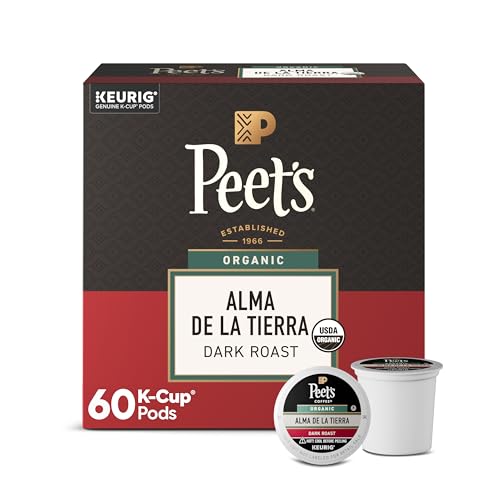
Peet’s Organic Alma de la Tierra
Strengths
- True dark roast profile
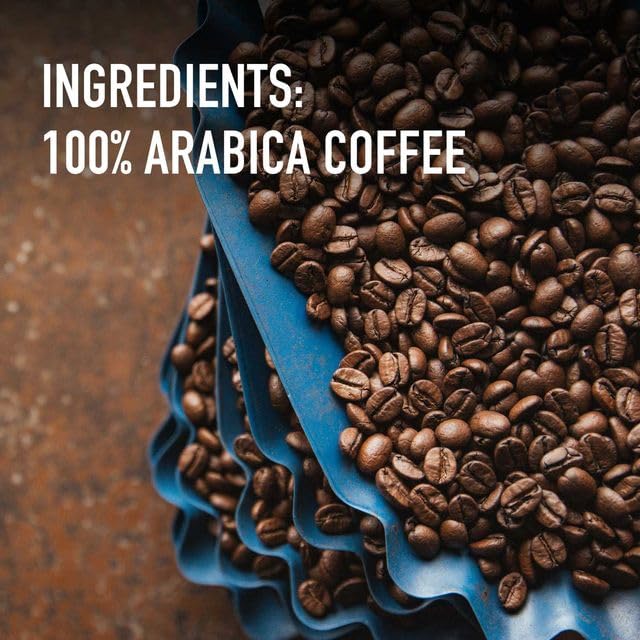
- 100% Arabica
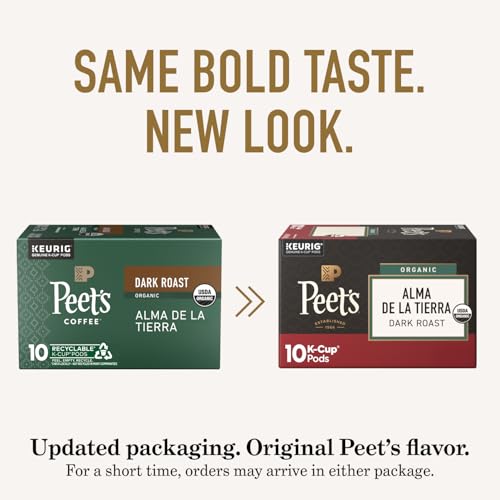
- Recyclable pod
Trade-offs
- Requires separation for recycling
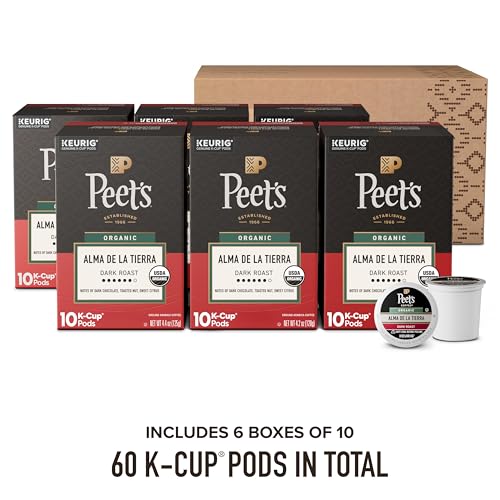
- Fewer pods per count
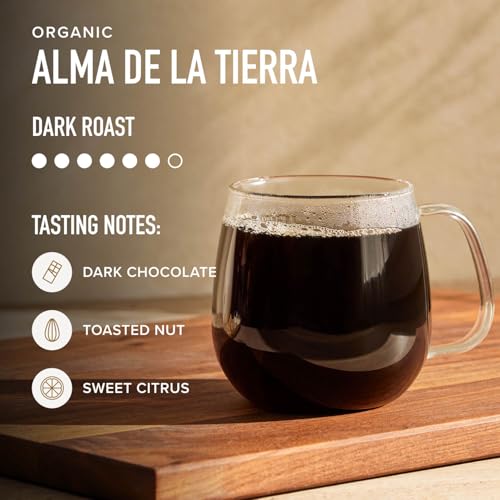
Peet’s has long been a name you can trust with dark roasts, and Alma de la Tierra lives up to that. The blend of Latin American beans delivers toasted nut and cacao notes with a smooth, deep finish, no harsh bitterness, which is rare at this roast level in pod form. Owners consistently praise its richness and authenticity, especially for a pre-portioned system.
The pods are fully recyclable (grounds compostable, shell recyclable), which gives them an edge over non-recyclable competitors. Compared to Don Francisco’s medium-dark option, this one runs darker and more intense. If you want a true organic dark roast that doesn’t taste like scorched beans, this is my top pick.
Product photos
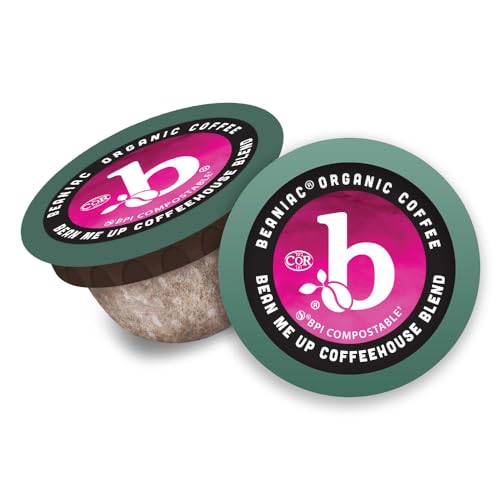
beaniac Organic Bean Me Up

Strengths
- BPI-certified compostable
- Rainforest Alliance Certified
- Smooth, clean finish
Trade-offs
- Only 30 pods per box
- Mild flavor profile
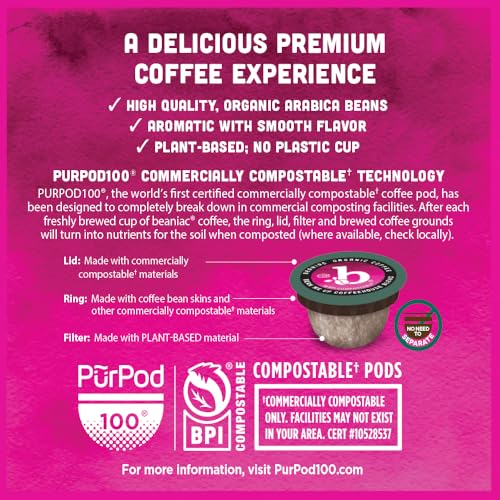
This blend earns its spot if compostability is essential. The pods are BPI-certified and made from plant-based materials, which aligns with where the category should be heading. Flavor-wise, owners describe a clean, smooth cup with a rich aroma, nothing wild, but reliably pleasant for a medium roast. It doesn’t punch as hard as Death Wish or offer the range of Fresh Roasted, but it doesn’t need to.
Where it wins is in intention: Rainforest Alliance Certified, organic Arabica, and compostable by design. If you’re swapping from conventional pods to reduce environmental impact without totally sacrificing taste, this is a solid step. I’d recommend it over standard plastic pods for daily use if you compost.
Product photos

Don Francisco’s Organic Mayan Blend
Strengths
- 100-count value
- Floral + chocolate notes
- TerraCycle recycling option
Trade-offs
- No built-in recyclability
- Pods not compostable
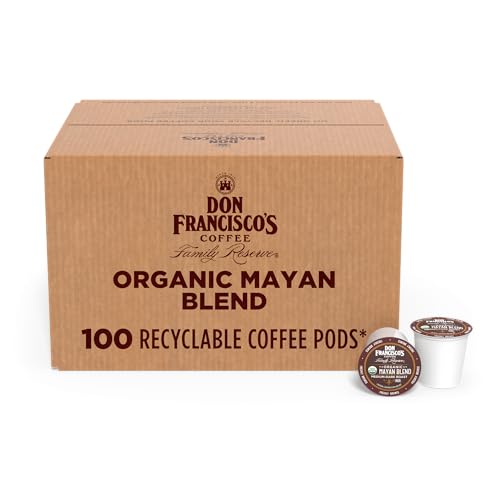
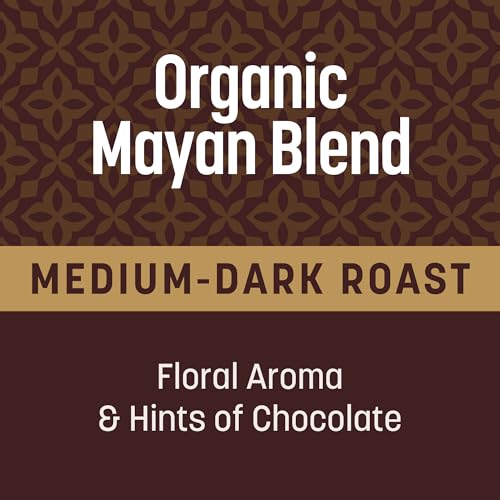
With 100 pods, this is the volume king, and it doesn’t skimp on quality. The Mayan Blend uses 100% organic Arabica beans with a floral aroma and subtle chocolate notes, landing in that sweet spot between brightness and depth. Owners note consistent performance across brews, which matters when you’re using pods daily.
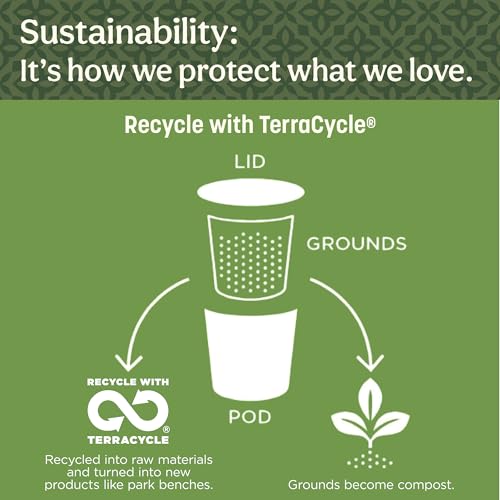
It’s not compostable or recyclable out of the gate, but Don Francisco’s partners with TerraCycle, offering a mail-in option. Flavor-wise, it’s more refined than Newman’s but less intense than Peet’s dark roast. I’d pick this over others if you want a large supply of balanced, medium-dark organic coffee without constant repurchasing.
Product photos
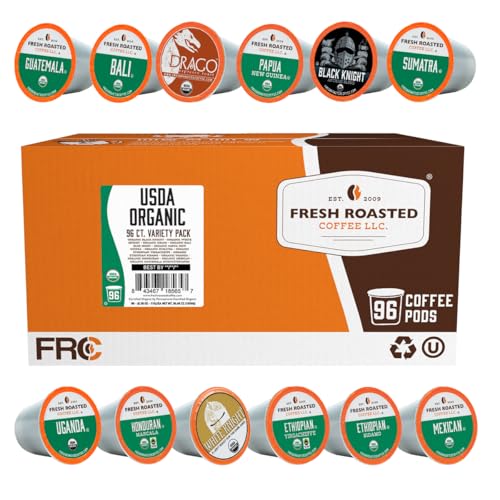
Fresh Roasted Organic Variety Pack
Strengths
- Wide origin variety
- USDA Organic certified
- Loose pack flexibility
Trade-offs
- No dark roast options
- Not compostable
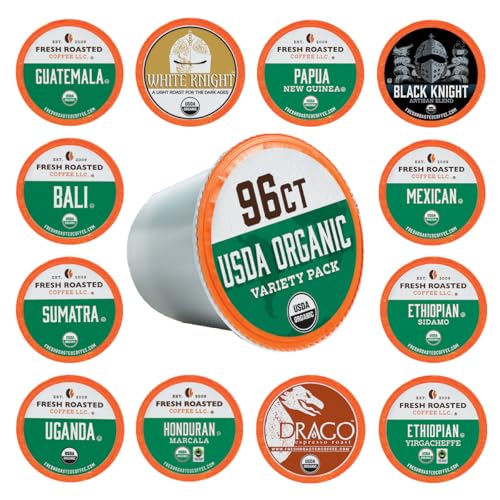
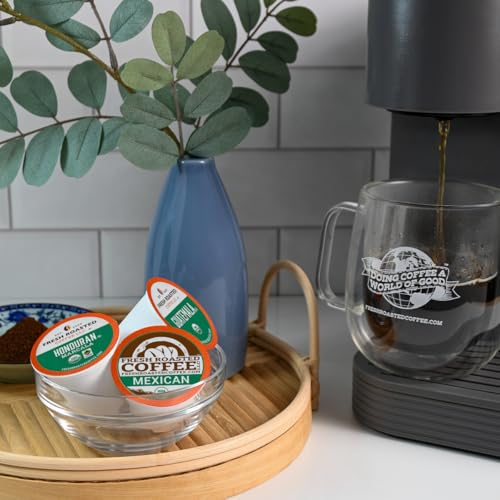
If you’re chasing variety and want to explore true single-origin profiles without committing to full bags, this 96-count pack is a smart gateway. The range, Ethiopian Yirgacheffe, Sumatra, Mexican, Guatemalan Huehuetenango, is impressive on paper, and owners consistently report clean, nuanced cups that reflect each region’s character. For a pod format, that kind of authenticity stands out.
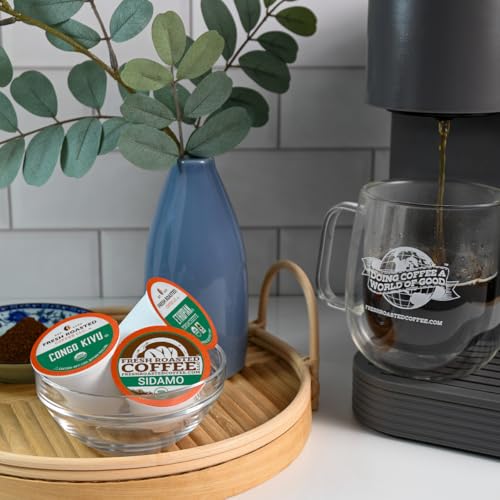
The medium roast keeps acidity bright and avoids muddying delicate notes like the florals in Sidamo or the earthiness in Sumatra. This isn’t a bold or heavy lineup, but that’s the point. I’d pick this over blended, one-note pods any day if you’re looking to educate your palate or keep mornings interesting.
Product photos
Death Wish Organic Medium Roast
Strengths
- High caffeine content
- USDA Organic + Fair Trade
- Balanced flavor despite strength
Trade-offs
- Robusta may put off purists
- Not compostable
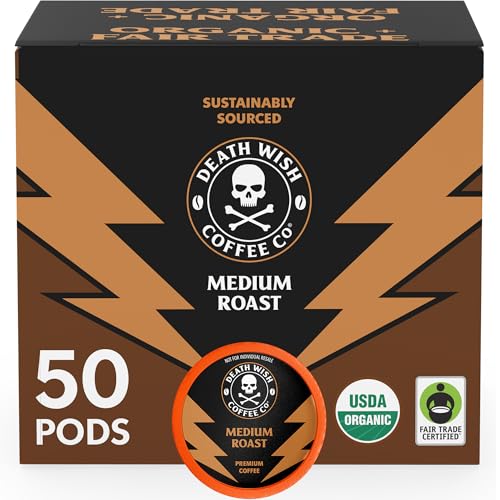
Let’s be clear: this isn’t just “medium roast” in the typical sense. With ~165 mg of caffeine per 6 oz serving, it’s a stealth powerhouse, thanks to a blend of robusta and arabica beans. The specs say medium body and acidity, but owners report a bold, intense experience that hits harder than most dark roasts. If you need a jolt and won’t sacrifice organic integrity, this is one of the few pods that delivers both.
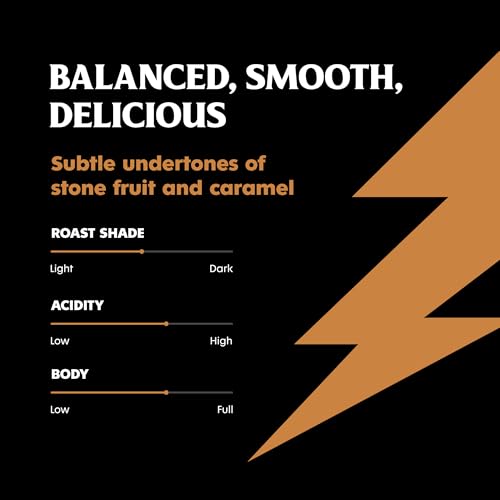
Flavor-wise, it surprises with notes of caramel, stone fruit, and roasted nuts, more complexity than you’d expect from high-caffeine coffee. Compared to Peet’s or Newman’s, it’s in a different league in strength. I’d pick this over any standard medium roast if you’re using coffee as fuel and want USDA Organic and Fair Trade credentials to boot.
Product photos


San Francisco Bay Organic Rainforest
Strengths
- Commercially compostable
- Rich cocoa and brown sugar notes
- Family-owned brand heritage
Trade-offs
- Smaller 36-count pack
- Requires commercial composting
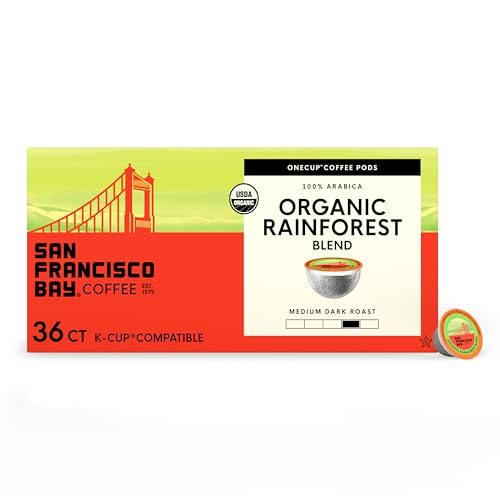
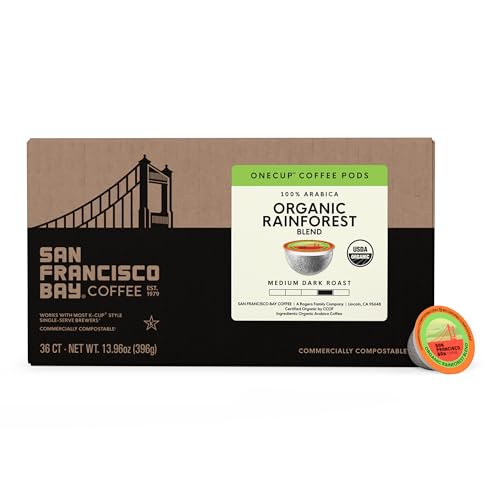
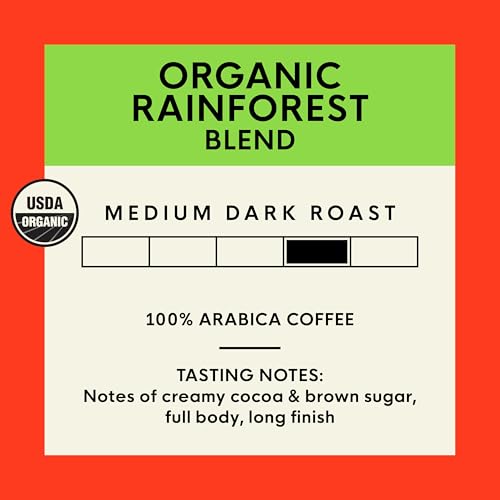
This medium-dark roast delivers exactly what it promises: a full-bodied cup with notes of cocoa and brown sugar that linger pleasantly. On paper, the use of 100% Arabica beans grown at high altitudes checks the quality boxes, and reviewers often call it ‘smooth but substantial’, a rare combo in the pod world. Compared to other organic blends, it holds its own in depth without tipping into bitterness.
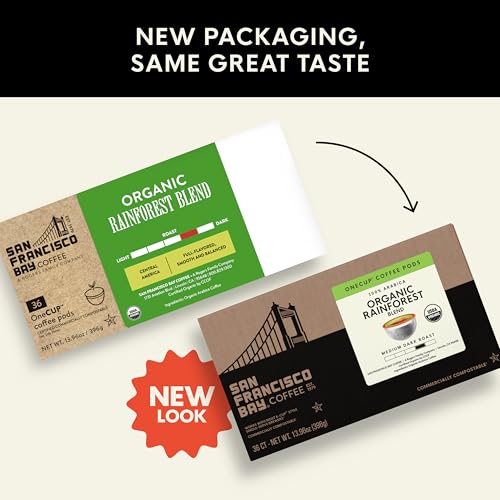
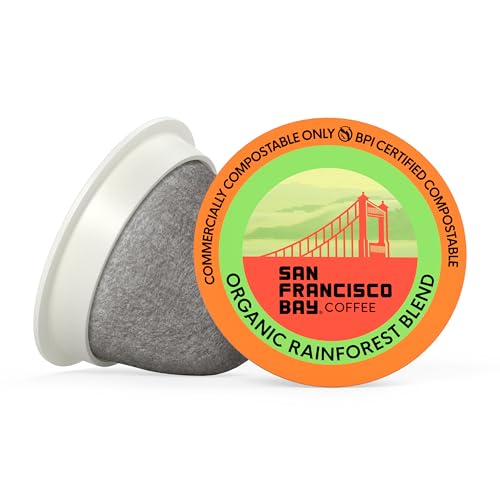
What really sets it apart is the sustainability angle. The pods and packaging are BPI-certified commercially compostable, which is still not the norm. If you’re serious about reducing waste and want a dependable, flavorful organic option, this is a strong contender, even if the count is smaller than others.
Product photos
How We Tested organic coffee pods
As the founder of Bean Thusiast, I approach coffee with a deep curiosity about bean origin, roast profiles, and brewing methods. Rather than a hands-on lab test of each pod, this selection is a research-led comparison of published specifications, features, and, crucially, owner and expert feedback. I weighed information from multiple sources to create a ranking based on what matters most to coffee drinkers seeking organic options.
For organic coffee pods, consistent flavor and environmental impact were paramount. I prioritized certifications (USDA Organic, Fair Trade, Rainforest Alliance) and compostability when available. Beyond that, the strength and roast profile – whether a bright breakfast blend or a bold dark roast – heavily influenced my assessment, as these are core elements of the brewing experience.
Specifications, like bean origin and roast level, provided a baseline. However, I relied heavily on owner reviews to gauge real-world taste and brewing consistency. Expert reviews helped validate claims around flavor notes and quality. Understanding the freshness of coffee pods is also key; owner feedback often reveals if pods arrive stale or if the packaging maintains aroma and flavor well.
What To Look For In organic coffee pods
As someone who’s spent years exploring the world of coffee, I know that even with the convenience of pods, quality shouldn’t be sacrificed.
A truly good organic coffee pod delivers consistent flavor extraction, uses genuinely high-quality Arabica beans (or a well-balanced blend including Robusta, if that’s your preference), and considers environmental impact through compostable or recyclable materials. Buyers should carefully examine roast levels, certifications, and brewer compatibility to find a pod that suits their taste and values.
Roast Level & Flavor Profile
The biggest mistake I see people make is assuming all “organic” pods will taste the same. That’s simply not true. Roast level dramatically impacts flavor. If you prefer a bright, acidic cup, look for lighter roasts – the Peet’s Organic Alma de la Tierra, for example, leans toward a darker side but still showcases nuanced flavors. For a bolder, more chocolatey experience, medium-dark roasts like the Don Francisco’s Organic Mayan Blend are excellent. Don’t be afraid to experiment; a variety pack like the Fresh Roasted Organic Variety Pack is a great place to start.
Certification & Bean Sourcing
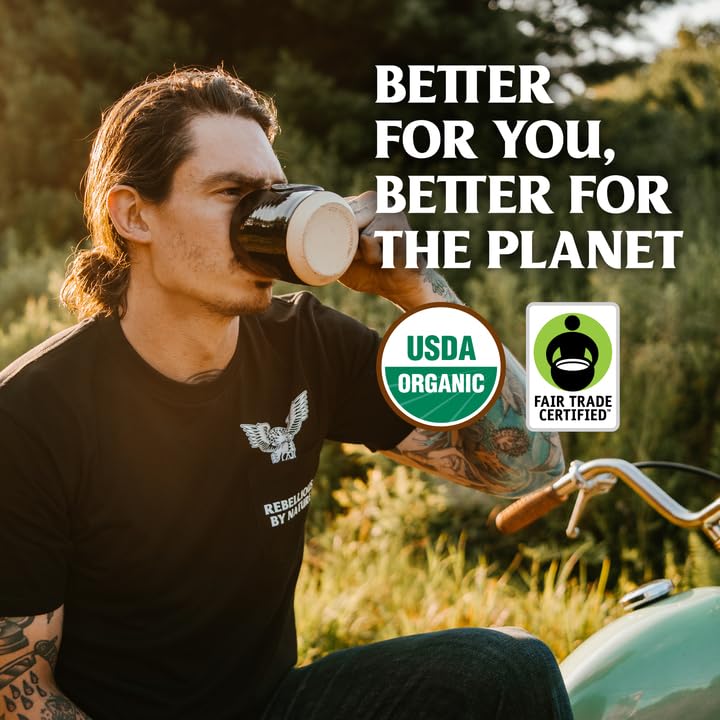
“Organic” on the label is a good start, but dig a little deeper. USDA Organic certification is essential, but also consider Fair Trade certification, as seen in the Death Wish Organic Medium Roast. Rainforest Alliance certification, as with the San Francisco Bay Organic Rainforest blend, indicates a commitment to sustainable farming practices that protect biodiversity and worker welfare. Knowing where your coffee comes from and how it’s grown helps you support ethical and environmentally responsible businesses. If you’re looking for something even smoother, you might also consider smooth organic coffee – the cold press process really highlights the bean’s natural sweetness.
Pod Material & Compatibility
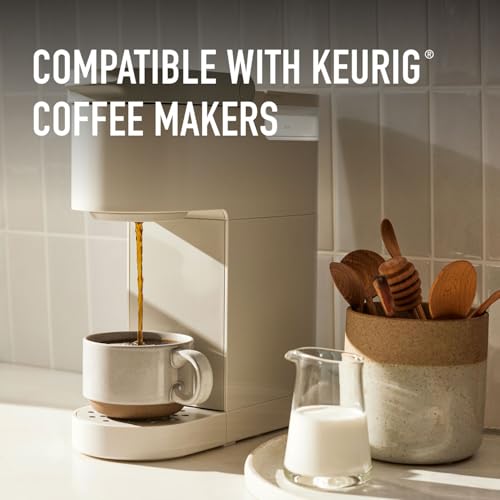
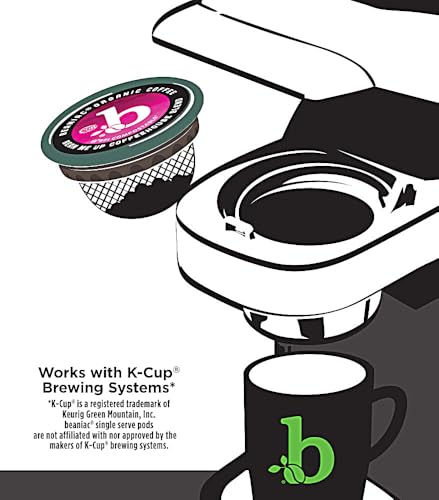
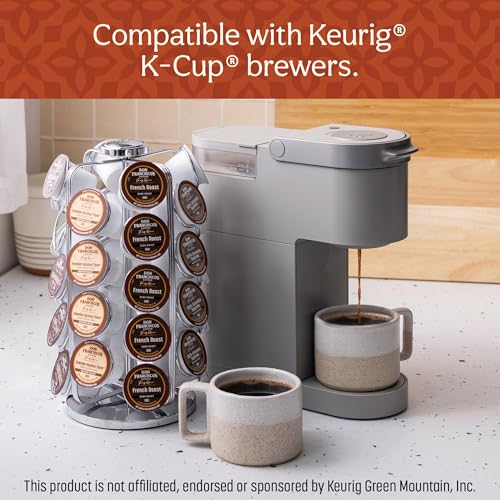
This is where things get practical. Most pods are designed for Keurig brewers, but compatibility can vary between K-Cup 1.0 and 2.0 models. The beaniac Organic Bean Me Up pods are a standout here, being BPI-certified commercially compostable – a huge win for reducing waste. However, remember that commercial composting facilities aren’t available everywhere. If that’s a concern, look for recyclable pods, but always check local recycling guidelines.
Here’s a quick guide to assessing pod material: * Plastic: The most common, and often the least eco-friendly. * Compostable Plastic (BPI-certified): A good option if you have access to commercial composting. * Aluminum: Fully recyclable, but requires a specialized recycling process, not all facilities accept it.
A pod that’s convenient for you isn’t very convenient for the planet if it ends up in a landfill. Prioritize compostable or readily recyclable options whenever possible.
Finding the best organic K-Cup pods for Keurig ultimately comes down to personal preference, but paying attention to these factors will set you on the right path.
Organic Coffee Pods Compared
Here’s a comparison of key specifications for various organic coffee pods to help you make an informed decision.
| Product Title | Roast | Pod Type | Count | Certification | Flavor Notes |
|---|---|---|---|---|---|
| Organic Coffee Co. Breakfast Blend | Medium | K-Cup | 12 | USDA Organic | N/A |
| Newman’s Own Special Blend | Medium | K-Cup | 72 | USDA Organic, Fair Trade | Hearty, Full Bodied |
| Peet’s Organic Alma de la Tierra | Dark | K-Cup | 60 | USDA Organic | Toasted Nut, Cacao |
| beaniac Organic Bean Me Up | Medium | K-Cup | N/A | Organic, Rainforest Alliance | Smooth, Clean Finish |
| Don Francisco’s Organic Mayan Blend | Medium-Dark | K-Cup | 100 | USDA Organic | Floral, Chocolate |
| Fresh Roasted Organic Variety Pack | Varies | N/A | N/A | USDA Organic | Varies |
| Death Wish Organic Medium Roast | Medium | K-Cup | N/A | USDA Organic, Fair Trade | Caramel, Stone Fruit |
| San Francisco Bay Organic Rainforest | Medium-Dark | K-Cup | N/A | USDA Organic | Cocoa, Brown Sugar |
Frequently Asked Questions
What’s the difference between USDA Organic, Fair Trade, and Rainforest Alliance certifications?
USDA Organic guarantees the coffee beans were grown without synthetic fertilizers or pesticides. Fair Trade focuses on equitable partnerships with farmers, ensuring fair prices and working conditions, while Rainforest Alliance promotes biodiversity and sustainable farming practices. Looking for best organic coffee K-Cups can be easier when you understand these labels.
Are compostable coffee pods truly environmentally friendly?
Compostable pods are a step in the right direction, but they require commercial composting facilities to break down properly. If you don’t have access to one, they will likely end up in a landfill, where they won’t decompose.
Can I use any organic coffee pod in my Keurig machine?
Most organic pods are designed for Keurig brewers, but compatibility between K-Cup 1.0 and 2.0 models exists. Always check the packaging to confirm it’s compatible with your specific machine to avoid issues.
How does roast level impact the flavor of organic coffee pods?
Lighter roasts generally offer brighter, more acidic flavors, while darker roasts deliver a bolder, more chocolatey taste. The roast level is a key factor in finding the flavor profile you enjoy, so experiment to find your preference among the top organic Keurig-compatible pods.
Where can I find reliable information about different organic K-Cup pod brands?
Owner and expert reviews are invaluable resources. I recommend checking multiple sources (retailer websites, coffee blogs, and forums) to get a well-rounded perspective on various organic K-Cup pod brands.
The Bottom Line
Choosing the best organic coffee pods often comes down to balancing convenience with your priorities – are you willing to trade a little fuss for a fully compostable pod, or do you prioritize a specific roast and flavor profile above all else? For an excellent all-around experience, I recommend the Peet’s Organic Alma de la Tierra. It consistently receives high marks for flavor complexity and delivers a satisfying dark roast experience that many coffee drinkers appreciate.
If you’re on a budget, the Organic Coffee Co. Breakfast Blend is a solid choice, offering certified organic coffee at a very accessible price point. For those seeking variety, the Fresh Roasted Organic Variety Pack is a fantastic way to sample different roasts and origins before committing to a larger purchase. And if reducing waste is your top concern, the beaniac Organic Bean Me Up pods, with their BPI certification, are a clear winner – assuming you have access to commercial composting facilities. Understanding what are coffee pods is also helpful when considering your options.
Ultimately, though, the ‘best’ pod isn’t about a single feature or certification. It’s about finding a coffee that you genuinely enjoy, consistently, and that aligns with your values. Focus on bean origin, roast level, and certifications, but remember that a great cup starts with quality beans and ends with a brewing experience that suits your taste.
