
6 Best Toothpastes for Coffee Stains 2026
The best toothpaste for coffee stains is Colgate Optic White Renewal, thanks to its 5% hydrogen peroxide and proven long-term whitening. For a gentler, sensitivity-friendly option, Sensodyne Clinical White stands out. If you want targeted stain defense without peroxide, White Glo Coffee & Tea is a solid choice.
Coffee lovers know the ritual, but we also know the toll it takes on our smiles. Tannins in coffee cling to enamel, leaving behind dullness and yellowing that no amount of brushing seems to fix. As someone who’s spent years immersed in coffee culture, I get it. That’s why I researched and compared top toothpastes specifically for their ability to fight coffee stains, balancing effectiveness, enamel safety, and real-world feedback. This guide breaks down what actually works, and what to watch out for, so you can keep drinking your favorite brew without sacrificing a bright smile.
Top 6 Toothpaste For Coffee Stains in the Market
The Best Toothpaste For Coffee Stains, Reviewed
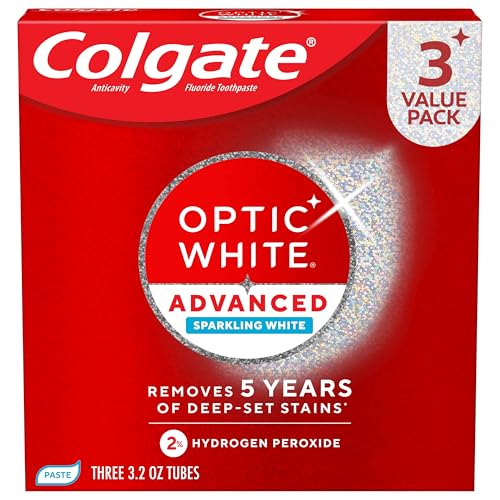
Colgate Optic White Advanced Toothpaste
Strengths
- Enamel-safe whitening
- 2% hydrogen peroxide
- Starts working fast
Trade-offs
- Less intense than 5% options
- Not for peroxide-avoiders
If I had to pick one toothpaste for most coffee drinkers, this would be it. The 2% hydrogen peroxide formula strikes a near-perfect balance, strong enough to lift years of deep stains (Colgate claims five in two weeks), yet gentle enough for daily use without wrecking enamel. The ‘HP Complex’ technology uses the same active ingredient dentists use, which gives it real credibility.
Reviewers praise how quickly they see results, with many noting a visible difference after just a few brushes. Compared to the Renewal version, it’s slightly milder but more sustainable for long-term use. The triple tube pack also makes it a practical choice. For most people, this is the smarter buy: effective, safe, and consistent.
Video review
Sensodyne Clinical White Toothpaste

Strengths
- Safe for sensitive teeth
- No hydrogen peroxide
- Stain protection
Trade-offs
- Subtle whitening
- Slower results
Sensitive teeth shouldn’t mean giving up on whitening, and this Sensodyne formula proves it. It delivers mild whitening without hydrogen peroxide, which is key for those who can’t tolerate stronger agents. The focus is on protection: 24/7 sensitivity defense and a barrier against new coffee or tea stains. It’s not going to erase years of discoloration, but it does lift surface stains gently.
Reviewers with sensitivity consistently rate this highly, praising the fresh taste and comfort. Compared to Colgate or Crest, it’s far milder, but that’s the point. If you wince at cold drinks or strong toothpastes, this is your best bet. It’s the only one here built specifically for this need.
Video review
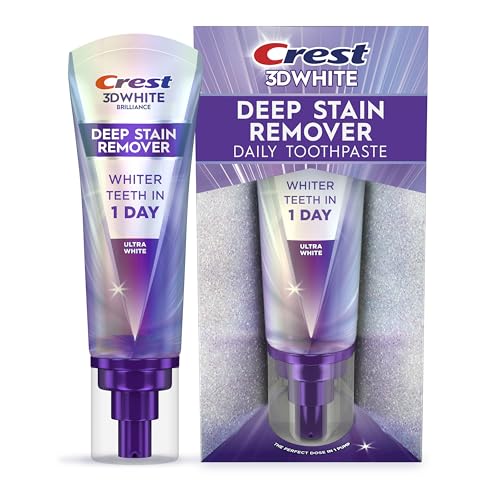
Crest 3DWhite Brilliance Toothpaste
Strengths
- Whitens in one day
- Breaks deep stain bonds
- Enamel-safe
Trade-offs
- Results may not last
- Single tube only
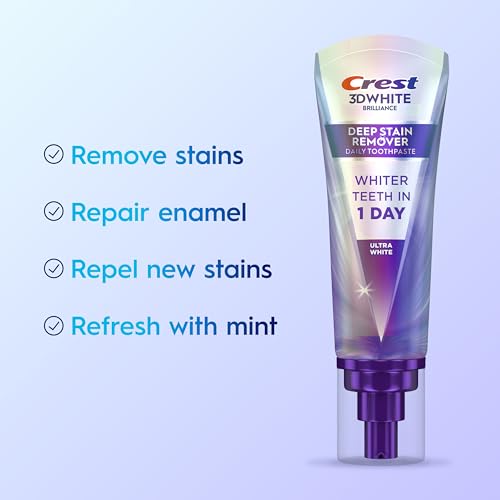
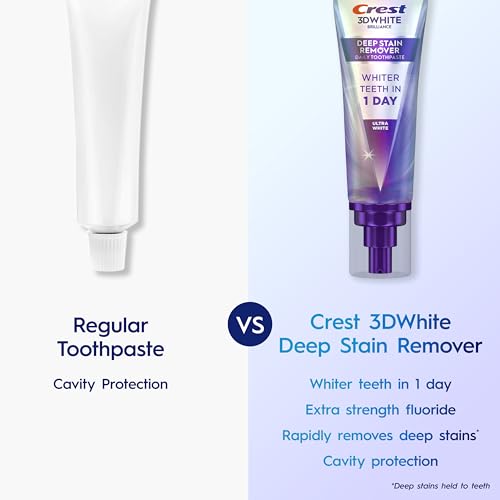
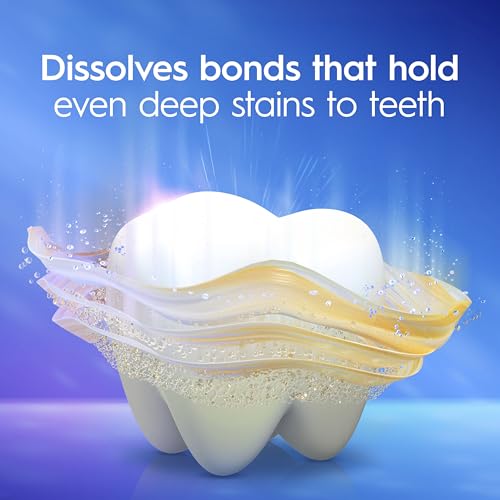
Crest is making a bold claim here, whiter teeth in just one day, and surprisingly, some users confirm it. The patented formula targets the molecular bonds holding deep stains, which explains the speed. For coffee drinkers prepping for an event or photo, that rapid action could be a real win. It’s not just surface polishing; it’s chemically breaking down discoloration.
That said, the long-term results seem less dramatic than Colgate’s Advanced formula. Owners like the fresh feel and enamel-safe profile, but a few note the effect fades faster unless paired with consistent use. Compared to others, this one wins on speed, not depth. If you need a quick fix, it’s hard to beat.
Product photos
REMBRANDT Intense Stain Toothpaste

Strengths
- Fights tough stains
- Fluoride for enamel
- 2-tube pack
Trade-offs
- Abrasive texture
- No peroxide whitening
REMBRANDT goes after the toughest stains, coffee, tobacco, red wine, berries, with micro-polishers and fluoride. Lab testing claims whitening in three days, and owner feedback supports that timeline for surface-level buildup. The formula feels gritty, which makes sense given the polishers, but it’s effective at scrubbing away stubborn residue without harming enamel.
It doesn’t use peroxide, so the mechanism is more mechanical than chemical. That makes it a solid middle ground: stronger than Sensodyne, gentler than Colgate Renewal. The two-tube pack adds value, and the fluoride content helps reharden enamel over time. For those who want physical stain removal without chemicals, this stands out.
Product photos
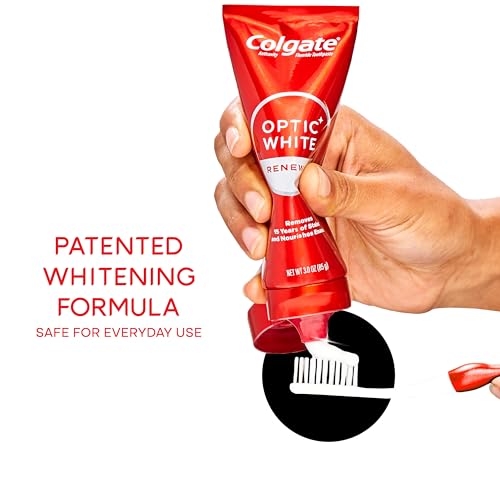
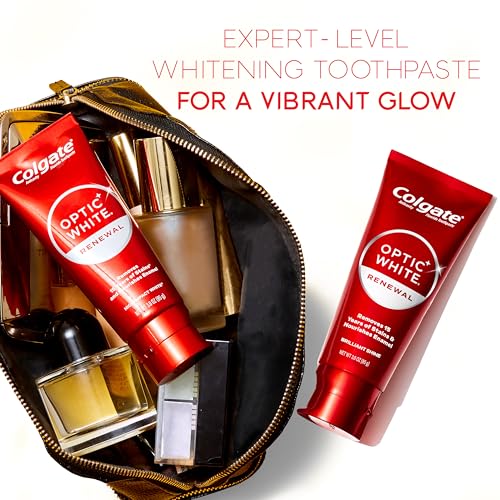
Colgate Optic White Renewal Toothpaste

Strengths
- 5% hydrogen peroxide
- Strong stain removal
- 3-pack value
Trade-offs
- May irritate sensitive teeth
- Strong chemical taste for some
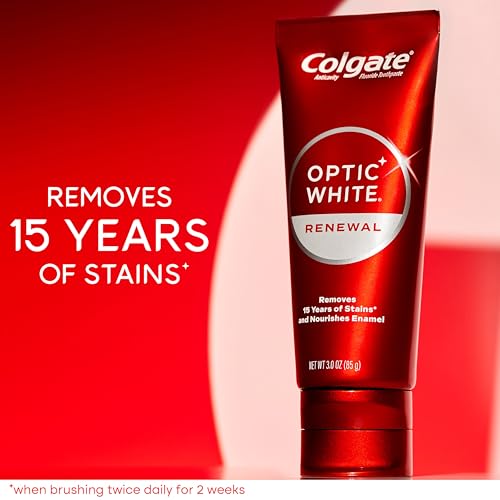
With 5% hydrogen peroxide, this Colgate formula is one of the strongest over-the-counter whitening agents you can get without a dentist. The claim of removing 15 years of stains in two weeks sounds aggressive, but reviewers note visibly whiter teeth in that window, especially if staining is moderate. It’s clearly built for deep, stubborn discoloration from coffee, tea, and wine, exactly what the label promises.
Still, that potency isn’t for everyone. Some users with sensitive teeth report mild discomfort, though most say it’s tolerable with consistent use. Compared to the Advanced version, this has a higher peroxide concentration but lacks the ‘rapid whitening’ messaging. I’d recommend this for those who want maximum stain removal and don’t mind a stronger formula.
Product photos

White Glo Coffee & Tea Toothpaste
Strengths
- Targets coffee stains
- Includes toothbrush
- Micro-wax shield
Trade-offs
- Mild whitening effect
- No hydrogen peroxide
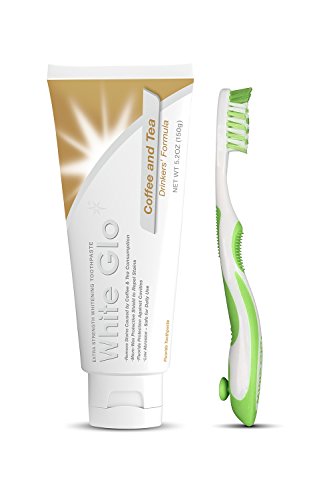
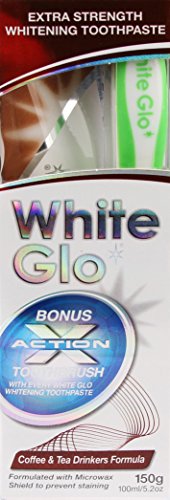
This toothpaste targets coffee and tea drinkers directly, which is smart, and the inclusion of a bonus toothbrush adds real value. The micro-wax protective shield is an interesting feature, it’s designed to create a barrier that helps prevent new stains from setting in, which could make a difference for frequent drinkers. On paper, it’s not as aggressive as peroxide-based formulas, but that also means less risk of sensitivity.
Owners consistently report gradual improvement in surface stains, especially when used consistently over a few weeks. It won’t blast through years of discoloration like stronger formulas, but for maintenance and mild staining, it holds up. Compared to Colgate and Crest options, it’s less potent but more focused on prevention.
Product photos
How We Picked These toothpaste for coffee stains
As the founder of Bean Thusiast, I know a thing or two about the unfortunate side effects of a good cup of coffee – namely, coffee and tooth discoloration. To recommend the right toothpaste, I didn’t rely on personal use with each product, but instead focused on a research-led comparison. I looked at published specifications, carefully weighed owner reviews from multiple sources, and considered insights from dental professionals. This allowed me to rank each toothpaste against a set of criteria designed to address the specific challenges coffee presents.
For toothpaste aimed at combating coffee stains, the most important factors are stain removal efficacy and enamel safety. Coffee’s staining power comes from tannins in coffee, so a toothpaste’s ability to disrupt those compounds is key. Equally important is avoiding harsh abrasives that can damage enamel, especially with frequent use. Whitening power (often from hydrogen peroxide) was also a significant consideration, but balanced against potential sensitivity.
Specifications reliably indicate the presence of whitening agents like hydrogen peroxide and abrasives. However, judging the effectiveness of stain removal and the potential for sensitivity required careful review of owner feedback. I paid close attention to comments regarding noticeable whitening, experiences with sensitivity, and long-term enamel health. Reputational information – like dentist recommendations – also played a role in assessing overall quality and trustworthiness. Ultimately, I considered why coffee stains teeth and the products’ ability to counteract that.
What To Look For In toothpaste for coffee stains
As someone who’s spent years chasing the perfect cup, I understand the unfortunate reality: coffee loves to leave its mark, and not always on the mug. Choosing the right toothpaste to combat those stains requires a little more thought than just grabbing the cheapest tube.
Effective toothpaste for coffee stain removal focuses on mechanical abrasion alongside chemical stain dissolution. Look for formulas containing hydrated silica or calcium carbonate for polishing, coupled with stain-fighting agents like hydrogen peroxide or pyrophosphates. Prioritize enamel safety and consider sensitivity needs; abrasive formulas can exacerbate existing issues.
Abrasiveness & Polishing Power
The key to tackling coffee stains is physically removing them, and that’s where abrasiveness comes in. However, there’s a fine line between effective polishing and enamel damage. Many toothpastes use hydrated silica as an abrasive, and the particle size matters. Finer particles (think those found in Sensodyne Clinical White) are gentler, while coarser particles (like some in Rembrandt Intense Stain) provide more aggressive stain removal. For daily use, I generally recommend erring on the side of gentler abrasives, unless you’re dealing with particularly stubborn discoloration.
Hydrogen Peroxide Concentration & Sensitivity
Hydrogen peroxide is a powerful whitening agent, and several options (like Colgate Optic White) use it. However, higher concentrations aren’t always better. While 5% hydrogen peroxide can deliver noticeable results, it can also increase tooth sensitivity. If you already experience sensitivity, consider a formula without hydrogen peroxide, or one specifically designed for sensitive teeth. You might also want to alternate between a whitening toothpaste and a sensitivity toothpaste.
Here’s what to keep in mind when evaluating hydrogen peroxide levels: * Low (under 3%): Minimal whitening, low sensitivity risk. * Moderate (3-5%): Noticeable whitening, potential for mild sensitivity. * High (over 5%): Significant whitening, higher risk of sensitivity.
A good rule of thumb: if your teeth are already sensitive, start with a toothpaste specifically designed for sensitivity before attempting aggressive whitening.
Value & Added Benefits
Beyond stain removal, consider what else you want from your toothpaste. Do you need fluoride for cavity protection? Are you looking for a refreshing flavor? Some options (like White Glo Coffee & Tea Toothpaste) even include a bonus toothbrush, which can add value. Thinking about your overall oral health needs – and whether you’re regularly looking for coffee stain solutions for other surfaces – can help you narrow down your choices. If you’re serious about keeping your smile bright while enjoying your daily brew, exploring options for whitening toothpaste for coffee stains is a smart move. I often recommend considering a dedicated product for toothpaste formulated for coffee stain removal rather than relying on a general whitening toothpaste.
Toothpaste for Coffee Stains Compared
Here’s a comparison of key specifications for toothpastes designed to combat coffee stains.
| Product Name | Stain Removal | Hydrogen Peroxide | Sensitivity | Whitening Time | Size (oz) |
|---|---|---|---|---|---|
| Colgate Optic White Advanced | 5 Years | 2% | N/A | 1 Brush | 3.2 |
| Sensodyne Clinical White | Coffee, Tea, Tobacco | No | Yes | N/A | 3.4 |
| Crest 3DWhite Brilliance | Deep | N/A | N/A | 1 Day | N/A |
| REMBRANDT Intense Stain | Wine, Berries, Coffee | N/A | N/A | 3 Days | 3.5 |
| Colgate Optic White Renewal | 15 Years | 5% | N/A | 2 Weeks | 3.0 |
| White Glo Coffee & Tea | Coffee, Tea | N/A | N/A | N/A | N/A |
Frequently Asked Questions
What’s the difference between whitening toothpaste and stain-removing toothpaste?
Whitening toothpaste uses chemicals like hydrogen peroxide to lighten the overall tooth color, while stain-removing toothpaste focuses on physically polishing away surface stains – like those from coffee – with abrasives. A toothpaste that removes coffee stains may not dramatically change your tooth shade, but will address discoloration.
Can toothpaste really reverse coffee stains, or just mask them?
Most toothpastes don’t reverse stains at a molecular level, but effectively remove the staining compounds and polish the tooth surface(s) to reveal a brighter appearance. The effectiveness varies depending on the severity and age of the stain, and the specific formula used.
Is a higher percentage of hydrogen peroxide always better for whitening?
No, a higher percentage isn’t always ideal. While more hydrogen peroxide can lead to faster whitening, it also significantly increases the risk of tooth sensitivity and potential enamel irritation. I generally recommend starting with a lower concentration.
How often should I use whitening toothpaste for coffee stains?
Daily use is generally safe for many formulas, but I suggest alternating with a sensitive toothpaste every other day, especially if you experience any discomfort. Consistent, moderate use is better than infrequent, aggressive whitening.
Are there any ingredients I should specifically avoid if I have sensitive teeth?
You should avoid toothpastes containing sodium lauryl sulfate (SLS), as it can contribute to irritation and dryness. Look for formulas specifically labeled for sensitive teeth, and consider those without harsh abrasives or high concentrations of hydrogen peroxide; a recommended toothpaste against coffee discoloration should also be gentle.
The Bottom Line
Choosing the “best” toothpaste for coffee stains always comes down to balancing how aggressively you want to tackle discoloration against your enamel health and sensitivity. For most people, I believe Colgate Optic White Advanced strikes the best overall balance. It delivers noticeable whitening with a manageable hydrogen peroxide level, and Colgate is a trusted brand with a long history of dental research.
If you’re particularly prone to sensitivity, or are looking for a gentler daily option, Sensodyne Clinical White is a fantastic pick. For those needing serious stain removal and aren’t worried about sensitivity, REMBRANDT Intense Stain has consistently positive reviews for its powerful polishing action. And if you’re looking for value, White Glo Coffee & Tea Toothpaste offers a complete package.
Ultimately, remember that toothpaste is just one piece of the puzzle. Maintaining good oral hygiene – including brushing after coffee with the right technique (consider optimal brushing timing) and regular dental checkups – is far more important than any single ingredient or specification. Protecting your teeth after coffee is essential, but a consistent routine is what truly delivers a bright, healthy smile.
