
8 Best Moka Coffee Pots of 2026
Bristot Moka Oro stands out as the best overall choice for moka coffee, delivering a balanced, rich brew with its 70/30 Arabica-Robusta blend and medium roast. For a budget-friendly option that doesn’t sacrifice authenticity, V Vescovi Moka Crema offers nearly identical specs and flavor at a lower price. If you need decaf, Bialetti Perfetto Deka is the clear pick, crafted specifically for moka pots.
Choosing the right coffee for your moka pot can make the difference between a flat, bitter cup and one that’s bold, aromatic, and layered with flavor. It’s not just about tossing in any ground coffee – the roast, blend, and freshness matter more than most realize.
As the founder of Bean Thusiast, I researched these picks by analyzing specs, cross-referencing owner feedback, and drawing on years of experience with stovetop brewing. This guide cuts through the noise to highlight coffees that consistently deliver in body, crema, and balance – exactly what a true moka lover is after.
Top 8 Moka Coffee in the Market
The Best Moka Coffee, Reviewed
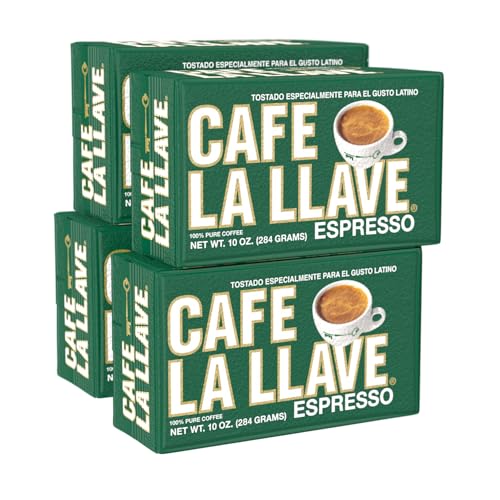
Cafe La Llave Dark Roast
Strengths
- Bold Cuban flavor
- Vacuum-sealed freshness
- Fine grind versatility
Trade-offs
- Can be too intense
- Limited roast nuance
This is bold, unapologetic Cuban-style coffee that pulls no punches. On paper, the 10 oz vacuum-sealed bricks stand out for freshness, and owners consistently report that the rich, dark roast delivers a deep, intense cup, especially in a moka pot, where its strength really shines. It’s finely ground, which works well for espresso-style brewing, though some may find it a bit too aggressive if they prefer balance over power.
The Gaviña family’s long history in Cuban coffee adds authenticity, and the Los Angeles zero-waste roasting is a quiet win for sustainability. Still, this isn’t a subtle coffee. If you’re after boldness with a cultural lineage, this delivers. But those sensitive to heavy roast profiles might find it overwhelming.
Video review
illy Intenso Dark Roast Moka

Strengths
- 100% Arabica dark roast
- Smooth, cocoa-rich flavor
- Consistent quality
Trade-offs
- Less crema than Robusta blends
- Pricier per ounce
Illy’s Intenso is what happens when Italian precision meets dark roast discipline. The blend leans into warm notes of cocoa and dried fruit, and reviewers often highlight its robust yet clean finish, no bitterness, just depth. It’s 100% Arabica, which is rare at this roast level, and that shows in the aromatic complexity. For moka pot users, it builds a rich, layered cup without tipping into harshness.
Compared to other dark roasts here, it’s more refined than Cafe La Llave but less intense than Bristot or V Vescovi. The tin packaging helps preserve quality, and the consistency across batches is exactly why illy has a cult following. If you want dark without the bite, this is a strong contender.
Video review
Caffe Vergnano Moka Espresso

Strengths
- Sweet, nutty flavor notes
- Slow-roasted for depth
- Protective atmosphere packaging
Trade-offs
- Lower intensity (level 4)
- Less crema than Robusta mixes
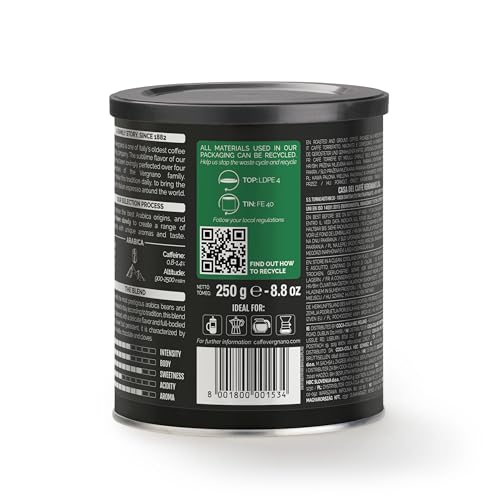
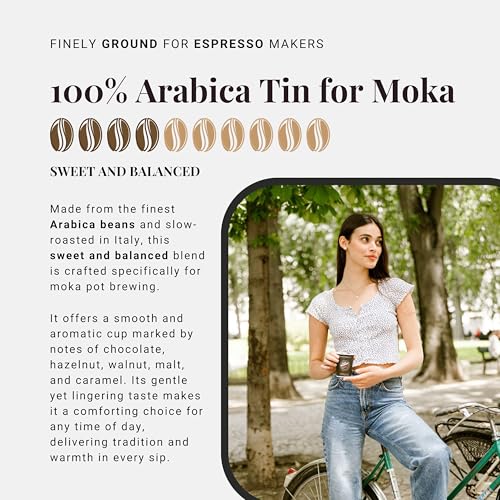
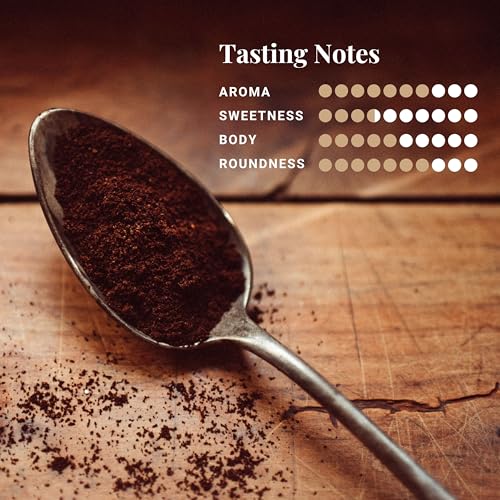
This is the coffee I’d reach for when I want something sweet and comforting in the morning. The 100% Arabica medium roast brings out chocolate, hazelnut, and caramel in a way that feels balanced, not sugary. Owners praise its smoothness and how well it performs in a moka pot, delivering a cup that’s rich but never overwhelming.
What sets it apart is the slow-roasting process in Italy, which seems to deepen the sweetness without burning the beans. Compared to the bolder Bristot or V Vescovi, this is lighter in intensity but more nuanced. It’s also versatile, works in drip or French press, but truly sings when brewed under moka pressure.
Product photos
Bialetti Perfetto Moka Deka

Strengths
- Smooth decaf option
- Cereal-rich aroma
- Valve-sealed freshness
Trade-offs
- Lacks depth of caffeinated blends
- Muted aftertaste
Decaf coffee often sacrifices flavor, but Bialetti’s Deka tries to hold the line. The medium roast carries a distinct cereal-like aroma, think toasted grain and malt, that reviewers say feels authentic and satisfying, especially for a decaf. It’s ground specifically for moka pots, and the valve-sealed bag helps retain freshness, which is critical for decaf beans that can stale faster.
It won’t replicate the kick of caffeine, but for evening cups or caffeine-sensitive drinkers, it’s one of the more flavorful options. Compared to illy’s decaf offerings, it’s earthier and less floral, leaning into body over brightness. Not a standout for intensity, but it fills a niche well.
Product photos
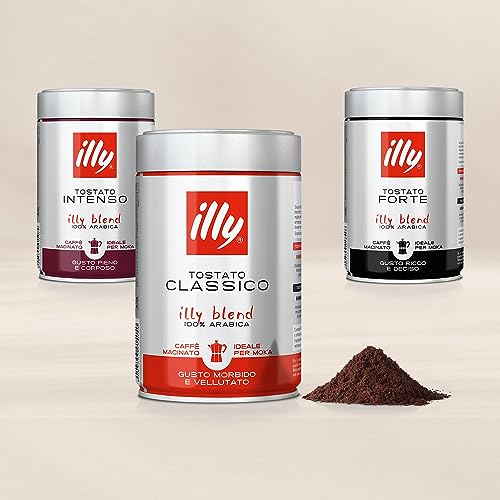
illy Classico Medium Roast Moka

Strengths
- Floral, sweet aroma
- Smooth, no bitterness
- High roast consistency
Trade-offs
- Less body than Robusta blends
- Subtle flavor fades fast
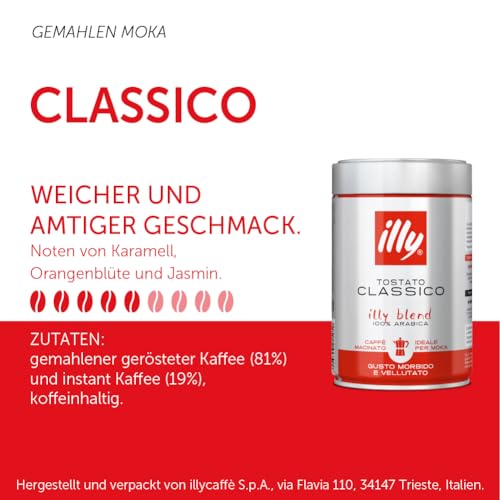
If the Intenso is the bold sibling, this Classico is the graceful one, delicate, aromatic, and effortlessly balanced. The notes of caramel, orange blossom, and jasmine come through in a way that feels refined, almost tea-like in clarity. It’s 100% Arabica, finely ground, and optimized for moka pots, where it builds a soft, fragrant cup without over-extraction.
Owners consistently rate it as one of the smoothest medium roasts available, with zero bitterness and a lingering sweetness. Compared to Caffe Vergnano, it’s a bit more floral; against Bristot, far less intense. This is the coffee I’d recommend to someone new to moka brewing, it’s forgiving, consistent, and elegant.
Product photos

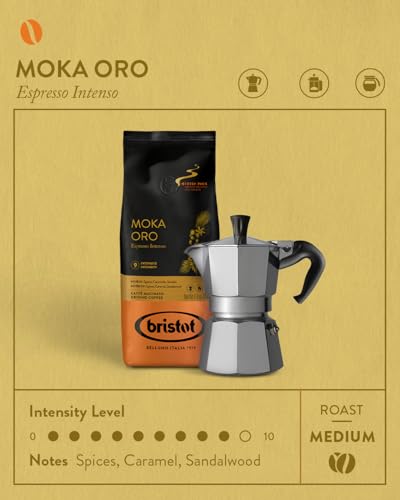
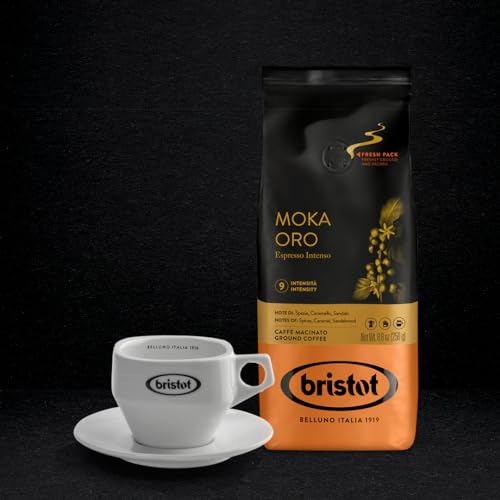
Bristot Moka Oro Ground Coffee

Strengths
- Rich crema production
- Balanced spice-sweet profile
- High intensity (9/10)
Trade-offs
- Robusta may bother purists
- Not for delicate palates
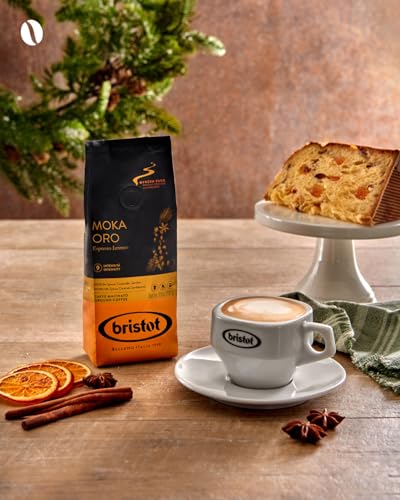
This is the coffee that keeps coming up in forums as the one that “just works.” The 70% Arabica, 30% Robusta blend is classic Italian espresso architecture, smoothness anchored by body. The medium roast brings out spices, caramel, and a whisper of sandalwood, and the 9/10 intensity means it pulls a thick, lasting crema in the moka pot, just like a proper espresso should.
Reviewers note its reliability and depth, especially compared to 100% Arabica options. It’s roasted in Italy by a百年 roaster, and that heritage shows in the balance. Among all the entries here, this one delivers the most complete moka experience, rich, bold, yet never harsh. My pick for the best overall.
Product photos

V Vescovi Moka Crema Espresso

Strengths
- Full body with smooth finish
- Strong crema (9/10 intensity)
- Well-balanced roast
Trade-offs
- Flavor profile close to Bristot
- Less distinctive origin character
At first glance, V Vescovi looks a lot like Bristot, same 70/30 Arabica-Robusta split, same 9/10 intensity, even similar flavor notes of spices, caramel, and sandalwood. On paper, they’re nearly twins. But owners suggest V Vescovi leans slightly smoother, with a softer finish and less upfront spice. It’s still bold, still creamy, and still built for moka pot excellence.
Where it wins is balance. It delivers the body and crema you want from a Robusta blend but with a touch more elegance. Compared to Bristot, it’s a hair less aggressive, ideal if you want strength without the edge. For those chasing that elusive middle ground between power and polish, this might be it.
Product photos


Kimbo 100% Arabica White Tin
Strengths
- Iconic vintage tin
- Heavy, low-acid body
- Authentic Neapolitan roast
Trade-offs
- Hard to find outside EU
- Less crema than Robusta blends
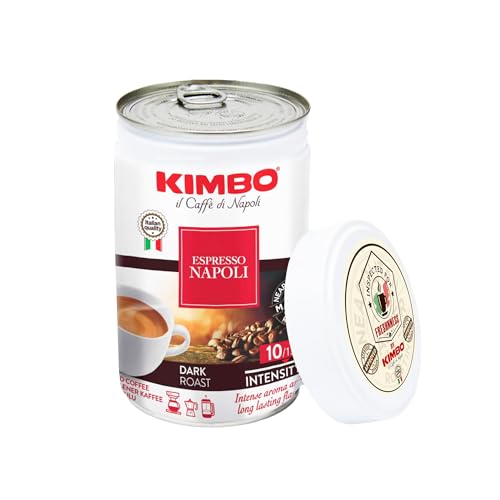
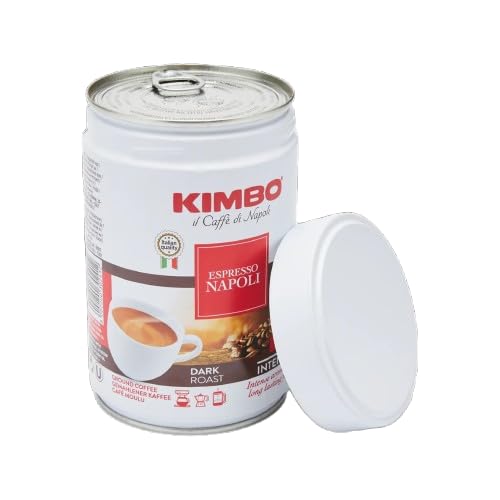
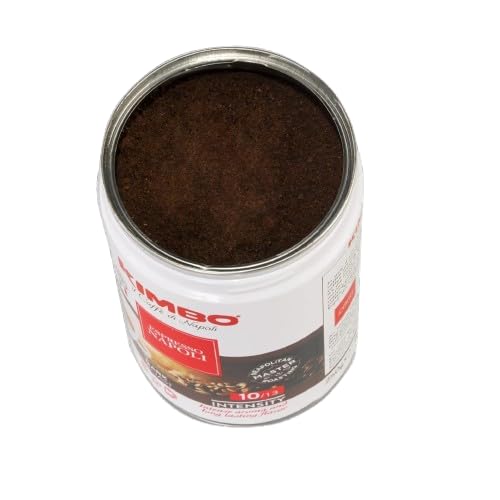
Kimbo’s white tin isn’t just nostalgic, it’s symbolic. This is Neapolitan coffee culture in a can: medium-dark roast, 10/13 intensity (which translates to bold but not brutal), and a heavy body with low acidity. It’s 100% Arabica, which is impressive at this roast level, and reviewers often praise its smooth, almost syrupy mouthfeel when brewed in a moka pot.
The traditional Italian roasting process in Naples gives it a distinctive character, darker than illy Classico, sweeter than Cafe La Llave, and more rounded than Kimbo’s own silver-tin variants. It’s not the most innovative, but it’s deeply traditional. If you value heritage and packaging that feels like a ritual, this stands out.
Product photos


How We Evaluated moka coffee
As the founder of Bean Thusiast, I approached researching moka coffee by first gathering detailed specifications for each option – roast level, bean composition (Arabica/Robusta ratio), and stated flavor profiles. I then weighed those against owner reviews from multiple sources, plus expert opinions found in coffee publications. This wasn’t about a hands-on test of each brew, but a research-led comparison to identify patterns and relative strengths. My goal was to understand which coffees consistently delivered on their promises.
For moka pots, the Arabica/Robusta blend and roast level are paramount. A higher Arabica percentage generally translates to a smoother, more nuanced cup, while Robusta adds body and crema – essential for that classic moka experience. Roast level dictates the intensity and flavor notes; darker roasts offer boldness, while medium roasts highlight sweetness and acidity. I prioritized these factors because they directly impact the final brew’s character, something moka pot enthusiasts truly appreciate.
Specifications reliably detail bean origin and roast date (though verifying freshness requires scrutiny of reviews). However, flavor descriptions are subjective. That’s where owner feedback and reputation came in. I looked for recurring themes in reviews – consistency in flavor notes, comments on body and crema, and overall satisfaction. If you are looking for a more detailed overview, check out our moka pot brewing guide.
How To Choose The moka coffee
As someone who’s spent years exploring the world of coffee, I know that achieving that perfect stovetop espresso – a rich, aromatic moka – requires more than just a good moka pot. It’s about the bean itself.
A quality moka coffee should exhibit a balanced flavor profile, featuring a medium-to-dark roast to withstand the brewing process. Look for finely ground coffee specifically labeled for moka pots, ideally a blend of Arabica and Robusta beans for both aroma and crema. Freshness is paramount; vacuum-sealed packaging and a recent roast date are key indicators of quality.
Roast Level & Intensity
The roast plays a huge role in how your moka coffee will taste. While a lighter roast can work, you’ll generally want to lean towards medium or dark roasts. These hold up better to the higher temperatures of moka pot brewing and deliver that classic, bold espresso flavor we’re after. Avoid anything too oily, as that can clog your moka pot. I’ve found that Italian roasters often nail the ideal roast for moka brewing, as it’s such a traditional method there.
Blend Composition (Arabica vs. Robusta)
Don’t underestimate the impact of the bean blend. 100% Arabica coffees can be delicious, but often lack the crema and body that many moka coffee drinkers crave. A blend incorporating around 20-30% Robusta will give you that lovely, thick crema and a more robust flavor. You’ll see this frequently with Italian brands, like Bristot and V Vescovi, who understand how to balance these beans for optimal moka performance.
Here’s what I look for when considering blend percentages: * Low Robusta (under 20%): Expect a smoother, more nuanced flavor, but potentially less crema. * Balanced Blend (20-30%): A great all-around choice for a classic moka experience. * Higher Robusta (over 30%): Delivers a very bold, intense flavor and a substantial crema, but can sometimes be bitter if not carefully roasted.
A little Robusta goes a long way in a moka pot. Don’t be afraid of it, but look for blends where it complements the Arabica rather than dominates.
Freshness & Grind Size
This seems obvious, but it’s worth emphasizing. Coffee stales quickly, so always check the roast date. And crucially, your coffee needs to be finely ground – but not too finely. A grind that’s too fine will clog the filter, creating excessive pressure and potentially a bitter brew. Luckily, many brands now offer coffee pre-ground specifically for moka pots. If you grind your own, you’ll want a grind somewhere between espresso and drip – check out this moka pot grind size guide for more specifics. Achieving the ideal coffee-to-water ratio also impacts the final result.
Moka Coffee Compared
Here’s a comparison of the specifications for each moka coffee option.
| Product Name | Arabica/Robusta | Roast Level | Intensity | Flavor Profile | Pack Size (oz) | Decaf? |
|---|---|---|---|---|---|---|
| Bristot Moka Oro | 70/30 | Medium | 9/10 | Spices, Caramel | N/A | No |
| V Vescovi Moka Crema | 70/30 | Medium | 9/10 | Spices, Caramel | N/A | No |
| illy Intenso | N/A | Dark | N/A | Cocoa, Dried Fruit | N/A | No |
| illy Classico | N/A | Medium | N/A | Caramel, Orange | N/A | No |
| Kimbo 100% Arabica | 100% Arabica | Dark | 6/6 | Heavy Body | N/A | No |
| Cafe La Llave | N/A | Dark | N/A | Cuban Style | 10 | No |
| Bialetti Perfetto Deka | N/A | Medium | N/A | Cereals | 8.8 | Yes |
| Caffe Vergnano | 100% Arabica | Medium | N/A | Chocolate, Hazelnut | N/A | No |
Frequently Asked Questions
What grind size is absolutely essential for a good moka pot brew?
A very fine grind, finer than for drip coffee but coarser than espresso, is critical. Using the wrong grind size is the most common mistake; too coarse results in weak coffee, while too fine can clog the filter and create a bitter taste.
Do decaf moka coffees really taste as good as caffeinated ones?
Decaffeinated moka coffees can be very enjoyable, but often lack the full-bodied flavor and aroma of their caffeinated counterparts. Bialetti Perfetto Deka is a good option if you want a decaf coffee specifically designed for moka pots.
Is it better to buy pre-ground moka coffee, or grind my own beans?
While convenient, pre-ground coffee loses freshness quickly. Grinding your own beans right before brewing provides the best flavor, and investing in a consistent moka pot grinder will significantly improve your results.
How does the Arabica/Robusta ratio affect crema production?
Robusta beans contain more oils, which contribute to a thicker, more stable crema. Coffees with a higher Robusta percentage (20-30%) will generally produce a more noticeable and desirable crema in your moka pot.
What’s the ideal way to store opened moka coffee to maintain its freshness?
Store opened moka coffee in an airtight container, away from light, heat, and moisture. Vacuum-sealed bags are excellent for this purpose, and using the coffee within a week or two of opening will give you the best flavor.
The Bottom Line
Choosing a moka coffee often comes down to balancing control over flavor with convenience. While you can certainly experiment with different beans and roasts, for consistently excellent results, I recommend the Bristot Moka Oro. Its carefully balanced Arabica/Robusta blend and medium roast consistently deliver that classic, rich moka experience that so many coffee lovers seek.
For those prioritizing specific needs, we have a few strong contenders. If you prefer a decaf option, the Bialetti Perfetto Deka stands out. The V Vescovi Moka Crema is an excellent alternative to Bristot, offering a very similar profile, and the Kimbo 100% Arabica is a good pick if you want a smooth, full-bodied cup without any Robusta influence. Don’t forget to consider the importance of a good burr vs blade grinder to get the proper grind consistency for moka coffee.
Ultimately, the best moka coffee isn’t about chasing a specific percentage of Arabica or a particular roast level. It’s about finding a coffee that’s freshly roasted, ground appropriately for the moka pot, and suits your taste. Focusing on these fundamentals will deliver a better cup than obsessing over any single specification.
