
4 Best Coffees for Vietnamese Coffee 2026
The best coffee for Vietnamese coffee is Nguyen Coffee Supply Hanoi Robusta for its bold, rich flavor and high caffeine, closely followed by Cafely BanMe Peaberry Robusta for purity and intensity, with Vinacafe 3-in-1 as the top budget pick for convenience.
If you’ve ever tried making Vietnamese coffee at home and ended up with a weak or flat brew, you’re not alone. The right beans make all the difference, especially when you’re counting on that intense, syrupy strength to balance sweetened condensed milk.
After comparing the field and drawing on my years of experience with Vietnamese coffee culture, I focused on roast, bean type, and brewing compatibility to find options that deliver authenticity and consistency. These picks reflect what stands out in specs and owner feedback: power, tradition, and flavor that holds up in a phin.
Top 4 Coffee For Vietnamese Coffee in the Market
The Best Coffee For Vietnamese Coffee, Reviewed
Vinacafe 3-in-1 Instant Coffee

Strengths
- Authentic flavor balance
- Instant preparation
- Travel-friendly packaging
Trade-offs
- Contains non-dairy creamer
- Less control over sweetness
If you’re after a no-fuss version of Vietnamese coffee that captures the spirit of the street-corner phin without the setup, these Vinacafe sachets get surprisingly close. On paper, the 3-in-1 format, coffee, sugar, and non-dairy creamer pre-mixed, might sound like a compromise, but owners consistently report that the balance leans more toward authenticity than cloying sweetness. The medium roast delivers a smooth, approachable strength, and the fact that it dissolves instantly in hot water makes it a go-to for rushed mornings or travel.
I wouldn’t reach for this if I were chasing nuanced single-origin complexity, but for what it is, it’s reliable. Compared to other 3-in-1 brands, Vinacafe stands out for its heritage, being one of Vietnam’s oldest coffee producers, and that shows in the consistent quality across batches. It’s not artisanal, but it’s the closest thing to a cultural snapshot in a sachet.
Product photos


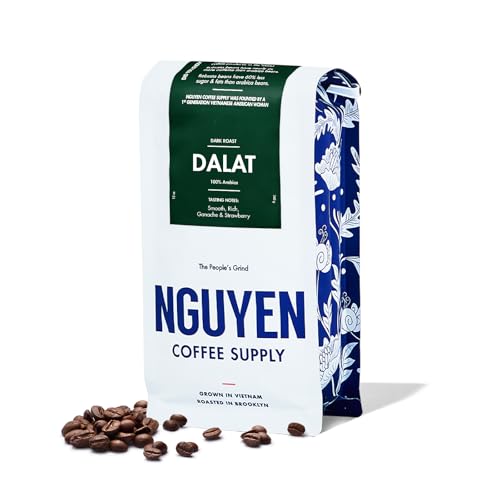
Nguyen Coffee Supply Dalat Arabica
Strengths
- Smooth, nuanced flavor
- 100% Arabica beans
- Natural sweetness
Trade-offs
- Lower caffeine than typical Vietnamese coffee
- Not traditional in strength
It’s no secret that Vietnam is Robusta country, so when a producer like Nguyen Coffee Supply focuses on 100% Arabica, it’s a statement. This Dalat roast is a revelation for Arabica loyalists who want to explore Vietnamese beans without the usual punch-to-the-jaw intensity. The natural sweetness stands out, owners frequently mention the strawberry and ganache notes, and the dark roast doesn’t bury the bean’s inherent complexity.
Roasted in Brooklyn from beans grown in Vietnam’s Central Highlands, this coffee bridges two worlds. Compared to the Hanoi Robusta from the same brand, it’s far more approachable, with lower caffeine and a smoother finish. It’s not the traditional Vietnamese coffee experience, but it’s a compelling evolution of it. For anyone tired of one-note dark roasts, this is a breath of fresh air.
Video review
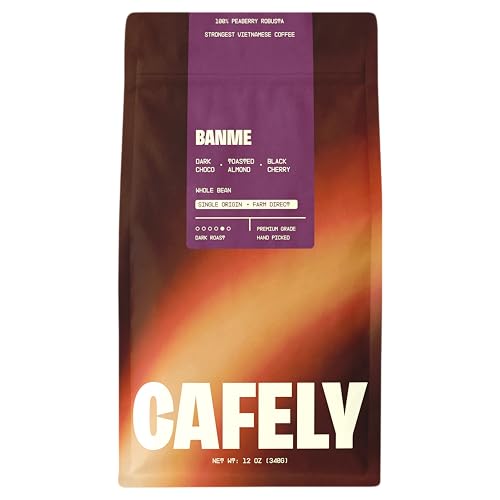
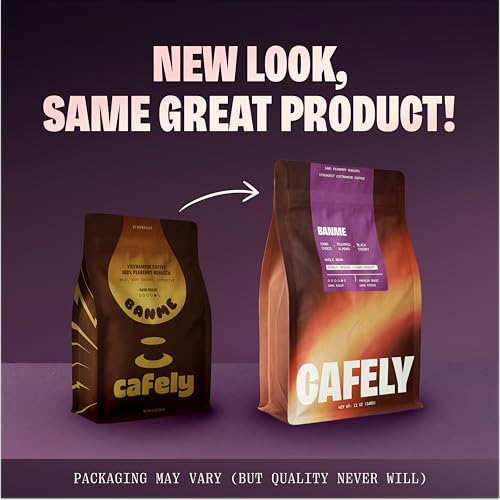
Cafely BanMe Peaberry Robusta Coffee
Strengths
- High caffeine punch
- Rich, velvety crema
- Rare peaberry beans
Trade-offs
- Overpowering for mild coffee lovers
- Limited availability
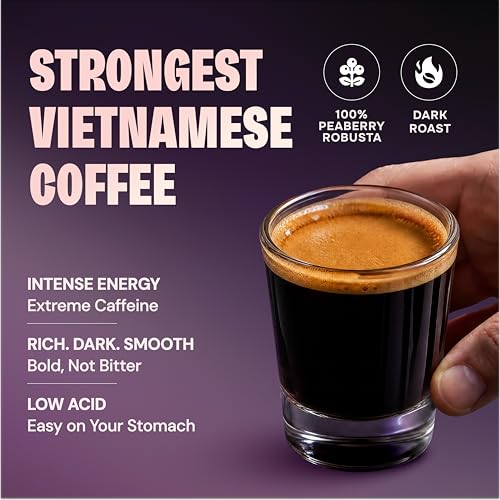
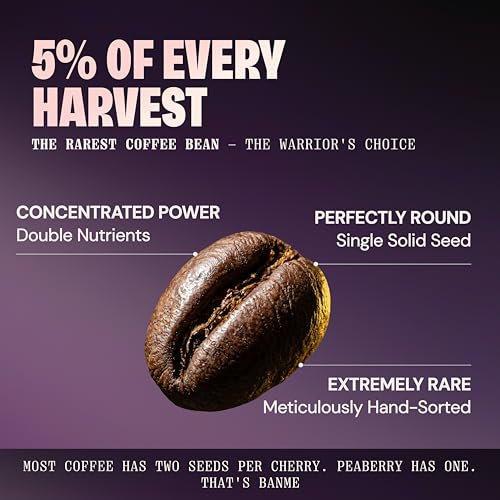
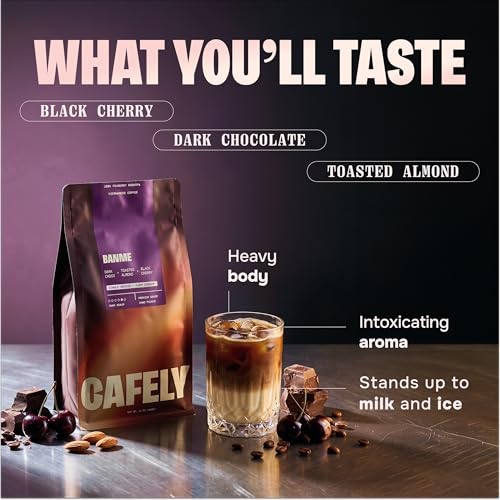
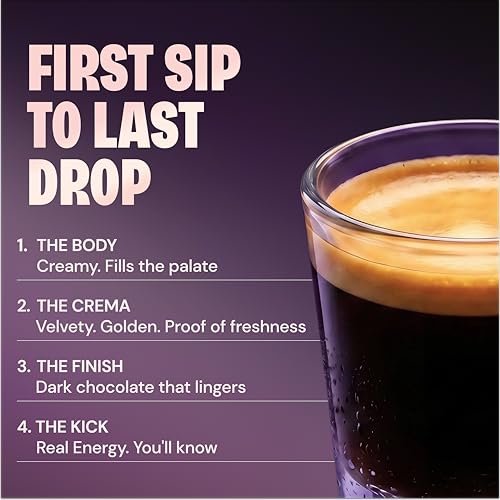
This is a coffee built for intensity seekers. The peaberry Robusta beans are rare by nature and roasted to bring out a thick, syrupy body and a crema you’d expect from a high-end espresso machine. On paper, the 2x caffeine content compared to Arabica is a standout, and reviewers confirm the lift is real, clean, sharp, and long-lasting. If you’re used to milder beans, this one will wake you up in more ways than one.
The sourcing story adds weight here. Direct trade, single-origin, and grown in Vietnam’s highlands, these aren’t buzzwords tossed around lightly. Owners praise the dark chocolate and nutty notes, and I appreciate how well it performs across methods, especially in a phin or espresso. Compared to Nguyen Coffee Supply’s Robusta, this one feels more focused on power and texture than tradition.
Product photos
Nguyen Coffee Supply Hanoi Robusta

Strengths
- Bold, traditional flavor
- High caffeine content
- Versatile grind size
Trade-offs
- Not for low-acid-sensitive drinkers
- Ground form limits peak freshness
This is the coffee that reminds me why Robusta has its place. The Hanoi roast is unapologetically strong, with a deep body and notes of fig and graham cracker that ground the intensity in warmth rather than harshness. Ground for versatility, it works across phin, French press, and drip, owners love how consistent it brews regardless of method. The high caffeine and low acid are exactly what you’d expect from quality Vietnamese Robusta, but here it’s elevated by direct trade sourcing and Brooklyn roasting precision.
Compared to the Vinacafe instant, this is the real-deal foundation for homemade ca phe sua da. It gives you full control, and the lack of additives means you taste the bean, not fillers. While the Cafely peaberry option goes for rarefied intensity, this one nails everyday authenticity with integrity.
Video review
How We Chose These coffee for vietnamese coffee
As the founder of Bean Thusiast, I approached researching coffee for traditional Vietnamese brewing methods by comparing published specifications and features across numerous brands. I then weighed those details against owner reviews and expert opinions found in coffee publications and forums. Rather than a hands-on lab test, this is a research-led comparison of specs and owner feedback, applying my years of experience with Vietnamese coffee culture and brewing techniques to determine the best options.
For coffee intended for phin filters and the strong brews they produce, I focused heavily on bean type (Robusta vs. Arabica) and roast level. The intensity and body are paramount in Vietnamese coffee, so a higher Robusta content and darker roast generally performed better in my assessment. Flavor notes were also important, but secondary to the strength and ability to cut through condensed milk – a key component of the experience.
Specifications regarding bean origin and processing methods were useful for understanding potential flavor profiles. However, I placed greater emphasis on owner feedback regarding crema production (especially for espresso-style preparations) and overall boldness. Many consumers also discuss Vietnamese coffee caffeine levels when describing their preferences, and this was a factor in my evaluation. Ultimately, reputation and consistently positive reviews were strong indicators of quality.
What To Look For In coffee for vietnamese coffee
As someone who’s spent years exploring the nuances of Vietnamese coffee, I know finding the right beans can be a delightful, but sometimes overwhelming, process.
Vietnamese coffee preparation often centers around robusta beans, known for their bold flavor and high caffeine content. However, arabica varieties are gaining popularity too. Consider roast level, grind size (especially if using a phin filter), and whether you prefer instant convenience or the ritual of brewing from whole beans. Look for direct-trade sourcing to support Vietnamese farmers and ensure quality.
Understanding Roast Level & Bean Type
The type of bean and how it’s roasted dramatically impact the final cup. Traditionally, Vietnamese coffee leans heavily toward robusta, and for good reason. Robusta delivers that intense, chocolatey flavor and caffeine kick many associate with cà phê sữa đá explained. However, don’t dismiss arabica entirely. Higher-altitude Vietnamese arabica, like those from Dalat, can offer a surprising sweetness and complexity. Many prefer a dark roast to accentuate the inherent flavors, but a medium-dark roast can highlight the brighter notes of arabica.
Grind Size & Brewing Method Compatibility
Vietnamese coffee is often brewed using a phin filter, and this is where grind size becomes absolutely critical. Too fine, and you’ll have a slow, muddy brew. Too coarse, and the water will rush through, resulting in a weak, under-extracted cup. Most roasters specializing in Vietnamese coffee will offer a grind specifically for phin filters, which is ideal. If you’re grinding your own, aim for a medium-coarse grind – similar to what you’d use for a French press, but perhaps slightly finer. If you’re looking for more information on beans, check out my guide to the [best Vietnamese coffee beans].
- Instant coffee offers unmatched convenience, perfect for quick mornings.
- Pre-ground coffee is a good compromise, but freshness suffers quickly; store it airtight.
- Whole bean coffee allows for maximum flavor control, but requires a grinder and more effort – it’s especially rewarding if you’re seeking [top beans for phin brewing].
A good rule of thumb: if you’re investing in whole bean coffee, buy smaller quantities more frequently to maintain peak freshness.
Evaluating Value & Sourcing
Price isn’t always an indicator of quality, but it is an indicator of sourcing practices. I always encourage supporting brands that prioritize direct trade with Vietnamese farmers. This ensures they receive a fair price for their beans and can invest in sustainable farming practices. Brands like Nguyen Coffee Supply are leading the way in this regard, and their commitment to quality is evident in their offerings. You’ll find that some brands, like Vinacafe, offer convenient 3-in-1 options, which are a great starting point if you’re new to Vietnamese coffee and want a simple introduction to [authentic Vietnamese coffee beans]. If you’re aiming for a strong, iced coffee, consider a [dark roast iced coffee] to stand up to the sweetened condensed milk.
Coffee For Vietnamese Coffee Compared
Here’s a comparison of key specs for different Vietnamese coffee options.
| Product Name | Bean Type | Roast Level | Format | Caffeine Level | Key Feature |
|---|---|---|---|---|---|
| Vinacafe 3-in-1 Instant Coffee | N/A | N/A | Instant | N/A | Convenience |
| Nguyen Coffee Supply Dalat Arabica | Arabica | Dark | Whole Bean | N/A | Natural Sweetness |
| Cafely BanMe Peaberry Robusta Coffee | Robusta | N/A | Whole Bean | High | Peaberry Beans |
| Nguyen Coffee Supply Hanoi Robusta | Robusta | Dark | Whole Bean | High | Bold & Rich Flavor |
Frequently Asked Questions
What grind size is best for a phin filter?
A medium-coarse grind, similar to French press but potentially a touch finer, works best for phin filters. This prevents over-extraction or a weak brew, maximizing flavor and body.
Is robusta coffee always more bitter than arabica?
Robusta can be more bitter, but the roast level significantly impacts this. Darker roasts, common in Vietnamese coffee, emphasize chocolatey notes and reduce perceived bitterness, even in robusta beans.
Can I use pre-ground coffee with a phin?
Yes, you can, but freshness degrades quickly after grinding. To maintain the best flavor, store pre-ground coffee in an airtight container, and consider grinding whole beans if possible.
Where can I find ethically sourced Vietnamese coffee?
Look for brands like Nguyen Coffee Supply, which prioritize direct trade with Vietnamese farmers. Supporting these brands helps ensure fair prices and sustainable farming practices. You can find more options in my guide to the best Vietnamese instant coffee.
What’s the difference between the 3-in-1 instant coffees?
These typically combine instant coffee with sugar and non-dairy creamer, offering maximum convenience. While they lack the nuance of traditionally brewed coffee, they are a quick and accessible introduction to Vietnamese coffee flavors.
The Bottom Line
Choosing the best coffee for Vietnamese coffee often comes down to balancing convenience with control over flavor. While instant options like Vinacafe 3-in-1 provide unmatched ease, for those seeking a truly authentic and richly flavored experience, I recommend Nguyen Coffee Supply Hanoi Robusta. It delivers the bold, chocolatey character that defines traditional cà phê sữa đá.
For readers on a tighter budget, the Vinacafe 3-in-1 is an excellent starting point, offering a quick and accessible introduction to Vietnamese coffee flavors. If you’re prioritizing versatility and a slightly sweeter profile, Nguyen Coffee Supply Dalat Arabica is a fantastic choice, especially if you want to experiment with brew Vietnamese coffee at home. And for those looking for something unique, Cafely BanMe Peaberry Robusta offers a distinctive flavor experience.
Ultimately, the most crucial elements are freshness, a proper grind for the phin filter, and a willingness to adjust the amount of sweetened condensed milk to your preference. Don’t get too caught up in specific bean origins or roast levels – focus on finding a coffee that delivers the bold, robust flavor you expect from a truly satisfying cup of sweetened condensed milk coffee.
